
1 Michelin Star
Our verdict
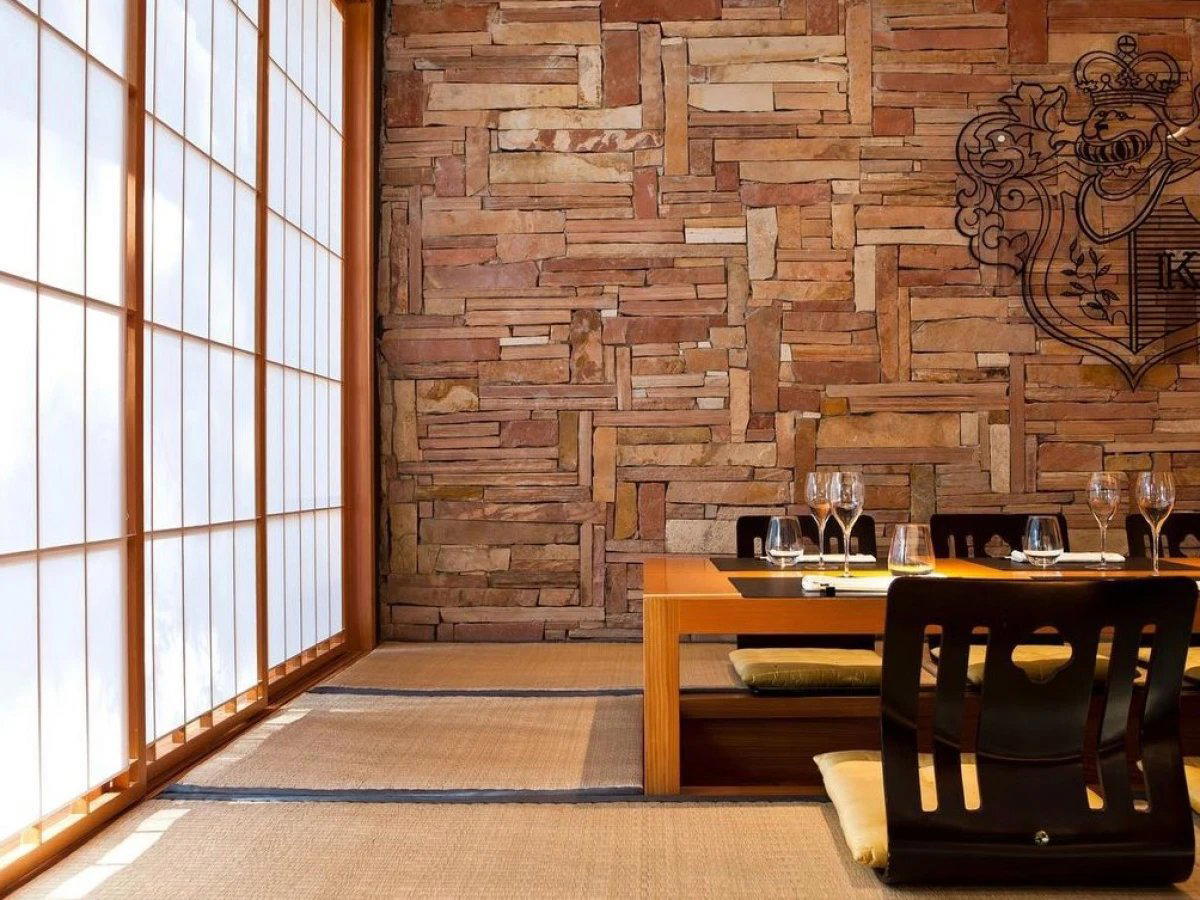
Kinoshita holds a Michelin star in São Paulo's Vila Nova Conceição neighbourhood, where Chef Kunio Tokuoka applies a Japanese ingredient-first discipline to a kitchen operating far from its source materials. Reservations warrant planning ahead.

Pearl is the En Primeur Club membership app — saves, bookings, and concierge access live there. Same editors, same standards.
- Address
- R. Jacques Félix, 405 - Vila Nova Conceição, São Paulo - SP, 04509-000, Brazil
- Phone
- +55 11 3849-6940
- Hours
- Mon–Wed 12–3 PM, 7–11 PMThu–Fri 12–3 PM, 7 PM–12 AMSat 12–4 PM, 7 PM–12 AMSun Closed
- Website
- restaurantekinoshita.com.br
- Directions
- Get directions
The menu
What to order
- Omakase tasting menu
- Squid with sea urchin
- Tuna with foie gras
- Mackerel with sesame
- Sashimi platter
Where São Paulo's Japanese Fine Dining Sits Right Now
São Paulo's Japanese dining scene is the largest outside Japan, a product of the Nikkei immigration waves that arrived through the Port of Santos from 1908 onward. That demographic foundation produced a culinary culture running from neighbourhood teishoku counters in Liberdade to high-format kaiseki rooms in the southern zones. The upper tier of that spectrum has tightened in recent years: Michelin's São Paulo guide now distinguishes between technically consistent, ingredient-driven Japanese kitchens and the broader sushi-and-robata middle market.
Vila Nova Conceição occupies the residential southern end of the Faria Lima corridor, where the commercial intensity of Itaim Bibi drops away into quieter streets of mid-rise apartment buildings and mature trees. The address on Rua Jacques Félix places Kinoshita in a context that reads more like a serious local restaurant than a destination-dining spectacle, which aligns with the kitchen's register. Japanese fine dining rooms in this mould, whether in São Paulo or in Tokyo reference points like Azabu Kadowaki, tend to under-announce themselves architecturally. What signals the tier is not the façade but what happens once you are seated.
The Primacy of Raw Materials in a Kitchen Far from Japan
The editorial angle that makes Kinoshita worth examining carefully is not its star count but its ingredient position. Operating a rigorous Japanese kitchen in São Paulo means solving a logistics problem that equivalents in Tokyo, Osaka, or Kyoto never face: the primary proteins, the dashi components, the artisan condiments, and the seasonal produce rhythms of Japanese cuisine are all either imported at considerable cost and lead time, or substituted with Brazilian analogues. The decisions a kitchen makes at that junction define its identity more than any single technique.
The ingredient-forward strand of Japanese cooking, the one that treats dashi as architecture rather than background, that sequences a menu around what is available rather than what is expected, demands either a reliable import supply chain or a serious engagement with local sourcing. São Paulo's access to high-quality Brazilian fish, particularly from the Atlantic coast and the Amazon basin, gives kitchens in this tier raw materials that have no direct Japanese parallel but carry their own merit. How a kitchen at this level handles that tension, between fidelity to Japanese material culture and the realities of a South American pantry, is the question worth asking when evaluating the Michelin-starred tier here.
Chef Kunio Tokuoka's background carries the credentials relevant to that question. His training connects to Kyoto kaiseki tradition, a school of cooking in which the sourcing and preparation of ingredients is treated as the primary act of cooking, and the heat applied at service is almost secondary. That orientation shapes how a kitchen reads seasonal availability, how it weights texture against flavour, and how far it is willing to deviate from a fixed menu in response to what arrived that morning.
Reading the Room: Format and Price Tier
São Paulo's $$$$-tier Japanese restaurants occupy a narrower competitive band than a decade ago. The Michelin star is the clearest sorting mechanism, but within the starred tier there are further distinctions by format: sushi-led omakase counters, full kaiseki progressions, and hybrid tasting menus that move between Japanese technique and Brazilian ingredients. Kinoshita sits in a bracket where the meal is a structured progression rather than a counter performance, which places it differently from omakase-format peers like Kuro or Oizumi Sushi.
The $$$$ price designation puts Kinoshita at the top of São Paulo's Japanese price range, competing on value terms with the city's broader fine dining market rather than just within Japanese cuisine. That includes two-star modern Brazilian rooms like D.O.M. and Evvai.
For visitors contextualising Kinoshita within São Paulo's wider restaurant scene, the city's starred Japanese rooms occupy a different cultural register than its creative Brazilian kitchens. Restaurants like KANOE and Kan Suke represent one direction within Japanese dining in the city, while Huto addresses another. Kinoshita's kaiseki lineage places it in a strand that has fewer direct competitors locally, which is part of why the Michelin recognition has held across consecutive years.
Kinoshita in Brazil's Broader Starred Context
Brazil's Michelin-starred restaurants spread across multiple cities, and the starred tier in São Paulo competes for attention with recognised kitchens elsewhere in the country. Lasai in Rio de Janeiro, Manu in Curitiba, and Manga in Salvador each represent their own regional culinary identities, as do Mina in Campos do Jordão and Orixás in Itacaré. The majority of Brazil's starred rooms are rooted in Brazilian ingredient traditions, which makes Kinoshita's position unusual at the national level: a Japanese-tradition kitchen, holding consecutive stars in a guide that is predominantly awarding Brazilian and European-influenced cuisine. That singularity is worth registering. For the Tokyo-trained comparative reader, it is also worth looking at what Myojaku in Tokyo represents in the kaiseki register to calibrate expectations across geographies.
The Nikkei culinary influence on Brazilian cooking more broadly is well-documented, appearing in dishes like tiradito, in the treatment of raw fish across Brazilian menus, and in the knife skills visible in kitchens with no Japanese billing at all. Kinoshita operates upstream of that diffuse influence, in a register where the Japanese tradition is applied with full rigour rather than absorbed into a Brazilian hybrid. That distinction matters when deciding which room fits a particular evening's intention.
Planning Your Visit
Kinoshita is located at Rua Jacques Félix, 405 in Vila Nova Conceição, accessible from the Faria Lima metro corridor and within a short taxi or ride-share distance from Itaim Bibi and Jardins. The neighbourhood has limited street parking during dinner service, so arriving by car requires planning. Bookings at this tier in São Paulo typically require at least two to three weeks' lead time, and more during the Brazilian summer season from December through February, when international visitors and local dining peaks coincide. Confirming the current tasting menu format and pricing directly with the restaurant before booking is worth doing, as the structure of service at kaiseki-influenced rooms can shift seasonally. The $$$$ price designation signals a commitment to a full-progression evening rather than a quick dinner.
For a broader map of where Kinoshita sits within São Paulo's restaurant scene, see our full São Paulo restaurants guide. For planning the rest of a São Paulo visit, our full São Paulo hotels guide, our full São Paulo bars guide, our full São Paulo wineries guide, and our full São Paulo experiences guide cover the full range of options across the city.
Frequently asked questions
What do people recommend at Kinoshita?
Should I book Kinoshita in advance?
A Tight Comparison
| Venue | Cuisine | Price | Awards | Notes |
|---|---|---|---|---|
| KinoshitaThis venue — the venue you are viewing | Michelin-Starred Kappo Omakase | $200–300 | 1 Michelin Star | Not listed |
| Evvai | Modern Italian-Brazilian Fusion | $200–300 | 3 Michelin Stars · World's 50 Best #95 | Contemporary Italian, Modern Cuisine |
| D.O.M. | Modern Brazilian Amazonian Fine Dining | $150–200 | 2 Michelin Stars · World's 50 Best #74 | Modern Brazilian, Creative |
| Maní | Modern Creative Brazilian | $50–100 | 1 Michelin Star · World's 50 Best #67 | Brazilian - International, Creative |
| Jun Sakamoto | Japanese Omakase | $100–150 | 1 Michelin Star · La Liste Top Restaurants | Sushi, Japanese |
| A Casa do Porco | Modern Brazilian Pork-Centric | $30–50 | Michelin Bib Gourmand · World's 50 Best #25 | Regional Brazilian, Brazilian |
Recognition history
Dated appearances from independent guides and award organizations, with the underlying list record or original source where available.
Michelin 1 Star
Michelin
Full recognition history (3 entries)
Michelin 1 Star
Michelin
Michelin 1 Star
Michelin
Continue exploring
More in São Paulo
Restaurants in São Paulo
Browse all →
Bars in São Paulo
Browse all →
Details
- Elegant
- Sophisticated
- Intimate
- Modern
- Date Night
- Business Dinner
- Special Occasion
- Celebration
- Open Kitchen
- Chefs Counter
- Sake Program
- Sommelier Led
- Local Sourcing
- Sustainable Seafood
- Omakase
- Counter Dining
- A La Carte
- Sake
- Vegetarian Friendly
- Gluten Free Options
Current opening hours
- Monday
- 12–3 PM, 7–11 PM
- Tuesday
- 12–3 PM, 7–11 PM
- Wednesday
- 12–3 PM, 7–11 PM
- Thursday
- 12–3 PM, 7 PM–12 AM
- Friday
- 12–3 PM, 7 PM–12 AM
- Saturday
- 12–4 PM, 7 PM–12 AM
- Sunday
- Closed
Hours can change for holidays and private events. Last verified .
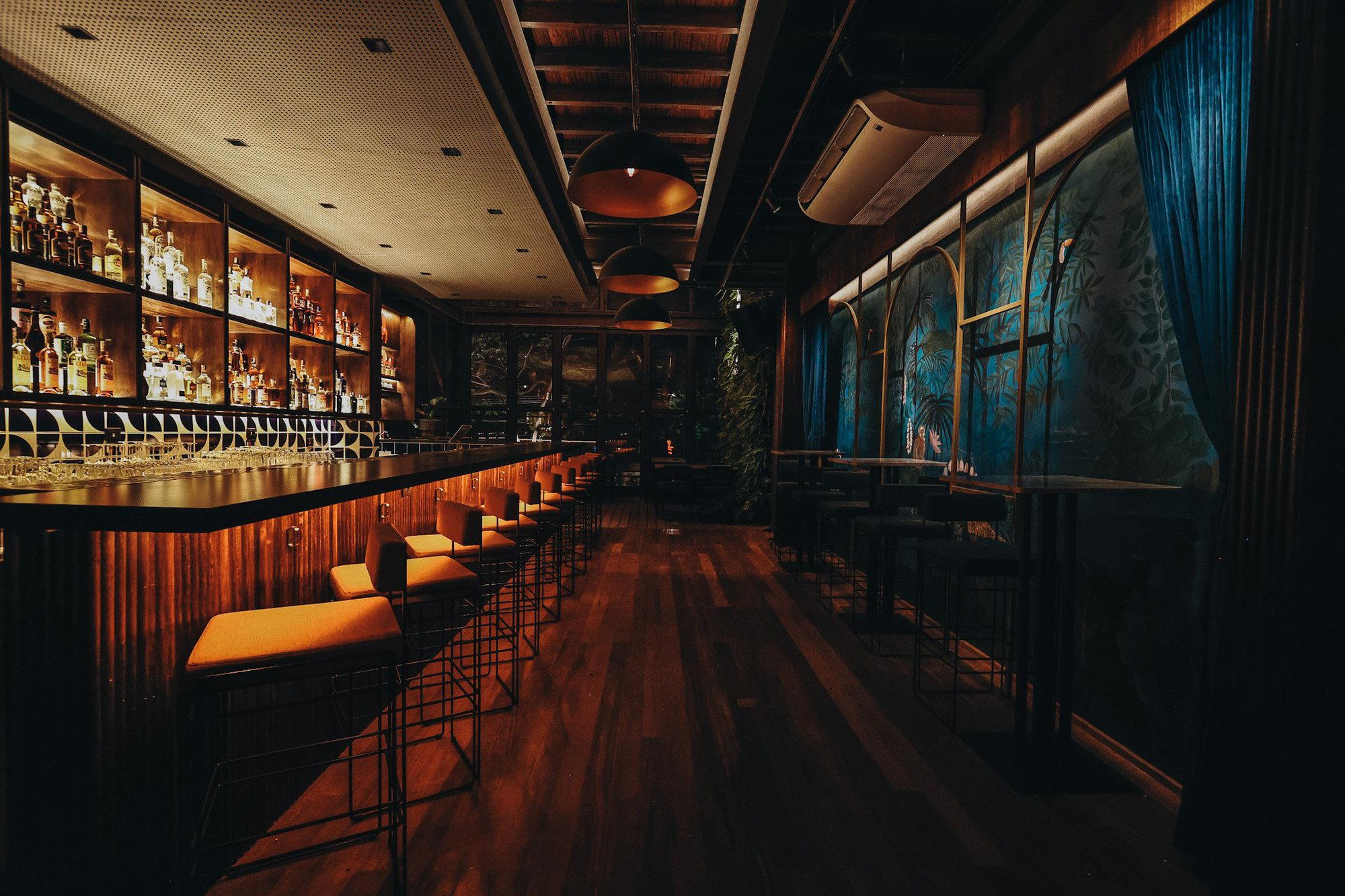
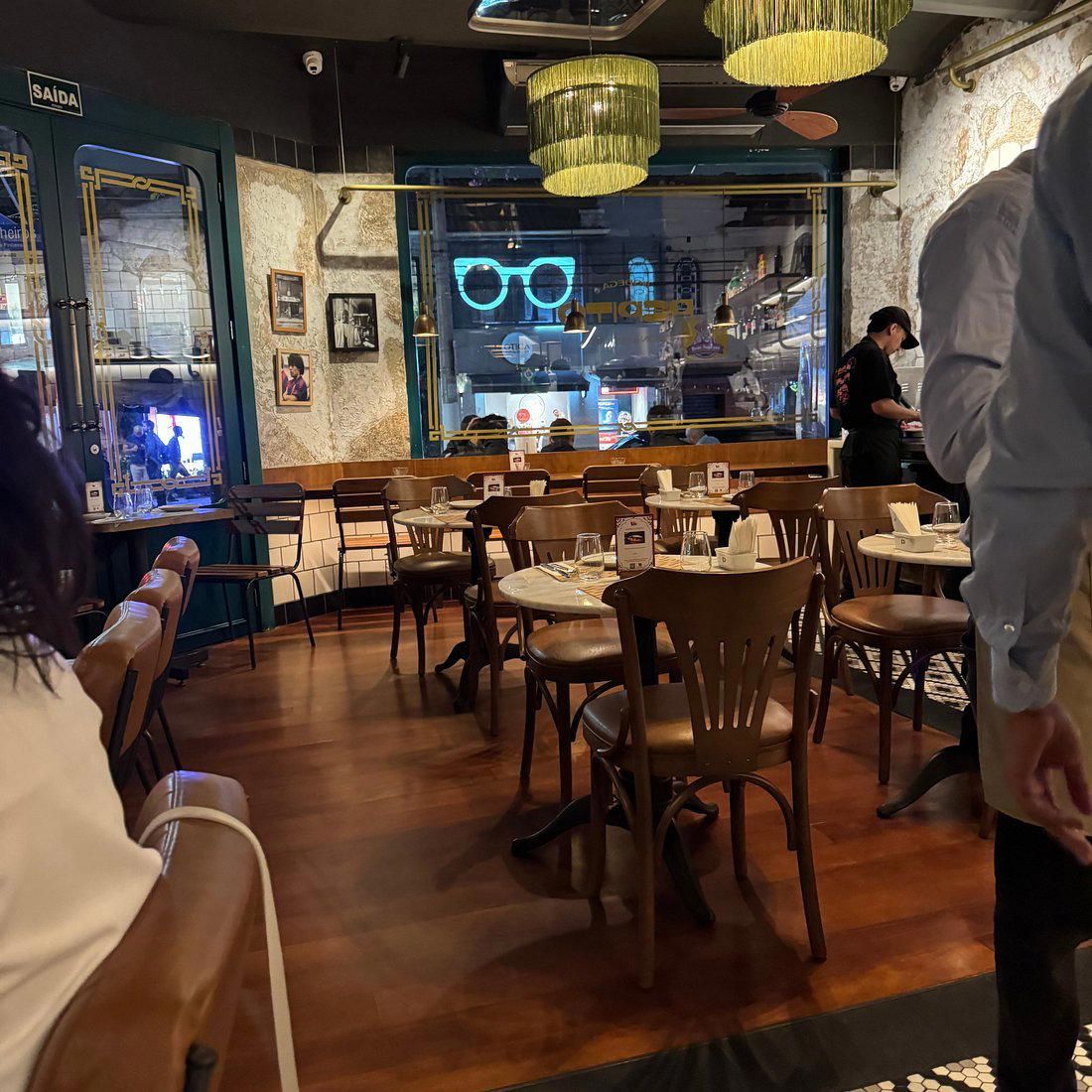
Modern and elegant setting with exotic greenery, featuring an open kitchen counter as the focal point where diners watch skilled chefs work in a serene, quiet atmosphere.