On a quiet residential block in Itaim Bibi, Ohka occupies São Paulo's conversation around Japanese technique applied to Brazilian ingredients, a pairing the city has tested across multiple formats but rarely with this kind of focused restraint. The address alone, on Rua Prof. Carlos de Carvalho, signals a neighbourhood at the quieter end of the district's dining corridor, where serious cooking tends to outlast the fashionable noise.
Pearl is the En Primeur Club membership app — saves, bookings, and concierge access live there. Same editors, same standards.
- Address
- R. Prof. Carlos de Carvalho, 105 - Itaim Bibi, São Paulo - SP, 04531-080, Brazil
- Phone
- +551130783979
- Website
- ohka.com.br
- Directions
- Get directions
 Saves & bookings on Pearl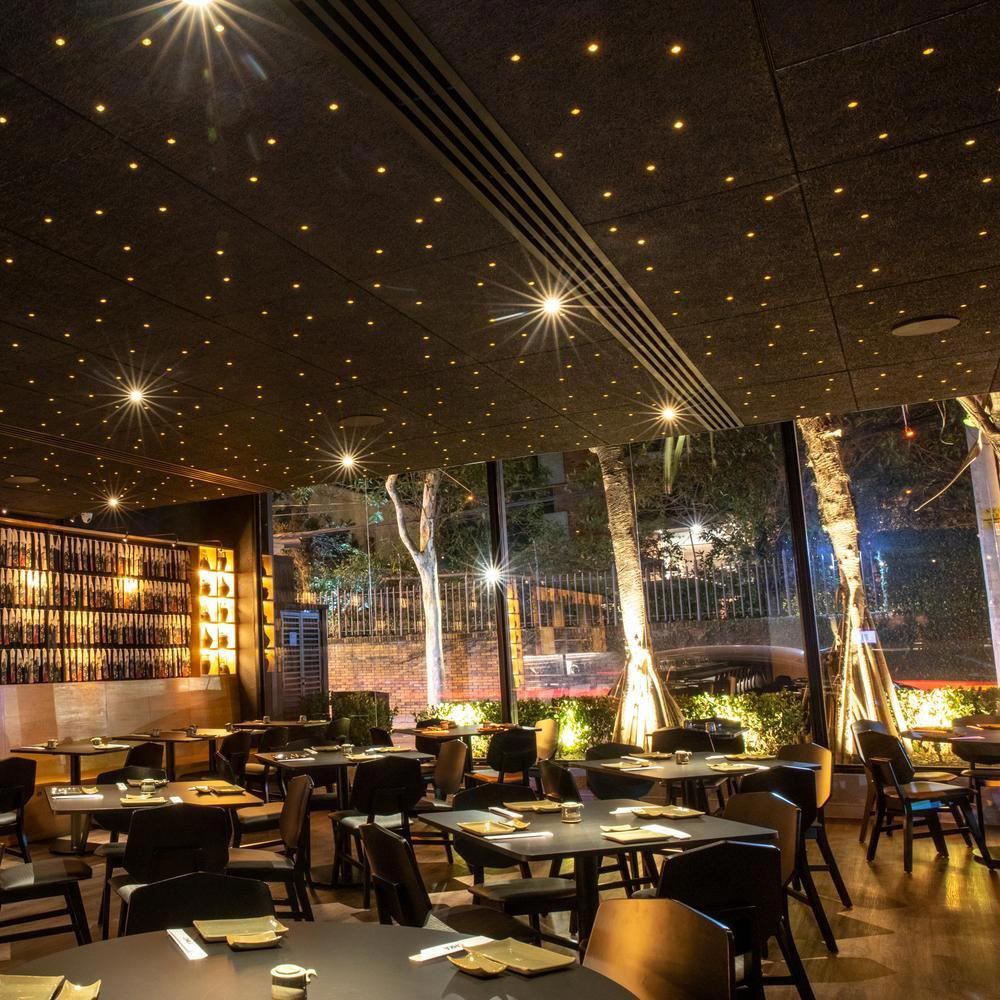
Where Itaim Bibi Gets Quiet Enough to Listen
Itaim Bibi runs two speeds. There is the version visible from Avenida Brigadeiro Faria Lima, commercial, loud, stacked with Brazilian steakhouses and corporate lunch trade, and then there is the residential grid that peels away from it, where the buildings drop in height and the street-level becomes genuinely local. Rua Prof. Carlos de Carvalho sits in that second version. Number 105 is the kind of address that does not announce itself from the pavement, which in São Paulo's fine-dining shorthand tends to mean the room inside is doing the talking.
Ohka occupies this position in the neighbourhood at a moment when São Paulo's appetite for Japanese-Brazilian crossover cooking has matured past novelty. The city has a longer relationship with Japanese culinary influence than almost anywhere outside Japan itself: the descendants of early twentieth-century immigration from Aichi, Kumamoto, and Fukuoka prefectures built one of the largest nikkei communities on earth in São Paulo and its surrounds, and the cooking that emerged from that settlement now runs from neighbourhood teishoku counters in Liberdade to multi-course omakase sequences charging prices that align with D.O.M. and Evvai at the summit of the city's tasting-menu tier.
The Technique-Product Question São Paulo Keeps Asking
The central editorial question for any restaurant operating at the intersection of Japanese method and Brazilian ingredients is whether the technique serves the product or overrides it. This is not a trivial distinction. Japanese culinary discipline, the knife work, the temperature control, the emphasis on restraint over accumulation, was developed for ingredients with specific textures, fat distributions, and seasonal windows. Apply those methods directly to Amazonian fish, cerrado herbs, or Atlantic coast shellfish and the results can be either revelatory or reductive, depending on how well the kitchen understands what it is working with.
São Paulo has seen this tension play out across multiple formats. The nikkei tradition that defines much of Liberdade's cooking solved the problem over generations by gradual hybridisation, Japanese technique slowly incorporating Brazilian ingredient logic rather than imposing on it. The contemporary fine-dining version of the same question tends to work faster and with more self-consciousness, which is why the better addresses in this space, including those in Itaim Bibi, are judged as much on ingredient sourcing rigour as on technical execution. Restaurants like Tuju and Maní have mapped parts of this territory from the Brazilian-creative side; the Japanese-method side of the same map is less fully charted, which is part of what gives addresses like Ohka their positioning interest.
Reading the Room in Itaim Bibi
The neighbourhood context matters more than it might appear. Itaim Bibi has become São Paulo's most reliable address for a particular kind of mid-to-high-end dining seriousness: not the maximalist spectacle of Jardins, not the locavore density of Pinheiros, but a format-disciplined register where the room size tends to be smaller and the booking logic tends to be less forgiving. Fame Osteria, operating in a comparable postcode with a focused Italian-contemporary format, represents one version of this neighbourhood character. Ohka, approaching from a Japanese-Brazilian angle, represents another.
That positioning places Ohka in a competitive conversation with the city's sushi and Japanese-influenced counters, a category that in São Paulo runs from Jun Sakamoto's long-established kaiseki-adjacent program at the $$$ tier to newer omakase rooms charging significantly more for Brazilian-ingredient-focused sequences. The Itaim Bibi address and the restaurant's evident seriousness about its format suggest it belongs closer to the upper end of that bracket.
Ingredients as the Argument
The editorial angle worth taking seriously here is what Brazilian ingredient access actually means for a kitchen committed to Japanese method. Brazil's agricultural and ecological range is genuinely unusual: cerrado fruits with acid profiles that have no Japanese equivalent, Amazonian river fish whose fat content and texture differ substantially from any Pacific species, Atlantic prawns harvested from cooler southern waters, aged cheeses from Minas Gerais that have no obvious Japanese analogue. A kitchen that knows how to use these ingredients on their own terms, rather than forcing them into inherited Japanese categories, is making a different argument than one that simply replaces tuna with local fish. The distinction is audible in the result.
This is the same question that informed restaurants in other cities have answered in different directions. Atomix in New York built a case for Korean ingredients filtered through French-trained precision; Le Bernardin made the argument for French technique as a framework capable of respecting any fish regardless of origin. The São Paulo version of this debate is still being written, and Ohka is one of its current addresses. For a parallel reading of how the crossover question plays out in Rio, Lasai offers a different but instructive approach, European-trained precision applied to Brazilian garden produce, with the technique explicitly subordinate to the ingredient.
Planning a Visit
Ohka's location on Rua Prof. Carlos de Carvalho in Itaim Bibi is accessible from the Faria Lima metro station, though the walk runs through a quiet residential block rather than along the main commercial strip. For a district where serious dining tends to operate at moderate capacity with forward booking requirements, arriving without a reservation is inadvisable; the format and address suggest demand exceeds walk-in availability on most evenings. Booking through the restaurant directly or via São Paulo-facing reservation platforms is the practical route, and given that omakase-adjacent formats in this city tier typically release seats two to four weeks in advance, checking availability earlier in a planning window makes sense.
Standing Among Peers
Comparable venues nearby, for context on price, style, and recognition.
| Venue | Cuisine | Price | Notes |
|---|---|---|---|
| OhkaThis venue — the venue you are viewing | Modern Japanese Cuisine | $$$$ | Not listed |
| JAM Itaim | Modern Japanese Omakase & Sushi | $$$$ | Itaim Bibi |
| Nakka | Modern Japanese Omakase & Sushi | $$$$ | Pinheiros |
| Nakka Jardins | Modern Japanese Omakase | $$$ | Jardim Paulista |
| Jam Jardins Japanese Cusine | Japanese Fusion | $$$ | Jardim Paulista |
| La Tambouille | Franco-Italian Fine Dining | $$$$ | Pinheiros |
Continue exploring
More in São Paulo
Restaurants in São Paulo
Browse all →
Bars in São Paulo
Browse all →
At a Glance
- Modern
- Elegant
- Sophisticated
- Date Night
- Special Occasion
- Open Kitchen
- Sake Program
Current opening hours
- Monday
- 7–11 PM
- Tuesday
- 7 PM–12 AM
- Wednesday
- 7 PM–12 AM
- Thursday
- 7 PM–12 AM
- Friday
- 7 PM–12 AM
- Saturday
- 7 PM–12 AM
- Sunday
- Closed
Hours can change for holidays and private events. Last verified .
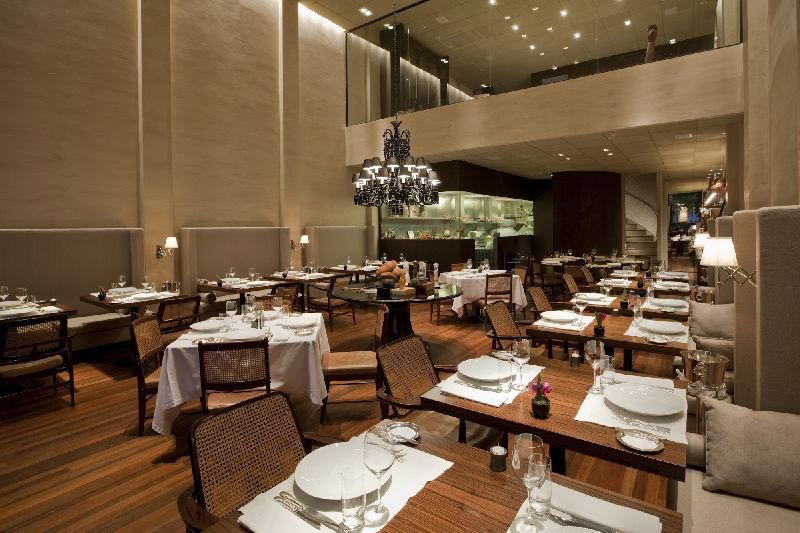
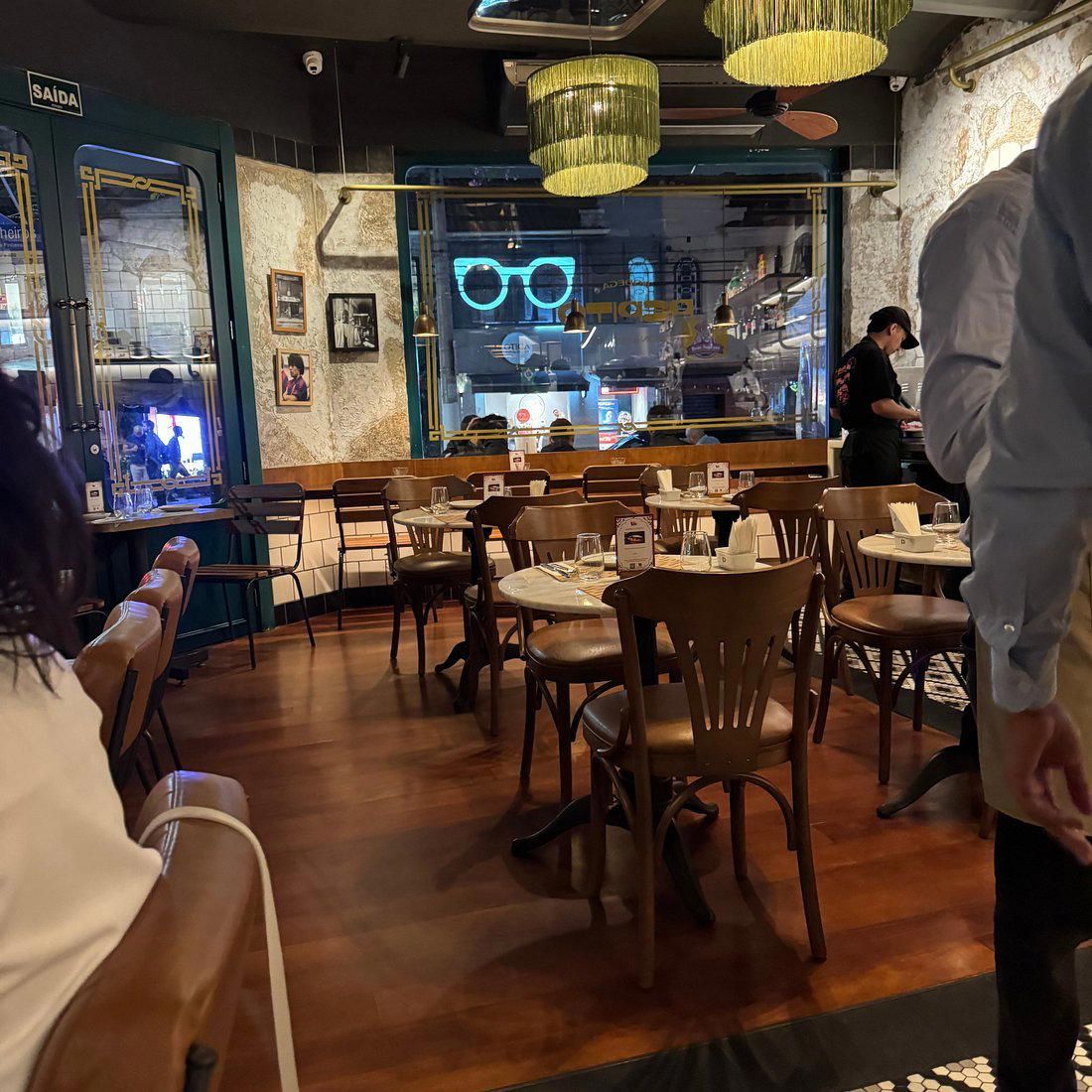
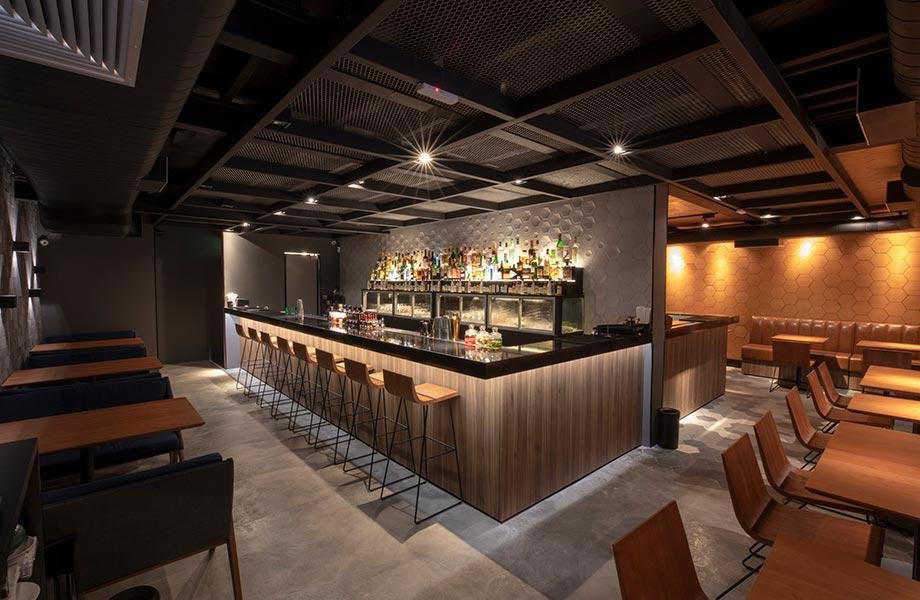
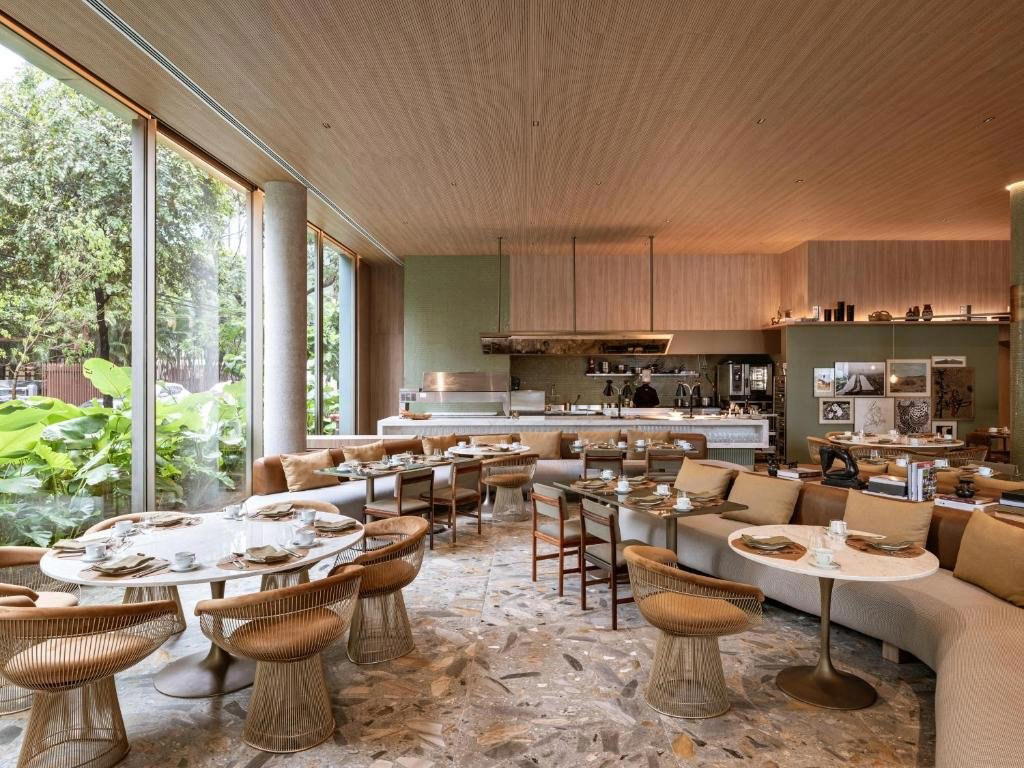
Elegant ambiance with sleek decor, high ceilings, and a warm atmosphere enhancing the sensory dining experience.