Aguzzo occupies a quiet stretch of Rua Simão Álvares in Pinheiros, one of São Paulo's most consistently interesting dining neighbourhoods. Where many addresses in the area trade on creative Brazilian or Italian-inflected menus, Aguzzo holds a position worth tracking for visitors building a serious itinerary across the city's mid-to-upper dining tier. Pair it with a broader exploration of what Pinheiros and its neighbours are producing right now.
Pearl is the En Primeur Club membership app — saves, bookings, and concierge access live there. Same editors, same standards.
- Address
- R. Simão Álvares, 325 - Pinheiros, São Paulo - SP, 05417-030, Brazil
- Phone
- +551130837363
- Website
- aguzzo.com.br
- Directions
- Get directions
 Saves & bookings on Pearl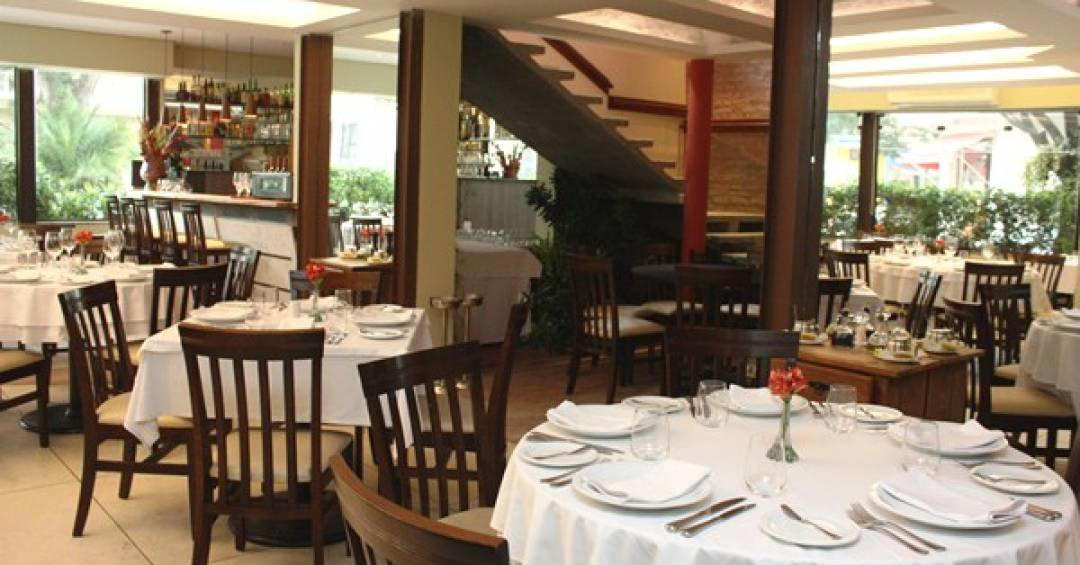
Pinheiros and the Architecture of the Neighbourhood Table
There is a particular type of São Paulo dining room that Pinheiros has refined over the past decade: compact, considered, and built to encourage the kind of conversation that only happens when the room itself is not competing for attention. The neighbourhood sits west of Paulista, its streets lined with a mix of early twentieth-century residential buildings, converted commercial spaces, and a handful of purpose-built restaurants that treat the physical room as an argument in itself. Aguzzo, on Rua Simão Álvares 325, belongs to this tradition. The address places it within walking distance of the neighbourhood's denser dining corridor, where foot traffic tends to be intentional rather than passing.
Pinheiros has become one of the more reliable indicators of where São Paulo's restaurant culture is heading. Unlike Vila Madalena to the north or Jardins to the east, it resists easy categorisation: the dining here is neither aggressively trend-driven nor anchored in old-school formality. What the neighbourhood has developed instead is a preference for spaces that feel resolved, where the design brief and the menu brief appear to have been written by the same hand. Aguzzo sits inside that pattern, on a street that rewards deliberate discovery more than casual stumbling.
The Physical Argument: Space as Editorial Statement
In a city where restaurant interiors frequently default to either minimalist concrete or maximalist tropicalia, the more interesting rooms tend to make quieter choices. The Pinheiros model, at its most considered, is about proportion: ceiling height relative to table count, the distance between covers, the relationship between the bar or counter and the main dining area. These are the spatial decisions that determine whether a room feels like a setting for a meal or merely a container for one.
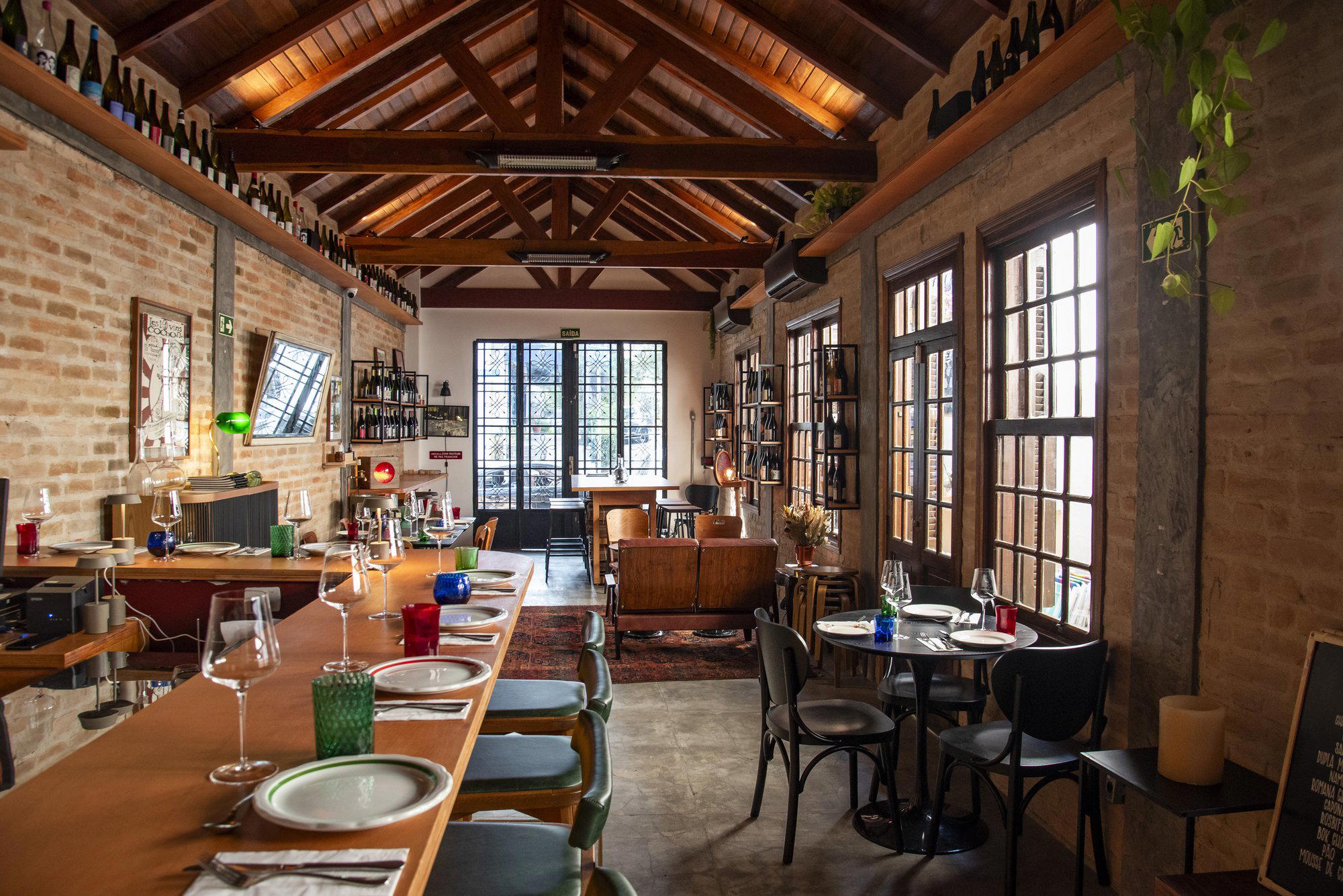
Rua Simão Álvares is a relatively modest residential and commercial street, which means the buildings along it were not designed around restaurant ambitions. The most successful conversions in this part of Pinheiros have worked with existing structural constraints rather than against them, producing rooms with a lived-in legibility that new-build spaces rarely achieve quickly. The materiality of these spaces tends toward honesty: exposed brick, reclaimed timber, or plain render rather than applied finishes. Where that approach works, it produces environments where the architecture stops being the subject and the table becomes it.
For visitors constructing a São Paulo itinerary, the practical value of an address like Aguzzo is partly about what it represents spatially: a Pinheiros room calibrated for a certain kind of evening, in a neighbourhood that has learned to do that format well. The broader Pinheiros dining circuit includes addresses like Maní, which has operated in the Brazilian-international creative register for years and remains a useful benchmark for the neighbourhood's ceiling, and Fame Osteria, which takes a contemporary Italian approach to the same kind of considered room.
Where Aguzzo Sits in São Paulo's Dining Tier
São Paulo's restaurant scene has stratified considerably over the past several years. At the top of the pricing and prestige bracket, addresses like D.O.M. and Evvai operate in a tier defined by tasting menus, Michelin recognition, and international reservation competition. Below that, a mid-upper tier has developed that is arguably more interesting for the visitor who wants to understand how the city eats rather than how it performs: rooms with strong design intentions, menus with a clear point of view, and price points that make repeat visits practical. Addresses like Tuju have demonstrated that the creative register is not exclusive to the very best of the market.
Aguzzo's position in Pinheiros places it within that mid-to-upper conversation. The neighbourhood's cost structure tends to produce restaurants that invest in the physical experience and the sourcing rather than in the formal ceremony of high-end service. That trade-off suits a specific type of diner: someone who wants quality without the apparatus of occasion that the city's most formal rooms require. For comparison, Lasai in Rio de Janeiro operates in a similar register of considered informality at a high technical level, suggesting that the format travels across Brazilian cities even as the local ingredients and influences shift.
Planning a Visit: The Pinheiros Approach
Rua Simão Álvares is accessible by Uber or taxi from most central São Paulo neighbourhoods, and the street itself is the kind of address where arriving slightly early to walk the block rewards the effort. Pinheiros rewards the visitor who treats dinner as the anchor of a longer evening: the neighbourhood has enough bars, cafés, and small venues to build a programme around a meal rather than treating the restaurant as an isolated destination.
Booking ahead is advisable for any Pinheiros restaurant operating at this level, particularly on Thursday through Saturday evenings when the neighbourhood's dining rooms fill early. The broader São Paulo dining calendar rewards flexibility: the city's restaurant culture is active year-round, without the marked seasonality that affects coastal or climate-sensitive destinations. For anyone building a longer Brazilian itinerary, São Paulo works as a hub, with Bistro Fitz Carraldo in Manaus and Casa da Picanha Penedo in Itatiaia representing the range of what the country's dining registers look like outside the two major cities. Internationally, visitors moving between São Paulo and New York will find useful reference points in Le Bernardin and Atomix for how tasting-menu formality compares across markets.
For a fuller picture of what São Paulo's restaurant scene is producing across neighbourhoods and price points, the EP Club São Paulo restaurants guide maps the city's current dining tier across cuisines and formats. Additional Brazilian addresses worth tracking include Cantina Pozzobon in Santa Maria, Aero Burguer e Grill in Santa Cruz do Sul, Arte e Café Imperial in Angra dos Reis, Casa da Dika in Bragança, Casa da Flor in Dourados, Famosa Pizza in Ribeirão Preto, and Fornazzo Pizzaria in Passo Fundo, each representing a different facet of how Brazilian dining culture operates outside the São Paulo-Rio axis.
How Aguzzo São Paulo compares with similar nearby venues.
| Venue | Cuisine | Price |
|---|---|---|
| Cepa | Farm to table | $$ |
| Casa Rios | Brazilian | $$ |
| Aya Japanese Cuisine | Japanese | $$$ |
Continue exploring
More in São Paulo
Restaurants in São Paulo
Browse all →
Bars in São Paulo
Browse all →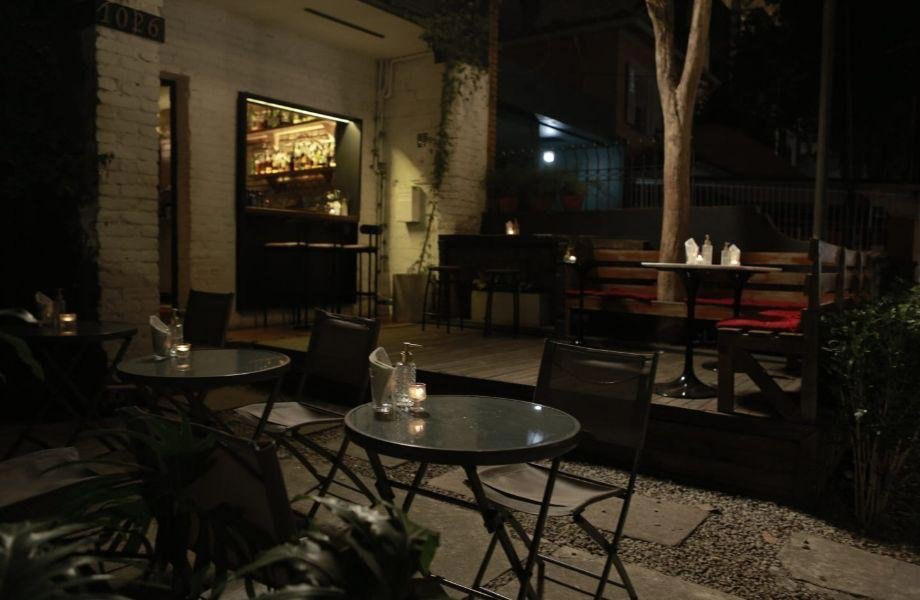
At a Glance
- Elegant
- Cozy
- Sophisticated
- Classic
- Date Night
- Business Dinner
- Special Occasion
- Open Kitchen
- Extensive Wine List
Current opening hours
- Monday
- 12–3 PM, 7–11 PM
- Tuesday
- 12–3 PM, 7–11 PM
- Wednesday
- 12–3 PM, 7–11 PM
- Thursday
- 12–3 PM, 7–11 PM
- Friday
- 12–3 PM, 7 PM–12 AM
- Saturday
- 12–5 PM, 7 PM–12 AM
- Sunday
- 12–5 PM, 7–11 PM
Hours can change for holidays and private events. Last verified .
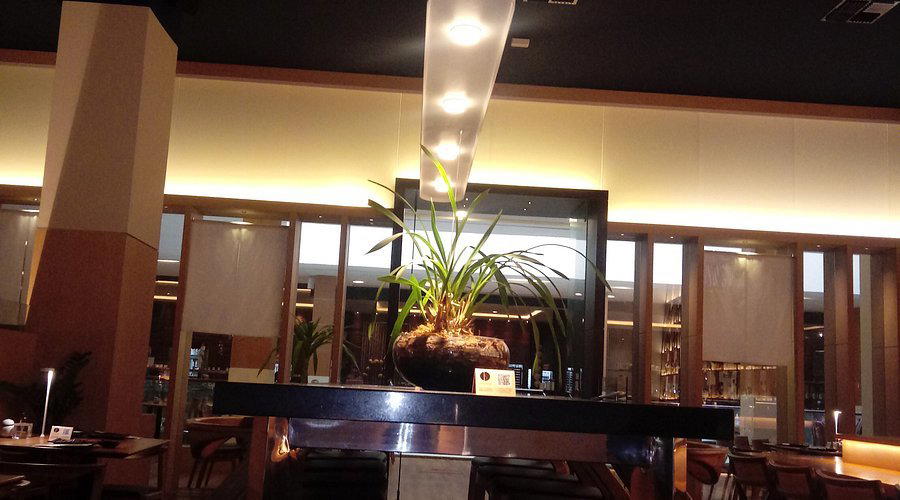
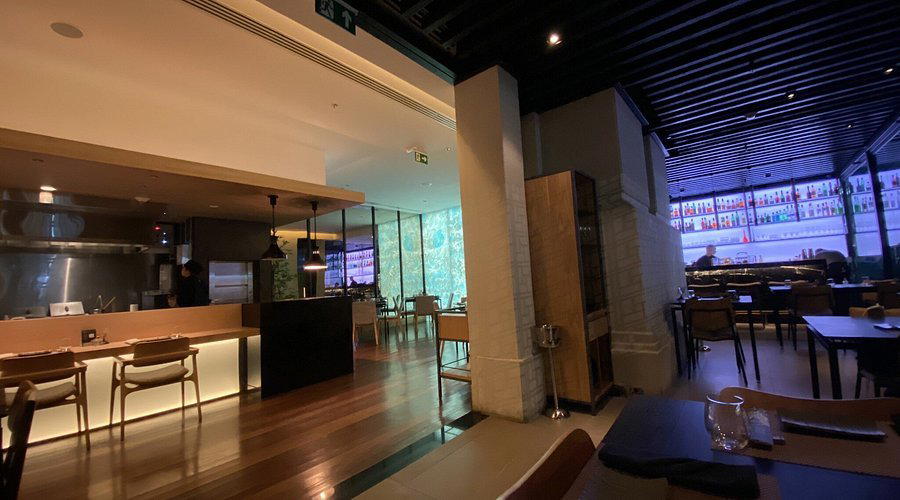
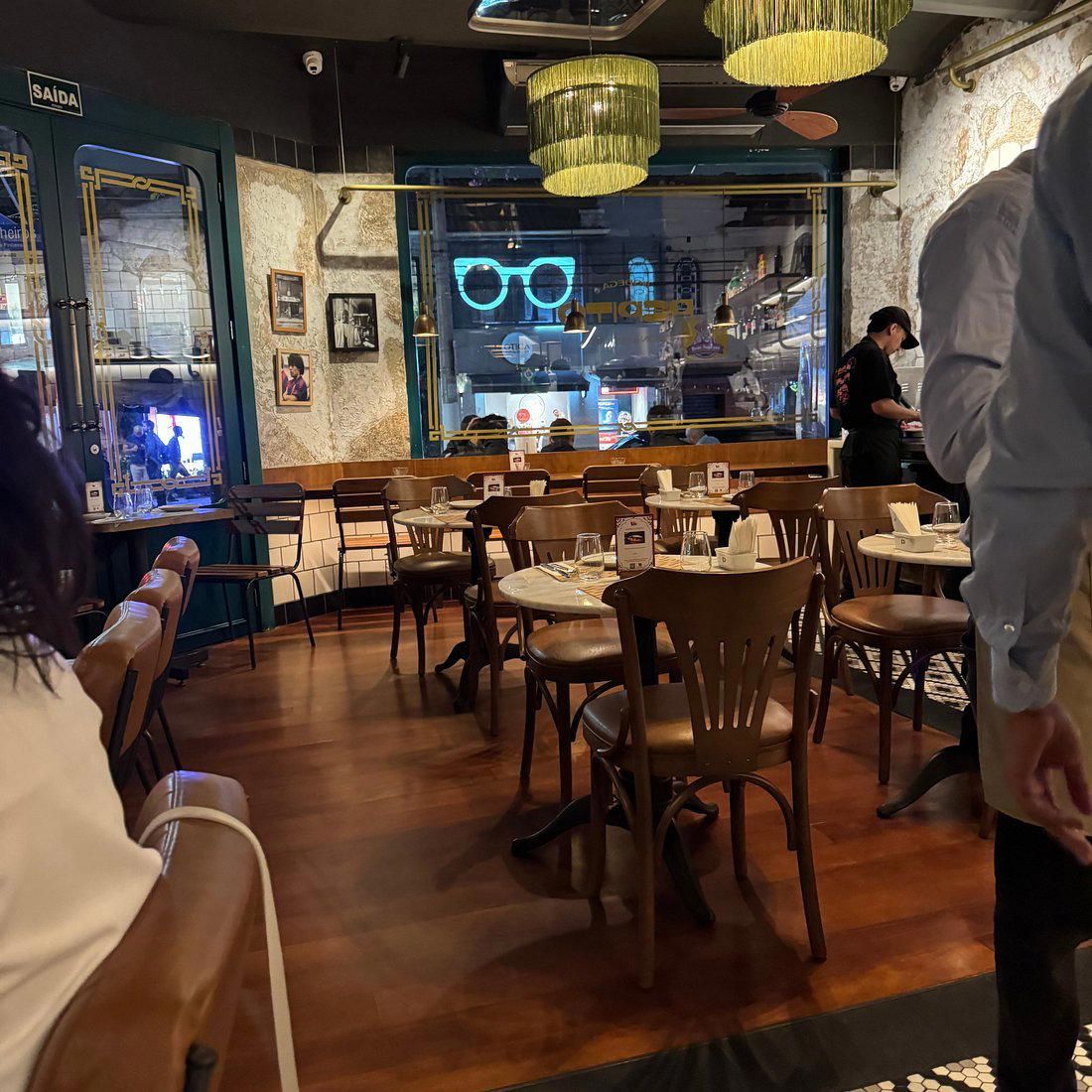
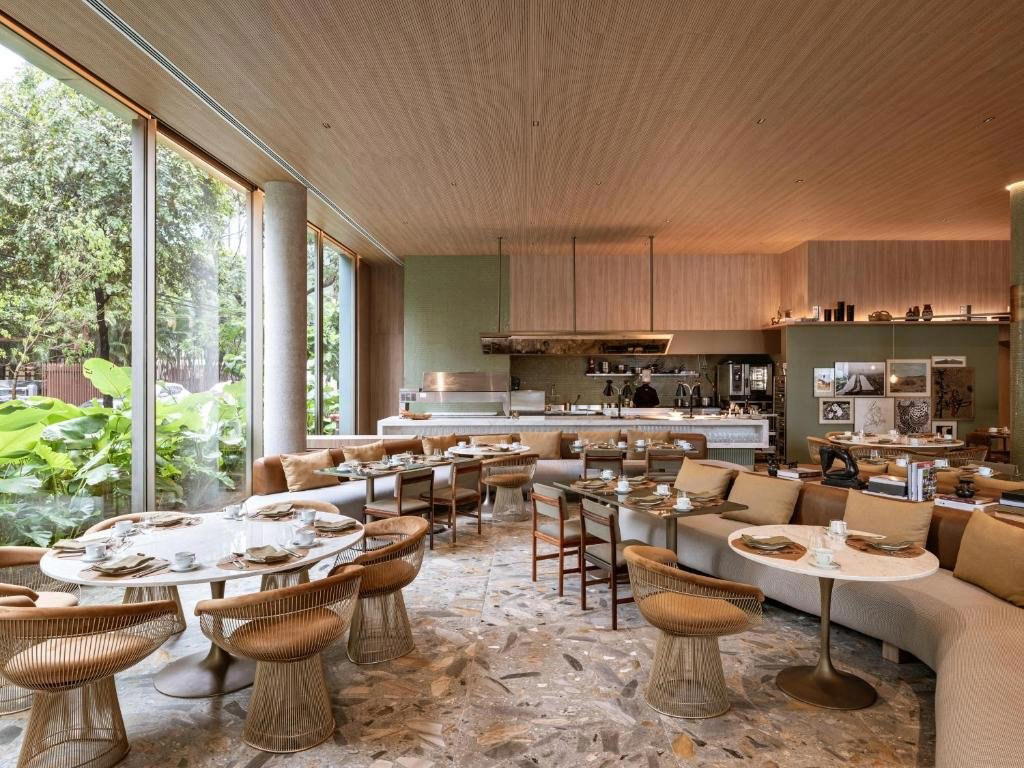
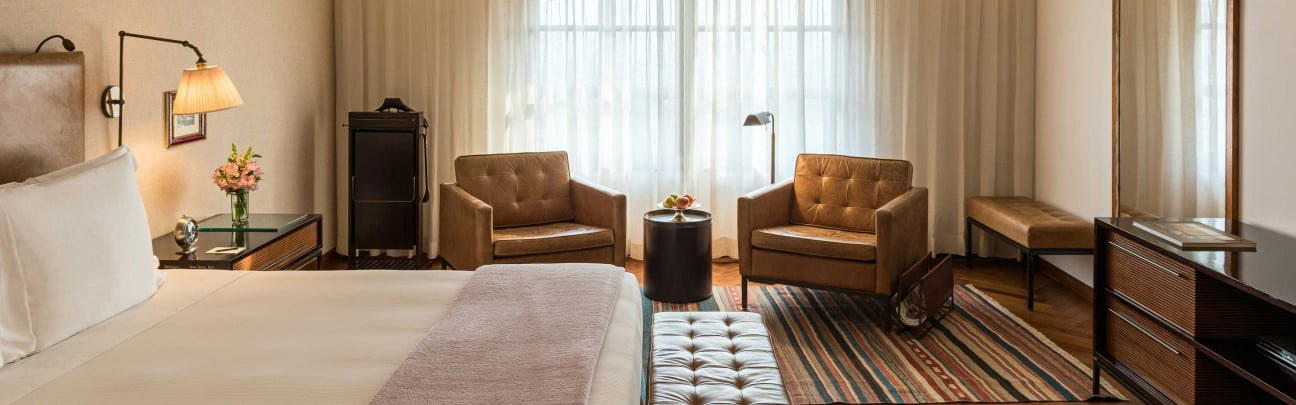
Understated elegance with classic yet contemporary decor, providing a discreet, inviting, sophisticated, and cozy atmosphere.
Know Before You Go
- Getting there
- R. Simão Álvares, 325 - Pinheiros, São Paulo - SP, 05417-030, Brazil