
Tabelog 100 #57
Our verdict
Chinese jiu gives Iwate’s dining map a small-format Chinese counter with a local-produce argument rather than a metropolitan copybook. Its 2026 selection in Tabelog’s Chinese EAST 100 and 3.76 score place it in a serious regional tier, while the fish-led cooking and sake-and-wine orientation make it especially relevant for travellers reading Iwate through ingredients.

Pearl is the En Primeur Club membership app — saves, bookings, and concierge access live there. Same editors, same standards.
- Address
- 岩手県紫波郡紫波町桜町字高木83-1
- Phone
- +81196813110
- Website
- tabelog.com
- Directions
- Get directions
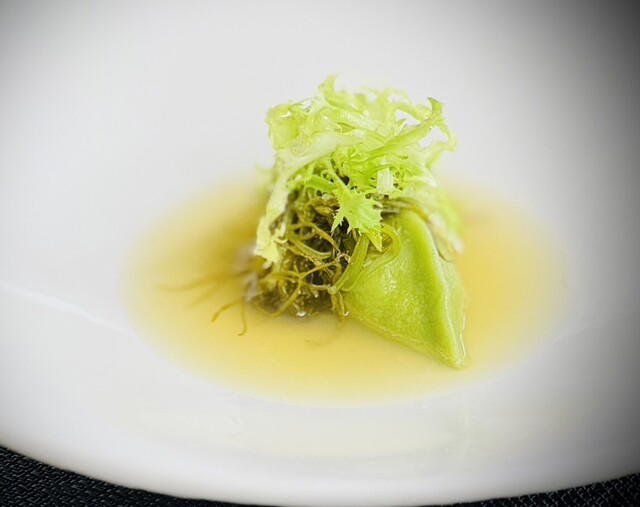
Approaching the dining culture of Iwate from Shiwa rather than Morioka changes the scale of the conversation. The rhythm is less about city-centre turnover and more about what a compact room can do with the prefecture’s produce, especially when Chinese technique is used as a frame rather than a disguise. Chinese jiu sits in that narrower lane: an eight-seat, counter-oriented restaurant where the argument is not breadth, but focus.
Iwate is often read through beef, dairy, soba, seafood and mountain produce, yet its smaller contemporary restaurants increasingly use those ingredients outside familiar local formats. That matters. Regional Japanese dining has moved beyond the old binary of washoku versus Western-style destination restaurant; the sharper places now borrow technique across borders while keeping sourcing close. Here, the public description points directly to Iwate ingredients, including those from Shiwa, and to fish as a particular emphasis. For a Chinese restaurant in rural Iwate, that is the editorial hook: not imported luxury, but a regional pantry translated through a different grammar.
Chinese technique, Iwate ingredients, and the value of a small room
The restaurant’s 2026 inclusion in Tabelog’s Chinese EAST 100 gives the format a useful benchmark. This is not Tokyo’s luxury Chinese circuit, where private rooms, wine lists and ceremonial service can dominate the experience. Nor is it the casual Chinese cooking found around railway districts across Japan. The more interesting comparison is with the growing number of regional kitchens that use tight capacity and course structure to make local sourcing legible. With only eight seats and counter seating, the room belongs to the low-capacity end of that movement.
That smallness changes how Chinese cuisine reads in Iwate. Fish, sake and wine sit closer to the centre of the proposition than banquet abundance. The result is a category that overlaps with kappo in pacing, with contemporary Chinese in technique, and with regional Japanese dining in its loyalty to local produce. It also explains why the restaurant fits a traveller’s itinerary differently from a quick meal between trains. This is a meal to build an evening around, especially for diners trying to understand how Iwate’s ingredients behave outside the expected formats.
The strongest signal is the sourcing angle. Shiwa sits in a productive inland belt rather than a conventional restaurant district, and the location makes the local-ingredient promise feel less decorative. In Japan, regional Chinese cooking at this level often succeeds when it stops chasing scale: fewer seats, a narrower menu logic, and a clearer relationship between the kitchen and nearby producers. Chinese jiu belongs to that school. Its recognition in the 2026 Chinese EAST list suggests that the approach has registered beyond the prefecture without requiring the restaurant to look like an urban flagship.
How it fits into Iwate's dining circuit
For travellers mapping the prefecture, Iwate rewards variety more than a single headline meal. Kakkou Ya and Matsubokkuri point toward local comfort and regional identity, while PIZZERIA 5 sits in a lower-spend, casual bracket. Ristorante SHIKAZAWA and Ren occupy a different part of the contemporary dining conversation. Against that range, this restaurant’s role is clear: a compact Chinese course meal that treats Iwate produce as the main evidence.
That distinction is useful because Iwate does not behave like a dining city with one dense restaurant corridor. The better strategy is to think in clusters: Morioka for access and breadth, smaller towns for ingredient-led meals, and specialist counters for a more deliberate night. The restaurant’s eight-seat scale puts it in the planning-sensitive category, but the reward is precision rather than spectacle. Diners looking for a long list of dishes, large-table energy or private-room dining will find the format too narrow. Diners interested in how regional Japanese ingredients can be reframed through Chinese cooking will understand the appeal quickly.
The price tier also matters, though the site’s structured panel is the cleaner place for exact figures. In editorial terms, this is not an inexpensive local stop; it sits in the serious-meal bracket for the prefecture. That makes it more comparable to regional destination dining than to everyday Chinese restaurants. The 2026 Tabelog selection and 3.76 score supply outside validation, but the more persuasive reason to go is category fit: Iwate produce, fish orientation, counter format, and a dining style that reads as contemporary without abandoning its surroundings.
Where to place it in a wider Japan itinerary
For visitors building a broader Japan route, Chinese jiu is a useful reminder that specialist dining outside the major cities often rewards tighter scheduling. A Tokyo-heavy trip may cover casual seafood at. 鮪と炭火焼き うお炭 秋葉原店 in Tokyo, while Kansai or Kyushu extensions might bring in.cafe in Osaka.know in Kumamoto, or (Shoku) Vietnam in Kawasaki. In that context, Iwate’s appeal is not density; it is the chance to see regional produce handled at a scale where the room, sourcing and cuisine type all line up.
Travellers extending the itinerary beyond restaurants should treat the meal as one piece of a slower prefectural plan. The broader guides are useful for that: Our full Iwate restaurants guide, Our full Iwate hotels guide, Our full Iwate bars guide, Our full Iwate wineries guide, and Our full Iwate experiences guide help place Shiwa within a fuller route. For cross-regional contrast, -Grilled beef Sukiyaki- KAMAKURA TANUKIAN 鎌倉 たぬき庵 in Kamakura, [Curry Senmon Ten] Maruyama Kyoju. in Sapporo, Jōdo Saké Bar in Los Angeles, and Onigiri Time in Pasadena show how Japanese dining identity shifts when ingredients, audience and format change.
The verdict is concise: this is a tightly scaled Iwate restaurant for diners who care where the food comes from and how regional ingredients can be translated through Chinese technique. The strongest case is not luxury theatre, chef mythology or novelty. It is the discipline of an eight-seat room, a fish-led sourcing signal, and recognition in a 2026 regional Chinese list that rarely rewards generic cooking.
Frequently asked questions
Is Chinese jiu okay with children?
Yes. The restaurant lists children as welcome, including preschoolers and school-age children, and strollers are welcome. It also says children can enjoy the same dishes as adults, which makes sense for a place with 8 seats in Shiwa, Iwate.
What kind of setting is Chinese jiu?
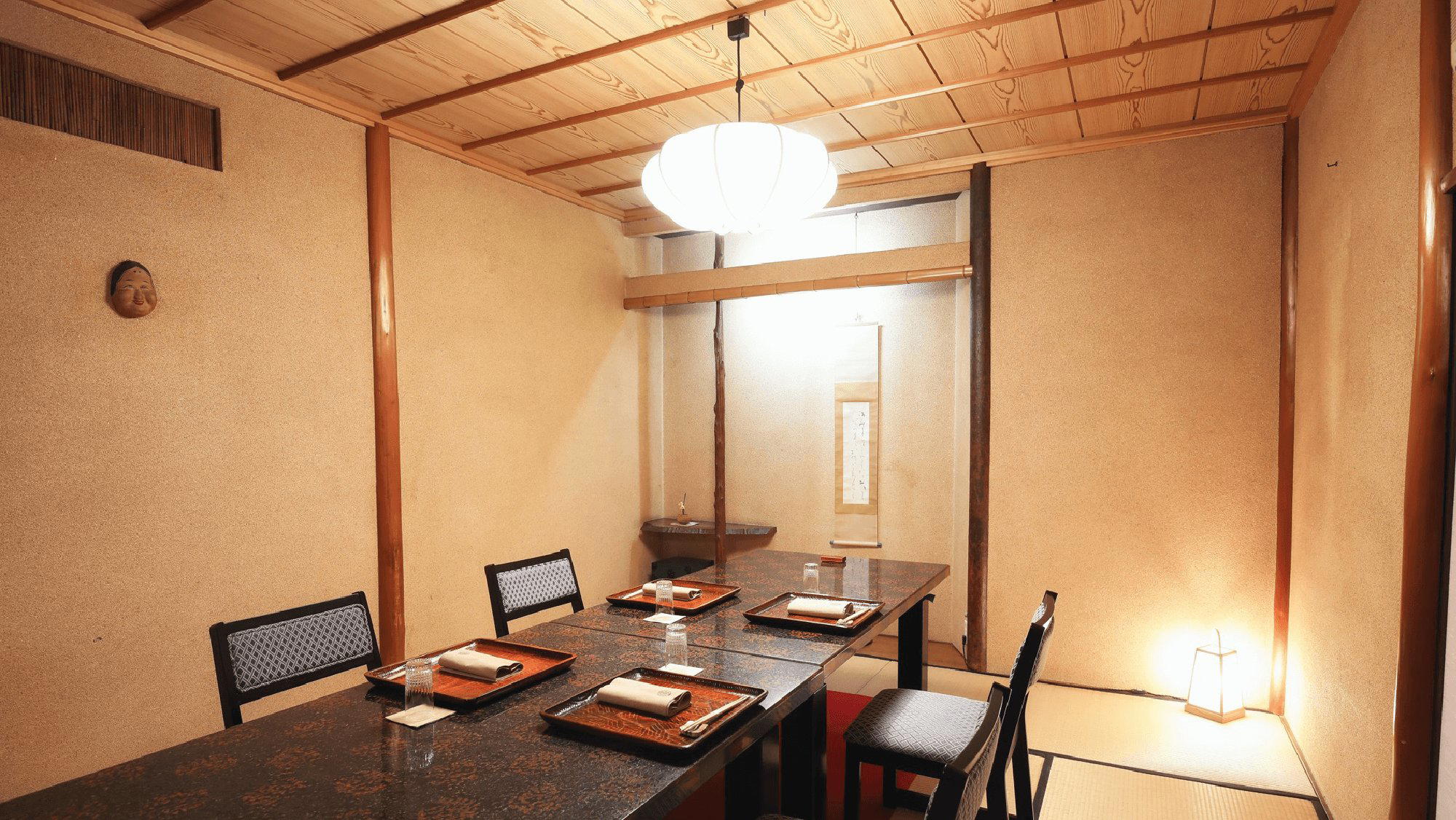
Chinese jiu is a small counter-seat room with 8 seats, a relaxed setting, and wheelchair access. It is in Shiwa, Iwate, and Tabelog selected it for Chinese EAST 100 in 2026, which gives the room some clear context beyond its size.
Is Chinese jiu more mid-range or high-end?
Pricing at Chinese jiu is listed as JPY 10,000 - JPY 14,999 JPY 8,000 - JPY 9,999.
What's Chinese jiu's location?
Chinese jiu is located in Iwate.
Fast Comparison
Comparable venues by cuisine and price in the same metro.
| Venue | Cuisine | Price | Awards | Notes |
|---|---|---|---|---|
| Chinese jiuThis venue — the venue you are viewing | Chinese Fine Dining | $50–100 | Tabelog 100 #57 | Not listed |
| Ren | Modern Chinese with French-influenced seasonal courses | $50–100 | Tabelog 100 #35 | Hanamaki |
| Ryuen | Yakiniku with Maesawa Beef | $30–50 | Tabelog 100 #1 | Mizusawa |
| Steak Teppan Ryori Wakana Morioka honten | Teppanyaki Steakhouse | $50–100 | Tabelog 100 #19 | Morioka |
| Ristorante SHIKAZAWA | Modern Italian with Iwate Influences | $150–200 | Tabelog Bronze #372 | Morioka |
| PIZZERIA 5 | Traditional Italian Pizzeria & Cafe | $20–30 | Tabelog 100 #28 | Hanamaki |
Recognition history
Dated appearances from independent guides and award organizations, with the underlying list record or original source where available.
Tabelog 100 #57 · No. 57
Tabelog · Tabelog 100 - Chinese cuisine - EAST - 2026
Continue exploring
More in Iwate
Restaurants in Iwate
Browse all →
Details
- Sophisticated
- Quiet
- Intimate
- Special Occasion
- Date Night
- Solo
- Family
- Celebration
- Standalone
- Sake Program
- Beer Program
- Extensive Wine List
- Local Sourcing
- Set Menu
- Prix Fixe
- Counter Dining
- Sake
- Wine
A relaxed, intimate, quietly focused dining room centered on course-driven Chinese cuisine with a refined local-producer narrative.