
Our verdict
Tonoya-Yo places kaiseki in Tono’s rural Iwate context rather than the hotel-dining grammar of Tokyo or Kyoto. Its stated recognition for reinvigorating rustic traditions with finesse and flair points to a kitchen concerned with season, sequence, and local memory, the three forces that give Japanese multi-course cooking its discipline.

Pearl is the En Primeur Club membership app, where members save venues, book tables and use the concierge.
The menu
What to order
- Fermentation-focused seasonal tasting menu
- Organic Tono Ichigo rice with fermented rice bran soup
- House-brewed doburoku pairings
Approaching kaiseki outside Japan’s major dining capitals changes the terms of attention. In Tono, the meal is not framed by a luxury hotel lobby, a Ginza counter, or a Kyoto ryokan corridor; it belongs to a city better known for folklore, agricultural rhythms, and the colder northern register of Iwate. Tonoya-Yo sits inside that context, and the useful way to read it is not as a rural alternative to metropolitan kaiseki, but as a reminder that the form was never only about polish. Kaiseki depends on timing, restraint, and the ability to make a sequence feel inevitable. In a place such as Tono, rusticity is not decoration. It is part of the grammar.
Kaiseki in Tono means season first, luxury second
Japanese kaiseki is often misunderstood as a parade of small plates. The better description is controlled progression: a meal moves through temperature, texture, vessel, garnish, and pause. The format asks the diner to notice how one course prepares the next, how a bitter note or grilled aroma resets the palate, and how the season appears through omission as much as abundance. In Tono, that discipline carries a different charge from urban fine dining. Northern Honshu has a stronger relationship with preservation, mountain vegetables, river fish, grains, and the practical intelligence of cold-weather cooking. Even when a restaurant works with finesse, the reference points are not only courtly elegance or tea ceremony refinement; they include rural kitchens, local produce, and the seasonal scarcity that shaped them.
Tonoya-Yo’s recognition in the 2021 Japan Times Destination Restaurants selection matters because it places a Tono kaiseki table inside a national conversation about regional dining. The current question is not simply whether a restaurant can reproduce inherited forms. It is whether those forms can remain alive outside the familiar metropolitan frames. Kaiseki gives a kitchen the structure to do that: the sequence can absorb local ingredients, folk memory, and regional technique while remaining legible to diners who understand the wider tradition. That is the distinction between regional cooking as theme and regional cooking as method.
The comparison with big-city kaiseki is useful, but only up to a point. Tokyo houses a deep bench of formal Japanese restaurants, where the competitive pressure often falls on refinement, service cadence, and metropolitan access. Tono asks a different question: how much of kaiseki’s power comes from proximity to the landscape that supplies its imagery? That does not make the rural table automatically superior. It makes it harder to fake. A seasonal reference in a major city can read as aesthetic; in Iwate, it has to carry weight.
Rustic tradition without the museum treatment
The phrase “rustic traditions” can become lazy shorthand in travel writing, especially in Japan, where countryside dining is too often flattened into folk-craft sentiment. Tono resists that treatment because the city’s cultural identity is specific. It is associated with oral tales, horse culture, farming villages, and the kind of northern climate that gives preservation and seasonality practical force. For a kaiseki restaurant, that background creates a useful editorial test. If the meal merely decorates itself with local reference, the form feels thin. If the kitchen lets regional habits shape pacing and composition, the experience gains depth without theatrical explanation.
Tonoya-Yo belongs in that second conversation. Its Japan Times Destination Restaurants recognition points to a venue worth reading through both craft and place, not through preservation alone. Japanese fine dining has spent years absorbing global expectations around tasting menus, reservations, and destination travel, but kaiseki remains resistant to pure spectacle. Its pleasure is cumulative. A diner looking for fireworks may miss the point; a diner alert to sequence, vessels, silence, and seasonal compression will understand why this format still carries authority.
There is also a useful contrast within Tono itself. Other Tono dining rooms give additional local reference points for readers mapping the city’s restaurant culture, while Our full Tono restaurants guide places Tonoya-Yo among the wider dining options. The broader planning frame matters because Tono is not a drop-in dining district in the way central Tokyo can be. It rewards travelers who treat the meal as part of a regional itinerary, with time left for the city’s museums, old merchant streets, and surrounding countryside rather than a rushed detour.
How to place Tonoya-Yo in a Japan itinerary
For travelers building a Japan trip around food, Tonoya-Yo is a counterweight to the dense reservation culture of the major cities. The decision is less about chasing a trophy table and more about using kaiseki to understand Iwate on its own terms. That makes it especially relevant after several days of urban dining, when the palate begins to blur from choice and speed. A rural kaiseki meal can restore hierarchy: season over novelty, sequence over volume, local rhythm over menu maximalism.
Comparisons should stay disciplined. Nihon Ryori Takamura, another out-of-metro kaiseki reference, shows how Japanese fine dining outside the largest urban centers can compete through regional clarity rather than sheer scale. Tonoya-Yo fits that broader pattern, where the city is not incidental to the cooking. Tono shapes expectation before the first course appears.
Readers extending the route can use Our full Tono hotels guide, Our full Tono bars guide, Our full Tono wineries guide, and Our full Tono experiences guide to build the rest of the stay. For a wider Japan dining map, useful contrasts include other regional dining rooms across the country, from coastal counters and grill-focused rooms to curry specialists, cafe formats, and small destination restaurants. Taken together, they underline the point: Japan’s dining culture is not a single ladder with Tokyo at the summit. It is a set of regional arguments, and Tonoya-Yo makes its case through kaiseki’s quietest tools.
Frequently asked questions
Is Tonoya-Yo suitable for children?
Tonoya-Yo is a kaiseki restaurant in Tono, so it suits children best if they can handle a paced, multi-course meal. The setting should be treated as a destination dining room rather than a casual family stop-in.
What is the atmosphere like at Tonoya-Yo?
Tonoya-Yo’s place in Tono points to a room grounded in local character rather than urban polish. As a kaiseki venue, the mood should follow the meal’s measured pace.
What's Tonoya-Yo known for in terms of accolades?
Tonoya-Yo was ranked No. 4 in the 2021 Japan Times Destination Restaurants selection for KAISEKI in Iwate Prefecture.
What cuisine category does Tonoya-Yo fall under?
Tonoya-Yo serves KAISEKI cuisine.
What's the address for Tonoya-Yo?
Tono.
Do they take walk-ins at Tonoya-Yo?
Tonoya-Yo is a kaiseki restaurant in Tono, and that format usually rewards planning ahead. A same-day walk-in should not be assumed.
How It Stacks Up
Comparable venues by cuisine and price in the same metro.
| Venue | Cuisine | Price | Awards | Notes |
|---|---|---|---|---|
| Tonoya-YoThis venue (the venue you are viewing) | Seasonal Japanese fermentation-focused auberge | $200–300 | Not listed | Not listed |
| Nihon Ryori Takamura | Edo Ryori (Traditional Tokyo-Style Japanese Cuisine) | $150–200 | Tabelog Silver #137 | Kaiseki |
Recognition history
Dated appearances from independent guides and award organizations, with the underlying list record or original source where available.
The Japan Times Destination Restaurants Destination Restaurants Selection #4
The Japan Times Destination Restaurants

Details
- Rustic
- Intimate
- Cozy
- Scenic
- Elegant
- Special Occasion
- Date Night
- Celebration
- Solo
- Design Destination
- Historic Building
- Standalone
- Private Dining
- Sake Program
- Farm To Table
- Local Sourcing
- Sustainable Seafood
- Tasting Menu
- Set Menu
- Sake
- Craft Cocktails
- Pescatarian Friendly
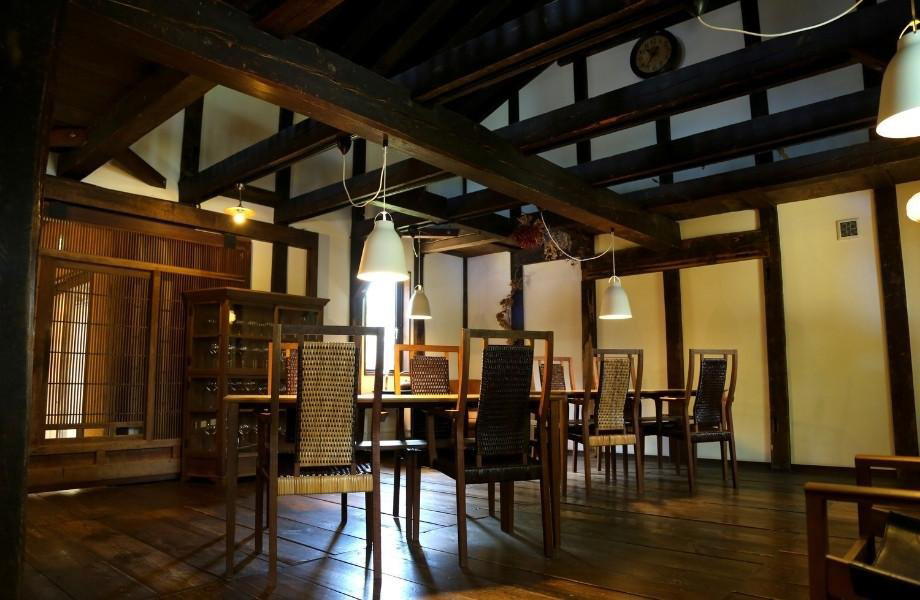
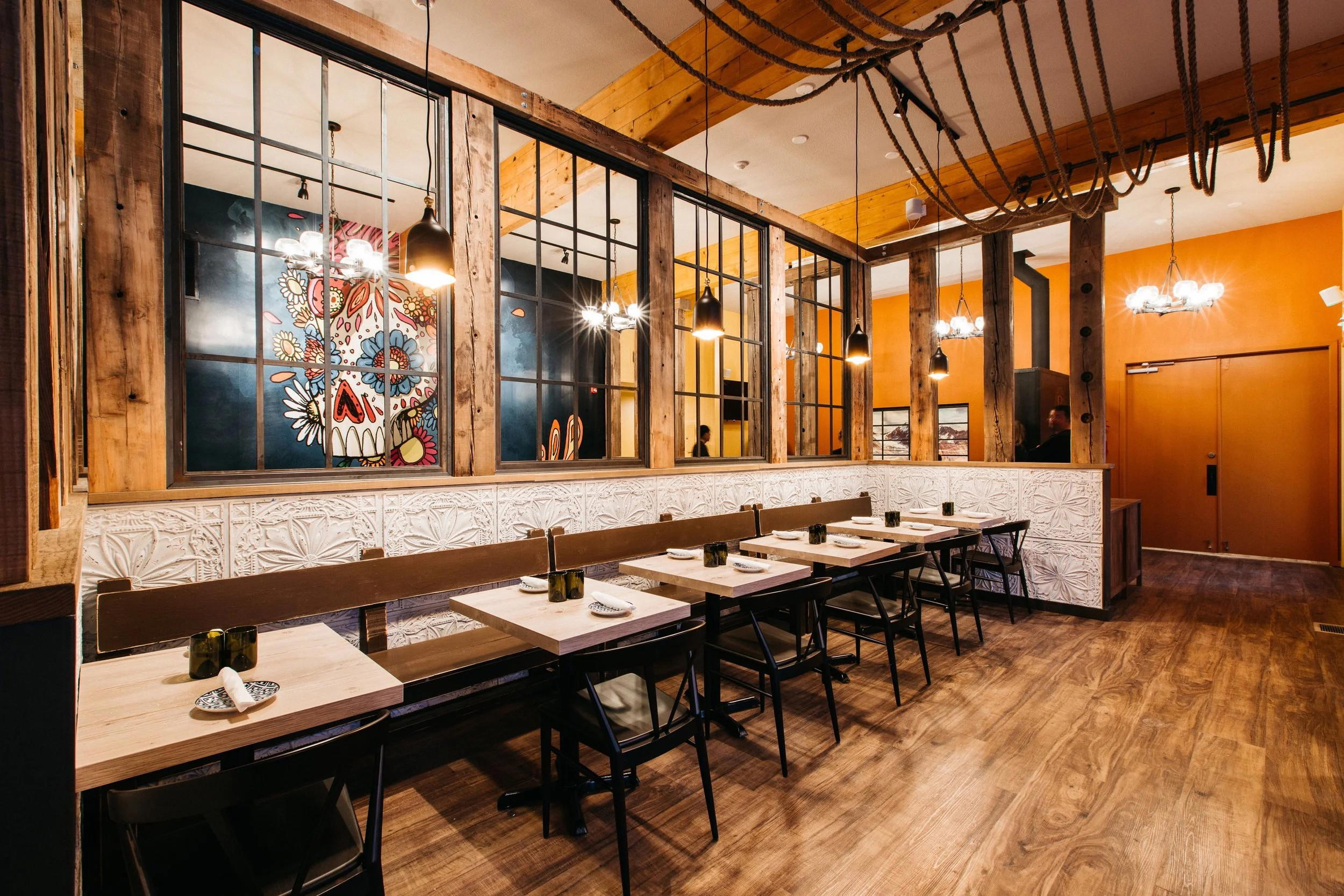
Atmospheric and quietly immersive, blending the patina of a 200-year-old rice storehouse with refined plating and soft, contemplative pacing that foregrounds the surrounding landscape and seasons.