

Michelin Plate · Tabelog 100 #96
Our verdict
A Michelin Plate-recognised French kitchen in Bunkyo's Yushima neighbourhood, à table takes classic preparations, pâté en croûte, roast lamb, tarte Tatin, seriously enough to require painstaking research rather than shortcut technique. Chef Yoichi Nakaaki's focus on pastry-wrapped preparations and sauce work positions this as one of Tokyo's more disciplined addresses for traditional French cooking at the ¥¥¥ tier.

Pearl is the En Primeur Club membership app, where members save venues, book tables and use the concierge.
The menu
What to order
- Pâté en Croûte
- Roast lamb
- Tarte Tatin
Classic French, Seriously Meant
Yushima is not the neighbourhood Tokyo's French dining conversation usually starts in. Ginza draws the headline counters; Minami-Aoyama holds the design-led bistros; Azabu-Juban carries the old-money weight. Bunkyo City, by contrast, sits close to the university district, quieter, residential in texture, and unlikely to appear on the reflex shortlist of a first-time visitor. That context matters for understanding what à table is and what it is not. This is not a room competing for visibility against L'Effervescence or Sézanne. It operates on a different register entirely: a focused, classical French kitchen that treats the canon as a living discipline rather than a nostalgic backdrop.
The Logic of the Table
Tokyo's French dining tier spreads across a wide spectrum. At one end sit the three-Michelin-star rooms L'Effervescence with its seasonal Japanese-inflected progression, Château Restaurant Joël Robuchon with its palatial format, demanding four-figure per-head spend and booking windows measured in months. At the other end sits a larger, less consistent mass of neighbourhood bistros that gesture at Frenchness without committing to its technical demands. à table occupies a specific middle ground: the ¥¥¥ pricing tier, a Michelin Plate across both 2024 and 2025, and a repertoire of dishes, pâté en croûte, roast lamb, tarte Tatin, that require genuine craft to execute at the level the kitchen appears to hold itself to.
The Michelin Plate designation is worth reading carefully. It does not carry the star hierarchy of ESqUISSE or Florilège, but Michelin's own framing is consistent: a Plate signals fresh ingredients and carefully prepared dishes. Two consecutive years of that recognition in Tokyo, a city where the Michelin guide operates with particular density and scrutiny, is a signal worth taking seriously.
What the Menu Argues
The editorial angle that matters most here is the one the kitchen has chosen for itself: classical French cooking, made for two. That detail, reservations are structured for two people or more, and dishes are portioned accordingly, is not incidental. It shapes the entire rhythm of the meal and pushes the experience toward a shared, deliberate pace rather than an individual tasting-menu progression.
Repertoire is anchored in preparations that have largely disappeared from the ambitious end of Tokyo's French scene, where innovation and Japanese-ingredient narratives dominate. Pâté en croûte is a technically demanding discipline: the pastry crust must hold its structure through baking and resting while the filling, here built around combinations of pigeon, foie gras, and game, must set cleanly without drying. The fact that this kitchen has made such preparations a signature, rather than a seasonal flourish, says something about the depth of commitment to classical French charcuterie tradition.
In the broader context of Tokyo French dining, this positions à table alongside a small cohort of kitchens that have resisted the pull toward fusion or conceptual reframing. The comparison isn't with the three-star rooms or the innovation-led addresses like Florilège; it's with the quieter tradition of regional French cooking done with discipline, closer in spirit to what you might find at Hotel de Ville Crissier in Switzerland or Les Amis in Singapore, rooms where classical French cooking is treated as an end in itself.
Structured Eating in Yushima
The format here is worth considering in relation to how multi-course French meals function at this price tier in Tokyo. The ¥¥¥ bracket, roughly mid-range by Tokyo's premium dining standards, tends to produce either prix fixe menus of limited depth or à la carte flexibility that fragments the experience. à table's approach, with dishes designed for sharing and a menu built around preparations that reward attention rather than speed, suggests a kitchen that has thought about the architecture of the meal. The shared-plate model for French cooking is less common in Tokyo than the individual progression format; it asks more of the guests, in terms of pacing and decision-making, but it also makes the meal a more active, collaborative experience.
The Yushima address at 木村ビル 1F places the restaurant in a low-rise Bunkyo setting. Getting there is direct from central Tokyo, Yushima Station on the Tokyo Metro Chiyoda Line is the closest access point, but the neighbourhood rewards an unhurried approach. This is not a destination that benefits from being rushed before or after.
Placing à table in Tokyo's French Scene
Tokyo has more Michelin-recognised French restaurants than Paris, a fact that still surprises visitors encountering the city's French dining density for the first time. The competitive set that à table operates within is not the headlined tier of L'Effervescence, Sézanne, or ESqUISSE, but it is meaningfully above the generic end of the market.
For visitors building a wider picture of what Japan's dining scene offers, the French tradition sits within a broader network worth exploring: HAJIME in Osaka applies a different logic to French-influenced cuisine entirely; Gion Sasaki in Kyoto and akordu in Nara show how Western technique integrates into regional Japanese contexts; and Goh in Fukuoka and 6 in Okinawa extend the picture further south. 1000 in Yokohama is within easy reach for anyone extending their stay beyond the capital.
For planning across categories, EP Club's full Tokyo restaurants guide, Tokyo hotels guide, Tokyo bars guide, Tokyo wineries guide, and Tokyo experiences guide cover the full spread. Our full Tokyo restaurants guide is the starting point for mapping the French tier against the wider dining field.
Planning Your Visit
à table is located at 木村ビル 1F, Yushima 3-1-1, Bunkyo City, Tokyo. Yushima Station (Chiyoda Line) is the most direct access. Reservations are structured for two or more, reflecting the shared-dish format, so solo diners should note that the experience is conceived as a communal meal. Booking ahead is advisable, the consistent Michelin Plate recognition and the relatively specialised format mean the kitchen is not likely to have last-minute availability on short notice, particularly at weekends. The ¥¥¥ price tier places it meaningfully below the top-tier French rooms in Tokyo while remaining in the premium range; this is not a casual drop-in address.
Frequently asked questions
What dish is à table famous for?
The kitchen is known for its pastry-wrapped preparations: pâté en croûte made with fillings such as pigeon, foie gras, and game, finished with classical sauces. Classic dishes like roast lamb and tarte Tatin round out a menu grounded in French tradition rather than fusion. All dishes are portioned for two or more, which shapes the entire dining format.
Is à table expensive?
Pricing at à table is listed as ¥¥¥.
Where do I go for à table?
à table is located at Japan, 〒113-0034 Tokyo, Bunkyo City, Yushima, 3 Chome−1−1 木村ビル 1f, Tokyo.
How far ahead should I plan for à table?
The restaurant holds a Michelin Plate for both 2024 and 2025, and its format, shared dishes, reservations structured for two or more, means tables turn on a specific rhythm. Booking at least several weeks ahead is advisable, particularly for weekend sittings. The Yushima address draws a local clientele rather than a tourist walk-in crowd, so availability can be tighter than the neighbourhood suggests.
What's à table best at?
The documented strength is charcuterie-tradition work: pâté en croûte with game and foie gras fillings, and pastry preparations that require the kind of painstaking preparation increasingly rare in Tokyo's French dining tier. Owner-chef Yoichi Nakaaki's stated aim is cooking that would satisfy a French diner, and the Michelin Plate recognition for two consecutive years reflects that consistency.
At-a-Glance Comparison
A compact comparison to help you place this venue among nearby peers.
| Venue | Cuisine | Price | Awards | Notes |
|---|---|---|---|---|
| à tableThis venue (the venue you are viewing) | Classic French Bistro | $100–150 | Michelin Plate · Tabelog 100 #96 | Not listed |
| Harutaka | Edo-Style Omakase Sushi | $200–300 | 3 Michelin Stars · World's 50 Best #76 | Sushi |
| RyuGin | Modern Kaiseki | $500+ | 3 Michelin Stars · World's 50 Best #41 | Kaiseki, Japanese |
| L'Effervescence | Modern French with Japanese Influences | $200–300 | 3 Michelin Stars · World's 50 Best #69 | French |
| HOMMAGE | Modern French with Japanese Influences | $150–200 | 2 Michelin Stars · World's 50 Best #78 | Innovtive French, French |
| MAZ | Innovative Peruvian-Japanese Fusion | $150–200 | 2 Michelin Stars · World's 50 Best #28 | Innovative |
Recognition history
Dated appearances from independent guides and award organizations, with the underlying list record or original source where available.
Michelin Plate
Michelin
Tabelog 100 #96 · No. 96
Tabelog · Tabelog 100 - French - TOKYO - 2025
Full recognition history (4 entries)
Michelin Plate
Michelin
Michelin Plate
Michelin
Continue exploring
More in Tokyo
Restaurants in Tokyo
All restaurants in Tokyo →






Details
- Classic
- Elegant
- Intimate
- Cozy
- Date Night
- Special Occasion
- Business Dinner
- Open Kitchen
- Sake Program
- A La Carte
- Wine
- Allergy Accommodating
Current opening hours
- Monday
- 5:30–11 PM
- Tuesday
- 5:30–11 PM
- Wednesday
- 5:30–11 PM
- Thursday
- 5:30–11 PM
- Friday
- 5:30–11 PM
- Saturday
- 5:30–11 PM
- Sunday
- Closed
Hours can change for holidays and private events. Last verified .
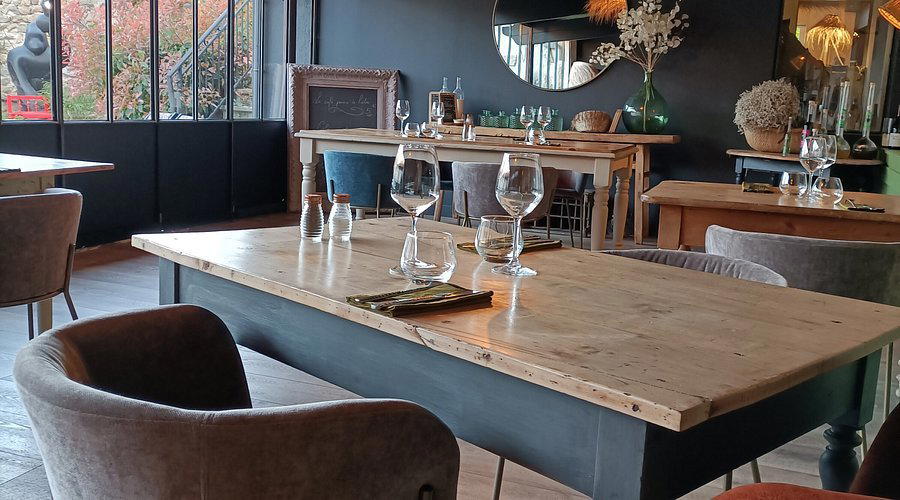
Cozy Parisian bistro atmosphere with table and counter seating, evoking a joyful dining experience.