Our verdict
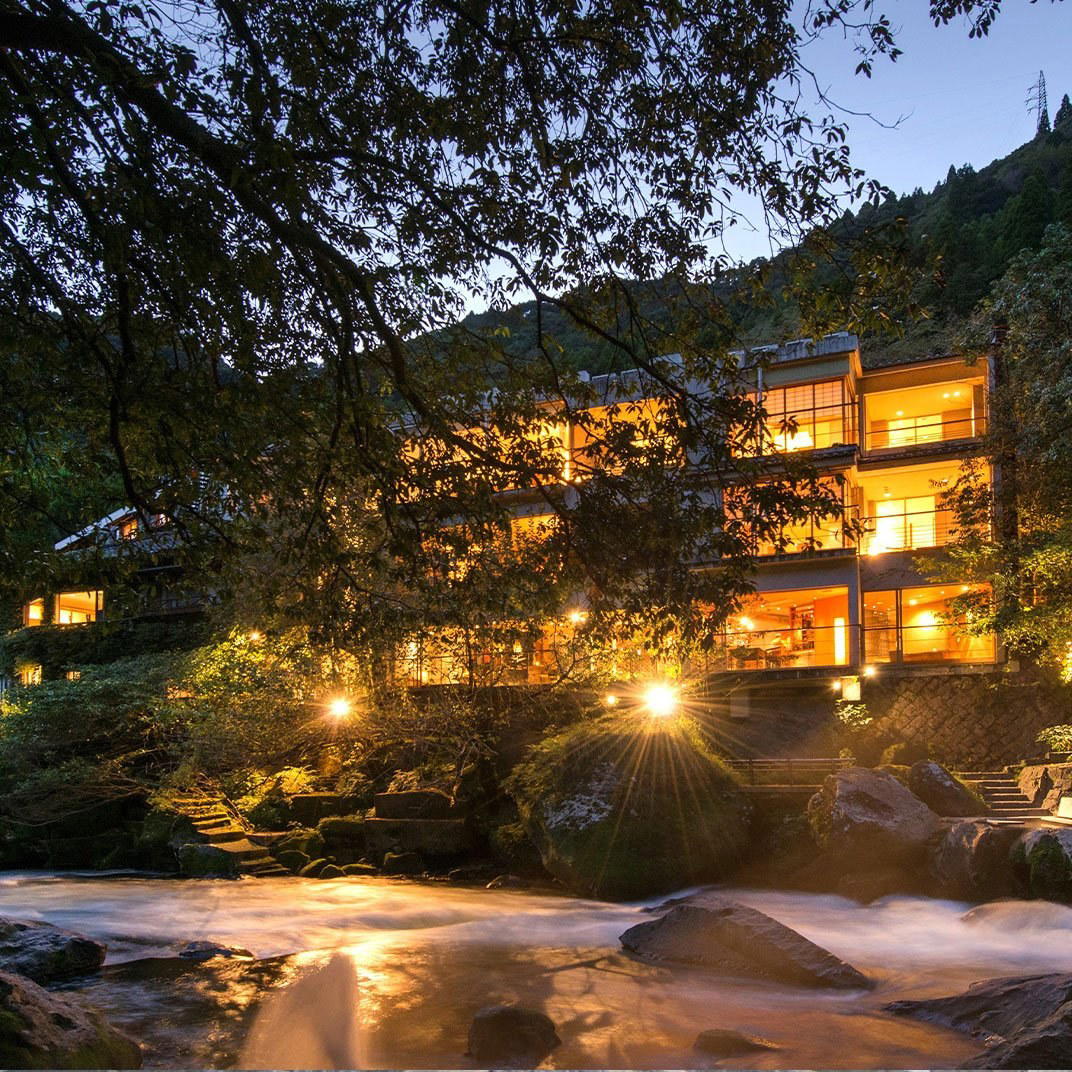
In the volcanic foothills of Kirishima, Kagoshima, 飛龍石亭 occupies a position that only a handful of regional Japanese restaurants can claim: a dining room shaped almost entirely by what the surrounding land produces.

Pearl is the En Primeur Club membership app — saves, bookings, and concierge access live there. Same editors, same standards.
- Address
- Hayatocho Kareigawa, Kirishima, Kagoshima 899-5113, Japan
- Phone
- +81995772111
- Website
- m-ishiharaso.com
- Directions
- Get directions
Where Kagoshima's Land Reaches the Table
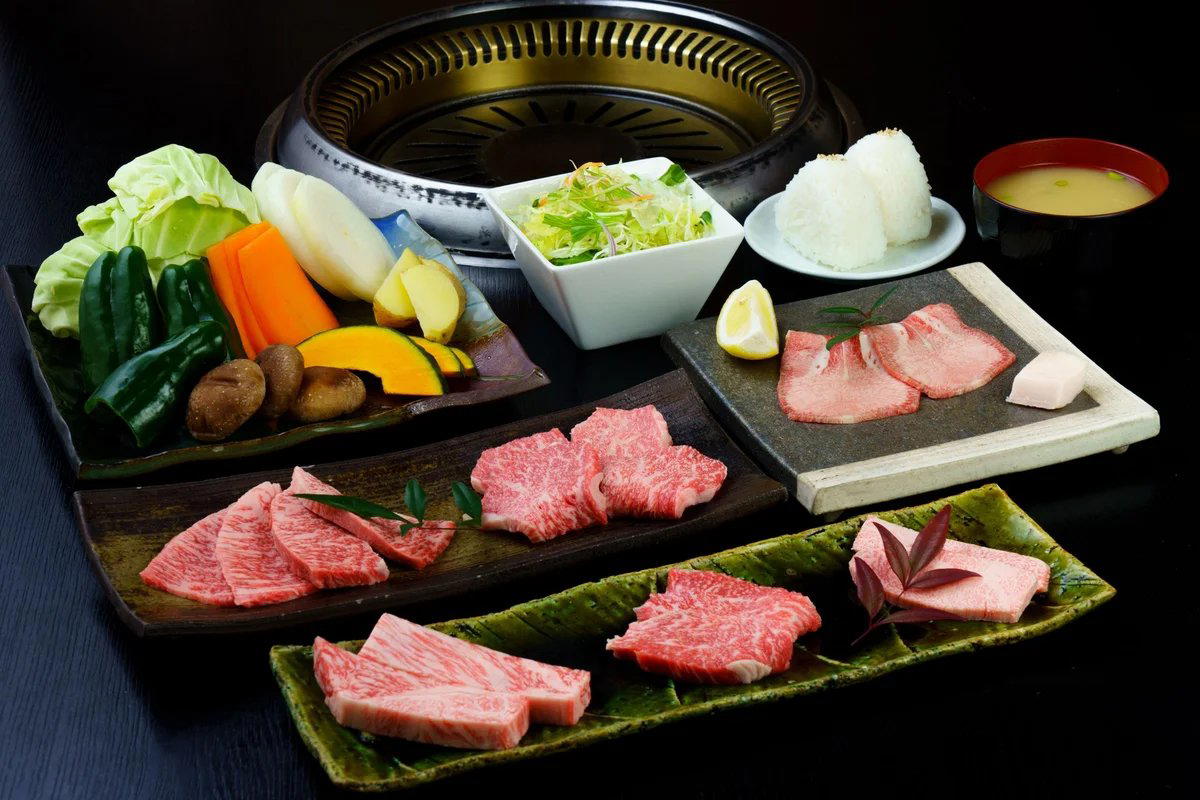
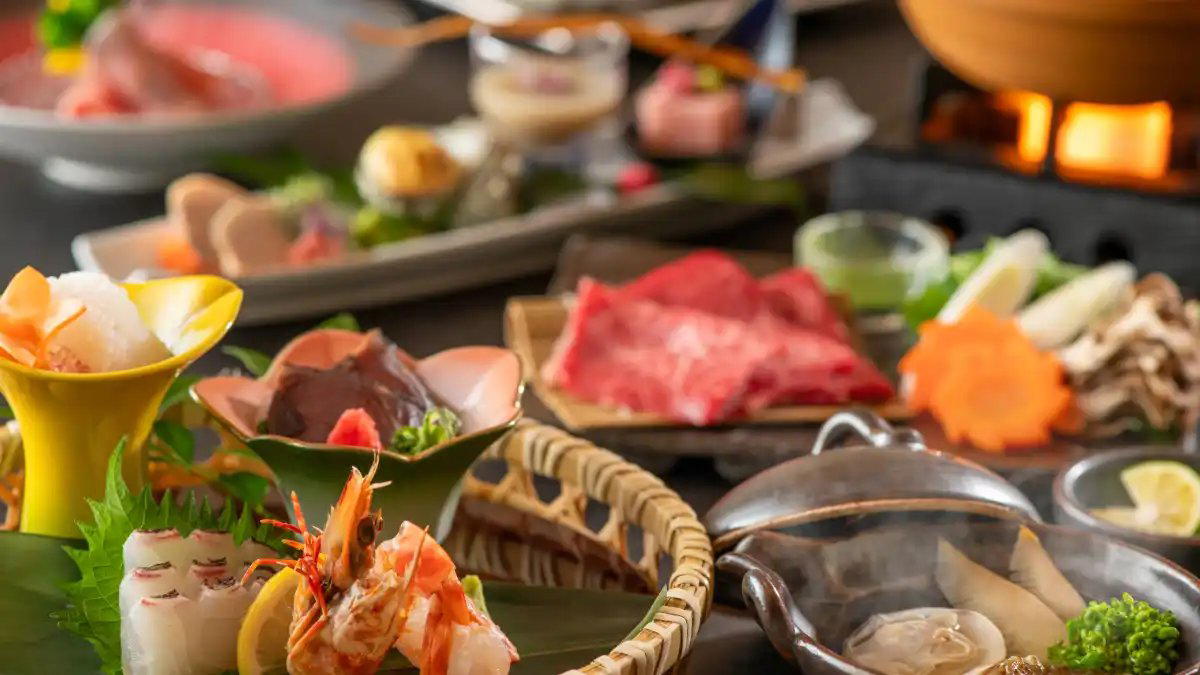
Kagoshima prefecture sits at Japan's southwestern edge, framed by active volcanoes, mineral-rich soil, and a warm climate that produces some of the country's most distinctive agricultural output. Kuroge Wagyu cattle from this region carry a reputation that travels well beyond Kyushu; Kagoshima's black pork, sweet potatoes, and locally caught fish from Kinko Bay form a pantry that serious kitchens elsewhere in Japan spend considerable effort sourcing. In the inland area of Kirishima, that supply chain shortens to almost nothing. A restaurant positioned here, in Hayatocho Kareigawa, does not need to argue the case for local sourcing — it simply operates inside it.
飛龍石亭 is one of a small number of destination restaurants in Kirishima that functions on the logic of place above all else. Kirishima itself is not a dining city in the way Fukuoka or Osaka is; it is a volcanic highland known for onsen culture, hiking terrain, and the kind of quiet that urban Japan often feels far from. Restaurants that draw visitors here from Kagoshima City, from Fukuoka, or from further afield do so on the strength of what the surrounding area provides rather than on urban infrastructure or a dense competitive scene. That is a meaningful distinction. For a comparison, consider how Tenku no Mori, also in Kirishima, orients its dining experience around the highland landscape rather than a city address — the logic of destination dining in this part of Kagoshima runs in the same direction.
Ingredient Sourcing as the Structural Logic
The question of where ingredients come from is not a marketing detail in Kagoshima, it is a competitive differentiator that separates kitchens operating at the top of Japan's regional dining hierarchy from those simply trading on the prefecture's reputation. Kagoshima consistently ranks among Japan's leading prefectures for beef production, and the Kuroge Wagyu raised on its volcanic pastures benefits from feed conditions and mineral content tied directly to the Kirishima volcanic zone. A kitchen in Hayatocho Kareigawa has proximity to those farms that a Tokyo or Kyoto restaurant cannot replicate regardless of its import budget.
Japan's most serious regional kitchens, and Kyushu has several, tend to present their sourcing relationship not as a value-add but as the structural logic of the menu itself. Goh in Fukuoka represents that approach at the urban end of Kyushu's fine dining spectrum, where Hakata's access to Genkai Sea fish shapes the kitchen's priorities. In Kirishima, the dynamic tilts further toward land: the volcanic soil, highland grazing, and agricultural depth of inland Kagoshima are the raw material around which any serious kitchen here must organise itself.
This matters for how a visitor should frame their expectations. This is not an itinerary stop that happens to have good food. It is a place where the food is tied tightly to a specific geography, and where the value of the meal is partly inseparable from that geographic fact. The parallel holds elsewhere in Japan: akordu in Nara uses the Yamato region's Buddhist-influenced vegetable traditions as a sourcing and philosophical frame; affetto akita in Akita draws on Tohoku's rice, mountain vegetables, and cold-water fish. The pattern of place-anchored regional restaurants is well established across Japan, and Kirishima's position in Kagoshima places it firmly in that tradition.
The Regional Context: Kyushu's Broader Dining Map
Kyushu's restaurant scene is often processed by international visitors through Fukuoka alone, which is understandable given that city's ramen culture, seafood density, and growing international profile. But the island's fine dining extends well beyond its northern city. Kagoshima's restaurants have received Michelin recognition across multiple editions of the Kyushu guide, and the prefecture's food culture, shaped by satsuma traditions, distilled shochu production, and proximity to both Kinko Bay and the East China Sea, supports a kitchen sensibility that differs meaningfully from what you find further north.
Within Japan's broader fine dining structure, Kagoshima-based restaurants occupy a tier that requires deliberate travel but competes, at its finest end, with kitchens that attract national and international attention. HAJIME in Osaka and Harutaka in Tokyo represent the urban poles of Japan's fine dining hierarchy, where awards, critic visibility, and booking competition are intense. Regional destination restaurants in places like Kirishima operate differently, lower media saturation, a quieter booking environment in some respects, but an ingredient access that urban kitchens genuinely cannot match.
For visitors planning a broader Kyushu itinerary, Aji Arai in Oita and Amegen in Saga map out the range of regional Japanese cooking across the island's prefectures. Each operates on its own local sourcing logic, which is part of what makes a Kyushu dining circuit genuinely different from restaurant-hopping within a single city.
Planning a Visit to Kirishima
Kirishima is accessible from Kagoshima City by rail to Hayato Station, from which the Hayatocho area is reachable by local transport or taxi. The journey from Kagoshima-Chuo Station takes roughly 40 minutes by limited express. For visitors arriving from further afield, Kagoshima Airport sits in close proximity to the Kirishima area, considerably closer than Kagoshima City itself, making a direct transfer from the airport a practical option.
Restaurants of this type in Kirishima and wider Kagoshima tend to operate on set-course formats aligned with seasonal availability, which means flexibility on the guest's part is more productive than specific menu requests. For broader Kirishima planning context, our full Kirishima restaurants guide maps the dining options across the area.
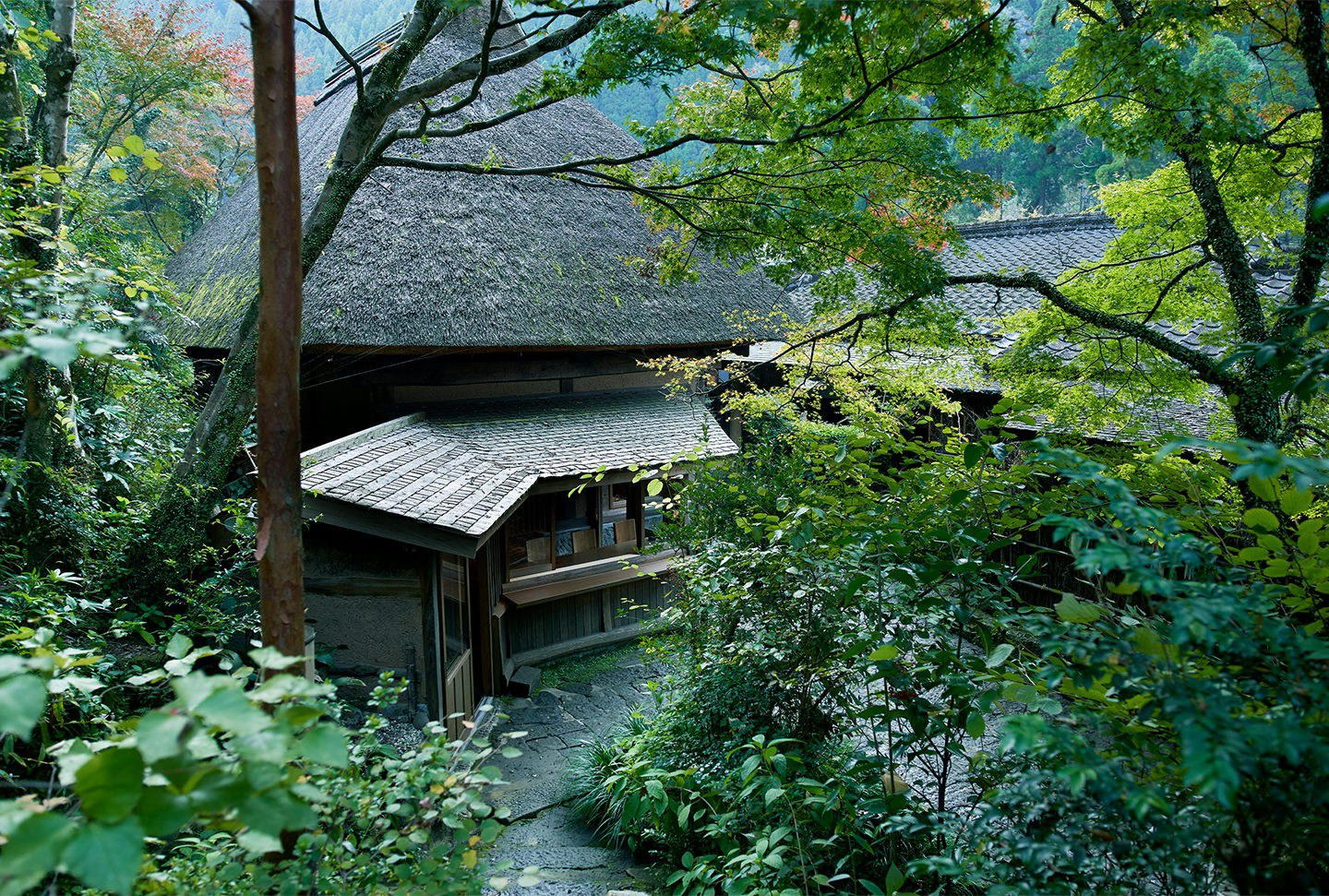
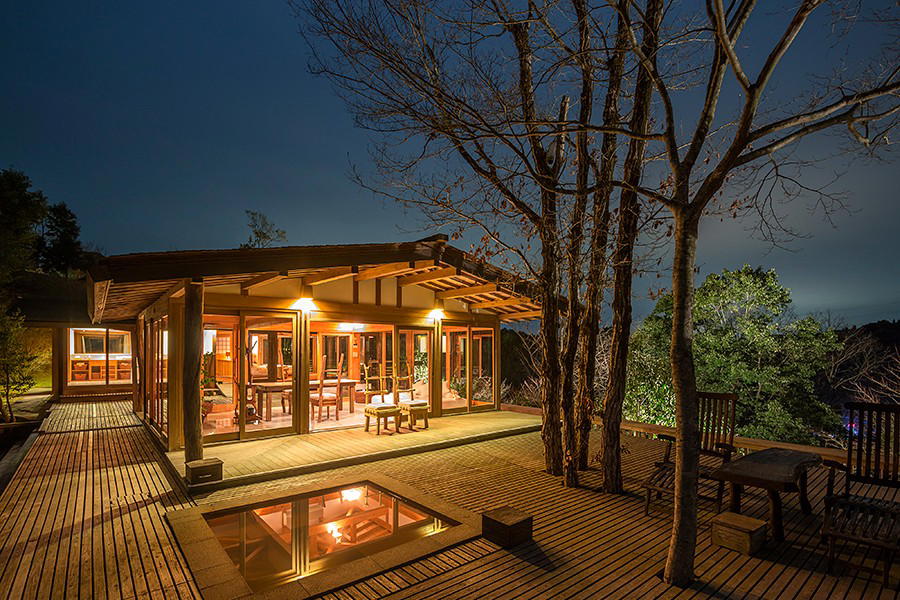
Accommodation in the Kirishima area is heavily oriented toward onsen ryokan, which shapes the typical visit pattern, dining and bathing as a combined itinerary rather than a standalone meal. Visitors combining 飛龍石亭 with a highland onsen stay are following a well-worn Kirishima logic that the area has supported for decades. For comparison on how other regional Japanese kitchens fit into broader destination formats, Gion Sasaki in Kyoto and aki nagao in Sapporo both illustrate how serious regional kitchens embed themselves in their city or area's broader travel logic.
Frequently asked questions
Is 飫肥杉箸荘 a family-friendly restaurant?
Located in Hayatocho Kareigawa, Kirishima, the setting suggests a quieter, place-specific dining environment rather than a high-volume family venue. The Kirishima area broadly draws visitors seeking nature and slower-paced meals, which tends to suit multigenerational groups who appreciate that rhythm.
What's é£èç³èµ's location?
é£èç³èµ is located at Hayatocho Kareigawa, Kirishima, Kagoshima 899-5113, Japan, Kirishima.
Is é£èç³èµ reservation-only?
Reservations are recommended for é£èç³èµ in Kirishima. Confirm current policy via the venue's official channels.
What's the overall feel of 飫肥杉箸荘?
The address — Hayatocho Kareigawa, on the edge of the Kirishima highlands — positions this as a destination meal rather than a casual drop-in. Kirishima's restaurant culture leans toward producers and land rather than performance or theatrics, so expect a grounded, ingredient-forward atmosphere. The surrounding volcanic landscape of Kagoshima prefecture shapes this kind of venue: unhurried, regionally specific, and oriented around what the local soil and season offer.
At-a-Glance Comparison
| Venue | Cuisine | Price | Awards | Notes |
|---|---|---|---|---|
| é£èç³èµThis venue — the venue you are viewing | Not listed | Not listed | Not listed | Not listed |
| HAJIME | Avant-Garde Japanese Fine Dining | $300–500 | 3 Michelin Stars · World's 50 Best #83 | French, Innovative |
| Harutaka | Edo-Style Omakase Sushi | $200–300 | 3 Michelin Stars · World's 50 Best #76 | Sushi |
| L'Effervescence | Modern French with Japanese Influences | $200–300 | 3 Michelin Stars · World's 50 Best #69 | French |
| RyuGin | Modern Kaiseki | $500+ | 3 Michelin Stars · World's 50 Best #41 | Kaiseki, Japanese |
| Crony | Modern French with Japanese Influences | $150–200 | 2 Michelin Stars · World's 50 Best #34 | Innovative, French |
Continue exploring