
Tabelog 100 #32
Our verdict
Kirishima’s hot-pot culture reads through pork, shochu and family-scale dining rather than metropolitan tasting-menu theatre. Ichinii San Kokubu ten belongs to that regional register: a pork shabu shabu and pork-dish address recognized in Tabelog 100 - Hot Pot - 2024, with a format suited to groups, children and travellers using Kirishima as a food stop rather than a single-table pilgrimage.

Pearl is the En Primeur Club membership app — saves, bookings, and concierge access live there. Same editors, same standards.
- Address
- 2-540-3 Kokubunoguchinishi, Kirishima, Kagoshima 899-4343, Japan
- Phone
- +81 50-5489-5086
- Hours
- Mon–Fri 11:30 AM–3 PM, 5–9 PMSat–Sun 11:30 AM–9 PM
- Website
- ichiniisan.jp
- Directions
- Get directions
The menu
What to order
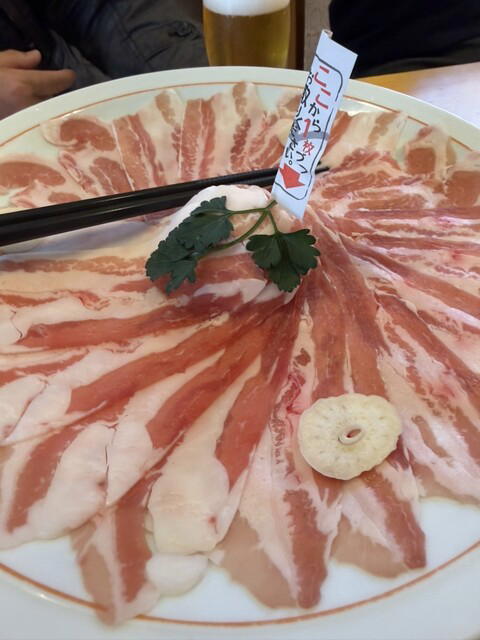
- Kagoshima black pork shabu-shabu with soba broth
- Kurobuta tonkatsu
- Kurobuta pork dishes assortment
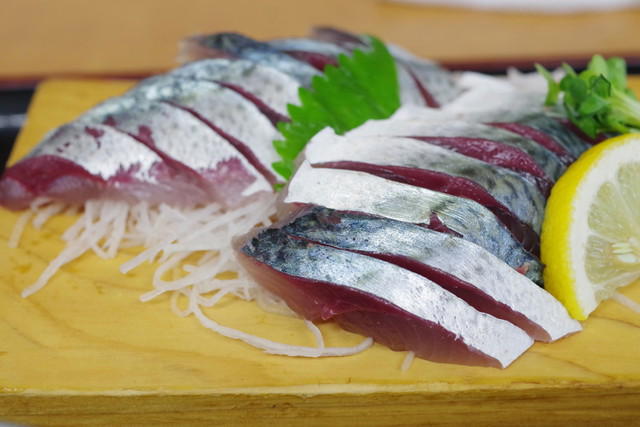
- Local sashimi such as kibinago
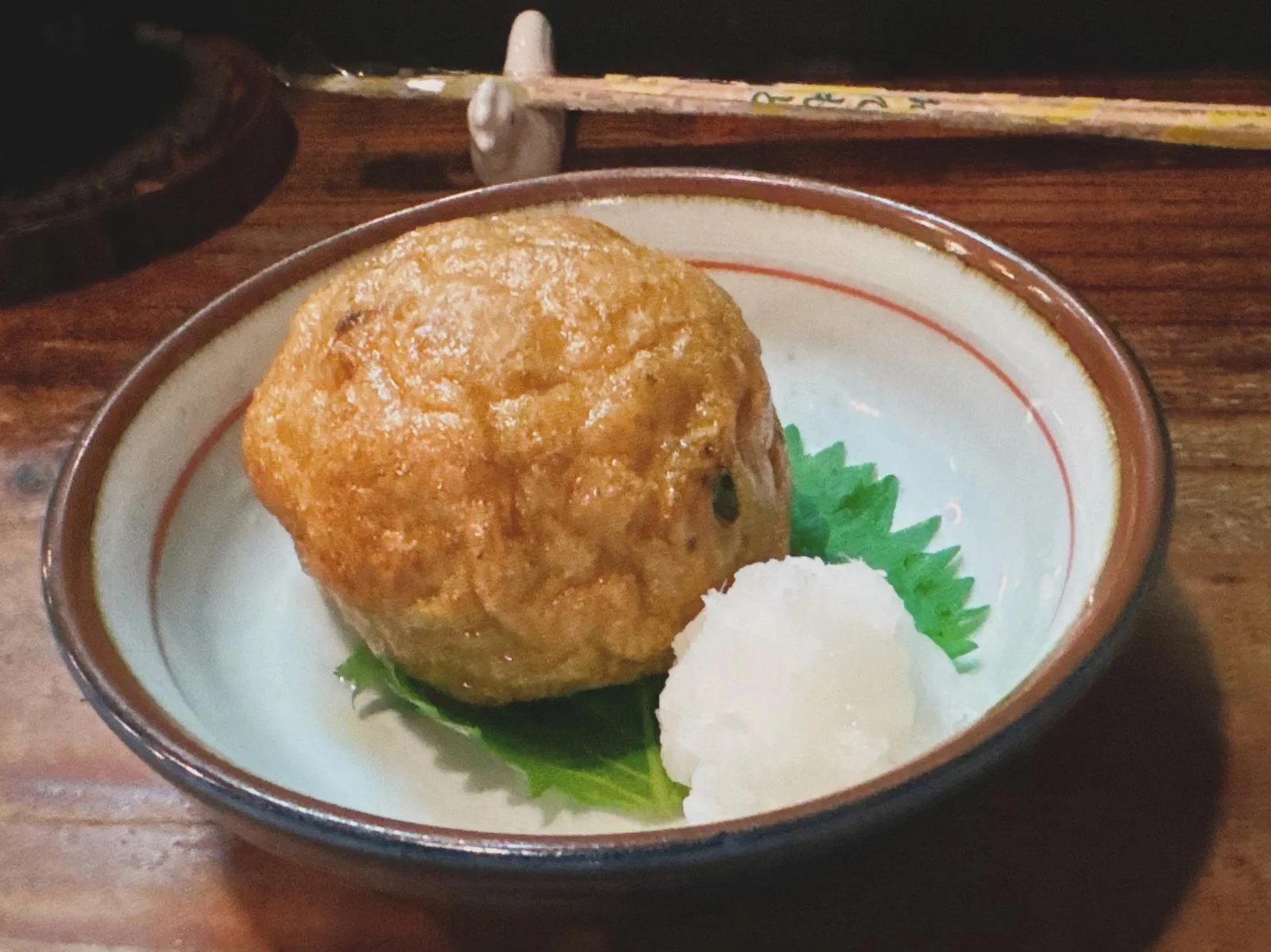
- Satsuma-age (fried fish cake)
The first signal here is format: pork shabu shabu and Japanese hotpot place the meal closer to Kagoshima’s everyday celebration dining than to the hushed counter formats associated with Tokyo or Kyoto. In Kirishima, pork shabu shabu has a different kind of authority. The point is not theatrical scarcity; it is regional ingredient confidence, a shared pot, and a dining style that naturally makes space for local appetite alongside the meal.
Kagoshima’s reputation for pork matters because shabu shabu is an unforgiving format. Thin slices, hot broth and brief cooking leave little room for disguise, so the quality of the central ingredient carries more weight than garnish. Ichinii San Kokubu ten sits in that conversation through a menu category built around pork shabu shabu, pork dishes and Japanese hotpot, and its 2024 Tabelog Hyakumeiten recognition gives the restaurant a clear external marker within a national field that often favours metropolitan addresses.
Kagoshima pork, shared pots and the regional logic of shabu shabu
Shabu shabu is often discussed as a minimalist dish, but in southern Kyushu it is also a way of reading local agriculture. Kagoshima’s pork culture is tied to broader regional identity, and the restaurant category here reflects that sense of place rather than a chef-led tasting-menu narrative. The format asks diners to judge texture, fat and broth interaction across repeated bites, which is why a pork-focused hot-pot room in Kirishima can carry more local meaning than a longer menu built for spectacle.
The Tabelog recognition is useful because hot pot is a crowded category across Japan. A place in the 2024 Hyakumeiten context does not turn the room into a luxury temple, and that is precisely the point. It identifies a restaurant operating in a democratic, high-frequency genre where consistency, sourcing and comfort matter. For travellers comparing Kirishima dining options, that puts this address in a different lane from the rural chicken emphasis at Jidori no Sato Eirakuso, other dining in the city, or the more composed regional-dining setting at Tenku no Mori.
The broader drinks context reinforces the regional frame. Kagoshima’s dining culture can naturally bring local drinking habits into the conversation, especially with pork fat and hot broth. That does not require ceremony. It simply reflects how the prefecture eats: protein-rich, group-friendly, and direct in its seasoning logic. In a city better known to many visitors for volcano views, ryokan stays and airport access, this kind of dining provides the useful middle ground between destination dining and ordinary local appetite.
A shared-pot meal rather than a precious counter
The hot-pot format changes the meal’s character. A restaurant defined by pork shabu shabu, pork dishes and Japanese hotpot creates a broad social range, from straightforward meals to group-oriented dining. That matters in Kirishima, where many visitors travel by car, combine meals with onsen routes, or fold dinner into a wider regional itinerary. The appeal is that of a local occasion restaurant rather than a narrow tourist address.
Compared with Restaurant Ishikura or 食菜石蔵, this is the more obviously hot-pot-driven choice: pork is not a supporting ingredient but the reason for the table. The listed budget keeps it in the accessible special-meal tier, with dinner at JPY 5,000 - JPY 5,999 and lunch at JPY 1,000 - JPY 1,999. For a traveller trying to understand Kirishima through food rather than through a single prestige booking, that distinction is useful.
The restaurant’s practical character should not be mistaken for lack of editorial interest. Japan’s regional dining often works through restaurants that are regular, locally legible and built for repeat use. A pork shabu shabu address with Tabelog recognition belongs to the mechanics of how people actually eat in Kagoshima. It is a better lens on the city’s food habits than a small room built mainly for outsiders.
How to place it within a Kirishima itinerary
Kirishima rewards diners who think in categories. Chicken, pork, ryokan cuisine and casual dining formats each tell a different part of the area’s story. For a broader scan, start with Our full Kirishima restaurants guide, then use Our full Kirishima hotels guide if dinner needs to sit near an onsen stay. Travellers building a fuller route can also check Our full Kirishima bars guide, Our full Kirishima wineries guide and Our full Kirishima experiences guide.
For national context, pork and hot-pot dining look different once moved outside Kagoshima. Other Japanese dining rooms may point toward beef sukiyaki, seafood, grill formats or more urban ways of eating. The contrast helps clarify why Kirishima’s pork focus is not interchangeable with a generic Japanese hot-pot meal.
Other Japanese city references widen the map without replacing the local argument. Across Japan, regional and urban dining identities often split by category rather than by price alone. Even overseas Japanese formats underline the same point: once Japanese food travels, it often becomes format-led. In Kirishima, the format is anchored by pork shabu shabu, pork dishes and a table built for sharing.
Frequently asked questions
Would Ichinii San Kokubu ten be comfortable with kids?
Yes. The venue’s format, with pork shabu shabu and Japanese hotpot at the centre, is naturally suited to group dining in Kirishima. The listed budget also keeps it in a practical range for lunch or dinner planning.
Is Ichinii San Kokubu ten better for a quiet night or a lively one?
It can work for a social meal rather than a highly formal counter experience. The appeal is the shared-pot format, and the 2024 Tabelog Hyakumeiten recognition gives it added authority within Japan’s hot-pot field.
What should I budget for a meal at Ichinii San Kokubu ten?
Pricing at Ichinii San Kokubu ten is listed as Dinner: JPY 5,000 - JPY 5,999; Lunch: JPY 1,000 - JPY 1,999.
What is Ichinii San Kokubu ten known for?
Ichinii San Kokubu ten is known for pork shabu shabu, pork dishes and shabu shabu-style Japanese hotpot in Kirishima.
At-a-Glance Comparison
Comparable venues by cuisine and price in the same metro.
| Venue | Cuisine | Price | Awards | Notes |
|---|---|---|---|---|
| Ichinii San Kokubu tenThis venue — the venue you are viewing | Kagoshima black pork shabu-shabu & Japanese hotpot | $30–50 | Tabelog 100 #32 | Not listed |
| Korean Kirishima ten | Traditional jidori charcoal grill in a rustic countryside house | $20–30 | Tabelog 100 #11 | Kirishima |
| Jidori no Sato Eirakuso | Traditional Japanese Yakiniku & Jidori Chicken | $30–50 | Tabelog 100 #89 | Hayatocho Matsunaga |
| Tenku no Mori | Seasonal Organic Japanese Fine Dining | $500+ | Relais Chateaux Award | Makizono-cho |
| 和風レストラン 青葉の庄 | Traditional Japanese Washoku Set Meals | Not listed | Not listed | 宇陀市 |
Recognition history
Dated appearances from independent guides and award organizations, with the underlying list record or original source where available.
Tabelog 100 #32 · No. 32
Tabelog · Tabelog 100 - Hot Pot - 2024
Continue exploring
More in Kirishima
Restaurants in Kirishima
Browse all →
Hotels in Kirishima
Browse all →
Wineries in Kirishima
Browse all →
Details
- Lively
- Cozy
- Classic
- Family
- Group Dining
- Casual Hangout
- After Work
- Celebration
- Private Dining
- Standalone
- Beer Program
- Local Sourcing
- A La Carte
- Set Menu
- Family Style
- Beer
- Sake
- Shochu
- Pescatarian Friendly
Current opening hours
- Monday
- 11:30 AM–3 PM, 5–9 PM
- Tuesday
- 11:30 AM–3 PM, 5–9 PM
- Wednesday
- 11:30 AM–3 PM, 5–9 PM
- Thursday
- 11:30 AM–3 PM, 5–9 PM
- Friday
- 11:30 AM–3 PM, 5–9 PM
- Saturday
- 11:30 AM–9 PM
- Sunday
- 11:30 AM–9 PM
Hours can change for holidays and private events. Last verified .
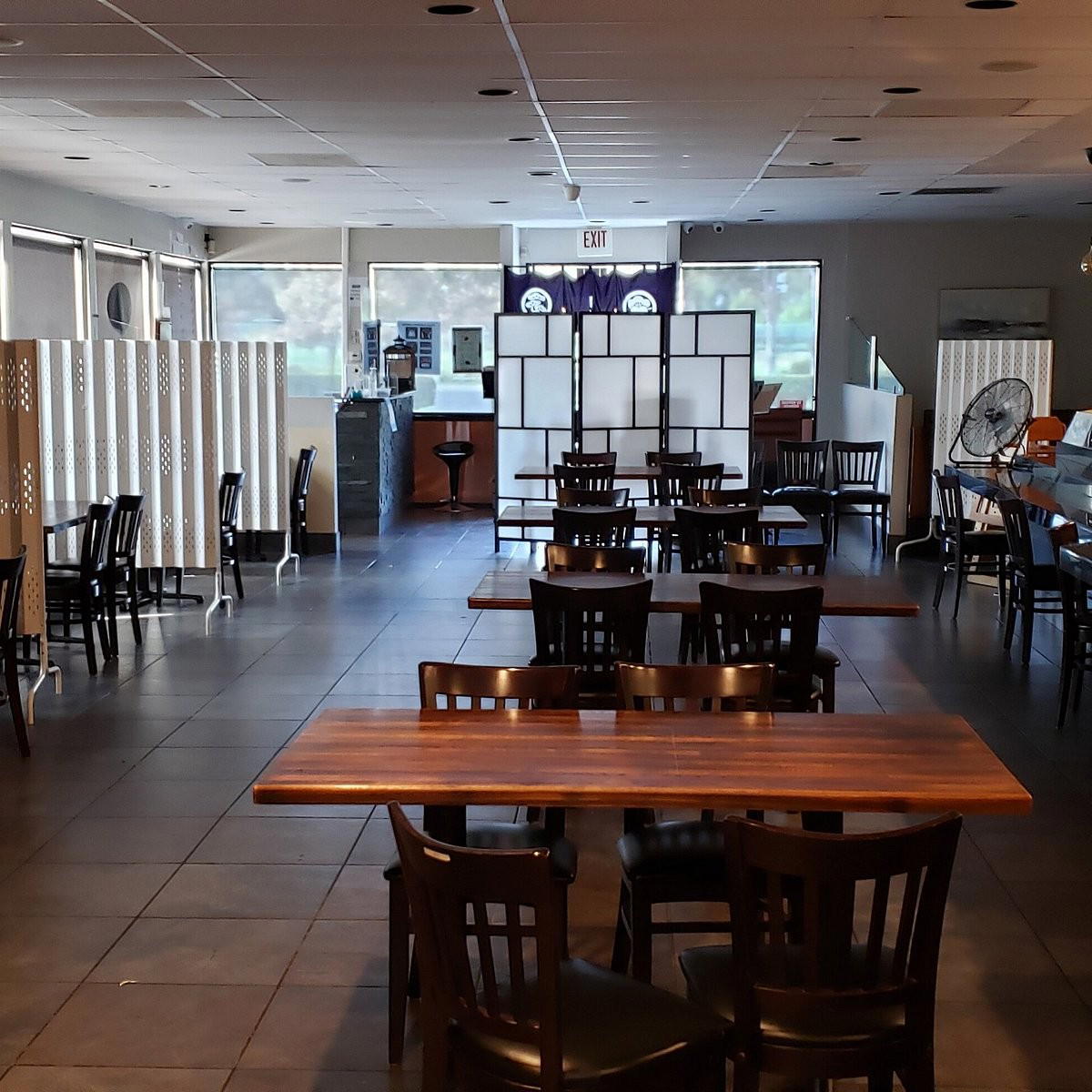
Casual, family-friendly hotpot restaurant with a bustling, lively atmosphere, standard lighting, and a mix of counter, table, and tatami seating suited to both everyday meals and group gatherings.