ヴィアッジーニ sits on a quiet address in Kuwana, Mie Prefecture, where the Kiso, Ibi, and Nagara rivers deliver some of Japan's most prized freshwater produce to the city's kitchens. The restaurant's name gestures toward Italian roots, placing it in the smaller tier of European-inflected dining that has taken hold in provincial Japanese cities over the past decade. For the Kuwana dining scene, it represents a distinctive presence worth investigating.
Pearl is the En Primeur Club membership app — saves, bookings, and concierge access live there. Same editors, same standards.
- Address
- 5-6 Yasunaga, Kuwana, Mie 511-0839, Japan
- Phone
- +81594242366
- Website
- viaggini.jp
- Directions
- Get directions
 Saves & bookings on Pearl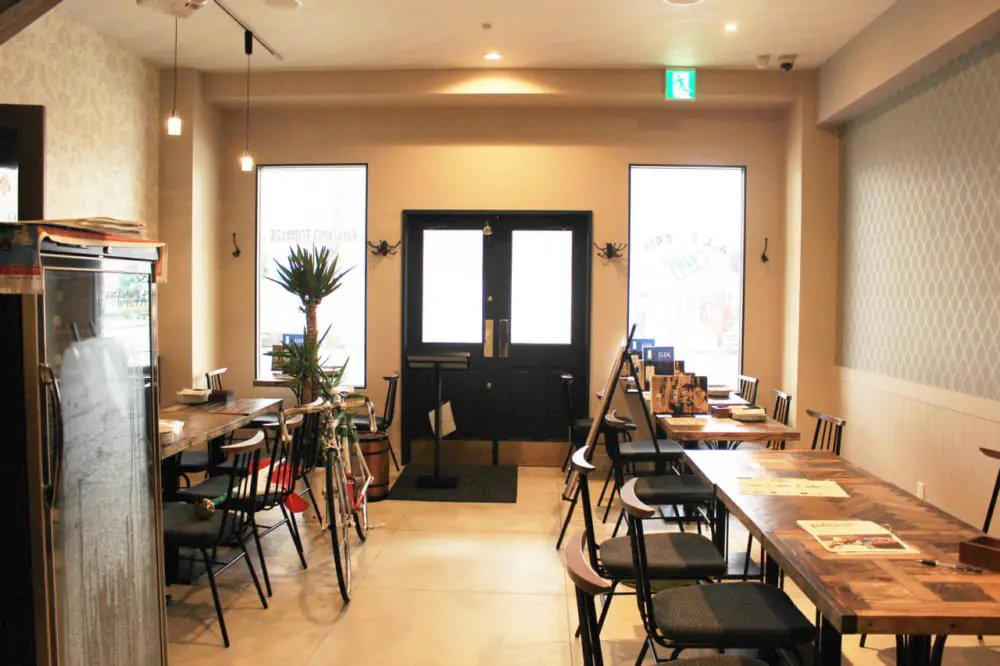
Kuwana's Table: Where Rivers Shape the Plate
Kuwana occupies a geographic position that any serious cook would envy. Positioned at the confluence of the Kiso, Ibi, and Nagara rivers before they empty into Ise Bay, the city has spent centuries as a transit point for freshwater fish, shellfish, and agricultural produce moving between Mie's interior and the coast. That geography is not incidental to the dining scene here — it is, in many ways, the dining scene. The restaurants that succeed in Kuwana tend to be the ones that understand this provenance and build menus around it rather than despite it. Our full Kuwana restaurants guide traces how that sourcing tradition plays out across the city's range of dining options.
ヴィアッジーニ, addressed at 5-6 Yasunaga in the 511-0839 postal district, sits within this context. The name — a rendering of viaggini, evoking Italian notions of journeys and provisions, places the restaurant in a specific and relatively small category: European-inflected dining in a provincial Japanese city that has its own powerful culinary identity. Getting that balance right requires a kitchen that can move between two traditions without flattening either one.
The Ingredient Logic of the Kiso River Delta
Provincial Japanese cities with serious geographic advantages tend to develop their restaurant cultures around those advantages rather than around imported prestige. In Kuwana's case, the rivers and the bay provide the frame. Hamaguri clams from Ise Bay have carried protected designation for generations, and the city's proximity to the Nōbi Plain means seasonal vegetables arrive at short distances from farm to kitchen. This is the sourcing logic that informs how restaurants in this part of Mie Prefecture position themselves relative to their ingredients, and it represents a meaningful contrast to the supply chains that urban restaurant districts like Tokyo's Ginza or Osaka's Kitahama rely upon.
For a restaurant with a European name operating in this environment, the interesting editorial question is how it handles that tension. The Italian tradition, particularly in its northern and coastal expressions, shares more with Japanese ingredient-first cooking than is often acknowledged. Both traditions prize seasonal specificity, regional provenance, and a resistance to masking primary ingredients with heavy technique. A kitchen in Kuwana that applies this sensibility to local river produce and Ise Bay shellfish is working in a mode that has precedent in some of Japan's more thoughtful European-influenced restaurants. HAJIME in Osaka and akordu in Nara both demonstrate how European frameworks can be applied to hyper-local Japanese sourcing with serious results, though each operates at price points and with recognition profiles that place them in a different tier entirely.
Kuwana is not a city with a large cohort of high-end restaurants. The local dining structure, like many secondary Japanese cities, runs from long-established traditional houses through mid-range neighbourhood restaurants to a smaller number of more ambitious operations. センプレ and 日の出 represent two different approaches to the Kuwana dining proposition and provide useful calibration points for understanding where ヴィアッジーニ sits within the local range.
Across Japan's provincial cities, European restaurants face a particular challenge: they cannot rely on the volume of international visitors or expense-account clientele that sustains comparable operations in Tokyo or Kyoto. The customer base is predominantly local, which means the menu logic needs to speak to people who eat very well at home and who measure restaurant value against that domestic standard. This is not a low bar. Japanese home cooking at its finest is ingredient-precise and seasonally calibrated in ways that restaurant cooking elsewhere rarely matches. Provincial European restaurants that thrive, and there are several, from Bistro Ange in Toyohashi to operations further along the Kii Peninsula such as bodai in Nachikatsuura, tend to do so by earning the trust of a loyal local clientele rather than by chasing destination-dining recognition.
What to Order and What to Expect
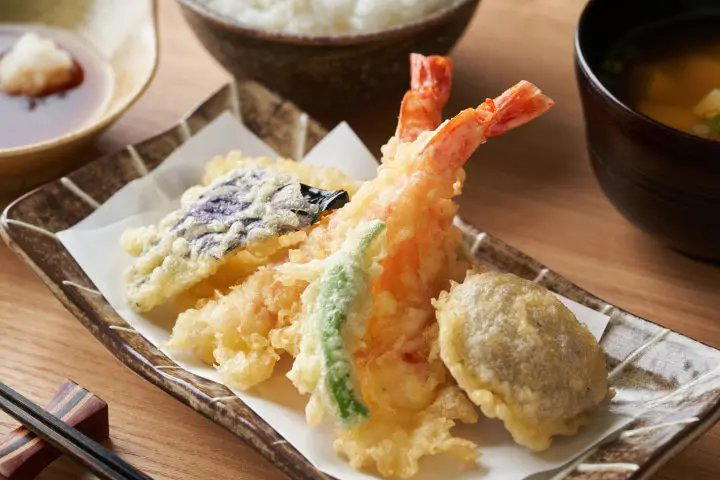
Because the venue database carries limited menu and format data for ヴィアッジーニ at this time, specific dish recommendations should be verified directly with the restaurant before visiting. What can be said with confidence is that the geographic context around Kuwana makes certain ingredient categories highly probable points of strength. Hamaguri from Ise Bay, freshwater produce from the Kiso delta, and seasonal vegetables from the Nōbi Plain represent the supply-chain advantages any serious kitchen here would exploit. In Italian-influenced cooking, these translate naturally into preparations that emphasise texture, acidity, and restraint, the light braises, the shellfish-forward pasta courses, the simply dressed seasonal plates that European coastal traditions handle well.
For comparison, Harutaka in Tokyo and Gion Sasaki in Kyoto both demonstrate how ingredient sourcing becomes the primary editorial story at Japan's more serious restaurants, regardless of culinary tradition. The provenance chain matters more than the style category. Visitors to ヴィアッジーニ should approach the menu with that framing: ask what is arriving this week, where it comes from, and let that answer guide the order.
Planning a Visit to ヴィアッジーニ
Kuwana is accessible by rail on the Kintetsu Nagoya Line, with Kuwana Station placing visitors within reach of the Yasunaga address. The city sits roughly 30 minutes from Nagoya by express train, which positions it as a realistic option for visitors based in Nagoya rather than requiring a dedicated overnight trip. Small restaurants in provincial Japanese cities frequently operate on reduced-week schedules and may require advance notice of several days to weeks depending on capacity and season. For broader trip planning across the area, Goh in Fukuoka and operations in nearby prefectures such as 一本杉川嶋 in Nanao and 湖隣庵 in Takashima offer data points on how regional Japanese dining at this level typically structures its booking and pricing tiers.
How ヴィアッジーニ in Kuwana compares with similar nearby venues.
| Venue | Cuisine | Price |
|---|---|---|
| Ramen Torikatsu | Not listed | JPY 999 - JPY 999 |
| Yakiniku Sukkyanen | Not listed | JPY 6,000 - JPY 7,999 |
| Edo Machi Sugimoto | Sushi | JPY 20,000 - JPY 29,999 JPY 15,000 - JPY 19,999 |
| Kaki Yasu Ryoutei honten | Not listed | JPY 10,000 - JPY 14,999 JPY 4,000 - JPY 4,999 |
| Hinode | Seafood | Not listed |





At a Glance
- Cozy
- Elegant
- Family
- Casual Hangout
- Date Night
- Standalone
- Sake Program
- Local Sourcing
Current opening hours
- Monday
- Closed
- Tuesday
- 11 AM–2:30 PM, 5:30–10 PM
- Wednesday
- 11 AM–2:30 PM, 5:30–10 PM
- Thursday
- 11 AM–2:30 PM, 5:30–10 PM
- Friday
- Closed
- Saturday
- 11 AM–2:30 PM, 5:30–10 PM
- Sunday
- 11 AM–2:30 PM, 5:30–10 PM
Hours can change for holidays and private events. Last verified .
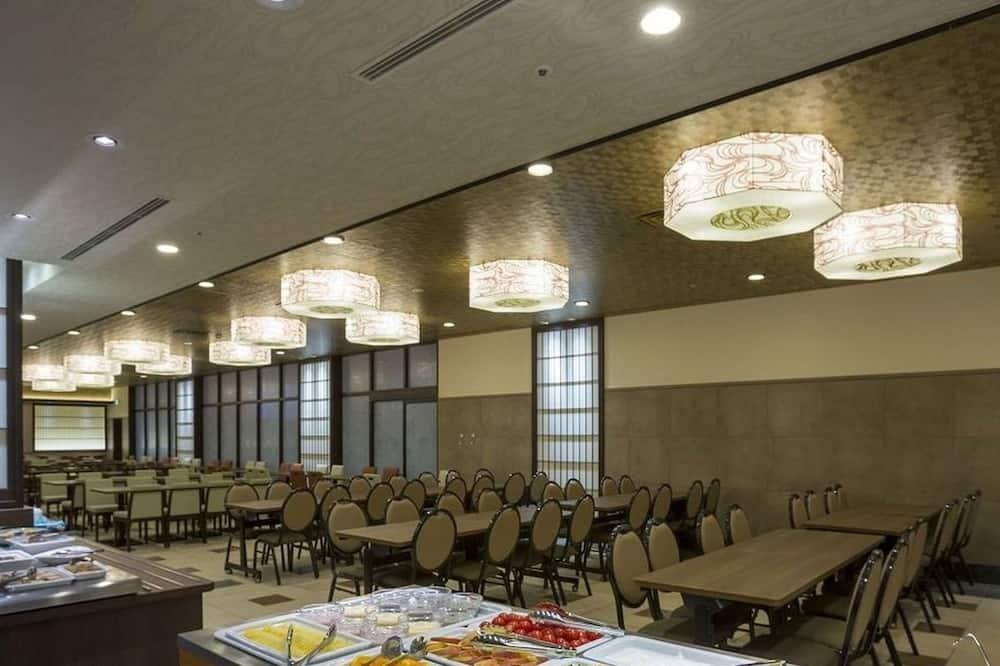
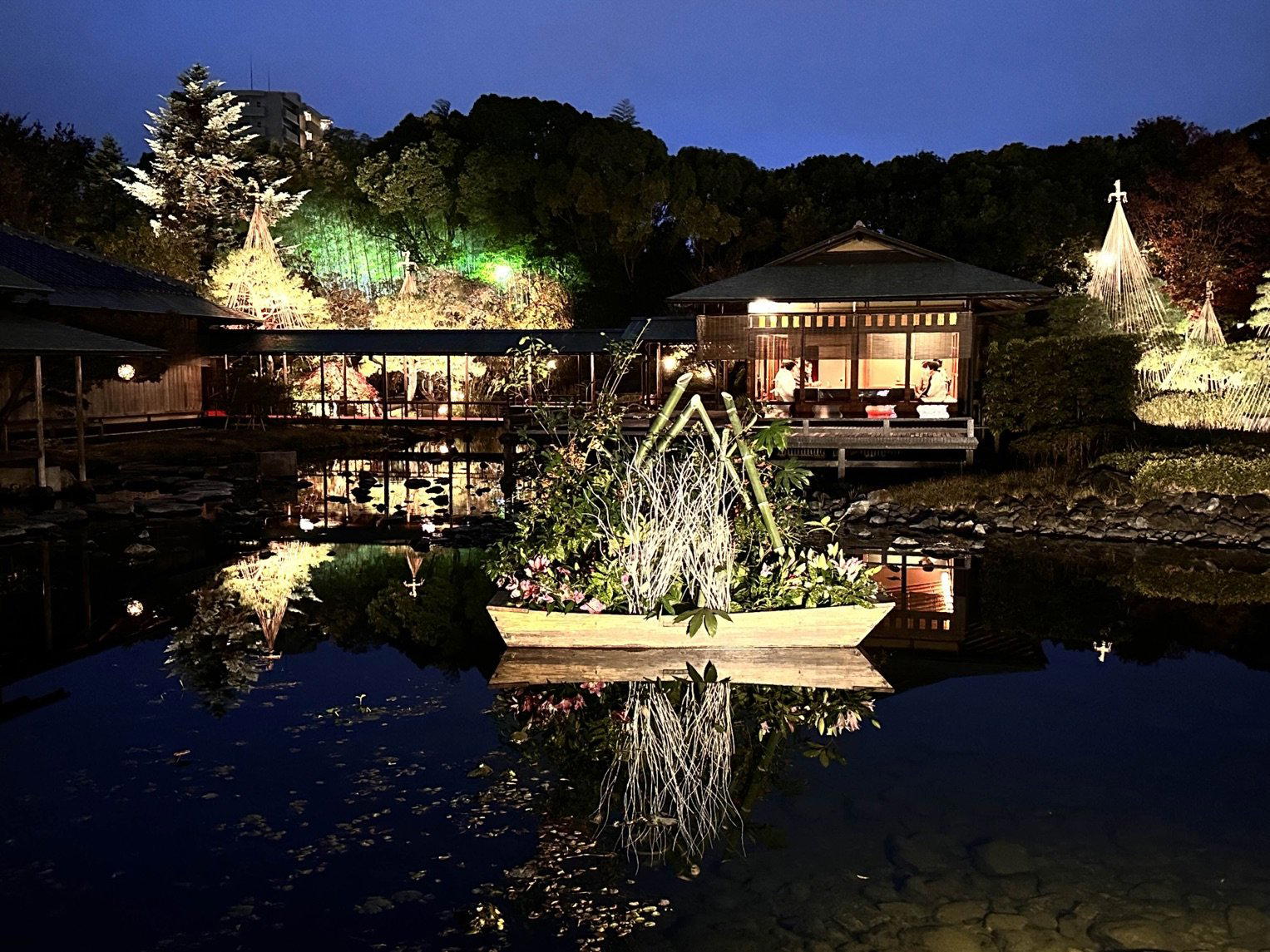
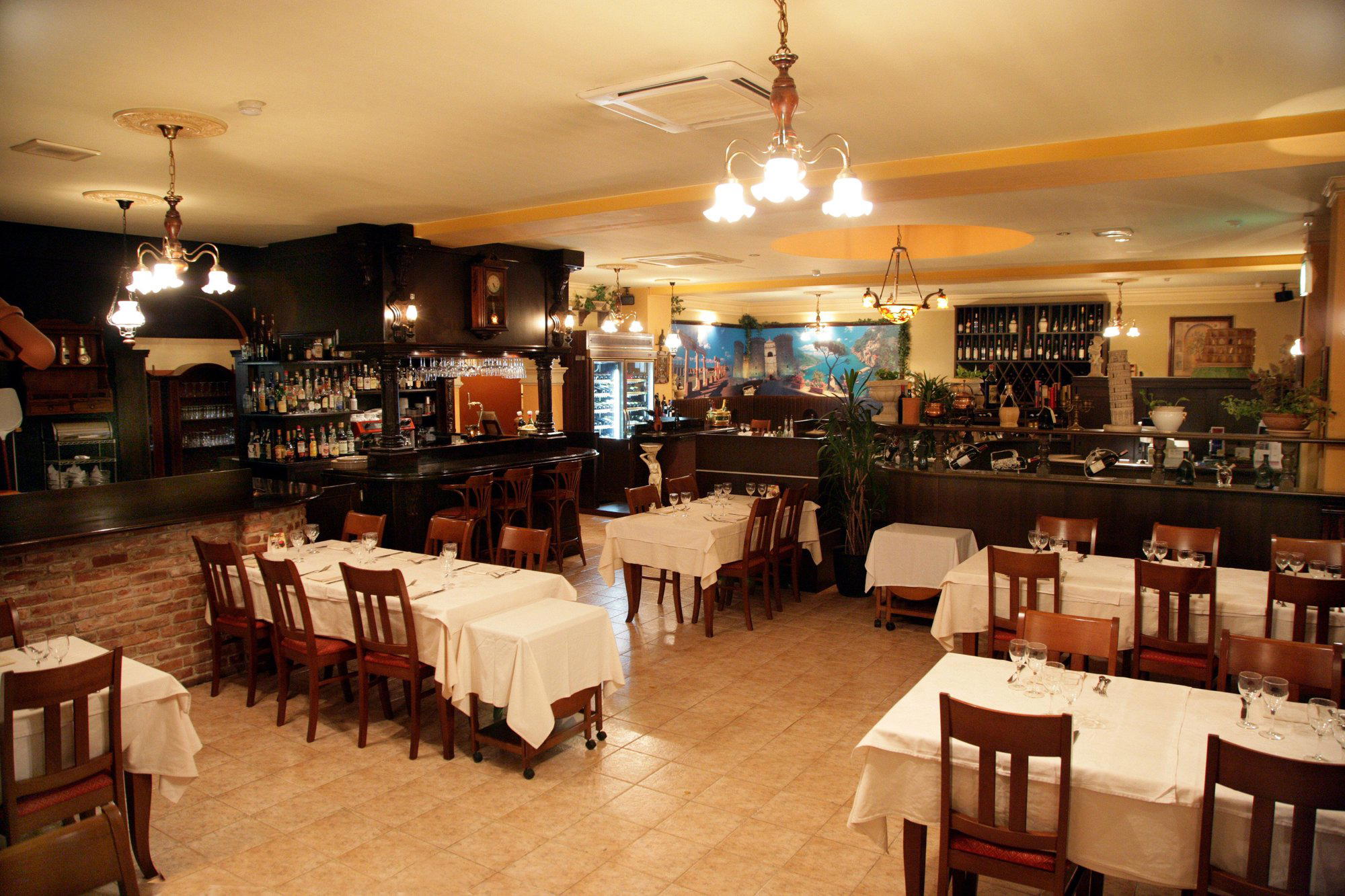
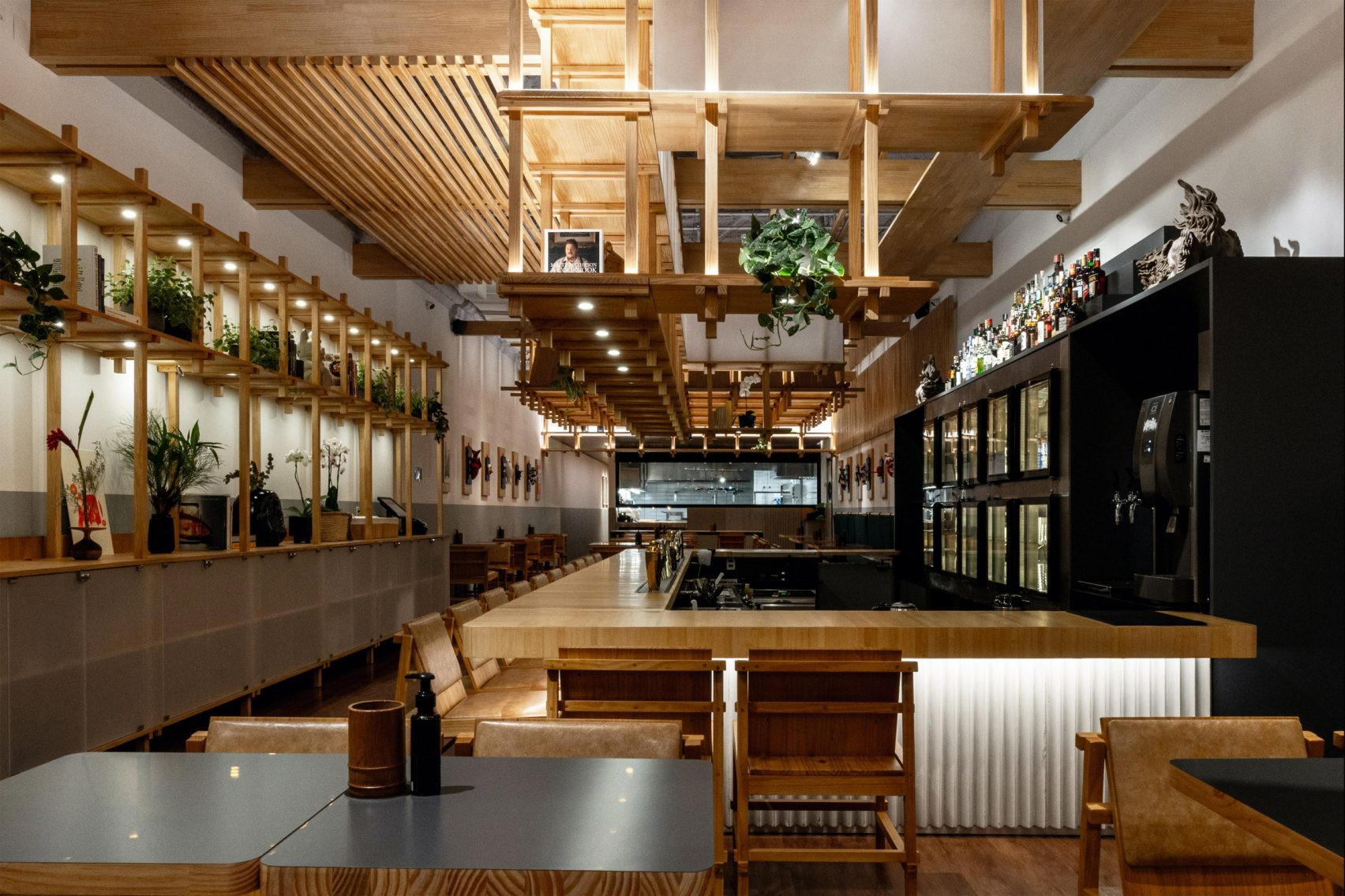
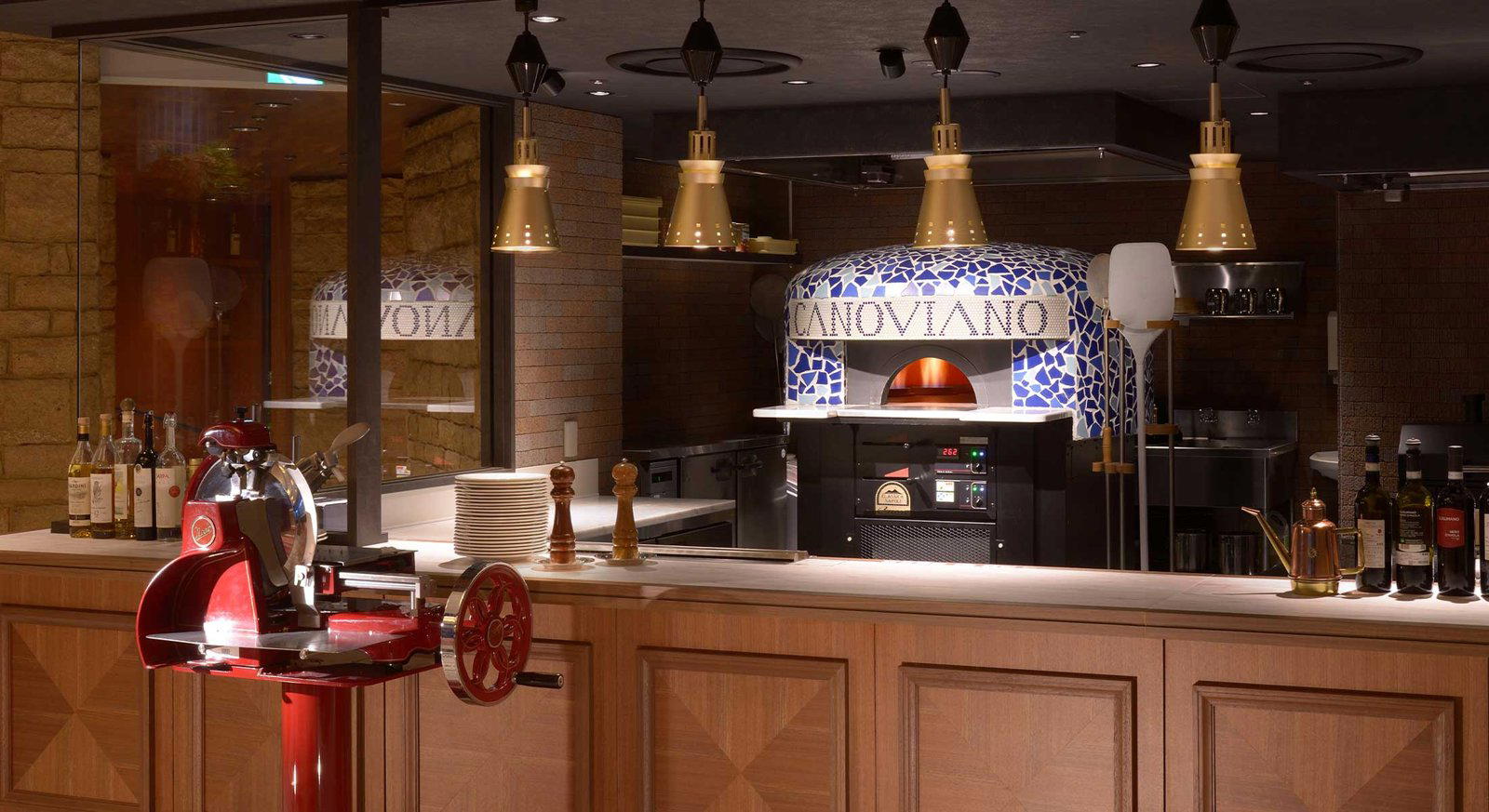
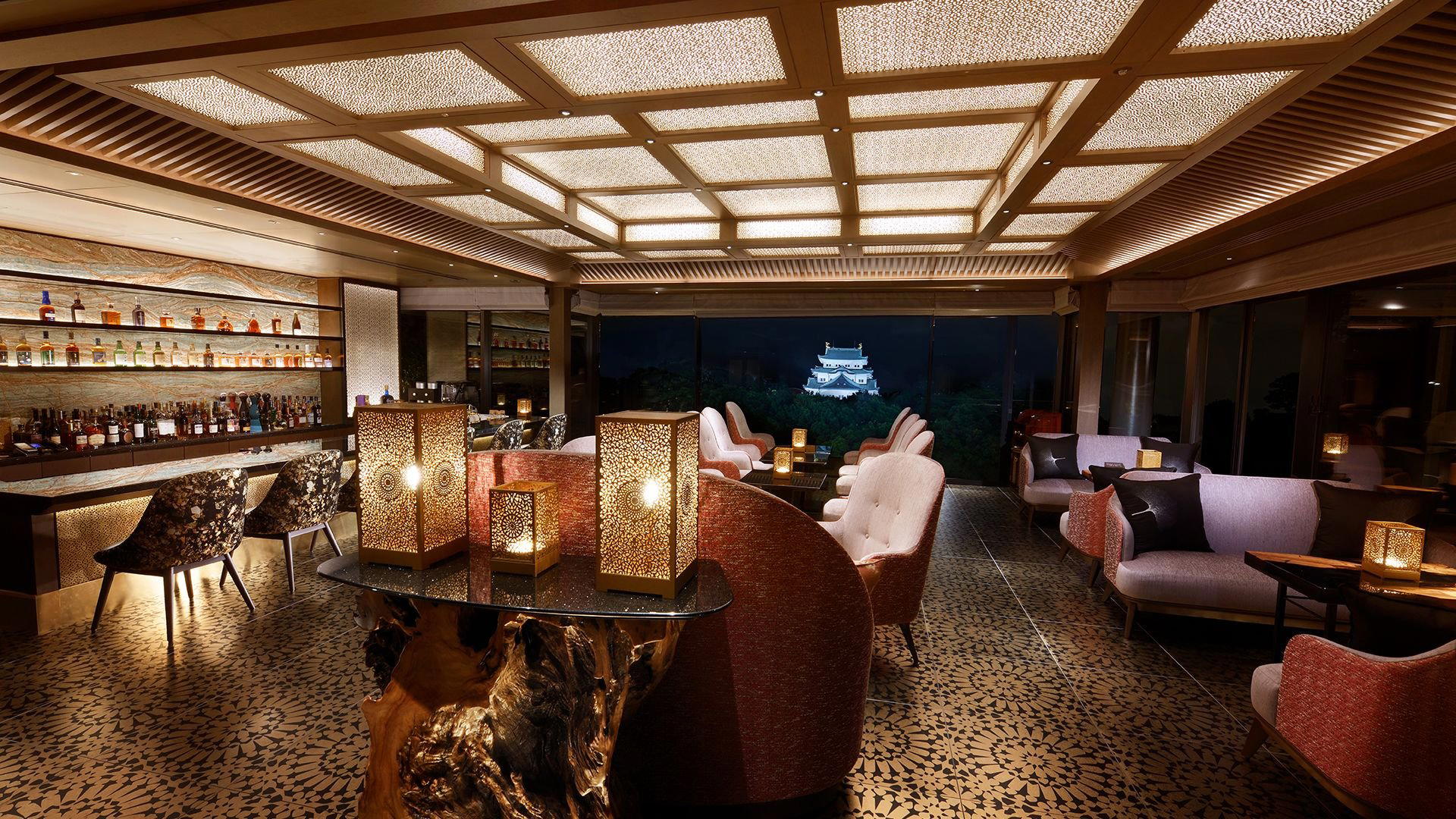
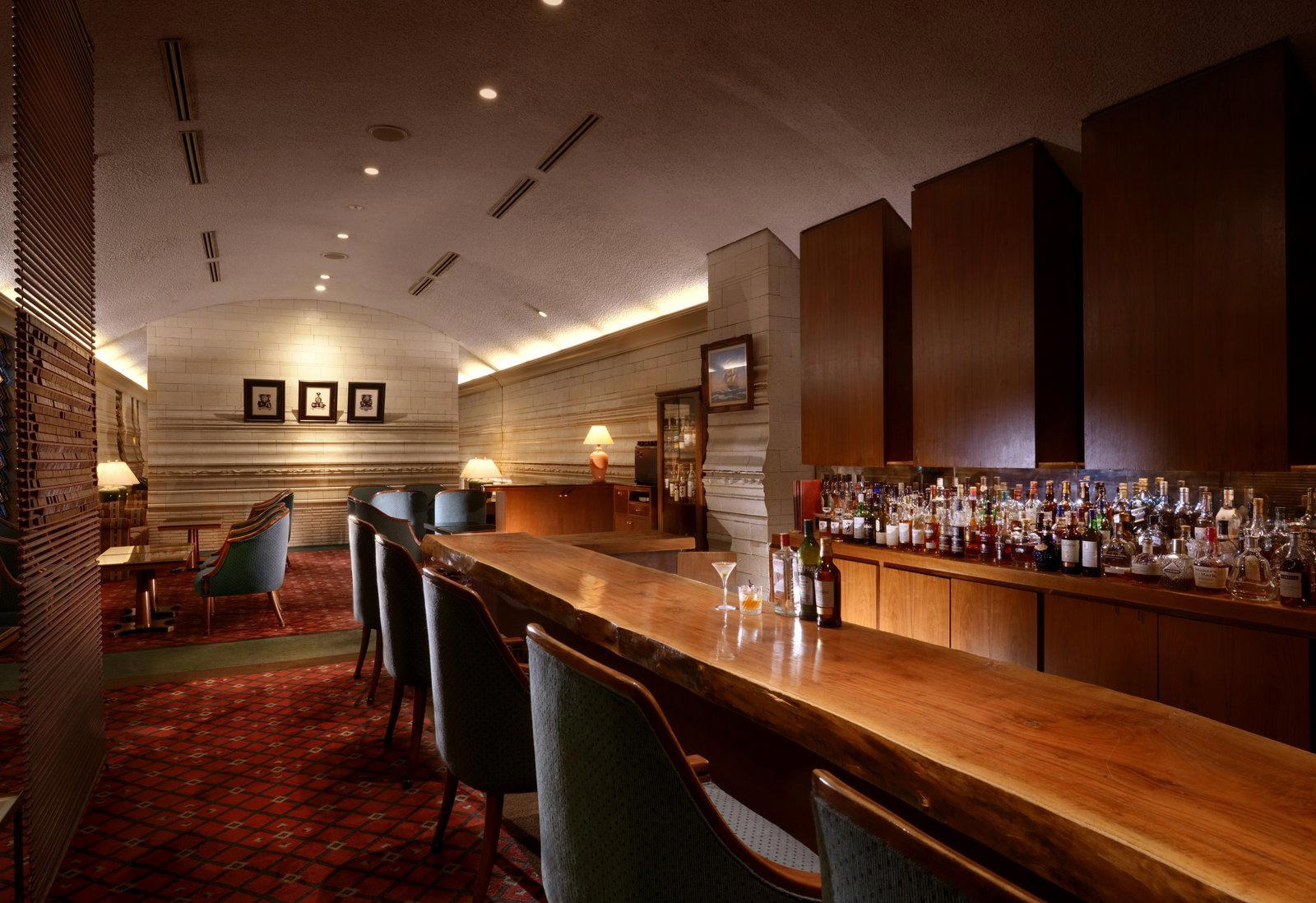
Stylish, calm and warm atmosphere with attention to detail in a hideout house setting.
Know Before You Go
- Getting there
- 5-6 Yasunaga, Kuwana, Mie 511-0839, Japan