On a well-worn block of Dundas West, 887 sits within a stretch of Toronto dining that has quietly grown more serious over the past decade. The address places it in one of the city's most characterful corridors, where independent operators set the tone rather than hotel groups or national chains. Specific details on format and cuisine are best confirmed directly with the venue before visiting.
Pearl is the En Primeur Club membership app — saves, bookings, and concierge access live there. Same editors, same standards.
- Address
- 887 Dundas St W, Toronto, ON M6J 1V9, Canada
- Phone
- +1 647 350 7478
- Website
- sistersco.ca
- Directions
- Get directions
 Saves & bookings on Pearl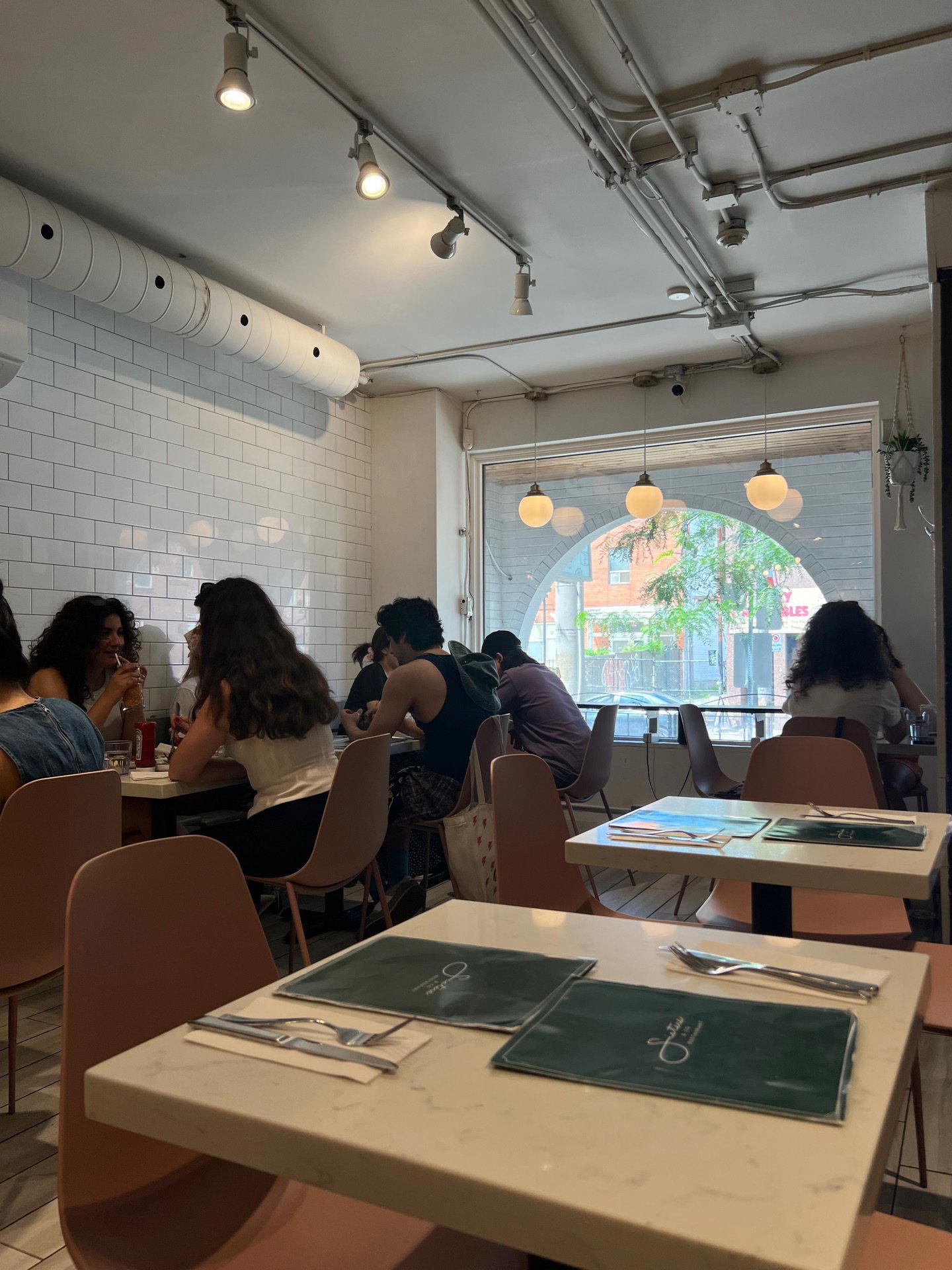
Dundas West and the Arithmetic of Independent Dining
Toronto's Dundas West corridor has developed over the past decade into one of the city's more reliable stretches for independently run dining rooms. The neighbourhood does not operate on a single culinary identity the way, say, a Chinatown or a Little Italy does. Instead it accumulates: a wine bar here, a counter-service ramen spot there, a room that pivots between brunch and late-evening cocktails depending on the day of the week. 887 Dundas St W sits within this accumulation, at an address that carries the texture of the neighbourhood itself, a main-road position with foot traffic and the ambient noise of a working city block rather than a curated dining district.
That setting matters for how you read a room before you walk in. Dundas West venues are typically working harder on what happens inside than on theatrical exteriors. The signal is not a grand awning or a valet stand but the queue at the door, the handwritten board in the window, the density of tables visible through the glass. For anyone who has spent time eating across Toronto's west end, from Roncesvalles down through Trinity Bellwoods and into Beaconsfield Village, the language of these rooms is familiar: low budgets applied with deliberate taste, and a clientele that has self-selected for curiosity rather than occasion dining.
Where This Address Sits in the Toronto Dining Spectrum
Toronto's higher-end dining circuit clusters further east and north of this address. The rooms that attract sustained critical attention at the premium tier, among them Alo (Contemporary) and Sushi Masaki Saito (Sushi, Japanese), operate at price points and formality levels that belong to a different competitive set. Kaiseki precision at Aburi Hana (Kaiseki, Japanese) and the white-tablecloth Italian register at Don Alfonso 1890 (Contemporary Italian, Italian) or the tasting-menu confidence of DaNico (Italian) represent a tier where per-person spends run well into triple figures and the booking window extends months ahead.
The Dundas West corridor operates on different terms. Here the conversation is about neighbourhood regulars, about rooms you return to twice a month rather than twice a year. The relationship between diner and restaurant is less ceremonial and more habitual. That distinction is not a mark against either end of the spectrum; it reflects how a city's eating culture actually functions. The premium rooms anchor reputation and press attention. The neighbourhood rooms sustain daily life and build the kind of loyalty that keeps independent operators viable across years and economic cycles.
For a broader map of where Toronto's dining scene is currently strongest, the full Toronto restaurants guide covers the city's range from tasting-menu counters to casual institutions.
The Sensory Register of a West-End Block
Walking west along Dundas toward this address, the sensory context is specific to the neighbourhood rather than to any single venue. The streetcar line runs along Queen, a block south, so Dundas carries foot traffic without the density of a transit hub. The block at 887 sits within a commercial strip where the buildings run two and three storeys, ground-floor retail below residential above, the architectural vernacular of Toronto's early-twentieth-century main streets. In the evening, the ambient light shifts: neon from a convenience store two doors down, the warmer glow from a bar across the street, the particular dimness of a side-entrance restaurant that is not trying to announce itself from fifty metres away.
This is the sensory environment that west-end Toronto dining rooms tend to share. They are heard before they are seen, conversation and low music spilling into the street when a door opens. The smell of the block in winter is cold concrete and exhaust; in summer it shifts to the accumulated warmth of a city neighbourhood that has been active all day. None of this is specific to 887, but all of it is specific to where 887 is, and that specificity shapes the experience of arriving.
Comparing Notes Across Canadian Dining
The kind of independent room that characterises Dundas West has counterparts in every Canadian city with a functioning food culture. In Quebec City, the ambition at Tanière³ in Quebec City operates at a different scale of intention, but the underlying logic of a chef-driven room that earns loyalty through consistency rather than spectacle is shared. AnnaLena in Vancouver occupies a similar position on the West Coast, as does the more formal ambition of Jérôme Ferrer - Europea in Montreal in that city's restaurant hierarchy.
Outside the major urban centres, the model shifts again. Restaurant Pearl Morissette in Lincoln and Eigensinn Farm in Singhampton represent a destination-dining logic where the address itself is part of the offer; The Pine in Creemore and Narval in Rimouski show how smaller communities sustain serious cooking outside the metropolitan frame. Internationally, the comparison points that matter for understanding what Toronto's independent sector is working toward include rooms like Le Bernardin in New York City and Atomix in New York City, where the independent-operator model operates at the highest recognised tier. The distance between a Dundas West room and that level is real, but the underlying structure, a chef or operator with a point of view, a room sized to deliver it, a clientele that understands the terms, is the same.
Other Canadian addresses worth cross-referencing include Aux Anciens Canadiens in Quebec, Barra Fion in Burlington, and Bearspaw Golf Club in Calgary for how the country's dining culture spreads across formats and geographies.
Planning Your Visit
887 Dundas St W serves Asian Fusion Brunch and is walk-in friendly, with casual dress and daily daytime hours. The address is accessible via the Dundas streetcar and sits within walking distance of the Ossington strip, making it direct to combine with other stops in the neighbourhood on the same evening.
Just the Basics
Comparable venues nearby, for context on price, style, and recognition.
| Venue | Cuisine | Price | Notes |
|---|---|---|---|
| 887 Dundas St WThis venue — the venue you are viewing | Trinity Bellwoods, Asian Fusion Brunch | $$ | Not listed |
| Gateau Ghost | Not listed | $$ | Palmerston-Little Italy, Korean-Parisian Fusion Bistro |
| Chef Ling's Kitchen | Not listed | $$ | Playter Estates-Danforth, Chinese-Caribbean Fusion Tapas |
| GOCHU LIBRE KANTINA | Christie Pits, Korean-Mexican Fusion | $$ | Not listed |
| SIMPL THINGS | Parkdale, Italian & Taiwanese Fusion | $$ | Not listed |
| Queens Harbour | Harbourfront, MediterrAsian Fusion | $$$ | Not listed |
Continue exploring
More in Toronto
Restaurants in Toronto
Browse all →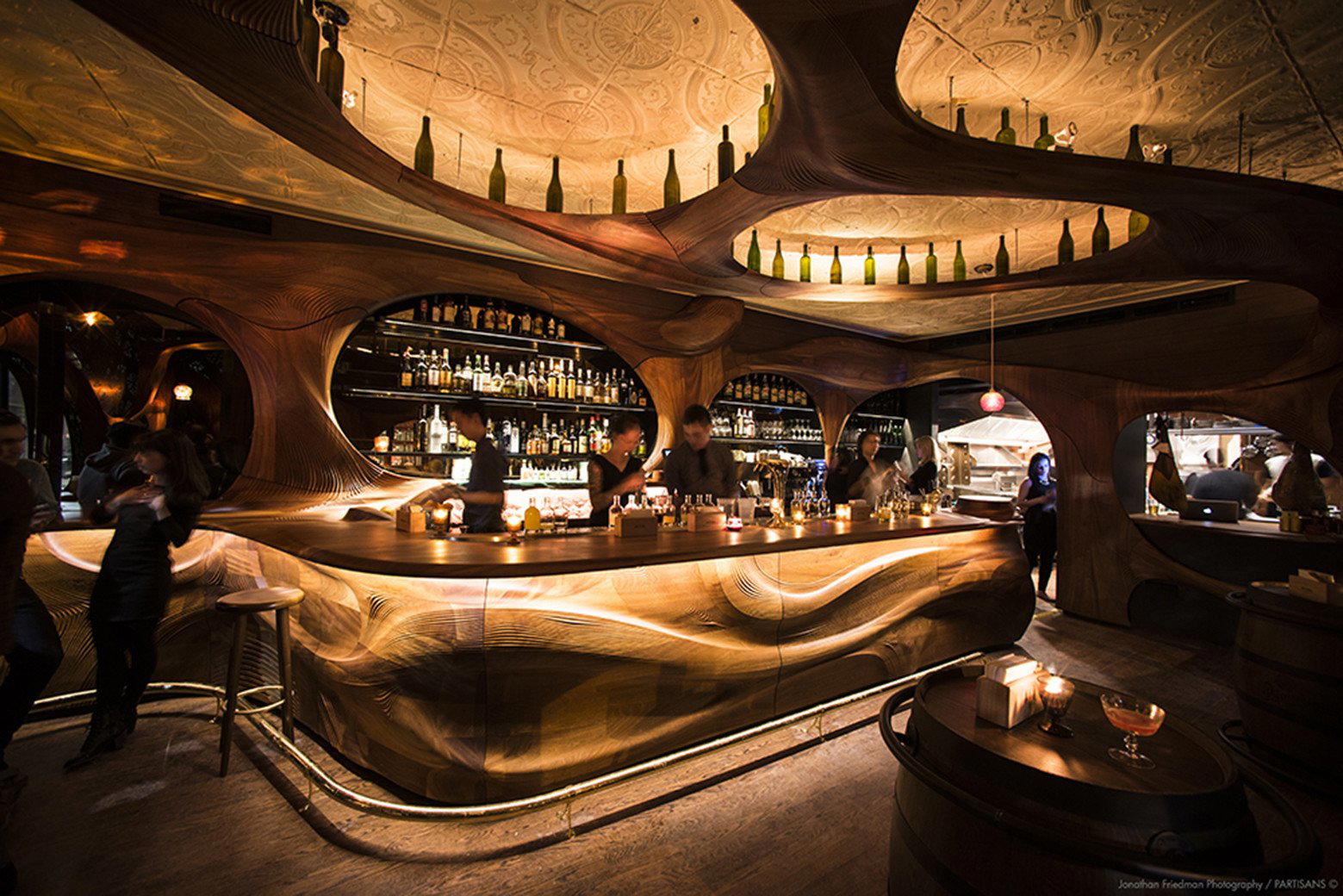
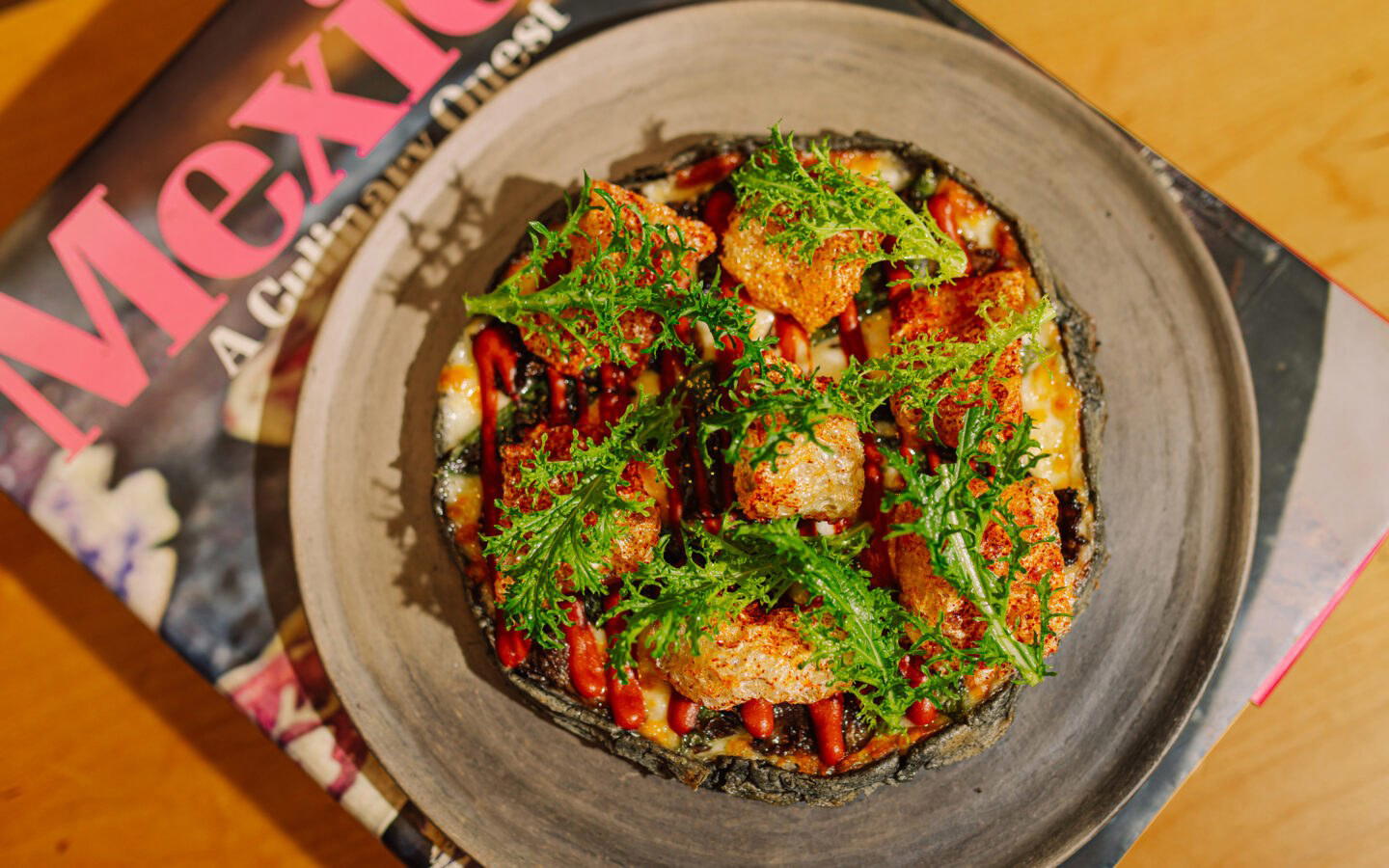
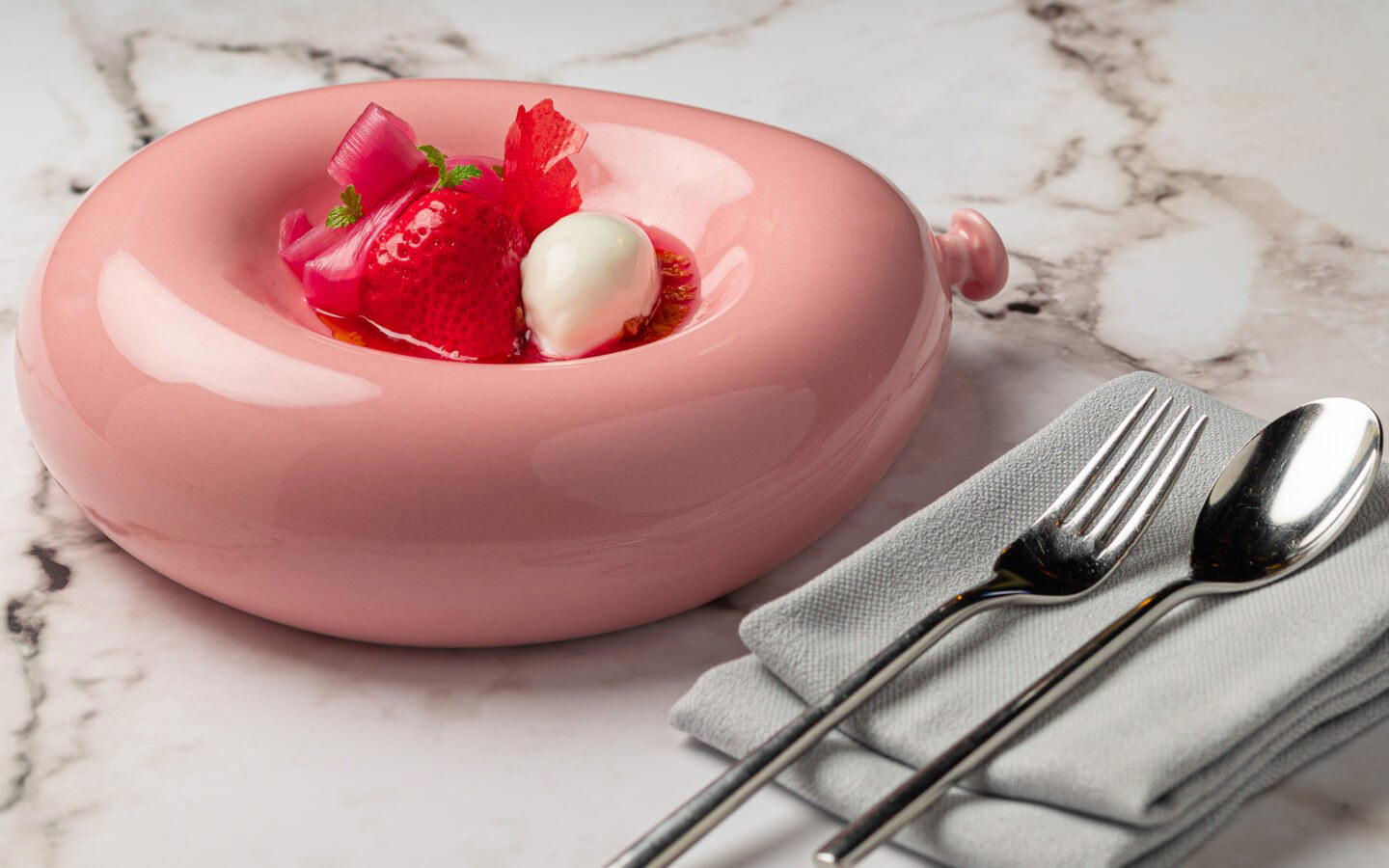

Bars in Toronto
Browse all →
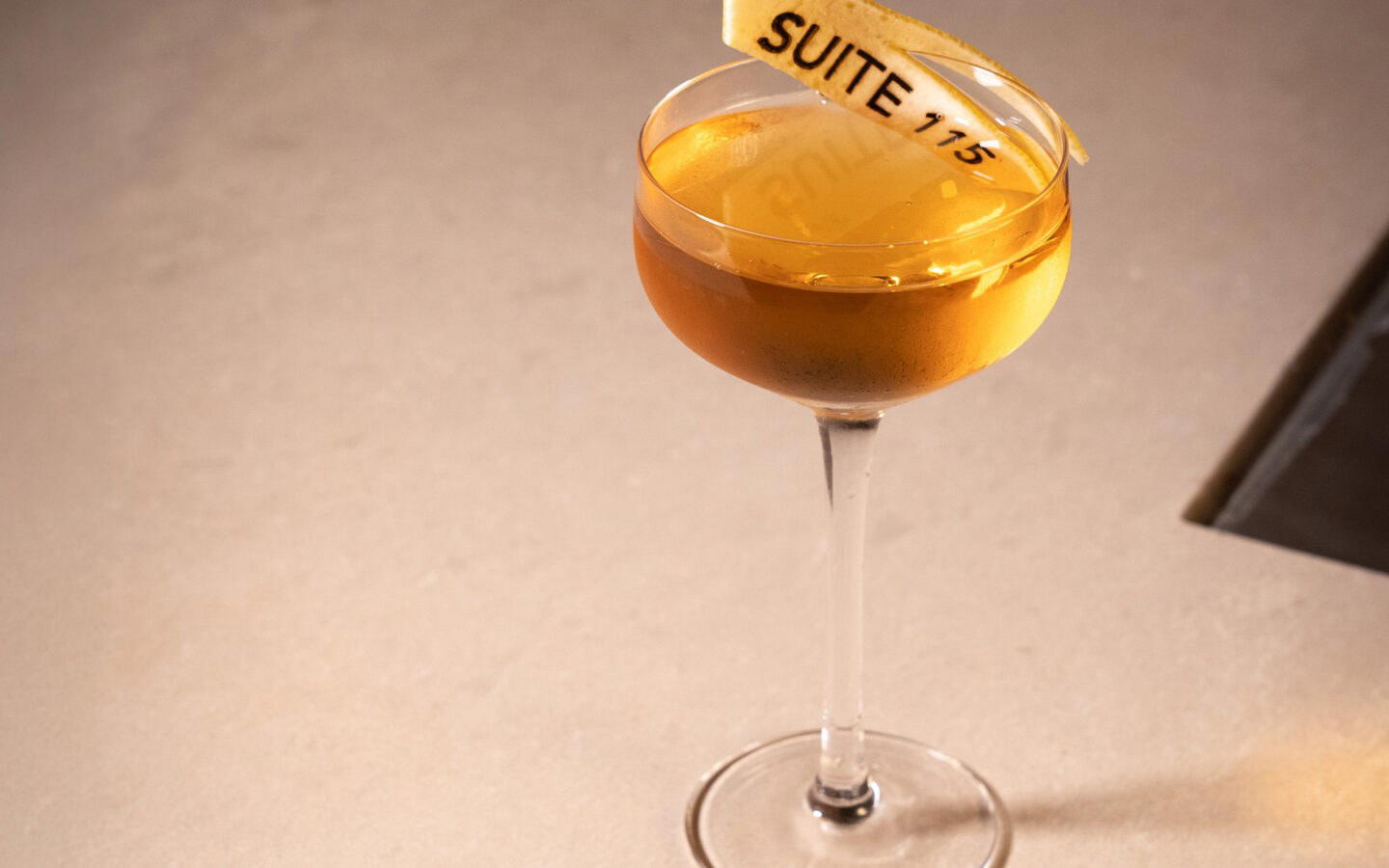
Hotels in Toronto
Browse all →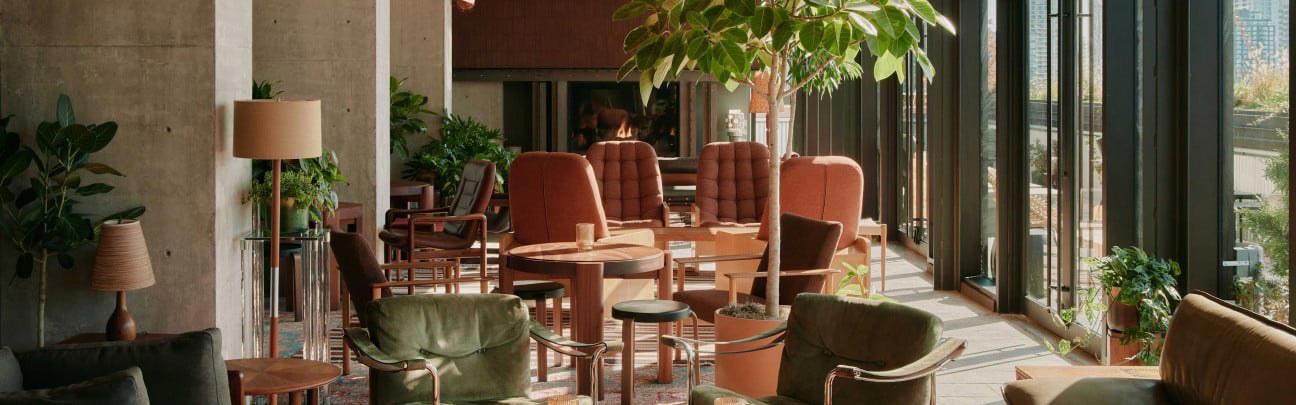
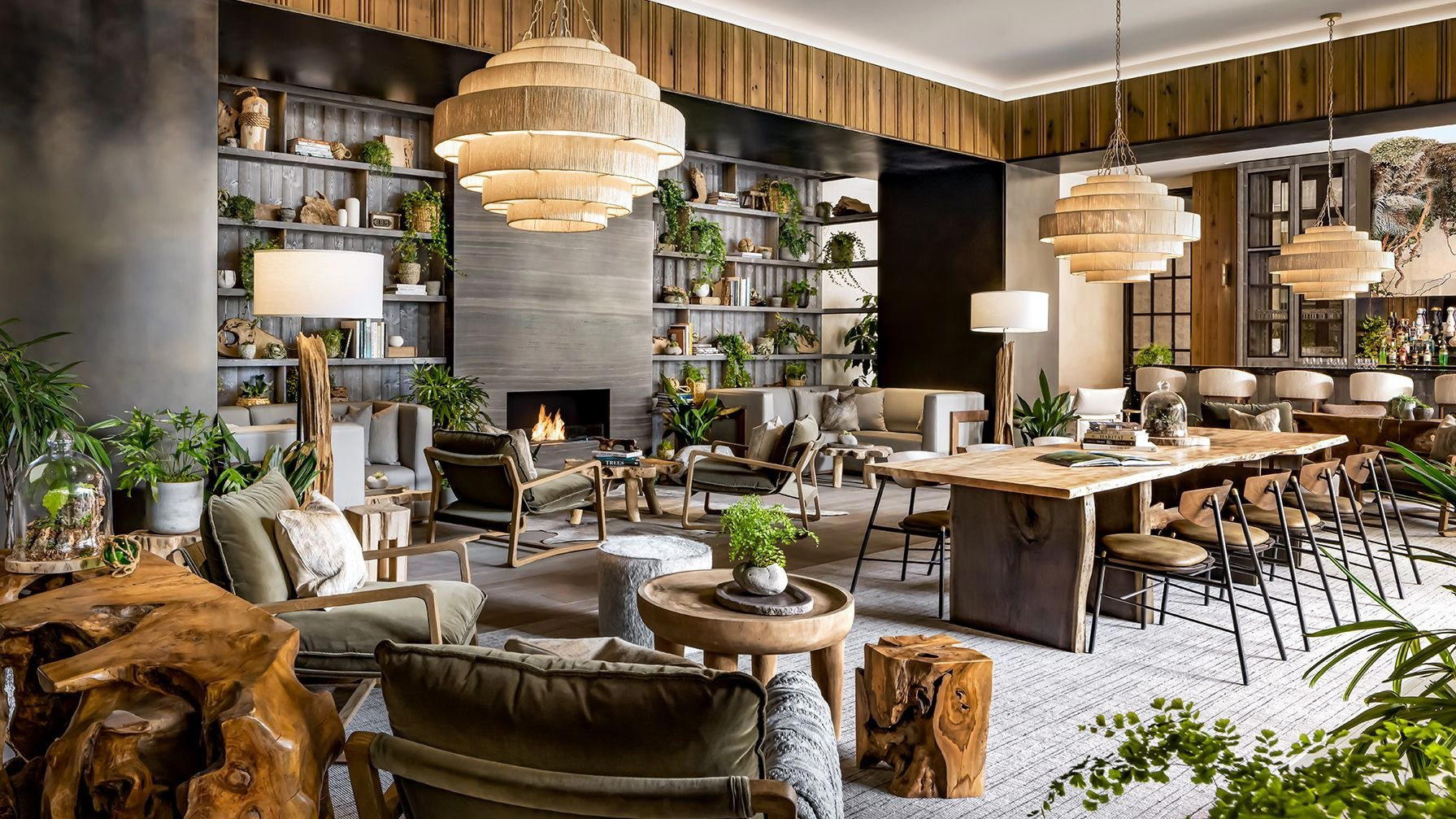
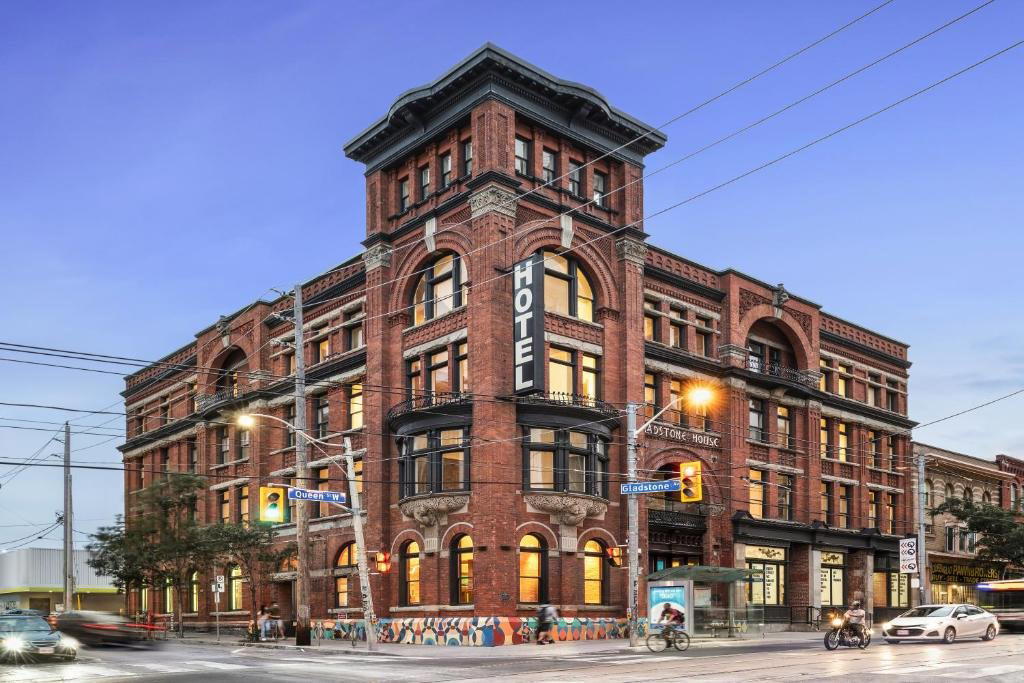

At a Glance
- Trendy
- Modern
- Minimalist
- Brunch
- Casual Hangout
- Group Dining
- Standalone
- Craft Cocktails
Current opening hours
- Monday
- 8 AM–2:30 PM
- Tuesday
- 8 AM–2:30 PM
- Wednesday
- 8 AM–2:30 PM
- Thursday
- 8 AM–2:30 PM
- Friday
- 8 AM–2:30 PM
- Saturday
- 8 AM–3:30 PM
- Sunday
- 8 AM–3:30 PM
Hours can change for holidays and private events. Last verified .
Modern-industrial white-tiled space with white and emerald green colour scheme accented by soft pink and grey, creating a pleasingly minimal yet lively atmosphere.