On College Street in Toronto's Dovercourt neighbourhood, Gateau Ghost occupies a low-key address that rewards those paying close attention to the city's independent dessert and pastry scene. The format skews intimate and neighbourhood-scaled rather than destination-grand, positioning it within a cohort of small Toronto operators where craft and environment carry more weight than dining-room spectacle.
Pearl is the En Primeur Club membership app — saves, bookings, and concierge access live there. Same editors, same standards.
- Address
- 974 College St, Toronto, ON M6H 1A5, Canada
- Phone
- +16473989109
- Website
- gateaughost.com
- Directions
- Get directions
 Saves & bookings on Pearl
College Street and the Case for Smaller Rooms
Toronto's dining conversation tends to anchor on the downtown core and its tasting-menu circuit, where rooms like Alo and DaNico operate at the $$$$-tier with the bookings pressure to match. The stretch of College Street running through Dovercourt and Dufferin Grove operates at a different register. Storefronts here are narrower, the ceilings lower, and the premise more often neighbourhood-serving than destination-seeking. That is not a limitation, it is a distinct design grammar, and Gateau Ghost is a Korean-Parisian Fusion Bistro at 974 College St in Toronto, written in it.
The address itself signals something. College between Dufferin and Lansdowne has historically functioned as a corridor of long-running independents, a street where tenure matters and where the physical container of a business is usually modest by deliberate choice rather than financial constraint. Walking up to the door, you are not arriving at a room that announces itself through a grand facade or a hostess stand positioned to impress. The scale is human and slightly offhand, which is precisely where this category of Toronto operator tends to do its most interesting work.
The Physical Container as Editorial Argument
In contemporary hospitality criticism, a great deal of attention has been paid to how the physical design of a space makes an argument about what it values. The omakase counters at Sushi Masaki Saito and Aburi Hana are eight- to twelve-seat rooms where the design strips everything back so the food commands full attention. Italian rooms like Don Alfonso 1890 use a more theatrical spatial vocabulary, tablecloths, layered service, a dining room that enacts formality. Gateau Ghost operates in neither of those registers.
Small, dessert-forward or pastry-forward independents on neighbourhood streets tend to organise their space around a counter and a display case rather than a dining floor. The customer's view is typically into the work rather than across a table at other diners. That shift in sightline changes the entire social contract of the visit: you are a closer observer, the maker is more visibly present, and the transaction carries some of the directness of a market stall even when the product is technically complex. Its College Street address and operator scale position it clearly within that spatial tradition.
This is a design logic that shows up in some of Canada's most seriously regarded small-format operators. Eigensinn Farm in Singhampton strips the dining context to near-domestic scale to let the food carry all meaning. Restaurant Pearl Morissette in Lincoln uses a similarly restrained physical vocabulary in the Niagara wine country context. The through-line is rooms that refuse to do the work the food should be doing.
Dessert and Pastry as a Distinct Dining Category
Toronto's dessert-specific and patisserie operators occupy a niche that the city's food press tends to undercover relative to the full-service dining tier. The tasting-menu circuit, with its main-course anchors and wine pairings, absorbs most of the critical oxygen. But there is a meaningful cohort of operators focused specifically on pastry, cake, and confection work, and the craft level in that category has risen considerably over the past decade, tracking a broader North American shift toward taking dessert-forward formats as seriously as savoury-led ones.
In other Canadian cities, this shift is also visible. Jérôme Ferrer's Europea in Montreal has long treated the dessert program as a marquee feature rather than a coda. AnnaLena in Vancouver has built a reputation where the pastry component of the menu receives the same sourcing and technique attention as the savoury courses. The implication for Toronto operators working in this space is that the category has genuine depth and a growing audience willing to engage with it on its own terms.
Where Gateau Ghost sits within that category, the specific product focus, the price positioning, and the format remain open. What the address and name suggest is a small, focused operator making a specific argument about what dessert or pastry work can look like outside the tasting-menu context.
The Neighbourhood as Context
Dovercourt–Dufferin is not a dining destination in the way that Ossington or King West function for out-of-town visitors. It is a residential neighbourhood with a working street. That context shapes the kind of operator that can sustain itself here: the margin model requires regulars, not just destination diners, and the format needs to work as a neighbourhood fixture rather than a special-occasion room.
That pressure tends to produce a certain kind of seriousness. Operators who survive on College Street between Dufferin and Lansdowne without the benefit of destination traffic have usually refined something to a point where local loyalty is reliable. It is a different durability test than the one facing a high-profile opening on King West, and a more demanding one.
For visitors arriving from outside the neighbourhood, the walk from Dufferin Station is manageable, and College Street is served by streetcar from downtown. The area is worth treating as part of a broader west-end sweep that also includes Ossington-area dining if you are mapping a full evening.
For comparison points elsewhere in Canada, Tanière³ in Quebec City, Narval in Rimouski, and Fogo Island Inn Dining Room represent the range of serious independent operators working outside the major-city tasting-menu circuit. Further afield, The Pine in Creemore and Busters Barbeque in Kenora show how Ontario's independent dining scene extends well beyond the 416. Internationally, the counter-format discipline visible at Le Bernardin in New York City and the community-facing format of Lazy Bear in San Francisco or Cafe Brio in Victoria provide useful reference points for thinking about how small-format operators build identity and loyalty.
Planning Your Visit
974 College St sits in the Dovercourt section of College Street, accessible by the College streetcar westbound from downtown or a short walk from Dufferin Station. Gateau Ghost is recommended for reservations, with hours running Mon: 7 AM to 6 PM, Tue: 7 AM to 6 PM, Wed: 7 AM to 6 PM, Thu: 7 AM to 6 PM, Fri: 7 AM to 10:30 PM, Sat: 7 AM to 10:30 PM, and Sun: 7 AM to 6 PM.
Address: 974 College St, Toronto, ON M6H 1A5.
The Short List
Comparable venues nearby, for context on price, style, and recognition.
| Venue | Cuisine | Price | Notes |
|---|---|---|---|
| Gateau GhostThis venue — the venue you are viewing | Not listed | $$ | Not listed |
| GOCHU LIBRE KANTINA | Christie Pits, Korean-Mexican Fusion | $$ | Not listed |
| Florette | Not listed | $$ | Little Portugal, Funky Modern Canadian with Seasonal Sharing Plates |
| 887 Dundas St W | Trinity Bellwoods, Asian Fusion Brunch | $$ | Not listed |
| Miss Ivy | Kensington-Chinatown, Asian Fusion Tapas | $$$ | Not listed |
| Good Fork | Little Portugal, Modern Turkish Mezes | $$ | Not listed |
Continue exploring
More in Toronto
Restaurants in Toronto
Browse all →

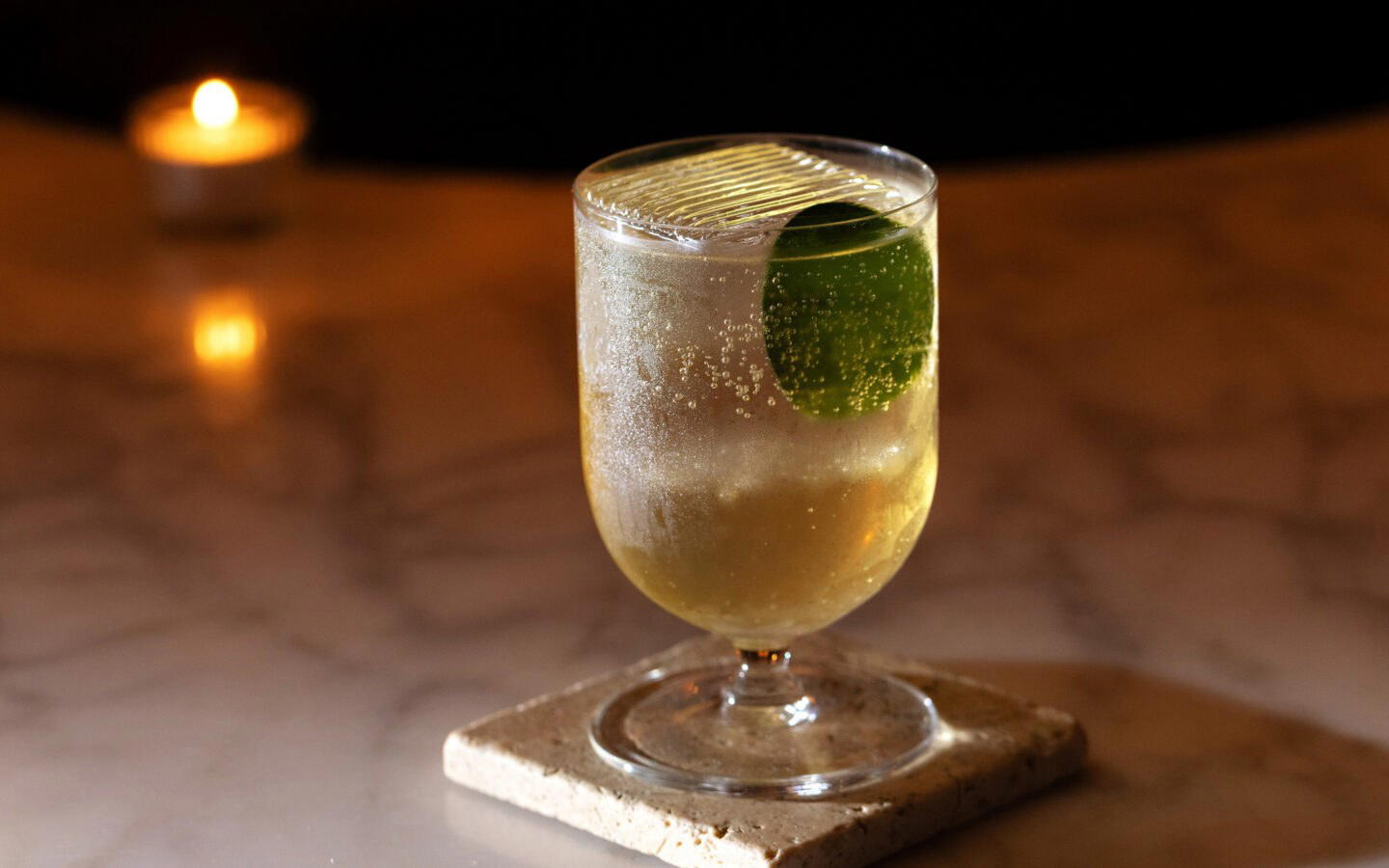
Bars in Toronto
Browse all →
Hotels in Toronto
Browse all →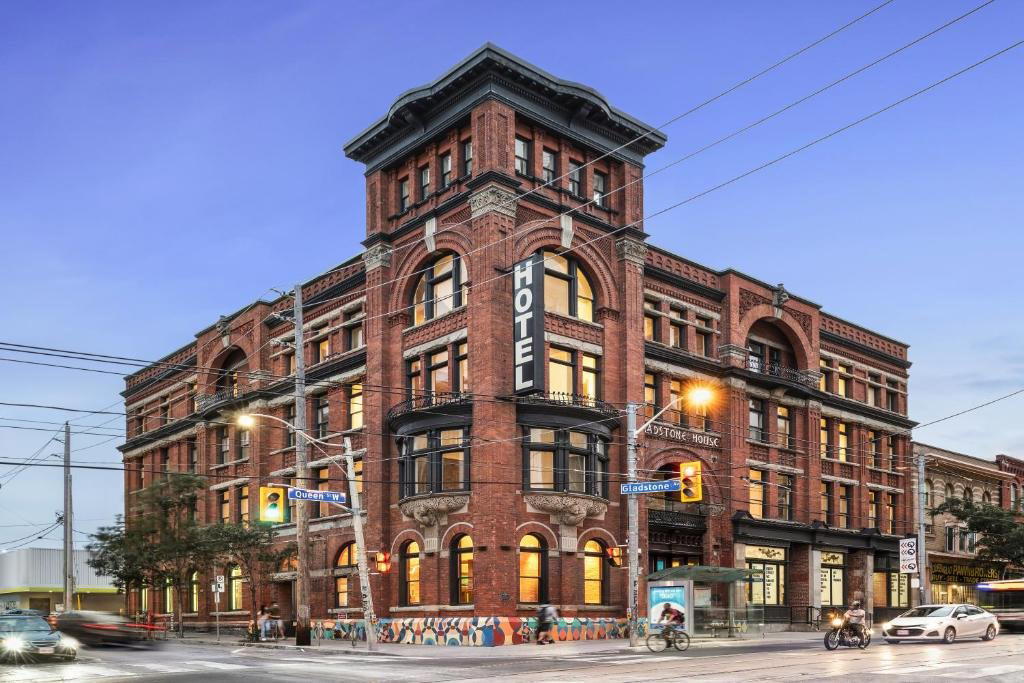


At a Glance
- Whimsical
- Cozy
- Modern
- Intimate
- Brunch
- Open Kitchen
Current opening hours
- Monday
- 7 AM–6 PM
- Tuesday
- 7 AM–6 PM
- Wednesday
- 7 AM–6 PM
- Thursday
- 7 AM–6 PM
- Friday
- 7 AM–10:30 PM
- Saturday
- 7 AM–10:30 PM
- Sunday
- 7 AM–6 PM
Hours can change for holidays and private events. Last verified .
Intimate and comforting European bistro-style with open kitchen, balancing nostalgia and creativity.