三分俗氣餐廳
Located on a quiet lane in Yonghe District, New Taipei City, 中和保氣餐廳 operates within a neighbourhood dining tradition that prizes locality and consistency over spectacle. Visitors researching Yonghe's restaurant scene will find it sits alongside a growing number of destination-worthy local tables.
Pearl is the En Primeur Club membership app — saves, bookings, and concierge access live there. Same editors, same standards.
- Address
- No. 8號, Lane 49, Guoguang Rd, Yonghe District, New Taipei City, Taiwan 234
- Phone
- +886222311103
- Website
- facebook.com
- Directions
- Get directions
 Saves & bookings on Pearl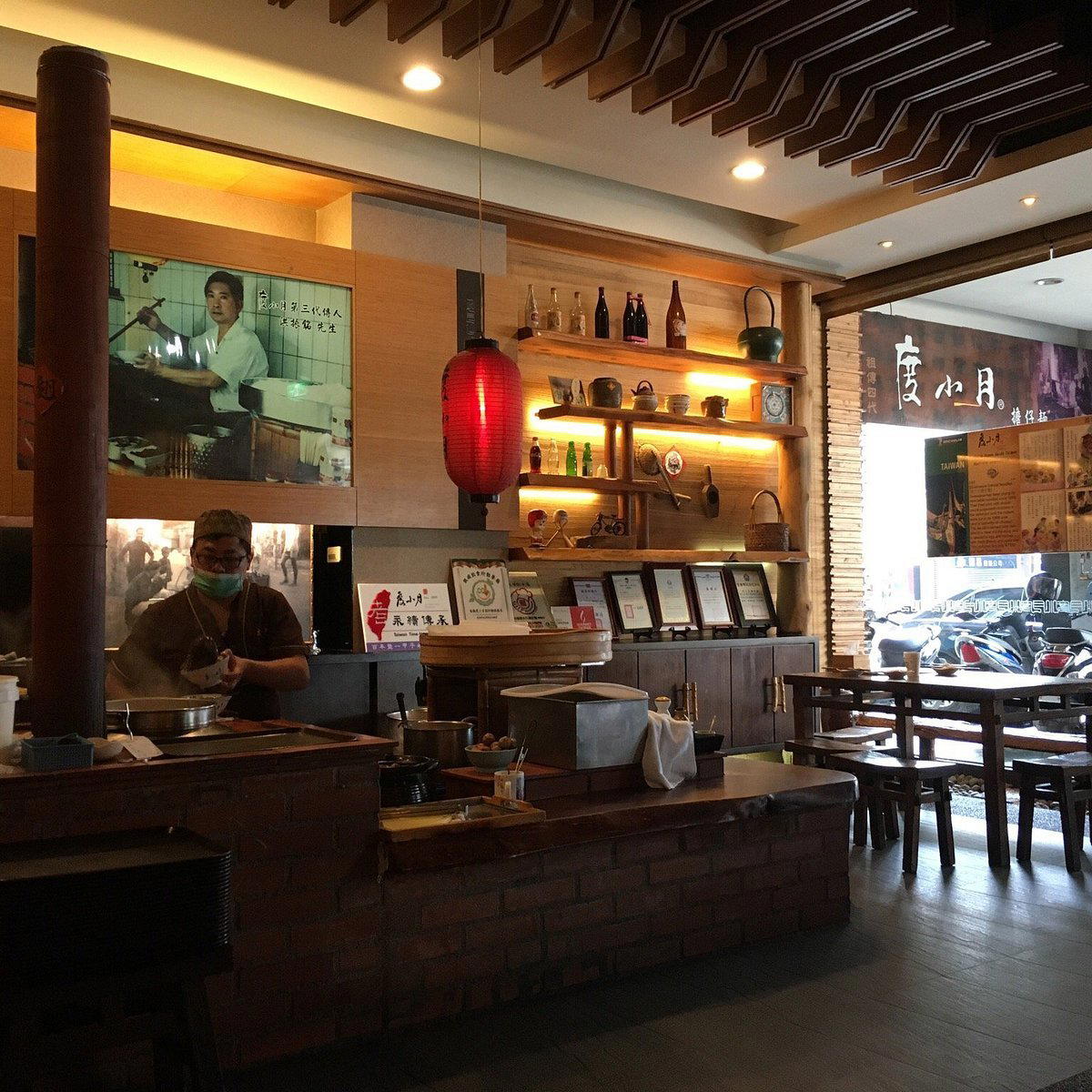
Yonghe's Neighbourhood Dining Culture and Where 三分俗氣餐廳 Fits
Yonghe District occupies a compact stretch of New Taipei City directly south of the Xindian River, close enough to central Taipei to be accessible yet distinct enough in character to have developed its own dining identity. The district is not a headline destination in the way that Da'an or Zhongshan draw food press, but that relative low profile is precisely what defines its eating culture. Restaurants here answer to a local clientele with high expectations for value and consistency, not to a tourist circuit. Within that context, addresses like No. 8, Lane 49, Guoguang Road represent the grain of the neighbourhood: side-street locations, modest signage, and a repeat-customer model that keeps places accountable over time.
That model matters when placing 三分俗氣餐廳 in any comparative frame. Taiwan's restaurant culture has long supported a dual structure: on one side, the award-chasing fine dining tier represented by places like JL Studio in Taichung or logy in Taipei, both of which operate with international recognition and a deliberate positioning against a global comparable set. On the other, a much larger and more culturally embedded tier of neighbourhood restaurants that carry no awards but function as the actual infrastructure of daily Taiwanese eating. 三分俗氣餐廳 occupies a lane in that second tier, within a district whose dining culture is shaped by density, familiarity, and the expectation that quality justifies return visits rather than first-time ceremony.
The Cultural Roots of Guoguang Road Eating
Lane addresses on roads like Guoguang in Yonghe are a reliable indicator of how a restaurant positions itself relative to the street. The main boulevard carries commercial traffic; the lanes behind it carry restaurants that depend on word of mouth and neighbourhood loyalty. This spatial logic echoes across Taiwanese cities, from the alleys behind A Xia in Tainan to the residential blocks surrounding GEN in Kaohsiung, where community-rooted tables often outlast the higher-profile openings on main streets.
Yonghe's eating culture has additional historical texture. The district was a landing point for mainlanders who arrived in Taiwan after 1949, and that migration left a culinary imprint still visible in the preponderance of northern Chinese and Hunanese restaurants alongside Taiwanese staples. The overlap produced a cooking culture that is plural and pragmatic: restaurants here tend to serve dishes that cross regional lines without making ideology of it. Its address places it within a neighbourhood where that plurality is the baseline expectation rather than a selling point.
For broader context on how Yonghe's dining scene compares with nearby districts, the full Yonghe District restaurants guide maps the area's key tables, including A-ba's Taro Ball, a locally recognised dessert address, and GARDENh, which represents a different register of dining in the same district. 永和佳馨花漾漫 adds another reference point for understanding the range of formats operating within Yonghe's relatively compact footprint.
What the Address Tells You Before You Arrive
No. 8, Lane 49, Guoguang Road is the kind of address that rewards a map check before the visit. Lane addresses in Taiwanese cities are not always intuitive for first-time visitors: the lane number designates a side street branching from the main road, and the building number within it can require local navigation instinct or a pinned location. Arriving on foot from the nearest MRT station is the standard approach for most of Yonghe's lane restaurants. The district is served by the New Taipei Metro system, and Yonghe-area stops provide reasonable walking access to Guoguang Road, though the specific walking time from any given exit depends on which direction the lane branches.
This navigational texture is not incidental. It filters the customer base. Restaurants at lane addresses in Yonghe see a higher proportion of return visitors and neighbourhood residents than restaurants on main arterials. That self-selection shapes the cooking: less pressure to perform for first impressions, more accountability to weekly regulars who notice if something changes. Across Taiwan's neighbourhood restaurant tier, this dynamic tends to produce cooking that is less theatrical but more calibrated over time. Comparable local-tier addresses elsewhere in New Taipei City show similar patterns, from local tables in Sanchong District to community-facing spots like Chenggong Douhua further east in the island.
Planning a Visit: What to Know
三分俗氣餐廳 serves traditional Taiwanese breakfast at a casual price point of about US$6 per person, and reservations are recommended. It is open Tuesday to Thursday and Saturday to Sunday from 11:30 AM to 2:30 PM and 5 to 9 PM, and on Friday from 5 to 9 PM. Reservations are recommended.
Yonghe's restaurant tier at this level generally runs accessible price points by New Taipei City standards, though it sits in an accessible price tier with a typical spend of about US$6 per person. For reference, the neighbourhood's dining culture trends toward value-conscious portions and pricing that reflects a local rather than visitor customer base, consistent with what you find at comparable addresses across the wider New Taipei City dining fabric, including spots like Ah Zhen Rou Bao in Lukang or the traditional Taiwanese table format seen at Golden Formosa Taiwanese Cuisine 金蓬萊遵古台菜餐廳 in 士林.
Readers building a wider Taiwan itinerary around food will find additional reference points in EP Club's coverage of the island's fuller dining range, from the hawker-adjacent formats documented at 麵粉食堂 in Hengshan and Volcanic Rock in Zhubei City, to the northern Chinese rice traditions covered at 東方龍夯夯烤仔米食 in Taichung City and 廚壁館香飯 in Hsinchu City. For global context, EP Club's coverage of Le Bernardin in New York City and Atomix in New York City illustrates how different the competitive pressures become once a restaurant exits the community-facing tier entirely.
Price and Positioning
Comparable venues nearby, for context on price, style, and recognition.
| Venue | Cuisine | Price | Notes |
|---|---|---|---|
| 三分俗氣餐廳This venue — the venue you are viewing | Not listed | $$ | Not listed |
| GARDENh | Not listed | $$ | Yonghe District, Hakka and Shanghai-style |
| 永和佳香豆漿 | Not listed | $$ | Yonghe District, Traditional Taiwanese Breakfast & Dim Sum |
| A-ba's Taro Ball | Yonghe District, Taiwanese Taro Desserts | $ | Not listed |
| G-Woo Restaurant | Da'an, Taiwanese Chicken Soup | $$ | Not listed |
| 蘭苑風味餐廳 Orchid Garden Chinese Restaurant | 恆春鎮, Chinese Hotpot | $$ | Not listed |
Continue exploring
More in Yonghe District
Restaurants in Yonghe District
Browse all →
Bars in Yonghe District
Browse all →
Hotels in Yonghe District
Browse all →
Wineries in Yonghe District
Browse all →
At a Glance
- Cozy
- Intimate
- Classic
- Family
- Casual Hangout
- Standalone
Current opening hours
- Monday
- Closed
- Tuesday
- 11:30 AM–2:30 PM, 5–9 PM
- Wednesday
- 11:30 AM–2:30 PM, 5–9 PM
- Thursday
- 11:30 AM–2:30 PM, 5–9 PM
- Friday
- 5–9 PM
- Saturday
- 11:30 AM–2:30 PM, 5–9 PM
- Sunday
- 11:30 AM–2:30 PM, 5–9 PM
Hours can change for holidays and private events. Last verified .