In Lukang's old-town core, Ah Zhen Rou Bao occupies the kind of street-food register that defines the town's culinary identity: direct pork buns rooted in local produce and Taiwanese bao tradition. For visitors working through Lukang's historic lanes, it represents the ingredient-led, unfussy end of a food culture that predates most of Taiwan's modern restaurant scene.

Pearl is the En Primeur Club membership app — saves, bookings, and concierge access live there. Same editors, same standards.
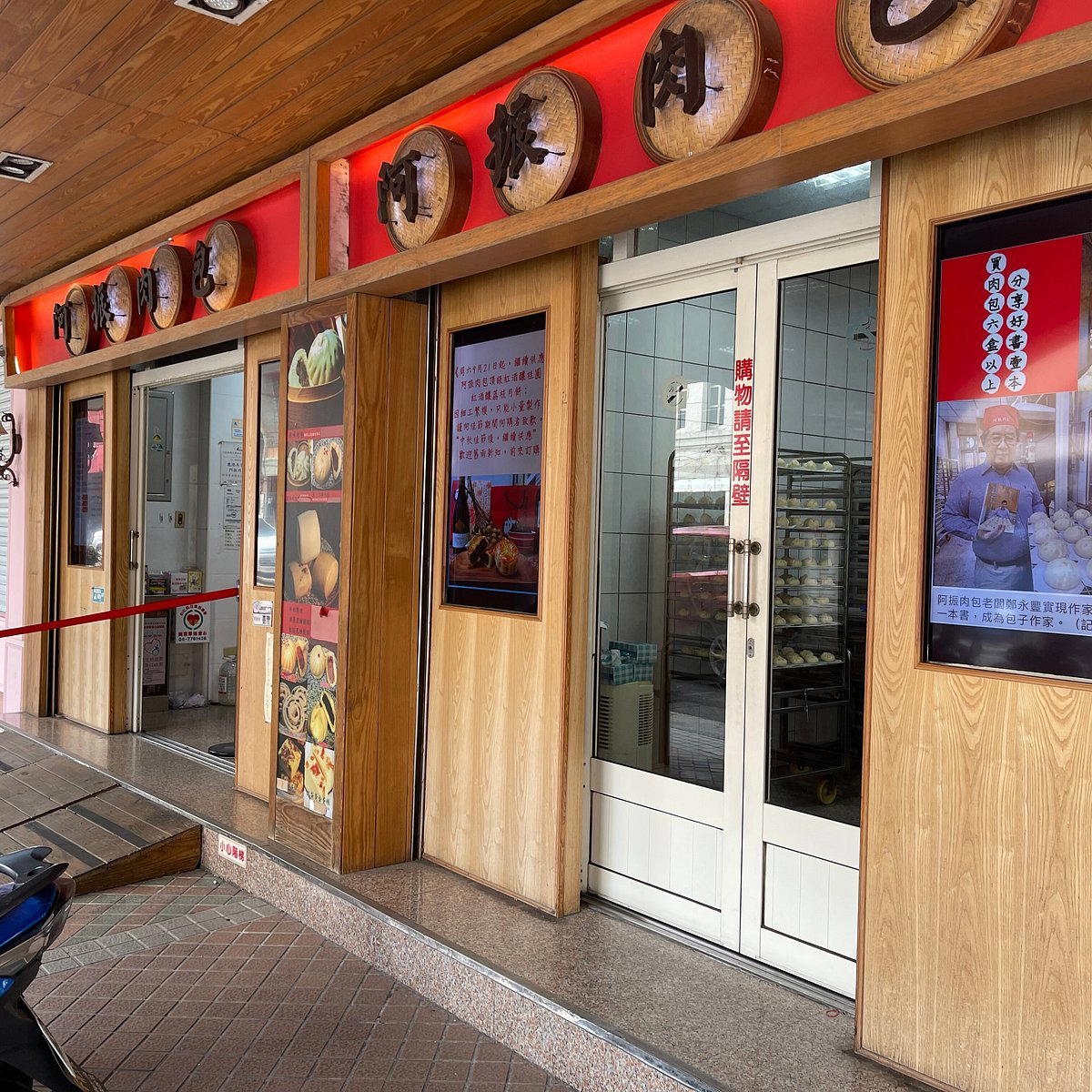
Lukang's Street-Food Grammar, Written in Pork and Dough
Lukang is not a city that announces itself through fine dining or chef-driven tasting menus. It announces itself through its lanes: narrow, stone-flagged alleys where the smell of braised pork, sesame, and charcoal reaches you before you see any signage. The town's food culture is among the more historically dense in Taiwan, shaped by centuries of trade-port commerce and a Fujianese immigrant population that brought precise, ingredient-respecting cooking techniques across the Taiwan Strait. In that context, a rou bao specialist is not a curiosity or a throwback. It is the primary text.
Ah Zhen Rou Bao operates within that tradition. The Taiwanese pork bun format that defines this category has never needed reinvention in Lukang because the original logic remains sound: the quality of the filling determines the quality of the bun, and the quality of the filling is inseparable from the quality of the pork. This is an ingredient-sourcing argument that Taiwan's more celebrated restaurants, from JL Studio in Taichung to logy in Taipei, have each arrived at from different directions. At the street-food level, in a town like Lukang, it has simply always been the operating assumption.
The Sourcing Logic Behind a Rou Bao
Taiwan's central and southwestern regions carry a particular agricultural weight. Changhua County, where Lukang sits, is among the island's most productive agricultural zones, with pork production, rice cultivation, and fresh produce networks that supply much of central Taiwan. For a rou bao specialist, proximity to that supply chain is not incidental. The Taiwanese braised pork tradition, lu rou, depends on fat content, collagen ratio, and the balance of soy, rice wine, and aromatics, all of which respond differently depending on the breed, feed, and handling of the animal. Street vendors in Lukang have operated within these supply relationships for generations, and the accumulated knowledge of which cuts behave leading under long braise, and which suppliers deliver consistency, is the kind of institutional memory that does not appear on a menu card.
The bao dough itself follows a parallel logic. Taiwanese bao splits into several regional registers: the softer, slightly sweet mantou-adjacent dough of the north; the thinner, more neutral wrapper of the south; and the central Taiwan style that tends to sit between the two. Lukang's version draws from the Fujianese tradition, which prizes a wrapper that yields without collapsing, holding braising liquid without becoming saturated. Getting that balance right across dozens of buns per service, in varying humidity, is a craft skill that accumulates over years at the same station.
For broader context on how Taiwan's food culture differs by region, the Lukang restaurants guide maps the town's eating landscape from night market staples through to sit-down Taiwanese cuisine. Across the island, venues like A Xia in Tainan and GEN in Kaohsiung represent the fine-dining codification of the same ingredient respect that Lukang's street vendors practise at a more immediate scale.
Where Lukang's Street Food Sits in the Wider Picture
Taiwan's food recognition tends to cluster around Taipei. Michelin coverage, international press attention, and the high-concept modern Taiwanese cooking that has attracted attention abroad all radiate from the capital. But Lukang represents something the capital cannot fully replicate: a living street-food culture where the recipes are old, the suppliers are local, and the format has not been redesigned for an international audience. The rou bao tradition here is not performed. It is simply how pork buns are made.
That distinction matters when you are considering where to eat in central Taiwan. Venues like Wang Peng Noodle in the same town demonstrate that Lukang's street-food register consistently rewards attention paid to producers and process over presentation. The comparison set for Ah Zhen Rou Bao is not the $$$$ tasting menu tier represented by Le Bernardin in New York City or Atomix in New York City. It is the specific, geographically anchored, mid-century street-food tradition that Lukang has maintained more intact than almost any other Taiwanese town of comparable size.
Other regional specialists across Taiwan worth cross-referencing include Chenggong Douhua in Chenggong, Golden Formosa Taiwanese Cuisine in Shilin, and Good Good Hainan Chicken Rice in Xinyi, each of which operates within a similarly ingredient-defined, format-specific tradition. Further afield, GARDENh in Yonghe District, Volcanic Rock in Zhubei City, and Hómee in Dayuan each represent different facets of Taiwan's hyperlocal sourcing culture.
Planning Your Visit
Lukang is accessible from Taichung by local bus or taxi, roughly 30 to 40 minutes depending on traffic, and the old-town district where most of the town's street-food operators cluster is compact enough to cover on foot. Street-food operations in Lukang typically run on morning-to-afternoon schedules tied to daily production volumes rather than fixed restaurant hours, and sellouts before midday are common at popular bun counters. Arriving early, before 11am, gives the clearest choice of product. a Taichung City specialist and a Sanchong District operator for those building a broader central Taiwan itinerary.
Comparable Venues
Comparable venues nearby, for context on price, style, and recognition.
| Venue | Cuisine | Price | Notes |
|---|---|---|---|
| Ah Zhen Rou BaoThis venue — the venue you are viewing | Taiwanese Meat Buns | $$ | Not listed |
| Wang Peng Noodle | Taiwanese Noodles | $ | Lukang Old Street |
| Vesuvio pizzeria | Pizza | Not listed | Lukang |
| 好雞婆土雞城 | Yunnan Baiyi Cuisine with Herb-Roasted Chicken | $$ | 博望新村 |
| 首烏廚EAT | Taiwanese Comfort Food | $$ | Zhubei City |
| The Master Spicy Noodle (大師兄銷魂麵舖) | Modern Taiwanese Spicy Noodles | $$ | Da'an District |
Continue exploring
More in Lukang
Restaurants in Lukang
Browse all →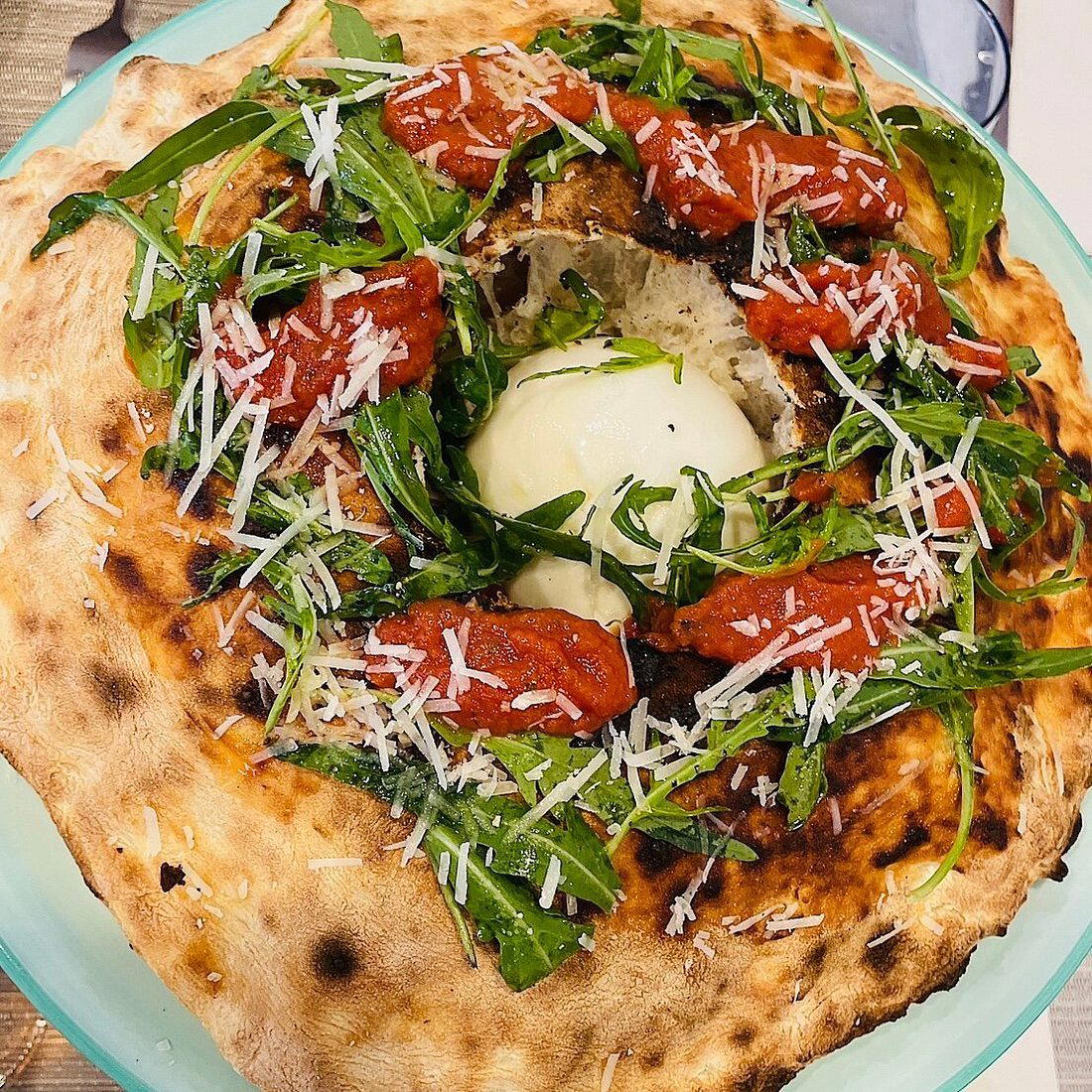
At a Glance
- Classic
- Rustic
- Casual Hangout
- Historic Building