


House of Rong sits in Shanghai’s serious Chinese dining tier, with Black Pearl 2026 two-diamond recognition and a 2026 OAD Top Restaurants in Asia ranking at No. 126. The draw is less about spectacle than control: high-heat Chinese cooking, heritage-room gravitas, and a kitchen associated with chef Jun Wang.
Pearl is the En Primeur Club membership app — saves, bookings, and concierge access live there. Same editors, same standards.
- Address
- 170 Nanyang Road, Shanghai, Shanghai, China
- Phone
- +86 21 6289 1717
 Saves & bookings on Pearl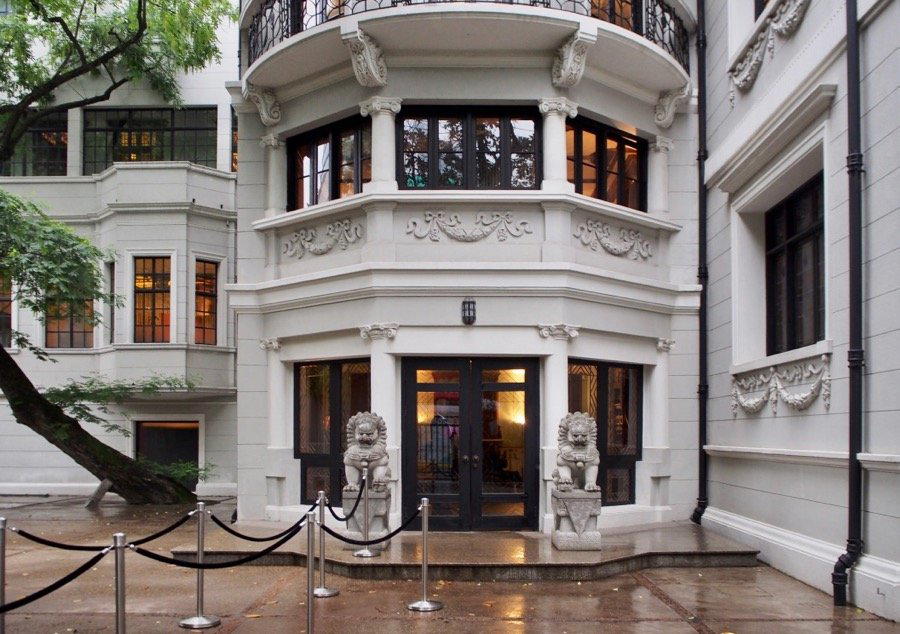
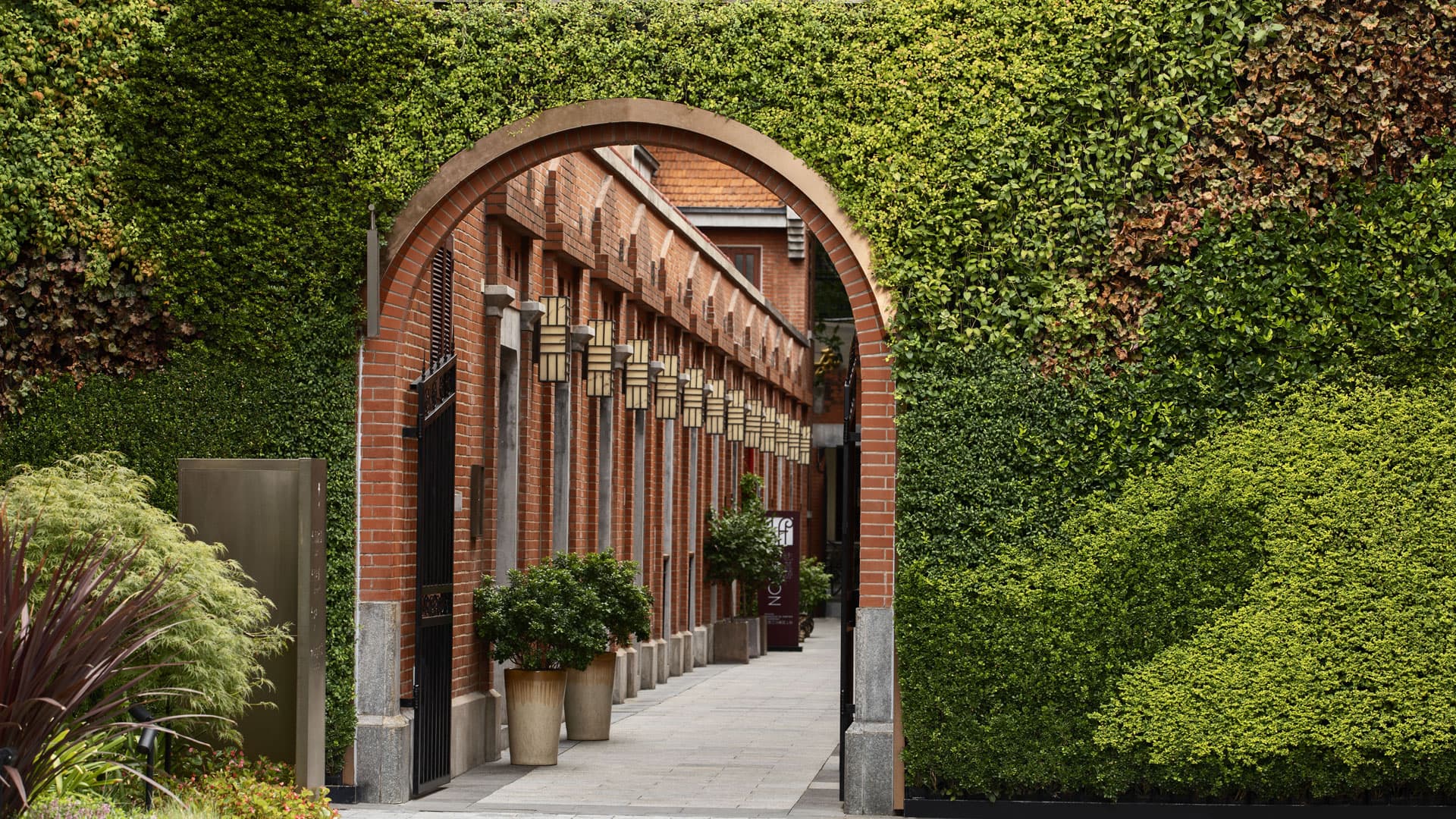
Shanghai dining often announces itself through polish before a dish reaches the table: the hush of a private-room corridor, the weight of a restored residence, the choreography of service that treats Chinese cuisine as formal theatre rather than casual abundance. House of Rong belongs to that register. Its setting, once linked to IM Pei’s family, gives the meal a particular kind of Shanghai authority: old-family architecture, contemporary dining ambition, and a room built for concentration rather than noise.
The useful frame here is not nostalgia. Shanghai’s serious Chinese restaurants have spent the past decade tightening the gap between banquet tradition and tasting-menu discipline, especially in kitchens where Cantonese, Jiangnan, and broader regional technique are judged by timing rather than decoration. Heat is the test. Wok hei is not a slogan; it is the brief moment when flame, oil, moisture, and motion meet before the ingredients lose tension. In this tier, a kitchen’s status depends on whether that speed can be repeated across a full meal, not whether one dish photographs well.
High-heat Chinese technique in a formal Shanghai room
House of Rong’s recognition places it inside a competitive Chinese dining category where refinement is measured through restraint. Black ’s 2026 two-diamond listing matters because the guide is strongest when assessing Chinese restaurants on their own terms, rather than forcing them into a Western fine-dining grammar. Its 2026 OAD Top Restaurants in Asia ranking, at No. 126, adds a second signal from a different critical universe. Together, those markers point to a restaurant operating above the city’s ordinary premium-dining tier.
The kitchen is associated with chef Jun Wang, but the more interesting story is what that credential implies about format. Chinese fine dining at this level rarely revolves around a single autobiographical menu. It relies on a brigade that can handle stock work, knife work, steaming, roasting, braising, and high-fire wok cooking without letting the meal feel segmented. The skill is cumulative: one course may be judged by clarity, another by smoke, another by texture held seconds from collapse. That is why the wok remains such a useful lens for reading the room. It reveals whether polish has reached the stove.
Shanghai gives this kind of restaurant a demanding audience. The city has enough expense-account dining to reward gloss, but enough culinary memory to punish hollow luxury. A formal Chinese meal here needs depth under the surface: sauces that do not flatten the main ingredient, seafood treated with timing rather than ornament, vegetables that retain snap, and service that can manage pacing without turning dinner into a procession. House of Rong’s awards suggest it is being assessed in that higher-pressure bracket, where technique carries more weight than novelty.
Where it fits in Shanghai's Chinese dining map
For readers building a Shanghai dining itinerary, the useful distinction is between scale and seriousness. Some Chinese restaurants are chosen for family tables and broad comfort; others are chosen because the kitchen has enough control to make familiar categories feel exacting. House of Rong sits in the latter camp. It is not the city’s casual noodle-and-dumpling story, nor the international hotel dining story. It belongs to the formal Chinese restaurant lineage that treats room, pacing, and heat management as one system.
That distinction also explains why cross-city Chinese dining is hard to compare cleanly. A Chengdu table such as #8 in Chengdu is read through spice architecture and Sichuanese intensity, while 167 Shan Hai Li in Fuzhou points toward coastal Fujianese priorities. 1913 in Hangzhou belongs to a city where freshwater, tea-country delicacy, and Jiangnan softness shape expectations; 1927 Dong Yuan Si Chu in Xiamen and 1980烧肉粽 in 厦门市 come from a different coastal vocabulary again. Even Beijing’s roast-duck culture, represented by 1949 - Duck de Chine in Beijing, rewards another set of technical decisions. Shanghai’s challenge is synthesis: cosmopolitan dining rooms, Jiangnan memory, and high expectations around service discipline.
Within the city, readers comparing Chinese dining options can use nearby editorial anchors without treating them as direct substitutes. Amazing Chinese Cuisine, Crystal Jade, Jade Mansion, Jade Mansion (IFC), and Wang Lu help map how broad the city’s Chinese category has become, from polished multi-branch comfort to more formal destination dining. The question is not which name wins a generic ranking. It is what kind of Chinese meal the evening requires: business formality, regional specificity, banquet energy, or a quieter technical read on flame, timing, and service.
How to place it in a wider Shanghai itinerary
House of Rong makes sense when the meal is meant to carry weight: a serious Chinese dinner, a hosted evening, or a night when the room matters as much as the kitchen’s command of heat. For a broader city plan, pair that decision with the wider editorial map in our full Shanghai restaurants guide, then build the rest of the trip around sleep, drinking, and culture through our full Shanghai hotels guide, our full Shanghai bars guide, our full Shanghai wineries guide, and our full Shanghai experiences guide.
Chinese fine dining outside mainland China can sharpen the comparison. Tokyo’s Chinese restaurant scene, including 4000 Chinese Restauranat, Chinese in Tokyo and 4000 Chinese Restaurant, Chinese in Tokyo, often refracts Chinese technique through Japanese sourcing and counter-style precision. Shanghai does the opposite: it absorbs global fine-dining expectations into a Chinese dining grammar that remains rooted in the banquet table, the private room, and the wok station. That is the reason House of Rong reads as a Shanghai restaurant first, not a generic luxury dining room.
Comparable Venues Nearby
Comparable venues nearby, for context on price, style, and recognition.
| Venue | Cuisine | Price | Notes |
|---|---|---|---|
| House of RongThis venue — the venue you are viewing | Taizhou Seafood / Chinese Fine Dining | $$$$ | Not listed |
| Hot pot sun | Luxury Hot Pot | $$$$ | Jing An Si |
| GRAND BOAT | Contemporary Cantonese Seafood | $$$$ | Lan Ni Du |
| W Shanghai The Bund - YEN (艳餐厅) | Contemporary Cantonese & Jiangnan | $$$$ | North Bund |
| Lynn | Modern Shanghai Cuisine | $$$ | Jing'an |
| Zhoushe Haipai Cuisine | Haipai (Shanghainese) fine dining | $$$ | Shanghai |
Recognition history
Dated appearances from independent guides and award organizations, with the underlying list record or original source where available.
Black Pearl 2 Diamond
Black Pearl
Michelin 2 Stars
Michelin
Opinionated About Dining Top Restaurants in Asia Ranked #126
Opinionated About Dining

At a Glance
- Elegant
- Sophisticated
- Classic
- Ornate
- Quiet
- Business Dinner
- Group Dining
- Celebration
- Special Occasion
- Private Event
- Historic Building
- Design Destination
- Hotel Restaurant
- Private Dining
- Standalone
- Extensive Wine List
- Sommelier Led
- Local Sourcing
- Sustainable Seafood
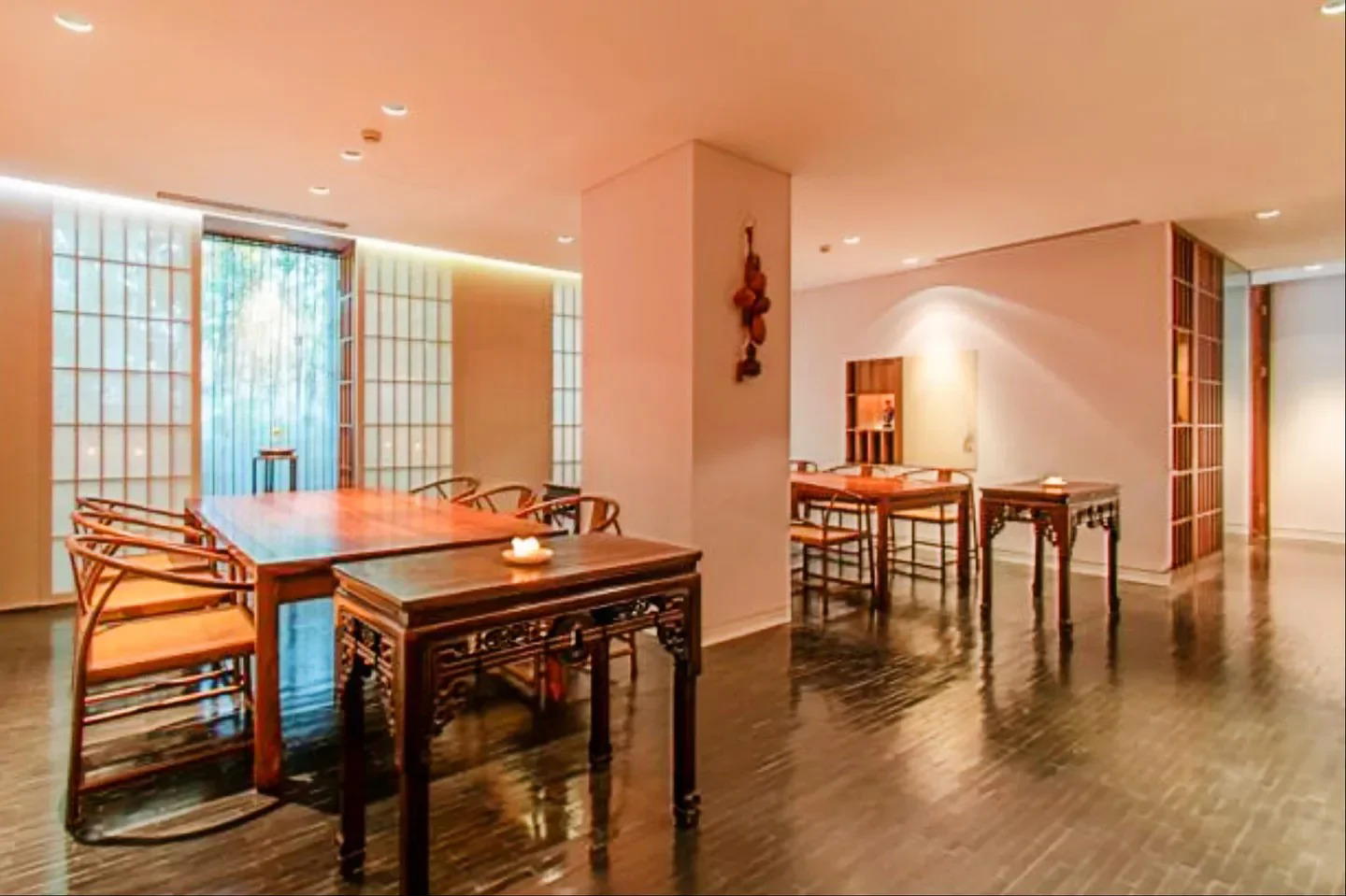
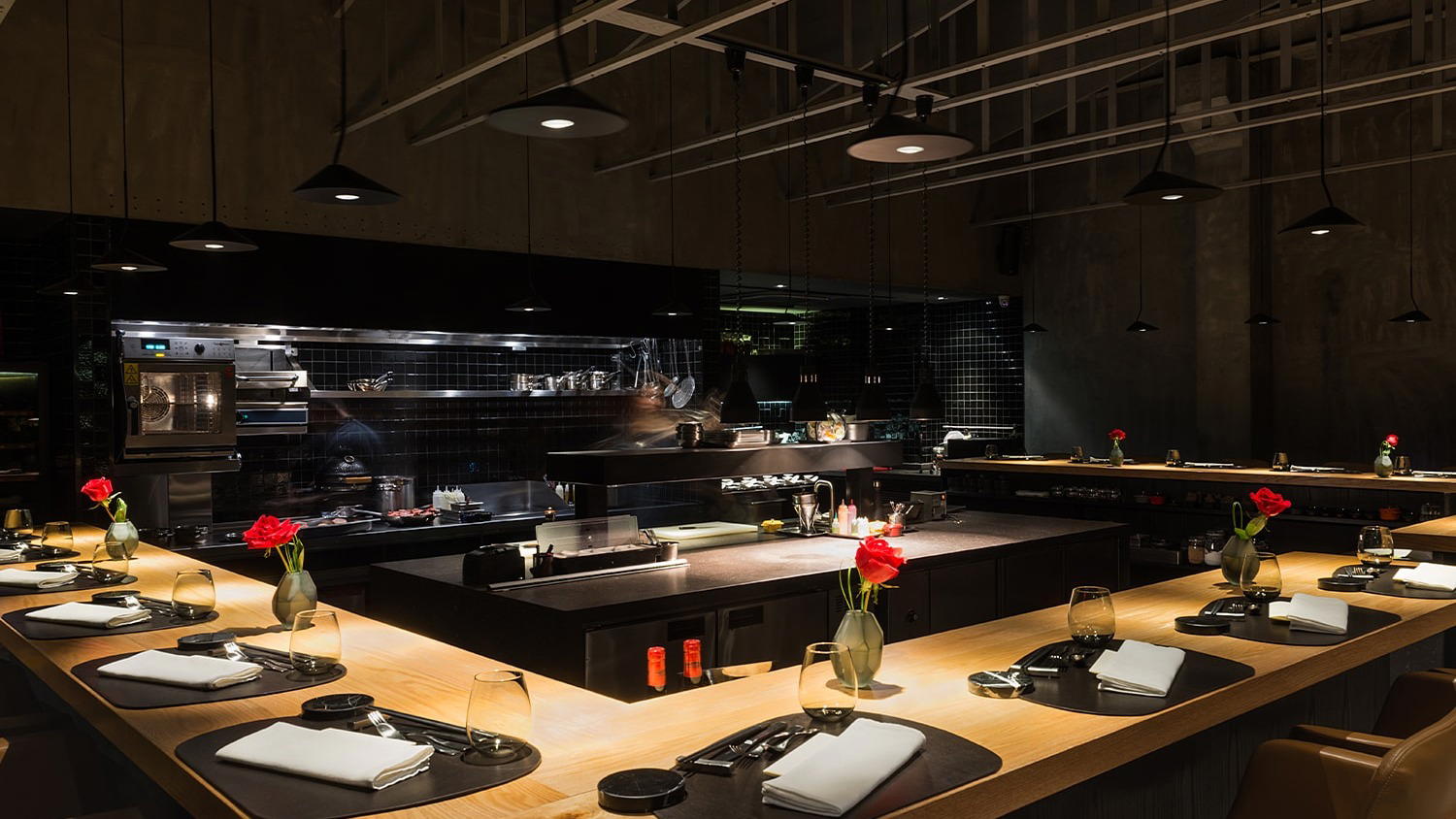
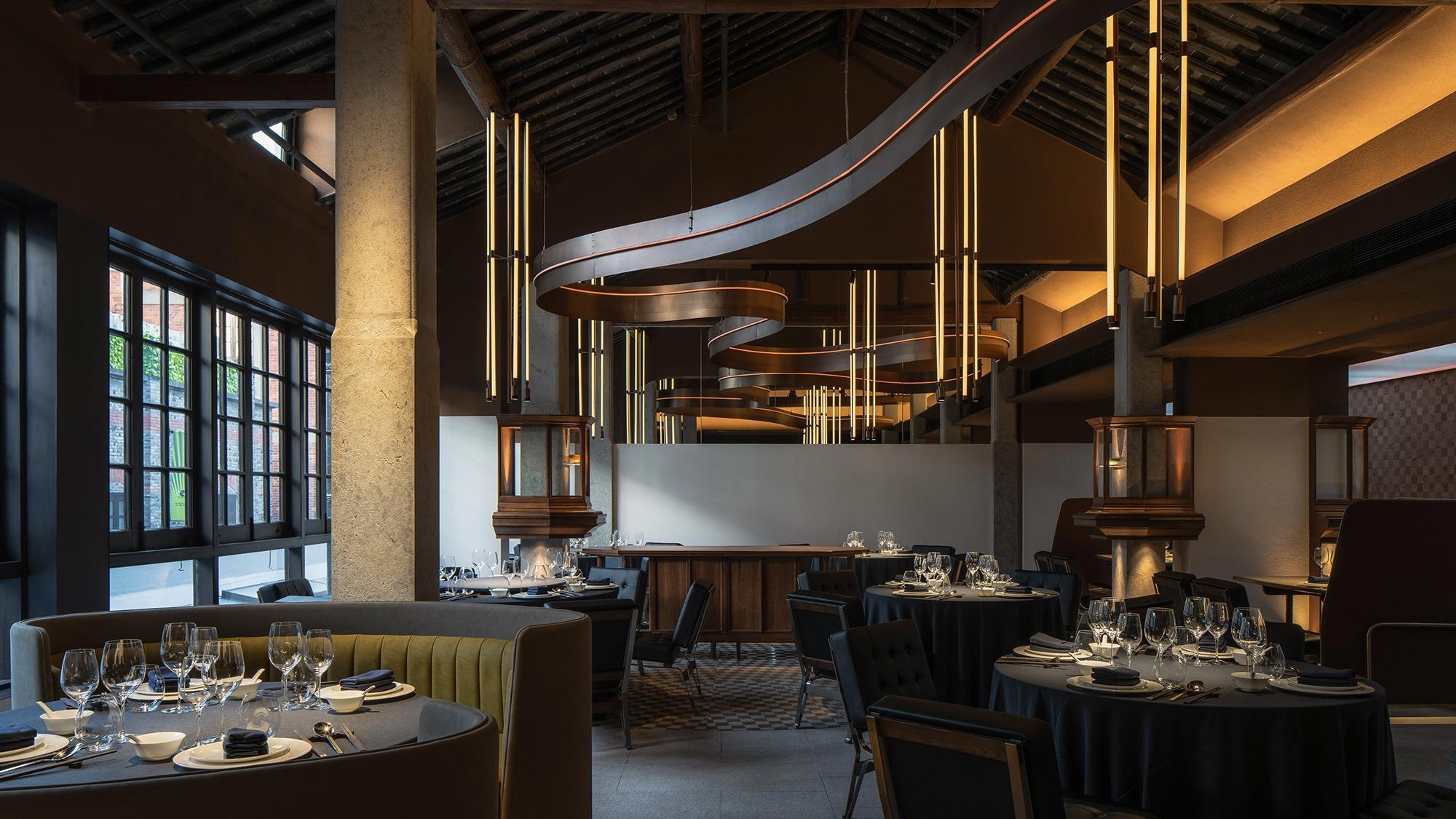
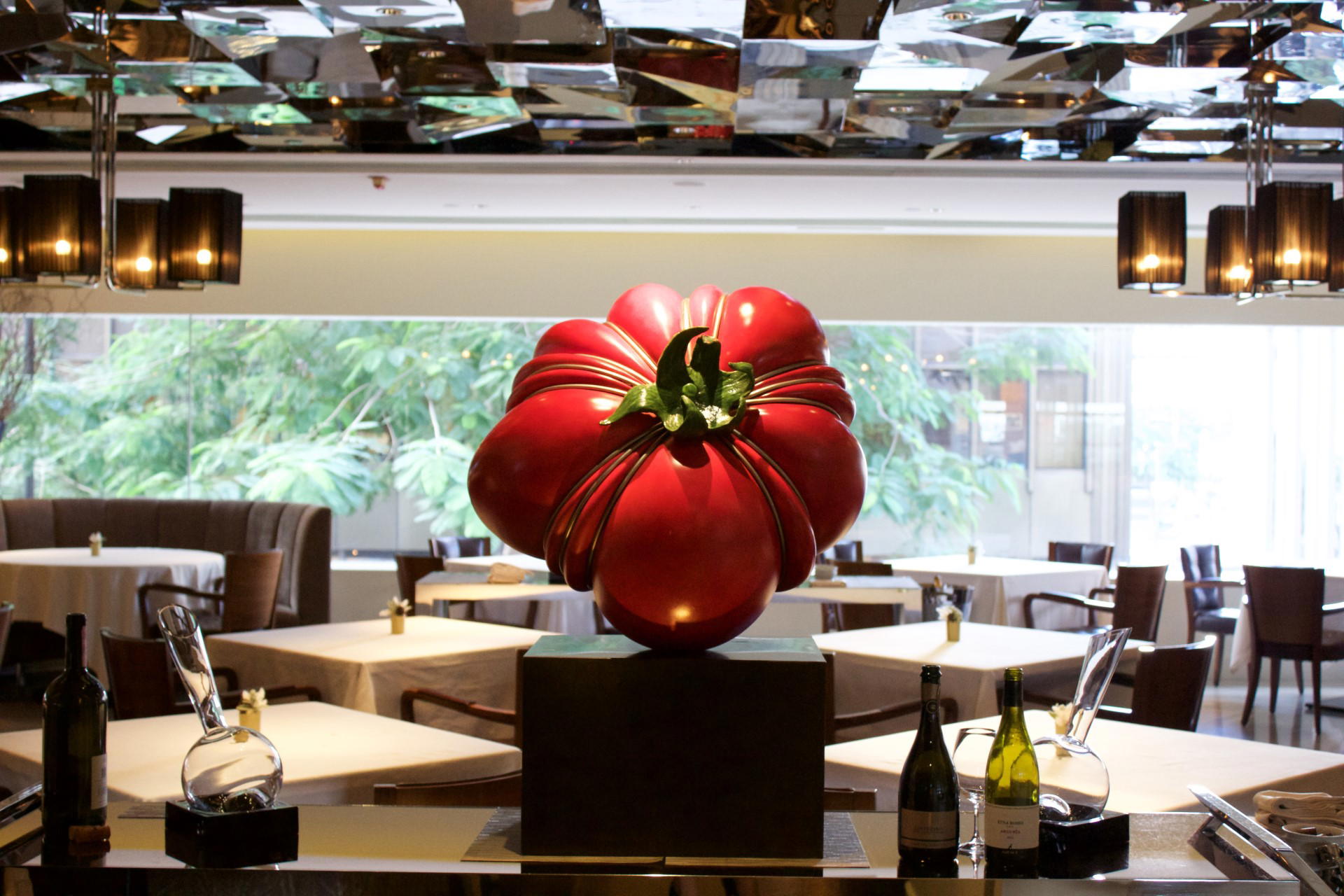
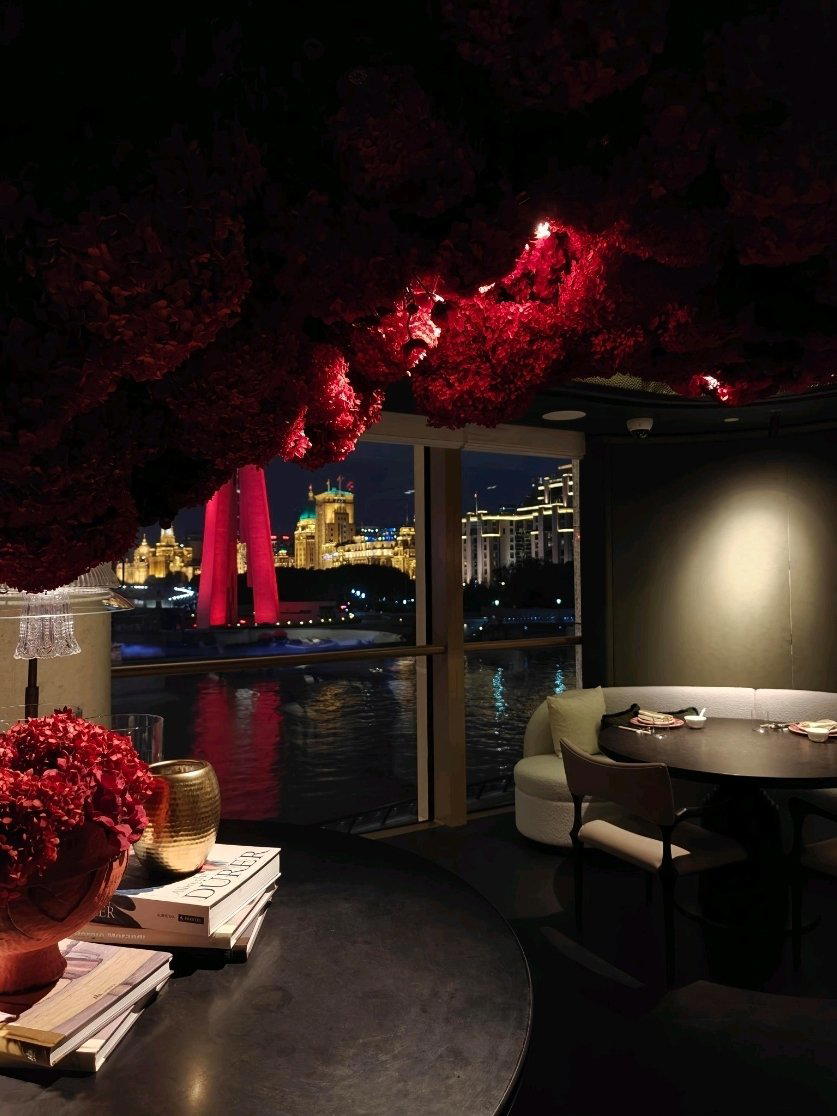
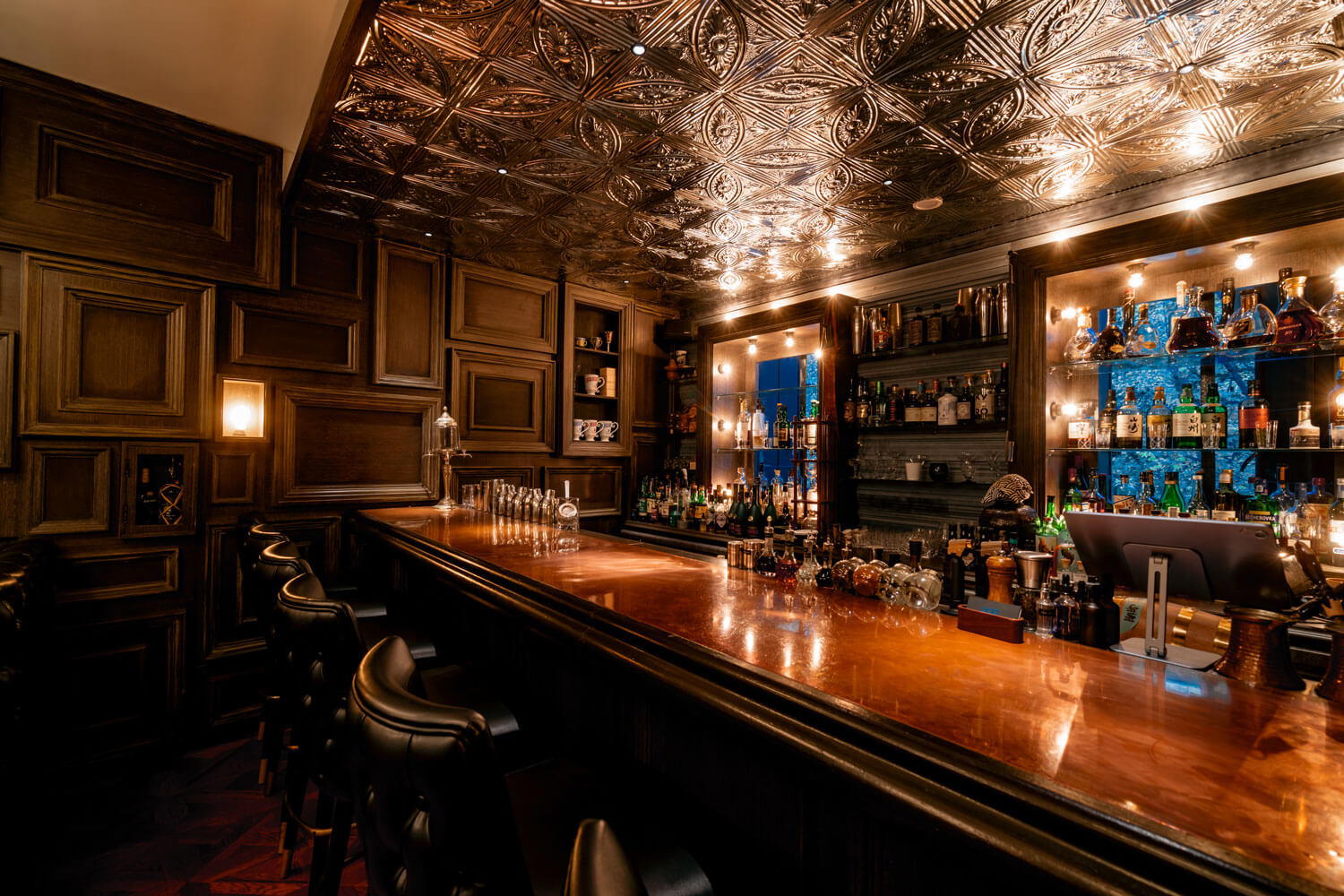
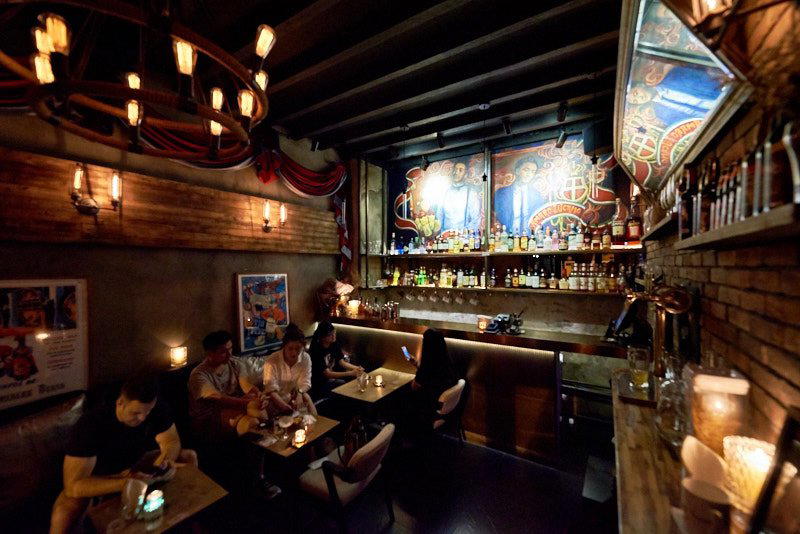
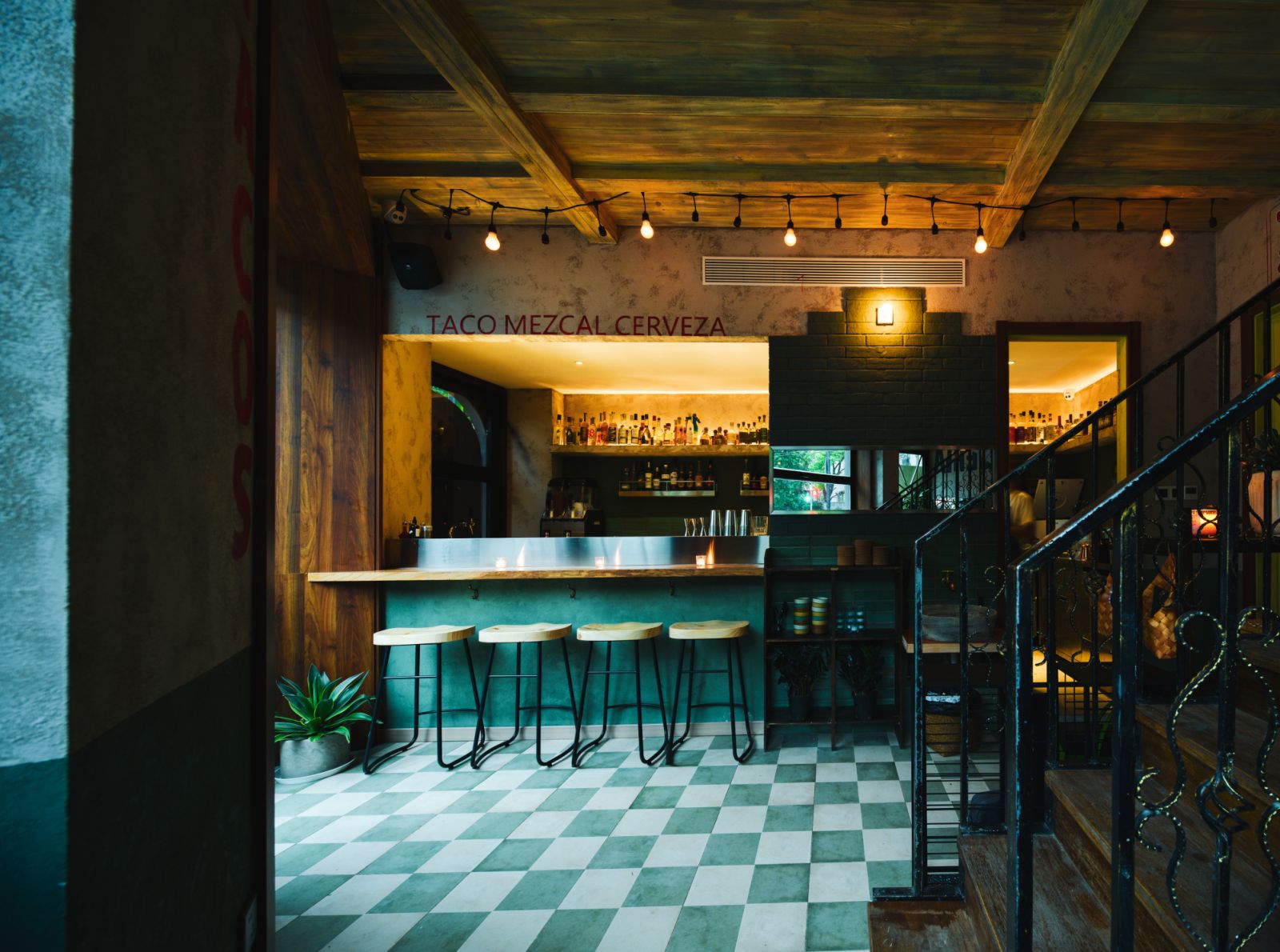
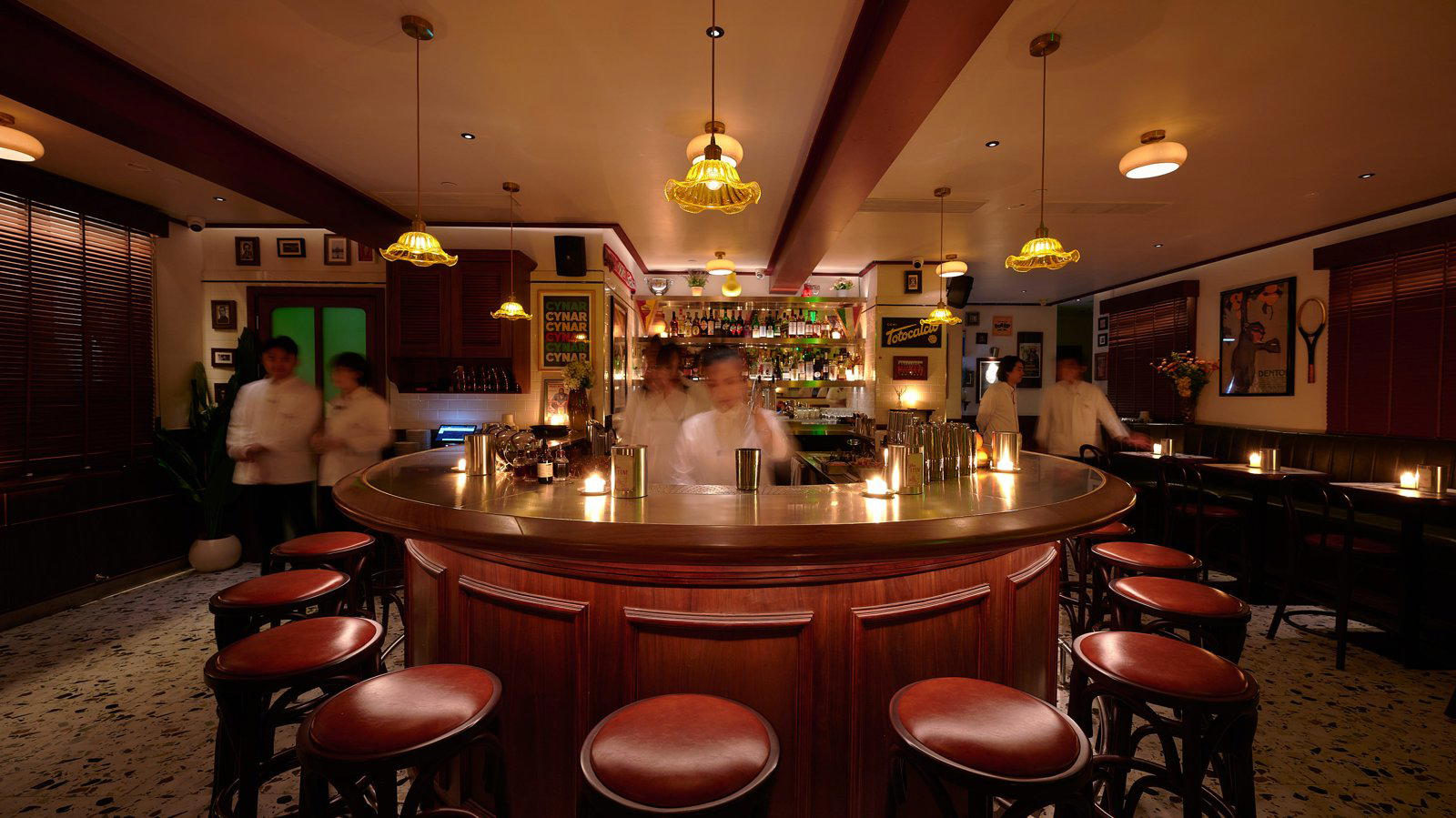
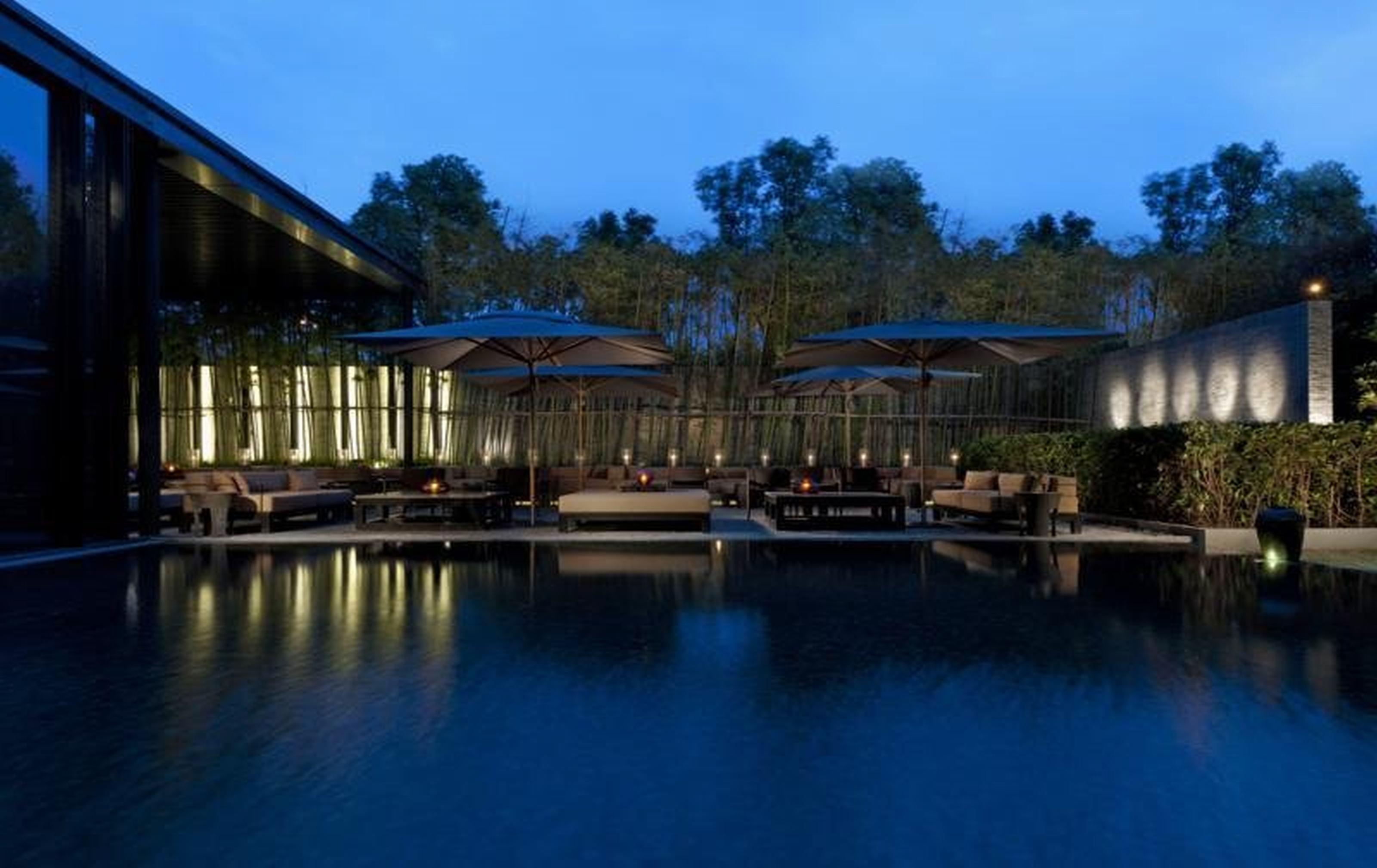
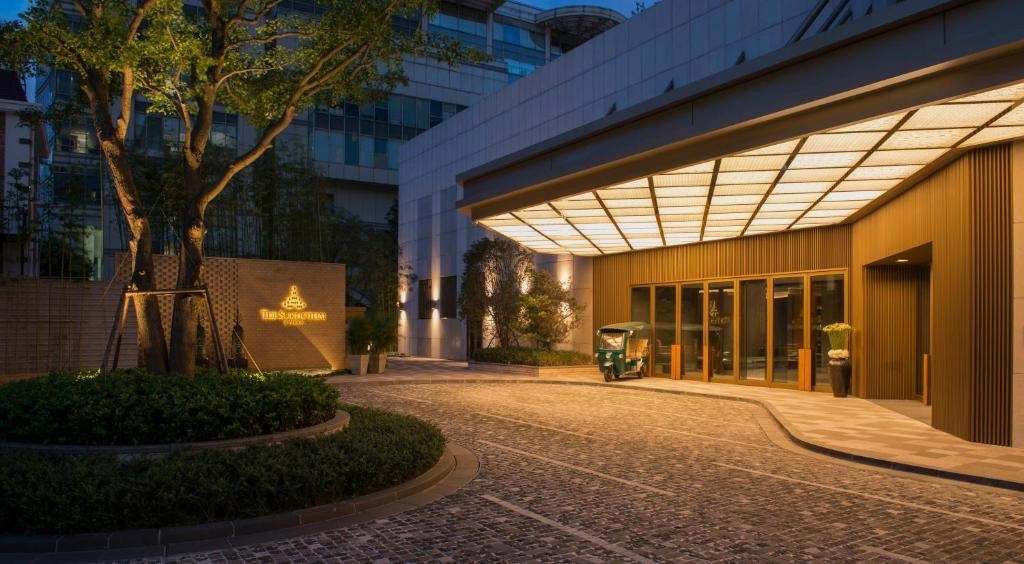
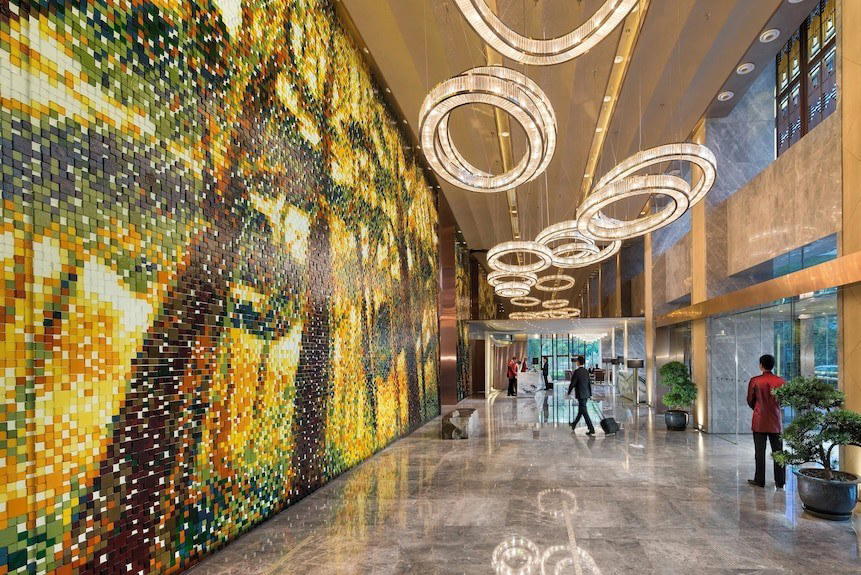
Refined and serene, with Suzhou-style architectural motifs, Pei family design elements, and an elegant mansion setting that feels impressive and private.