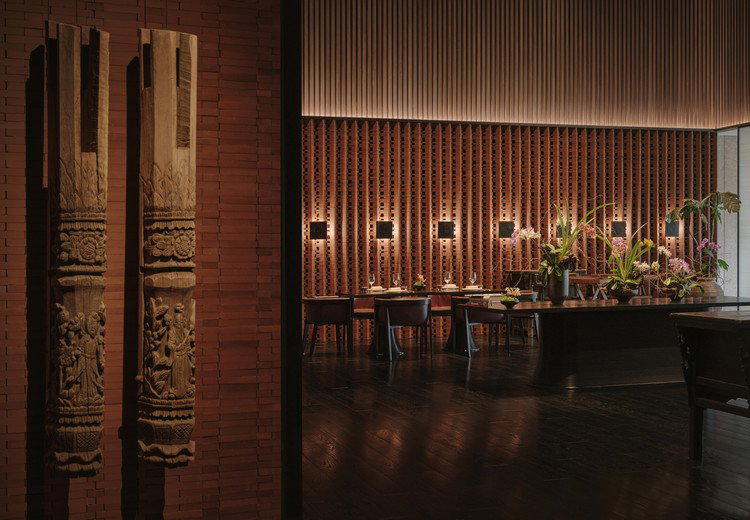
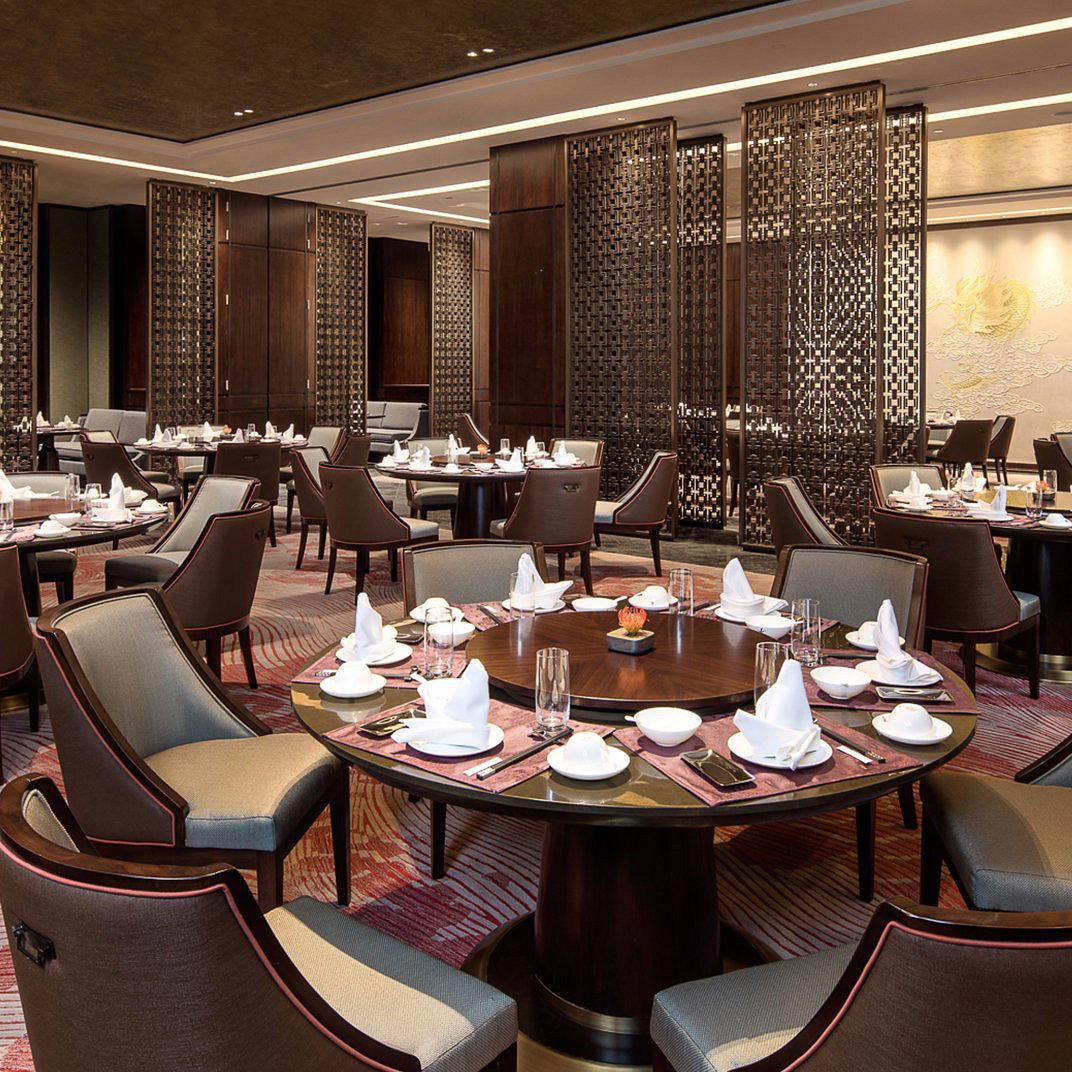
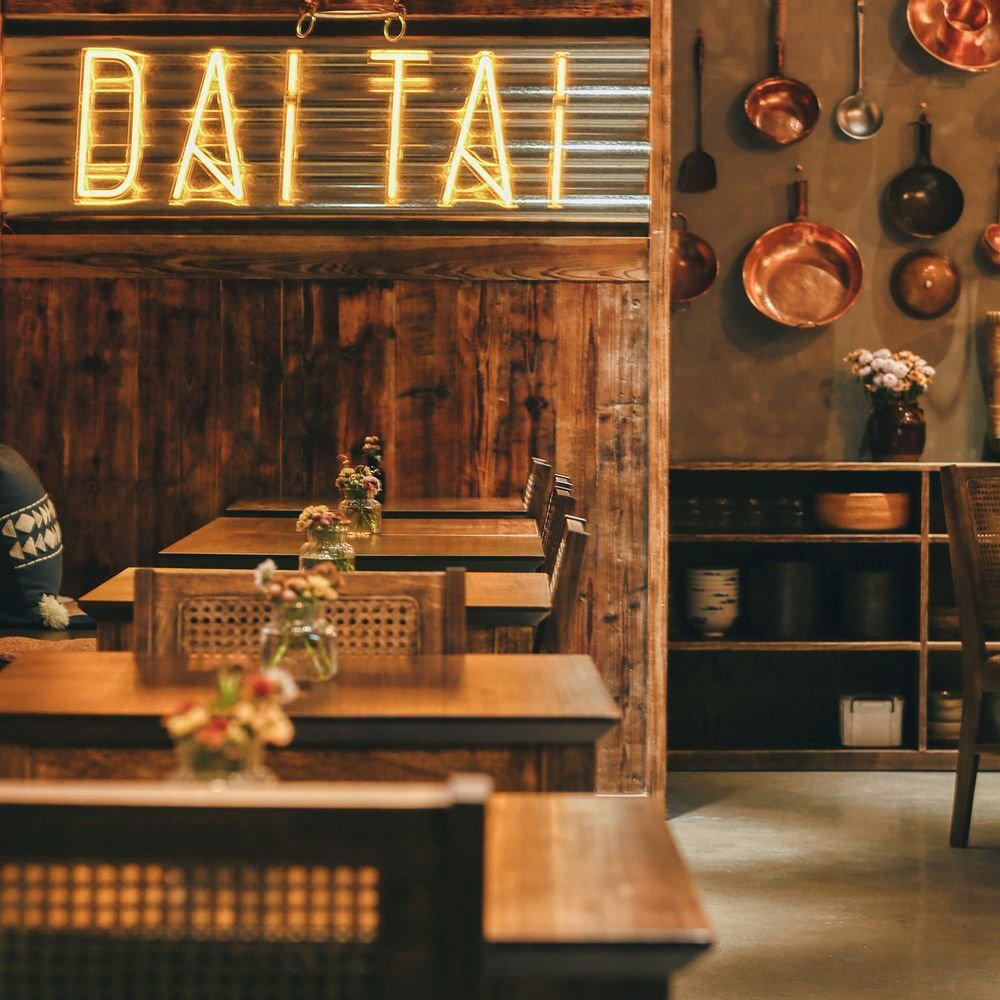
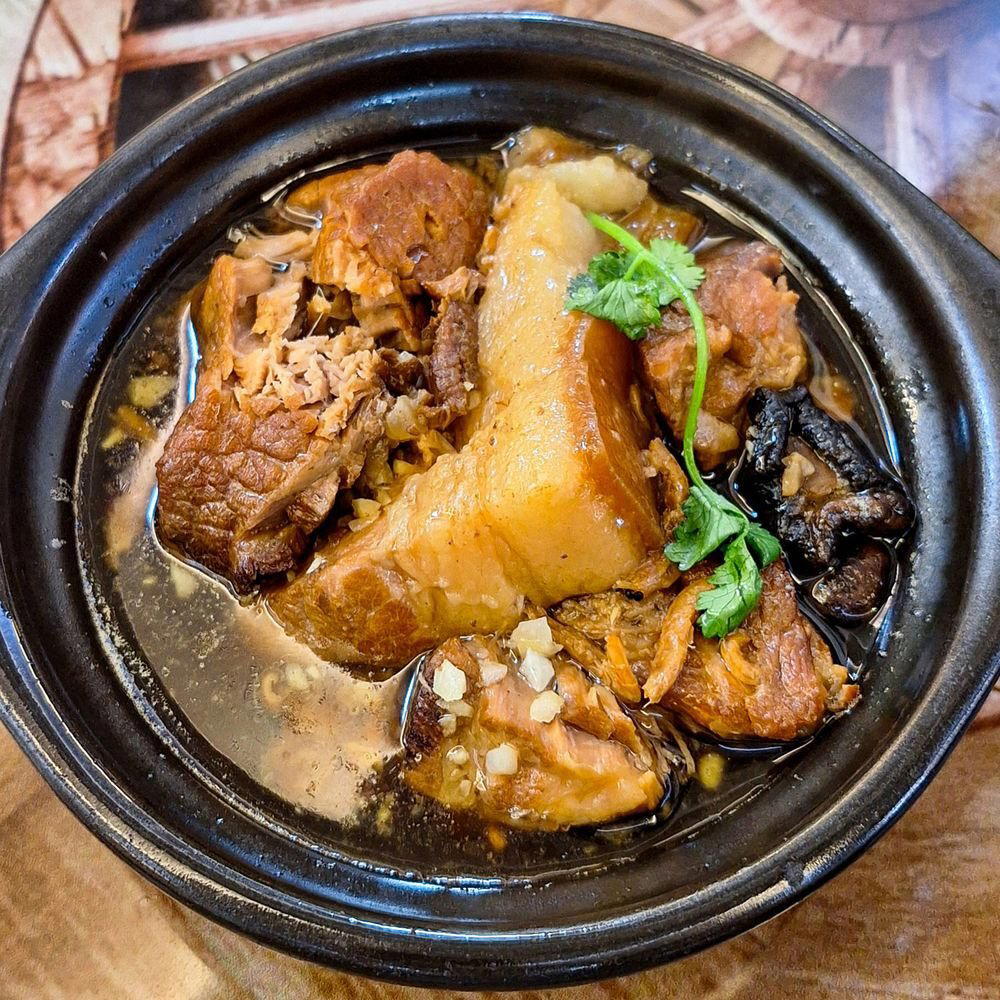
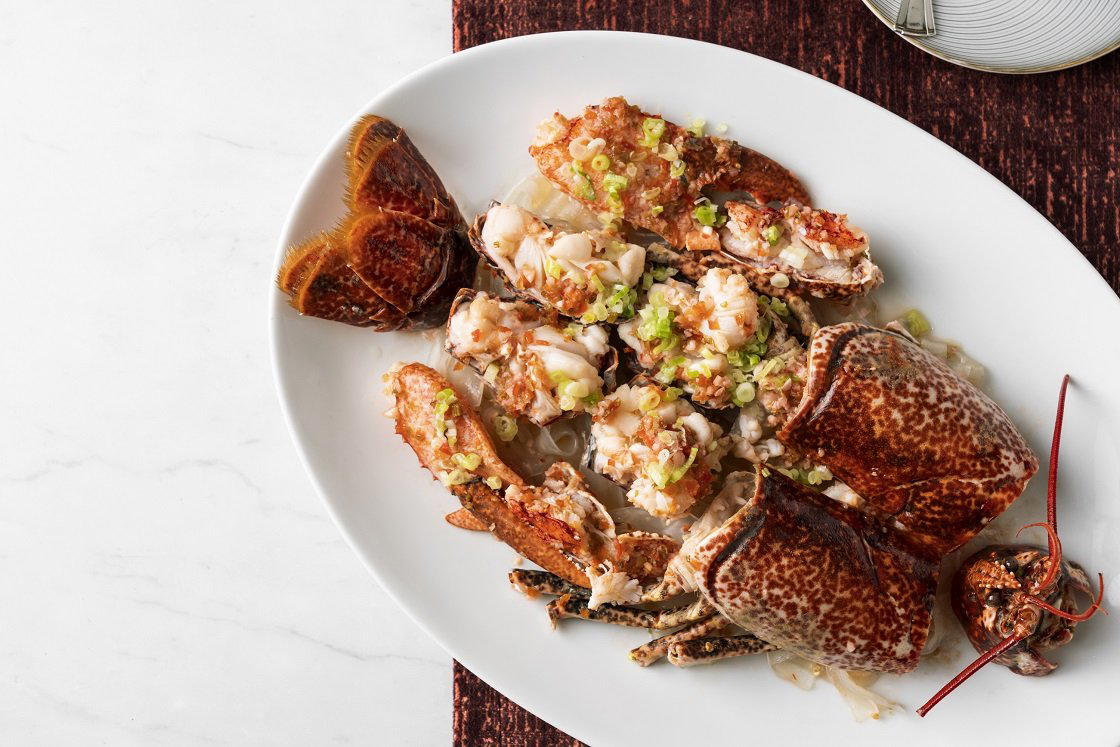
好德来姜母鸭 occupies a modest address on Zhongxing Road in Xiamen's Siming District, serving one of Fujian's most culturally rooted cold-weather preparations: ginger-braised duck slow-cooked in sesame oil and aged ginger. The format is casual and neighbourhood-facing, placing it firmly in Xiamen's workhorse dining tier rather than its formal restaurant circuit. Plan visits for cooler months when the dish is at its most seasonally appropriate.
Pearl is the En Primeur Club membership app — saves, bookings, and concierge access live there. Same editors, same standards.
- Address
- 33 Zhongxing Rd, Siming District, Xiamen, Fujian, China, 361001
- Phone
- +86 592 207 4122
- Directions
- Get directions
 Saves & bookings on Pearl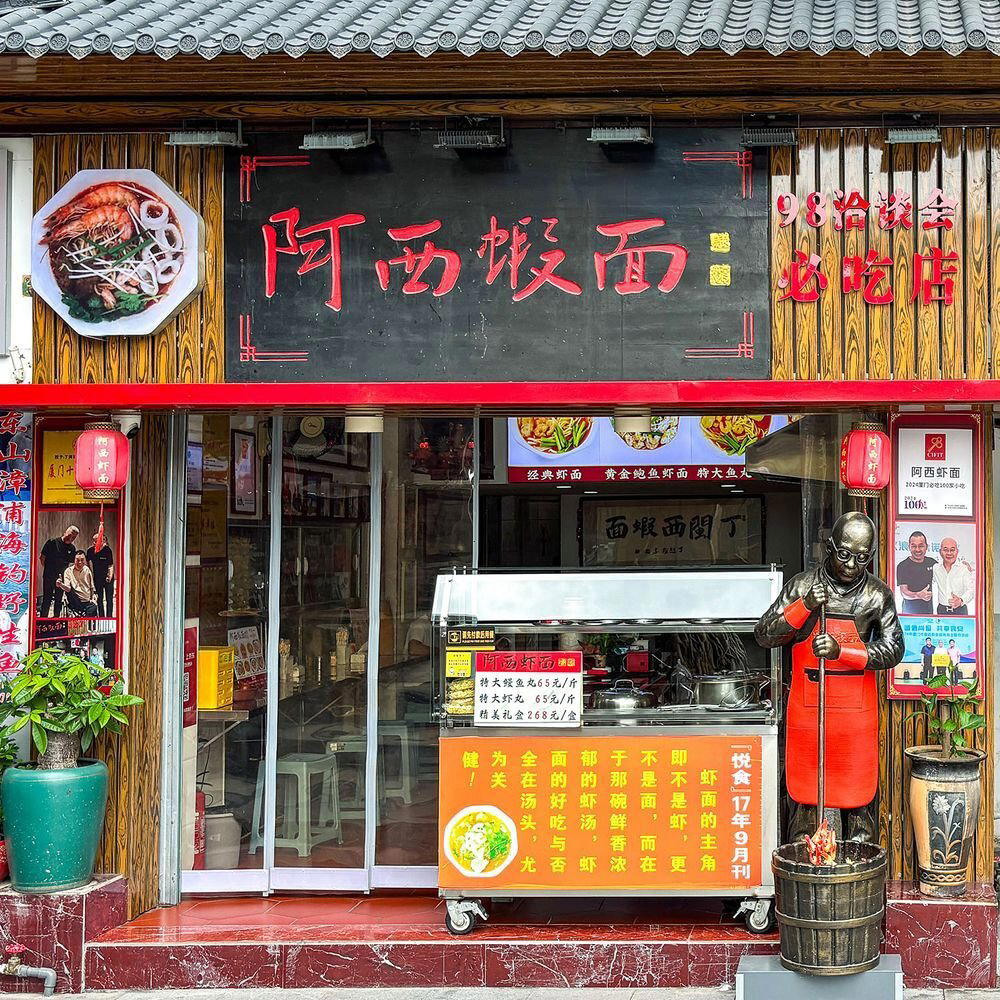
Ginger, Duck, and the Fujian Cold-Weather Table
Xiamen's dining identity is shaped by two competing forces: the city's position as a gateway for Hokkien cuisine moving outward to Southeast Asia, and its role as a living archive of southern Fujian home cooking that rarely travels beyond the province. Most of the city's formal restaurant circuit, addresses like Hokklo and Yanyu (Jiahe Road), presents Fujian cuisine in composed, table-service formats aimed partly at visitors. The neighbourhood tier operates differently: it serves a specific dish, to a local crowd, in the context that dish was designed for. 好德来姜母鸭 on Zhongxing Road belongs to that second category.
Jiangmuya, literally "ginger-mother duck," is a preparation that sits at the intersection of Fujian folk medicine and everyday cooking. The dish originated in the Zhangzhou and Quanzhou regions of southern Fujian and spread into Xiamen's domestic kitchen through generations of cold-season habit. The central technique involves slow-braising whole duck in aged sesame oil with mature ginger rhizomes, sometimes supplemented with rice wine and medicinal herbs. The ginger used is not the young, thin-skinned variety common in stir-frying but old-growth root with concentrated pungency, selected for its warming properties as much as its flavour contribution. This is a dish built around a traditional Chinese medical concept of internal heat: eat it in autumn and winter, the thinking goes, and the body is fortified against cold. That framing is not marketing language; it is genuinely how the dish is ordered and understood in southern Fujian households and casual restaurants alike.
Where Zhongxing Road Sits in Xiamen's Dining Geography
Siming District is Xiamen's administrative and commercial core, and Zhongxing Road runs through a section of it that is functional rather than destination-oriented. This is not the pedestrianised tourism strip of Zhongshan Road, nor the newer restaurant clusters that have formed around Zengcuoan or the university quarter. The address at number 33 is surrounded by the kind of neighbourhood commercial activity, small vendors, local services, mid-morning foot traffic, that tends to support casual, repeat-visit eating rather than special-occasion dining. The comparison set for 好德来姜母鸭 is not Fleurs Et Festin or 1927 Dong Yuan Si Chu; it is the informal Fujian specialists that populate Xiamen's mid-tier, places like 1980 Shaorouzong that anchor themselves in a single tradition and repeat it reliably.
Within that tier, jiangmuya restaurants are not rare in Xiamen, but the preparation does require genuine sourcing discipline. The quality of aged sesame oil and the maturity of the ginger rhizomes make a measurable difference to the dish's depth. Casual operations that cut those inputs tend to produce a thinner, less complex result. The dish's reputation in any given establishment is built over time through neighbourhood word-of-mouth rather than critical recognition or social media visibility, which is why the better-regarded spots in this category often have no formal online presence to speak of.
The Cultural Architecture of Jiangmuya
Across southern Fujian and into Taiwan, where the dish travelled with Hokkien migrants during the Qing dynasty, jiangmuya occupies a specific ritual calendar slot. It is the dish that appears at the start of the lunar winter, at family gatherings that mark the change of season, and increasingly in casual restaurant settings that want to signal regional authenticity without elaborate production. In Taiwan, jiangmuya has developed its own distinct restaurant culture, with dedicated chains and specialist stalls. In Xiamen, the dish has remained more embedded in the neighbourhood fabric, less commercialised and less standardised, which preserves some of the variation that makes seeking out a specific address worthwhile.
The format is typically communal: a clay pot or heavy metal vessel arrives at the table still active with heat, and diners add supplementary ingredients, tofu skin, mushrooms, vermicelli, over the course of the meal as the base liquid reduces and intensifies. This is not a dish designed for solo diners eating quickly. It assumes a table of two or more, time to sit, and appetite for a second round of rice or noodles absorbed into the remaining braising liquid. Restaurants in this category tend to be organised around this communal pace, with minimal table service formality and pricing that reflects the ingredient cost of the duck and ginger rather than any dining room premium.
For readers exploring Xiamen's broader regional dining circuit, the contrast between this kind of specialist neighbourhood address and the more composed Fujian presentations at places like Hokklo is instructive. Both are drawing from the same culinary tradition; the difference is format, price point, and the kind of occasion they are built for. Similar regional depth can be found at the Fujian-focused end of the wider East China circuit, from Jiangnan Wok·Rong in Fuzhou to more formal expressions of coastal Chinese cuisine at Ru Yuan in Hangzhou and Imperial Treasure Fine Chinese Cuisine in Guangzhou. At the more ambitious end of Chinese regional fine dining internationally, Chef Tam's Seasons in Macau and Xin Rong Ji in Beijing represent the tier where these same ingredient traditions are handled with considerably more ceremony and at a different price level entirely.
Planning a Visit
The practical case for visiting 好德来姜母鸭 is strongest between October and March, when the cold-season rationale for the dish aligns with its preparation and when the braising-pot format suits the ambient temperature. 好德来姜母鸭 is a restaurant at 33 Zhongxing Rd, Siming District, Xiamen, Fujian, China, 361001. The address on Zhongxing Road in Siming District is accessible from central Xiamen without difficulty; the district is well-connected by metro and the road itself is navigable on foot from nearby commercial areas. for context on how this address fits into the city's wider dining spread, from the formal Chaozhou table at Fleurs Et Festin to congee specialists and seafood houses across the district.
Price and Recognition
Comparable venues nearby, for context on price, style, and recognition.
| Venue | Cuisine | Price | Notes |
|---|---|---|---|
| 好德来姜母鸭This venue — the venue you are viewing | chinese | Not listed | Not listed |
| 赖厝埕扁食店 | chinese | $$ | Not listed |
| Ludao Seafood Restaurant (鹭岛餐厅•闽南菜(鼓浪屿店)) | 鼓浪屿商圈, Minnan Seafood | $$ | Not listed |
| 宴遇 | Wuyuanwan, chinese | Not listed | Not listed |
| 1980烧肉粽 | 思明区, 闽南传统烧肉粽 | $ | Not listed |
| YANYU FUJIAN | Not listed | $$$ | Siming District, Modern Fujian Fine Dining |
Continue exploring