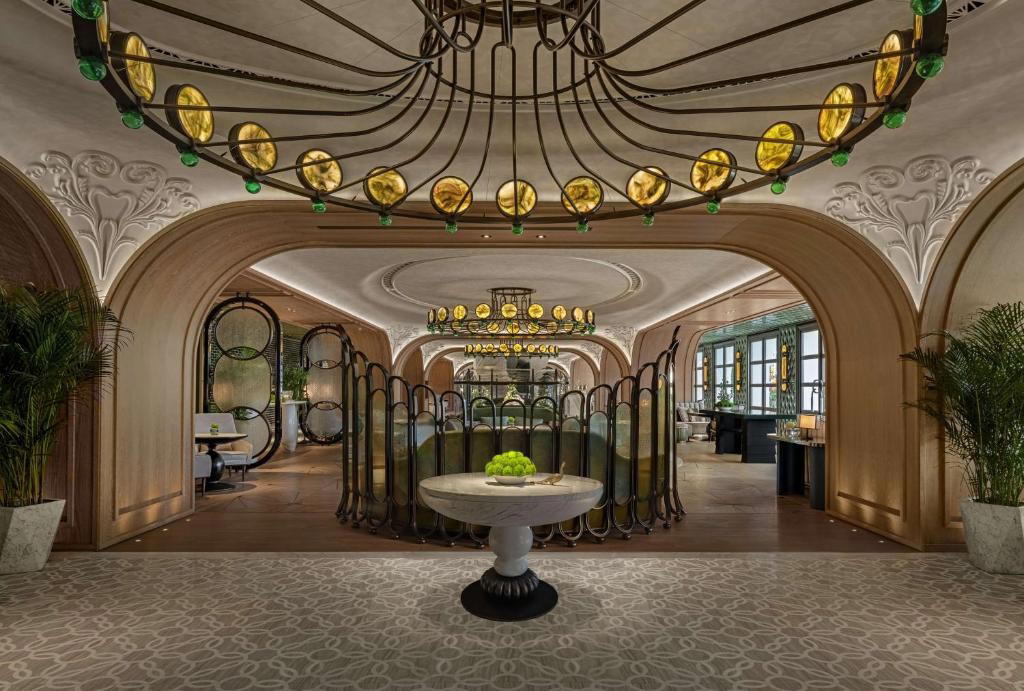
Located in Xiamen's Siming District along Dayuan Road, 赤帆海味餐厅 occupies a corner of the city's coastal dining scene where Fujian seafood tradition meets neighbourhood-level commitment to sourcing.
Pearl is the En Primeur Club membership app — saves, bookings, and concierge access live there. Same editors, same standards.
- Address
- China, Fujian, Xiamen, Siming District, Dayuan Rd, 8å·è¿é¹æ±çµå½±é¢ é®æ¿ç¼ç
- Phone
- +865922053368
- Directions
- Get directions
 Saves & bookings on Pearl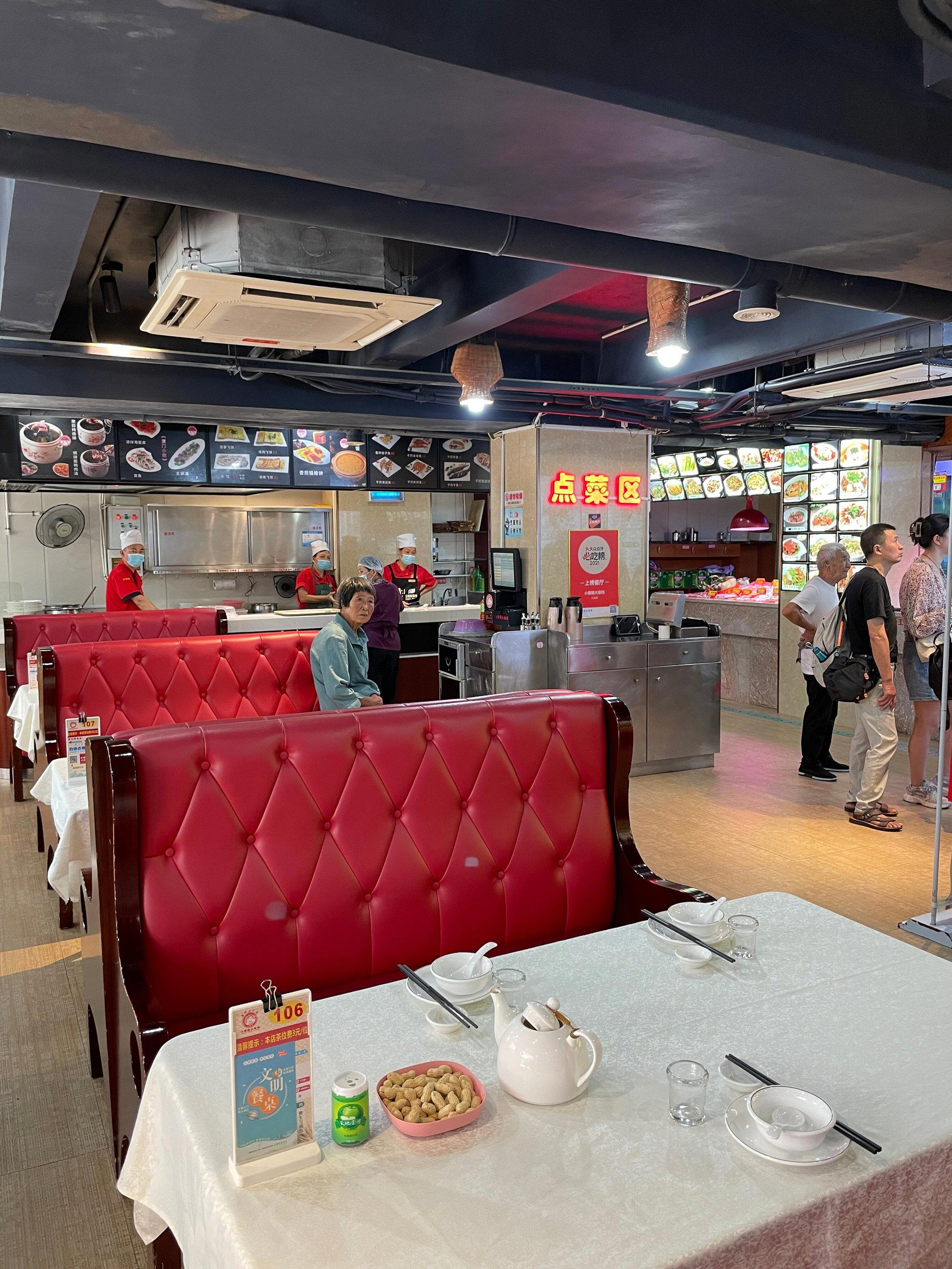
Fujian at the Source: Seafood Dining in Xiamen's Siming District
Xiamen's position at the edge of the Taiwan Strait has shaped its food culture more than any single chef or restaurant ever could. The city sits on a coastline that feeds directly into Fujian province's broader identity as a seafood region, and the Siming District, where 赖厝埕扁食店 is located on Dayuan Road, concentrates that identity into a stretch of neighbourhood restaurants. In a city where the distance between fishing boat and wok can be measured in hours rather than days, where a restaurant sources matters as much as how it cooks.
What Fujian Seafood Means at This Latitude
The Fujian coastline produces a specific vocabulary of ingredients that any serious Xiamen kitchen must reckon with: razor clams, cuttlefish, swimming crab, geoduck from nearby waters, and the fermented and preserved condiments, from shacha paste to oyster sauce variants, that define how locals eat rather than how the province is marketed abroad. The cooking tradition here is not the heavy Cantonese saucing style you find in Guangzhou at places like Imperial Treasure Fine Chinese Cuisine, nor the vegetable-forward restraint practised at Fu He Hui in Shanghai. Fujian cooking, at its most local, is about minimal intervention on ingredients that need little help.
赤帆海味餐厅 operates within this tradition. The name signals a positioning within the Siming District's neighbourhood dining tier rather than the formal banquet segment. That tier, in Xiamen, is where particularly direct sourcing relationships tend to exist: smaller operations with less infrastructure overhead and more flexibility to adjust menus based on what arrived at the market that morning.
The Siming District Dining Context
Siming is Xiamen's administrative and commercial core, and its dining scene reflects that mix of local institution and passing trade. The area sits adjacent to the historic Gulangyu ferry terminal and the older residential grid that predates the city's coastal development push, which means neighbourhood restaurants here have absorbed both tourist-facing demand and the expectations of locals who eat in the area regularly. That dual pressure tends to produce a more disciplined kitchen than purely tourist-facing operations, because repeat local diners are less forgiving of inconsistency.
The Dayuan Road address places 赤帆海味餐厅 within a stretch of Siming that includes the Yuanhe Cinema complex, a reference point that signals a mixed-use, mid-density neighbourhood rather than a formal dining district. Restaurants in these locations typically operate on a lunch-to-dinner format with walk-in traffic supplemented by local regulars, a pattern common across the Fujian coastal city dining scene and distinct from the booking-heavy formal tier occupied by places like Wenru No.9 in Fuzhou or the reservation-structured format at Xin Rong Ji in Beijing.
Ingredient Sourcing as the Competitive Variable
In the Xiamen seafood segment, the sourcing question is not academic. The city's proximity to both open-water fishing grounds and the extensive aquaculture operations along the Fujian coast means that restaurants at all price points have access to fresh product, but access is not the same as selection discipline. The restaurants that earn sustained local loyalty in Xiamen, from the traditional Hokkien operations tracked at Hokklo to the longer-established formats like 1927 Dong Yuan Si Chu, tend to be those where the kitchen's buying decisions are made daily and reflected directly in what appears on the table.
For Fujian seafood specifically, the texture and flavour variables that separate a well-sourced razor clam from a mediocre one are significant enough that experienced local diners can identify them immediately. This is different from ingredient categories where processing or sauce can compensate for sourcing gaps. It places the sourcing decision at the centre of quality rather than at the margin, which is why Xiamen's neighbourhood seafood restaurants are evaluated primarily on this axis by the people who eat in them regularly.
The broader Fujian dining scene across China's restaurant cities, from the Chaozhou-adjacent formats explored at Fleurs Et Festin to the Jiangnan-influenced approaches at Ru Yuan in Hangzhou and the refined Chinese traditions at Chef Tam's Seasons in Macau, shows how differently provincial seafood traditions get interpreted when they leave their source geography. At a Siming District address like 赤帆海味餐厅, the argument for eating Fujian seafood on its own terms, in the city where the ingredients originate, is at its strongest.
Planning Your Visit
赤帆海味餐厅 is located in Xiamen's Siming District on Dayuan Road, near the Yuanhe Cinema complex, a landmark that helps orient first-time visitors to the area. As with most neighbourhood restaurants in this tier of Xiamen dining, the practical advice is to arrive with flexibility on timing.
A Quick Peer Check
Comparable venues nearby, for context on price, style, and recognition.
| Venue | Cuisine | Price | Awards | Notes |
|---|---|---|---|---|
| 赖厝埕扁食店This venue — the venue you are viewing | chinese | $$ | Not listed | Not listed |
| Ludao Seafood Restaurant (鹭岛餐厅•闽南菜(鼓浪屿店)) | Minnan Seafood | $$ | Not listed | 鼓浪屿商圈 |
| 1980烧肉粽 | 闽南传统烧肉粽 | $ | Not listed | 思明区 |
| Weiyou Xiamen Wei | Xiamen Local Specialties | $$ | Not listed | Xinglin Bay |
| Chef Kang's | Cantonese and Chaozhou Classics | $$$ | Michelin Plate | Siming |
| Z&D Cuisine | Fujian Cuisine from Zhangzhou | $$ | Bib Gourmand | Siming |
Continue exploring