Tabelog 100 #17
Our verdict
ローブランシュ occupies a quiet address in Fukuoka's Nishinakasu district, a neighbourhood that has become one of Kyushu's more concentrated pockets of considered dining. The restaurant sits within a category of French-influenced establishments that have taken root across Japan's regional cities, where European culinary grammar is applied to local produce with growing confidence. Advance reservations are advisable given the area's dining density.

Pearl is the En Primeur Club membership app, where members save venues, book tables and use the concierge.
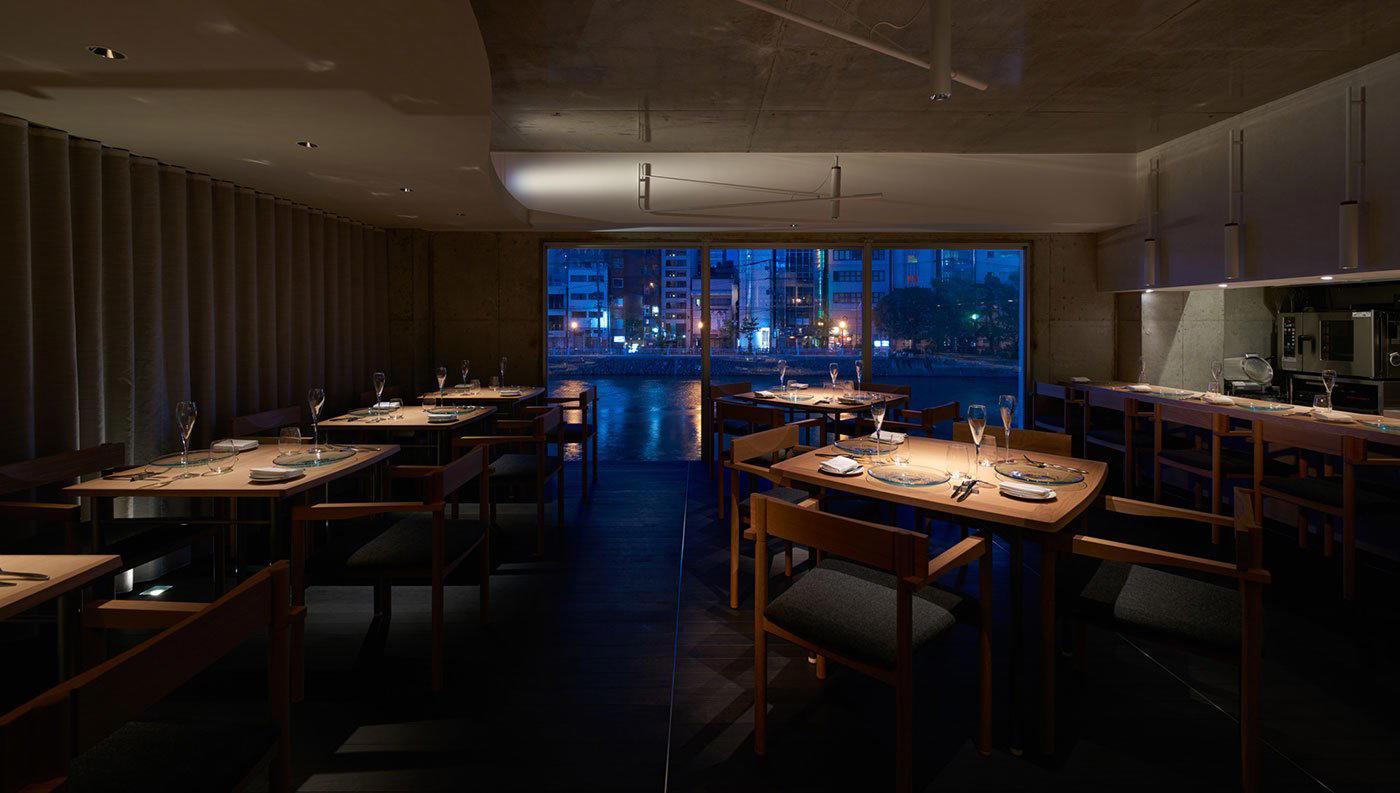
Nishinakasu After Dark: The Physical World of ローブランシュ
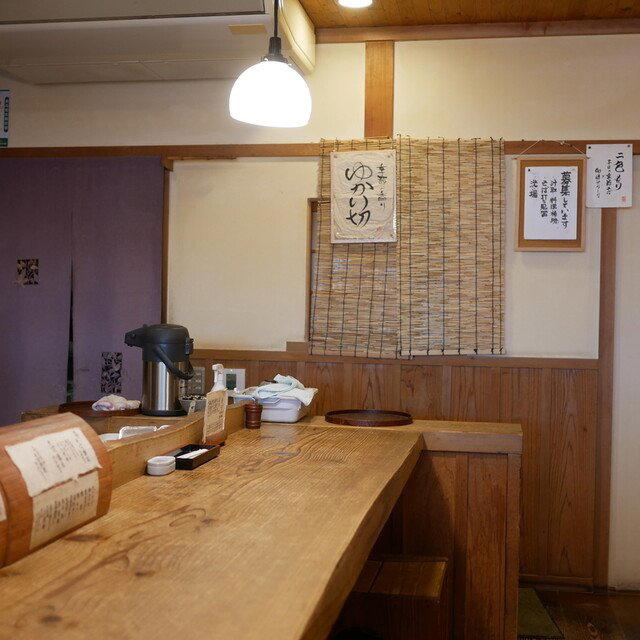
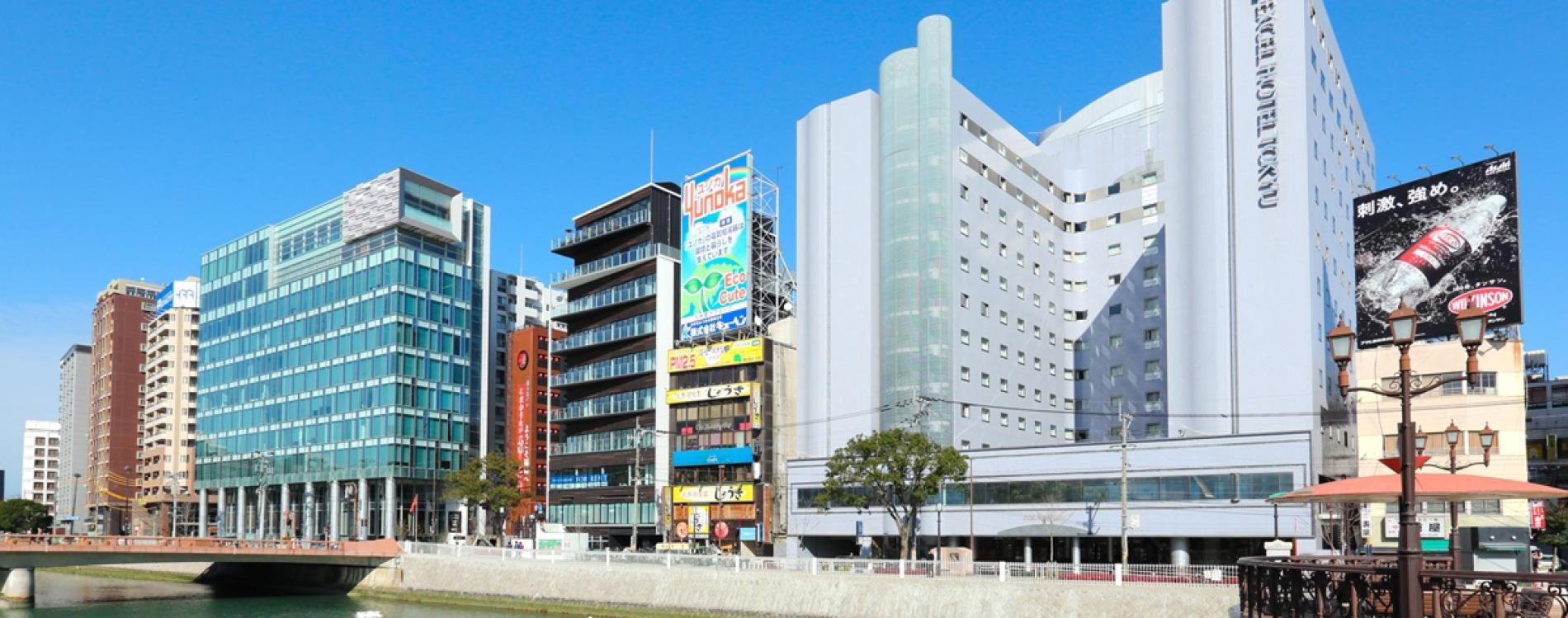
Nishinakasu occupies a specific kind of urban real estate in Fukuoka: close enough to the Naka River's canal-lined embankment to catch its ambient energy, yet set back from the more transient foot traffic of the izakaya strips. The neighbourhood has developed, over the past two decades, into one of the more layered dining corridors in Kyushu, where counter-format restaurants and intimate dining rooms have consolidated around a clientele that treats an evening out as a deliberate act rather than an opportunistic one. ローブランシュ sits at 4-4 Nishinakasu, Chuo Ward, within this concentrated zone, and its address alone positions it inside that considered tier rather than the broader casual market.
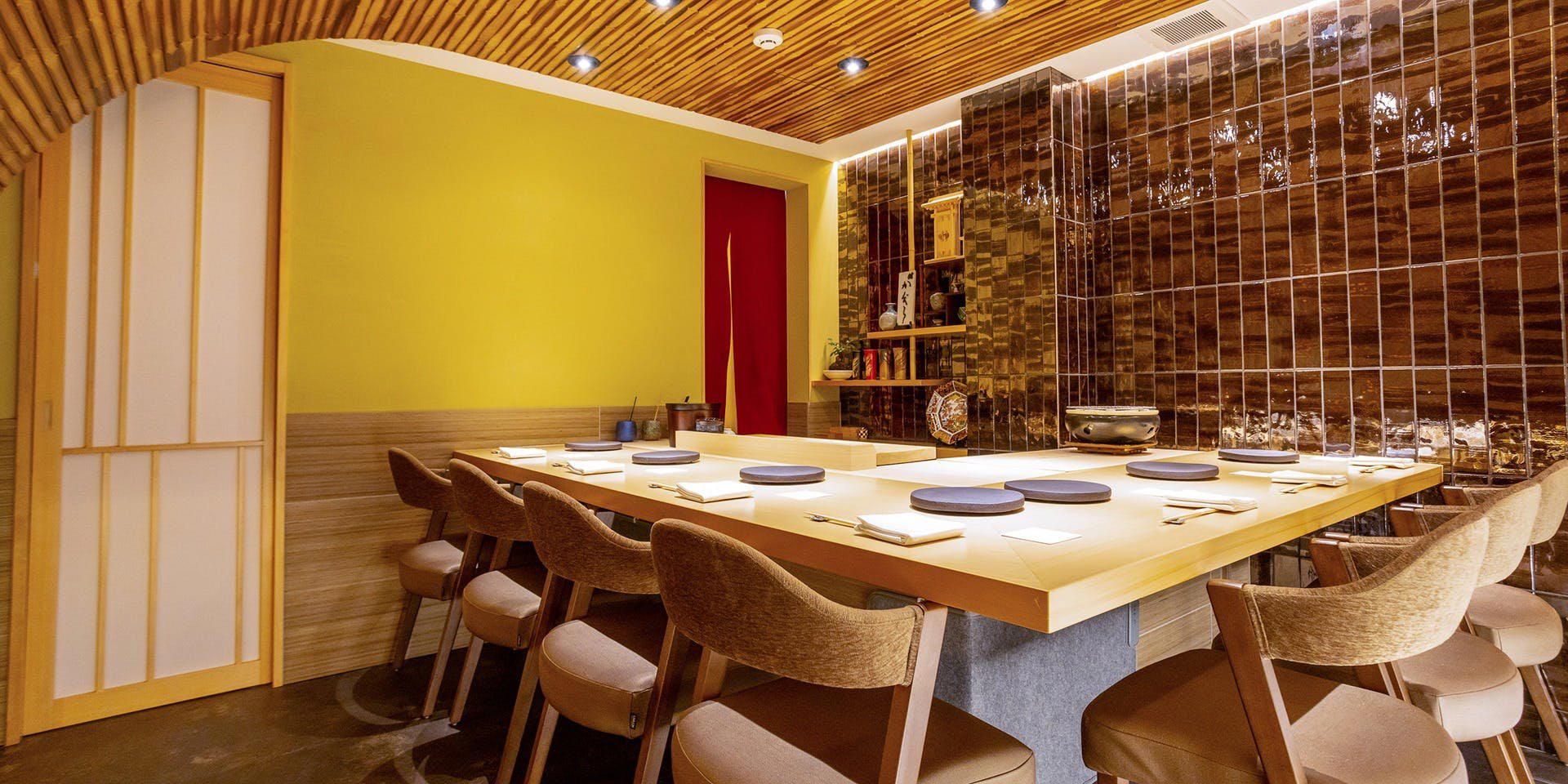
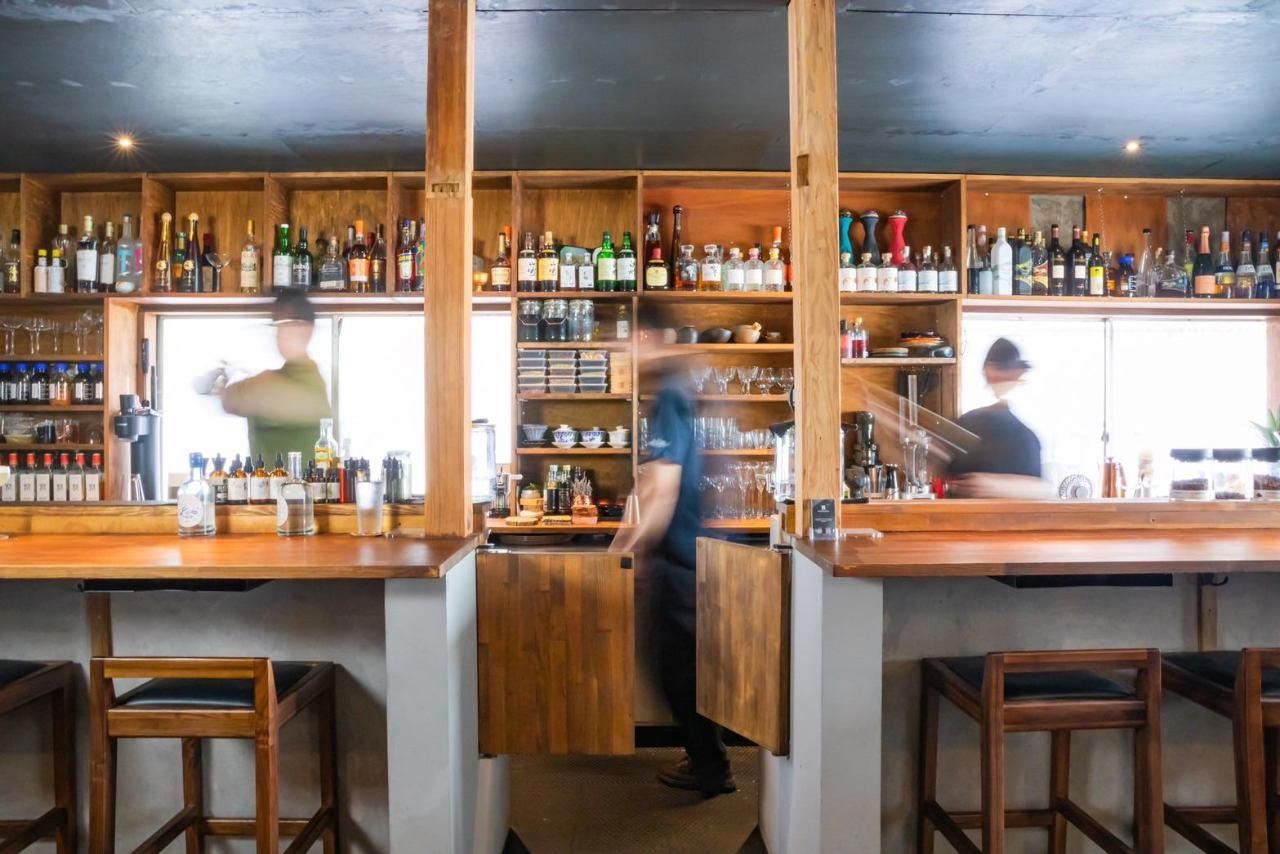
In Japanese cities, the physical container of a restaurant communicates its intentions before a single dish arrives. The shift away from grand, high-ceilinged dining rooms toward smaller, architecturally precise spaces has been one of the more consistent trends across Osaka, Tokyo, and Fukuoka alike. Properties in this Nishinakasu pocket tend to reflect that shift: intimate seating arrangements, materials chosen with some deliberateness, lighting calibrated for conversation rather than spectacle. These are rooms designed to make the food, and the table, the focal point, not the backdrop.
Fukuoka's French Register: Where ローブランシュ Fits
French cuisine in Japan's regional cities has followed a trajectory distinct from its Tokyo counterpart. Where Tokyo concentrates starred French tables in Ginza, Minami-Aoyama, and Shinjuku at price points that benchmark against international peers, cities like Fukuoka have developed a different register: smaller establishments where French technique is applied with genuine local-produce conviction, and where the competitive set is defined by neighbourhood loyalty and repeat clientele rather than global tourist capture. This is the tier that venues like Goh (French) in Fukuoka have helped define, bringing international-level rigour to a market that rewards intimacy over spectacle.
ローブランシュ operates within this same register. The name itself, French for "white slope" or, more loosely, "white branch", signals an orientation toward European culinary tradition without the institutional weight of a grand maison. Across Japan, this kind of naming choice tends to accompany restaurants that sit between the casual bistro format and the full tasting-menu tier: establishments where the cooking is serious, the room is composed, and the experience is priced for a local professional clientele rather than occasion-only visitors.
That positioning matters when reading Fukuoka's dining map. The city is not short of serious tables. Chikamatsu represents the high-discipline sushi counter format; Asago and Bekk occupy their own distinct territory within the city's specialist dining tier. French-influenced rooms like ローブランシュ complete a different part of that picture, serving a preference for European structure and wine-pairing culture that coexists with, rather than competes against, Fukuoka's ramen and yakitori traditions.
The Spatial Argument for Intimate Dining
The case for smaller dining rooms has been made emphatically across Japan's premium dining culture over the past decade. Counter formats, six-to-twelve-seat rooms, and chef's-table arrangements have consistently outperformed larger rooms in terms of booking demand and critical attention, partly because they enforce a discipline on the kitchen that larger formats allow restaurants to avoid. When every table is within sight of the pass, and when the room itself is small enough that a misjudged dish or a poorly paced service sequence becomes immediately visible, the standard of execution tends to rise accordingly.
This dynamic has played out in Fukuoka as clearly as anywhere. The neighbourhood around Nishinakasu has attracted restaurants that understand the logic of the contained room: that intimacy, properly managed, is itself a form of luxury. Compare this to the approach taken by larger-format regional dining in Japan, where scale is used to distribute risk, and the contrast becomes clear. ローブランシュ's address in this district suggests an alignment with the intimate-format philosophy, though the specifics of its room configuration are best confirmed directly with the venue before visiting.
For context on how this approach plays out at the highest tier across Japan, the comparison set is instructive. HAJIME in Osaka and Gion Sasaki in Kyoto both demonstrate how a carefully controlled physical environment amplifies the effect of serious cooking. Harutaka in Tokyo shows how counter discipline translates into booking pressure. At the regional level, venues like akordu in Nara have made the case that cities outside the major urban centres can sustain rooms of genuine international standing when the physical and culinary proposition is coherent.
Planning a Visit: What the Address Tells You
Nishinakasu is accessible from central Fukuoka without difficulty. The Naka River area is walkable from Tenjin, Fukuoka's commercial and transit hub, and the neighbourhood's concentration of evening-focused restaurants means that Nishinakasu functions leading as a destination rather than a passing stop. Arriving early, before the dinner service fills the area's narrow streets, allows for a clearer sense of the district's character. For visitors building a Fukuoka itinerary that extends beyond a single meal, Beef Taigen and the broader table of restaurants detailed in our full Fukuoka restaurants guide provide a map of the city's range across formats and price points.
This is standard practice for smaller, independently operated rooms in Japan, where policies can shift seasonally and information may not be updated across aggregator platforms in real time. For comparison on how French-influenced dining at a high technical level is priced and structured elsewhere in Japan, the reference points at Bistro Ange in Toyohashi and Birdland in Sakai offer useful benchmarks for the regional French tier.
Frequently asked questions
Would ローブランシュ be comfortable with kids?
ローブランシュ sits in Nishinakasu, Fukuoka's after-dark dining corridor along the Naka River canal, which skews toward adult diners in the evening. The address at 4-4 Nishinakasu, Chuo Ward, places it among venues oriented toward quiet, focused meals. Families with younger children would likely find the atmosphere better suited to adults. Contacting the venue directly before booking with children is advisable.
What's the overall feel of ローブランシュ?
The Nishinakasu location positions ローブランシュ within one of Fukuoka's most atmospheric dining pockets, canal-adjacent and removed from the commercial noise of Tenjin. Expect an intimate room rather than a sprawling dining hall, this part of Chuo Ward consistently favours smaller-format restaurants where conversation carries. The French register here aligns with the quieter, more considered end of the spectrum rather than a brasserie-style energy.
Is ローブランシュ a good option for a special occasion dinner in Fukuoka?
The Nishinakasu address in Chuo Ward is one of Fukuoka's established settings for occasion dining, the canal district carries a different register from the izakaya-dense streets closer to Nakasu proper. French cuisine in Japan's regional cities, including Fukuoka, has developed a serious local following outside Tokyo's starred concentration, and smaller rooms like those typical of this neighbourhood suit celebratory meals that prioritise atmosphere over scale. Reservations made well in advance are standard practice for French restaurants in this part of the city.
What's the must-try dish at ローブランシュ?
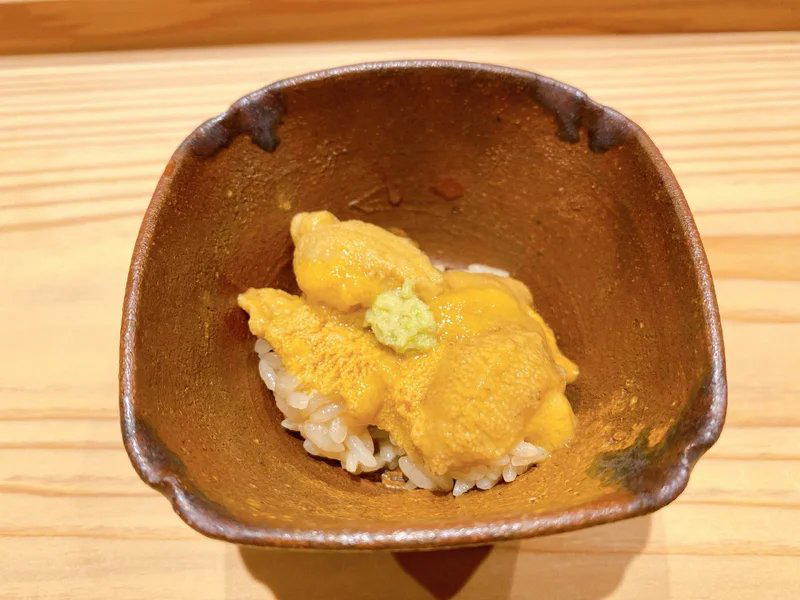
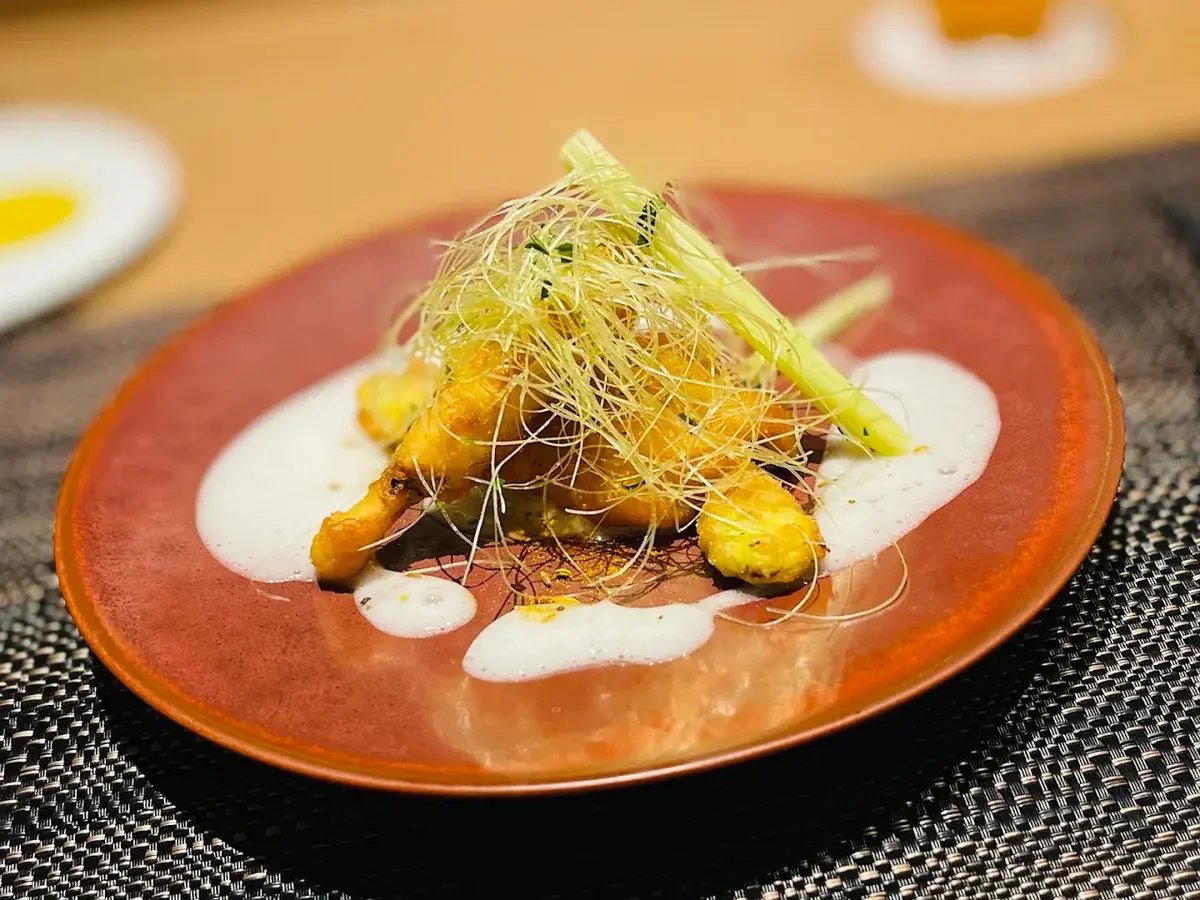
French kitchens in Fukuoka's Nishinakasu district frequently anchor their menus around seasonal Kyushu produce, given the region's access to both coastal seafood and inland farm suppliers. Confirm the current menu directly with the restaurant when booking.
Category Peers
Comparable venues nearby, for context on price, style, and recognition.
| Venue | Cuisine | Price | Awards | Notes |
|---|---|---|---|---|
| ローブランシュThis venue (the venue you are viewing) | Modern French Gastronomy | $150–200 | Tabelog 100 #17 | Not listed |
| Restaurant Sola | Modern French with Kyushu Ingredients | $100–150 | Tabelog Bronze #366 | Hakata |
| Restaurant SNOW | French-New Nordic Innovative | $100–150 | Tabelog Bronze #365 | Chūō |
| ル・シュッド | South French Seafood & Vegetable Omakase | $50–100 | Tabelog 100 #33 | Chūō |
| 鮨おさむ | Traditional Japanese Omakase Sushi | $150–200 | Tabelog Bronze #342 | Takamiya |
| Raisin d'Or | Seasonal French Course Dining & Wine Bar | $100–150 | Tabelog 100 #67 | Chūō |
Recognition history
Dated appearances from independent guides and award organizations, with the underlying list record or original source where available.
Tabelog 100 #17 · No. 17
Tabelog · Tabelog 100 - French - WEST - 2025