Tabelog 100 #33
Our verdict
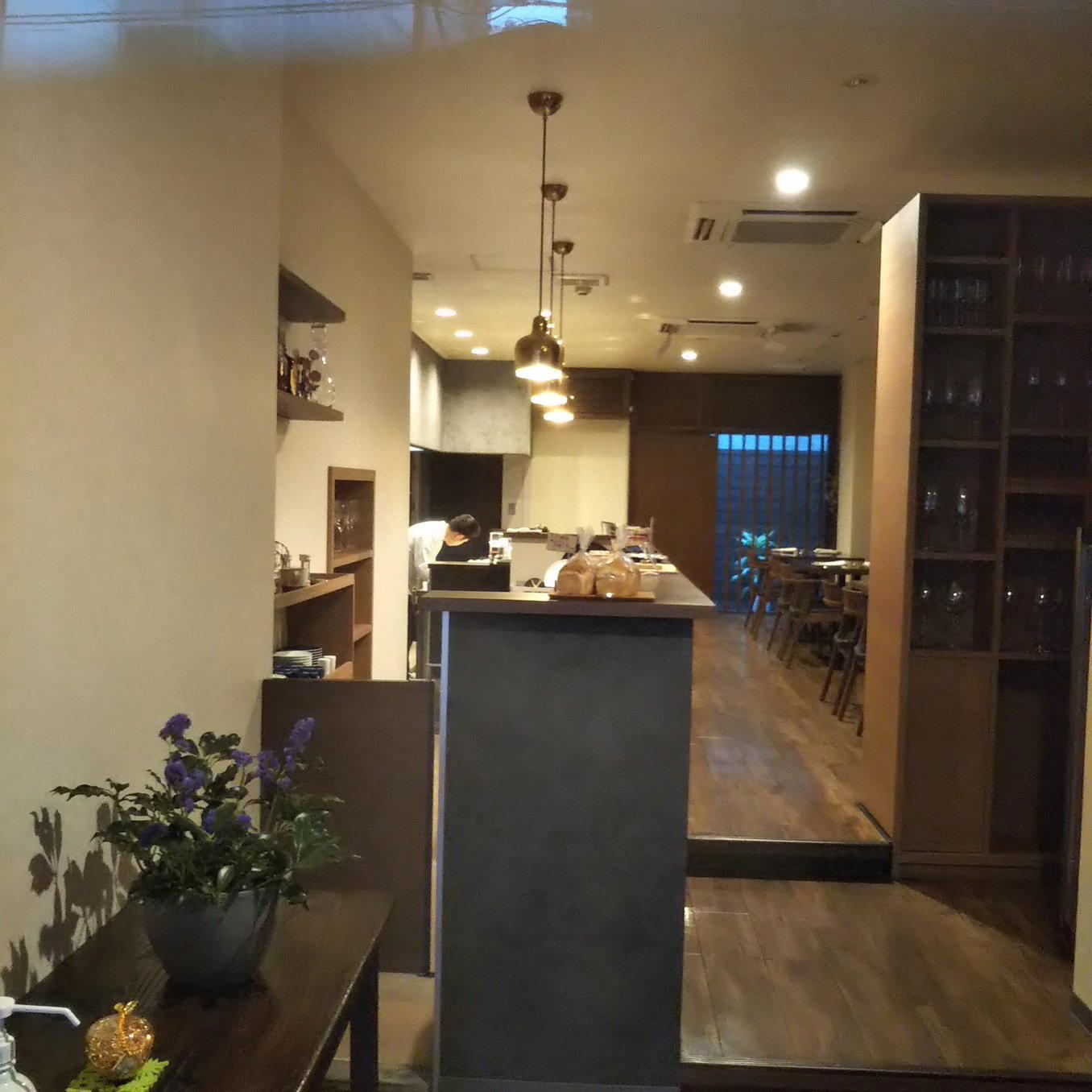
ル・シュッド occupies a ground-floor space in Fukuoka’s Yakuin district, a neighborhood known for serious, repeat-clientele dining rather than tourist-facing foot traffic. The name references southern France, pointing toward produce-driven cooking with Mediterranean inflections in a city whose French dining scene has quietly matured alongside its dominant Japanese formats. Reservations through direct contact are advisable; walk-in availability is unlikely.

Pearl is the En Primeur Club membership app, where members save venues, book tables and use the concierge.
The Yakuin Quarter and What It Signals
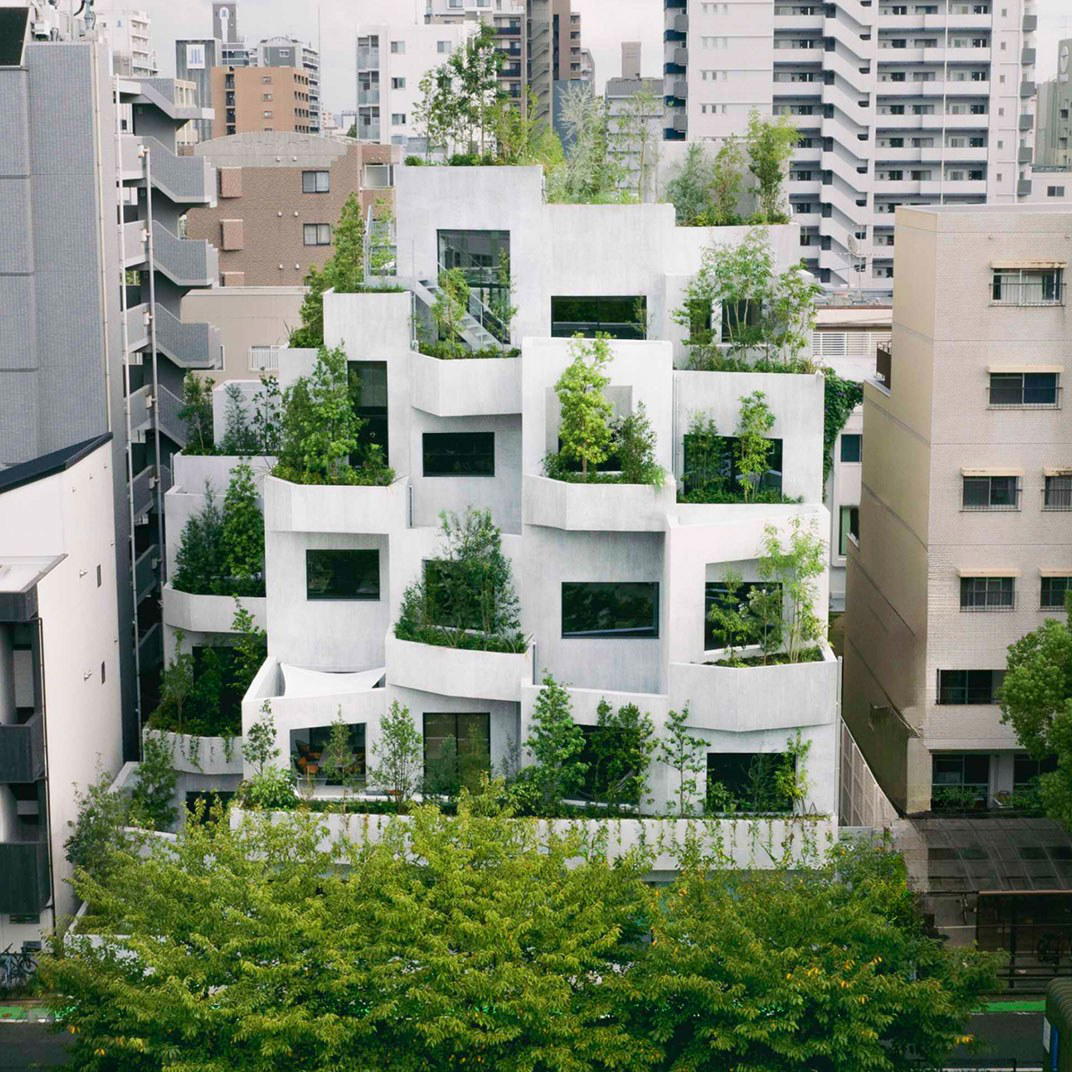
Fukuoka’s Chuo Ward has developed a reputation for quietly serious dining over the past decade. Where Nakasu draws visitors chasing the spectacle of yatai stalls over the river, Yakuin operates on a different register: smaller premises, repeat clientele, and menus that assume familiarity rather than invite introduction. The address on Yakuin 1-chome places ル・シュッド inside that local logic, on a residential-facing stretch where the ground-floor signage is understated enough that passing foot traffic rarely plays a role in filling the room. This is a neighborhood where regulars drive the calendar, and where the lack of a bold street presence is itself a positioning statement.
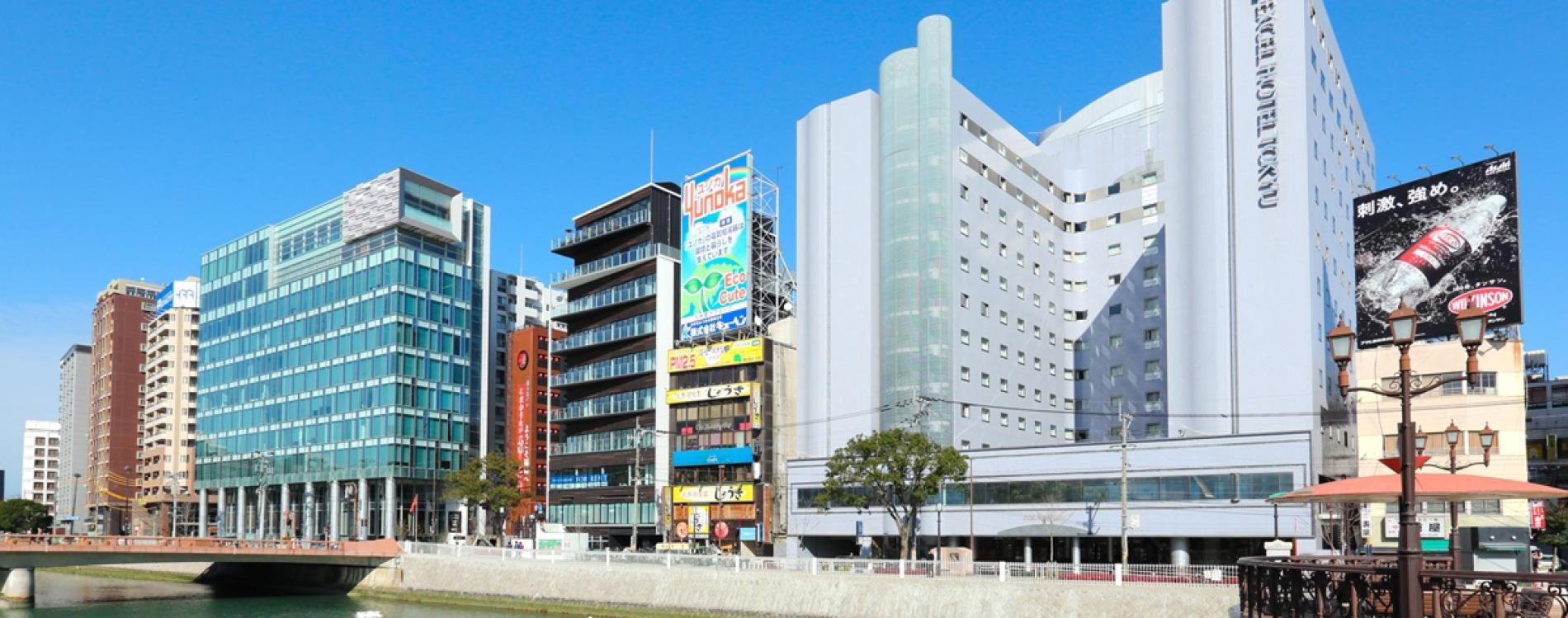
French-inflected dining in Fukuoka occupies a smaller niche than kaiseki or sushi, but it is not marginal. Venues like Goh (French) have demonstrated that the city can support technically serious European cooking at a high price tier, drawing both local professionals and visitors who treat Fukuoka as a culinary detour from Osaka or Kyoto. ル・シュッド sits within that French-leaning segment, in a ground-floor space inside the ルネスキューブ building, and its name alone, a transliteration of “Le Sud,” signals southern French reference points rather than the butter-and-cream classicism more common in Tokyo’s European dining rooms.
What Regulars Come Back For
The structure of loyal dining culture in Japan’s regional cities differs from the pattern in the capital. Tokyo diners frequently pursue novelty, rotating through new openings with the systematic attention of collectors. In Fukuoka, the hospitality culture trends more relational: the same table, the same conversation with the kitchen, a menu that evolves in response to what the room prefers rather than what a PR calendar demands. For a venue operating under the name “The South,” that rhythm maps neatly onto the Mediterranean cooking tradition it references, where the menu has always been less a fixed document than a response to the season’s produce and the cook’s read of the room.
Regulars at small French rooms in Fukuoka tend to share a specific profile: they have often eaten more widely than their city’s reputation suggests, they return because the kitchen knows their preferences, and they treat the experience less as an event and more as a scheduled reset. This is the clientele that sustains a venue through the long middle of its operating life, and it is the clientele that tends to notice when a kitchen is coasting. The absence of flashy awards or prominent press coverage at venues of this type is rarely accidental; in many cases it reflects a deliberate choice to remain inside a known, trusted network rather than open the room to higher-volume, lower-return foot traffic from tourism cycles.
Fukuoka in the Broader Japanese Fine Dining Frame
Fukuoka’s position within Japan’s fine dining geography is worth understanding before visiting. The city is the largest in Kyushu and the seventh-largest in Japan by population, but its restaurant scene punches above that ranking in terms of variety. The proximity to Korean and continental trade routes has historically shaped the food culture, and that openness to outside influence extends to the European cooking tradition. Compared to the formal kaiseki strictures still dominant at high-end tables in Kyoto, or the theatrical omakase culture of Tokyo’s premium sushi counters like Harutaka in Tokyo, Fukuoka’s French and European rooms tend to be more relaxed in format without sacrificing seriousness in the kitchen.
That context matters for a venue named for the south of France. Southern French cooking, from Provence through Languedoc, has always been defined less by technique theater and more by ingredient quality and restraint in intervention. The approach aligns naturally with the ingredient culture already dominant in Kyushu, where the prefecture’s agricultural output, fisheries from Hakata Bay, and proximity to Saga beef-producing areas give kitchens access to materials that do not require heavy elaboration. Comparable cross-cultural approaches can be seen further afield at restaurants like akordu in Nara, which places European wine culture inside a Japanese context with similarly understated confidence.
Placing ル・シュッド in Its Competitive Set
Within Fukuoka specifically, the comparison set for a venue of this type includes both the sushi counters that dominate the city’s premium tier, such as Chikamatsu (Sushi), and the Western-format rooms that occupy adjacent price positioning. The city’s beef-focused venues, including Beef Taigen (Beef泰元), serve a different appetite but compete for the same discretionary dining budget on celebration nights. Venues like Bekk and Asago round out the picture of a dining scene that has diversified well beyond its ramen-and-sushi reputation without abandoning the ingredient-first philosophy that makes Kyushu cooking coherent across cuisines.
For visitors who want to cross-reference against Japan’s wider French-influenced dining map, the relevant comparisons include HAJIME in Osaka at the technical extreme, and Gion Sasaki in Kyoto as an example of how traditional kaiseki framing absorbs outside influence. ル・シュッド operates at a different register from both, with southern French references and a neighborhood setting that positions it closer to the kind of destination bistro that Fukuoka’s professional class sustains through regular attendance rather than occasion dining.
Planning Your Visit
The Yakuin address is accessible by subway from Tenjin Station, roughly two stops south on the Nanakuma Line to Yakuin-Odori. The ground-floor location inside a residential block means the room is small, and small rooms in Fukuoka’s serious French segment tend to fill through reservations rather than walk-in availability. Contacting the venue in advance is advisable; because no booking platform or phone number is publicly indexed at the time of writing, the most reliable approach is to visit the physical address or ask your hotel concierge to make contact through local channels. Yakuin operates at a pace that rewards planning: arriving without a reservation on a Friday or Saturday evening is a risk not worth taking in a neighborhood where the regulars have already claimed their tables. For a broader orientation to the city’s dining options across all formats and price points, our full Fukuoka restaurants guide provides the wider picture.
Frequently asked questions
Where exactly is ル・シュッド?
ル・シュッド is located at Japan, 〒810-0022 Fukuoka, Chuo Ward, Yakuin, 1 Chome−6−25 ルネスキューブ 1階, Fukuoka.
How do I get to ル・シュッド from central Fukuoka?
The venue is at 1 Chome-6-25 Yakuin, Chuo Ward, Fukuoka, accessible via the Nanakuma Line to Yakuin-Odori Station, approximately two stops south of Tenjin. The ground-floor positioning within the ルネスキューブ building makes it straightforward to locate on foot from the station.
What should I eat at ル・シュッド?
Given the Yakuin quarter's reputation for carefully considered, ingredient-led cooking rather than crowd-pleasing set pieces, the format is likely course-based. check the venue's official channels for current menu details before your visit.
Is ル・シュッド reservation-only?
The ground-floor location at 1 Chome-6-25 Yakuin, Chuo Ward makes walk-in access physically straightforward, though securing a table in advance is strongly advisable.
What is ル・シュッド known for?
ル・シュッド occupies a specific address in Yakuin, a district within Fukuoka's Chuo Ward that has built a reputation for serious, low-profile dining over the past decade.
Can ル・シュッド handle vegetarian requests?
No dietary accommodation policy is documented. In Fukuoka's fine dining tier, restaurants with structured menus often require advance notice for vegetarian or other dietary requirements. Confirm directly with the restaurant when making your reservation.
Is ル・シュッド worth the price?
Yakuin restaurants of comparable seriousness in Fukuoka typically sit below Tokyo equivalents at a given tier, which is part of the city's broader appeal for value-conscious fine dining. Verifying the current price range directly before booking is advisable.
Price and Positioning
Comparable venues nearby, for context on price, style, and recognition.
| Venue | Cuisine | Price | Awards | Notes |
|---|---|---|---|---|
| ル・シュッドThis venue (the venue you are viewing) | South French Seafood & Vegetable Omakase | $50–100 | Tabelog 100 #33 | Not listed |
| Restaurant Arena | Modern French Gastronomy | $150–200 | Tabelog Bronze #358 | Chūō, Modern French Gastronomy |
| GEORGES MARCEAU | Modern French | $50–100 | Tabelog 100 #12 | Chūō, Modern French |
| Patisserie Au Fil Du Jour | Chūō, French Patisserie | $10–20 | Tabelog 100 #7 | Not listed |
| Restaurant Hana no Ki | Classic French Fine Dining | $50–100 | Tabelog 100 #66 | Chūō, Classic French Fine Dining |
| Kiyoki | Japanese small plates and steak | $50–100 | Tabelog 100 #84 | Chūō, Japanese small plates and steak |
Recognition history
Dated appearances from independent guides and award organizations, with the underlying list record or original source where available.
Tabelog 100 #33 · No. 33
Tabelog · Tabelog 100 - French - WEST - 2025