
Tabelog 100 #41
Our verdict
In Obihiro, where Tokachi's agricultural output sets the baseline for what regional cooking can achieve, マリヨンヌ operates from a ground-floor address in the Masuya Building on Nishi 1-jo Minami. The restaurant draws on one of Japan's most productive farming belts, where dairy, root vegetables, and beef converge within a short radius of the kitchen. For Hokkaido dining at this latitude, that provenance matters considerably.

Pearl is the En Primeur Club membership app, where members save venues, book tables and use the concierge.
Tokachi as a Larder: What Obihiro's Agricultural Position Means for a Plate
Hokkaido's Tokachi region is responsible for a disproportionate share of Japan's domestic food supply. Roughly 40 percent of the country's beans are grown here, alongside significant volumes of dairy, wheat, beet sugar, and some of the country's most closely watched Wagyu beef. For a restaurant operating in Obihiro, the regional capital of Tokachi, that fact is not incidental, it is the structural condition under which the kitchen works. Ingredient sourcing in this part of Japan is less a marketing decision than a geographic given: what the surrounding plains produce sets the terms of what ends up on the menu. Restaurants across Hokkaido have, over the past decade, built reputations partly on their proximity to this output. Venues in Sapporo, like 夕仙山乃, have drawn on Hokkaido's northern larder. But in Obihiro, you are inside the source, not downstream from it.
That proximity changes the character of the cooking. The freshness intervals that a Sapporo kitchen manages by supply chain, an Obihiro kitchen can manage by distance. Root vegetables, dairy cream, and seasonal field produce arrive with a shorter gap between harvest and preparation. This is the context in which マリヨンヌ, located on the ground floor of the Masuya Building at Nishi 1-jo Minami 10-chome, operates. The address places it in central Obihiro, within the commercial core that serves as the city's primary dining and retail concentration.
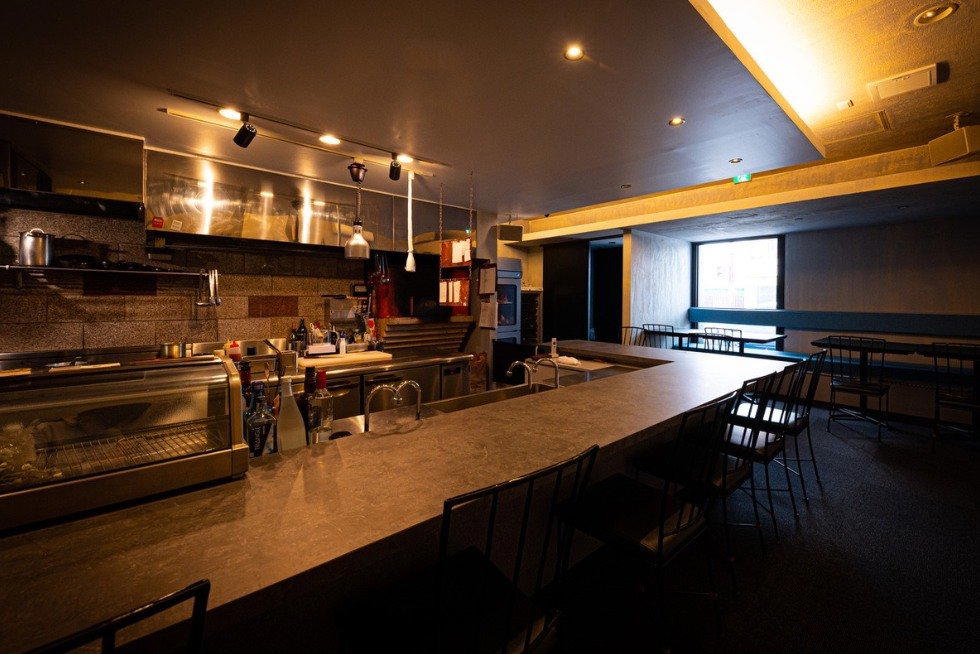
The Room and What It Signals
Ground-floor spaces in Japanese city-centre buildings occupy a specific position in the local dining hierarchy. They are accessible without the elevator ritual of upper-floor restaurants, which in Japan can carry associations of formality or occasion-specific dining. A street-level address in a mid-scale commercial block like the Masuya Building reads as intentionally approachable, a signal about the kind of experience being offered before any food arrives. The physical environment of regional Japanese dining at this level typically runs toward warm, contained spaces, rooms where the focus is on the table rather than the vista. Our full Obihiro restaurants guide covers how the city's dining character differs from Hokkaido's coastal towns, where seafood and harbour proximity dominate the narrative. In Tokachi, the countryside is the reference point, and interior design choices in restaurants here tend to reflect that, materials, proportions, and atmosphere that orient toward the agricultural rather than the maritime.
Where マリヨンヌ Sits in Regional Dining
Hokkaido's dining scene has split along a recognisable axis over recent years. On one side sit the Sapporo addresses that have accumulated national and international recognition, kaiseki counters, French-influenced tasting menus, and sushi rooms that compete directly with Tokyo's upper tier. On the other sit the regional operations in smaller cities like Obihiro, Asahikawa, and Kushiro, where the proposition is different: closer to the source material, less mediated by the formal dining conventions that govern the capital's restaurant culture, and more directly tied to what the land around them produces in a given season.
マリヨンヌ belongs to the second category. Its location in Obihiro places it inside a dining ecosystem where the competitive reference points are other regional Hokkaido restaurants, not the Michelin-starred rooms of Osaka or Tokyo. For context on what the upper tier of Japanese cooking currently looks like, HAJIME in Osaka and Harutaka in Tokyo represent the benchmark French-innovative and sushi categories respectively. Gion Sasaki in Kyoto sets the standard for kaiseki in its traditional heartland. What distinguishes the regional tier in Hokkaido is not a deficit relative to those rooms but a different set of priorities: the relationship between a kitchen and its immediate agricultural surroundings tends to be more direct, and the menus tend to reflect seasonal Tokachi production more immediately than any tasting-menu format in a large city would.
For comparison beyond Japan, Le Bernardin in New York City and Atomix in New York City represent the kind of sourcing-forward, produce-led discipline at the top of the international tier. The ambition in Obihiro operates at a different scale, but the underlying logic, that what comes from the ground around you should determine what goes on the plate, runs through both contexts.
Planning a Visit to マリヨンヌ
Obihiro is served by Tokachi-Obihiro Airport, with connections primarily from Sapporo (New Chitose) and Tokyo (Haneda). The city centre, where マリヨンヌ occupies its Masuya Building address at Nishi 1-jo Minami 10-chome 2-1, is reachable from the airport in approximately 40 minutes by bus or car. Obihiro Station is a practical orientation point for the central dining area, and most of the city's restaurants are within walkable distance of the station precinct. Seasonal variation in Tokachi's agricultural calendar, with spring and autumn marking the most active periods for local produce, may influence what the kitchen is working with at any given time. For broader context on what to eat and where in the city, the Obihiro restaurants guide covers the full range of the city's dining options. Those travelling across Hokkaido's dining circuit might also note 日本料理 八寸 as another Obihiro address worth considering in the same itinerary.
Elsewhere in Japan's regional dining circuit, akordu in Nara and Goh in Fukuoka demonstrate how smaller cities can sustain serious kitchens by anchoring their menus to local agricultural identity. The model that works in Nara's heritage-agricultural belt or Fukuoka's Kyushu produce corridor has a clear parallel in what Tokachi offers a kitchen operating in Obihiro. Additional regional references include 一本木川魚店 in Nanao, 湖畔荘庵 in Takashima, 高羽屋 in Nishikawa Machi, Birdland in Sakai, Bistro Ange in Toyohashi, Blue Ocean Steak in Nakagami District, bodai in 那智勝浦町, and Cafe Naoshima Konichiwa in Naoshima, each operating within Japan's wider regional-sourcing conversation.
Frequently asked questions
Would マリヨンヌ be comfortable with kids?
A ground-floor address in the Masuya Building on Obihiro's Nishi 1-jo strip is physically straightforward to access, no stairs to a second-floor room, no cramped lift lobby. Obihiro's restaurant culture generally runs inclusive rather than ceremony-driven, which tends to make city-centre dining rooms at this level tolerant of families. That said, phone and hours data are not published, so confirming specific arrangements directly before visiting with young children is advisable.
How would you describe the vibe at マリヨンヌ?
The Masuya Building placement signals a neighbourhood-facing room rather than a destination showpiece. Obihiro restaurants at street level in commercial blocks tend toward warmth and regularity over formality, the clientele is largely local, the pace unhurried. The French resonance in the name マリヨンヌ (Mariyonne) suggests some attention to presentation and composition, but Hokkaido's regional dining culture generally keeps the atmosphere grounded rather than precious.
Is マリヨンヌ connected to French cooking traditions, given its name?
The name マリヨンヌ (Mariyonne) carries clear French phonetic lineage, and in Hokkaido that context has roots. The island's dairy-intensive agriculture, established partly through Meiji-era agricultural programmes that drew on European farming models, made it a natural fit for French culinary techniques that centre on butter, cream, and aged cheese. Hokkaido has produced a consistent stream of French-trained chefs who returned to cook with local Tokachi produce, placing マリヨンヌ within a recognisable regional tradition rather than an outlier position.
What do regulars order at マリヨンヌ?
The stronger bet is to order by what Tokachi's agricultural calendar is currently producing. The region supplies roughly 40 percent of Japan's domestic beans and leads nationally in dairy and root vegetables, with autumn the peak period for both. Any kitchen in Obihiro with proximity to that supply chain has good reason to let the season shape the menu, so arriving in October or November puts you in the best position.
What's マリヨンヌ's location?
マリヨンヌ is located at Japan, 〒080-0011 Hokkaido, Obihiro, Nishi 1 Jominami, 10 Chome−2−1 マスヤビル 1階, Obihiro.
Can I walk in to マリヨンヌ?
During Tokachi's harvest periods, broadly late summer through autumn, Obihiro's city-centre restaurants fill with visitors drawn to the region's agricultural profile, and walk-in availability tightens accordingly. Outside those windows, a ground-floor room in a commercial building on Nishi 1-jo is more likely to absorb spontaneous diners. No booking contact is publicly listed, so checking current reservation options via local search or on arrival is the practical approach.
What's the signature at マリヨンヌ?
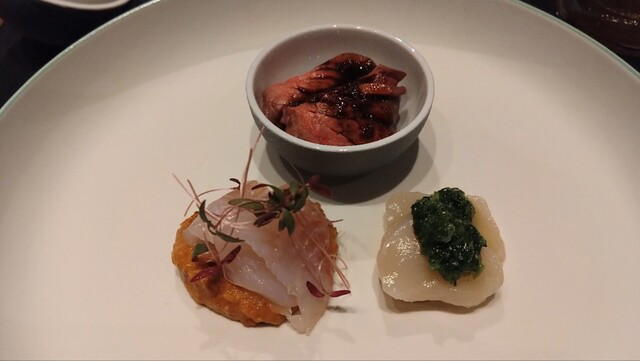
Verified menu data is not available, so naming a specific dish would be speculation. The more useful framing is structural: any Obihiro kitchen operating within reach of Tokachi's dairy, potato, beet, and legume supply has access to ingredients that most of Japan's restaurants source from further away and at greater cost. That proximity tends to shape what a kitchen reaches for first, which in Tokachi usually means dairy-forward preparations and seasonal root vegetables.
In Context: Similar Options
Comparable venues nearby, for context on price, style, and recognition.
| Venue | Cuisine | Price | Awards | Notes |
|---|---|---|---|---|
| マリヨンヌThis venue (the venue you are viewing) | French with Tokachi ingredients | Not listed | Tabelog 100 #41 | Not listed |
| æ¥æ¬æç å «å¯¸ | Japanese Robatayaki | Not listed | Not listed | Obihiro |
| Shunka Rou Hirokoji ten | Chinese | $50–100 | Tabelog 100 #72 | Not listed |
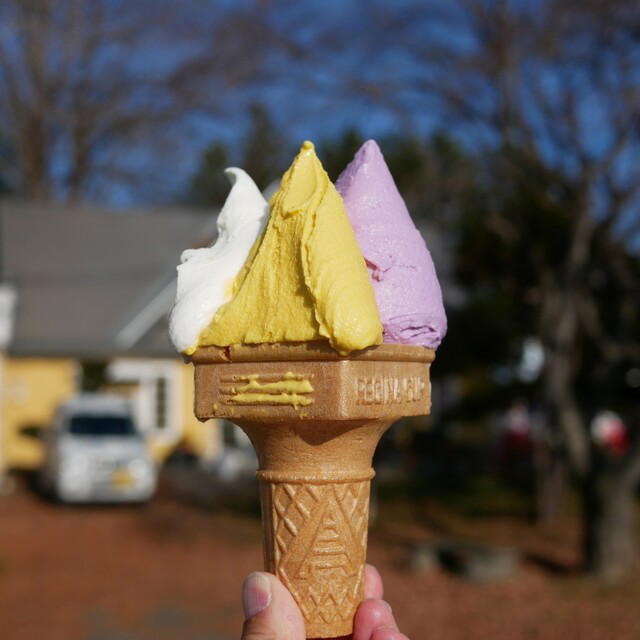
| Uemons Heart | Farm gelato & ice cream café | $1–10 | Tabelog 100 #29 | Nishi 23-jo Minami |
| レストラン エプイ EPUY | Local French Fine Dining | Not listed | Not listed | Onuma Park |
| à nu Shohei Shimano | French Fine Dining | Not listed | Not listed | Hiroo |
Recognition history
Dated appearances from independent guides and award organizations, with the underlying list record or original source where available.
Tabelog 100 #41 · No. 41
Tabelog · Tabelog 100 - French - EAST - 2025
Continue exploring
More in Obihiro
Details
- Elegant
- Sophisticated
- Intimate
- Date Night
- Special Occasion
- Open Kitchen
- Sake Program
- Local Sourcing
- A La Carte
Current opening hours
- Monday
- 6 PM–12 AM
- Tuesday
- Closed
- Wednesday
- 6 PM–12 AM
- Thursday
- 6 PM–12 AM
- Friday
- 6 PM–12 AM
- Saturday
- 6 PM–12 AM
- Sunday
- 6 PM–12 AM
Hours can change for holidays and private events. Hours as of .
Refined and elegant atmosphere highlighting local seasonal ingredients in French style.