Our verdict
In Obihiro, Hokkaido's agricultural heartland, 日本料理 八寸 sits within a dining scene defined by proximity to some of Japan's most productive farmland and dairy country. The restaurant's name, 'hassun,' the second course in kaiseki tradition, signals a commitment to seasonal Japanese form. For visitors tracing serious Japanese cooking beyond the major cities, Obihiro offers a perspective that metropolitan counters rarely provide.

Pearl is the En Primeur Club membership app, where members save venues, book tables and use the concierge.
Hokkaido's Agricultural Context and What It Means for a Plate
Obihiro occupies the Tokachi plain in central Hokkaido, a region that supplies a disproportionate share of Japan's domestic agricultural output: wheat, beets, potatoes, dairy, and some of the country's most closely watched beef. The culinary logic of cooking here differs from that of Tokyo or Kyoto not in ambition but in proximity. Ingredients that arrive at a metropolitan restaurant after refrigerated transit are, in this part of Japan, a short drive from the kitchen. That structural advantage shapes what serious Japanese cooking in Obihiro can do, and it provides the backdrop against which 日本料理 八寸 should be understood.
The restaurant's name references hassun, the second course in traditional kaiseki sequencing, which sets the seasonal tone for everything that follows. Naming a restaurant after a course rather than a chef or a place is itself a declaration: the emphasis is on format and season, not personality. That choice positions 日本料理 八寸 within a strand of Japanese fine dining that places sourcing logic and culinary calendar above the individual cook's biography, a philosophy that coheres well with Tokachi's ingredient culture.
Where Obihiro Sits in Japan's Fine Dining Geography
Japan's most discussed fine dining destinations cluster around Tokyo, Kyoto, and Osaka, where venues like Harutaka in Tokyo, Gion Sasaki in Kyoto, and HAJIME in Osaka operate within dense, internationally visible competitive sets. The equivalents in regional Japan, whether Goh in Fukuoka, akordu in Nara, or affetto akita in Akita, operate with less international visibility but often with a more direct relationship to local ingredients and communities. Obihiro belongs firmly to that regional tier, and 日本料理 八寸 is part of a small cluster of restaurants in the city that takes Japanese cuisine at a serious level of craft.
Hokkaido as a broader culinary region has received growing attention from Japanese dining media over the past decade, with Sapporo, about two and a half hours west of Obihiro by limited express train, acting as the island's dining hub. Venues like aki nagao in Sapporo and Ajidocoro in Yubari District show how Hokkaido's produce has attracted credible cooking across the island, not only in its capital. Obihiro, as the agricultural centre of Hokkaido, has a claim on ingredient sourcing that Sapporo itself cannot fully match.
The Hassun Tradition and Seasonal Sourcing
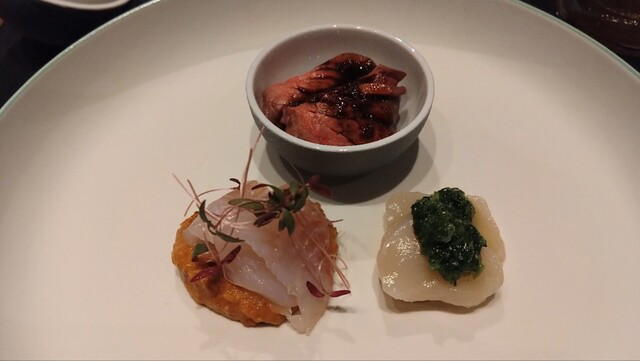
In kaiseki, the hassun course is where the chef establishes the season most explicitly. It typically presents one item from the sea and one from the mountains, read as a distillation of where and when you are eating. Anchoring a restaurant's identity to that course invites a reading of everything on the menu through a seasonal and geographic lens. The Tokachi plain, with its dramatic four-season climate, gives a kitchen here genuine material to work with across the year: asparagus in late spring, dairy and beet-based preparations in summer, root vegetables and game through autumn, and the stark economy of Hokkaido winter.
This sourcing logic connects 日本料理 八寸 to a broader trend across Japanese fine dining toward explicit provenance, where the farm or region of origin for an ingredient is part of how the dish is communicated. Restaurants working in this register, from Aji Arai in Oita to Amaki in Aichi, share a competitive posture around local identity that differs meaningfully from city restaurants whose sourcing is more eclectic. At 日本料理 八寸, that local identity is the Tokachi plain, which is as credible a food region as any in Japan.
The Setting and Approach
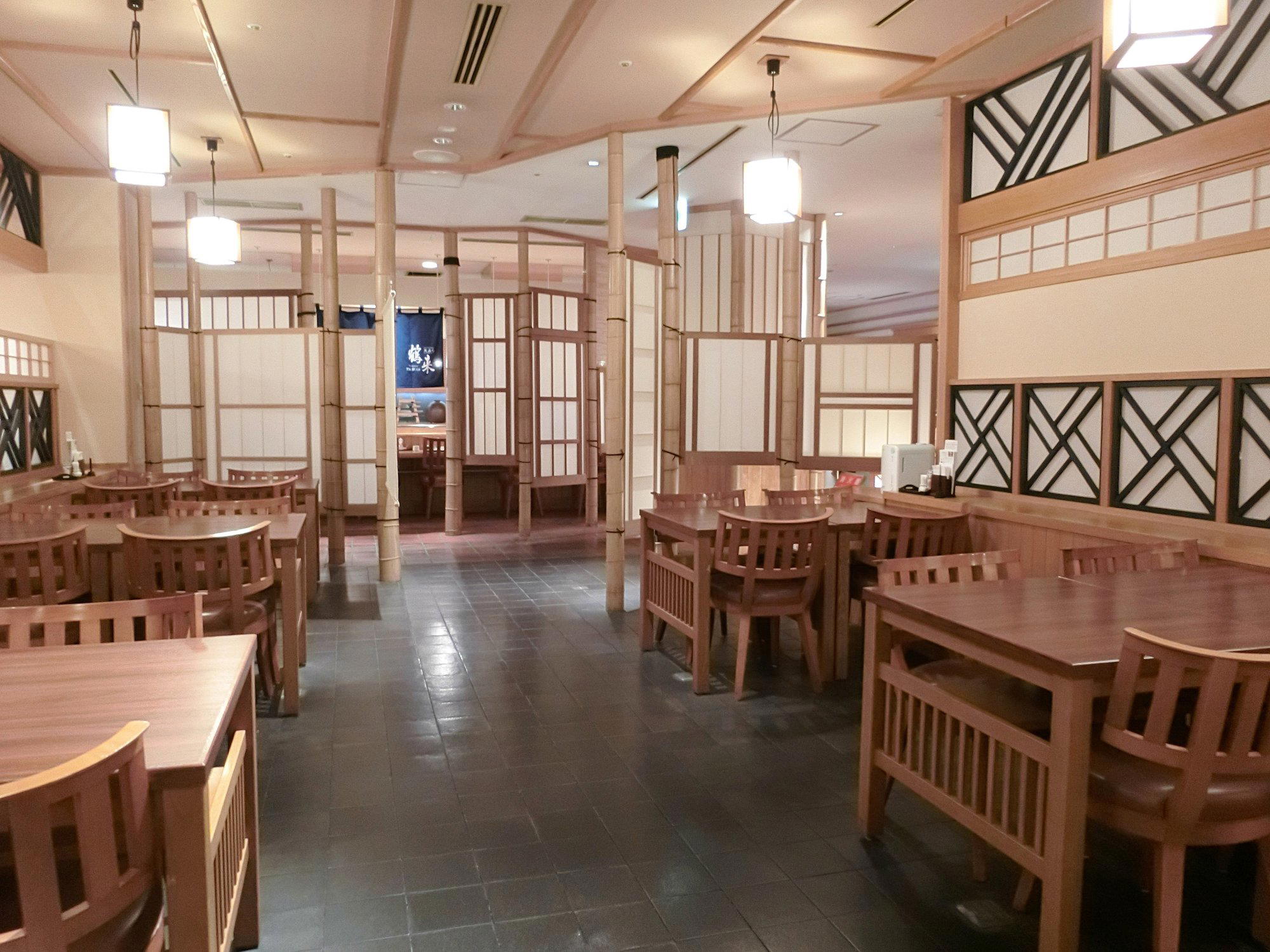
The restaurant's address places it in Higashi 2 Jominami, a residential and commercial part of Obihiro east of the city's main thoroughfare. Obihiro operates on a grid system, which gives it a navigable urban structure unusual among Japanese cities of its size. The address format, 8 Chome, suggests a street-level or low-rise setting rather than a tower-floor location, consistent with the intimacy that serious Japanese restaurants in regional cities tend to maintain.
Japanese fine dining at this level of format, kaiseki-adjacent, with a name that references a specific course, is almost invariably counter-based or involves a small number of tables with a fixed menu. The booking pattern at restaurants of this type in regional Hokkaido typically requires advance reservation, sometimes through the restaurant directly by phone or, increasingly, through Japanese reservation platforms. For visitors travelling from outside Japan, coordinating reservations in advance through a hotel concierge in Sapporo or a specialist reservation service is the more reliable approach.
For broader context on eating well in the city, our full Obihiro restaurants guide covers the range of dining options across price points, including マリヨンヌ, another address in the city worth considering alongside 日本料理 八寸.
Regional Peers and the Broader Argument for Cooking Outside the Cities
Serious Japanese cooking in regional settings has developed its own critical language over the past fifteen years. The argument is not that these restaurants rival the three-Michelin-star counters of Tokyo or Kyoto, but that they do something those counters cannot: connect a cuisine to its actual ingredient source at close range. Restaurants like Abon in Ashiya, Akakichi in Imabari, and Amegen in Saga make versions of this argument in their respective regions. In Obihiro, the argument is particularly strong because the Tokachi plain's agricultural output is nationally recognised.
Internationally, the model of producer-proximate fine dining has been validated at venues far beyond Japan. Lazy Bear in San Francisco and Le Bernardin in New York City represent different expressions of how sourcing specificity becomes an editorial position for a restaurant. In Japan, the kaiseki format has long provided the structure for that argument; 日本料理 八寸's name insists on that structure from the first word.
The case for travelling to Obihiro specifically to eat is still a specialist one. The city is not on the standard tourist circuit, and reaching it requires either a flight to Tokachi-Obihiro Airport or a train journey from Sapporo. That friction keeps the dining scene here small and local-facing, which is precisely what gives a restaurant like 日本料理 八寸 its coherence. For visitors who read anchoa in Kanagawa or aki nagao in Sapporo as starting points for regional Japanese dining exploration, Obihiro represents the logical next step outward.
Planning Your Visit
Obihiro is accessible by direct flight from Tokyo's Haneda Airport, with journey times under two hours, or by the Tokachi-Obihiro rail connection from Sapporo's Sapporo Station via limited express, roughly two and a half hours. The city's grid layout makes movement between hotel, restaurant, and the adjacent Obihiro Racecourse, a destination in its own right for banei horse-racing, direct. For 日本料理 八寸, reservations at restaurants of this format and positioning in regional Japan require advance planning; last-minute availability is rare during peak agricultural seasons in summer and early autumn, when Tokachi produce is at its most varied.
Frequently asked questions
Is 日本料理 八寸 child-friendly?
Kaiseki restaurants in Japan generally follow a quiet, unhurried format oriented around multi-course progression, which tends to suit adults rather than young children. 八寸 is located in the Higashi 2 Jominami district of Obihiro, a setting consistent with that kind of composed dining environment. If you are travelling with children, it is worth contacting the restaurant directly to confirm their policy before booking.
What's the vibe at 日本料理 八寸?
The address in Higashi 2 Jominami places the restaurant in a quieter residential and commercial part of Obihiro, away from the city's main commercial strip, the physical context tends to signal an inward-facing, concentrated dining experience rather than a scene-driven one. Kaiseki in regional Hokkaido settings typically runs at a slower pace than its Tokyo counterparts, with the room reflecting the season rather than the street outside. Expect deliberate, unhurried service over an extended sitting.
What should I order at 日本料理 八寸?
The restaurant's name references the hassun, the course in kaiseki that defines the season most explicitly, one ingredient from the sea, one from the mountains, which signals where the kitchen places its emphasis. In Tokachi, that seasonal framing draws on one of Japan's most productive agricultural regions, covering wheat, beet, potato, and dairy alongside Hokkaido's well-documented seafood supply. A kaiseki format typically means the full course is the order, not individual dishes.
Why is 日本料理 八寸 named after the hassun course, and what does that tell you about the cooking?
八寸 (hassun) is the course in kaiseki that carries the clearest seasonal declaration, presenting produce from both sea and mountain to establish the time of year on the plate. Naming the restaurant after it is a statement of culinary intent: the kitchen is framing everything around seasonal sourcing from the Tokachi plain, Hokkaido's agricultural core. That choice puts 八寸 in a small peer group of regional Japanese restaurants where the local provenance argument is the primary one, rather than chef celebrity or urban proximity.
| Venue | Cuisine | Price | Awards | Notes |
|---|---|---|---|---|
| æ¥æ¬æç å «å¯¸This venue (the venue you are viewing) | Japanese Robatayaki | Not listed | Not listed | Not listed |
| HAJIME | Avant-Garde Japanese Fine Dining | $300–500 | 3 Michelin Stars · World's 50 Best #83 | French, Innovative |
| Harutaka | Edo-Style Omakase Sushi | $200–300 | 3 Michelin Stars · World's 50 Best #76 | Sushi |
| L'Effervescence | Modern French with Japanese Influences | $200–300 | 3 Michelin Stars · World's 50 Best #69 | French |
| RyuGin | Modern Kaiseki | $500+ | 3 Michelin Stars · World's 50 Best #41 | Kaiseki, Japanese |
| Crony | Modern French with Japanese Influences | $150–200 | 2 Michelin Stars · World's 50 Best #34 | Innovative, French |
Continue exploring
More in Obihiro
Details
- Date Night
- Special Occasion
- Open Kitchen
- Sake Program
- Local Sourcing
- A La Carte
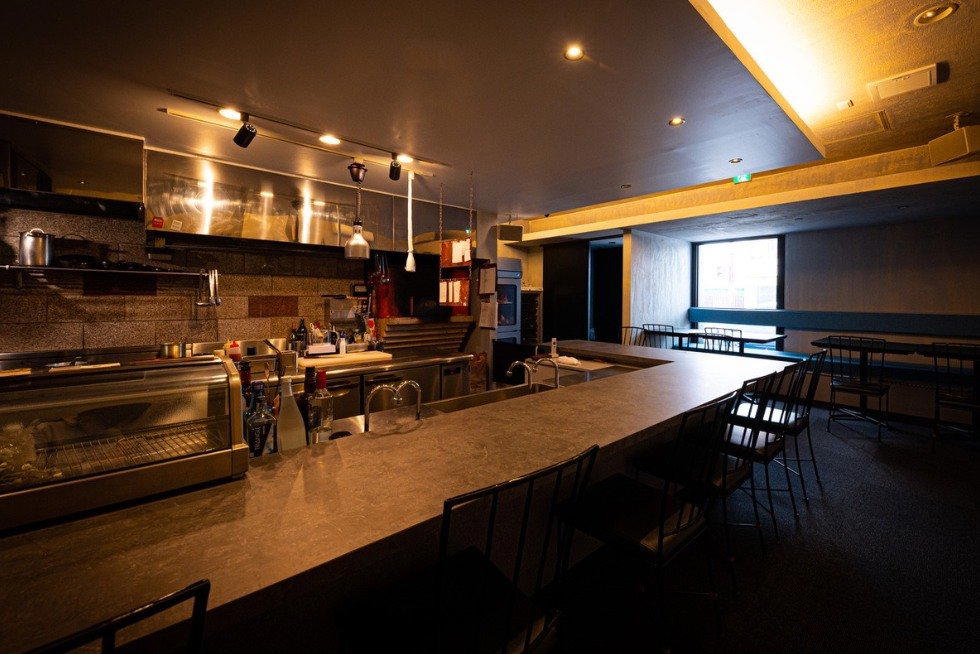
Cozy grill atmosphere with open fire cooking