
Winter travel in Hokkaido tends to push diners toward ramen, seafood, and hotpot, which makes Minami Indian DAL a sharper counterpoint: a small Obihiro house restaurant built around South Indian and Indian curry cooking. Its Tabelog 100 Asian cuisine / Ethnic cuisine EAST 2024 selection, 14-seat scale, and Tokachi-ingredient focus place it in a more specialist lane than the usual cold-weather comfort circuit.
Pearl is the En Primeur Club membership app — saves, bookings, and concierge access live there. Same editors, same standards.
- Address
- 35 Chome-1-2 Nishi 15 Jominami, Obihiro, Hokkaido 080-0025, Japan
- Phone
- +81 155-47-5678
- Website
- dal-curry.com
 Saves & bookings on Pearl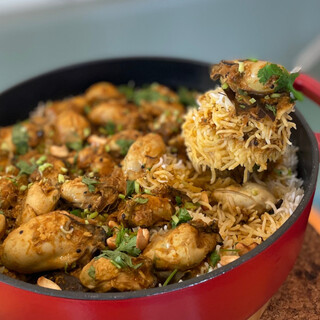
Minami Indian DAL is not the Sapporo fantasy of neon, station arcades, and late-night ramen steam. It belongs to a quieter Hokkaido register: a house restaurant in Obihiro, small in scale, south Indian in menu language, and framed by Tokachi rather than Susukino. That matters. In Hokkaido, where spice cooking often sits beside heavier regional comforts, a focused Indian curry restaurant reads less as novelty than as another way to use the island’s produce.
Its inclusion in Tabelog 100 Asian cuisine / Ethnic cuisine EAST 2024 gives a clearer signal than casual popularity alone. This is not a Michelin-style luxury marker and should not be read as one. It places the restaurant inside a regional Japanese conversation about Asian and ethnic cooking, where consistency, category identity, and diner support matter. For travelers using Our full Sapporo restaurants guide as a base, Minami Indian DAL is a purposeful Hokkaido detour rather than a conventional city-center meal.
South Indian structure, Tokachi ingredients, and a curry menu with discipline
Indian food in Japan often splits into two habits: North Indian restaurant templates with naan sets, and Japanese curry shops shaped by domestic comfort-food expectations. South Indian cooking sits apart, especially when organized around rice, spice structure, and lighter, sharper curry logic rather than butter-heavy gravies. Minami Indian DAL is listed as Indian and Indian curry, but its South Indian positioning gives the menu its editorial interest.
The strongest clue is not a named dish, because no signature item is publicly listed here. The clearer point is menu architecture. A restaurant framing itself through South Indian cuisine and Tokachi ingredients makes a specific claim about balance: local agricultural identity on one side, spice-led cooking on the other. In Hokkaido, where dairy, wheat, potatoes, beans, and broad-acre farming shape much of the table, that means more than a generic curry label.
The format also resists the excess that can weaken curry menus. A compact room and focused cuisine category usually reward narrow ordering rather than scattershot sampling. Pay attention to how rice, curry, vegetable elements, and condiments are arranged, because South Indian meals often depend on sequence and contrast rather than one centerpiece. That is a different pleasure from Sapporo’s richer soup-curry tradition or the chili-sesame pull of 175°DENO Tantanmen Sapporo kitaguchi ten.
Within Hokkaido’s curry conversation, it sits away from the city’s more familiar specialist lane. [Curry Senmon Ten] Maruyama Kyoju., Ajanta Indo Curry Ten, and Ajanta Sohonke map Sapporo’s broader curry appetite, but the restaurant’s South Indian emphasis and Tokachi setting pull the meal into a more regional, ingredient-conscious register. The comparison matters because the restaurants are not interchangeable.
A small-room Hokkaido meal rather than a big-city spectacle
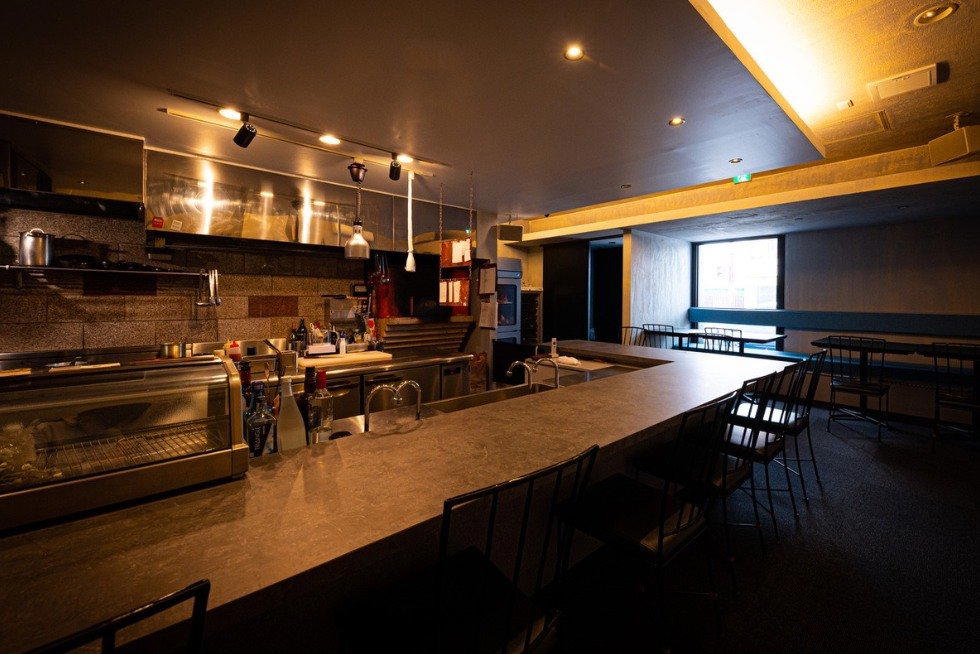
The room’s scale is part of the argument. Fourteen seats put the restaurant in a category where pacing, turnover, and group size shape the experience as much as the cooking. A meal here is not built for a large table grazing across a long menu. It suits a deliberate lunch or dinner where the curry format carries the weight and the room stays close to the kitchen’s rhythm.
That size also explains why the restaurant feels more aligned with specialist regional dining than destination-restaurant theater. Hokkaido has plenty of dramatic food experiences, from coastal seafood routes to bakery pilgrimages such as Aigues Vives. This is quieter: a curry restaurant using a modest format to make a precise point about South Indian food in Tokachi. The Tabelog score of 3.57 reinforces traction with Japanese diners, while the Tabelog 100 selection gives the recognition a category-specific frame.
For travelers planning from Sapporo, this is not an add-on between central hotel check-in and a bar crawl. It belongs to a wider Hokkaido itinerary, especially for those already moving through eastern Hokkaido or using Obihiro as a food stop. Readers building a city-only trip may be better served by comparing nearby options through Our full Sapporo hotels guide, Our full Sapporo bars guide, Our full Sapporo wineries guide, and Our full Sapporo experiences guide before deciding how far to range for dinner.
The editorial stance is simple: come for category clarity, not luxury signals. The value lies in how the restaurant places South Indian curry inside Hokkaido’s produce culture and small-room dining habits. If the trip is built around regional food rather than convenience alone, that is reason to make space for it.
How to place it within a wider Japan dining itinerary
Japan’s regional dining map rewards specificity. A traveler who only chases famous urban counters misses quieter categories where local adaptation happens: Vietnamese cooking in Kawasaki at (Shoku) Vietnam in Kawasaki, sake-bar formats such as Jōdo Saké Bar in Los Angeles for a transpacific comparison, or compact casual specialists like Onigiri Time in Pasadena. The restaurant fits that editorial pattern, not because it resembles them, but because it asks the diner to take a narrow format seriously.
For contrast across Japan, the spectrum runs from beef-led dining at -Grilled beef Sukiyaki- KAMAKURA TANUKIAN 鎌倉 たぬき庵 in Kamakura to charcoal and tuna formats at. 鮪と炭火焼き うお炭 秋葉原店 in Tokyo, café culture at.cafe in Osaka, contemporary regional dining at.know in Kumamoto, and Kyoto’s small-format cooking at [ki:] in Kyoto. Those links are not peers in cuisine or setting; they show the larger EP Club logic of reading restaurants through format, place, and decision value.
The restaurant earns attention because the menu idea is legible. South Indian cooking, Indian curry, Tokachi ingredients, a small room, and category recognition form a coherent case. For a Hokkaido itinerary in 2026, especially outside the usual Sapporo loop, that is more useful than another generic recommendation.
Nearby-ish Comparables
Side-by-side context: comparable cuisine and price.
| Venue | Cuisine | Price | Notes |
|---|---|---|---|
| Minami Indian DALThis venue — the venue you are viewing | South Indian (Meals-focused) restaurant | $$ | Not listed |
| Tenjiku Sapporo kiyota honten | South Indian Soup Curry | $$ | Kiyota |
| Valore | Dining | Not listed | Sapporo |
| Keyaki (けやき) | Sapporo Miso Ramen | $$ | Susukino |
| Hana Maru | Japanese Ramen | $$ | Kiyota |
| Le Coq | Yakitori Izakaya | $$ | Chūō |
Recognition history
Dated appearances from independent guides and award organizations, with the underlying list record or original source where available.
Tabelog 100 #42 · No. 42
Tabelog · Tabelog 100 - Asian cuisine / Ethnic cuisine - EAST - 2024
Continue exploring
More in Sapporo


At a Glance
- Cozy
- Quiet
- Intimate
- Solo
- Date Night
- Special Occasion
- Casual Hangout
- Standalone
- Local Sourcing
Current opening hours
- Monday
- Closed
- Tuesday
- 12–2 PM, 5:30–8 PM
- Wednesday
- 12–2 PM, 5:30–8 PM
- Thursday
- 12–2 PM, 5:30–8 PM
- Friday
- 12–2 PM, 5:30–8 PM
- Saturday
- 12–2 PM, 5:30–8 PM
- Sunday
- 12–2 PM, 5:30–8 PM
Hours can change for holidays and private events. Last verified .
Small and quietly focused, with just 14 table seats and a reservation-only dinner service that emphasizes enjoying the aroma of carefully prepared South Indian curries in an intimate setting.