
A Tokachi wheat bakery-cafe with unusual scale for Japan’s bread scene, Mugi Oto pairs everyday pricing with serious recognition: Tabelog Bread EAST 100 selections in 2020 and 2022. The appeal is less about ceremony than access: local grain, cafe seating, terrace space, take-out, and a family-friendly setup that makes Hokkaido bakery culture feel practical rather than precious.
Pearl is the En Primeur Club membership app — saves, bookings, and concierge access live there. Same editors, same standards.
- Address
- Minami 8 Sen-16-43 稲田 Obihiro, Hokkaido 080-0831, Japan
- Phone
- +81 155-67-4659
- Website
- masuyapan.com
 Saves & bookings on Pearl
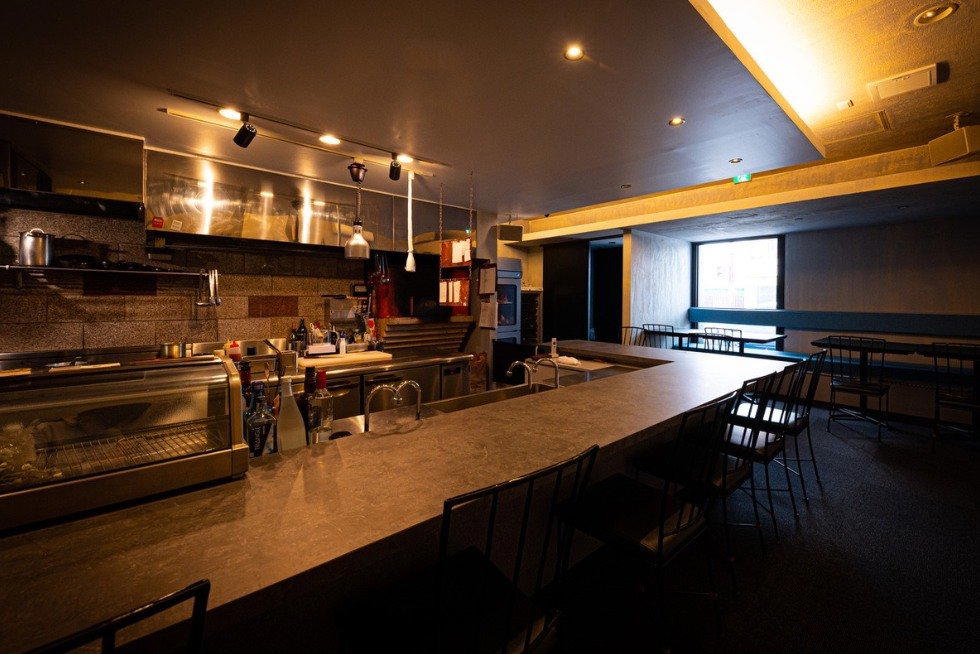
Approaching Mugi Oto, the first signal is scale. Hokkaido bakery culture often reads through the language of farms, dairy, wheat fields, and road-trip stops rather than the compact counter ritual associated with urban patisserie. Here the bakery-cafe format has room to breathe: an open kitchen, cafe seating, terrace space, and a garden-facing rhythm that puts bread into the daily life of Tokachi rather than treating it as a special-occasion purchase.
That matters because Hokkaido’s bread identity is inseparable from agriculture. Tokachi is one of Japan’s major food-producing regions, and a bakery working with 100 percent Tokachi wheat sits inside a larger regional argument: grain, dairy, eggs, and sugar are not decorative provenance notes here, they are the foundation of the local pantry. Mugi Oto’s Tabelog Bread EAST 100 selections in 2020 and 2022 give the place a credible critical marker, but the stronger point is how unusually democratic the format is. Recognition in a specialist bread list usually pushes travellers toward small, queue-driven shops. This one reads more like a high-capacity regional bakery built for everyday use.
Tokachi wheat, bakery scale, and value without ceremony
The value proposition is unusually clear for a recognised Japanese bakery: broad bread categories, cafe use, take-out, and a setting designed for families and groups rather than a tiny purchase-and-leave counter. In a region where dairy and wheat have national recognition, that combination is more persuasive than luxury signalling. The bakery is not trying to compete with formal dining; it competes with the idea that quality bread in Japan has to arrive through scarcity, small rooms, or precious service language.
The menu structure, as publicly described, spans sweet breads, hard breads, and savoury options. That range is useful for travellers because it turns the stop into breakfast, picnic supply, coffee break, or road-food planning rather than a single-purpose detour. The in-store oven range in the cafe adds another practical layer: bread can be treated as something to eat on site, not only carried away. In Hokkaido, where distances shape itineraries, this kind of bakery-cafe often has more travel utility than a tightly booked restaurant.
There is also a useful contrast with higher-spend regional dining. A comparison point such as Shunka Rou Hirokoji ten sits in a far more expensive bracket, while Uemons Heart occupies a similarly low-cost range but without the same bread-specialist recognition stated here. Minami Indian DAL, in Sapporo, operates in a curry lane with different pricing and intent. Mugi Oto belongs to another category: a recognised bread-and-cafe stop where the return is measured in ingredient provenance, seating flexibility, and breadth of choice rather than course count or chef-driven narrative.
The Hokkaido bakery stop as a travel format
Japan’s bread culture is often discussed through Tokyo queues, Kyoto bakeries, and European technique, but Hokkaido adds a different grammar. The region has the agricultural base to make wheat and dairy more than branding, and bakery-cafes can function as local food infrastructure. That is the reason this address is more interesting than a simple cafe listing. It connects the traveller to Tokachi’s productive identity without requiring a formal tasting menu or a long meal window.
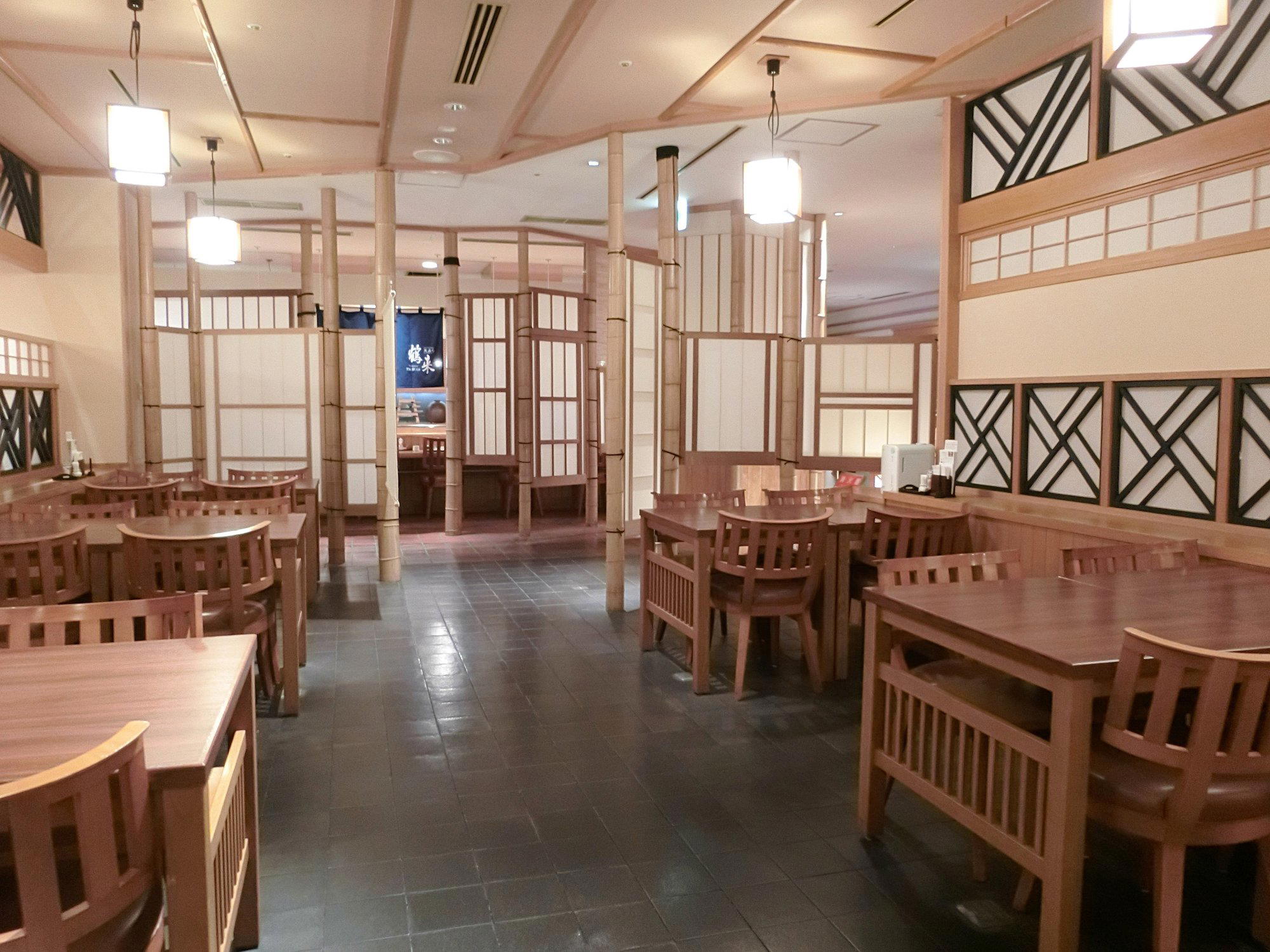
The physical setup supports that reading. The venue lists 100 seats, split between indoor cafe space and an open terrace, with child seats, stroller access, an accessible toilet, kids’ space, and picnic sheets available for garden use. Those details are not glamour markers, but they are serious hospitality signals. They tell a traveller how the place works: groups can pause, families can settle, and bread can be eaten in a setting that acknowledges Hokkaido’s outdoor orientation.
For a Sapporo-based itinerary, this is not a casual inner-city add-on; it belongs to a wider Hokkaido route. Readers building around the capital may want to pair the broader dining map with Our full Sapporo restaurants guide, where noodles, curry, seafood, and specialist counters give the city its range. Nearby editorial context includes 175°DENO Tantanmen Sapporo kitaguchi ten, [Curry Senmon Ten] Maruyama Kyoju., Ajanta Indo Curry Ten, and Ajanta Sohonke. For bread-focused Hokkaido context, Aigues Vives is the more relevant comparison than another ramen or curry room.
How to place it within a Hokkaido itinerary
The strongest use case is a daytime stop built around bread, coffee, and provisions rather than a destination dinner. The no-smoking policy extends to the garden area, and the parking capacity is unusually generous for a bakery-cafe, which reinforces its role as a regional stop for drivers. Payment flexibility is also broad for Japan, with cards, transport IC, electronic money, and QR code options listed, reducing the need to treat it as a cash-only rural bakery run.
Reservations are listed as available, though the format is not the kind of restaurant where the booking itself is the story. The smarter editorial read is to treat the restaurant as a high-functioning Hokkaido bakery with critical recognition, substantial seating, and local-wheat identity, then build the rest of the day around movement through Tokachi. For travellers staying in or passing through Sapporo, the broader planning layer sits across Our full Sapporo hotels guide, Our full Sapporo bars guide, Our full Sapporo wineries guide, and Our full Sapporo experiences guide.
Japan’s casual food map is broad enough that a bakery like this should not be judged against formal restaurants. It sits closer to the everyday-specialist category that also explains why travellers seek out focused places such as -Grilled beef Sukiyaki- KAMAKURA TANUKIAN 鎌倉 たぬき庵 in Kamakura. 鮪と炭火焼き うお炭 秋葉原店 in Tokyo.cafe in Osaka.know in Kumamoto, (Shoku) Vietnam in Kawasaki, and [ki:] in Kyoto. Outside Japan, the same editorial logic applies to tightly defined formats such as Jōdo Saké Bar in Los Angeles or Onigiri Time in Pasadena: the appeal comes from focus, price-to-pleasure clarity, and a format that solves a real dining need.
A Credentials Check
Comparable venues at the same tier.
| Venue | Cuisine | Price | Notes |
|---|---|---|---|
| Mugi OtoThis venue — the venue you are viewing | Bakery & cafe with Tokachi local wheat | $ | Not listed |
| Yamanaka Bokujou | Farm Dairy Café & Soft-Serve | $ | Akaigawa / Otaru countryside |
| Aji no Daiou Souhonten | Hokkaido curry ramen shop | $ | Not listed |
| Univers S. | Retro Showa-style Western (yoshoku) restaurant | $$ | Nishi |
| Pot-au-feu | Stew & yoshoku restaurant | $$ | Kiyota |
| THIRTY FOUR | Soup curry restaurant | $ | Toyohira |
Recognition history
Dated appearances from independent guides and award organizations, with the underlying list record or original source where available.
Tabelog 100 #35 · No. 35
Tabelog · Tabelog 100 - Bread - EAST - 2022
Continue exploring
More in Sapporo


At a Glance
- Scenic
- Cozy
- Rustic
- Classic
- Solo
- Family
- Casual Hangout
- Brunch
- Group Dining
- After Work
- Garden
- Open Kitchen
- Design Destination
- Standalone
- Farm To Table
- Local Sourcing
- Sustainable Seafood
- Garden
Current opening hours
- Monday
- 6:55 AM–6 PM
- Tuesday
- 6:55 AM–6 PM
- Wednesday
- 6:55 AM–6 PM
- Thursday
- 6:55 AM–6 PM
- Friday
- 6:55 AM–6 PM
- Saturday
- 6:55 AM–6 PM
- Sunday
- 6:55 AM–6 PM
Hours can change for holidays and private events. Last verified .
Bright, relaxed bakery-cafe atmosphere with an open kitchen, views of turning waterwheels and onsite wheat fields, and a spacious garden that gives a rustic, nature-connected feel rather than an urban cafe vibe.