Tucked into a residential lane off He Ping East Road Section 3 in Da'an, Sato Curry (佐藤咖哩) represents the quieter, neighbourhood-rooted side of Taipei's curry scene. Japanese-inflected and low-key by design, it draws a repeat local crowd that values consistency over spectacle. The address alone, a numbered alley rather than a main thoroughfare, signals what kind of place this is.
Pearl is the En Primeur Club membership app — saves, bookings, and concierge access live there. Same editors, same standards.
- Address
- 和平東路三段228巷9號, 大安區, 臺北市 10674
- Directions
- Get directions
 Saves & bookings on Pearl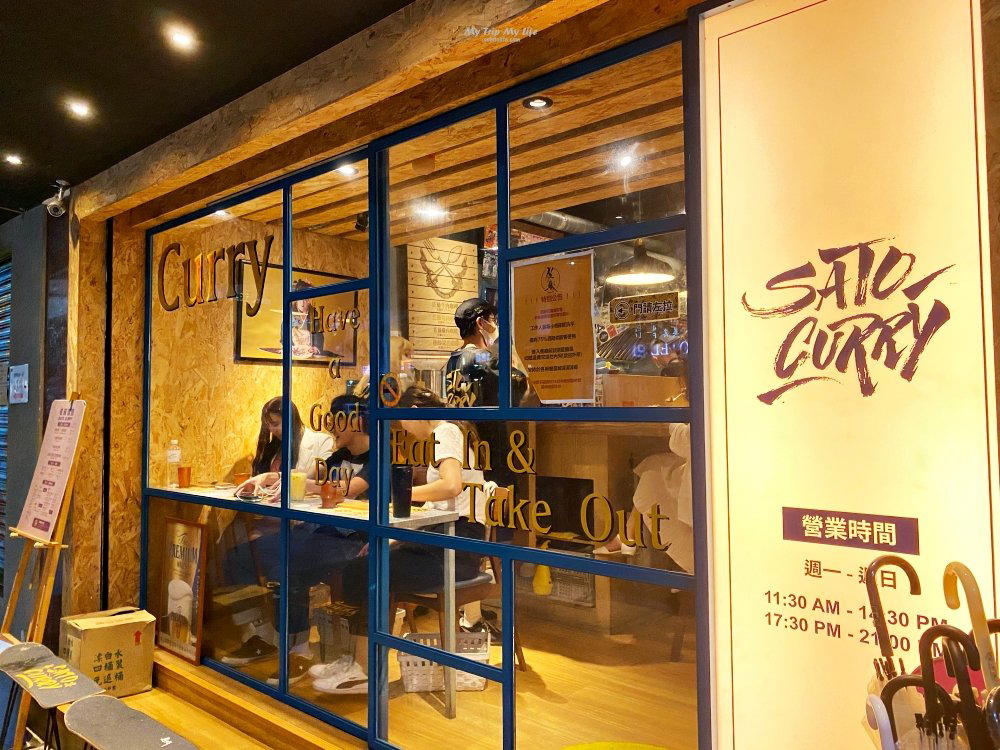
Da'an's Alley Curry and What It Says About Taipei's Neighbourhood Dining
Taipei's most talked-about restaurant addresses tend to cluster around Zhongshan, Xinyi, and the stretch of Da'an closest to Fuxing. But Da'an is a large district, and its quieter eastern reaches, the lanes branching off He Ping East Road Section 3, operate on a different register entirely. The restaurants here are feeding the same block of residents, week after week, and the ones that survive do so on consistency rather than occasion.
Sato Curry (佐藤咖哩) occupies one of these lanes: 228 Alley off He Ping East Road Section 3, in a neighbourhood where the density of universities nearby (National Taiwan Normal University is close; National Chengchi is a short ride south) shapes the pace and price expectations of the crowd. The name follows Japanese naming conventions, 佐藤 (Satō) is among the more common surnames in Japan, and the curry format itself signals Japanese-style curry rather than the Indian subcontinent or Southeast Asian traditions that appear elsewhere in the city. That distinction matters: Japanese curry in Taiwan occupies a distinct niche, one defined by thick roux-based sauces, relatively mild heat profiles, and the kind of rice-and-protein simplicity that reads as comfort food across demographic lines.
Japanese Curry in Taipei: A Style With Its Own Logic
Taiwan's relationship with Japanese food culture runs deeper than trend adoption. Decades of Japanese influence left structural marks on the island's food habits, and Japanese curry arrived early enough to feel indigenous to many Taiwanese diners. The dominant format is recognisable: a dark, slightly sweet roux served over steamed rice, paired with proteins ranging from pork katsu to chicken or beef, sometimes with an egg on leading. The heat level is typically calibrated in numbered steps, which allows a single kitchen to serve both children and adults without changing the base recipe.
What distinguishes the better neighbourhood curry houses from their chain competitors is less about the spice blend and more about the rice quality, the protein execution, and the consistency of the roux across service. Chains in this format, CoCo Ichibanya being one visible example across Taiwan, have optimised for speed and standardisation. Independent operations like Sato Curry are implicitly making a different argument: that a small kitchen with a fixed customer base can produce something more considered than a franchised assembly line. Whether that argument holds depends entirely on execution, and for a place that has established itself in a residential lane with no apparent reliance on foot traffic from tourists, the evidence is in the repeat custom.
The Neighbourhood Context: Why the Address Is the Story
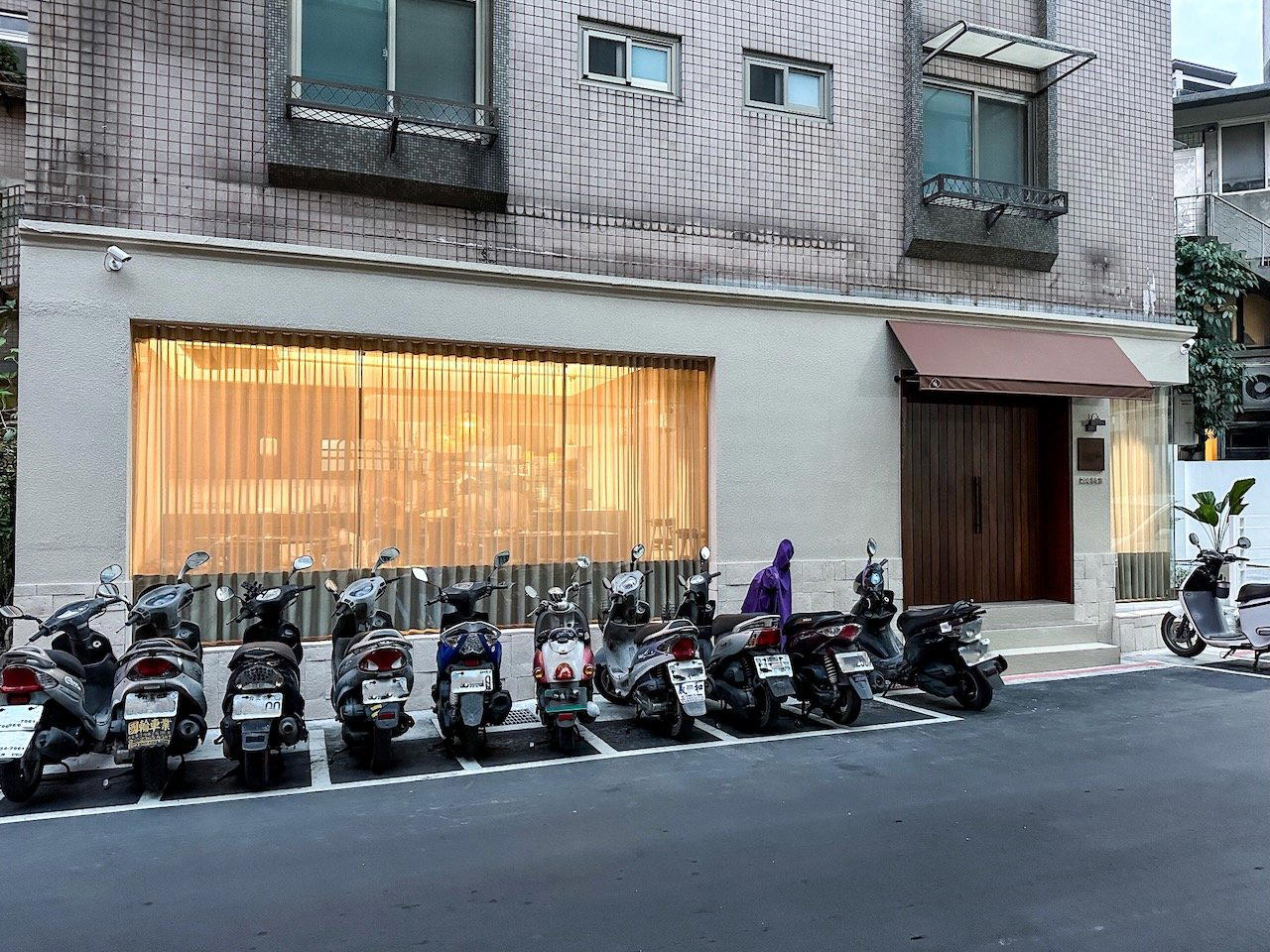
Arriving at 228 Alley by foot from He Ping East Road Section 3, the transition from main road to side street is immediate. The alley format common to Taipei's older residential districts means that signage is minimal, you are looking for a number, not a billboard. This kind of address filters the clientele effectively: walk-ins tend to be people who already know the place, and first-timers are usually there because a regular pointed them to it.
This is the structural condition for a large portion of Taipei's neighbourhood dining, and it applies well beyond curry. The same dynamic operates at higher price points across the city: logy, one of Taipei's decorated Modern European and Asian Contemporary counters, built its reputation in part through word-of-mouth density before wider recognition arrived. At the other end of the formality spectrum, the lane-address model functions as a trust signal rather than a deterrent, it implies that the kitchen does not need to catch passing strangers.
How Sato Curry Sits in Taipei's Broader Curry and Comfort-Food Tier
Taipei's restaurant spectrum runs from Michelin three-star Cantonese at Le Palais and the Taiwanese-French precision of Taïrroir down through the mid-market and into the deeply affordable neighbourhood tier. Sato Curry sits in the latter category, where price and accessibility define the comparable set more than cuisine type. In this tier, the competition includes not only other Japanese curry houses but also beef noodle shops, scallion pancake stalls, and the kind of Taiwanese set-meal restaurants that anchor every residential block.
What separates Japanese curry from those categories is the slightly higher ingredient investment required for a proper roux and quality protein, which tends to push prices a step above the cheapest options on the same street. It also skews the customer slightly older or more middle-class than the cheapest street food tier, though it remains accessible enough that students from the nearby universities form a consistent part of the lunch and dinner crowd.
For reference, the upper end of Taipei's Japanese-inflected dining includes formats with far more elaborate presentation: the tempura counter tradition has its own premium tier, and French-influenced tasting menus at venues like L'Atelier de Joël Robuchon Taipei or the Spanish contemporary approach at Molino de Urdániz occupy a completely different price and occasion tier. Sato Curry is not in dialogue with those rooms. It is solving a different problem: reliable, affordable, flavour-forward food within walking distance of home.
Planning a Visit
The address is 228 Alley, He Ping East Road Section 3, Da'an District, Taipei (和平東路三段228巷9號). Walk-in is the only method. For a venue of this type and neighbourhood position, that is standard: small curry houses in residential alleys across Taipei operate on a first-come basis, and queues, when they form, tend to move quickly given the relatively fast table turn of a rice-and-curry format. Arriving slightly before the lunch or dinner peak is the practical approach.
For visitors building a broader Taiwan itinerary, Taipei's neighbourhood dining is only one layer of the island's food picture. JL Studio in Taichung represents the Singaporean-Taiwanese fusion end of the tasting-menu spectrum, while A Xia in Tainan anchors the southern city's more traditional Taiwanese fine-dining format. GEN in Kaohsiung adds another data point on how Taiwan's second city is developing its own restaurant identity. The city's dining tiers range from formal rooms to neighbourhood staples that make up the majority of any resident's eating week.
Further afield in the broader Taiwan region, options like GARDENh in Yonghe District and Volcanic Rock in Zhubei City illustrate how the island's dining energy extends well beyond central Taipei. Even at the international comparison level, the kind of neighbourhood-rooted consistency that defines places like Sato Curry has parallels in cities like New York, where institutions such as Atomix sit at the formal end and countless neighbourhood rooms fill the middle ground that most diners actually inhabit most of the time.
Comparable Spots
Comparable venues nearby, for context on price, style, and recognition.
| Venue | Cuisine | Price | Notes |
|---|---|---|---|
| Sato Curry (佐藤咖哩)This venue — the venue you are viewing | Japanese Curry House | $$ | Not listed |
| 鮨 天本 | Japanese Cafe | Not listed | Zhengsheng |
| IRON CHEF Teppanyaki & Wine | Traditional Japanese Teppanyaki | $$ | Xikang |
| 竹村居酒屋 | Japanese Izakaya | $$ | 信義區 |
| DiVino | Authentic Italian Trattoria | $$ | Tong'an |
| 笹鮨 Sasa Sushi | Traditional Japanese Omakase | $$$$ | Zhongshan District |
Continue exploring
More in Taipei
Restaurants in Taipei
Browse all →
Bars in Taipei
Browse all →
Hotels in Taipei
Browse all →
Wineries in Taipei
Browse all →
At a Glance
- Cozy
- Trendy
- Modern
- Casual Hangout
- Family
Cozy and laid-back hip atmosphere.