

Michelin Plate · Relais Chateaux Award
Our verdict
Set within the Son Brull hotel estate outside Pollença, 365 builds its creative menus around ingredients grown on its own farm: citrus, vegetables, oils, and wine. Chef John Sinclair holds a Michelin Plate and frames Mallorcan terroir through a format that includes a dedicated vegetarian menu. For northern Mallorca, it represents the most considered farm-to-table proposition in the area.

Pearl is the En Primeur Club membership app — saves, bookings, and concierge access live there. Same editors, same standards.
- Address
- Son Brull Hotel Carretera Palma a Pollença, Km 50, Ctra. Palma -Puerto Pollença, Km. 50, 07460 Pollença, Balearic Islands, Spain
- Phone
- +34 971 53 53 53
- Hours
- Mon ClosedTue–Sat 7:30–11 PMSun Closed
- Website
- sonbrull.com
- Directions
- Get directions
- Booking
- Book on the venue's website
The menu
What to order
- Mallorcan Lamb
- Roasted Suckling Pig
- Dry Nuts Coulant
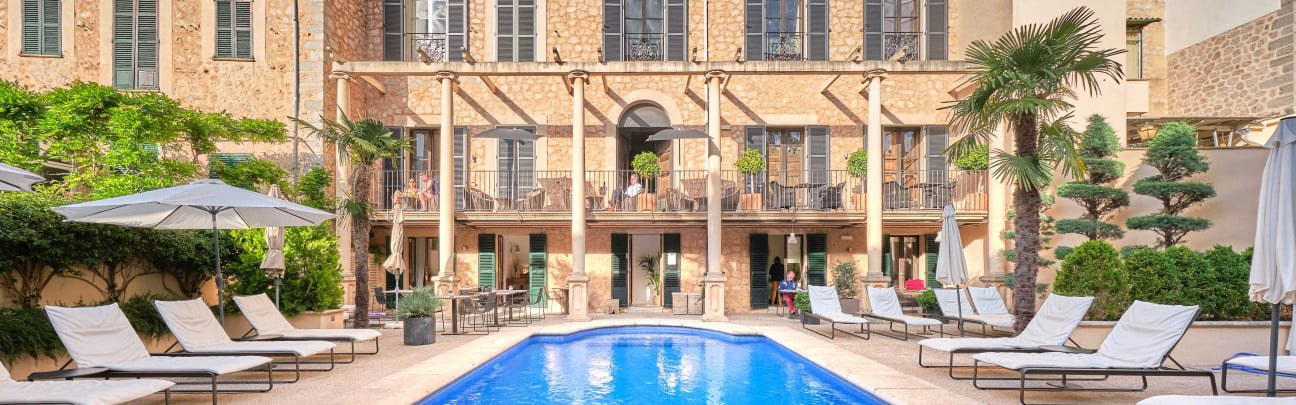
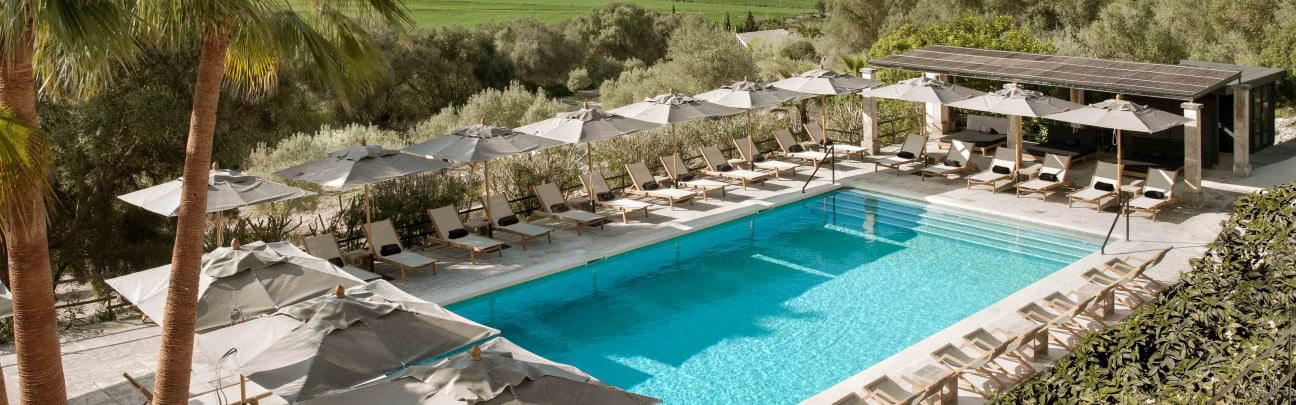
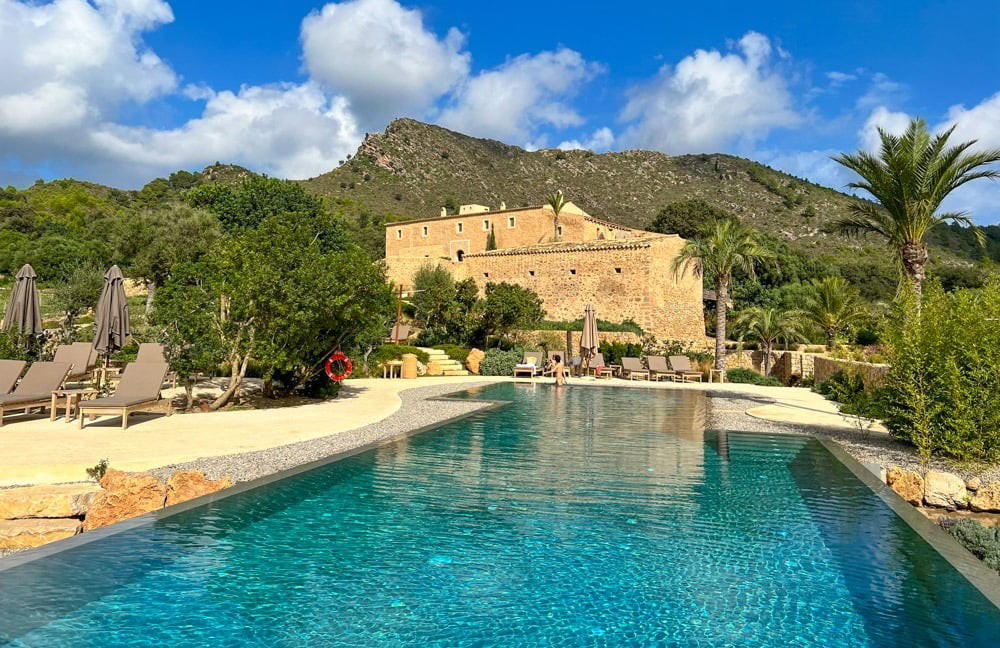
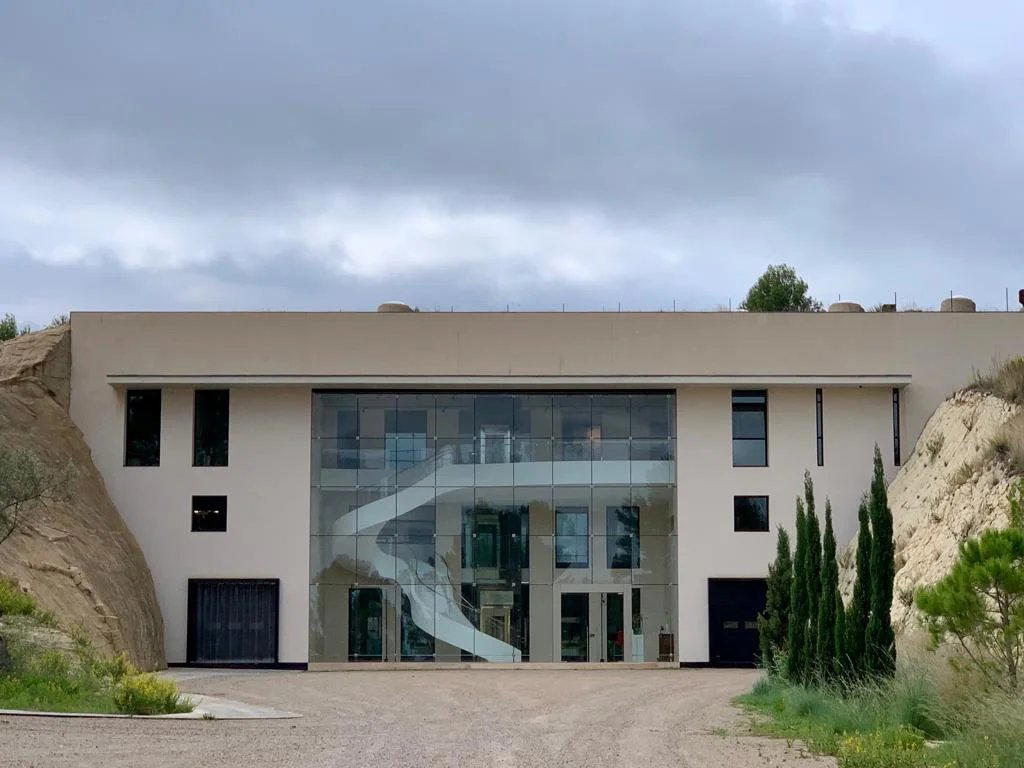
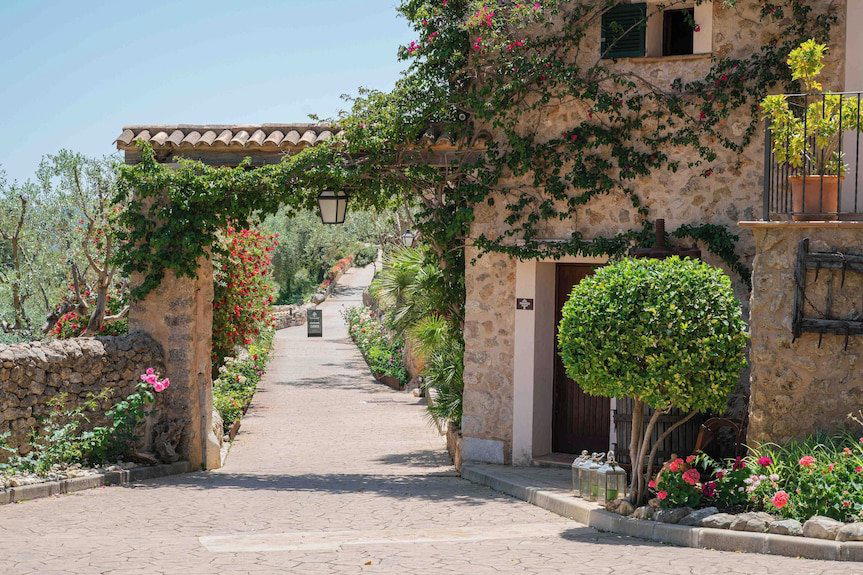
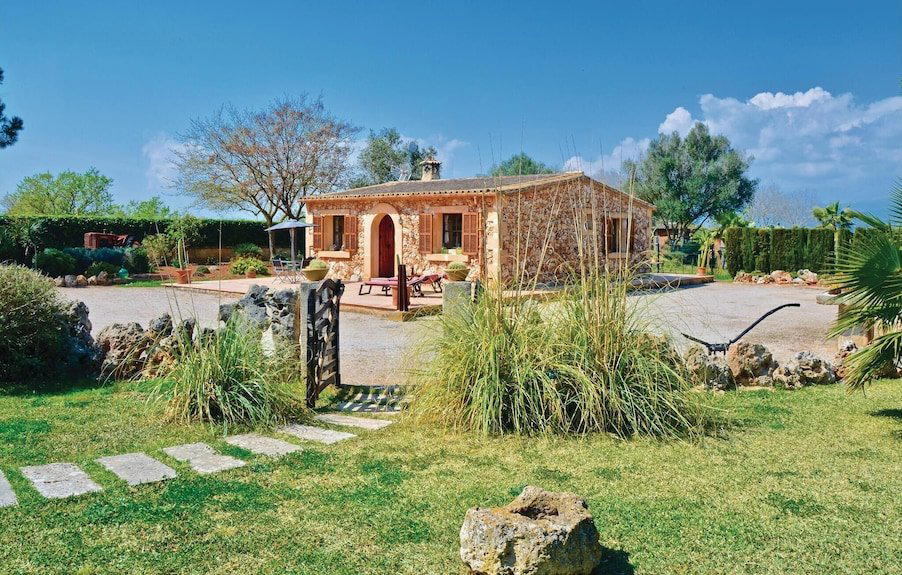
The road north from Palma toward Pollença climbs through limestone hills and almond groves before flattening out into the broad agricultural plain that surrounds the Son Brull estate. At kilometre 50 on the Palma-Puerto Pollença road, the hotel property announces itself through old stone walls and the kind of working farmland that most restaurants only claim as inspiration. At 365, that land is the actual kitchen garden, the vineyard, and the grove — and the menu is built backwards from what it produces.
Farm Logic in a Creative Kitchen
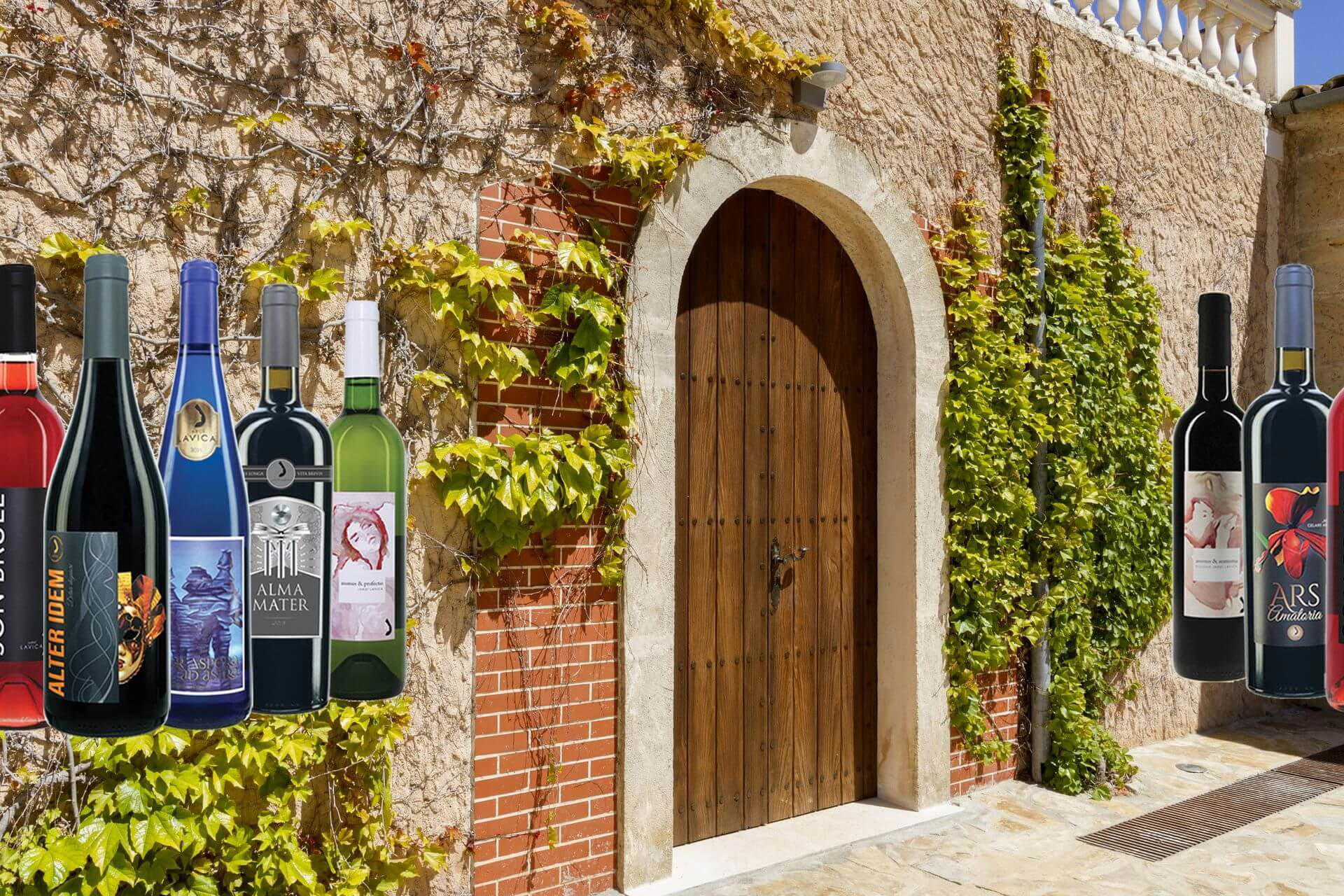
Across Spain, the farm-to-table framing has become routine enough to lose meaning. What separates credible terroir cooking from the marketing version is whether the kitchen has real skin in the game: financial exposure to the harvest, a menu that changes when the land dictates, and a chef willing to work around seasonal gaps rather than plug them with imports. The 365 model — named for a year-round relationship with its own estate, positions itself at the more committed end of that spectrum. The estate produces its own oils, citrus fruit, vegetables, and wine, all of which feed directly into the kitchen. That integration is the editorial note that Michelin recognised with a Plate designation in both 2024 and 2025, alongside the specific highlight of terroir expression.
Chef John Sinclair leads the kitchen, and his presence at a hotel restaurant of this type is worth contextualising. Hotel dining in the Balearics has historically divided between casual poolside formats and high-spec destination restaurants that treat the hotel as a delivery mechanism for a name-chef brand. 365 sits in a third category: a kitchen genuinely tied to its site, where the chef's role is to translate what the estate grows rather than to impose an external culinary identity onto it. That is a harder brief to execute, because it requires both creative range and the discipline to stay close to ingredients that are sometimes imperfect and always seasonal.
The Menu Structure
The kitchen operates across several menus, including a dedicated vegetarian option, a structural choice that reflects how seriously sustainable sourcing is taken here. In creative-format restaurants at this price tier (€€€), the vegetarian menu is often an afterthought, rebuilt from whatever the main tasting menu doesn't require. At 365, the vegetarian option is a parallel programme, built on the same estate produce with the same degree of attention. That matters to a growing cohort of diners who want creative cooking without the assumption that the headline format is the meat-based one.
The creative cuisine category places 365 within a broad church of Spanish cooking that runs from the three-Michelin-star technical intensity of DiverXO in Madrid and El Celler de Can Roca in Girona to the produce-led restraint of Ricard Camarena in València. 365 occupies the more ingredient-driven end of that spectrum, closer in spirit to the farm-sourcing philosophy visible at Azurmendi in Larrabetzu, a three-star kitchen that has built significant infrastructure around its own gardens and sustainability commitments. The comparison is not one of equivalent accolades, but of comparable values: treating the provenance of ingredients as a structural element rather than a garnish.
For readers accustomed to the terrace menus typical of Mallorca's coastal restaurants, the format here requires a different mindset. This is not a place for ordering à la carte on impulse. The menu structure rewards engagement, treating the meal as a conversation between kitchen and land, in which the seasonal produce available on the estate sets the terms.
Where It Sits in the Pollença Dining Picture
Pollença's dining scene skews toward traditional Mallorcan cooking: lamb, tumbet, pa amb oli, and locally caught fish prepared without much ceremony. The town's market square and old port area support a range of neighbourhood restaurants that serve that tradition well. 365 at Son Brull operates in a different register entirely, it is the area's reference point for creative, technically ambitious cooking, sitting at a price tier and ambition level that has no direct local competitor. That position gives it a near-monopoly on a specific type of diner: visitors staying in the north of the island who want the full Michelin-calibre experience without making the drive back to Palma.
It also suggests that the estate-integration story holds up when tested across a wide range of diners, including those who arrived without reading about the farm programme first.
For context on Spain's wider creative dining scene and the restaurants that have shaped it, the EP Club has profiles of Arzak in San Sebastián, Martin Berasategui in Lasarte-Oria, Mugaritz in Errenteria, Quique Dacosta in Dénia, Aponiente in El Puerto de Santa María, Cocina Hermanos Torres in Barcelona, and Atrio in Cáceres. For creative cooking beyond Spain, the Paris context includes Alléno Paris au Pavillon Ledoyen and Arpège, the latter a long-running reference point for vegetable-forward fine dining.
Planning Your Visit
365 is located within the Son Brull hotel at kilometre 50 on the Palma-Puerto Pollença road (Carretera Palma a Pollença, 07460 Pollença). The location makes it most naturally suited to guests staying at Son Brull itself or to visitors based in the northern part of the island, Puerto Pollença, Alcúdia, or the surrounding countryside, who are willing to treat dinner here as the centrepiece of an evening rather than one stop among several. The €€€ price tier places it above Pollença's neighbourhood restaurants but below the full tasting-menu investment of Spain's three-star circuit. Booking in advance is advisable during high season (June through September), when hotel occupancy drives consistent demand for the restaurant. For the fullest picture of what to eat, drink, see, and do in the area, see our full Pollença restaurants guide, our full Pollença hotels guide, our full Pollença bars guide, our full Pollença wineries guide, and our full Pollença experiences guide.
Frequently asked questions
What's the pricing like at 365?
Pricing at 365 is listed as €€€.
Where do I go for 365?
365 is located at Son Brull Hotel Carretera Palma a Pollença, Km 50, Ctra. Palma -Puerto Pollença, Km. 50, 07460 Pollença, Balearic Islands, Spain, Pollença.
At-a-Glance Comparison
| Venue | Cuisine | Price | Awards |
|---|---|---|---|
| 365This venue — the venue you are viewing | Modern Mallorcan | $50–100 | Michelin Plate · Relais Chateaux Award |
| Aponiente | Progressive - Seafood, Creative | Not listed | Michelin 3 Star |
| Arzak | Modern Basque, Creative | Not listed | Michelin 3 Star |
| DiverXO | Progressive - Asian, Creative | Not listed | Michelin 3 Star |
| El Celler de Can Roca | Progressive Spanish, Creative | Not listed | Michelin 3 Star |
| Quique Dacosta | Creative | Not listed | Michelin 3 Star |
Recognition history
Dated appearances from independent guides and award organizations, with the underlying list record or original source where available.
Michelin Plate
Michelin
Relais Chateaux Award
Relais Chateaux
Full recognition history (5 entries)
Michelin Plate
Michelin
Relais Chateaux Award
Relais Chateaux
Michelin Plate
Michelin
Continue exploring
More in Pollença
Restaurants in Pollença
Browse all →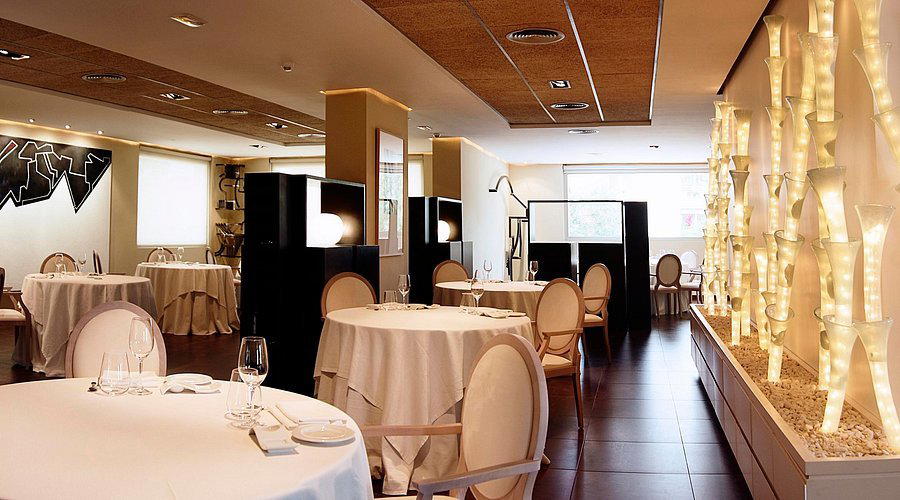
Bars in Pollença
Browse all →
Hotels in Pollença
Browse all →

Details
- Romantic
- Elegant
- Sophisticated
- Scenic
- Date Night
- Special Occasion
- Celebration
- Terrace
- Garden
- Hotel Restaurant
- Historic Building
- Panoramic View
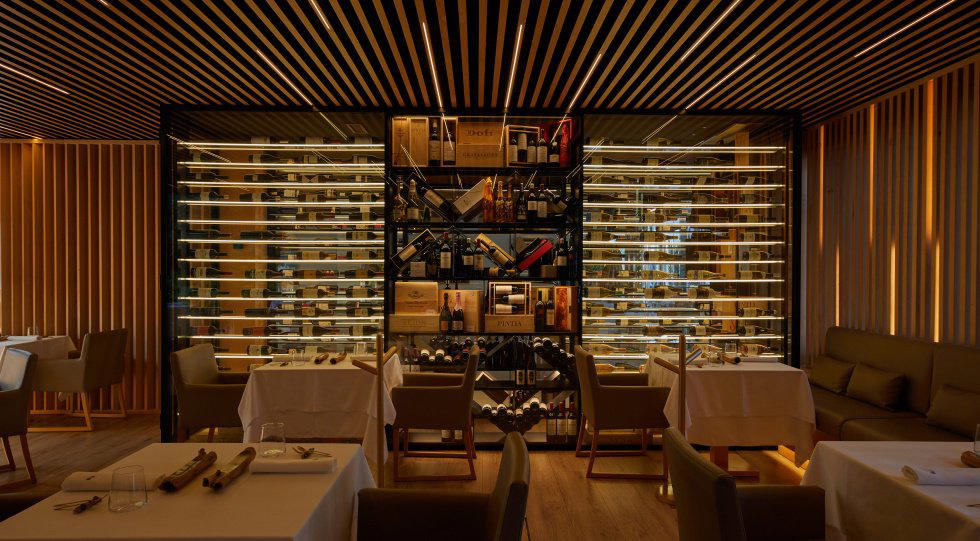
- Extensive Wine List
- Sommelier Led
- Local Sourcing
- Organic
- Garden
- Tasting Menu
- A La Carte
- Local Wines
- Mallorcan Wines
- Vegetarian Friendly
- Organic Focus
Current opening hours
- Monday
- Closed
- Tuesday
- 7:30–11 PM
- Wednesday
- 7:30–11 PM
- Thursday
- 7:30–11 PM
- Friday
- 7:30–11 PM
- Saturday
- 7:30–11 PM
- Sunday
- Closed
Hours can change for holidays and private events. Last verified .
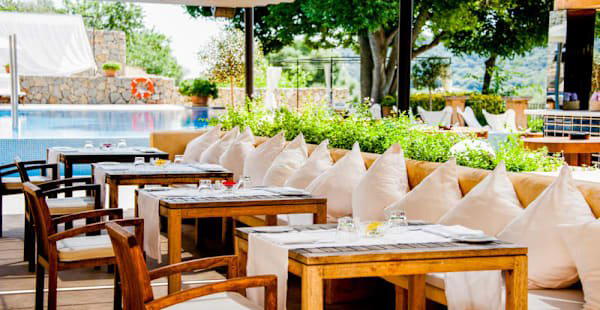
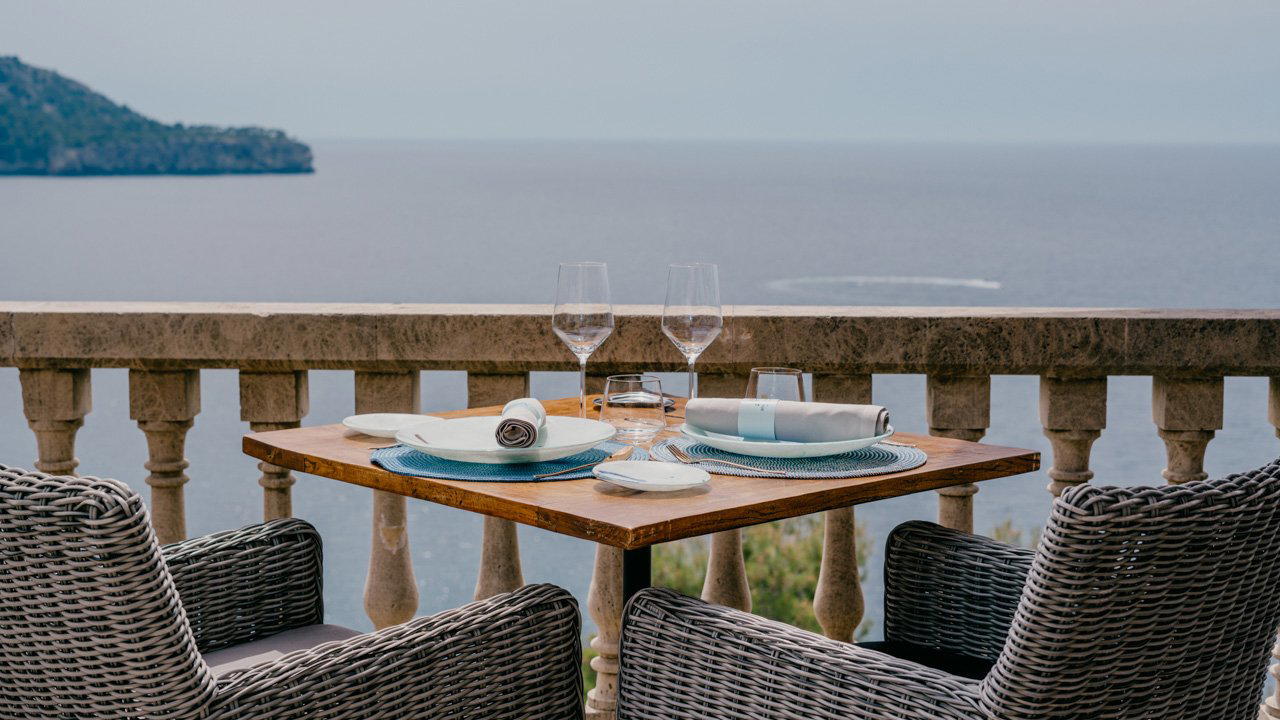
Sleek and dark intimate dining room with romantic terrace setting; large white glowing orbs illuminate flowerbeds as light fades; theatrical atmospheric lighting creates an enchanting garden atmosphere.