




Ca Na Toneta sits in the mountain village of Caimari, mid-island Mallorca, where two sisters have run a single seasonal tasting menu for over 25 years. The kitchen draws from the island's agricultural interior rather than its coastline, with vegetables given structural weight on every plate. A Michelin Plate and consistent Opinionated About Dining recognition confirm its standing in the regional restaurant conversation.
Pearl is the En Primeur Club membership app — saves, bookings, and concierge access live there. Same editors, same standards.
- Address
- Horitzó, 21, Caimari, Ballearic & Canary Islands, Spain
- Phone
- +34 971 51 52 26
- Website
- canatoneta.com
- Directions
- Get directions
 Saves & bookings on Pearl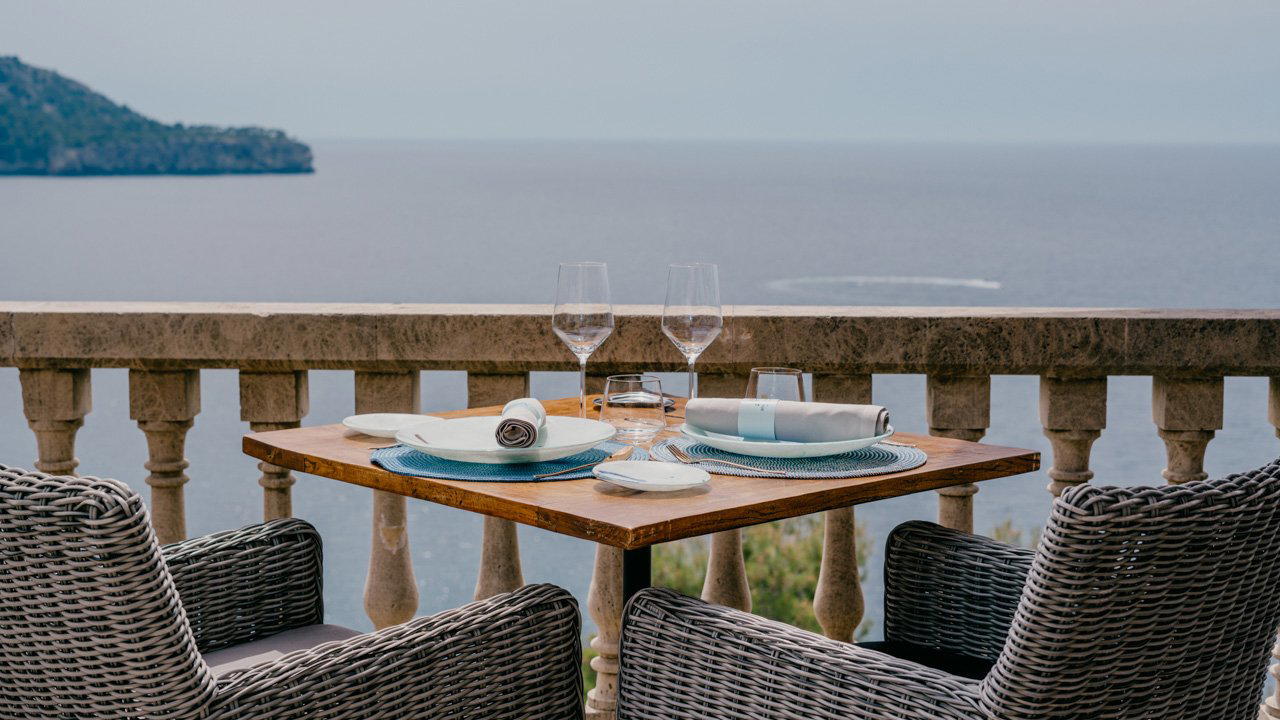
A Village Table in the Mallorcan Interior
Caimari sits in the Tramuntana foothills, far enough from the resort belt that arriving here feels deliberate. The village is small, the road in is narrow, and the restaurant occupies not one building but two adjoining houses on Carrer Horitzó. Before you reach the dining room, you pass a small shop selling local products, olive oils, preserves, dried goods, that acts as a kind of editorial statement about what the kitchen considers worth cooking with. The partially covered terrace, wound with vines and decorated with handmade murals illustrating the island's agricultural traditions, sets the tone before a single dish arrives.
This is not coastal Mallorca. The dominant flavour references here are the island's interior: carob, almonds, wild herbs, and above all, olive oil pressed from groves that have supplied the Tramuntana for centuries. Understanding that distinction matters when placing Ca Na Toneta within Spain's wider restaurant conversation.
The Olive Oil Foundation: What the Island's Interior Actually Tastes Like
Mallorcan olive oil occupies a specific position in the Balearic agricultural identity. The island's Denominació d'Origen Oli de Mallorca covers several indigenous varieties, including Arbequina and the local Mallorquina, pressed from groves that climb the terraced hillsides of the Serra de Tramuntana. These oils tend toward a more delicate, grassy profile compared to the peppery intensity of mainland Andalusian oils, and the leading examples carry an aromatic softness that reflects the limestone terroir and sea-moderated climate.
At Ca Na Toneta, that oil is not a condiment but a foundation. The kitchen's commitment to hyperlocal sourcing means the olive oil, vegetables, and aromatics that appear on the seasonal tasting menu are drawn from the same agricultural network that the small shop at the entrance represents. For more than 25 years, vegetables have been given structural weight rather than supporting-cast status, a deliberate editorial position that connects the cooking directly to the olive-growing, almond-harvesting, and smallholding culture of the Mallorcan interior.
This approach places the restaurant in a distinct niche within Spanish fine dining. Spain's headline restaurants, Arzak in San Sebastián, El Celler de Can Roca in Girona, Disfrutar in Barcelona, DiverXO in Madrid, and Aponiente in El Puerto de Santa María, operate in the creative-progressive tier at €€€€, where technique and concept dominate the conversation. Ca Na Toneta operates at €€€ and from a different premise entirely: that one compelling argument for a place involves saying something true about its soil, its seasons, and its people, rather than something technically spectacular about transformation. The comparison is instructive rather than hierarchical. Quique Dacosta in Dénia and Mugaritz in Errenteria pursue abstraction; the restaurant pursues clarity.
A Single Menu, Seasonally Revised
The format is a single tasting menu that changes with the season. There is no à la carte option, which means visiting in spring, summer, and autumn will produce three meaningfully different experiences shaped by what the island is growing at that moment. This structure is consistent with the broader movement among ingredient-led European restaurants to refuse the false permanence of a fixed menu, a format that inherently disconnects the kitchen from the agricultural calendar it claims to represent.
Reviewers from Opinionated About Dining, which ranked the restaurant #559 in its Casual Europe list for 2025 (up from #627 in 2024 and a general recommendation in 2023), have noted dishes such as pumpkin flower with tender leaves, cherries, and almonds as representative of the kitchen's handling of seasonal produce. That upward OAD trajectory over three consecutive years suggests a kitchen gaining confidence rather than maintaining a stable line.
The Michelin Plate, awarded in both 2024 and 2025, confirms a baseline of technical reliability. For a restaurant whose stated values involve seasonal honesty and community rootedness, that positioning is more coherent than a star would be.
The Physical Experience: Two Houses, One Terrace
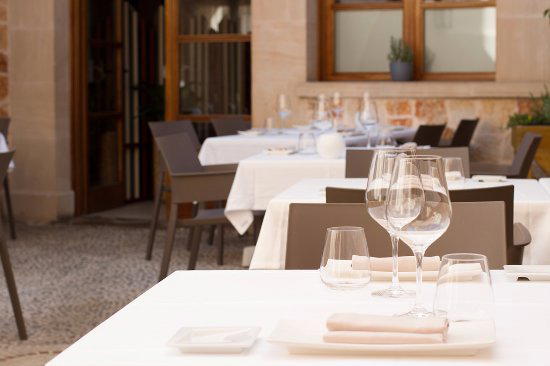
The split-building format is worth addressing practically. The experience is divided between two houses, which creates a spatial rhythm uncommon in conventional restaurant design. The shop in the first house gives the visit a pre-dinner register that reinforces the sourcing philosophy without narrating it explicitly. The murals on the main terrace, handmade, illustrating stories of conscious island gastronomy, function as a kind of visual manifesto. The vine-covered terrace, partially sheltered, is the preferred setting when weather allows.
For diners used to the high-polish interior of Spain's urban fine-dining rooms, Ricard Camarena in València, Azurmendi in Larrabetzu, Martin Berasategui in Lasarte - Oria, or Atrio in Cáceres, the informality here will read as a significant departure. That informality is structural and intentional, not a deficit. It reflects the same logic as the menu: that the environment should tell the truth about where it is.
Planning a Visit
At-a-Glance Comparison
Comparable venues nearby, for context on price, style, and recognition.
| Venue | Cuisine | Price | Awards | Notes |
|---|---|---|---|---|
| Ca Na TonetaThis venue — the venue you are viewing | Modern Mallorcan Seasonal Tasting | $$$ | Michelin Plate | Not listed |
| 365 | Modern Mallorcan | $$$ | Michelin Plate | Pollença foothills |
| Petit Comitè | Refined Traditional Catalan Cuisine | $$$ | Michelin Plate | la Dreta de l'Eixample |
| Urbisol | Updated Traditional Spanish | $$$ | Bib Gourmand | Calders |
| Vivanda | Contemporary Catalan | $$$ | Bib Gourmand | Sarria |
| Arre | Modern Valencian with Grill | $$$ | Bib Gourmand | centro |
Recognition history
Dated appearances from independent guides and award organizations, with the underlying list record or original source where available.
Guía Repsol 1 Sol
Guía Repsol
Michelin Plate
Michelin
Opinionated About Dining Casual in Europe Recommended
Opinionated About Dining
Star Wine List
Star Wine List
Michelin Plate
Michelin
Opinionated About Dining Casual in Europe Ranked #559
Opinionated About Dining
We're Smart World 3 Radishes
We're Smart World
Michelin Plate
Michelin
Opinionated About Dining Casual in Europe Ranked #627
Opinionated About Dining
Opinionated About Dining Casual in Europe Recommended
Opinionated About Dining
Continue exploring
More in Caimari
Restaurants in Caimari
Browse all →
Bars in Caimari
Browse all →
Hotels in Caimari
Browse all →

At a Glance
- Rustic
- Cozy
- Intimate
- Scenic
- Date Night
- Special Occasion
- Terrace
- Extensive Wine List
- Farm To Table
- Local Sourcing
- Organic
- Mountain
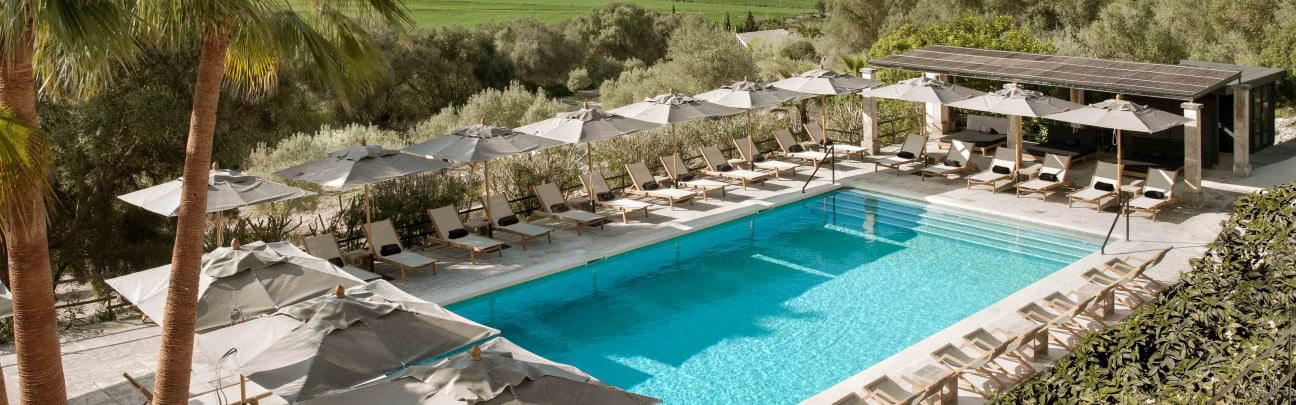
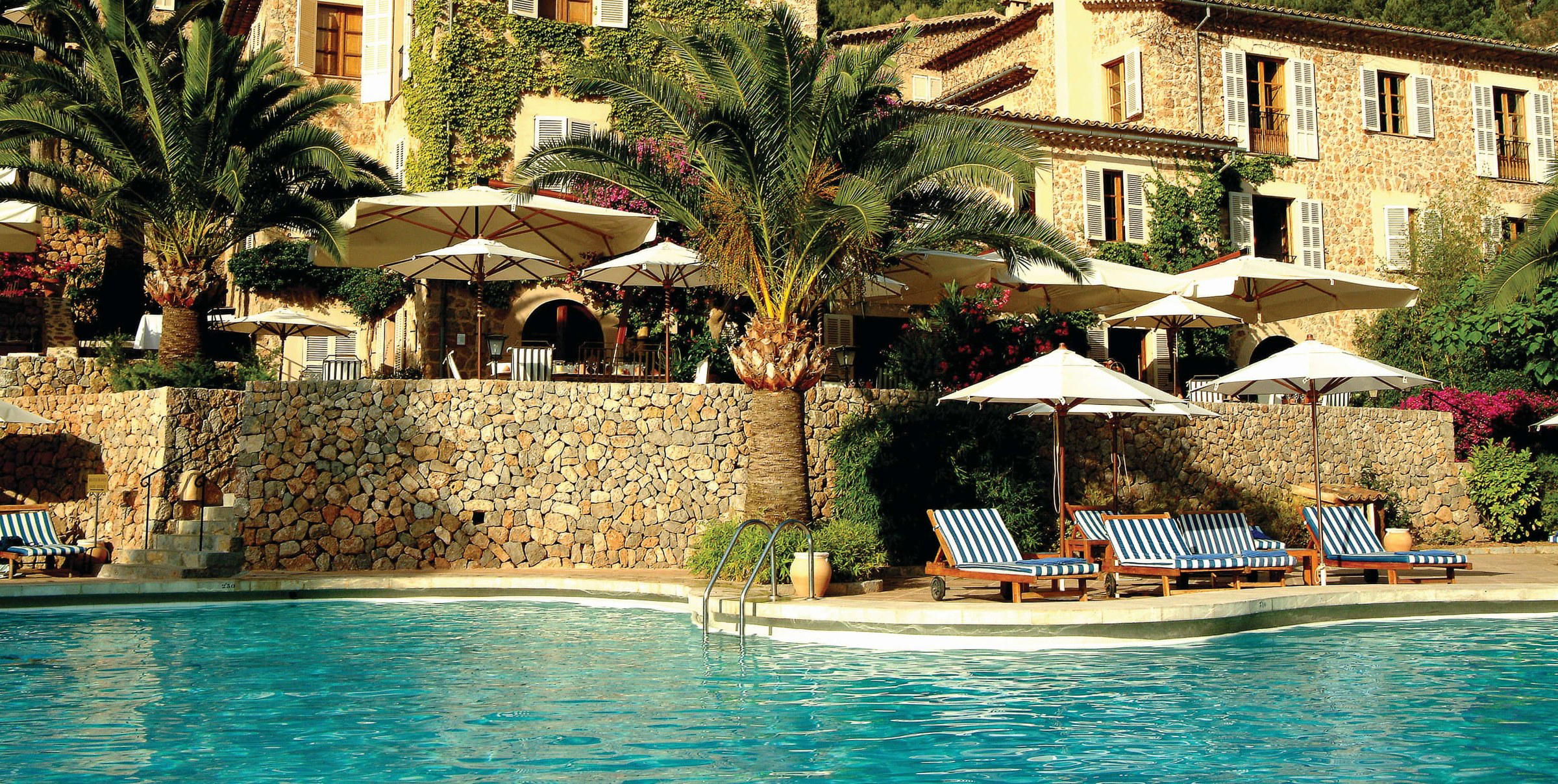
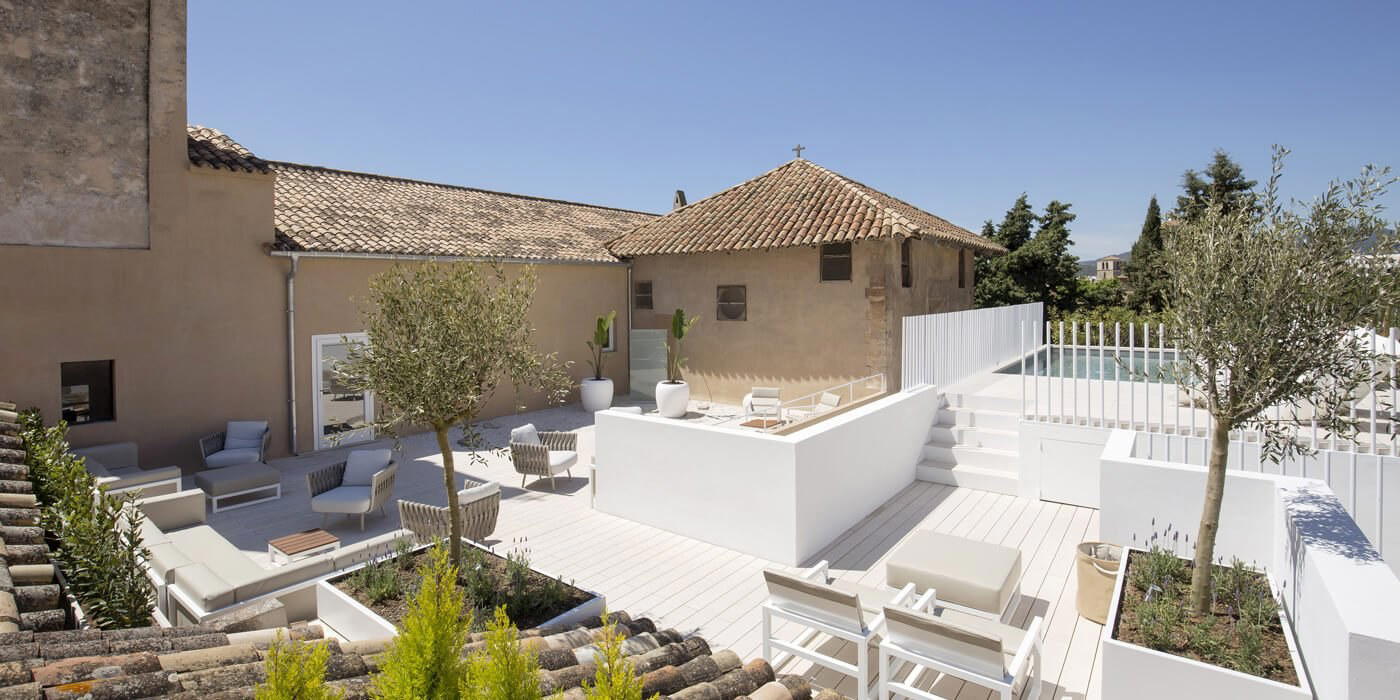
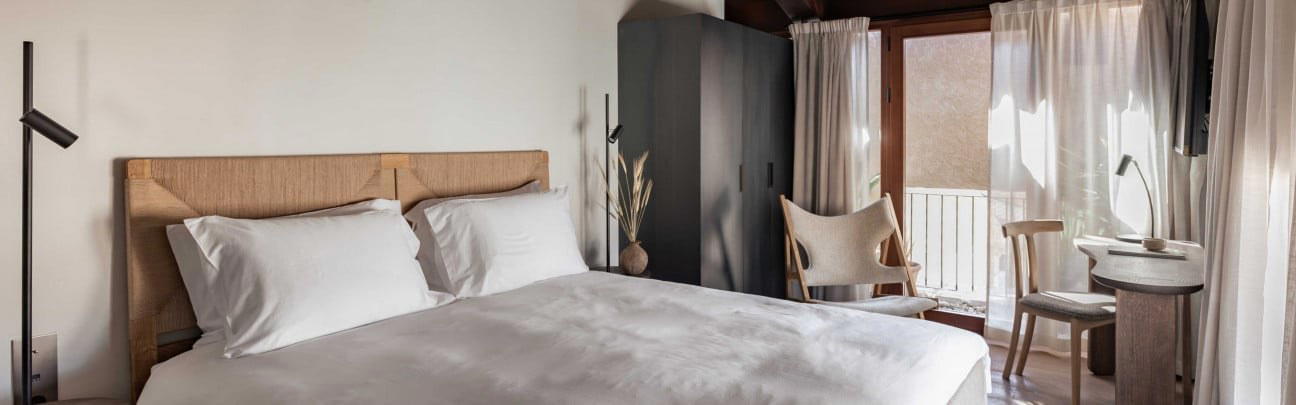
Cozy whitewashed stone dining rooms with modern rustic decor, pleasant terrace under vines with artistic murals, warm and relaxed atmosphere.