
Michelin Bib Gourmand
Our verdict
A Michelin Bib Gourmand holder in a hill village north of Palma, Miceli operates from the stone house where its chef was born, serving a daily-changing menu rooted in Mallorcan tradition. With a terrace that draws the Tramuntana light across hand-cut limestone, it represents the understated end of Balearic fine dining: market-driven, family-run, and consistently full. Book ahead and let the chef come to you.

Pearl is the En Primeur Club membership app — saves, bookings, and concierge access live there. Same editors, same standards.
- Address
- Carrer dels Angels, 11, 07313 Selva, Illes Balears, Spain
- Phone
- +34 971 87 37 84
- Hours
- Mon–Wed ClosedThu–Sat 1:30–3 PM, 8–10 PMSun 1:30–3 PM
- Website
- miceli.es
- Directions
- Get directions
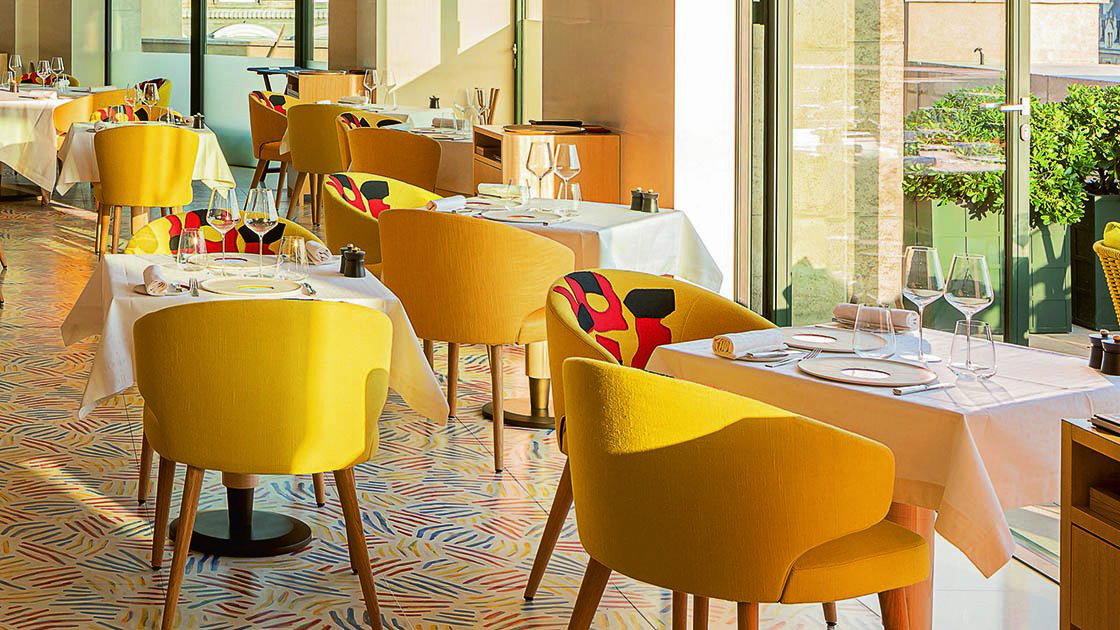
Stone, Soil, and the Tramuntana Table
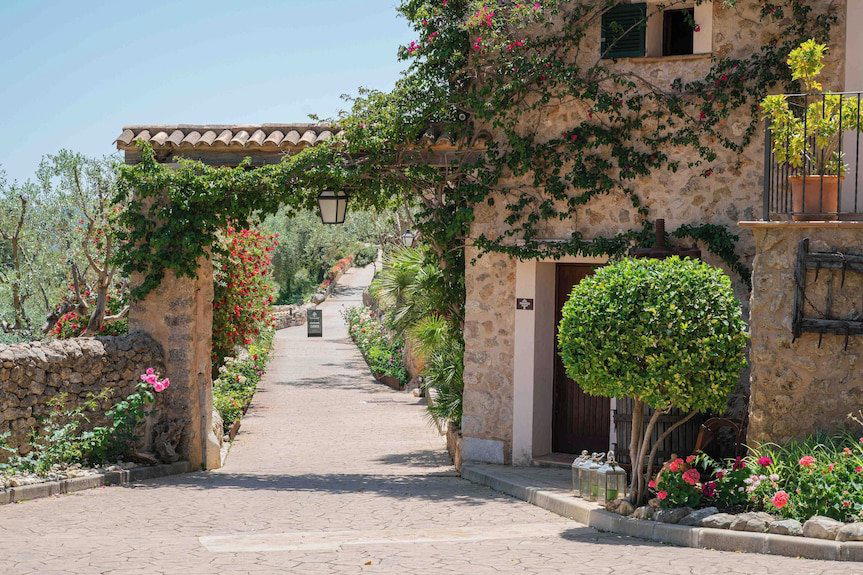
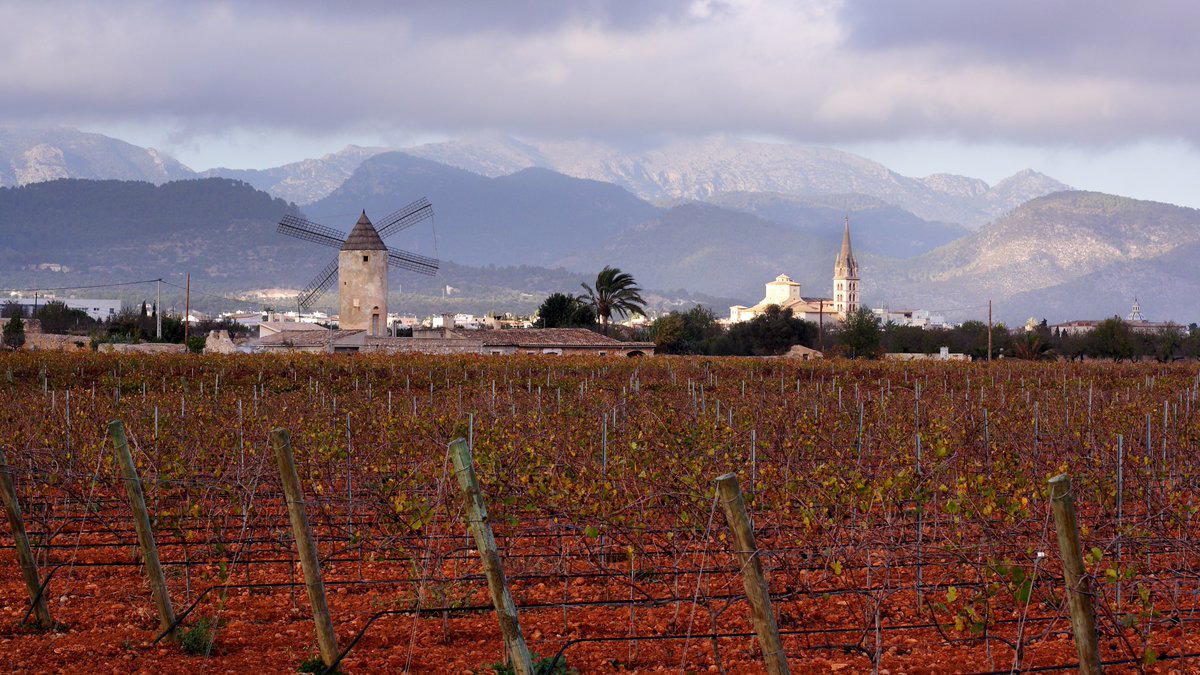
The village of Selva sits in the foothills of the Serra de Tramuntana, the UNESCO-listed mountain range that runs along Mallorca's northwest edge, and its centre looks much as it did a century ago: narrow lanes, sandstone walls the colour of dried honey, the faint sound of a bell tower marking the quarter-hour. Arriving at Carrer dels Angels on a warm afternoon, the building that houses Miceli reads as just another centuries-old townhouse. The terrace, partially covered by a glass porch and open to the ridge line above, is the first signal that something more considered is happening here.
Mallorca's dining scene has widened considerably over the past decade. The island now runs from high-season tasting-menu destinations drawing Palma city-breakers and international visitors, through to neighbourhood tratorias serving year-round residents. Miceli belongs to a specific and less crowded tier: the rooted village restaurant that earns Michelin recognition not for spectacle but for precision, provenance, and a refusal to drift from its postcode. The Bib Gourmand awarded by Michelin in 2025 places it inside a peer group defined by quality-to-price ratio rather than ceremony, and in that cohort it has few rivals on the island.
A Kitchen Shaped by Place, Not Ambition
The restaurant takes its name from mycelia, the thread-like filaments that allow mushrooms to draw nutrients up through the soil. As a metaphor it works precisely because it resists the language of chefs who arrive from elsewhere to impose a vision: this kitchen is interested in extraction, in what the land already holds. That orientation shapes the menu more concretely than any single technique could.
The chef, who was born in the stone house that now serves as the dining room, is working within a culinary tradition that connects Mallorcan cooking to the broader Balearic pantry: cured sobrassada, game birds from the interior, vegetables grown in dry-stone terraced gardens, olive oil pressed from arbequina trees that pre-date living memory. What distinguishes her approach from pure preservation is the daily recalibration. The menu changes in line with market availability, which means the kitchen at Miceli operates on a tighter feedback loop with local suppliers than most restaurants claiming a seasonal philosophy. What arrives at the table on a Wednesday in October reflects what was available that morning, not what was agreed with a wholesaler three weeks ago.
Guests can choose between an à la carte format, a daily set menu, and several tasting menus, which gives the table a degree of control uncommon at this price point. At the €€ tier, the set menu is the entry point most visitors favour, but the tasting formats offer greater range across the kitchen's current thinking without moving the cost into territory that competes with Palma's more ambitious rooms.
It is worth comparing that positioning against what Spain's most decorated kitchens are doing at the other end of the spectrum. Restaurants like Arzak in San Sebastián, El Celler de Can Roca in Girona, or Disfrutar in Barcelona operate at the €€€€ tier with fixed tasting menus running to twenty or more courses and booking windows measured in months. Further afield, Mugaritz in Errenteria, Azurmendi in Larrabetzu, and DiverXO in Madrid have built their reputations around progressive formats and conceptual ambition. Aponiente in El Puerto de Santa María, Quique Dacosta in Dénia, and Martin Berasategui in Lasarte-Oria similarly sit in creative or modernist registers that bear little resemblance to what Miceli is doing. Closer in spirit are restaurants like Ricard Camarena in València or Atrio in Cáceres, where regional identity and product clarity govern the kitchen's logic. Among traditional-format peers elsewhere in Europe, Auberge Grand'Maison in Mûr-de-Bretagne and Auga in Gijón occupy a broadly comparable position: Bib Gourmand-level execution in a regional idiom, at a price that does not require a special-occasion justification.
The Room and the Ritual
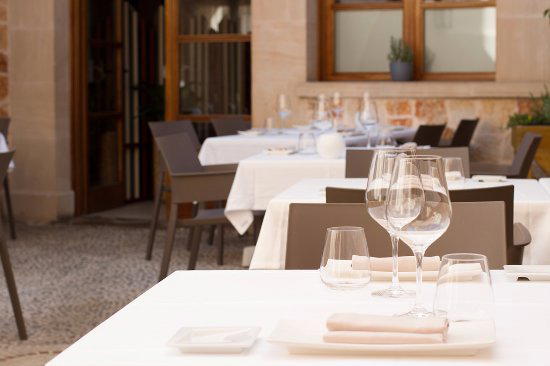
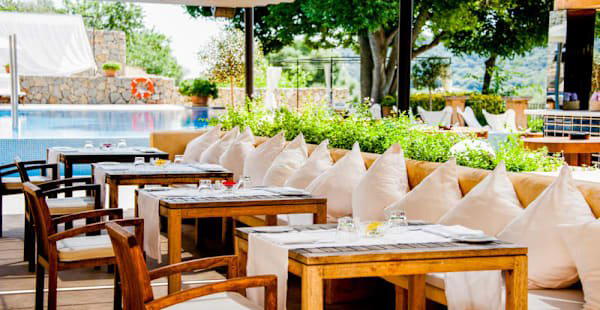
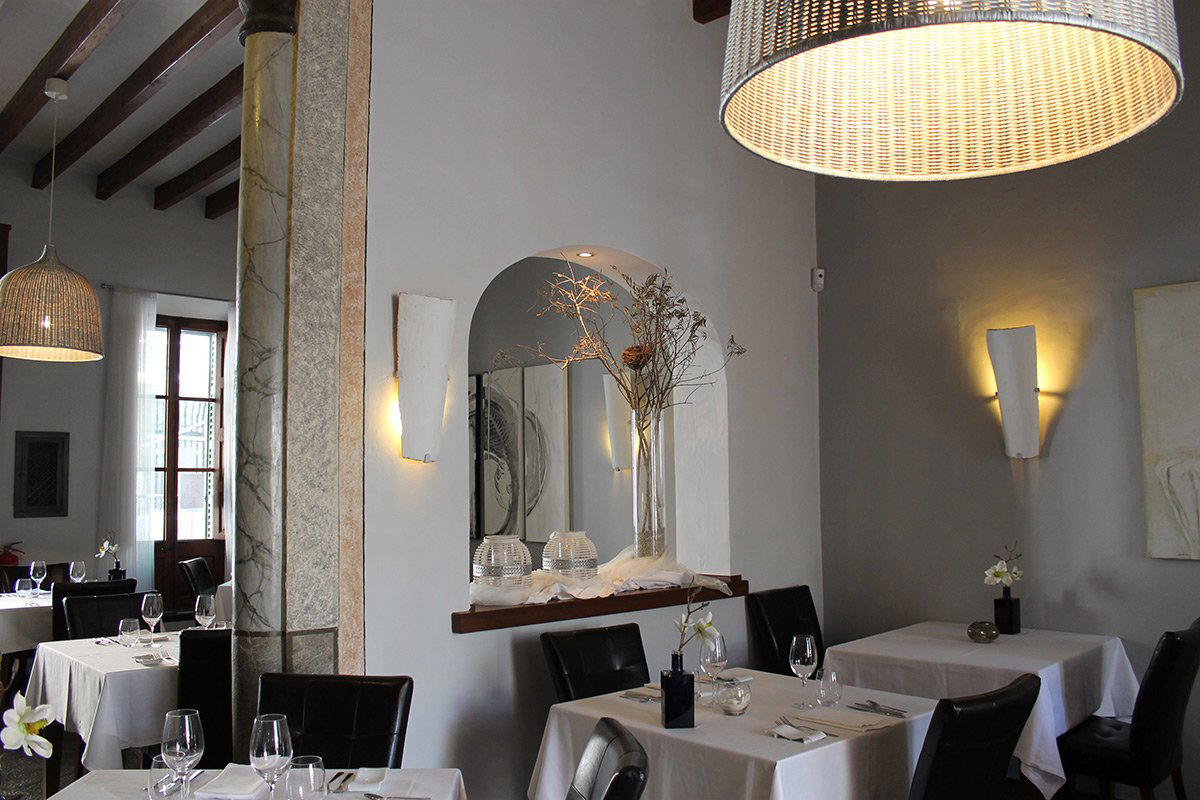
The stone interior carries the particular quality that comes from a building with domestic origins: low ceilings, walls thick enough to hold cool air through August afternoons, a sense of rooms that have been lived in. The terrace is the more coveted seat, particularly in the shoulder months of April, May, September and October when the Tramuntana light arrives at an angle that makes even a glass of house wine look considered. The glass porch extends the season without fully enclosing the view.
The detail that Google's reflects most consistently is the chef's habit of moving between tables to greet guests and describe the thinking behind each day's dishes. In practical terms this functions as a form of explanation that replaces a written menu narrative: the guest learns what was at the market, why a particular preparation was chosen, and what the kitchen was working toward. It is a service gesture that suits the format without overpowering it, and it sits naturally in a village dining room in a way it might not in a more formal Palma setting.
Planning a Visit
Selva is a short drive inland from the motorway connecting Palma to Alcúdia, which makes it accessible from both the capital and the northeast coast without requiring a dedicated detour through mountain roads. The village itself warrants time before or after the meal: the church square, the surrounding dry-stone lanes, and the ridge views above the roofline are part of what makes a lunch here feel different from eating in a resort or a marina.
Because the menu changes daily and the terrace seats are finite, booking ahead is the practical approach rather than the precautionary one. The restaurant's local following means it does not depend on passing tourist trade, and it fills accordingly. The Bib Gourmand designation has increased its visibility beyond the island since the 2025 guide, so arrival-week availability during high season should not be assumed. For broader context on where Miceli sits among Selva's options, see our full Selva restaurants guide. Visitors spending more time in the area can consult our Selva hotels guide, bars guide, wineries guide, and experiences guide for a fuller picture of the village and its surrounds.
Frequently asked questions
What should I eat at Miceli?
Order from the daily set menu or one of the tasting formats rather than treating the à la carte as the default. The kitchen's strength is in its market-driven logic: the dishes the chef explains at your table are the ones built around what arrived that morning. The Bib Gourmand recognition signals that the kitchen performs consistently across its output, so trust the day's selection over any fixed recommendation. The chef herself will describe current dishes when she comes to the table, which is the most reliable guide to what is showing well on a given visit.
Is Miceli formal or casual?
Miceli sits at the casual end of Bib Gourmand dining in Spain. The €€ price point, the village setting, the family-run format, and the open terrace all signal that dress code anxiety is misplaced here. That said, the Michelin recognition and the consistent mean the kitchen is taken seriously by the guests who fill it. Smart-casual is the comfortable register: neither resort-wear nor a jacket required. By Mallorcan standards, this is the neighbourhood table that happens to be very good, not a Palma fine-dining room that has relocated to the countryside.
Is Miceli good for families?
A family-run restaurant in a village house with flexible menu formats, including à la carte alongside set and tasting options, gives families more control over pace and portion than a fixed-menu room would. At the €€ price tier, a table for four with younger diners does not require a significant financial commitment by Mallorcan dining standards. The terrace, the informal service style, and the chef's table-visiting habit make the atmosphere animated rather than hushed. Families comfortable with a slightly relaxed and personal dining format, rather than one governed by formal service rhythms, will find it a natural fit.
How It Stacks Up
| Venue | Cuisine | Price | Awards |
|---|---|---|---|
| MiceliThis venue — the venue you are viewing | Modern Mallorcan | $50–100 | Michelin Bib Gourmand |
| Aponiente | Progressive - Seafood, Creative | Not listed | Michelin 3 Star |
| Arzak | Modern Basque, Creative | Not listed | Michelin 3 Star |
| DiverXO | Progressive - Asian, Creative | Not listed | Michelin 3 Star |
| El Celler de Can Roca | Progressive Spanish, Creative | Not listed | Michelin 3 Star |
| Quique Dacosta | Creative | Not listed | Michelin 3 Star |
Recognition history
Dated appearances from independent guides and award organizations, with the underlying list record or original source where available.
Michelin Bib Gourmand
Michelin
Full recognition history (3 entries)
Michelin Bib Gourmand
Michelin
Michelin Bib Gourmand
Michelin
Continue exploring
More in Selva
Restaurants in Selva
Browse all →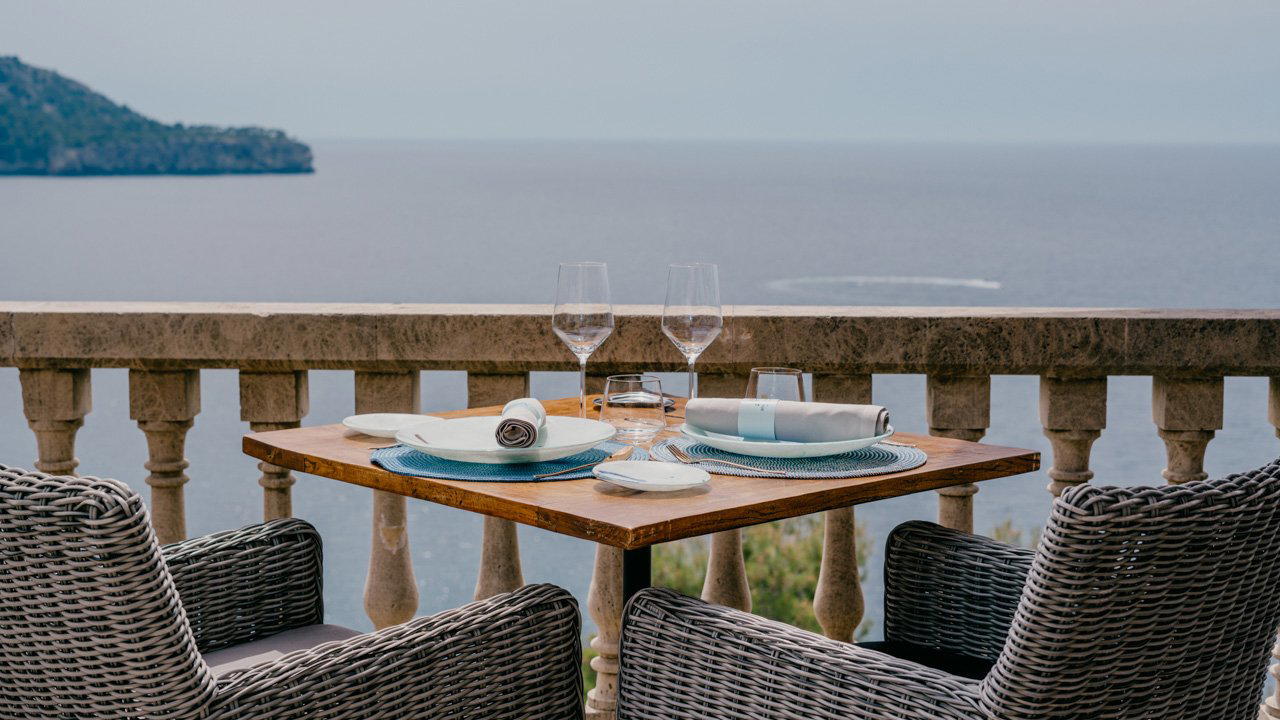
Bars in Selva
Browse all →
Hotels in Selva
Browse all →

Details
- Rustic
- Cozy
- Intimate
- Scenic
- Date Night
- Special Occasion
- Celebration
- Terrace
- Open Kitchen
- Extensive Wine List
- Local Sourcing
- Mountain
- Tasting Menu
- A La Carte
- Set Menu
- Vegetarian Friendly
- Vegan Options
- Gluten Free Options
Current opening hours
- Monday
- Closed
- Tuesday
- Closed
- Wednesday
- Closed
- Thursday
- 1:30–3 PM, 8–10 PM
- Friday
- 1:30–3 PM, 8–10 PM
- Saturday
- 1:30–3 PM, 8–10 PM
- Sunday
- 1:30–3 PM
Hours can change for holidays and private events. Last verified .
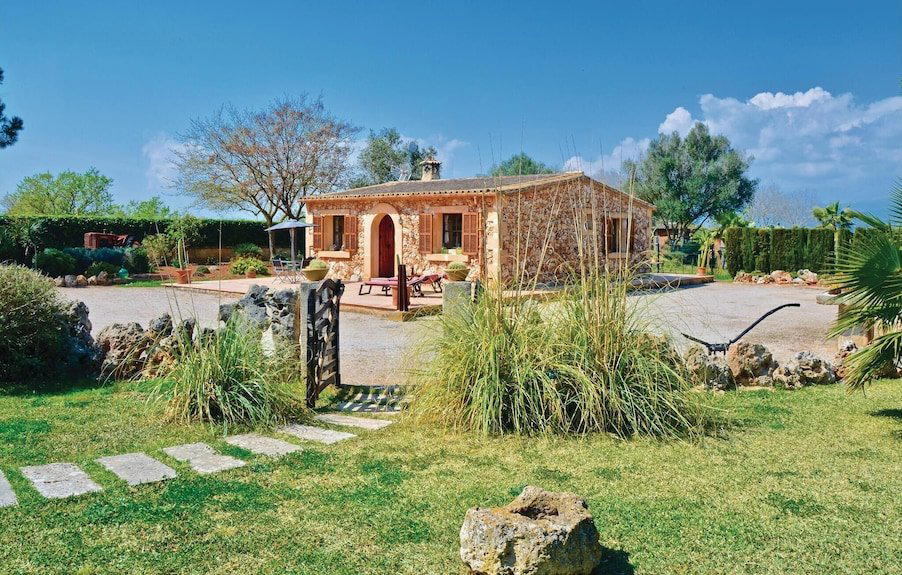
Charming rustic stone house interior with tasteful decor; idyllic terrace offering far-reaching panoramic countryside views, creating a warm and scenic atmosphere.