Loquería

A natural wine bar in Port de Pollença operating in a distinct niche: Italian tapas paired with bottles from small-production European houses including Valentini and Damilano. In a port town where the drinking culture leans towards sundown rosé and tourist-facing cocktails, Loquería pulls from a more considered cellar and a kitchen vocabulary shaped by the Italian table. The family behind it also runs a well-regarded restaurant nearby.
Pearl is the En Primeur Club membership app — saves, bookings, and concierge access live there. Same editors, same standards.
- Address
- Carrer del Llebeig, 2, 07470 Port de Pollença, Illes Balears, Spain
- Phone
- +34 669 90 78 02
- Website
- facebook.com
- Directions
- Get directions
 Saves & bookings on Pearl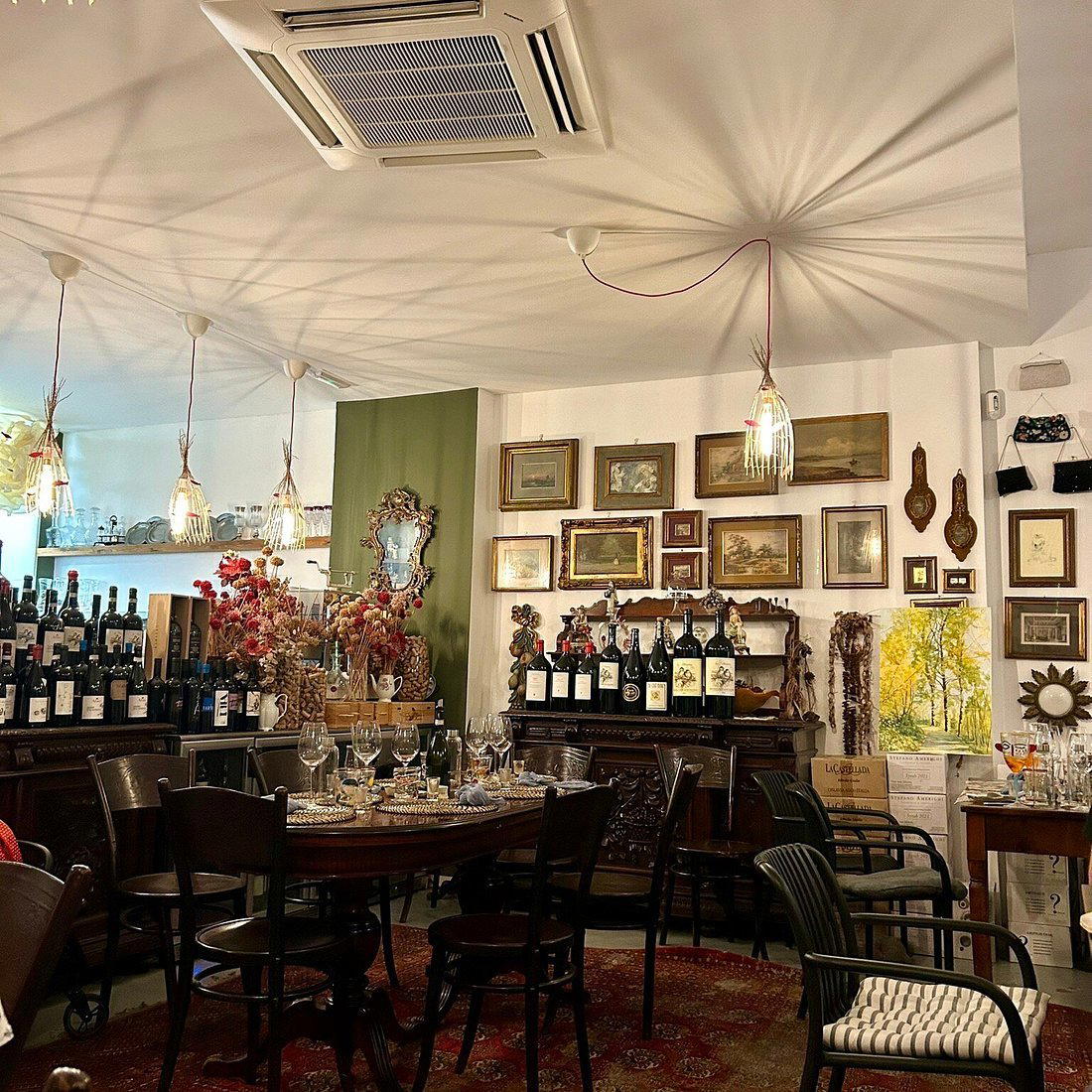
Where Port de Pollença Drinks Differently
Port de Pollença sits at the northern tip of Mallorca, a slender bay town where the waterfront promenade fills each evening with the familiar rhythms of Mediterranean resort life: cold lager, house wine, and menus printed in four languages. The drinking scene is broadly pleasant and broadly predictable. Loquería, a bar on Carrer del Llebeig in Port de Pollença, occupies a different register entirely. It is a natural wine bar and tapas place operating with the logic of a specialist wine shop that also happens to feed you well, drawing from a cellar stocked with small-production Italian and European labels rather than the export-grade bottles that populate most of the bay's restaurant lists.
In most Spanish resort towns, the bar that pours Valentini, one of Abruzzo's most meticulous producers, whose Trebbiano and Montepulciano output reaches a small international audience, is a rarity. The same applies to Damilano, the Piedmontese house known for its structured Barolos. That Loquería carries both signals where it sits in the natural and artisan wine conversation: not at the entry tier of orange wine novelty, but in the more serious bracket where producer selection reflects genuine procurement effort and a specific point of view about what a wine should do.
The Wine Programme as Editorial Act
The natural wine movement in Spain has matured significantly over the past decade. Bars like Angelita in Madrid have demonstrated that a wine programme built around small producers and minimal-intervention viticulture can anchor an entire venue's identity without sacrificing depth or accessibility. What distinguishes the better operations in this category is selectivity: the willingness to carry fewer labels and know them thoroughly, rather than assembling a sprawling list for breadth's sake.
Loquería applies that selectivity in a context where it carries more weight precisely because the surrounding market exerts less pressure to do so. A bar in central Barcelona or Madrid choosing Valentini over a recognisable Chianti is making a statement within a competitive comparable set. A bar in Port de Pollença making the same choice is making a quieter, more deliberate one. The tourist economy here does not require it. The choice is made on conviction.
For visitors who track the Balearic natural wine conversation, La Margarete in Ciutadella on Menorca provides a useful comparison point: a similarly positioned operation in an island setting, where the wine list speaks to a guest who arrived looking for it rather than stumbling across it. Both exist as counterweights to the dominant resort-bar format. Elsewhere in the islands, Garden Bar in Calvià and Garito Cafe in Palma anchor a broader Mallorcan drinking scene that now includes a genuine range of formats and price points beyond the beachfront standard.
Italian Tapas: A Kitchen That Earns Its Own Attention
The kitchen vocabulary at Loquería draws from Italy rather than from the Mallorcan or mainland Spanish traditions that define most of the island's food. That is an unusual positioning in a region where local produce and Catalan-inflected technique dominate serious restaurant menus. Italian tapas as a format occupies an interesting middle space: the portion logic and sharing rhythm of the Spanish tapa, applied to ingredients and preparations that owe more to Rome, Bologna, or the Veneto than to Palma or Pollença.
The choice aligns with the wine programme in a meaningful way. Italian artisan wines, particularly from the natural and low-intervention tier, find more natural companions in Italian food than in Spanish. The food-wine logic coheres. That internal consistency is something the better wine bars across Spain have worked to establish, and it is harder to achieve than it looks. Bar Sal Gorda in Seville and Bar Gallardo in Granada demonstrate in their respective contexts how a clear kitchen identity anchors a wine programme, and vice versa.
Operations that run parallel formats in this way, a more casual bar alongside a sit-down restaurant, typically maintain quality across both by sharing sourcing relationships and kitchen standards. The bar benefits from the restaurant's production infrastructure; the restaurant's reputation lends the bar a baseline of credibility with guests who have already eaten well in the family's hands.
The Experience on the Ground
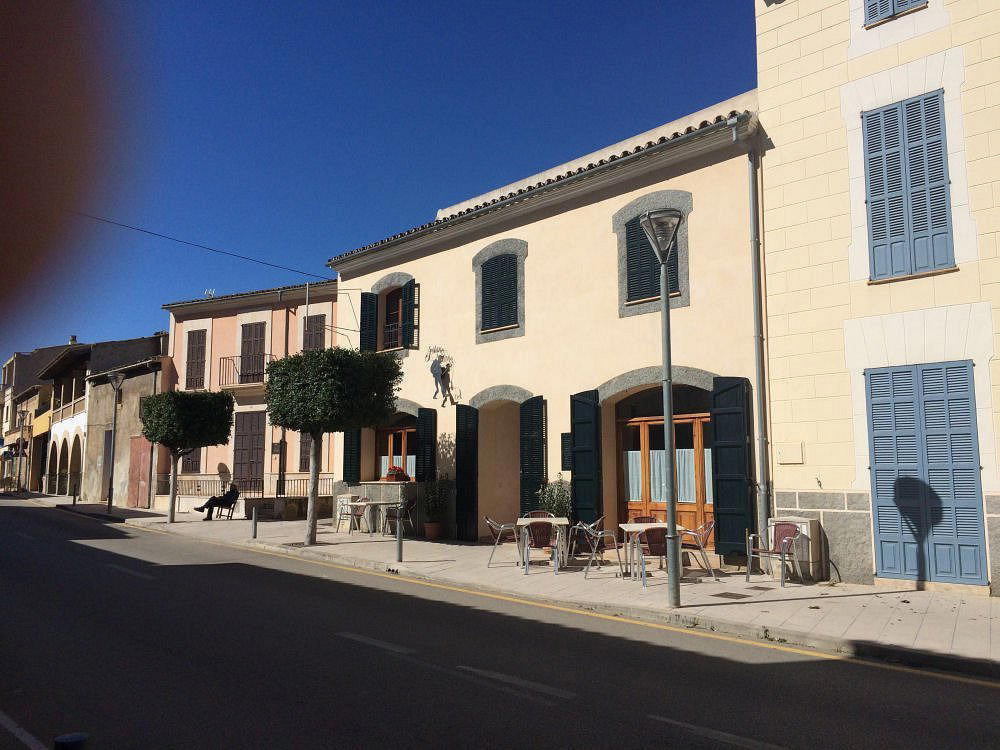
Bar sits on Carrer del Llebeig, a short street in the port area. In the context of Port de Pollença's geography, the setting is compact and neighbourhood-facing rather than promenade-prominent, which contributes to the venue's unhurried pace. Bars that sit directly on Mallorca's resort waterfronts operate under a different pressure: the turn-and-burn logic of high foot traffic, the need to serve quickly and broadly. A step back from that exposure changes what is possible in terms of service rhythm and the kind of conversation that happens between the person pouring wine and the person drinking it.
For guests comparing the format to the mainland's natural wine bar culture, the closest reference points are the more low-key operations in that tier: Bar Guillermina in Cabrales, Bar Stick in Errenteria, and Casa Lin in Avilés each represent versions of the specialist bar format operating outside the major urban centres, where the audience is smaller but more deliberately self-selected. The analogy holds: Loquería is not competing for the same guests as the promenade bars. It is competing for a specific kind of attention. Further afield, Boadas in Barcelona and Bar Leather Apron in Honolulu illustrate how bars at either end of the formality spectrum establish identity through programme coherence rather than through volume or location advantage.
Planning Your Visit
Port de Pollença's high season runs from late June through August, when the town's population increases sharply and reservations across all serious eating and drinking venues become competitive. Given Loquería's format and likely scale, visiting outside the peak July-August window increases the chance of a relaxed experience. May, June, September, and October offer the bay at a more navigable pace, and the natural wine calendar means summer releases are often followed by new autumn arrivals, making the shoulder season an interesting time to visit from a list perspective. Loquería is recommended for reservations, and it is open Monday through Saturday from 7:00 PM to 11:30 PM.
At-a-Glance Comparison
Comparable venues nearby, for context on price, style, and recognition.
| Venue | Cuisine | Price | Notes |
|---|---|---|---|
| LoqueríaThis venue — the venue you are viewing | wine_bar | $$ | Not listed |
| The Wine Side | wine_bar | $$ | Centre |
| Mercat Negre | wine_bar | $$ | Palma de Mallorca - Mercat Olivar area |
| S’Estanc Vell | wine_bar | $$ | Vilafranca de Bonany |
| Bar La Sang | wine_bar | $$ | Plaça de l’Hospital |
Recognition history
Dated appearances from independent guides and award organizations, with the underlying list record or original source where available.
Star Wine List
Star Wine List
Continue exploring
More in Port de Pollença
Bars in Port de Pollença
Browse all →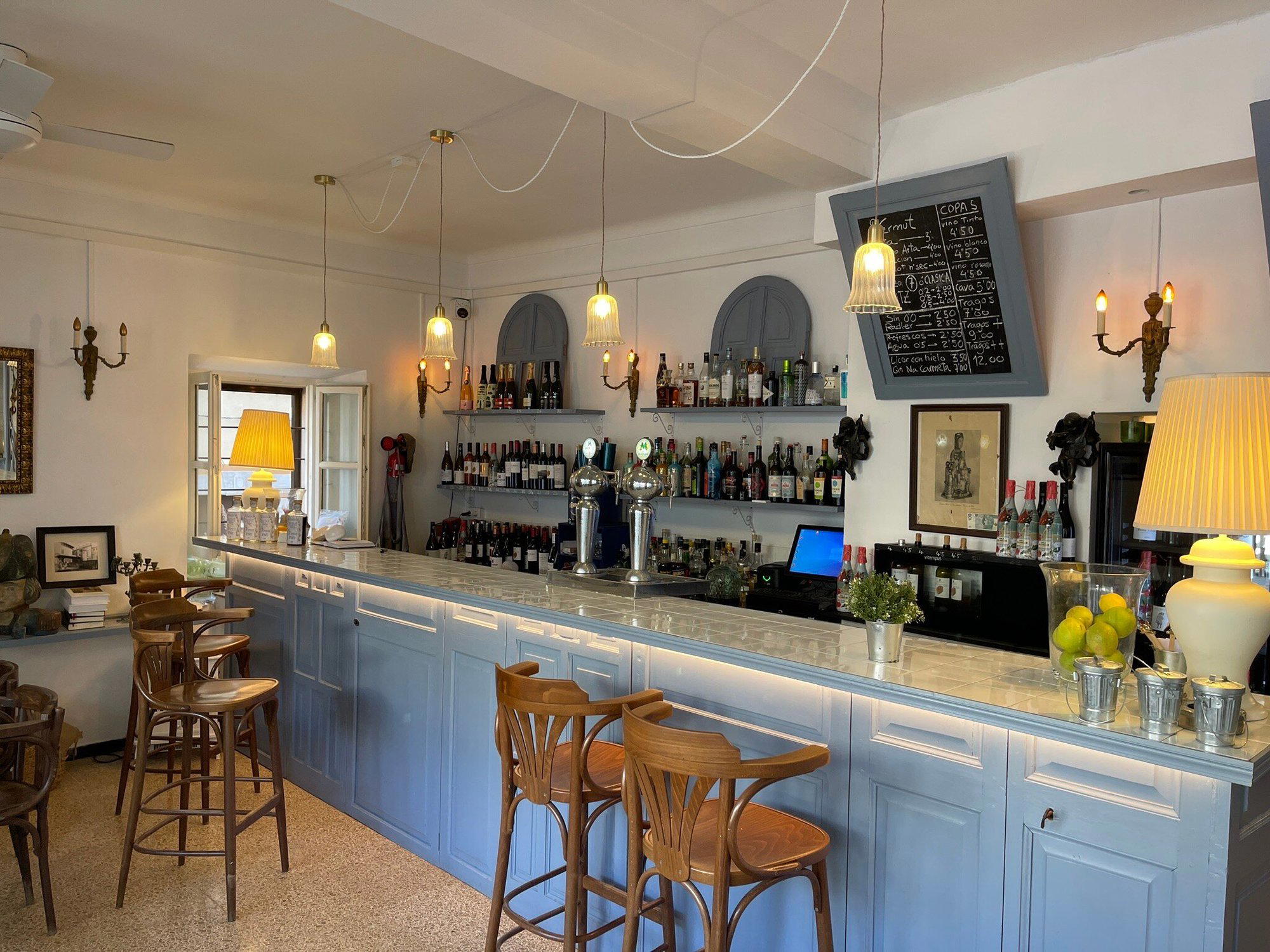
Restaurants in Port de Pollença
Browse all →
Hotels in Port de Pollença
Browse all →

At a Glance
- Cozy
- Intimate
- Rustic
- Whimsical
- Date Night
- Casual Hangout
- Standalone
- Seated Bar
- Booth Seating
- Natural Wine
Current opening hours
- Monday
- 7–11:30 PM
- Tuesday
- 7–11:30 PM
- Wednesday
- 7–11:30 PM
- Thursday
- 7–11:30 PM
- Friday
- 7–11:30 PM
- Saturday
- 7–11:30 PM
- Sunday
- Closed
Hours can change for holidays and private events. Last verified .
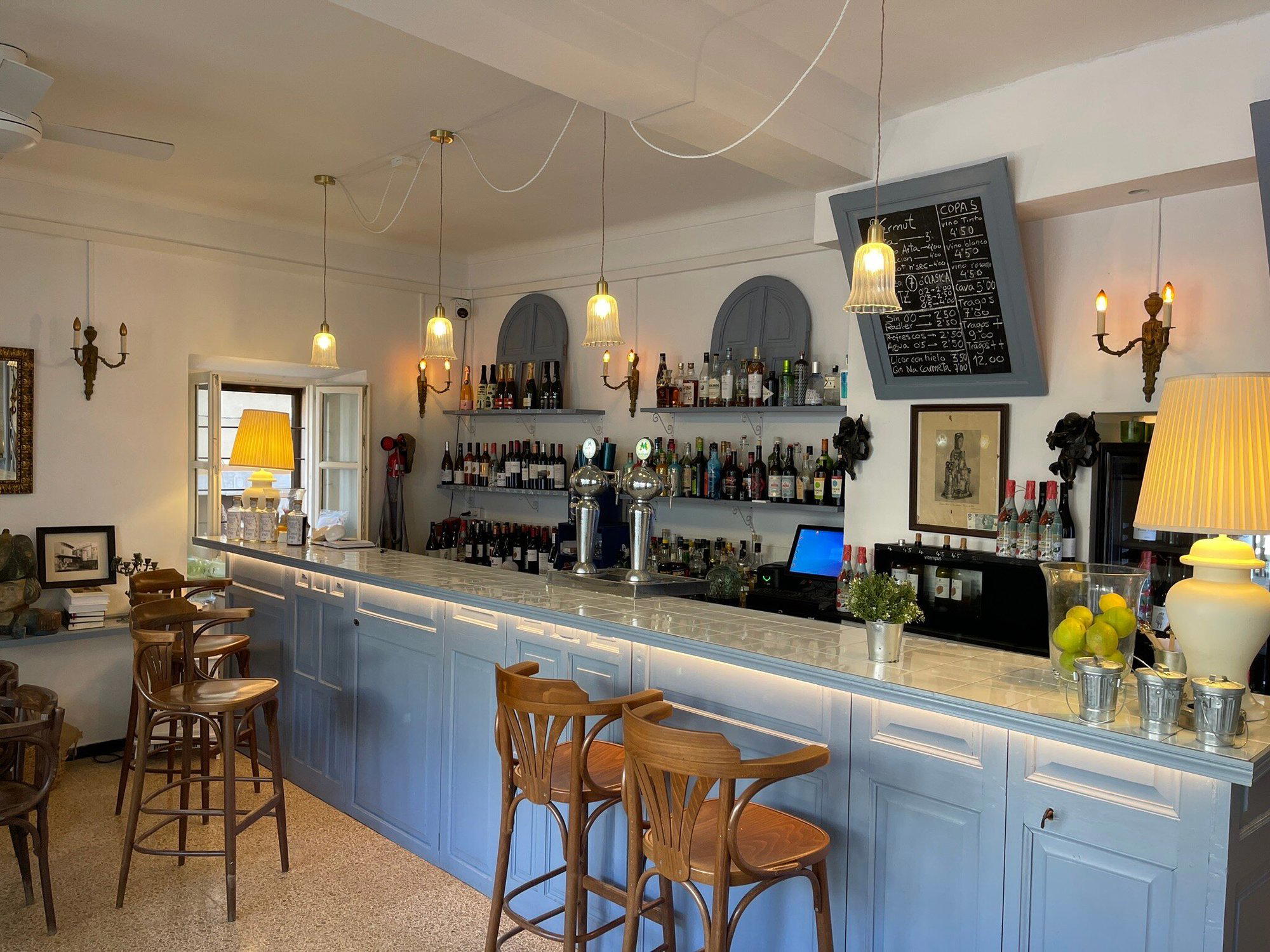
Quaint and eclectic with artistic decor, personal touches, and a warm homely feel like dining in someone's stylish home.