Chiisana Ryori Ten Morino Kujira So

Tabelog 100 #61
Our verdict
Chiisana Ryori Ten Morino Kujira So brings Spanish and Italian cooking into Nishinomiya’s quieter dining register: small room, measured pacing, wine in the foreground, and a Tabelog Spanish Cuisine 100 selection in 2024 and 2026. The appeal is not spectacle but scale, a 10-seat house-restaurant format that makes the meal feel closer to a private table than a city-center production.

Pearl is the En Primeur Club membership app, where members save venues, book tables and use the concierge.
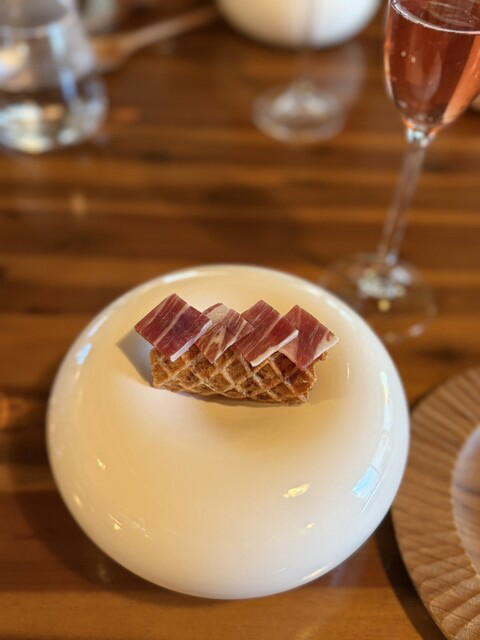
Approach matters in Japanese dining, and in Nishinomiya it often begins away from the commercial crush. The mood around Namaze is residential rather than theatrical: a slower edge of the city where a house-restaurant can make sense, and where a meal is framed by quiet arrival rather than lobby choreography. Chiisana Ryori Ten Morino Kujira So belongs to that smaller Kansai pattern, the intimate dining room that asks guests to match its pace. The format is compact, the cooking sits between Spanish and Italian categories, and wine is part of the grammar rather than an afterthought.
That matters because Spanish cooking in Japan often splits into two visible types. One is the urban tapas bar, casual, noisy, built around counter energy and repeat glasses. The other is a more deliberate restaurant idiom, where Mediterranean technique is filtered through Japanese portioning, reservation discipline, and course-by-course pacing. This room sits closer to the second camp. Its inclusion in Tabelog’s Spanish Cuisine 100 in 2024 and 2026 places it in a national conversation about Spanish restaurants in Japan, not merely a local list of pleasant neighbourhood dining rooms.
A small-room Spanish ritual in Nishinomiya
The defining idea here is scale. Ten seats change the social contract of a meal: the room cannot absorb impatience, large-group noise, or loose timing in the way a bigger restaurant can. In Japan, small dining rooms often turn etiquette into part of the pleasure. Arrival on time, a reservation-only rhythm, and a willingness to follow the kitchen’s cadence matter as much as ordering knowledge. The result is not formality for its own sake; it is the practical condition that allows a compact house restaurant to work.
The Spanish-Italian pairing also tells a story about regional dining in Hyogo. Nishinomiya is not trying to behave like Osaka’s constant-motion restaurant districts or Kobe’s polished hotel-adjacent dining corridors. Its stronger food identity often comes through specialized independent rooms, bakeries, patisseries, and small restaurants that serve residents first and travelling diners second. A reader mapping the city through food should treat Chiisana Ryori Ten Morino Kujira So as part of that pattern, alongside Nishinomiya addresses such as Akash, ameen’s oven, Asai, Boulangerie Miyanaga, and Cake House Tsumagari Kouyouen honten.
Within that local frame, the Tabelog recognition is a useful signal because the category is narrow. Spanish cuisine in Japan remains a smaller field than sushi, ramen, tempura, French, or Italian, and award visibility tends to cluster around restaurants that express a clear point of view rather than generic Mediterranean comfort. The restaurant’s score of 3.53 on Tabelog is less important than the repeated Spanish Cuisine 100 selection, since list inclusion indicates category-level recognition across a national field.
Where the meal sits between Spanish technique and Japanese pacing
The room’s cuisine categories, Spanish and Italian, should be read as a Mediterranean structure rather than a promise of border-pure cooking. In Japan, that hybrid often works when the restaurant respects the timing of a Japanese meal: smaller sequences, controlled progression, and a less hurried relationship with wine. The point is not to reproduce Barcelona or Tuscany; it is to place olive oil, seafood, rice, pasta, grilled elements, and wine-friendly seasoning into a Japanese small-restaurant ritual.
For diners used to higher-volume Spanish bars, the adjustment is pace. This is the sort of meal where the restaurant’s limited capacity shapes the evening before any plate arrives. A 10-seat room has no buffer for walk-in energy, no anonymous corner, and little separation between table rhythm and kitchen rhythm. That intimacy can be the appeal, especially for diners who prefer quiet timing to a room built on turnover. It also means the experience rewards smaller parties, patient conversation, and a willingness to let the service sequence define the night.
The competitive set is not the low-price casual tier. In nearby comparison terms, Little Lanka in Nishinomiya operates in a lower-to-mid local bracket, while Gratin no Omise Dotsubodoru and Ramen Rocket Kaihatsu sit in a more casual out-of-metro price band. Chiisana Ryori Ten Morino Kujira So occupies a different decision category: a planned small-room meal with national Spanish-cuisine recognition. That makes it better understood as a destination within a Nishinomiya itinerary than as a spontaneous stop between errands.
How to place it in a Nishinomiya food day
Nishinomiya rewards travellers who resist compressing it into a single lunch stop. The city’s food appeal is cumulative: a bakery in the morning, a patisserie run in the afternoon, then a quieter restaurant meal away from central crowds. The broader EP Club Nishinomiya map helps frame that spread across categories, from our full Nishinomiya restaurants guide to our full Nishinomiya hotels guide, our full Nishinomiya bars guide, our full Nishinomiya wineries guide, and our full Nishinomiya experiences guide.
Travellers building a wider Japan dining route should also note the contrast between local specialization and big-city breadth. A small Nishinomiya Spanish room has little in common with destination formats such as -Grilled beef Sukiyaki- KAMAKURA TANUKIAN 鎌倉 たぬき庵 in Kamakura. 鮪と炭火焼き うお炭 秋葉原店 in Tokyo.cafe in Osaka.know in Kumamoto, (Shoku) Vietnam in Kawasaki, or [Curry Senmon Ten] Maruyama Kyoju. in Sapporo. The value lies in contrast: Japan’s dining culture is as much about precise small rooms as it is about headline urban counters.
For international readers, the useful comparison may be outside Japan altogether. The same diner who understands the appeal of a focused drinking-and-dining format at Jōdo Saké Bar in Los Angeles or a tightly defined Japanese casual concept such as Onigiri Time in Pasadena will grasp the principle here: clarity of format beats excess. Chiisana Ryori Ten Morino Kujira So is for travellers who value dining ritual over variety hunting, and who see a small room not as a limitation but as the condition that gives the meal its shape.
Frequently asked questions
What are the operating hours at Chiisana Ryori Ten Morino Kujira So?
Hours at Chiisana Ryori Ten Morino Kujira So: Mon: 12–9 PM; Tue: 12–9 PM; Wed: Closed; Thu: 12–3 PM; Fri: 12–9 PM; Sat: 12–9 PM; Sun: 12–9 PM.
What part of town is Chiisana Ryori Ten Morino Kujira So in?
Chiisana Ryori Ten Morino Kujira So is located in Nishinomiya.
How much does it cost to eat at Chiisana Ryori Ten Morino Kujira So?
Pricing at Chiisana Ryori Ten Morino Kujira So is listed as JPY 4,000 - JPY 4,999 JPY 4,000 - JPY 4,999.
What's the defining dish or idea at Chiisana Ryori Ten Morino Kujira So?
The defining idea is scale: a 10-seat room with a reservation-only format, shaped by Spanish and Italian cooking in Nishinomiya. Its Tabelog 100 Spanish cuisine selection for 2026 gives the room a clear benchmark beyond the menu mix.
Cuisine and Recognition
Nearby venues at a similar price tier for orientation.
| Venue | Cuisine | Price | Awards | Notes |
|---|---|---|---|---|
| Chiisana Ryori Ten Morino Kujira SoThis venue (the venue you are viewing) | Seasonal Spanish Course Restaurant | $30–50 | Tabelog 100 #61 | Not listed |
| Okamoto | Yakitori | $50–100 | Tabelog 100 #71 | Koshienguchi |
| tonkatu butashou | Modern Tonkatsu & Izakaya-Style Japanese | $30–50 | Tabelog 100 #38 | Shukugawa |
| Elberan | Classic Japanese Western-style cakes & cookies | $10–20 | Tabelog 100 #55 | Shukugawa |
| Komago | Traditional Japanese Kaiseki | $150–200 | Not listed | Kōyōen |
| Ramen Tanron Honten | Ramen | $10–20 | Tabelog 100 #12 | Nishinomiya |
Recognition history
Dated appearances from independent guides and award organizations, with the underlying list record or original source where available.
Tabelog 100 #61 · No. 61
Tabelog · Tabelog 100 - Spanish cuisine - 2026
Continue exploring
More in Nishinomiya
Restaurants in Nishinomiya
All restaurants in Nishinomiya →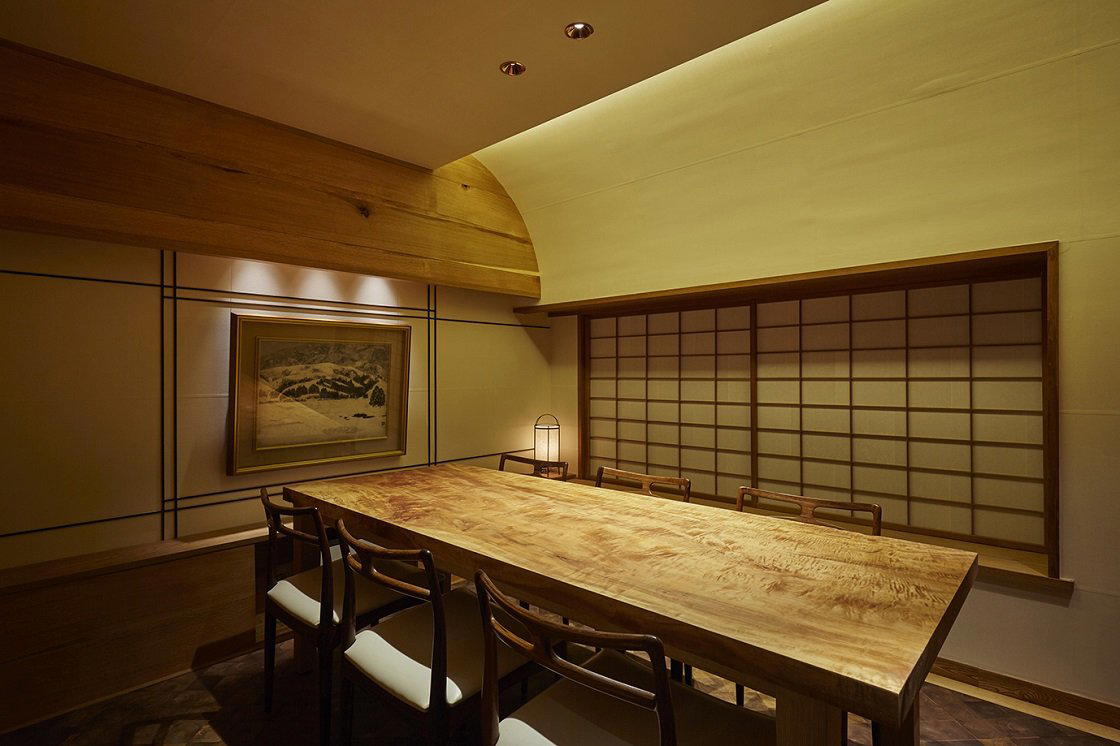


Bars in Nishinomiya
Browse all →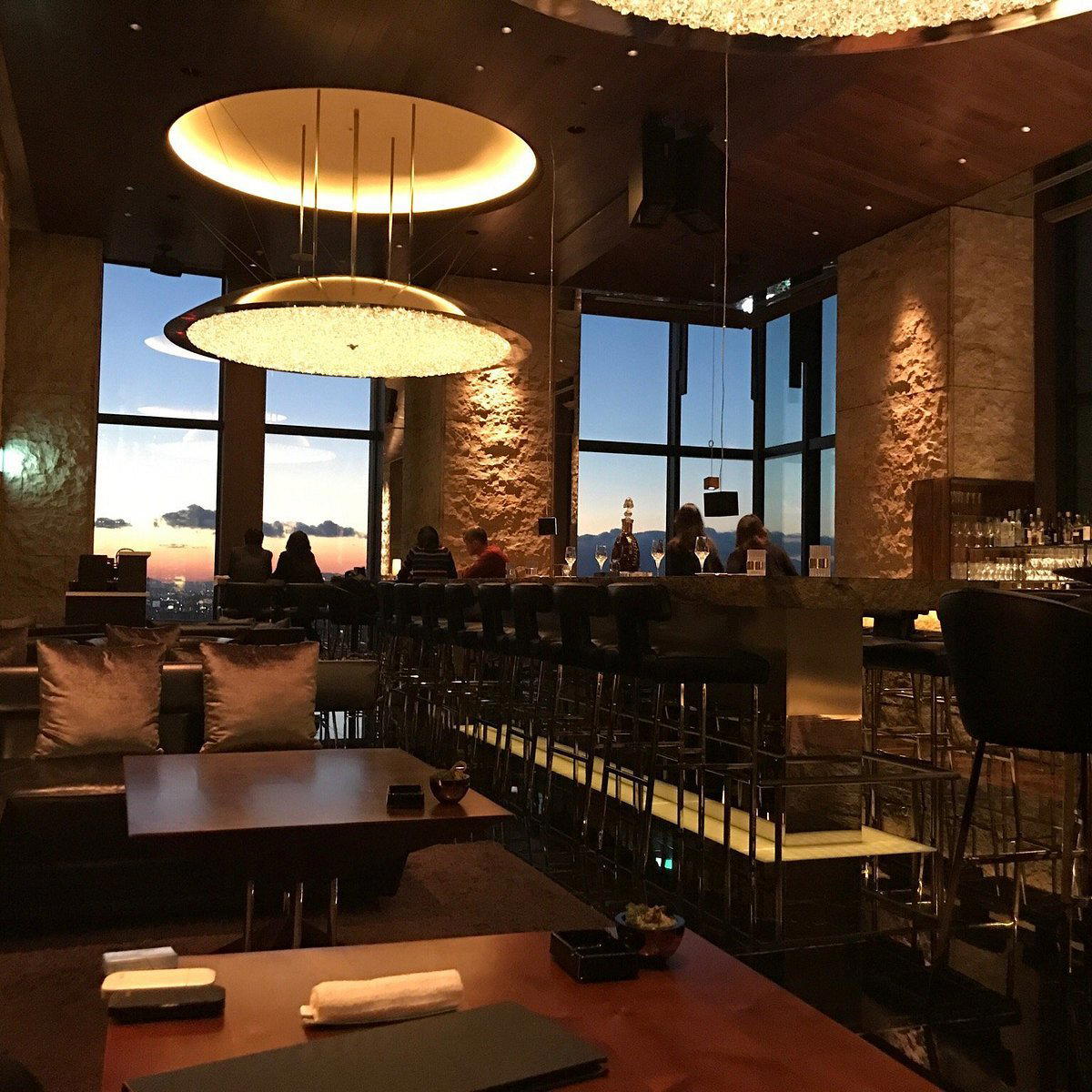




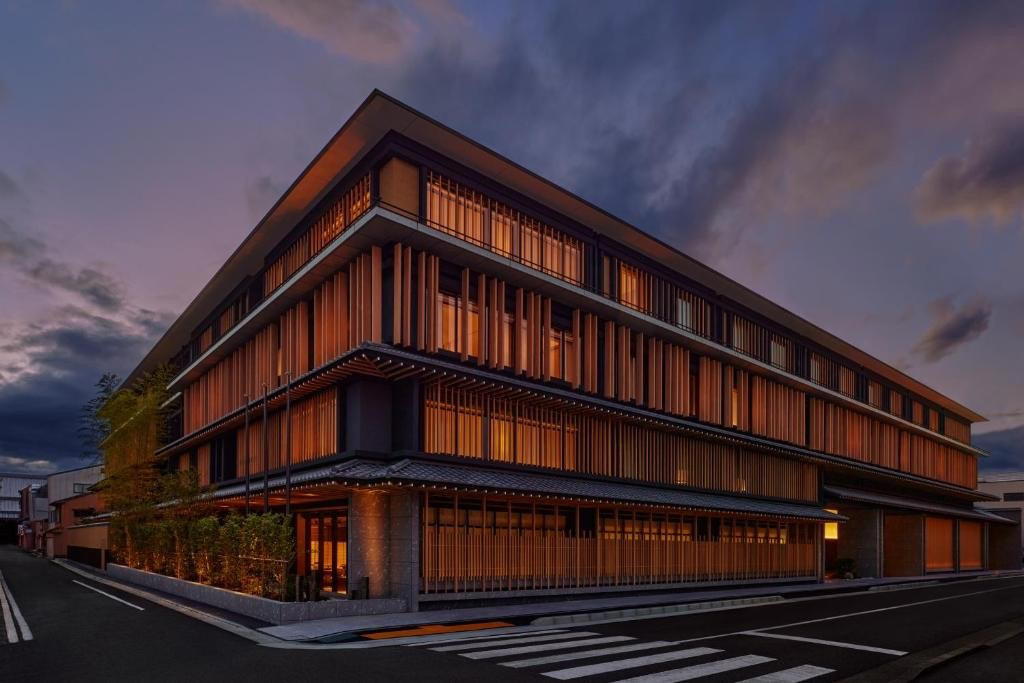
Hotels in Nishinomiya
Browse all →



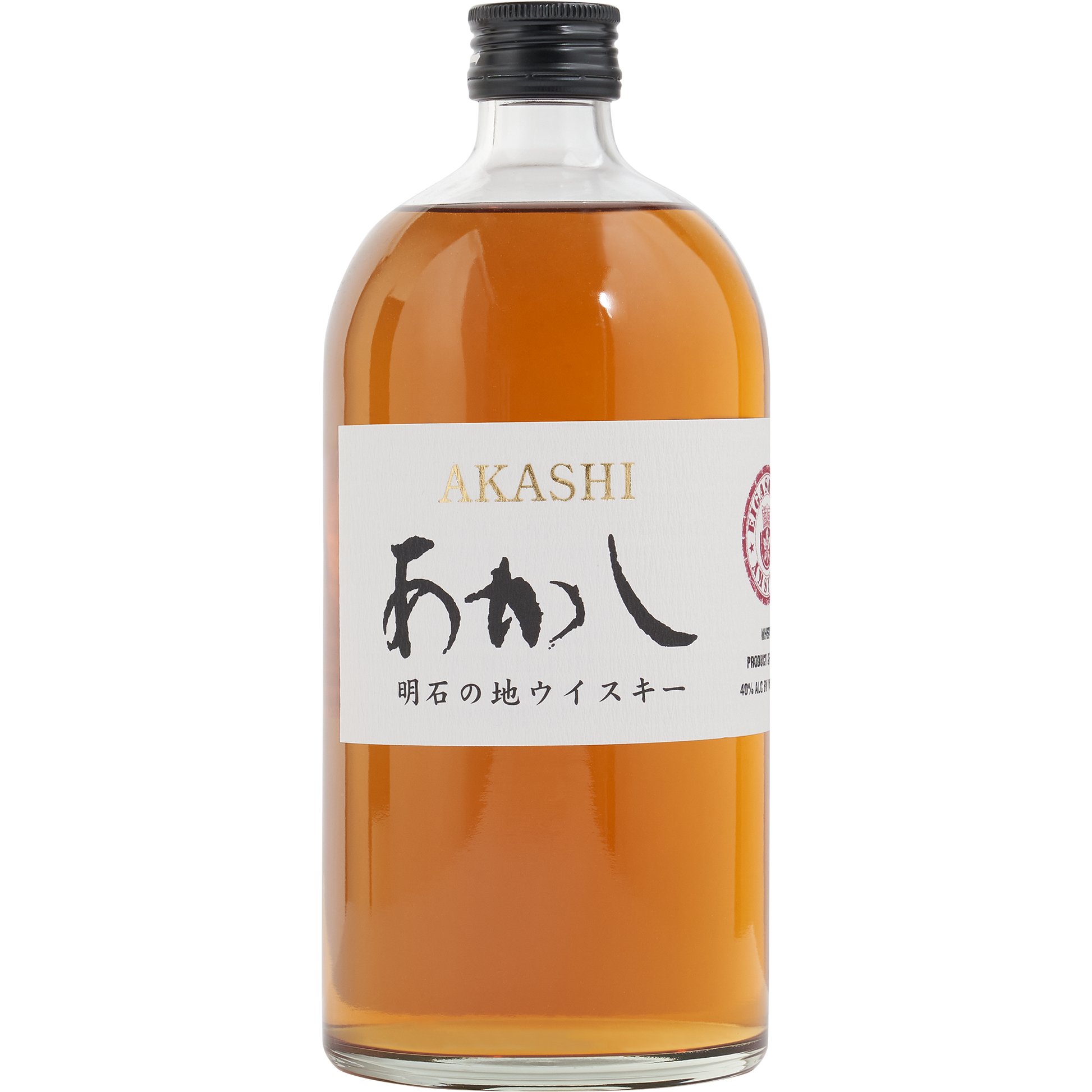
Wineries in Nishinomiya
Browse all →
Details
- Cozy
- Rustic
- Intimate
- Date Night
- Special Occasion
- Celebration
- Standalone
- Garden
- Garden
- Set Menu
- Wine
Current opening hours
- Monday
- 12–9 PM
- Tuesday
- 12–9 PM
- Wednesday
- Closed
- Thursday
- 12–3 PM
- Friday
- 12–9 PM
- Saturday
- 12–9 PM
- Sunday
- 12–9 PM
Hours can change for holidays and private events. Hours as of .
A secluded, intimate, and quiet atmosphere with a woodland feel rather than a busy urban dining room.