ååé 家 serves Traditional Cantonese in an upscale casual format, with local sourcing, conversational pacing, and lunch or dinner planning.
Pearl is the En Primeur Club membership app — saves, bookings, and concierge access live there. Same editors, same standards.
- Address
- 142 Qianjin Rd, Haizhu District, Guangzhou, Guangdong Province, China, 510230
- Phone
- +862084448380
- Directions
- Get directions
 Saves & bookings on Pearl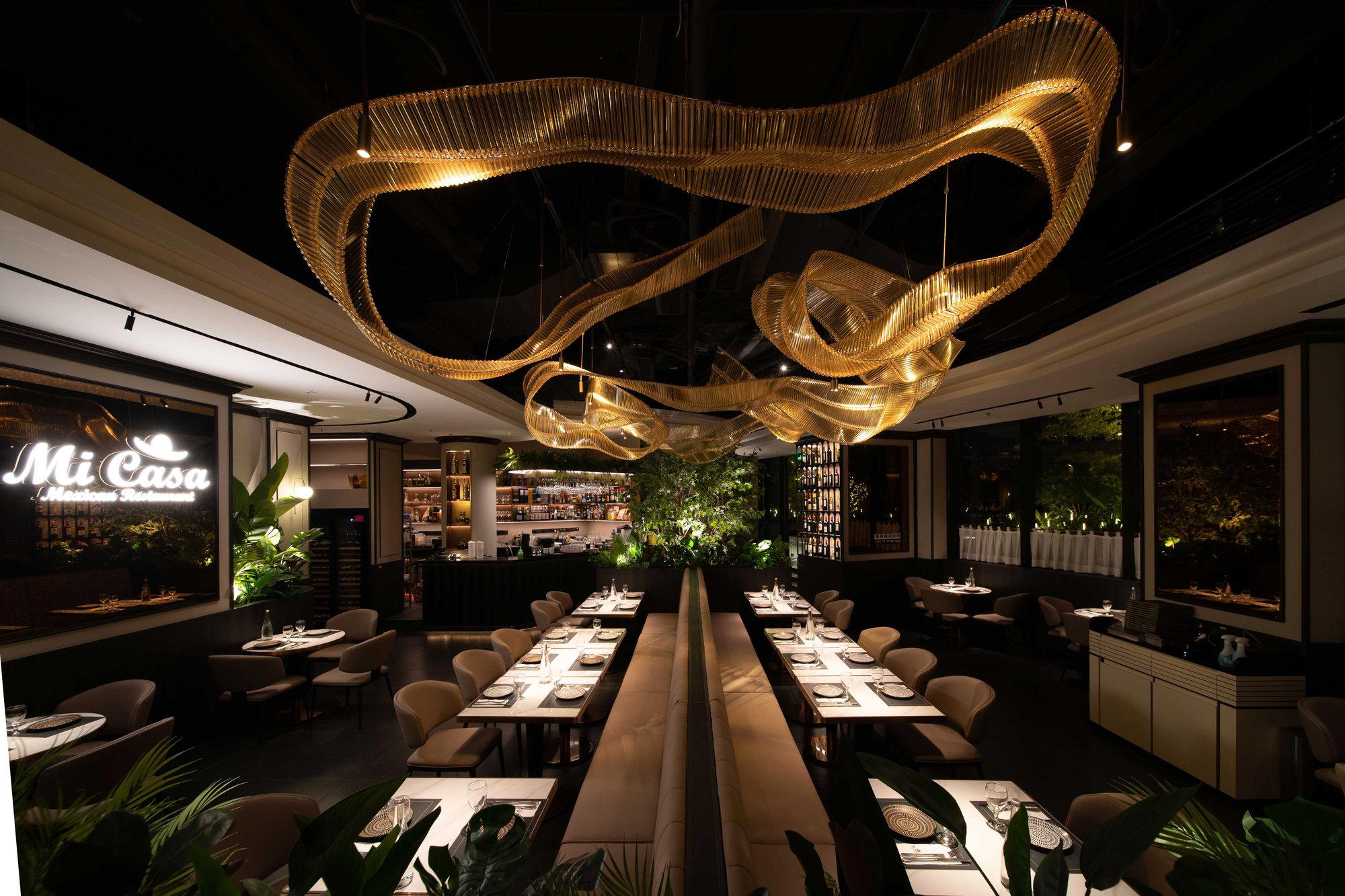
Haizhu and the Grammar of a Guangzhou Family Table
Qianjin Road in Haizhu District sits away from the tourist-facing restaurant corridors of Tianhe and Yuexiu. The streets here carry the cadence of a working residential neighbourhood: wet markets open before sunrise, grandmothers returning with taro and winter melon, the faint char of wok smoke drifting from ground-floor kitchens. It is in this context that 孖记到家 occupies its address at 142 Qianjin Road, Haizhu District, Guangzhou, as a Traditional Cantonese restaurant rooted in the logic of how Cantonese families actually eat.
Guangzhou's dining culture is, at its structural core, a communal one. The lazy Susan at the centre of the round table is not a design choice but a philosophical statement: food belongs to everyone present, and the sequence of dishes follows a social rhythm as much as a culinary one. Cold appetisers arrive first to settle the table and prompt conversation. Braised or roasted proteins follow. Vegetables come mid-meal to reset the palate. Congee or noodles close things out, a signal that the eating is winding down even as the talking continues. Understanding this grammar is the first step to eating well in Guangzhou, and it is what separates a meal at a place like 孖记到家 from a transaction at a tourist-facing restaurant.
Where 孖记到家 Sits in Guangzhou's Mid-Range Cantonese Scene
Guangzhou's Cantonese restaurant market occupies a wide price band. At the higher end, counters associated with Michelin recognition and celebrity-chef pedigree, such as Jiang by Chef Fei and Imperial Treasure Fine Chinese Cuisine, draw on formal service traditions and premium ingredient sourcing. At the opposite end, neighbourhood canteens operate on volume and speed. 孖记到家 occupies the middle ground that Guangzhou does better than almost any other Chinese city: the serious neighbourhood restaurant, where the cooking is technically grounded, the pricing is accessible to local households, and the room is built around families rather than corporate entertaining.
This tier also includes banquet-style houses like BingSheng Mansion, which scale up for larger gatherings, and dim sum specialists such as Hongtu Hall, whose rhythm is entirely different, morning-centred, trolley-driven, social in a more transient way. 孖记到家's positioning, based in Haizhu and apparently oriented toward the kind of extended-family lunch or dinner that defines Cantonese weekend culture, places it in a category that rewards local knowledge rather than guidebook navigation.
For comparison across Greater China, neighbourhood-rooted Cantonese cooking of this kind has analogues in how certain family-style houses operate in other cities. Dai Yuet Heen in Nanjing brings Cantonese technique to a northern context, while Chef Tam's Seasons in Macau sits at the formal end of the same Cantonese lineage. At the opposite extreme of formality, places like 102 House in Shanghai demonstrate how private-kitchen formats have carved out a distinct niche in Chinese dining cities. 孖记到家 appears to operate without those pretensions, which is, in Guangzhou, a form of credibility in itself.
The Dining Ritual: How Meals Unfold Here
The ritual of a Cantonese family meal is not spontaneous, it is sequenced. In restaurants of this type, the table is typically the organising unit, not the individual diner. Ordering happens collectively, with one person (usually the senior present, or the opinionated) steering the selection while others negotiate additions. The goal is balance across flavour registers, something roasted, something steamed, something braised, something with vegetables, and across textures. This is not the meal-as-solo-experience that tasting menus in cities like New York produce at places such as Atomix; it is fundamentally social architecture.
At neighbourhood restaurants in Haizhu and similar districts, the pacing is often unhurried. Dishes arrive in waves rather than on a fixed schedule, and it is common for a table of six to linger for two hours or more without any pressure to turn. Tea service, usually a light oolong or pu-erh, runs throughout, and the pouring of tea for others before yourself remains an unspoken expectation at traditional tables. These customs are not imposed by the restaurant, they are imported by the diners themselves, which is why understanding them matters before arriving.
For context on how different this approach is from, say, the precision-sequenced tasting menu format at Le Bernardin in New York City or the technique-forward innovation of Chōwa in Guangzhou, the neighbourhood Cantonese table operates on trust in repetition: returning customers order the same dishes across years, and the kitchen's reliability is the primary measure of quality.
Planning a Visit: What to Know Before You Go
孖记到家 is located at 142 Qianjin Road in Haizhu District, a part of Guangzhou that is well connected by metro but less immediately recognisable to visitors staying in Tianhe. Haizhu sits south of the Pearl River, and the area around Qianjin Road is primarily residential, meaning the surrounding streets will not offer the same concentration of dining options as Zhujiang New Town. That also means the restaurant draws overwhelmingly from its local catchment, which in Guangzhou is typically a quality signal rather than a limitation.
Reservations are recommended. Weekend lunchtimes and public holidays are the busiest periods for family-oriented restaurants across Guangzhou, and Cantonese dining customs mean that these periods can see tables booked several days in advance, a pattern consistent across similar restaurants in the city. Weekday visits are typically easier than weekend lunch or holiday periods. Dress expectations are smart casual.
For a broader orientation to eating in the city, the EP Club Guangzhou restaurants guide covers the full range from formal Cantonese to Sichuan, Teochew, and international formats. Regional comparisons are also useful: Xin Rong Ji in Beijing, Ru Yuan in Hangzhou, Xin Rong Ji in Chengdu, Dingshan·Jiangyan in Suzhou, Fleurs Et Festin in Xiamen, Shang Palace in Yangzhou, and Jiangnan Wok·Rong in Fuzhou each illustrate how Chinese dining traditions vary across regions, giving useful calibration for what to expect when eating in Guangzhou specifically.
Cuisine-First Comparison
Comparable venues nearby, for context on price, style, and recognition.
| Venue | Cuisine | Price | Awards | Notes |
|---|---|---|---|---|
| ååé 家This venue — the venue you are viewing | Traditional Cantonese | $$$ | Not listed | Not listed |
| Delightful House | Refined Cantonese Dim Sum and Classics | $$$ | Michelin Plate | Guangzhoushi |
| Season Restaurant Ya | Cantonese | $$$$ | Not listed | Guangzhoushi |
| Suyab Courtyard | Refined Chao Zhou / Chiu Chow fine dining | $$$$ | Not listed | Panyu |
| 玉堂春暖 - Yutang Chunnuan - White Swan Hotel | Classic Cantonese Dim Sum | $$$$ | Not listed | Guangzhoushi |
| Yongli Restaurant | Traditional Cantonese | $$ | Not listed | Guangzhoushi |
Continue exploring
More in Guangzhou
Restaurants in Guangzhou
Browse all →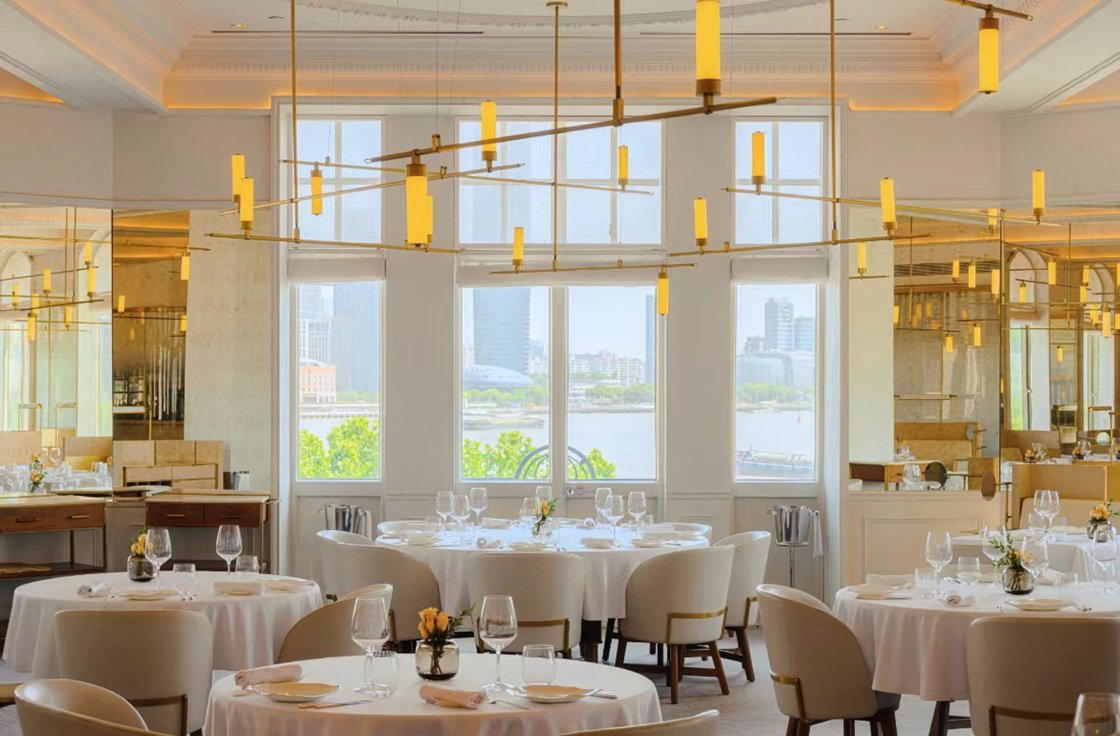
Bars in Guangzhou
Browse all →

At a Glance
- Elegant
- Sophisticated
- Group Dining
- Business Dinner
- Casual Hangout
- Local Sourcing
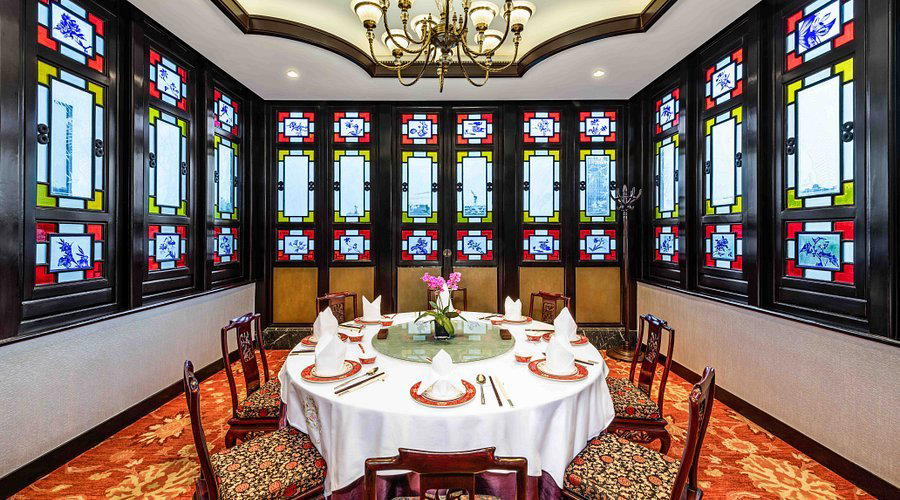
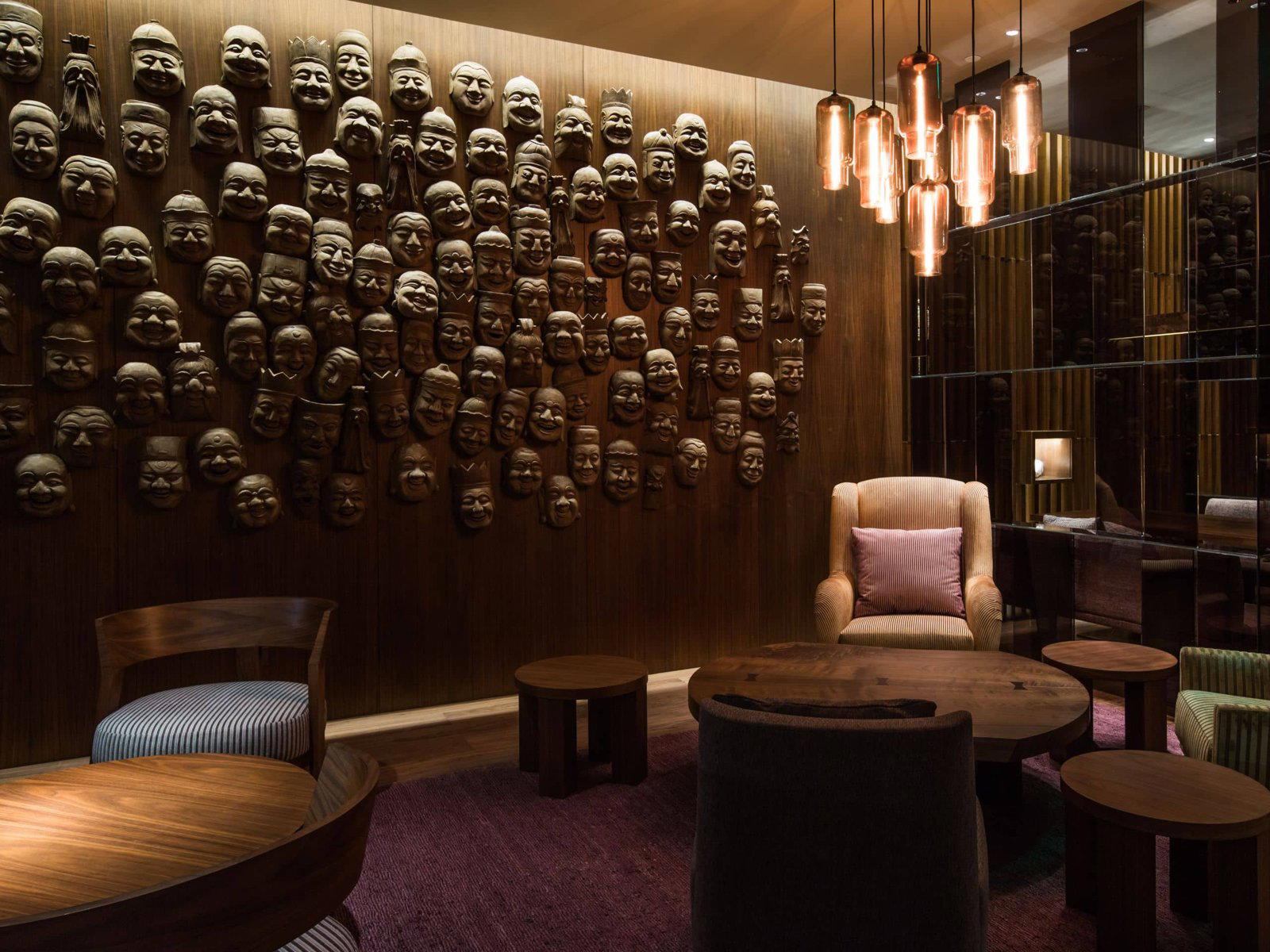
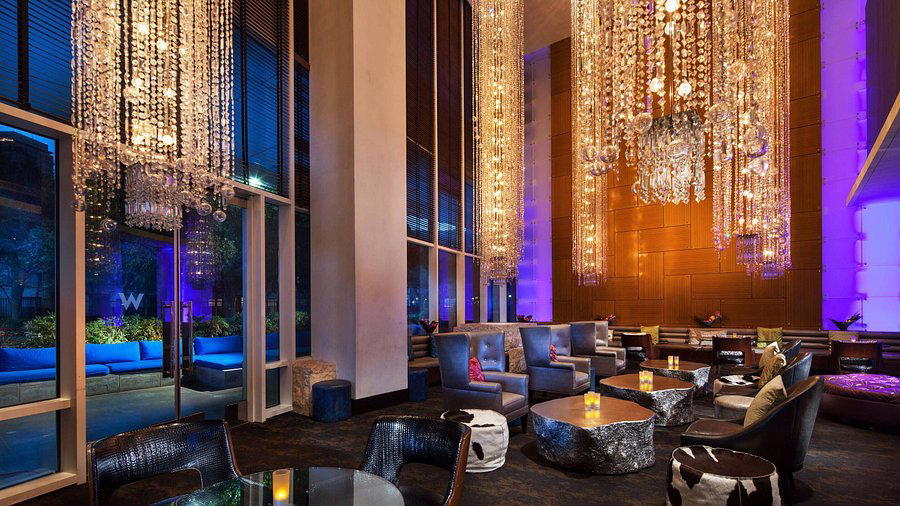
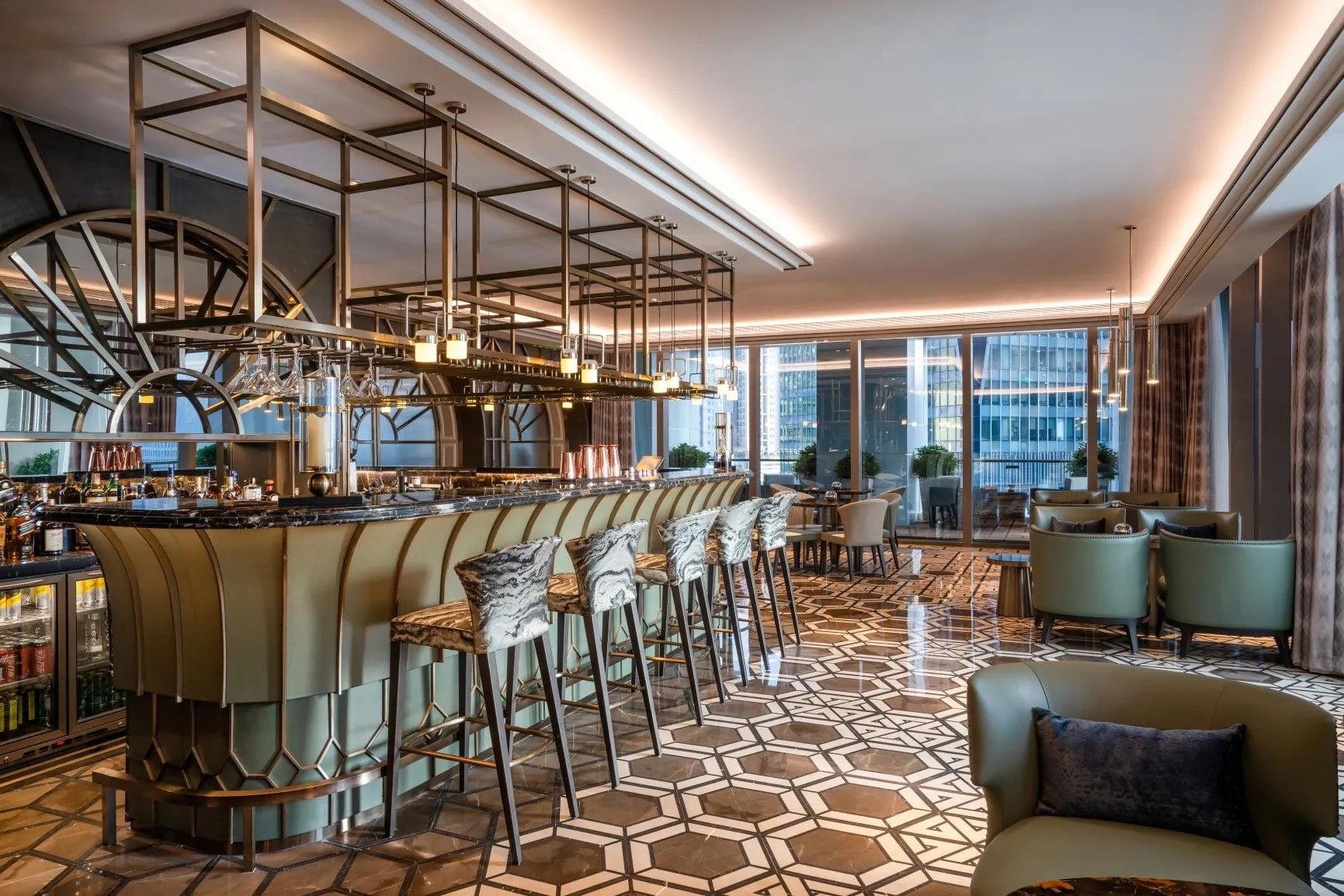
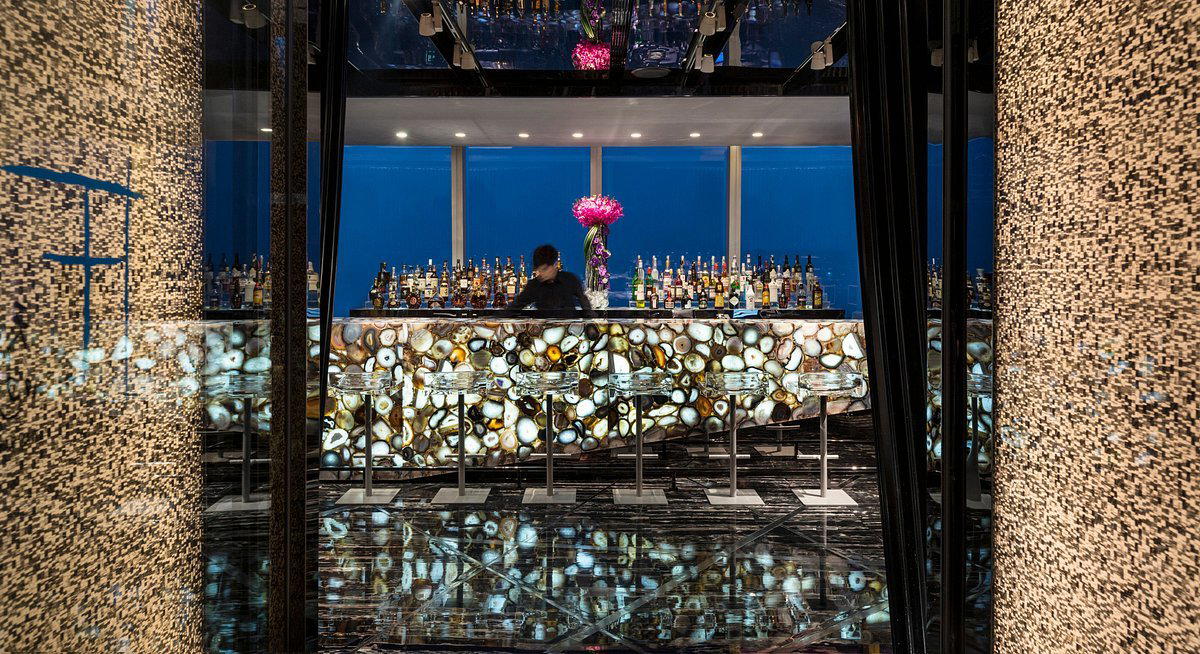
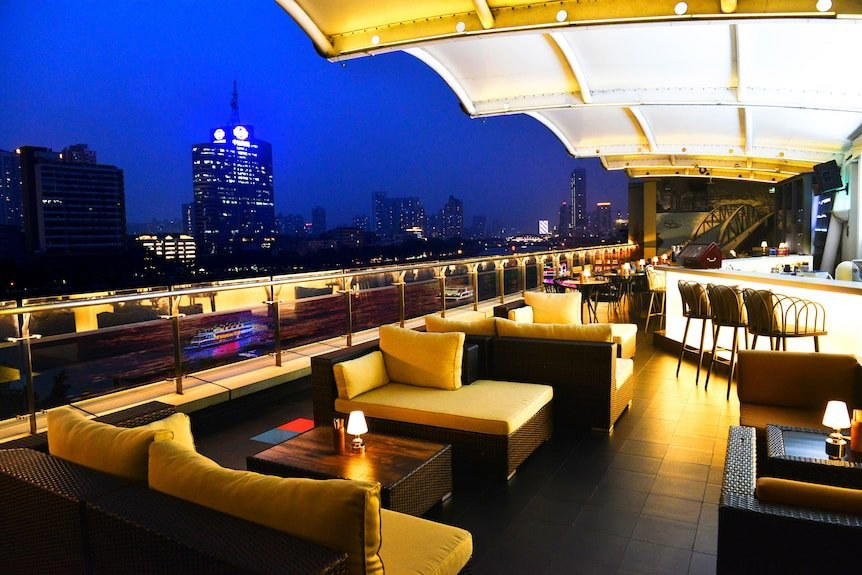
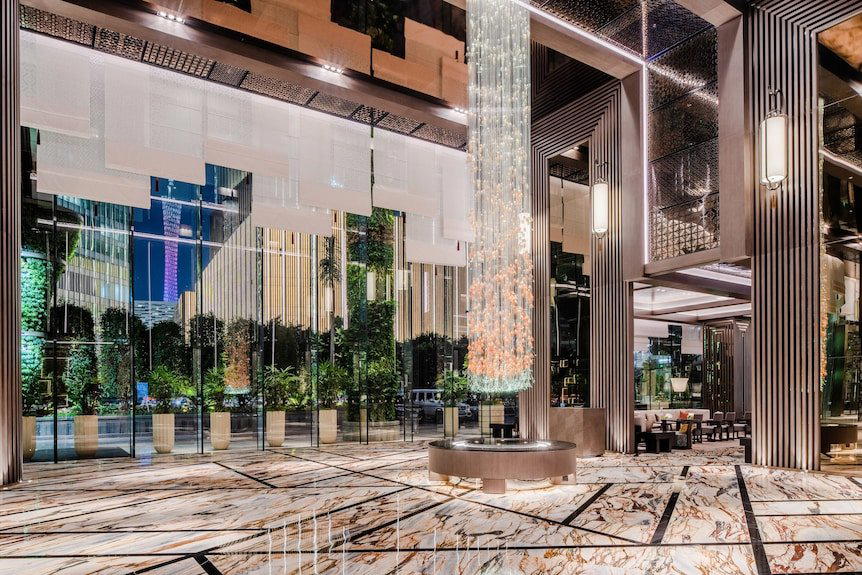
Warm and inviting with traditional Chinese décor elements, soft lighting, and attentive service creating an upscale casual dining experience.