
Yutang Chunnuan sits inside the White Swan Hotel on Shamian Island, bringing classical Cantonese cooking to one of Guangzhou's most historically layered addresses. La Liste awarded the restaurant 93 points in 2026, placing it in recognized company among China's serious Chinese dining rooms. For anyone tracing the city's Cantonese tradition at a measured pace, this is a considered starting point.
Pearl is the En Primeur Club membership app — saves, bookings, and concierge access live there. Same editors, same standards.
- Address
- 1 Shamian S St, 沙面 Liwan District, Guangzhou, Guangdong Province, China, 510133
- Phone
- +86 20 8188 6968
 Saves & bookings on Pearl
Shamian Island and the Weight of a Cantonese Address
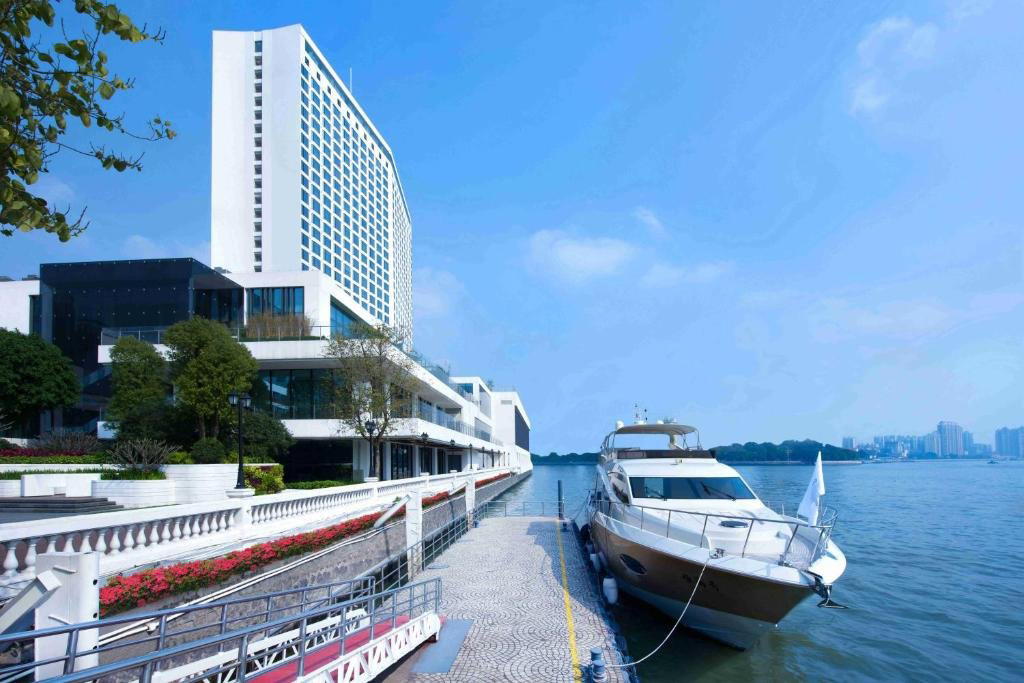
Approaching Shamian Island from the Liwan District side, the colonial-era buildings and banyan-lined streets create an unusually quiet buffer from Guangzhou's density. The White Swan Hotel anchors the island's southern edge, and Yutang Chunnuan (玉堂春暖) occupies a dining position within it that carries the particular gravity of a hotel restaurant operating in the city that effectively defined the Cantonese cooking tradition. This matters because Guangzhou's serious dining rooms are measured against a very specific standard: the wok hei benchmark, the precision of dim sum, and an accumulated culinary vocabulary that stretches back centuries. A restaurant on Shamian is not insulated from that scrutiny, it is subject to it.
La Liste, which aggregates critical opinion and awards data across markets, scored Yutang Chunnuan 93 points in its 2026 edition, up from 87 points in 2025. That six-point climb in a single year signals something, whether a sharpened kitchen, a recalibrated menu, or simply increased critical attention reaching a room that had previously flown below the radar of international guides. Either way, the trajectory places it within a smaller cohort of Guangzhou Cantonese restaurants earning consistent cross-border recognition, rather than the larger pool of competent local operators whose reputations rarely travel.
The Logic of Cantonese High-Heat Cooking
Cantonese cuisine's reputation rests, in large part, on what happens in the seconds after ingredients meet a wok at temperatures most Western kitchens never attempt. Wok hei, the smoky, slightly charred breath of a properly fired wok, is not a stylistic flourish but a technical threshold. Achieving it consistently requires high-BTU commercial burners, a cook who understands the precise moment to toss and when to let the metal work, and ingredients that can absorb the heat without surrendering their structural integrity. Cantonese kitchens at this level treat fire as a primary ingredient.
This tradition makes Guangzhou a city where technique is visible in the eating. Stir-fried dishes either carry that oxidized, smoky edge or they don't. Steamed fish either holds the precise texture that signals correct timing or it breaks apart into something overworked. Dim sum pastry either has the translucency and give of properly handled dough or it doesn't. These are binary outcomes in a cuisine with almost no tolerance for the middle ground, which is why the gap between a recognized Cantonese room and a merely adequate one is often immediately apparent to anyone who eats here regularly. For international context on how Cantonese kitchens operate at different price points and in different cities, see Genting Palace, Cantonese Chinese in Las Vegas and Vida Rica Restaurant, Cantonese Chinese in Macau, both operating within the same culinary tradition but against very different competitive backdrops.
Where Yutang Chunnuan Sits in Guangzhou's Dining Order
Guangzhou's premium Cantonese dining has fragmented across hotel rooms, private dining clubs, and a newer generation of chef-led independents. Hotel restaurants in the city occupy an interesting middle position: they carry the infrastructure to source at scale and maintain kitchen consistency, but they also operate under the commercial pressures that can blunt culinary ambition. The White Swan's address on Shamian provides a particular kind of clientele, business travelers, returning diaspora, and visitors for whom the hotel's historical significance (it was among the first luxury hotels to open in post-reform China) functions as a draw in itself.
For direct comparison within Guangzhou's formal Cantonese tier, Imperial Treasure Fine Chinese Cuisine in Guangzhou operates within the same premium bracket. Across the Pearl River Delta region, the Macau market offers a parallel reading: Chef Tam's Seasons in Macau represents another data point in how classical Cantonese techniques are being maintained and, in some cases, extended in southern China's major dining cities. Further afield, Dai Yuet Heen in Nanjing shows how the Cantonese model travels north, where it operates as a specialist cuisine rather than a local default.
For readers mapping Chinese fine dining more broadly, the contrast with non-Cantonese traditions is instructive. Xin Rong Ji (Xinyuan South Road) in Beijing and Xin Rong Ji in Chengdu represent Taizhou cuisine's precision-driven tradition, while 102 House in Shanghai, Ru Yuan in Hangzhou, Dingshan·Jiangyan (Xiangcheng) in Suzhou, Jiangnan Wok‧Rong in Fuzhou, Shang Palace in Yangzhou, and Fleurs Et Festin in Xiamen collectively map how Chinese regional cooking operates at formal dining levels across the east and south. EP Club's full Guang Zhou Shi restaurants guide provides the broader city context.
Planning a Visit: Practical Notes
The restaurant sits within the White Swan Hotel at 1 Shamian South Street in the Liwan District, a direct reach from the city center via metro (Huangsha station on Line 1 is the nearest point, roughly a ten-minute walk across the island). Shamian itself is compact and walkable, making it a manageable destination rather than a logistical exercise. Given the La Liste recognition and the hotel's established international profile, reservations are advisable rather than optional for dinner sittings, particularly on weekends when the dining room draws both hotel guests and Guangzhou residents. The restaurant follows an essential reservation policy and is open daily from 8 AM to 10 PM. For a fuller picture of where to drink and stay around the visit, EP Club's Guang Zhou Shi bars guide, hotels guide, wineries guide, and experiences guide cover the broader city across categories.
A Quick Peer Check
Comparable venues nearby, for context on price, style, and recognition.
| Venue | Cuisine | Price | Awards | Notes |
|---|---|---|---|---|
| 玉堂春暖 - Yutang Chunnuan - White Swan HotelThis venue — the venue you are viewing | Classic Cantonese Dim Sum | $$$$ | ||
| Yue CREATIVE CANTONESE CUISINE | Modern Creative Cantonese Fine Dining | $$$$ | , | Haizhu District |
| Zen Tea | Zen Vegetarian Cantonese | $$$$ | Michelin Plate | Guangzhoushi |
| Grand Hyatt Guangzhou The Penthouse | Upscale Cantonese with skyline views | $$$ | , | Tianhe |
| Bingsheng Mansion | High-end Cantonese fine dining | $$$$ | , | Tianhe |
| çå æ¥æ - Yutang Chunnuan | Classical Cantonese Dim Sum & Roasted Specialties | $$$ | , | Guangzhoushi |
Continue exploring
More in Guangzhou
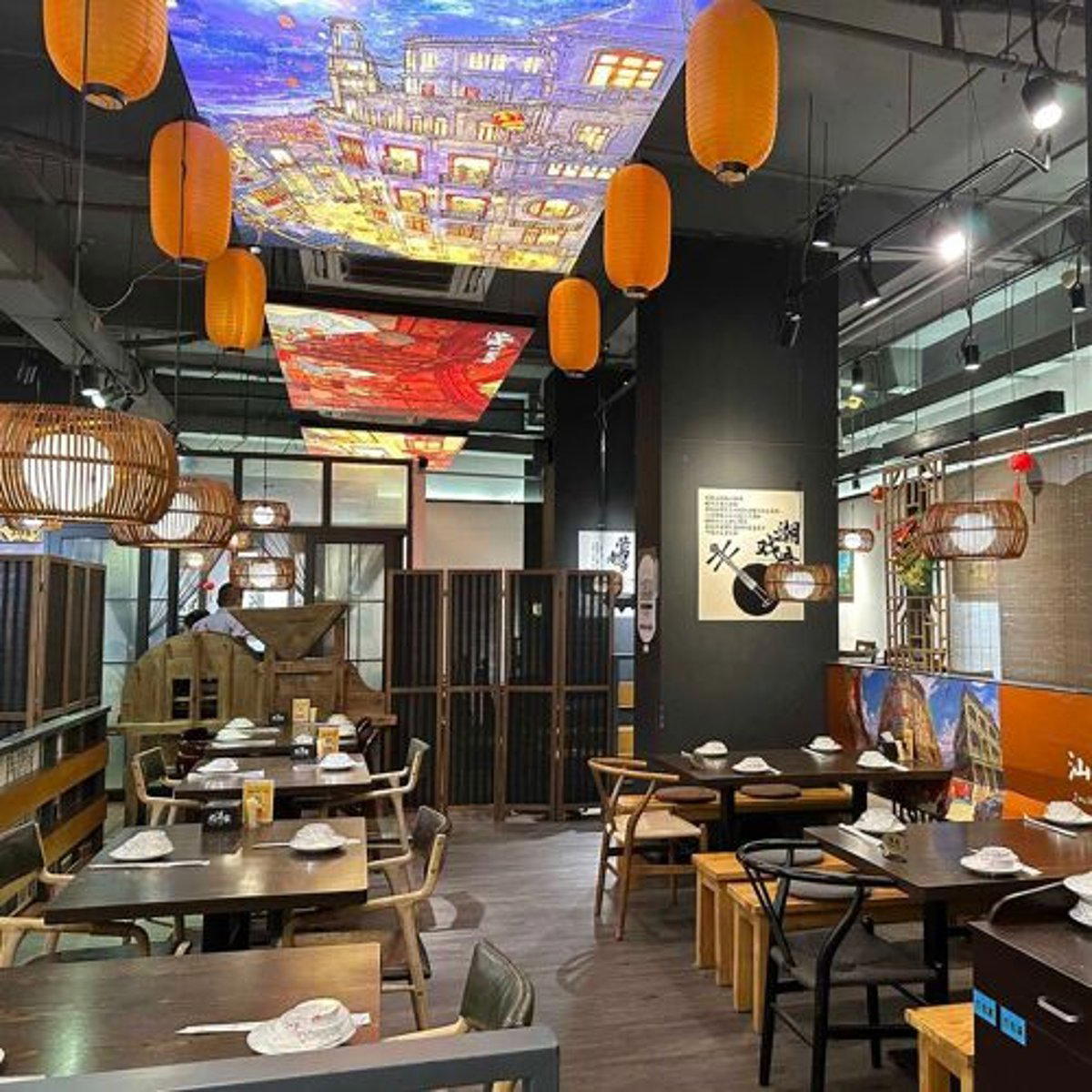
Restaurants in Guangzhou
Browse all →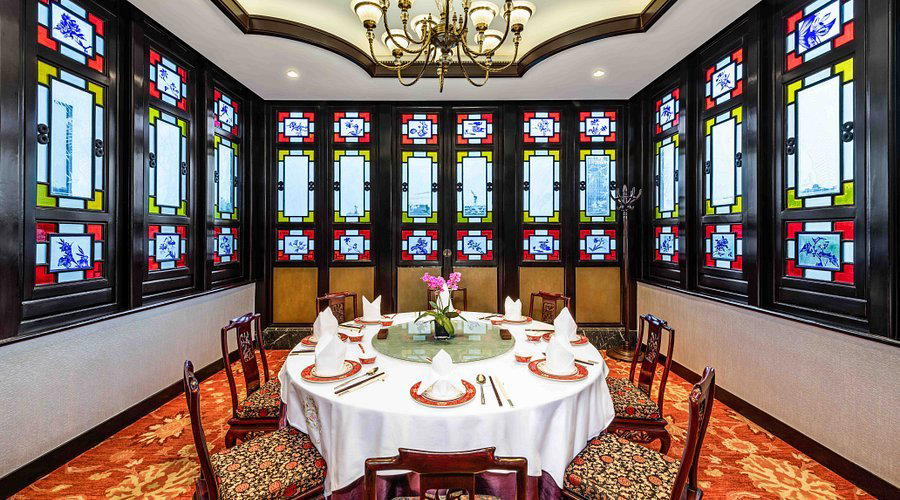
Bars in Guangzhou
Browse all →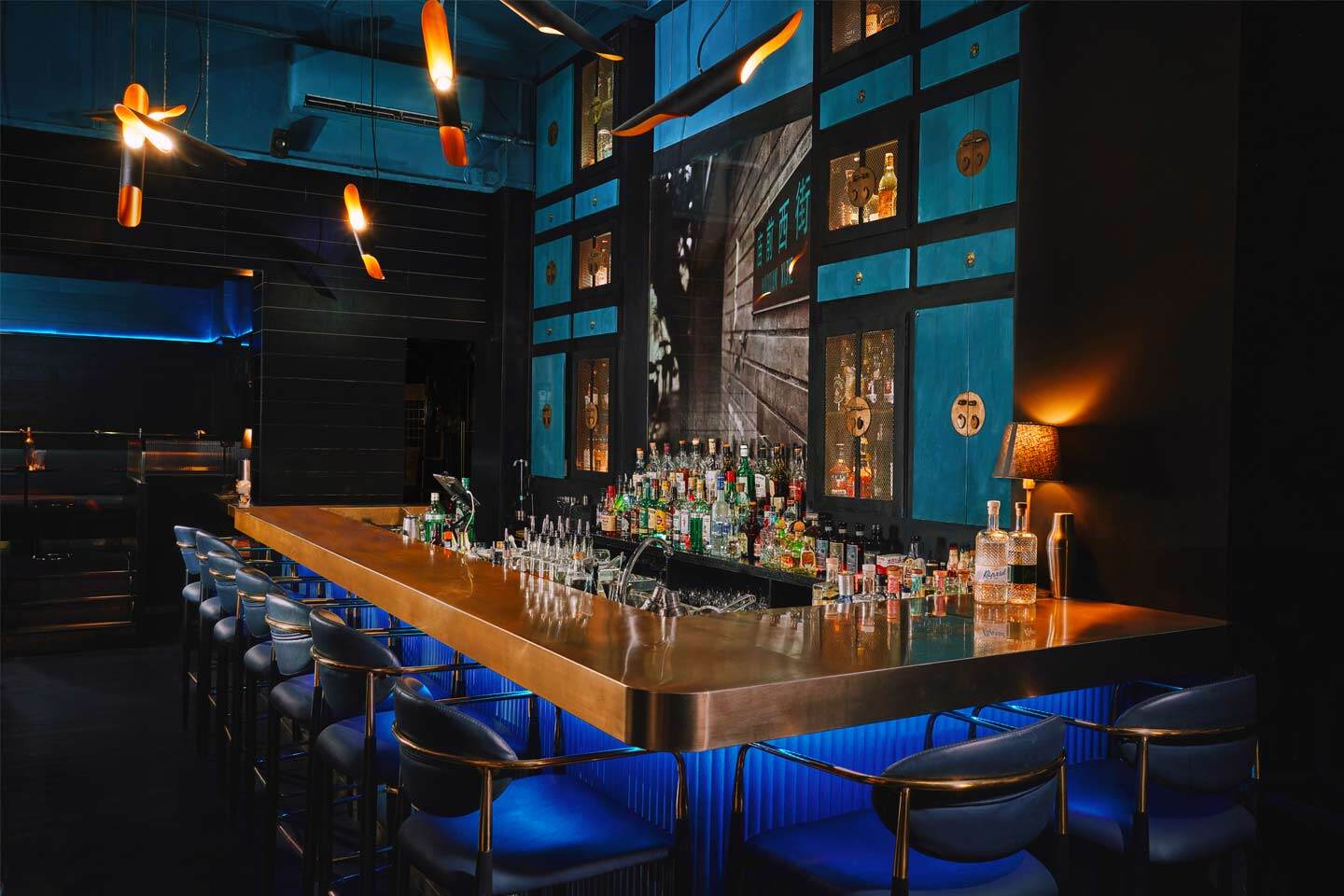
At a Glance
- Elegant
- Classic
- Intimate
- Sophisticated
- Business Dinner
- Family
- Celebration
- Special Occasion
- Hotel Restaurant
- Private Dining
- Historic Building
- Waterfront
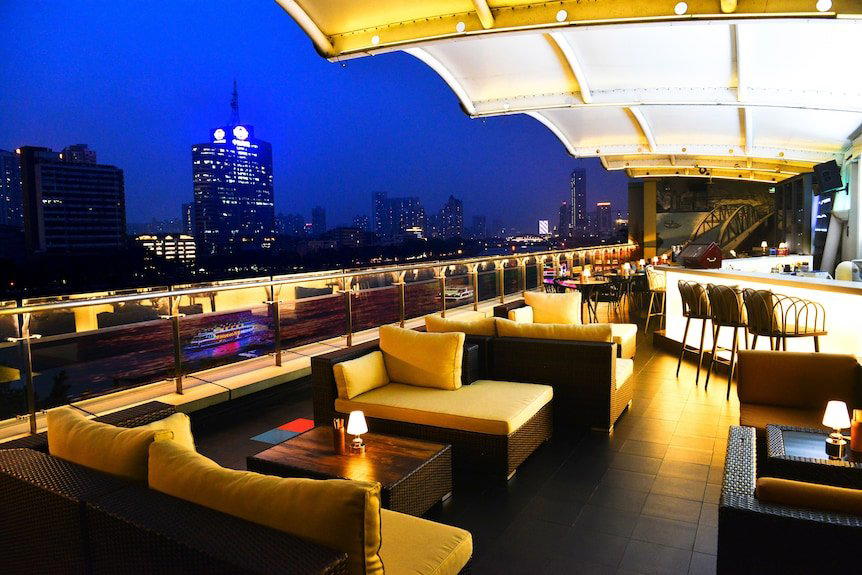
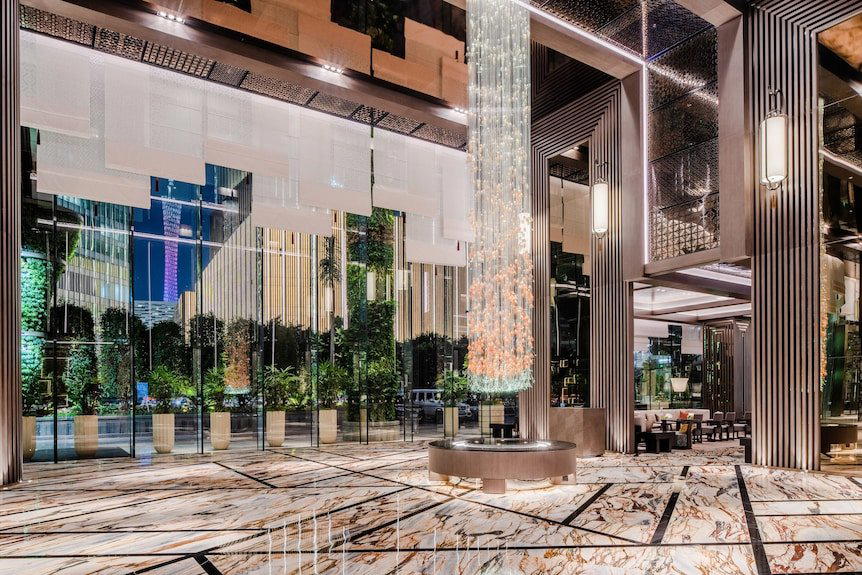
Warm inviting atmosphere with timber furnishings, soft lighting, silk-backed chairs, and Pearl River views creating a calm, elegant, and measured dining experience.