Situated on the ground floor of Rise Hotel Osaka Kitashinchi in Dojima, 新地やま本 occupies a position at the heart of Osaka's most concentrated dining district. Kitashinchi draws a clientele that expects precision and discretion in equal measure, and the restaurant operates within that expectation. For visitors mapping serious dining in the city, it represents one coordinate worth understanding.
Pearl is the En Primeur Club membership app — saves, bookings, and concierge access live there. Same editors, same standards.
- Address
- Japan, 〒530-0003 Osaka, Kita Ward, Dojima, 1 Chome−1−13 1F ライズホテル大阪北新地1階
- Phone
- +81661478227
- Website
- omakase.in
- Directions
- Get directions
 Saves & bookings on Pearl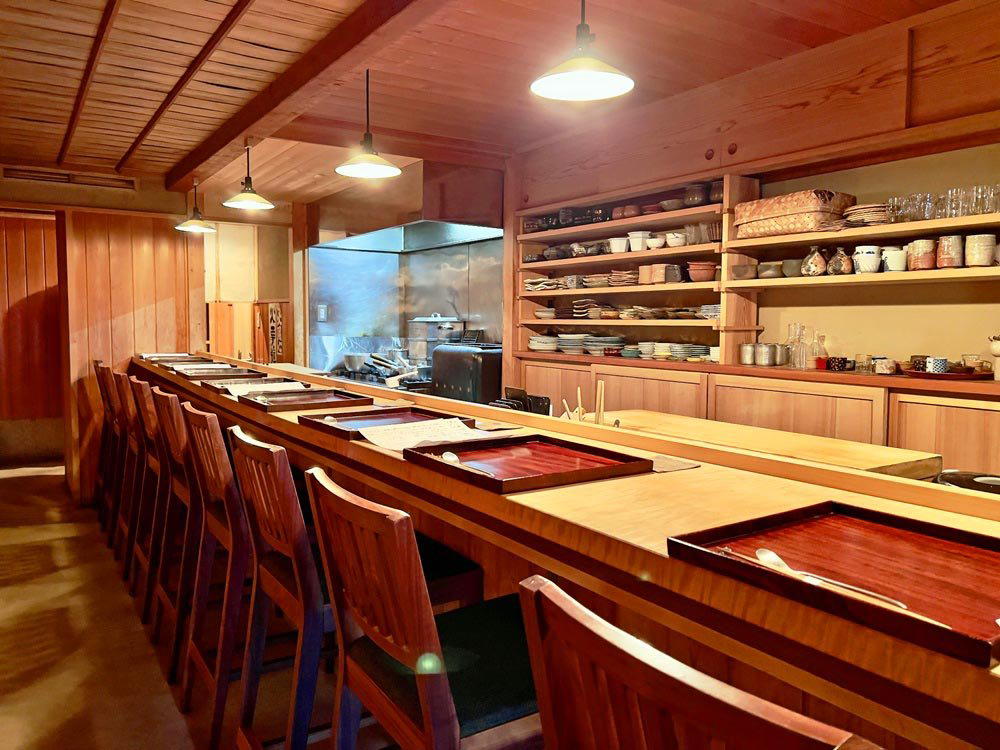
Dojima and the Logic of Kitashinchi Dining
新地やま本 is a Traditional Japanese Kaiseki restaurant in Osaka, in the Dojima district of Kita Ward. To the east, Namba and Shinsaibashi absorb the tourist volume. To the north, Kitashinchi operates on different terms entirely. This is the district where corporate expense accounts historically set the floor, where counter seats fill with regulars who book through relationships rather than apps, and where the density of serious restaurants per city block rivals anything in Tokyo's Ginza or Kyoto's Gion. Dojima, the specific sub-address where 新地やま本 sits, places it at the geographic and atmospheric centre of that concentration.
The hotel-ground-floor format is more common in this part of Osaka than in comparable districts elsewhere in Japan. Rise Hotel Osaka Kitashinchi positions 新地やま本 at street level on the 1-chome stretch of Dojima, which means the restaurant benefits from the hotel's address credibility while operating with the directness of a freestanding venue. Guests arriving by taxi from Shin-Osaka or transferring from the Shinkansen at Osaka Station find Kitashinchi a short ride north, and the Dojima location sits within the natural radius of the district's evening concentration.
What Kitashinchi asks of its restaurants is not spectacle. The district rewards consistency, restraint, and an understanding of what its regular clientele expects over many visits rather than one. Venues here compete less on novelty and more on the quality of repetition, the same standard maintained across dozens of covers on a Tuesday as on a Saturday. That context shapes what it means to open or operate in this part of Osaka.
The Kitashinchi comparable set
Kitashinchi contains some of Osaka's most awarded addresses. Ajikitcho Bunbuan operates in the kaiseki register that has defined the district's formal end for decades. Ajihei Sonezaki represents a more intimate counter format that has found its own loyal following nearby. Across Osaka more broadly, HAJIME holds its position at the highest recognition tier, while addresses like Aka to Shiro, Az, and Calendrier illustrate the range of formats the city supports across French-influenced and contemporary Japanese registers.
Beyond Osaka, the broader Kansai dining map offers useful calibration. Gion Sasaki in Kyoto and akordu in Nara show how the region sustains serious dining across different city characters. In Tokyo, counters like Harutaka define the northern end of what omakase-format dining commands in terms of expectation and price. 新地やま本, sitting in Kitashinchi rather than those cities, operates within a local set that rewards quiet authority over visible status.
Reading the Address
The address itself carries information. Japan, and Osaka in particular, uses building-level specificity as a proxy for seriousness. The 1-chome Dojima block places 新地やま本 in the part of Kitashinchi that draws an evening crowd of financial district professionals, long-term Osaka residents who treat the neighbourhood as their habitual dining territory, and out-of-city visitors with enough knowledge of Osaka's geography to seek this district out deliberately. That audience is different from the tourist traffic that circulates through Dotonbori, and it shapes the room's atmosphere accordingly.
Hotel-ground-floor venues in Japan sometimes carry an assumption of compromise, a sense that the space exists to serve hotel guests rather than local regulars. Kitashinchi tends to invert this. Restaurants in this district with hotel addresses often draw the neighbourhood's own clientele first, and the hotel association functions more as a structural convenience than a characterisation of the guest mix. The 1F designation at Rise Hotel Osaka Kitashinchi puts the restaurant at street level with direct access.
What the District Asks of Its Visitors
Kitashinchi is not a browsing district. Visitors who arrive without a reservation and expect to find a seat at a well-regarded counter will find the neighbourhood less accommodating than Namba or Amerika-Mura. The district functions on advance planning, and the closer to a Friday or Saturday evening, the further ahead that planning needs to reach. Weekday dinner slots, particularly earlier in the week, tend to be more accessible at counter-format venues across the district.
For international visitors, the practical barriers in Kitashinchi are worth acknowledging directly. Many venues in the district accept reservations through Japanese-language channels or via hotel concierge introduction. Visitors staying within Osaka's central hotel corridor, including properties near Umeda or Nakanoshima, are geographically well positioned. Those arriving specifically for a Kitashinchi dinner should plan their wider Osaka itinerary around the district rather than treating it as a detour.
Know Before You Go
- Address: 1F Rise Hotel Osaka Kitashinchi, 1-1-13 Dojima, Kita Ward, Osaka 530-0003
- District: Kitashinchi, Osaka, the city's primary destination for high-commitment evening dining
- Access: Kitashinchi station (Osaka Higashi Line) and Nishi-Umeda station (Yotsubashi Line) are both within walking distance of the Dojima address
- Reservations: Contact through hotel concierge or direct venue inquiry; advance booking is standard for the district
- Price range: 3; hours: Mon to Sat, 6 to 11 PM; Sunday closed; dress code: smart casual
Accolades, Compared
Comparable venues nearby, for context on price, style, and recognition.
| Venue | Cuisine | Price | Notes |
|---|---|---|---|
| 新地やま本This venue — the venue you are viewing | Traditional Japanese Kaiseki | $$$ | Not listed |
| 十皿 | Traditional Japanese Kaiseki | $$$ | Kita |
| Wagyu Japanese BBQ Yakiniku & Hamburger Ramen Dotonbori Restaurant Namba-Beef | Halal Wagyu Yakiniku & Ramen | $$$ | Chūō |
| Daibon | Modern Seafood Kushikatsu | $$$ | Kita |
| Wayōshusai Hide | Japanese Izakaya | $$$ | Chūō |
| 台処 かみ谷 | Japanese Izakaya | $$$ | Nishi |
Continue exploring
More in Osaka
Restaurants in Osaka
Browse all →




Bars in Osaka
Browse all →




Hotels in Osaka
Browse all →




Wineries in Osaka
Browse all →
At a Glance
- Elegant
- Intimate
- Sophisticated
- Special Occasion
- Date Night
- Chefs Counter
- Sake Program
Current opening hours
- Monday
- 6–11 PM
- Tuesday
- 6–11 PM
- Wednesday
- 6–11 PM
- Thursday
- 6–11 PM
- Friday
- 6–11 PM
- Saturday
- 6–11 PM
- Sunday
- Closed
Hours can change for holidays and private events. Last verified .
Calm and refined atmosphere focused on the chef's craft at the counter.