Our verdict
ビストロ ア ターブル sits in Hamamatsu's Tomitsuka district, offering French bistro cooking in a city better known for its manufacturing heritage than its dining scene. The restaurant occupies a niche where European technique meets Shizuoka Prefecture's agricultural depth, positioning it among a small tier of destination-worthy tables outside Japan's major culinary centres. Visitors planning around the Shinkansen corridor will find it worth the detour.

Pearl is the En Primeur Club membership app — saves, bookings, and concierge access live there. Same editors, same standards.
- Address
- 2299-3 Tomitsukacho, Chuo Ward, Hamamatsu, Shizuoka 432-8002, Japan
- Phone
- +81535287567
- Hours
- Mon–Tue 6–10:30 PMWed ClosedThu–Sun 6–10:30 PM
- Website
- bistro-atable.com
- Directions
- Get directions
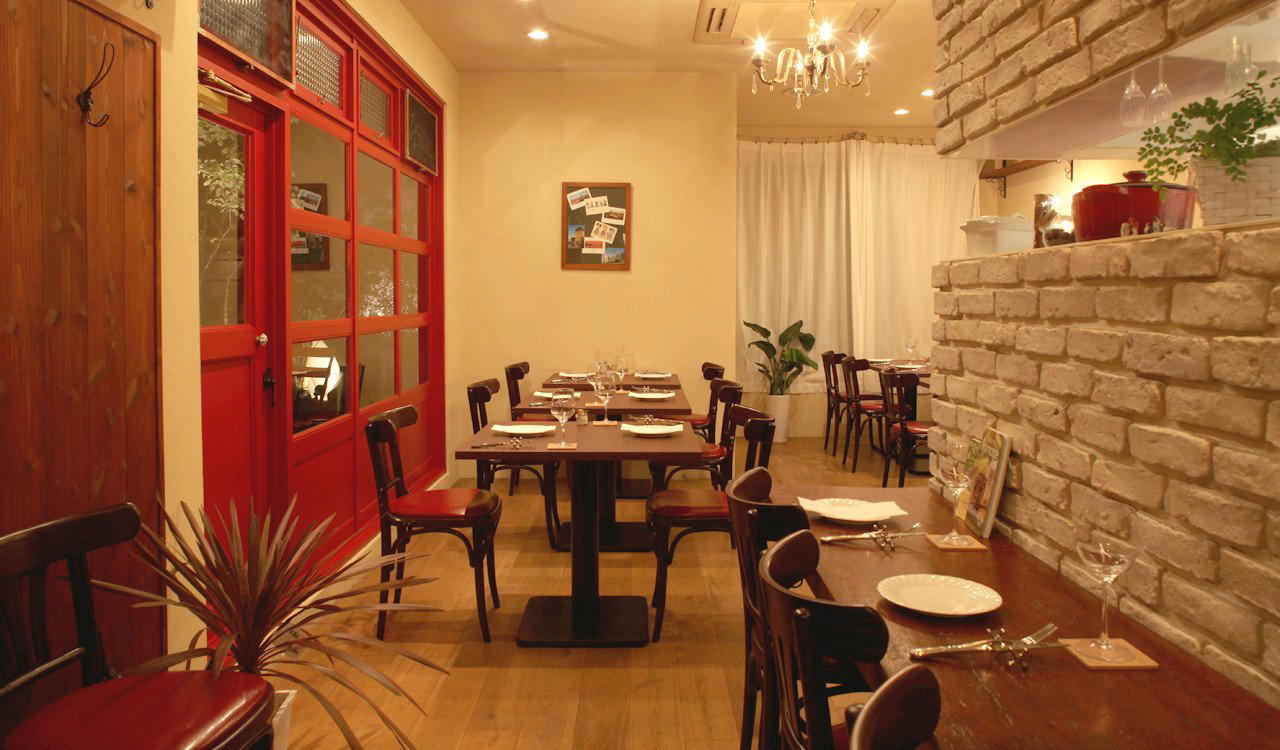
French Bistro Cooking on Shizuoka's Terms
Hamamatsu sits roughly midway between Tokyo and Osaka on the Tokaido Shinkansen corridor, a city most travellers pass through rather than pause in. That pattern is slowly changing. A small cluster of restaurants in the city's residential and commercial wards has begun drawing diners who treat Hamamatsu as a destination rather than a transit stop, and ビストロ ア ターブル in the Tomitsuka district belongs to that emerging tier. The bistro format — the French tradition of generous, technique-grounded cooking served in unpretentious rooms — has found productive soil across provincial Japan, where the distance from metropolitan scrutiny often gives chefs the freedom to cook with fewer compromises. Hamamatsu, flanked by Lake Hamana to the west and the Oi River basin to the east, has the agricultural and aquatic supply lines to make that kind of cooking credible.
Why Ingredient Sourcing Defines the Bistro Argument Here
The case for French bistro cooking in Shizuoka Prefecture rests substantially on what the prefecture produces. Shizuoka is among Japan's most ingredient-diverse prefectures: wasabi cultivation in the Abe River valley, eel farming around Lake Hamana, mikan orchards across the coastal slopes, and market vegetables from the Enshunada coastal plain. For a kitchen working in the French bistro register, this geography represents the same kind of productive tension that defines good provincial French cooking itself: classical European structure applied to ingredients with strong local identity.
That dynamic plays out differently here than it does at the high-end French tables in Osaka or Tokyo. At HAJIME in Osaka, Shizuoka produce might appear as a single element in a multi-course architecture built around precision and spectacle. At a neighbourhood bistro in Tomitsuka, the same ingredient is more likely to carry the dish on its own terms, without the scaffolding of elaborate technique. Both approaches are legitimate; they belong to different tiers of the French dining spectrum in Japan, and the distinction matters for anyone choosing between them.
Across Japan's provincial cities, the bistro model has proven more durable than the fine-dining transplant, partly because it asks less of both kitchen and guest. The cooking can reference locality without demanding that the diner decode a theoretical framework. Venues like Bistro Ange in Toyohashi, a comparable city along the same rail corridor, show how the format travels in the Tokai region, adapting French bistro conventions to what local suppliers actually provide rather than to what a metropolitan menu demands.
The Tomitsuka Setting and What It Signals
The Tomitsuka address, at 2299-3 Tomitsukacho, Chuo Ward, places ビストロ ア ターブル away from Hamamatsu Station's immediate commercial orbit. This is a deliberate spatial choice that most serious neighbourhood restaurants in Japanese cities share: enough distance from the tourist-facing core to attract a local clientele that returns regularly, but accessible enough from the city's main transit node to pull visitors who have done the research. The same pattern holds at Kohane and 彩席かわかみ, two other Hamamatsu tables that occupy residential rather than commercial addresses.
In French dining terms, a bistro that locates itself in a working neighbourhood rather than a hotel lobby or a commercial strip is making a statement about its intended audience. It is cooking for regulars, not for once-only visitors. That orientation tends to produce menus that change with supply rather than with marketing cycles, kitchens that develop relationships with specific farmers and fishermen over years, and a pricing structure calibrated to the spending habits of a local middle-class rather than to the expense accounts of business travellers. Whether ビストロ ア ターブル operates on exactly those terms is difficult to verify from the available record, but the address and format together point in that direction.
Where This Fits in Japan's Provincial French Scene
Japan's French dining spectrum outside the major cities has widened considerably over the past two decades. The country now has French-trained chefs operating at every tier from kaiseki-adjacent haute cuisine to casual lunch spots, with the bistro category expanding fastest in mid-size cities where rents are lower and local ingredient supply is strong. Shizuoka Prefecture, with its tea, seafood, and agricultural diversity, has attracted more than its share of this migration.
The relevant comparison set for ビストロ ア ターブル is not the three-star rooms in Tokyo or Kyoto. It is, instead, the broader category of technically grounded European restaurants in Japanese cities of 500,000 to 800,000 people, places like akordu in Nara, which applies European wine-and-food thinking to a city better known for temples than restaurants, or Goh in Fukuoka, which operates a modern European format in a city whose reputation runs toward ramen and yakitori. These are restaurants that succeed by being the most serious option in their category within a given city, rather than by competing directly with the metropolitan flagships.
For a broader picture of what Hamamatsu's dining scene offers across Japanese and international formats, the EP Club Hamamatsu restaurants guide covers the city's range in detail, including 焼き鳥幸羽(こはね), which represents the city's strong yakitori tradition. The contrast between a French bistro and a serious yakitori counter in the same mid-size city illustrates how Hamamatsu's dining identity is more layered than its industrial reputation suggests.
Planning a Visit
Hamamatsu is served by Kodama and Hikari Shinkansen services from both Tokyo (approximately 90 minutes) and Osaka (approximately 75 minutes), making it a viable half-day or full-day diversion from either city. The Tomitsuka district is leading reached by local bus or taxi from Hamamatsu Station, as the address sits outside comfortable walking range. For visitors building an itinerary around Japan's regional French tables, the Tokaido corridor offers a coherent route that can include stops like Gion Sasaki in Kyoto or Harutaka in Tokyo as anchors, with Hamamatsu as a substantive point in between. Reservations at serious neighbourhood bistros in Japan are generally advisable, particularly on weekend evenings when local regulars fill the room first.
Frequently asked questions
How do I find ビストロ ア ターブル?
ビストロ ア ターブル is located at 2299-3 Tomitsukacho, Chuo Ward, Hamamatsu, Shizuoka 432-8002, Japan, Hamamatsu.
Is ビストロ ア ターブル worth a stop on the Tokyo–Osaka Shinkansen corridor?
Hamamatsu is served by Kodama and Hikari Shinkansen services, placing it roughly 90 minutes from Tokyo and 75 minutes from Osaka — close enough to build a deliberate stop around a lunch or dinner reservation. For travellers interested in how French bistro cooking translates through a prefecture with Shizuoka's agricultural depth, ビストロ ア ターブル occupies a specific niche in Japan's provincial French scene that the major cities don't replicate. The Tomitsukacho location, away from the station's commercial centre, reinforces that this is a destination for those who come with purpose rather than convenience.
What should I eat at ビストロ ア ターブル?
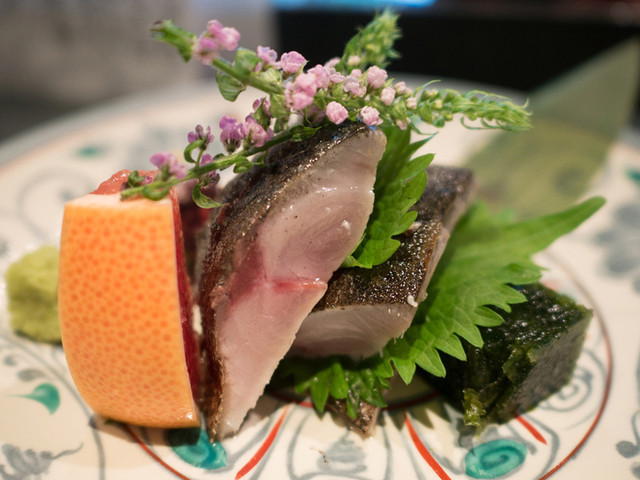
The bistro format at ビストロ ア ターブル points toward French classics interpreted through Shizuoka's ingredient strengths — a prefecture that produces high-quality tea, wasabi, seafood from Suruga Bay, and premium livestock. Dishes grounded in those local ingredients represent the most coherent argument for eating here rather than at a comparable bistro in Tokyo. Specific menu items are best confirmed directly with the restaurant ahead of your visit.
Can I walk in to ビストロ ア ターブル?
The Tomitsuka address in Chuo Ward puts ビストロ ア ターブル outside Hamamatsu Station's immediate foot-traffic zone, which typically favours restaurants that draw intentional diners over passing walk-ins. Reservations are advisable for any bistro operating in a residential or semi-commercial setting away from the station. Contact details are not publicly listed, so reaching the restaurant via a Japanese-speaking intermediary or through your hotel concierge is the practical route to securing a table.
Comparable Spots, Quickly
Comparable venues nearby, for context on price, style, and recognition.
| Venue | Cuisine | Price | Awards | Notes |
|---|---|---|---|---|
| ビストロ ア ターブルThis venue — the venue you are viewing | French Bistro | $20–30 | Not listed | Not listed |
| Tenkin | Traditional Tempura & Tendon Counter | $30–50 | Tabelog 100 #50 | Tamachi, Chuo Ward |
| Torihama | Traditional Japanese Chicken Specialty | Not listed | Tabelog 100 #74 | Naka-ku |
| Kiyo | Traditional Hamamatsu gyoza & horumon | $10–20 | Tabelog 100 #65 | Naka Ward (Kamoe) |
| Binshan Li | Modern Chinese dim sum & small plates | $30–50 | Tabelog 100 #46 | / Daiichi Dori area (central Hamamatsu) |
| Sumiyaki Unagi Hajime | Charcoal-grilled Unagi Specialist | $30–50 | Tabelog 100 #54 | Nishi-ku |
Continue exploring
More in Hamamatsu
Restaurants in Hamamatsu
Browse all →
Details
- Cozy
- Rustic
- Intimate
- Date Night
- Casual Hangout
- Standalone
- Sake Program
- Waterfront
- A La Carte
Current opening hours
- Monday
- 6–10:30 PM
- Tuesday
- 6–10:30 PM
- Wednesday
- Closed
- Thursday
- 6–10:30 PM
- Friday
- 6–10:30 PM
- Saturday
- 6–10:30 PM
- Sunday
- 6–10:30 PM
Hours can change for holidays and private events. Last verified .
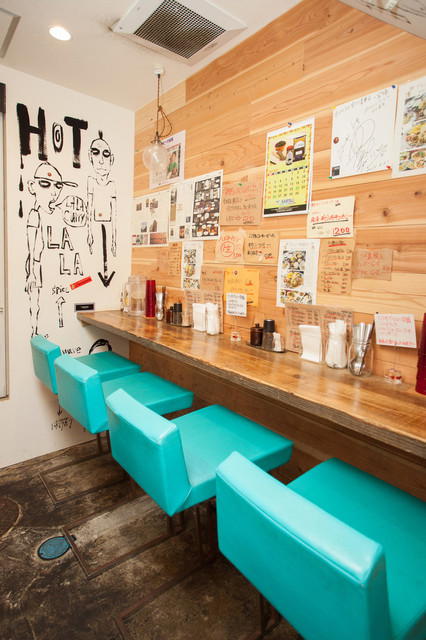
Cozy and compact space with a warm, intimate atmosphere.