Our verdict
彩席かわかみ occupies a quiet address in Hamamatsu's Sakanamachi district, operating within the kaiseki tradition that ties formal Japanese dining to seasonal rhythm and regional produce. Hamamatsu sits at an underexplored point on the Tokaido corridor between Tokyo and Kyoto, and venues like this one represent the city's quieter claim on serious Japanese cuisine. Booking in advance is advised for this intimate setting.

Pearl is the En Primeur Club membership app — saves, bookings, and concierge access live there. Same editors, same standards.
- Address
- Japan, 〒430-0932 Shizuoka, Hamamatsu, Chuo Ward, Sakanamachi, 318-16 かわかみビル 1階
- Phone
- +81534523777
- Hours
- Mon ClosedTue–Sun 6–10:30 PM
- Website
- saiseki-kawakami.jp
- Directions
- Get directions
The menu
What to order
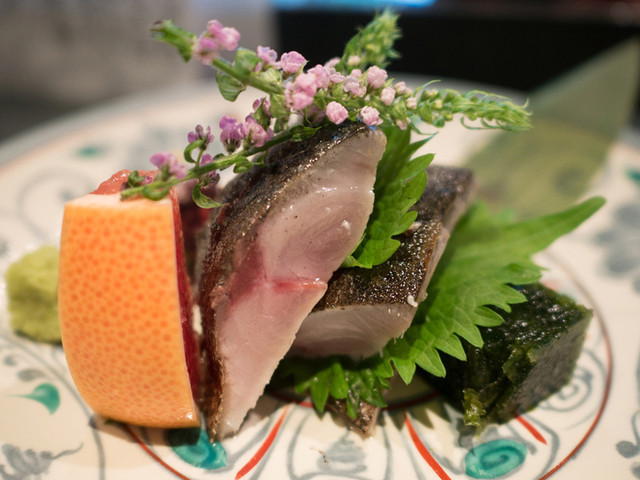
- 熟成刺身 (aged sashimi)
- 地魚と浜松野菜の天ぷら (local fish and Hamamatsu vegetable tempura)
Sakanamachi and the Quiet Seriousness of Hamamatsu Dining
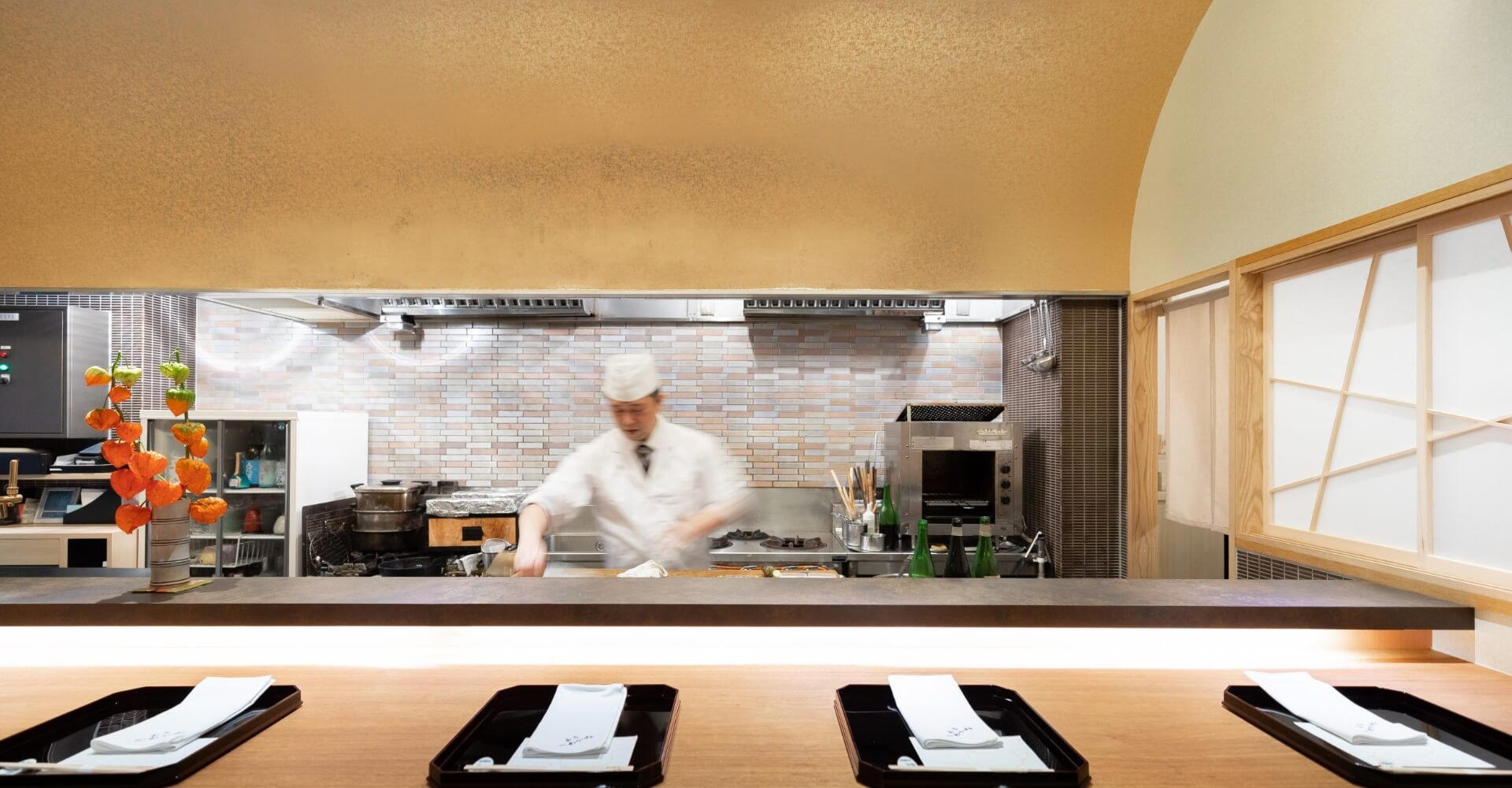
There is a category of Japanese restaurant that does not announce itself. No ground-floor signage visible from the street, no queue management system, no social media presence calibrated for reach. The address in Sakanamachi, a low-key commercial pocket of Hamamatsu's Chuo Ward, positions 彩席かわかみ within exactly that register. The building's first-floor location suggests a room built for conversation held at a certain volume, the kind of space where the silence between courses carries as much weight as the food itself.
Hamamatsu is not a city that typically appears on shortlists of Japanese dining destinations. That omission reflects geography more than quality. Sitting on the Tokaido Shinkansen line roughly midway between Tokyo and Osaka, the city is passed through far more often than it is visited. Yet the same corridor that makes it easy to overlook also makes it easy to reach: from Tokyo Station, the journey runs under ninety minutes on the Hikari service. For travellers spending time in Shizuoka Prefecture or moving between the Kansai and Kanto regions, a deliberate stop in Hamamatsu has a logic that the transit maps make clear once you look for it.
The Kaiseki Frame: Seasonal Discipline as Cultural Practice
The name 彩席 (saiseki) translates approximately as "coloured seat" or "vivid gathering place," a construction that signals formal Japanese dining rooted in seasonal presentation. Kaiseki, in its contemporary restaurant form, descends from the tea ceremony tradition of providing small, precise dishes to guests before matcha, then evolved through the Edo and Meiji periods into the multi-course format now associated with Kyoto's most formal rooms. The underlying logic has always been the same: the season dictates the menu, and the menu reflects the chef's command of what the season has made available.
That discipline produces a cuisine that reads differently from Western tasting-menu formats. There is no single centrepiece protein around which courses orbit. Instead, the structure moves through preparation methods — from raw to simmered to grilled to steamed — with the seasonal ingredient appearing and reappearing in different forms. A Shizuoka autumn might mean freshwater fish from the Tenryu River basin, local mountain vegetables, or the region's distinctive green tea incorporated into savoury preparations.
Across Japan, this format appears at vastly different price and formality levels. At the upper end of the national tier, rooms like Gion Sasaki in Kyoto or HAJIME in Osaka operate with Michelin recognition and international reservation queues measured in months. At the opposite end, neighbourhood kaiseki rooms serve working lunches with abridged courses at accessible prices.
Hamamatsu's Regional Food Identity
Understanding 彩席かわかみ requires understanding what Shizuoka Prefecture actually produces. The region's food identity is more substantial than most visitors realise. Hamamatsu Lake (Hamana-ko) is one of Japan's primary eel-farming zones, and unagi kabayaki here is as locally embedded as soba is in Nagano or ramen is in Sapporo. The surrounding mountains and rivers contribute freshwater fish, wasabi (Shizuoka grows a significant proportion of Japan's total output), and a range of mountain vegetables. Green tea from the prefecture's interior slopes is among the most consumed in the country.
A kaiseki kitchen in Hamamatsu that takes its regional sourcing seriously has access to a depth of local ingredients that the city's modest dining reputation does not immediately suggest. The gap between what the region produces and how little international attention Hamamatsu dining receives is precisely what makes venues operating at this level worth seeking out. For context on comparable regional Japanese dining operating outside the major city tier, the work being done at Goh in Fukuoka or akordu in Nara illustrates how secondary Japanese cities sustain serious kitchens that reward the detour.
Within Hamamatsu itself, the dining scene distributes across several formats. Kohane represents one register of the local offer, while ビストロ ア ターブル covers the French bistro side of the city's mid-market. For yakitori, 焼き鳥幸羽(こはね) addresses a different craving. 彩席かわかみ occupies the formal Japanese dining end of that spectrum, a category that has fewer direct competitors in a city this size. Our full Hamamatsu restaurants guide maps the broader scene.
Planning Your Visit
The Sakanamachi address puts the restaurant within reach of central Hamamatsu by foot or a short taxi ride from Hamamatsu Station. For those travelling by Shinkansen from either direction, the station is the natural arrival point, and the city's compact centre makes orientation direct. Given the intimate format that a first-floor room in this district implies, reservations are strongly advisable and likely essential for dinner; walk-in availability at formal kaiseki rooms of this type is uncommon in Japan regardless of city tier. For regional context on the broader Shizuoka corridor, Bistro Ange in Toyohashi and venues tracked across the wider Chubu region provide useful comparison points.
Frequently asked questions
Can I bring kids to 彩席かわかみ?
The Sakanamachi address and first-floor room format place 彩席かわかみ firmly in the register of formal Japanese dining, a setting where quiet and composed behaviour is assumed rather than requested. Kaiseki rooms at this level across Japan are structured around unhurried multi-course service, which tends to suit adult dining parties rather than families with young children. No explicit policy is confirmed, so contacting the restaurant directly before booking is advisable.
What's the overall feel of 彩席かわかみ?
彩席かわかみ operates in the mode of the serious regional Japanese restaurant that does not rely on street presence or international recognition to fill seats. The name itself, 彩席 (saiseki), points toward a formal dining construction rooted in seasonal Japanese tradition. In Hamamatsu's Sakanamachi quarter, the setting is composed and deliberate, closer in register to established kaiseki rooms than to the casual izakaya culture the city is also known for.
Is 彩席かわかみ worth visiting from outside Hamamatsu, or is it primarily a local restaurant?
Hamamatsu sits on the Tokaido Shinkansen line between Tokyo and Osaka, making 彩席かわかみ reachable as a deliberate stop rather than a detour. The Sakanamachi address is a short taxi ride from Hamamatsu Station. Formal kaiseki operating at this level in a secondary Japanese city, drawing on Shizuoka's depth of regional produce, is precisely the category of restaurant that rewards travellers willing to step outside the major urban dining circuits.
What's the best thing to order at 彩席かわかみ?
In a kaiseki format, ordering is typically not a choice — the chef sets the course according to season and what the market provides that day. The relevant question is when you visit, not what you select.
Price and Recognition
Comparable venues nearby, for context on price, style, and recognition.
| Venue | Cuisine | Price | Awards | Notes |
|---|---|---|---|---|
| 彩席かわかみThis venue — the venue you are viewing | Shizuoka Kaiseki | $100–150 | Not listed | Not listed |
| Yoshitomo | High-end Tempura Omakase | $100–150 | Tabelog 100 #53 | Chuo Ward, Hamamatsu City, High-end Tempura Omakase |
| Ton Kara Ten | Tonkatsu & Oyako-don Specialist | $20–30 | Tabelog 100 #36 | Chuo Ward, Hamamatsu City, Tonkatsu & Oyako-don Specialist |
| 焼き鳥幸羽(こはね) | Yakitori Omakase | $500+ | Tabelog Bronze #193 | Chiyoda Ward, near Shin-Hamamatsu Station, Amagi Shamo Yakitori Omakase |
| Kohane | Yakitori Omakase | $500+ | Tabelog Bronze #193 | Chitosecho, Yakitori Omakase |
| Tenkin | Traditional Tempura & Tendon Counter | $30–50 | Tabelog 100 #50 | Tamachi, Chuo Ward, Traditional Tempura & Tendon Counter |
Continue exploring
More in Hamamatsu
Restaurants in Hamamatsu
Browse all →
Details
- Elegant
- Intimate
- Sophisticated
- Classic
- Special Occasion
- Business Dinner
- Celebration
- Date Night
- Chefs Counter
- Open Kitchen
- Private Dining
- Sake Program
- Local Sourcing
- Omakase
- Counter Dining
- Set Menu
- Sake
- Pescatarian Friendly
Current opening hours
- Monday
- Closed
- Tuesday
- 6–10:30 PM
- Wednesday
- 6–10:30 PM
- Thursday
- 6–10:30 PM
- Friday
- 6–10:30 PM
- Saturday
- 6–10:30 PM
- Sunday
- 6–10:30 PM
Hours can change for holidays and private events. Last verified .
Intimate counter and private room setting with refined, minimalist aesthetic; focused on the artistry of each dish and the craftsmanship of the chef.