
Hamamatsu’s gyoza culture rewards focus over ceremony, and Kiyo fits that idiom: a compact dumpling house in Kamoe with counter seating, table seats, and recognition in Tabelog’s 2024 Dumplings 100. The draw is not luxury language but the city’s ingredient-first style of casual eating, where cabbage, pork, wrappers, heat, and timing decide the meal.
Pearl is the En Primeur Club membership app — saves, bookings, and concierge access live there. Same editors, same standards.
- Address
- 1 Chome-33-5 Kamoe, Chuo Ward, Hamamatsu, Shizuoka 432-8023, Japan
- Phone
- +81 53-454-1931
- Website
- kiyo-kouteigyoza.com
 Saves & bookings on Pearl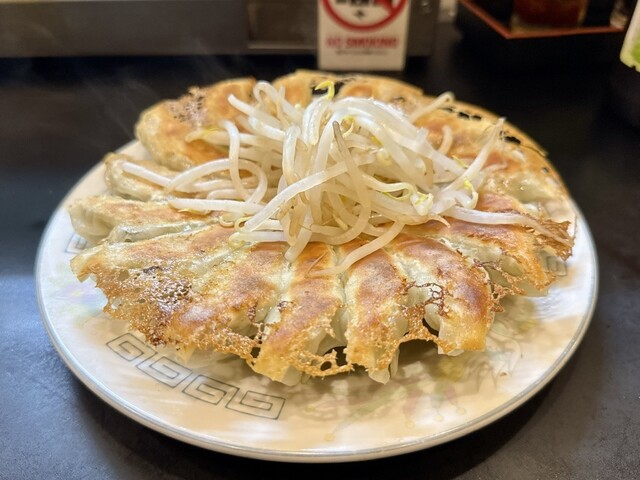
Approaching a serious gyoza room in Hamamatsu, the signal is rarely architectural drama. It is the compression of a small room, the counter within sight of the cooking line, and the expectation that dinner will be built around dumplings rather than a long menu trying to cover every Japanese comfort-food category. Kiyo belongs to that practical, city-specific tradition: gyoza as a focused meal, not a side order.
Hamamatsu has long treated gyoza as civic food, shaped by local appetite and the agriculture around western Shizuoka. The regional style is often discussed through cabbage and pork, but the larger point is supply logic. Dumplings reward freshness, speed, and repetition. A shop that works in a narrow format can turn those variables into consistency: wrappers handled in volume, filling balanced for the pan, and service paced around rounds of cooking rather than composed plating.
Hamamatsu gyoza culture is about sourcing discipline, not spectacle
The city’s dumpling identity sits apart from the fine-dining vocabulary that dominates Tokyo and Kyoto restaurant coverage. Here, the important questions are less about rarity and more about proportion: how much vegetable sweetness the filling carries, how firmly the wrapper protects it, and whether the pan work keeps the dumplings crisp without turning the meal heavy. That is why recognition in Tabelog’s 2024 Dumplings 100 matters. It places Kiyo within a national dumpling conversation while keeping the restaurant in the casual price and format band that defines the genre.
Ingredient sourcing in this category is not a decorative backstory. Cabbage, pork, alliums, and wrappers are not luxury ingredients, but they expose weak handling quickly. Hamamatsu’s gyoza tradition depends on everyday produce being used with precision, and that is the lens through which this restaurant makes sense. The award signal is useful because it rewards a narrow craft rather than breadth. In a city where many meals compete on convenience, a dumpling specialist has to win through repetition and restraint.
For readers mapping Hamamatsu beyond a single stop, the city’s dining range is broader than its gyoza reputation suggests. Abondance, Binshan Li, Fukumitsu, Honkaku Teuchi Moriya Toukyou ten, and Kibori show how local eating moves across pastry, Chinese cooking, specialist Japanese formats, and regional comfort food. Kiyo occupies the dumpling lane inside that spread, where the meal is shorter, more direct, and more dependent on the kitchen’s command of a small set of ingredients.
A compact room suits the dumpling format
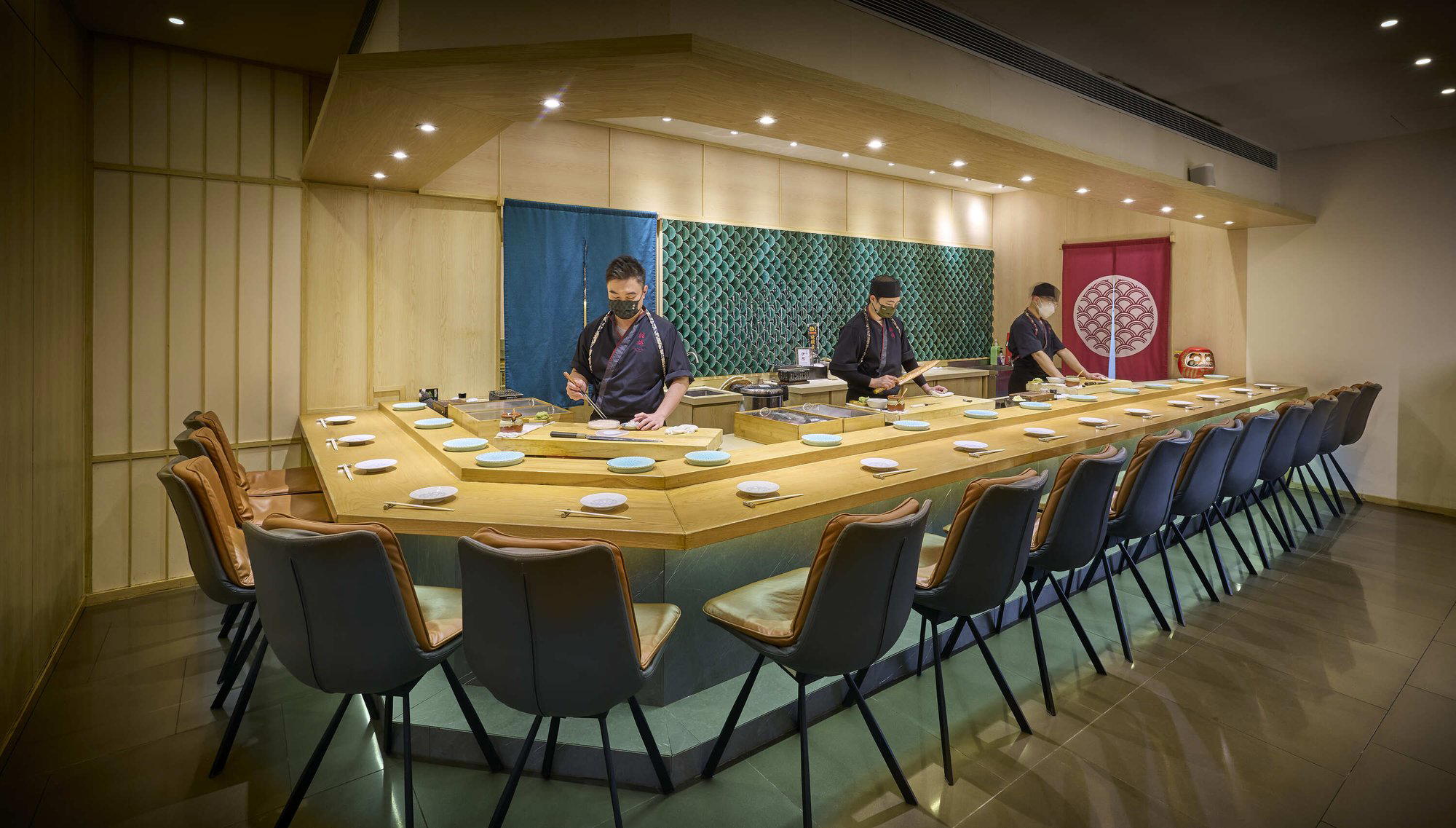
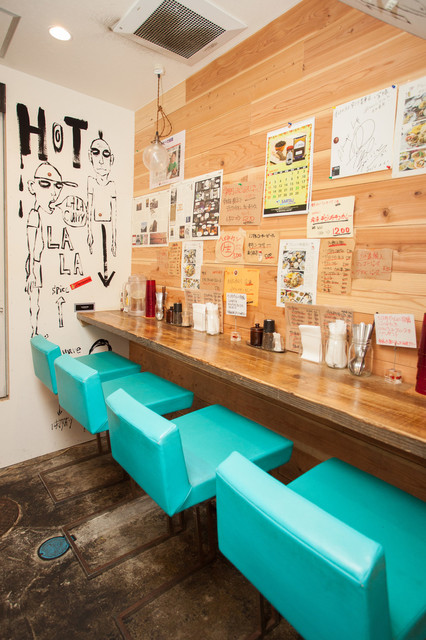
The room’s scale matters because gyoza is at its strongest when there is little distance between pan and plate. Kiyo runs on a compact seating plan with counter seats and tables, a format that suits solo diners as naturally as small groups. That setup keeps the experience close to the cooking rhythm. It also reinforces the genre’s informality: this is not a long tasting-menu evening, and it should not be judged like one.
The comparison set in Hamamatsu helps clarify the choice. LaLa Curry sits in a lower casual band, while Torihama occupies a higher dinner-spend tier; Kohane and 焼き鳥幸羽(こはね) point toward the city’s yakitori culture rather than dumplings. Kiyo is for the diner who wants Hamamatsu’s gyoza identity in concentrated form, not a survey of the whole local restaurant scene. That distinction is useful for travelers with limited time: choose by format first, then by appetite.
For broader planning, Our full Hamamatsu restaurants guide is the right companion, especially when pairing a gyoza dinner with other city stops. Overnight planning belongs in Our full Hamamatsu hotels guide, while after-dinner routes can be cross-checked through Our full Hamamatsu bars guide. Wine-focused readers should use Our full Hamamatsu wineries guide, and culture-led itineraries fit better with Our full Hamamatsu experiences guide.
Where it fits in a Japan-wide casual dining map
Japan’s casual specialist restaurants are often misread by visitors as interchangeable because the formats look simple from the outside. The difference lies in narrow execution. A curry counter, a gyoza shop, a soba room, an onigiri specialist, and a sake bar all depend on repetition, but each repeats a different technical problem. That is why Kiyo’s Tabelog Dumplings 100 selection carries more weight than a generic popularity claim: it identifies the restaurant within a precise national category.
That category-based way of eating also connects Hamamatsu to other Japanese and Japanese-adjacent specialists. The same editorial logic can be seen in -Grilled beef Sukiyaki- KAMAKURA TANUKIAN 鎌倉 たぬき庵 in Kamakura. 鮪と炭火焼き うお炭 秋葉原店 in Tokyo.cafe in Osaka.know in Kumamoto, (Shoku) Vietnam in Kawasaki, and [Curry Senmon Ten] Maruyama Kyoju. in Sapporo. Outside Japan, Jōdo Saké Bar in Los Angeles and Onigiri Time in Pasadena show how focused Japanese formats travel when the concept is disciplined rather than inflated.
The editorial verdict is simple: come for Hamamatsu’s dumpling grammar, not for ceremony. Kiyo is strongest as a focused gyoza stop with credible category recognition, compact seating, and a price band that keeps the experience grounded in everyday eating. In a city where gyoza is cultural shorthand, that is enough of a reason to build a meal around it.
How It Stacks Up
Comparable venues by cuisine and price in the same metro.
| Venue | Cuisine | Price | Notes |
|---|---|---|---|
| KiyoThis venue — the venue you are viewing | Traditional Hamamatsu gyoza & horumon | $ | Not listed |
| Tonkatsu Aoki Daimon ten | Tonkatsu & Japanese Curry | $ | Hamamatsucho / Daimon |
| Kitanose | Upscale Japanese Kappo / Kaiseki | $$$ | Tamachi, Chuo Ward |
| Ton Kara Ten | Tonkatsu & Oyako-don Specialist | $$ | Chuo Ward, Hamamatsu City |
| 焼き鳥幸羽(こはね) | Amagi Shamo Yakitori Omakase | $$$$ | Chiyoda Ward, near Shin-Hamamatsu Station |
| Mutsugiku | Hamamatsu gyoza specialist | $ | Naka-ku |
Recognition history
Dated appearances from independent guides and award organizations, with the underlying list record or original source where available.
Tabelog 100 #65 · No. 65
Tabelog · Tabelog 100 - Dumplings - 2024
Continue exploring
More in Hamamatsu
Restaurants in Hamamatsu
Browse all →
Hotels in Hamamatsu
Browse all →
At a Glance
- Lively
- Cozy
- Intimate
- Classic
- Casual Hangout
- Solo
- After Work
- Standalone
- Local Sourcing
Current opening hours
- Monday
- 5–9 PM
- Tuesday
- Closed
- Wednesday
- Closed
- Thursday
- 5:30–9 PM
- Friday
- 5–9 PM
- Saturday
- 5–9 PM
- Sunday
- 5–9 PM
Hours can change for holidays and private events. Last verified .
A tiny, old‑school local spot with counter seating, close‑set tables, and a direct interior that feels more like a neighborhood canteen than a polished restaurant; the focus is on hot plates of gyoza, skewers, and horumon rather than décor or formality.