Our verdict
200032 sits in one of Shanghai's most storied postal districts, where the city's appetite for regional Chinese cooking meets its long tradition of neighbourhood dining. With sparse public-facing detail and no confirmed booking channel, the venue rewards those who arrive informed. EP Club places it within the broader context of Shanghai's mid-tier Chinese dining tier, alongside addresses like Fu He Hui and Xin Rong Ji.

Pearl is the En Primeur Club membership app, where members save venues, book tables and use the concierge.
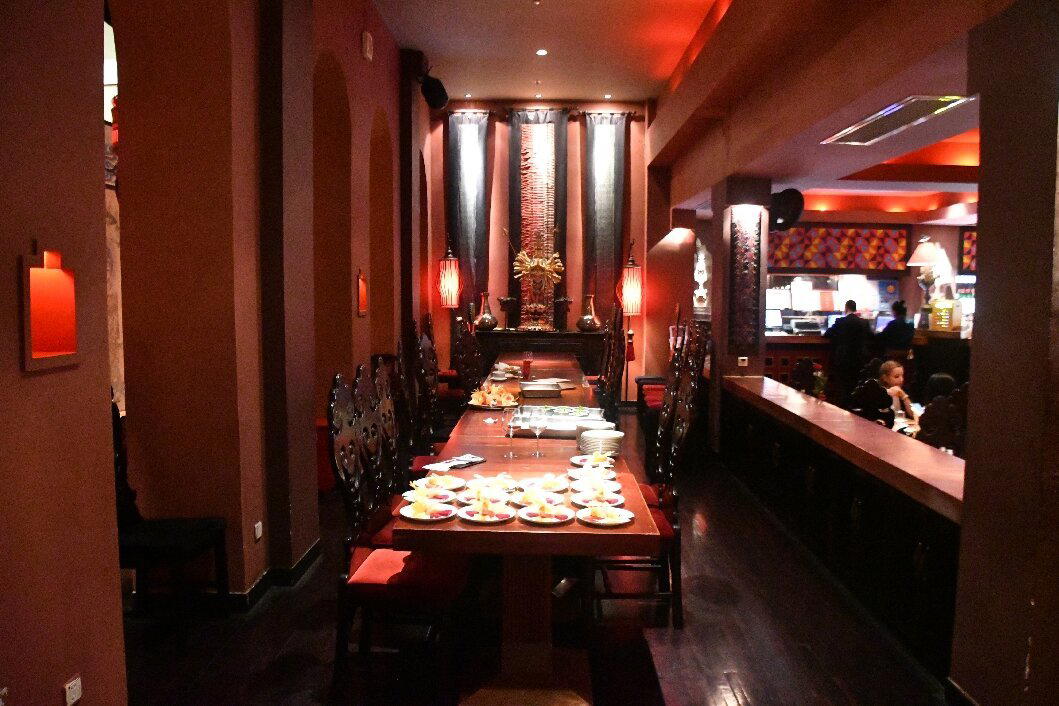
Shanghai's Postal Code as a Dining Address
The number 200032 is, in the first instance, a Shanghai postal code, one that covers a band of the city's Xuhui and Changning fringe, where lane-house blocks give way to low-rise commercial strips and the occasional courtyard compound. In this part of Shanghai, the dining culture is shaped less by destination tourism than by the rhythms of a residential neighbourhood: lunch crowds from nearby offices, evening gatherings of regulars who know the staff by name, and a general preference for food that demonstrates technique without performing it. It is the kind of context in which a venue named after its own postal code can carry a quiet confidence. The name signals rootedness rather than ambition, and in a city where restaurant marketing often skews toward spectacle, that restraint is itself a position.
Shanghai's Regional Chinese Dining Tier
To understand where 200032 sits in Shanghai's dining order, it helps to map the broader category. Shanghai has always been a city of culinary convergence, drawing cooks and eating traditions from Jiangnan, Zhejiang, Fujian, Guangdong, and Sichuan into a metropolitan scene that absorbs regional influence without flattening it. At the formal end of that spectrum, addresses like Fu He Hui have built international reputations around a premium vegetarian interpretation of classical Chinese form, priced at ¥¥¥¥ and requiring advance planning. At the technically rigorous European-influenced end, Taian Table operates as one of the city's most awarded modern European counters. Between these poles sits a wide middle tier of regional Chinese restaurants, Taizhou specialists such as Xin Rong Ji (West Nanjing Road), Cantonese houses like 102 House, and Italian contenders including 8 1/2 Otto e Mezzo Bombana, where the competition is less about star count and more about consistency, neighbourhood loyalty, and depth of menu.
This middle tier is where most serious eating in Shanghai actually happens. It is where the city's culinary identity is most legible, because the food is less mediated by international tasting-menu conventions and more directly connected to the traditions it draws from. A well-run regional Chinese restaurant in this band will often serve food that is more culturally instructive than anything on a prestige tasting menu, precisely because it is not translating itself for an external audience.
The Cultural Weight of the Jiangnan Tradition
The postal district covered by 200032 sits within reach of Shanghai's older Jiangnan food corridors, where the cooking style is defined by a preference for subtle sweetness, careful braising, and seasonal ingredient rotation. Jiangnan cuisine, the broader category that encompasses Shanghai's own benbang cooking as well as the food of Hangzhou, Suzhou, and Nanjing, is arguably the most misread of China's major culinary traditions outside the country. Its restraint is often mistaken for simplicity. In practice, a properly executed red-braised pork or a seasonal cold dish in the Shanghainese style requires precise temperature management and a long understanding of fermented and preserved ingredients that most kitchens in the world cannot replicate without years of institutional knowledge.
Addresses in this part of the city benefit from proximity to that living tradition. Restaurants drawing on Jiangnan techniques are not working from a tourist-facing reconstruction of the cuisine; they are operating within a neighbourhood where the food culture they reference is still actively practised in homes and market stalls. That continuity matters for quality. It keeps kitchens honest in a way that destination restaurant formats rarely can.
For comparison, the Taizhou-rooted Xin Rong Ji group has expanded that same principle of regional fidelity across multiple cities, with outposts in Beijing and Chengdu. The broader Greater China market has shown consistent demand for this category: Chef Tam's Seasons in Macau, Imperial Treasure Fine Chinese Cuisine in Guangzhou, and Ru Yuan in Hangzhou all operate within the same broader tradition of serious regional Chinese cooking positioned for an audience that values craft over novelty. Dai Yuet Heen in Nanjing, Dingshan·Jiangyan in Suzhou, Fleurs Et Festin in Xiamen, Jiangnan Wok·Rong in Fuzhou, and Shang Palace in Yangzhou round out a regional picture in which the appetite for this category of dining is consistent across eastern China's major cities.
How This Venue Fits the Scene
This is not unusual in the city's mid-tier. Many of Shanghai's most consistent regional Chinese restaurants have thin English-language footprints, not because they are obscure but because their primary audience does not require that kind of mediation. The food does the work; the social infrastructure of a loyal neighbourhood clientele does the marketing.
For the visiting diner, this means that the most useful preparation is context rather than logistics. Understanding the Jiangnan culinary framework, knowing what to expect from cold starters, braised mains, and seasonal rice dishes, and arriving with a working knowledge of the city's dining conventions, shared plates, tea service as default, and a general preference for ordering across the menu rather than sequentially, will matter more than any single booking hack.
Shanghai's broader restaurant guide, available through our full Shanghai restaurants guide, maps the city's dining tiers in more detail and provides comparative context for addresses across the price spectrum. For those tracking the same culinary discipline across different markets, the formats at Le Bernardin in New York City and Atomix in New York City offer useful contrast in how a defined culinary tradition can be rendered at different price points and for different audiences.
Planning Your Visit
In Shanghai's neighbourhood dining tier, walk-in culture persists more than in the formal reservation-only segment. Dress expectations at this category of venue are generally relaxed; the city's attitude toward restaurant dress codes in non-hotel dining rooms is pragmatic rather than prescriptive. Mandarin or the ability to communicate through a translation app will be an asset, as English-language menus are not guaranteed at this tier of the market.
Frequently asked questions
Where is 200032 in Shanghai?
200032 is located at China, Shanghai.
What kind of dining culture defines the 200032 postal district in Shanghai?
The 200032 area covers parts of Xuhui, one of Shanghai's older residential districts where lane-house architecture and long-standing local eateries coexist with newer openings. The district sits close to established Jiangnan food corridors, meaning the broader dining culture here skews toward regional Chinese cooking rather than international or fusion formats. That neighbourhood character makes it a different proposition from the tourist-facing restaurant clusters around the Bund or Xintiandi.
What's the best thing to order at 200032?
Confirmed menu data for this Shanghai address is not part of the public record, so pinning a single dish would be guesswork. Restaurants operating in the Xuhui and Changning fringe of the 200032 postal district typically anchor their menus in Jiangnan-style cooking, braised proteins, rice-based preparations, and seasonal vegetables, so those categories are a reasonable place to start when ordering.
Do I need a reservation for 200032?
Mid-tier neighbourhood restaurants in the 200032 postal corridor often accommodate walk-ins, particularly during off-peak hours on weekday afternoons. Arriving before the lunch or dinner rush is the practical hedge until a confirmed booking method is established.
A Pricing-First Comparison
Comparable venues nearby, for context on price, style, and recognition.
| Venue | Cuisine | Price | Awards | Notes |
|---|---|---|---|---|
| 200032This venue (the venue you are viewing) | Authentic Mexican Cuisine | $20–30 | Not listed | Not listed |
| Old Jesse Restaurant | Authentic Shanghainese Home-Style | $20–30 | Not listed | Xuhui, Authentic Shanghainese Home-Style |
| 馋三尺蟹粉小笼 | Shanghainese Crab Roe Xiaolongbao | $1–10 | Not listed | Yang Jia Du, Shanghai Crab Roe Xiaolongbao |
| Alinta | Modern Australian Bistro with Asian Influences | Not listed | Not listed | Xuhui, Modern Australian Bistro with Asian Influences |
| Dadong Roast Duck Restaurant(Shanghai iapm Branch) | Fine-dining Peking Duck & Classic Chinese Banquet | $30–50 | Black Pearl 1 Diamond | Xuhui, Fine-dining Peking Duck & Classic Chinese Banquet |
Continue exploring
More in Shanghai
Restaurants in Shanghai
All restaurants in Shanghai →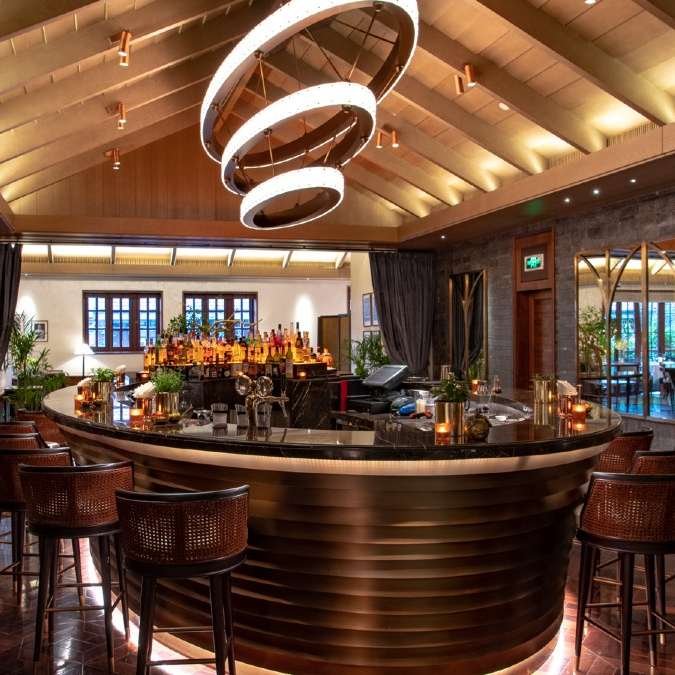
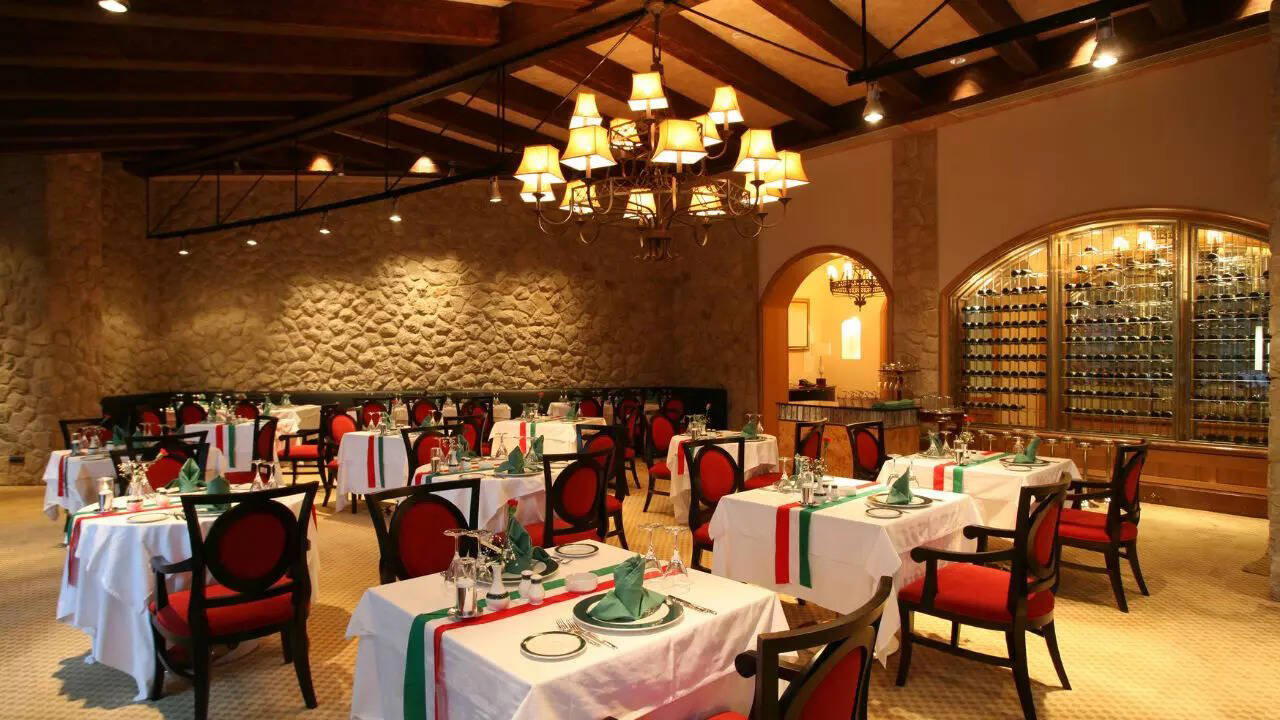
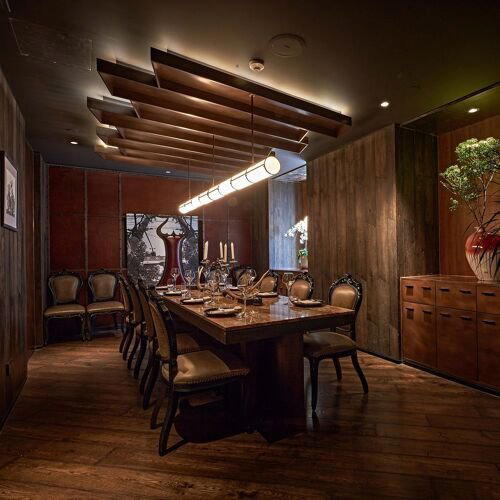
Bars in Shanghai
All bars in Shanghai →

Details
- Cozy
- Modern
- Sophisticated
- Date Night
- Business Dinner
- Group Dining
- Casual Hangout
- After Work
- Brunch
- Late Night
- Open Kitchen
- Craft Cocktails
- A La Carte
- Small Plates
- Tequila
- Vegetarian Friendly
- Vegan Options
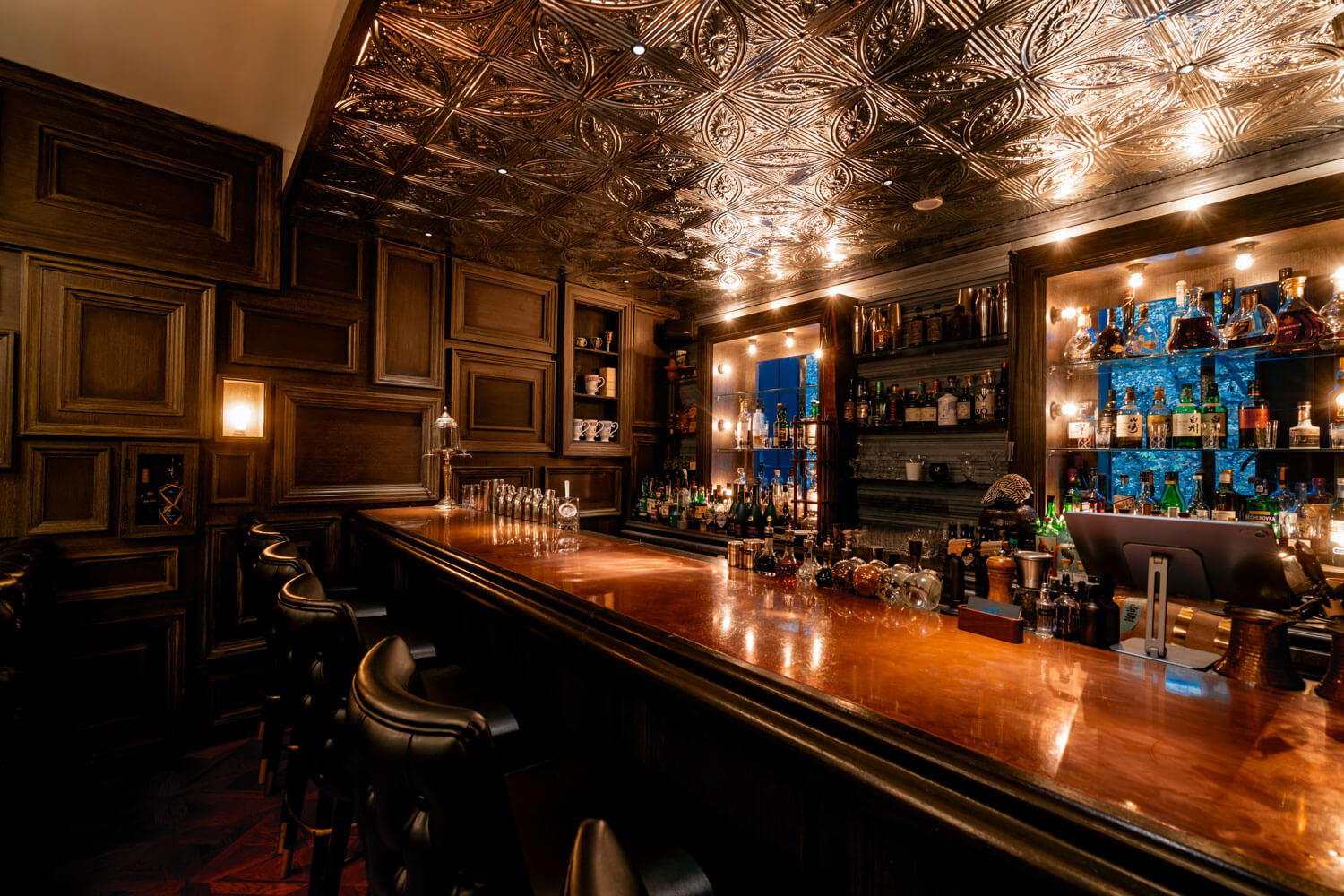
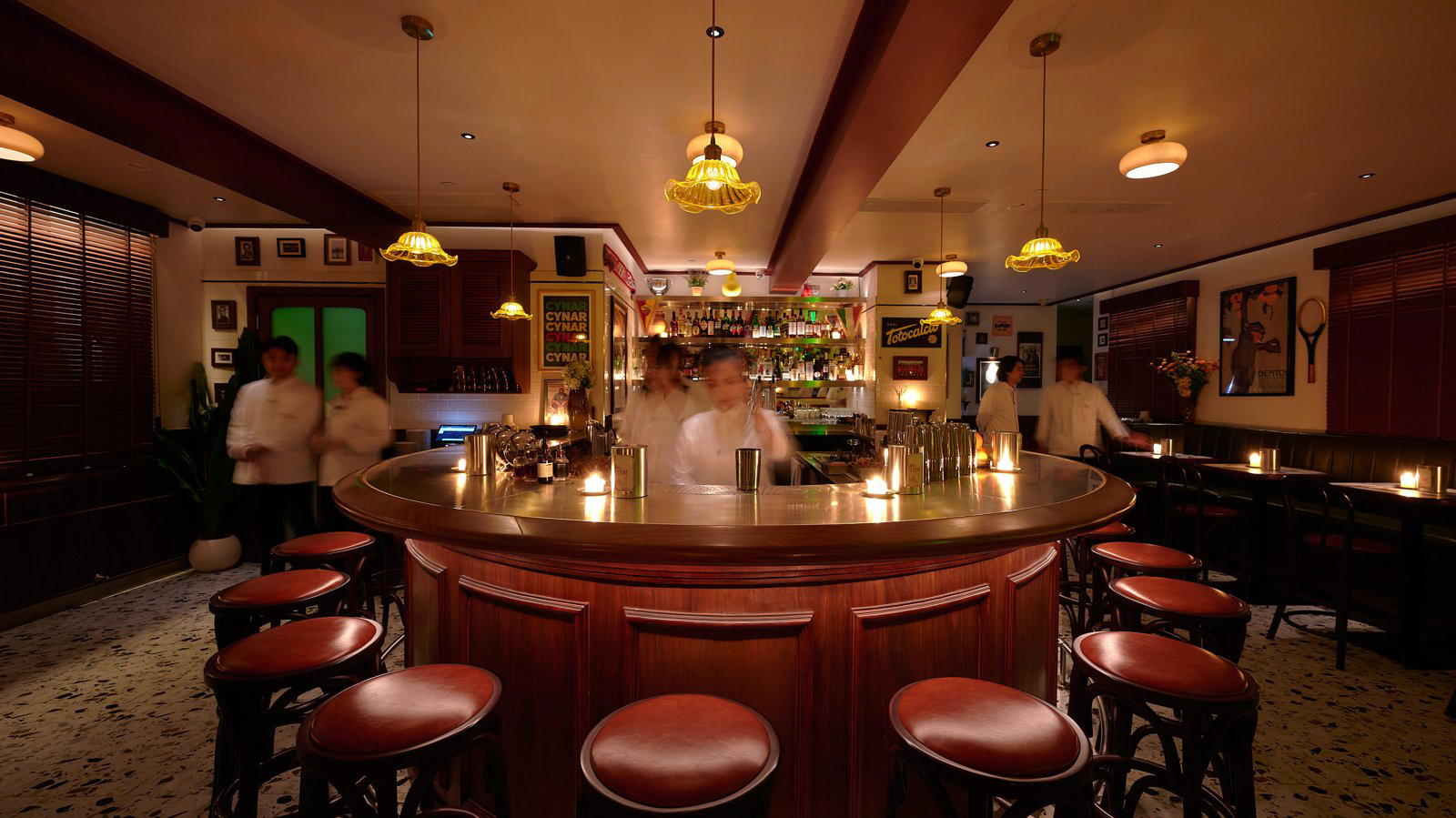
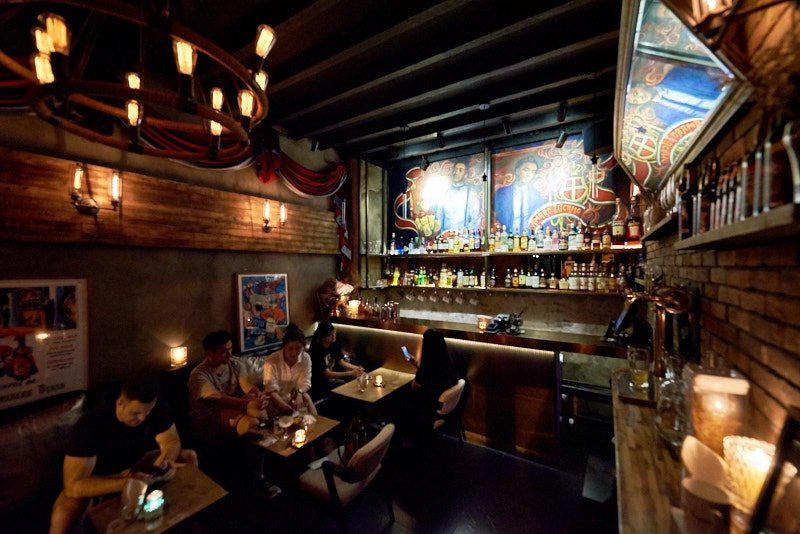
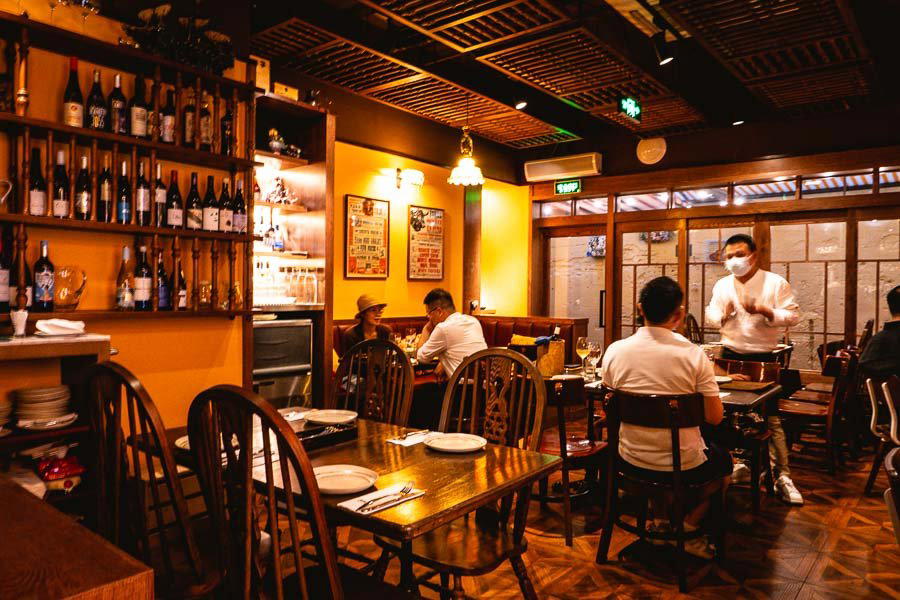
Sophisticated yet cozy environment with warm lighting and welcoming atmosphere