Alinta belongs to Shanghai’s western-bistro current rather than the city’s banquet-room or tasting-menu circuits. The appeal is context: a Western format in a city where imported technique, local sourcing, and cosmopolitan dining habits keep reshaping what a bistro can be.

Pearl is the En Primeur Club membership app — saves, bookings, and concierge access live there. Same editors, same standards.
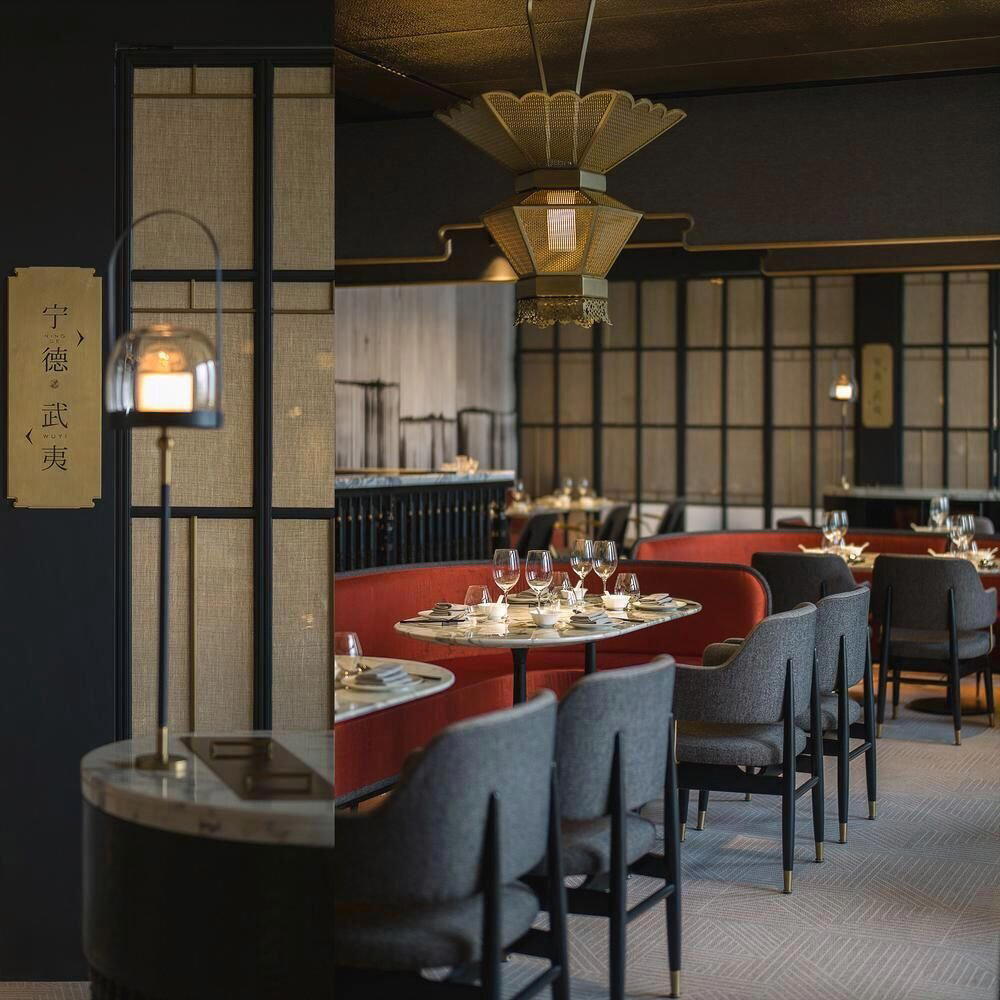
Shanghai’s bistro rooms tend to announce themselves before the first plate arrives: glass, traffic, polished concrete, a service rhythm borrowed from Europe but tuned to a Chinese metropolis that eats late and expects range. Alinta sits inside that western-bistro lane, a category that has become one of the city’s useful middle registers: less ceremonial than fine dining, more ingredient-led than casual café culture, and judged by whether the kitchen can make familiar European grammar feel relevant in Shanghai rather than imported whole.
A western-bistro format shaped by Shanghai's appetite for provenance
The sharper question around a Shanghai bistro in 2026 is not whether it can reproduce France, Italy, or Australia with accuracy. That bar is dated. The stronger kitchens in this category are now measured by sourcing logic: how dairy, seafood, vegetables, breads, sauces, and wine service are adapted to the city’s supply chains, and whether the plate reads as place-aware rather than decorative. Alinta’s stated identity as a western bistro places it in that conversation, where provenance matters because the format is familiar. A bistro does not get much cover from ceremony; it has to make everyday technique carry the argument.
Shanghai gives that argument unusual pressure. The city has long been comfortable with Western dining rooms, but the current audience is less impressed by labels and more alert to execution. A steak, roast fish, salad, terrine, pasta, or composed vegetable dish can all live inside the same broad genre, yet the difference lies in restraint: seasoning that respects the ingredient, sauces that support rather than smother, and a menu that does not confuse variety with direction. That is where the western-bistro model earns its keep. It works when the room becomes a translation device between imported technique and local eating habits.
Readers building a wider Shanghai itinerary should treat Alinta as part of a broader dining map rather than an isolated trophy booking. The city’s range runs from Cantonese rooms such as 100 Century Avenue Cantonese, 102 House (Cantonese), and 102 House Shanghai to Western-leaning meat programs such as 100 Century Avenue Steakhouse and 1515 West Chophouse (Steakhouse). That spread matters: Shanghai diners can move from regional Chinese precision to steakhouse comfort to bistro informality in a single trip, and the bistro category has to justify itself through clarity rather than grandeur.
The value of the bistro is flexibility, not spectacle
In many Asian luxury cities, Western restaurants split into two camps: high-production tasting menus and relaxed rooms built around à la carte choice. The bistro sits closer to the second camp, which is why it remains useful for travellers who want a serious meal without surrendering the evening to a fixed format. The editorial test is simple: does the restaurant give enough structure for a deliberate dinner while leaving space for conversation, appetite, and the rest of the night? In Shanghai, that flexibility has become part of the appeal, especially for visitors balancing business dinners, gallery hours, hotel bars, and late arrivals.
Alinta’s lack of public award positioning also affects how to read it. This is not a page built around Michelin stars, list placements, or named-chef mythology. The more relevant lens is category fit: western bistro, Shanghai, provenance-led expectation. That makes it a different decision from a destination restaurant planned months ahead. It is better understood as a scene-aware choice for diners who want Western technique in a city whose strongest restaurants are increasingly judged by how intelligently they handle origin, season, and supply.
For broader planning, pair the restaurant decision with the city rather than with a single meal slot. Our full Shanghai restaurants guide gives the dining context; Our full Shanghai hotels guide, Our full Shanghai bars guide, Our full Shanghai wineries guide, and Our full Shanghai experiences guide help set the rest of the itinerary. Travellers extending through China can also compare regional dining priorities through #8 in Chengdu, 167 Shan Hai Li in Fuzhou, 1913 in Hangzhou, 1927 Dong Yuan Si Chu in Xiamen, 1949 - Duck de Chine in Beijing, and 1980烧肉粽 in 厦门市. For a wider Pacific comparison in casual formats, Jōdo Saké Bar in Los Angeles and Onigiri Time in Pasadena show how focused concepts travel across cities without needing ceremony.
How to place Alinta in a Shanghai dining plan
Use Alinta when the brief calls for a Western bistro rather than a Chinese banquet, hotel steakhouse, or tasting-menu commitment. That sounds narrow, but in Shanghai it is a practical distinction. The city rewards diners who match format to occasion: Cantonese for hosted meals, steakhouse for corporate familiarity, bars for late-night momentum, and bistros for a meal that can be serious without becoming formal theatre. Alinta belongs in that last slot. Its relevance is not built on public accolades or a celebrity-chef story; it rests on whether the western-bistro form can express provenance, discipline, and urban ease in a city that has little patience for generic international dining.
Reputation & Price
Comparable venues nearby, for context on price, style, and recognition.
| Venue | Cuisine | Price | Notes |
|---|---|---|---|
| AlintaThis venue — the venue you are viewing | Not listed | $$ | Not listed |
| Capri By Bottega | Not listed | $$ | Xintiandi, Italian Pizza & Southern Italian |
| Zhao Zhou Lu | Not listed | $$ | Lao Ximen, Chinese (Zhejiang, Hangzhou) |
| 鼎泰丰 | Lao Ximen, Taiwanese Dim Sum | $$ | Not listed |
| Aster | Not listed | $$$$ | Jing'an, Borderless Modern French-leaning Bistro |
| An Fu Lu | Da Pu Qiao, Cantonese Dim Sum | $$ | Not listed |
At a Glance
- Cozy
- Trendy
- Intimate
- Lively
- Date Night
- Casual Hangout
- Group Dining
- Brunch
- After Work
- Celebration
- Terrace
- Standalone
- Design Destination
- Organic
- Local Sourcing
- Sustainable Seafood
- Street Scene
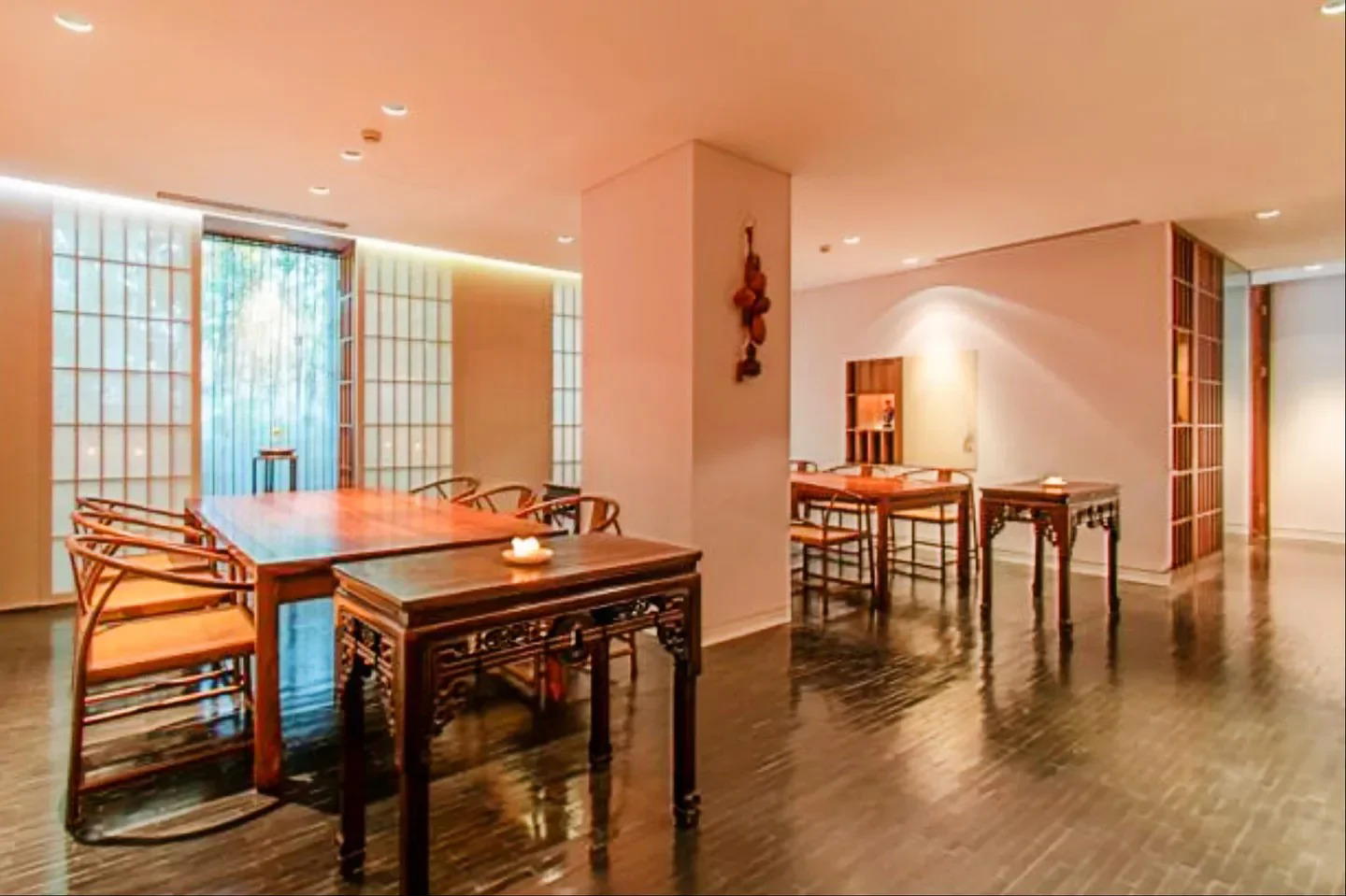
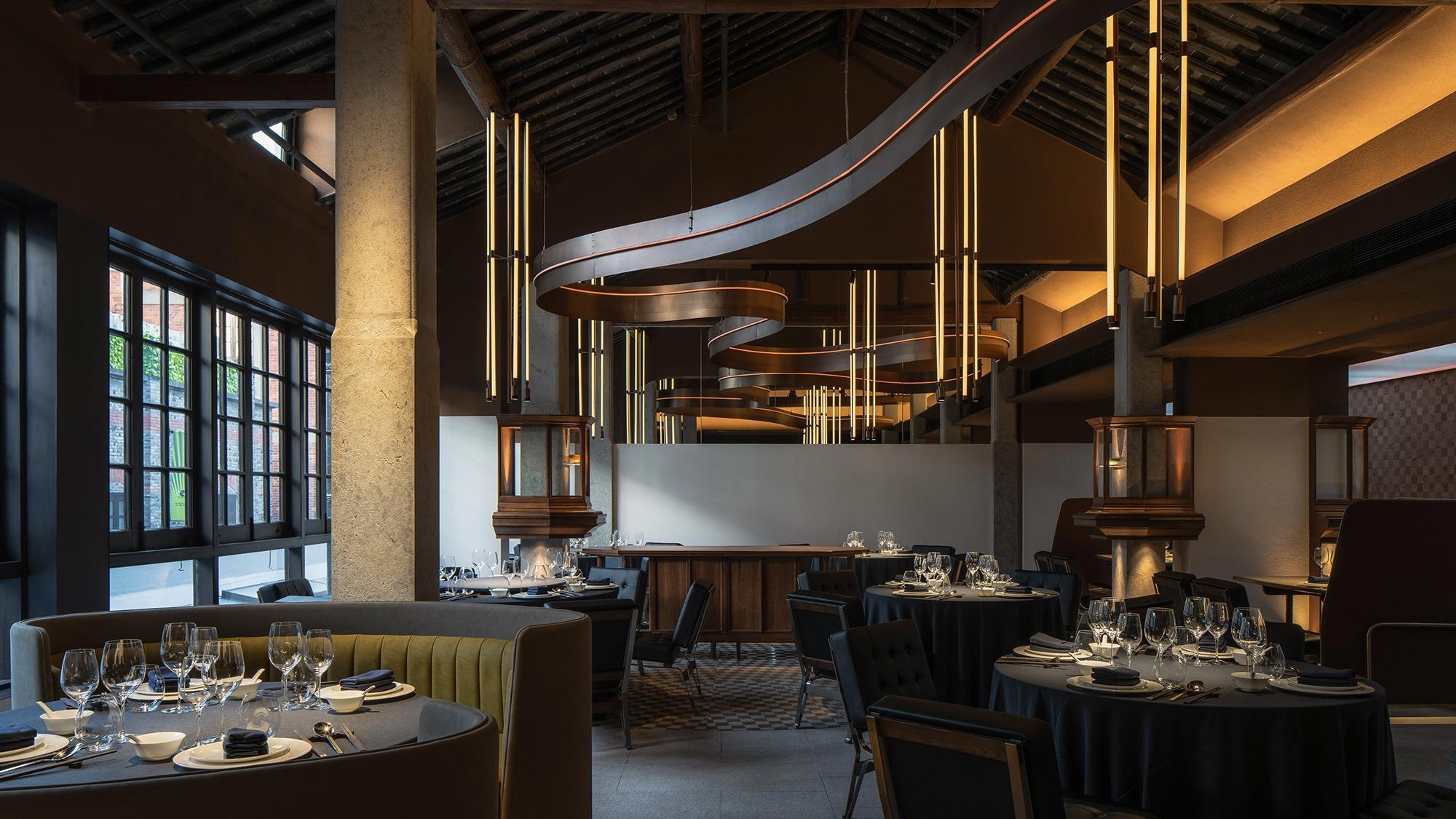
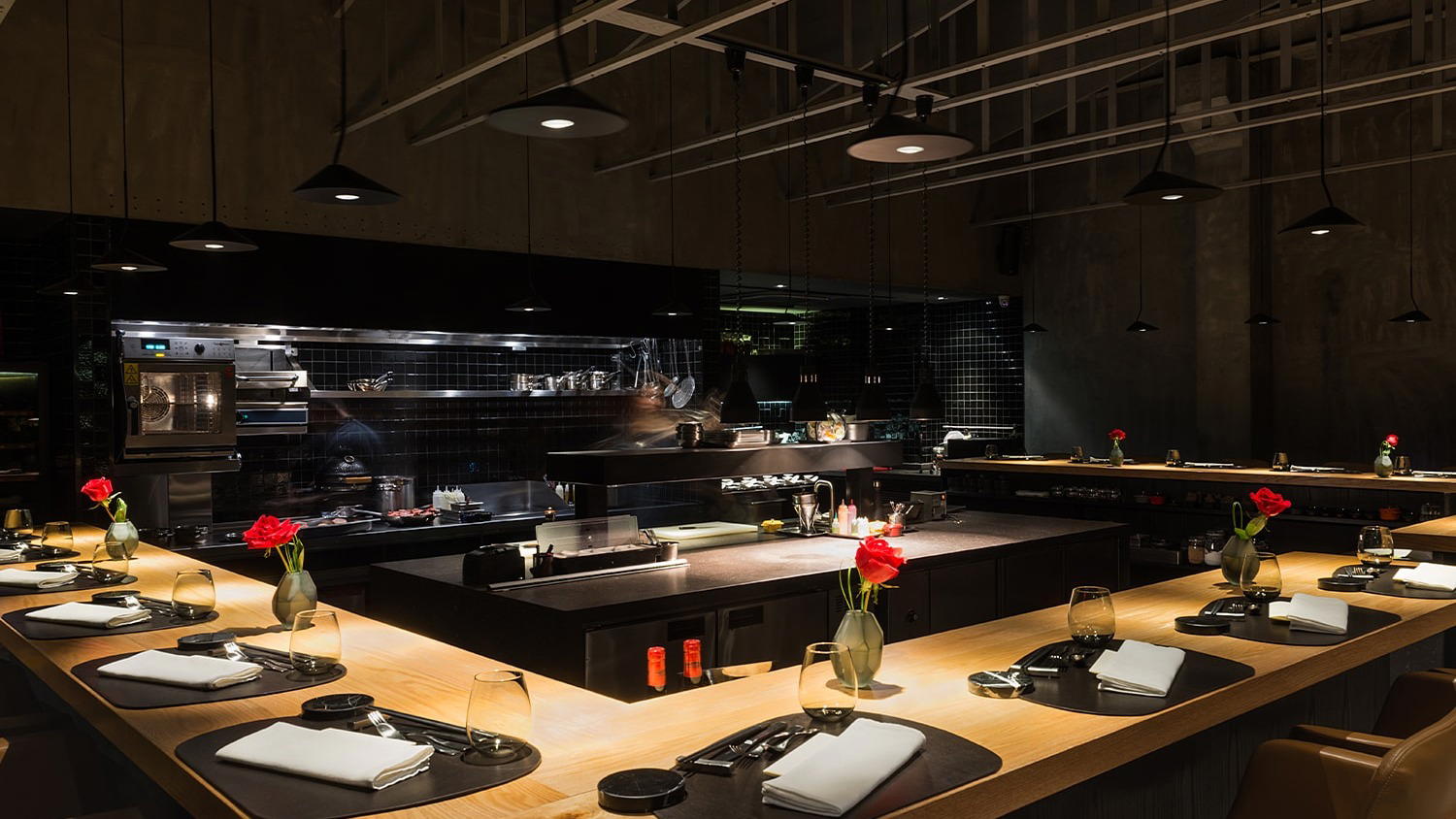
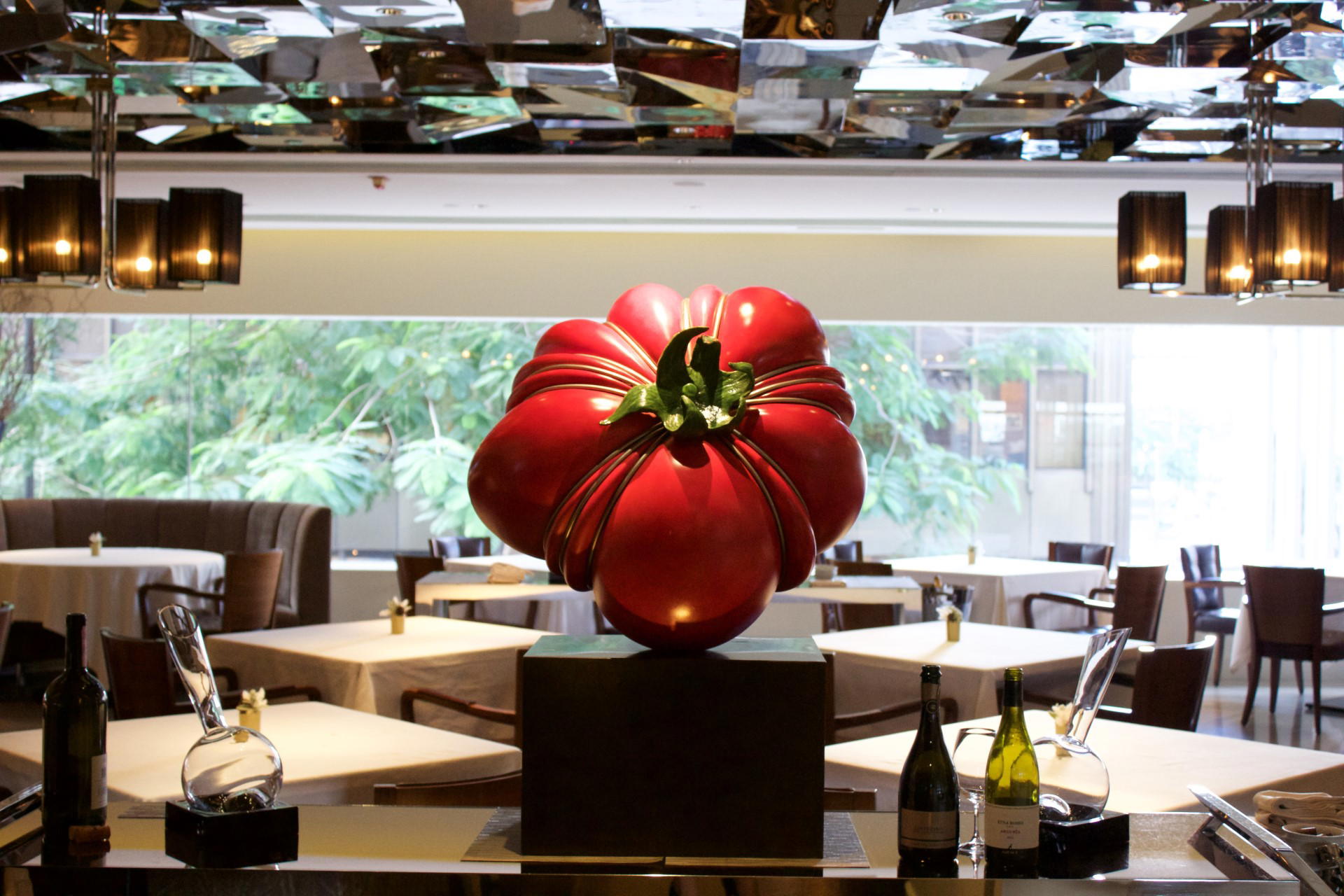
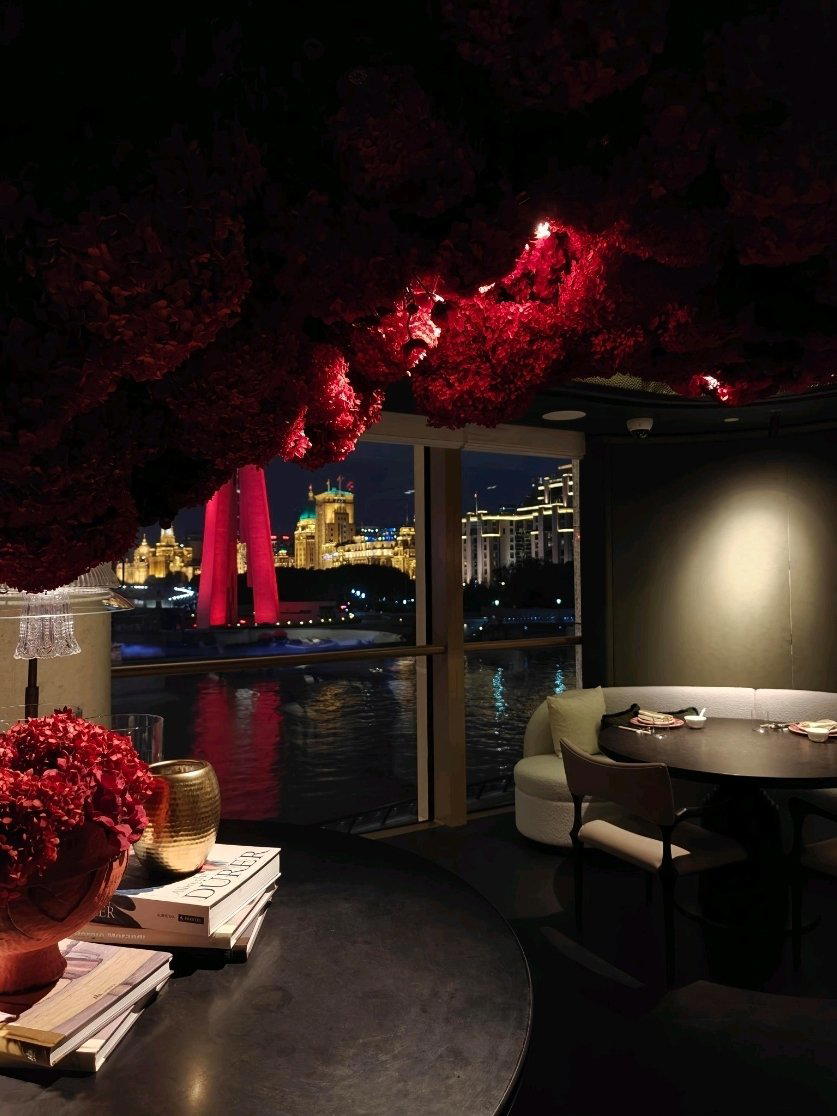
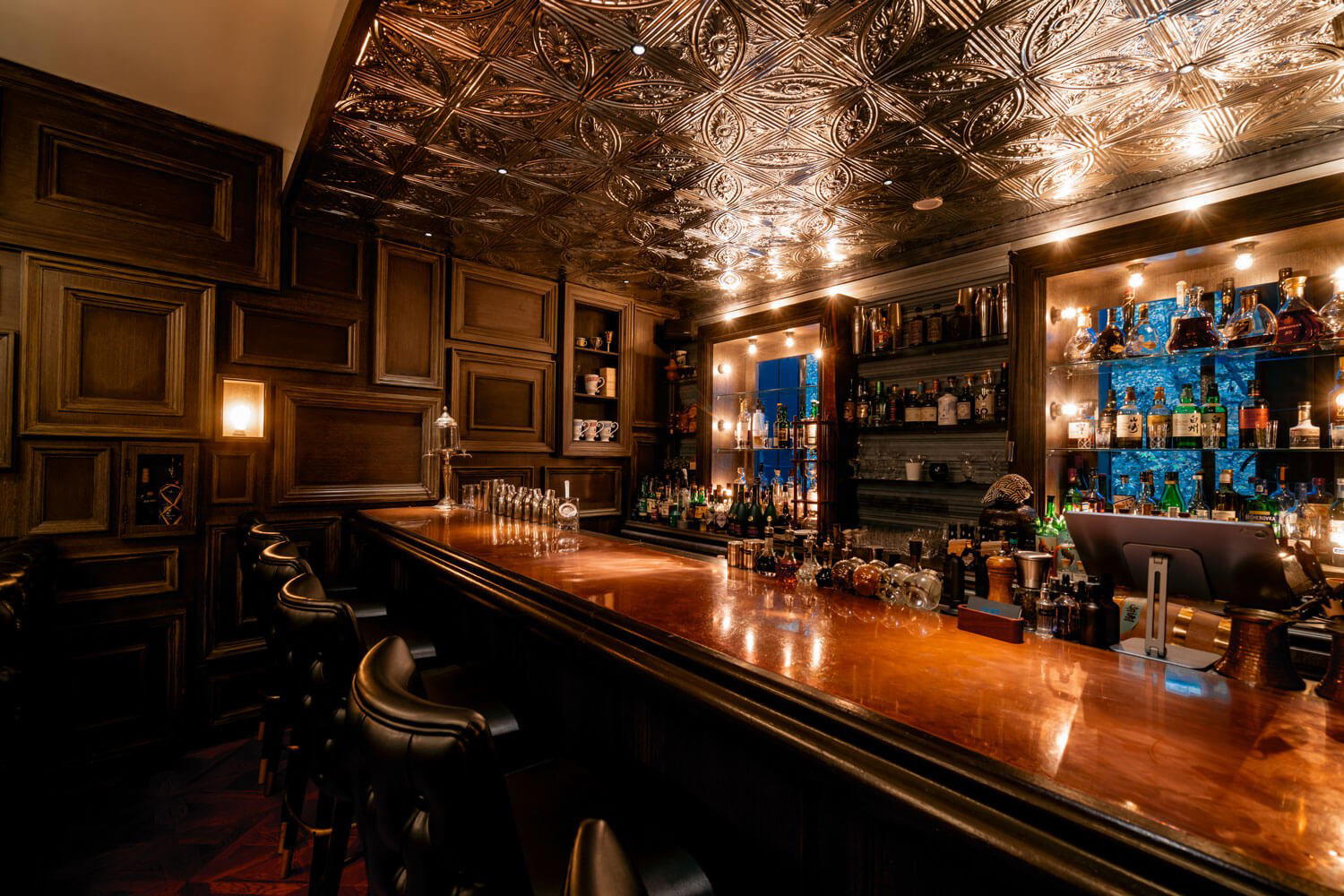
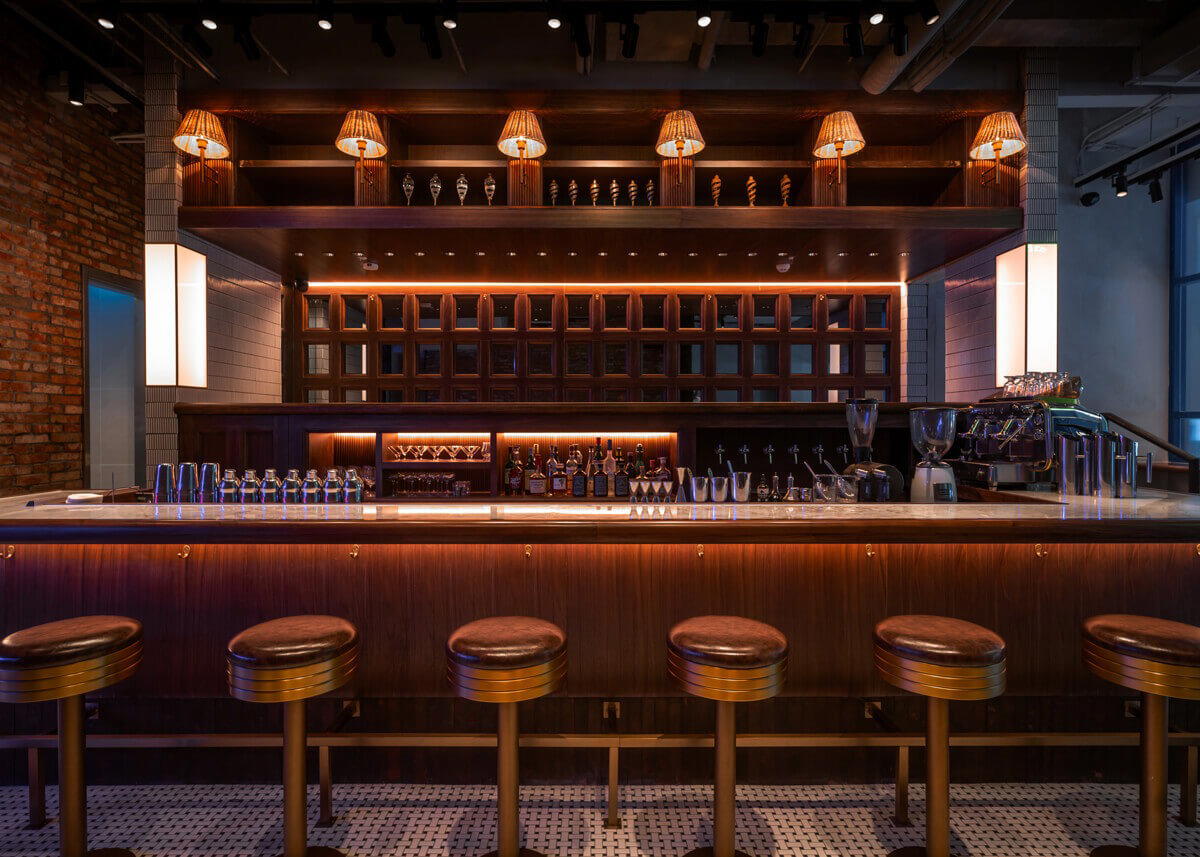
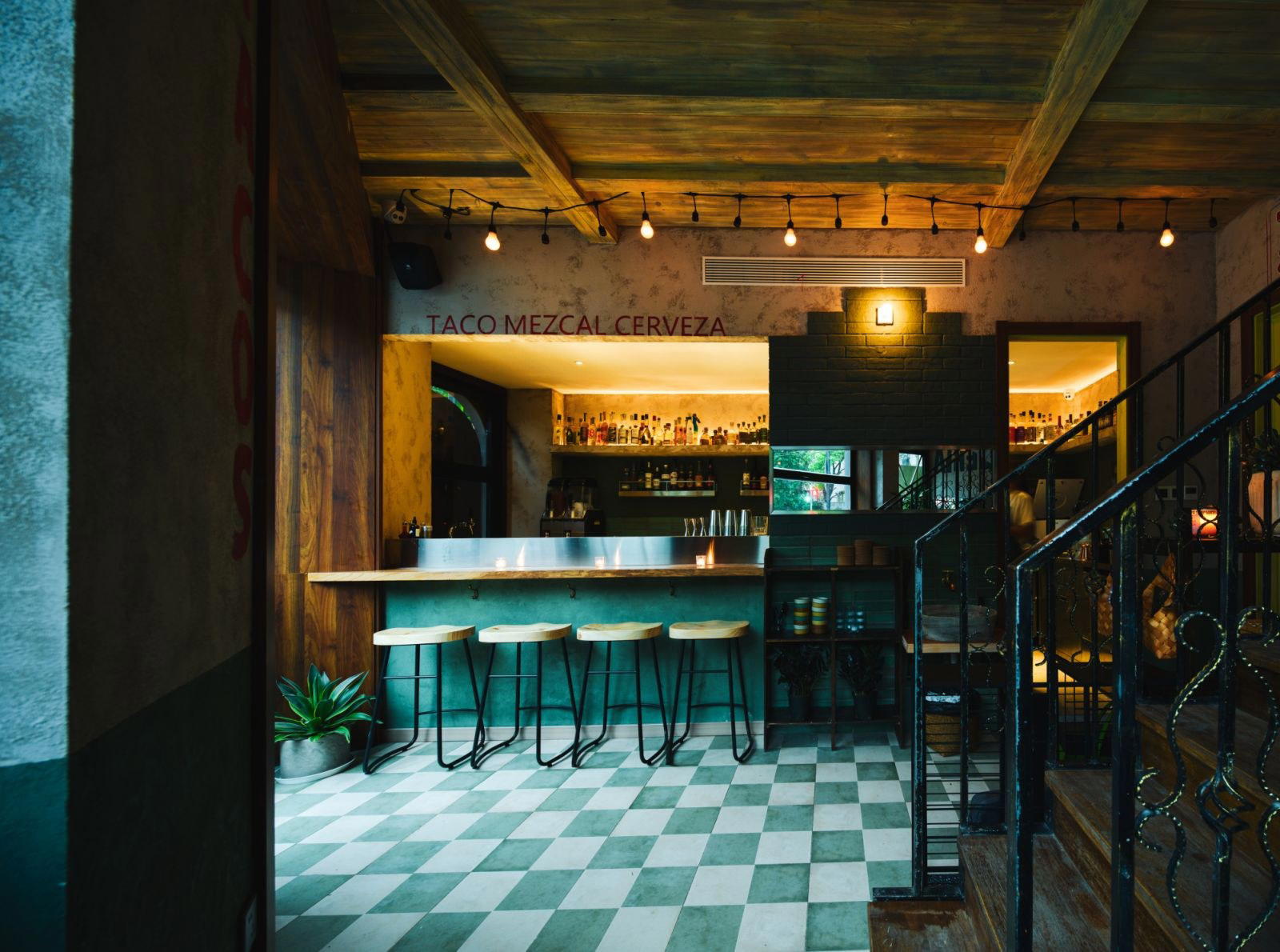
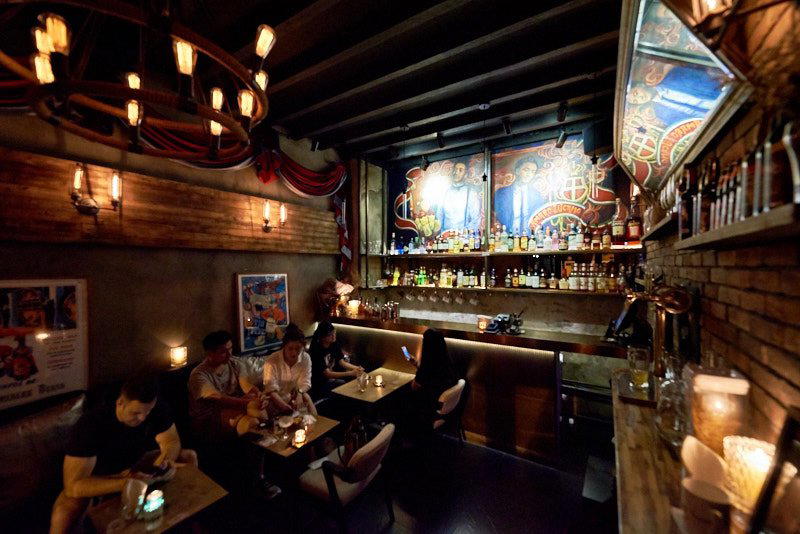
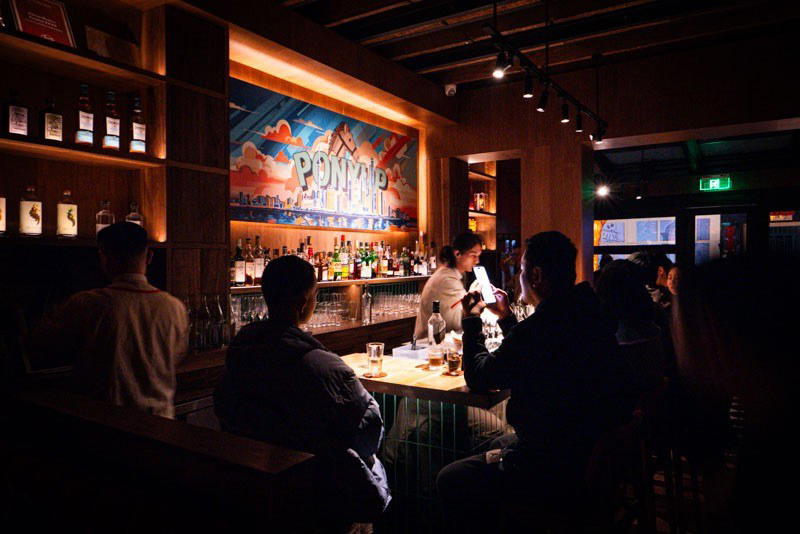
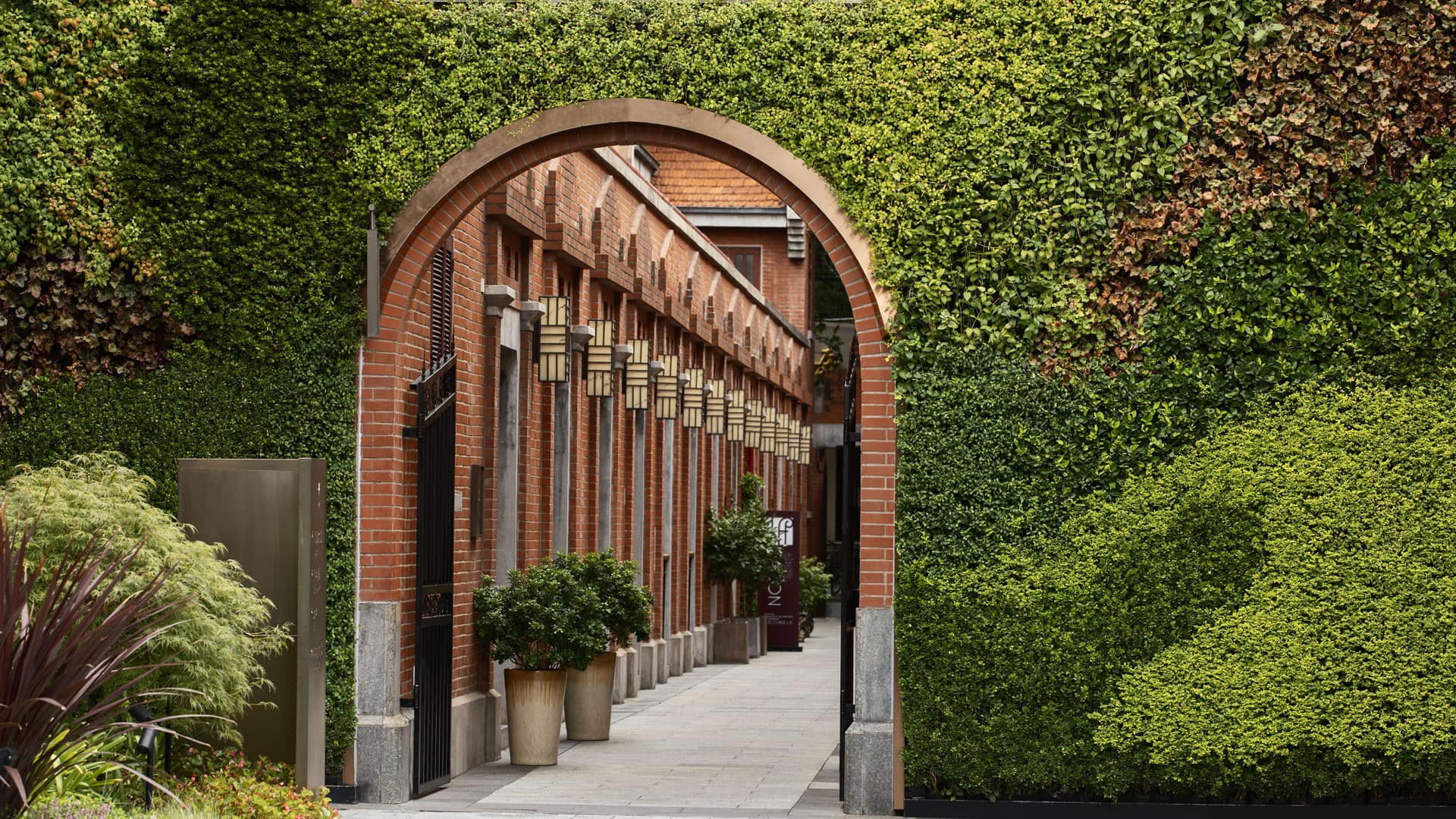
Casual and intimate bistro atmosphere with warm, cozy interiors decorated with playful Australian-themed elements like Vegemite displays and kangaroo and koala crossing signs, plus a relaxed terrace that feels like a neighborhood hideaway.