1 Michelin Star · Black Pearl 1 Diamond
Our verdict
Lu Style (Huangpu) brings Shandong cuisine to central Shanghai with Michelin One Star (2024) and Black Pearl One Diamond (2025) recognition. The menu centres on daily Bohai Sea seafood, adjusted by season, with the Jiaodong cold appetiser platter among its most discussed dishes. At ¥¥¥ pricing, it occupies the mid-to-upper tier of Shanghai's regional Chinese dining scene.

Pearl is the En Primeur Club membership app — saves, bookings, and concierge access live there. Same editors, same standards.
- Address
- China, L207 Huangpu, 838, Huangpi Rd (S), 838号CN 上海市2层 邮政编码: 200020
- Phone
- +86 21 5309 9977
- Directions
- Get directions
The menu
What to order
- Jiaodong cold appetiser platter
- Braised sea cucumber with scallion sauce and corn smut
Shandong's Coastal Kitchen, Recognised in Shanghai
Shanghai's fine-dining circuit tilts heavily toward Cantonese, Shanghainese, and international cooking, which makes the Michelin and Black Pearl validation of a Shandong restaurant worth paying attention to. Lu cuisine — named for the ancient province of Lu, now Shandong — is China's oldest documented culinary tradition, rooted in Confucian court cooking and an unusually sophisticated treatment of seafood, braising, and fermented sauces. It rarely travels far from its home region in polished form, and the few restaurants bringing it to first-tier cities at serious price points are few enough that critical recognition carries weight. Lu Style on Huangpi South Road holds a Michelin One Star (2024) and a Black Pearl One Diamond (2025), two separate and editorially independent rating systems that rarely overlap on the same regional Chinese address. That dual recognition positions it in a small peer group within Shanghai's broader Shandong dining niche.
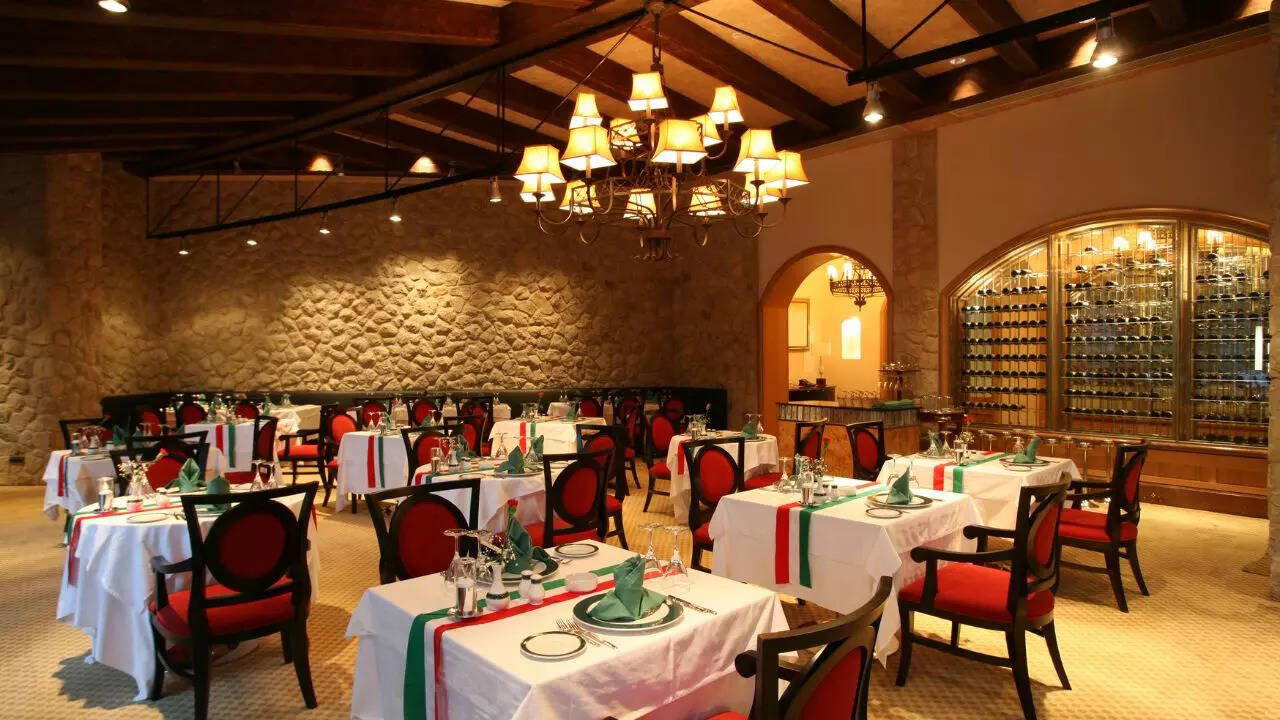
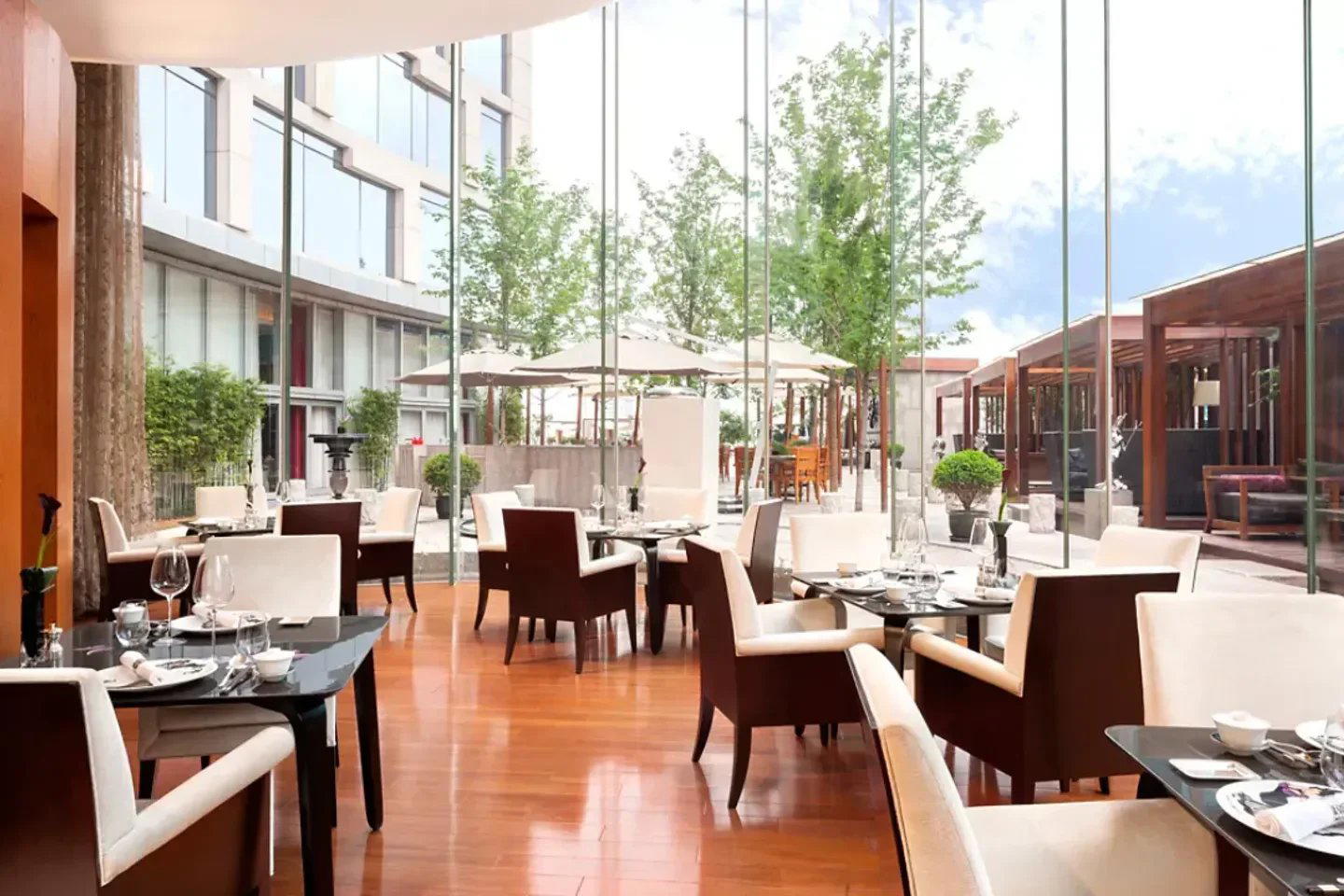
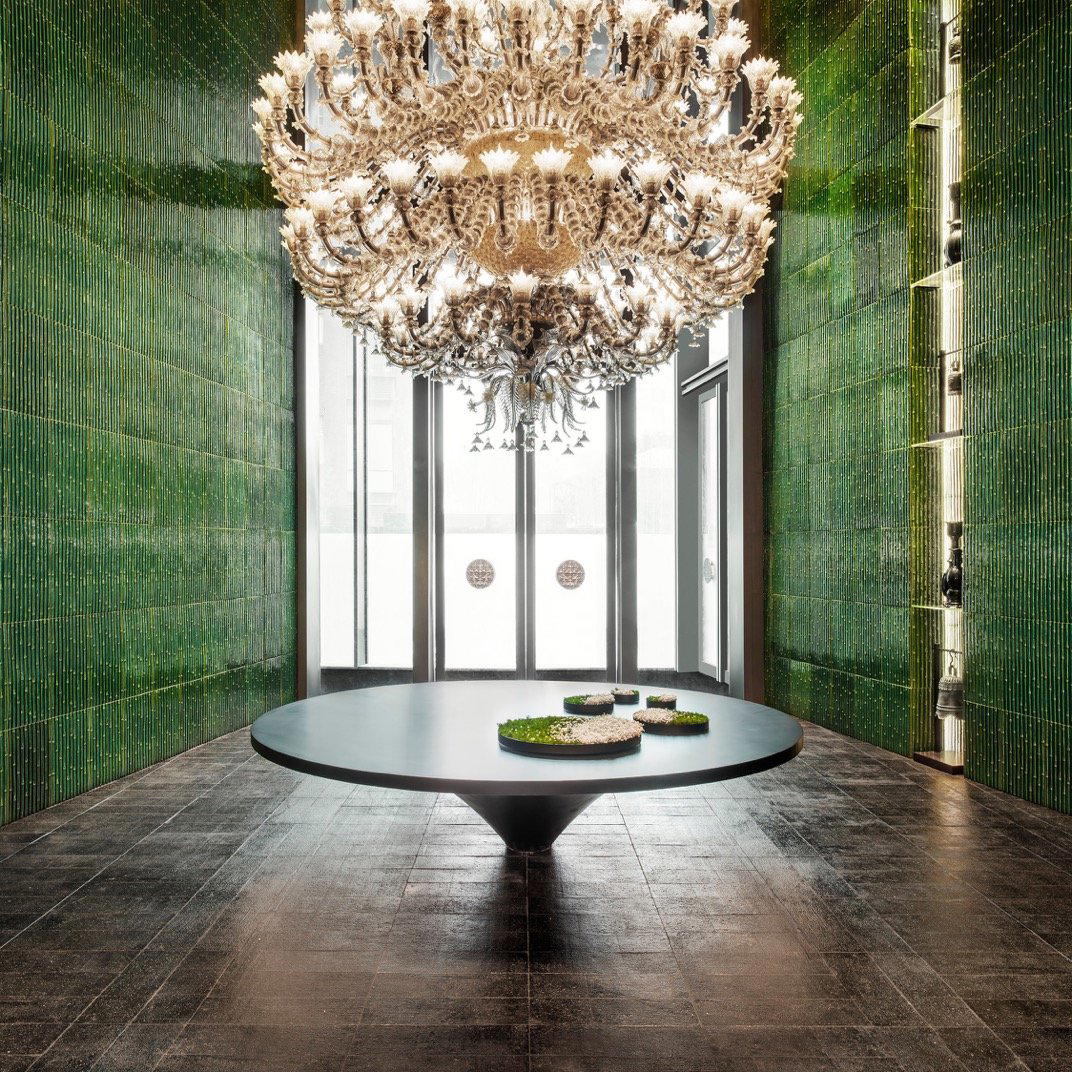
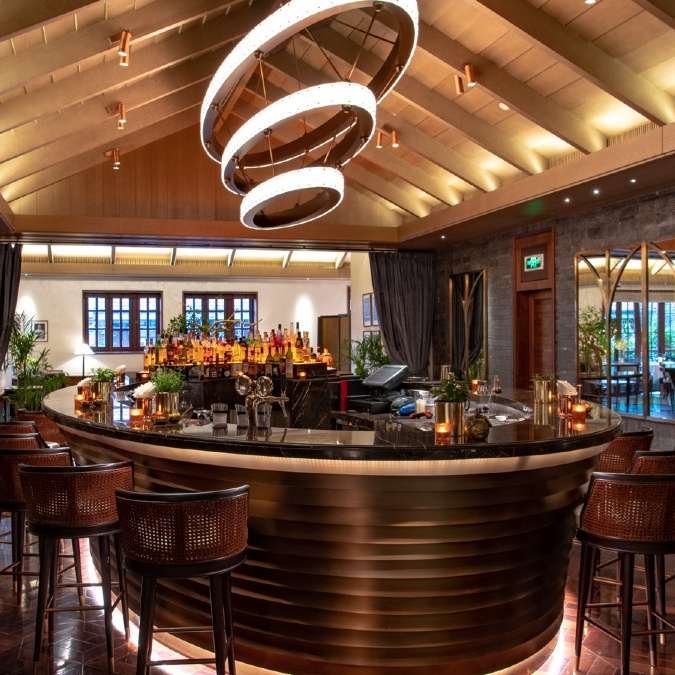
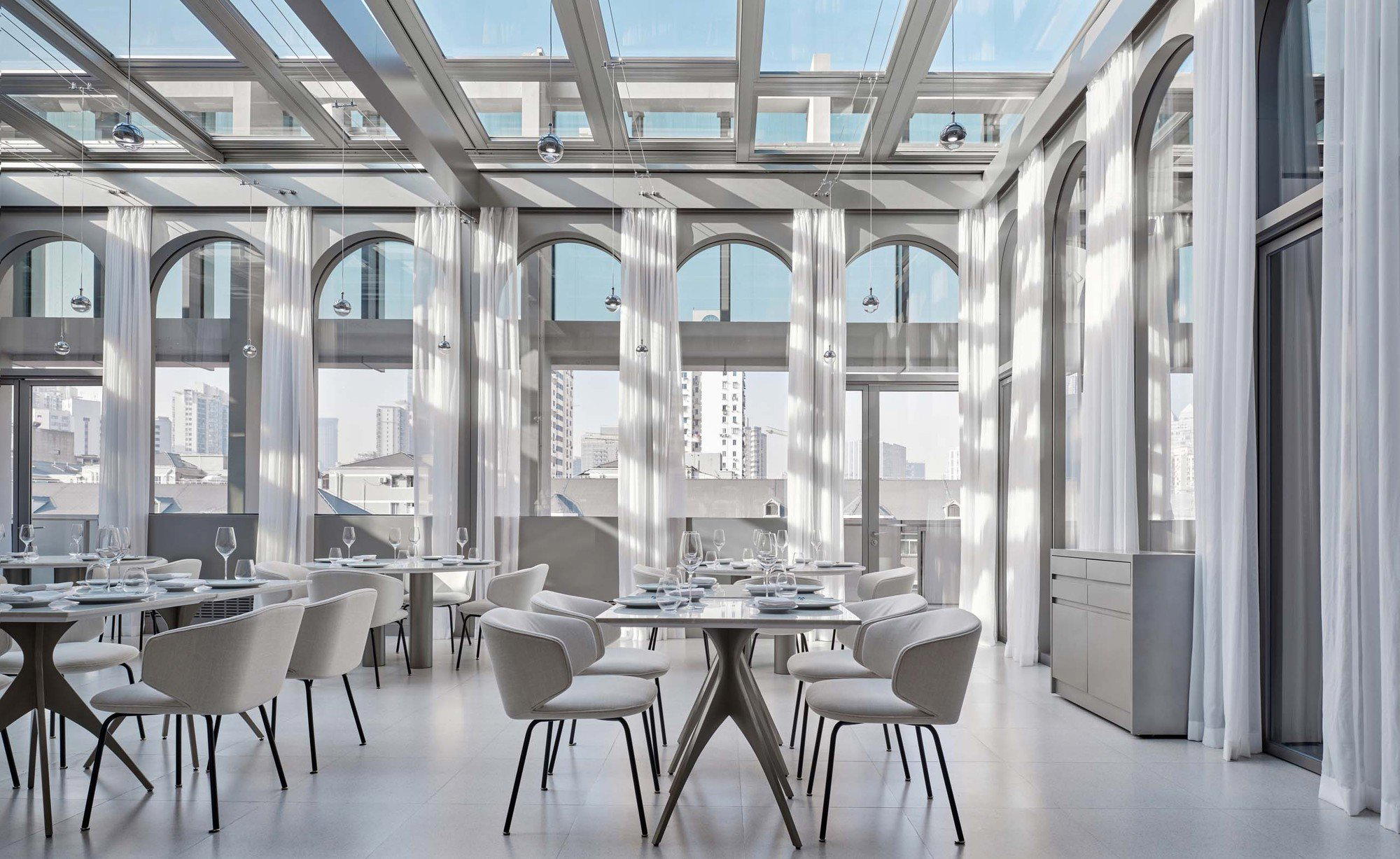
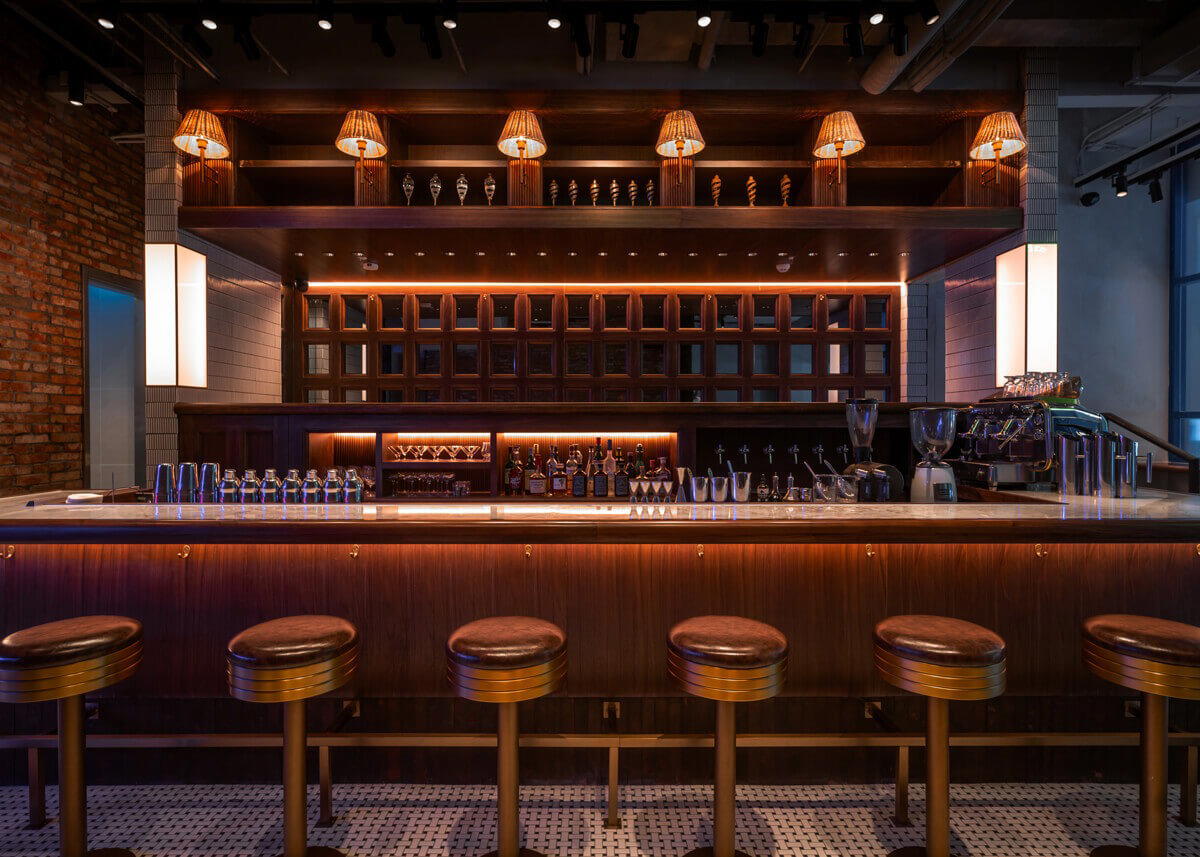
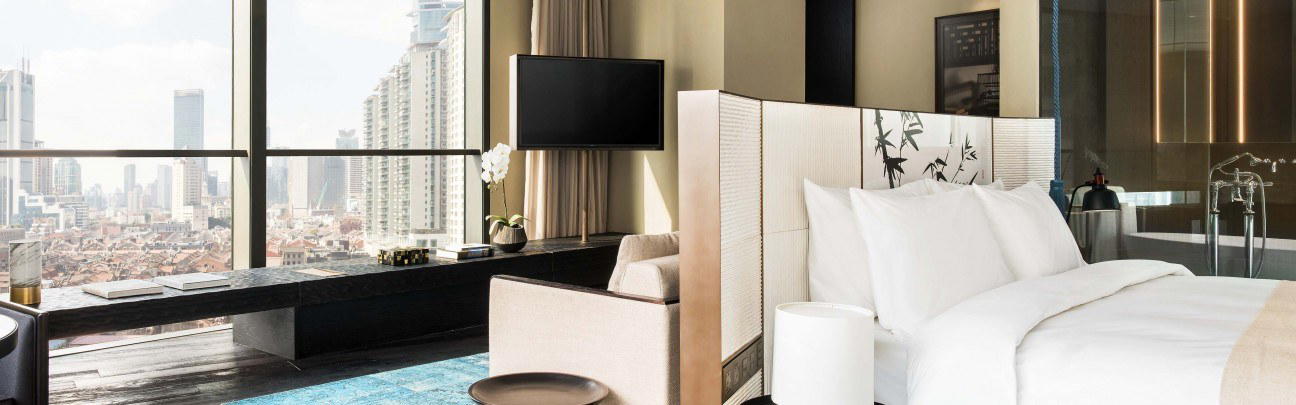
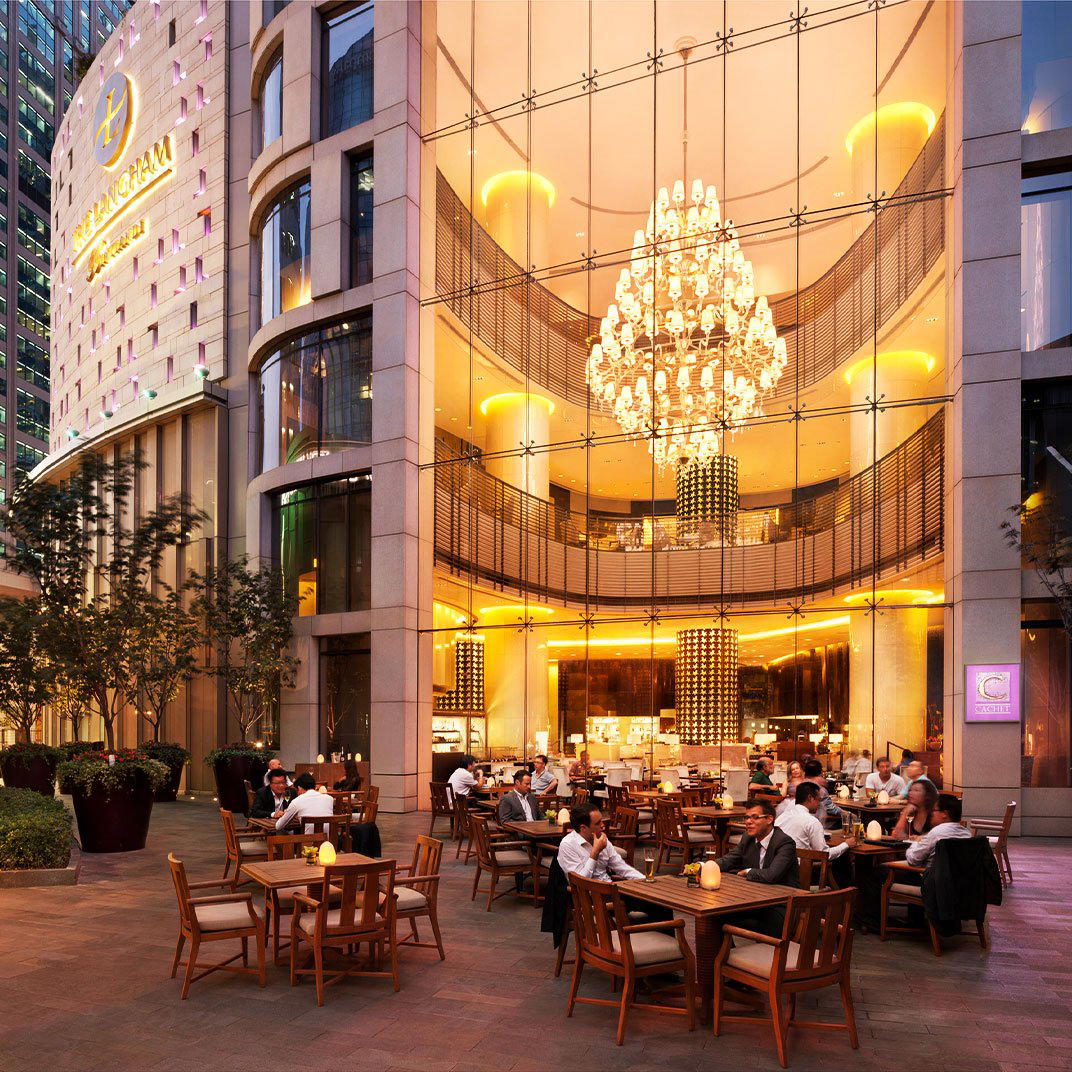
The venue sits on the second floor at 838 Huangpi South Road in Huangpu district, one of Shanghai's denser commercial and dining corridors. Arriving at street level, the building's retail character gives way upstairs to a dining room designed around the register of the cuisine itself: composed, not showy. Shandong cooking has always prized technical precision over visual drama, and the room reflects that. The materials are considered, the light is controlled, and the pace of service moves with the deliberate quality that Michelin inspectors tend to notice before they notice anything else.
What the Awards Actually Signal
A Michelin star awarded to a regional Chinese restaurant in Shanghai means something specific. Inspectors are evaluating consistency of execution, product quality, and the integrity of the cuisine's own logic, not how closely a dish resembles a French or Japanese frame of reference. A Black Pearl Diamond, issued annually by Meituan Dianping and assessed against a separate panel of critics, applies a parallel set of criteria with a more local Chinese critical lens. Earning both in the same period suggests that Lu Style is satisfying two different evaluative frameworks at once, which is not something every restaurant with one award manages. Among Shanghai restaurants recognised in both systems in the mid-price tier, the overlap is narrow. For comparison, other Michelin-starred addresses in Shanghai at the ¥¥¥ tier include options across several Chinese regional traditions, but Shandong-specific entrants in that bracket remain scarce. That scarcity is part of why the recognition reads as meaningful rather than formulaic.
Across the broader EP Club Shanghai restaurant coverage, the starred tier includes addresses like Bai Rong, 102 House (Cantonese), and the high-concept vegetarian format of Fu He Hui. Taian Table, the modern European tasting-menu address, anchors the innovative end of the spectrum at Taian Table (Modern European, Innovative). Lu Style occupies a distinct position in that landscape: it is neither fusion nor fine-dining spectacle, but rather a classical Chinese regional format that has earned modern critical validation on its own terms.
The Cuisine: Shandong Cooking's Coastal Core
Lu cuisine divides broadly into the inland Jinan tradition and the coastal Jiaodong tradition associated with the Shandong peninsula. Lu Style draws from the latter, with a menu built around Bohai Sea seafood shipped in daily. The Bohai Sea, a semi-enclosed inlet between northeastern China and the Korean peninsula, produces a particular range of shellfish, sea cucumber, and cold-water fish with characteristics that differ meaningfully from the Pacific catch used by most Shanghai seafood kitchens. Daily sourcing at this distance is a logistical commitment that shapes the menu's structure and limits its size, which is typical of restaurants working at this price point.
The kitchen adjusts its recipes according to season, a practice embedded in Shandong culinary tradition rather than imported from contemporary farm-to-table rhetoric. The Jiaodong cold appetiser platter, which the venue highlights as a signature presentation, assembles four types of seafood with distinct seasonings for each, giving the dish the structural role that a French amuse or a Japanese hassun performs: it telegraphs both the provenance of the ingredients and the range of the kitchen's seasoning register within a single opening course.
A second frequently referenced preparation involves live or dried sea cucumber braised in a scallion sauce with corn smut. Corn smut, a fungus that develops on maize and carries significant importance in both Chinese and Mexican food traditions, is referenced in the context of its health associations in Chinese culinary thinking, and its presence alongside sea cucumber positions the dish within the broader Shandong tradition of combining premium seafood with ingredients believed to carry medicinal or restorative value. Sea cucumber braising in scallion sauce is one of the defining technical preparations in Lu cuisine's formal repertoire, and the quality of execution in that dish is a reliable indicator of where a kitchen sits within the tradition.
The head chef is a Shandong native who began professional cooking at eighteen as an army chef, a training context that emphasises discipline, volume control, and consistent replication of technique. That background, combined with what the awards record implies about seasonal adjustment and product sourcing, describes a kitchen led by someone working within a tradition rather than reimagining it.
Shandong Cuisine Across Chinese Cities
For readers tracking Shandong cooking across China's major dining cities, the genre has a clearer footprint in Beijing, where Lu cuisine's imperial court legacy left a longer institutional trace. In that city, Lu Shang Lu and Lu Style (Anding Road) represent the tradition in different formats and price brackets. The Shanghai iteration at Huangpi South Road is working in a more competitive and less genre-familiar market, which makes its critical performance relative to the Beijing addresses a useful data point for understanding the brand's consistency across cities.
Among Taizhou and coastal Chinese regional formats in Shanghai, Xin Rong Ji (West Nanjing Road) operates at a higher price tier and with a different critical profile, but the two share an emphasis on seafood sourcing as a primary differentiator. Further afield, for readers building itineraries across multiple Chinese cities, comparable levels of critical recognition for Chinese regional cooking can be found at Ru Yuan in Hangzhou, Xin Rong Ji in Chengdu, Chef Tam's Seasons in Macau, Imperial Treasure Fine Chinese Cuisine in Guangzhou, Dai Yuet Heen in Nanjing, and Xin Rong Ji (Xinyuan South Road) in Beijing.
For a broader view of Shanghai's dining scene across cuisines and formats, see our full Shanghai restaurants guide. Planning extends naturally to accommodation at our full Shanghai hotels guide, or to the city's bar and drinks scene via our full Shanghai bars guide, our full Shanghai wineries guide, and our full Shanghai experiences guide.
Know Before You Go
Address: 2/F, 838 Huangpi South Road (Huangpi Rd S), Huangpu, Shanghai 200020
Price range: ¥¥¥ (mid-to-upper tier for Shanghai regional Chinese dining)
Awards: Michelin One Star (2024); Black Pearl One Diamond (2025)
Cuisine: Shandong (Lu), Jiaodong coastal tradition, Bohai Sea seafood
Booking: Reservation recommended given the award profile and limited seating typical of kitchens at this standard; phone and website details are, check current booking channels via Meituan or Dianping
Seasonal note: The menu adjusts by season in line with Bohai Sea product availability; Shandong coastal seafood reaches a different point of expression in autumn and early winter, when cold-water species are at their peak
4.7 (small review sample; weight the Michelin and Black Pearl assessments more heavily when forming expectations)
Frequently asked questions
What's the cuisine at Lu Style (Huangpu)?
Where is Lu Style (Huangpu) located?
Lu Style (Huangpu) is located at China, L207 Huangpu, 838, Huangpi Rd (S), 838号CN 上海市2层 邮政编码: 200020, Shanghai.
Has Lu Style (Huangpu) won any awards?
Lu Style (Huangpu) has received recognition including: Black Pearl 1 Diamond (2025); The head chef is a Shandong native, who started his career at the age of 18 as an army chef. The menu features the freshest catch from Bohai Sea – shipped in daily – and the chef fine-tunes his recipes accordin….
What dish is Lu Style (Huangpu) famous for?
Two preparations anchor its reputation: the Jiaodong cold appetiser platter, which presents four types of Bohai Sea seafood each seasoned differently, and the braised sea cucumber in scallion sauce with corn smut. Both dishes reflect the restaurant's Jiaodong coastal focus, using seafood shipped daily from the Bohai Sea and adjusted according to the season.
Is Lu Style (Huangpu) expensive?
Pricing at Lu Style (Huangpu) is listed as ¥¥¥.
Do I need a reservation for Lu Style (Huangpu)?
Yes. With a Michelin star (2024) and Black Pearl 1 Diamond (2025) at the ¥¥¥ price tier on Huangpi South Road in central Shanghai, demand runs consistently ahead of walk-in availability. Book in advance, particularly for weekend dinners.
Peers Worth Knowing
| Venue | Cuisine | Price | Awards | Notes |
|---|---|---|---|---|
| Lu Style (Huangpu)This venue — the venue you are viewing | Modern Shandong Seafood | $50–100 | 1 Michelin Star · Black Pearl 1 Diamond | Not listed |
| Fu He Hui | Modern Seasonal Vegetarian Fine Dining | $200–300 | 2 Michelin Stars · World's 50 Best #11 | Vegetarian |
| Ming Court | Cantonese with Shanghainese Influences | $30–50 | 1 Michelin Star · Black Pearl 1 Diamond | Cantonese |
| Polux | French Bistro | $30–50 | Michelin Bib Gourmand | French |
| Royal China Club | Modern Cantonese fine dining | $50–100 | Michelin Plate | Chinese, Cantonese |
| Scarpetta | Refined Italian Pasta & Pizza | $50–100 | Michelin Plate · Wine Spectator Best of Award of Excellence | Italian |
Recognition history
Dated appearances from independent guides and award organizations, with the underlying list record or original source where available.
Michelin 1 Star
Michelin
Black Pearl 1 Diamond
Black Pearl
Full recognition history (5 entries)
Black Pearl 1 Diamond
Black Pearl
Michelin 1 Star
Michelin
Michelin 1 Star
Michelin