

Presente Sugi places Sakura in Japan’s serious destination-dining conversation through a seven-seat, Italian-innovative format shaped by kaiseki logic: seasonality, sequence, restraint, and controlled pacing. The draw is not urban theatre but the rare tension between Chiba locality and high-recognition dining, backed by Tabelog Award history and a La Liste 2026 score of 94 points.
Pearl is the En Primeur Club membership app — saves, bookings, and concierge access live there. Same editors, same standards.
- Address
- Japan, 〒285-0045 Chiba, Sakura, Shirogane, 2 Chome−3−6
- Phone
- +81 43-371-1069
- Website
- laliste.com
 Saves & bookings on Pearl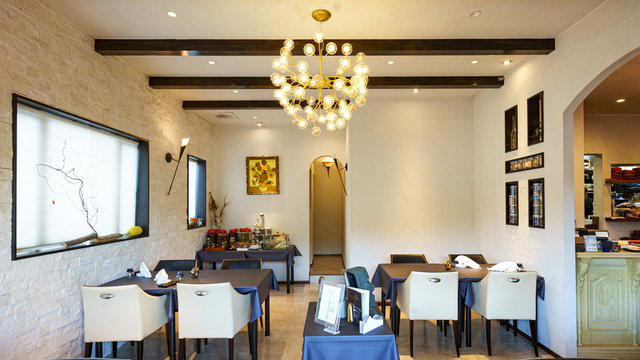
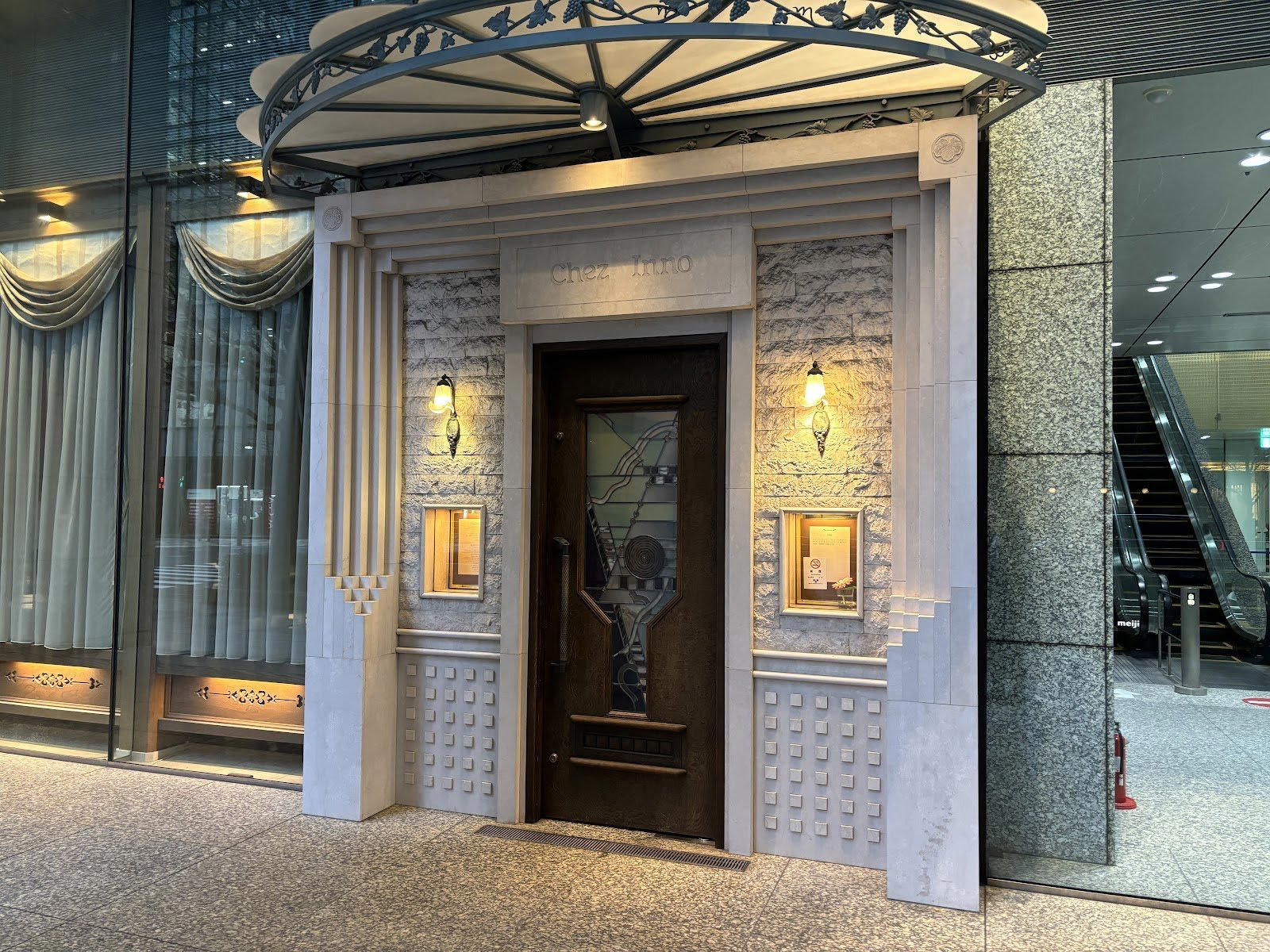
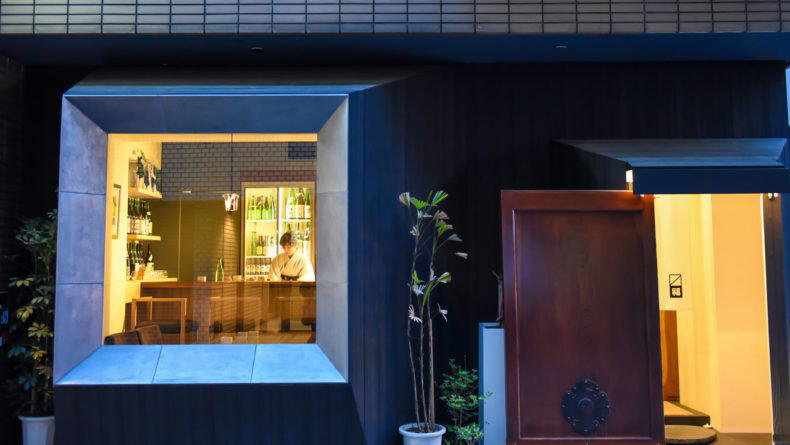
Approaching Sakura’s Shirogane district, the mood is residential, not performative: low-rise streets, a house-restaurant setting, and the quiet expectation that serious dining in Japan no longer needs a Ginza address to justify the trip. Outside Tokyo, the strongest small rooms often borrow kaiseki’s grammar: season as structure, sequence as argument, restraint as confidence.
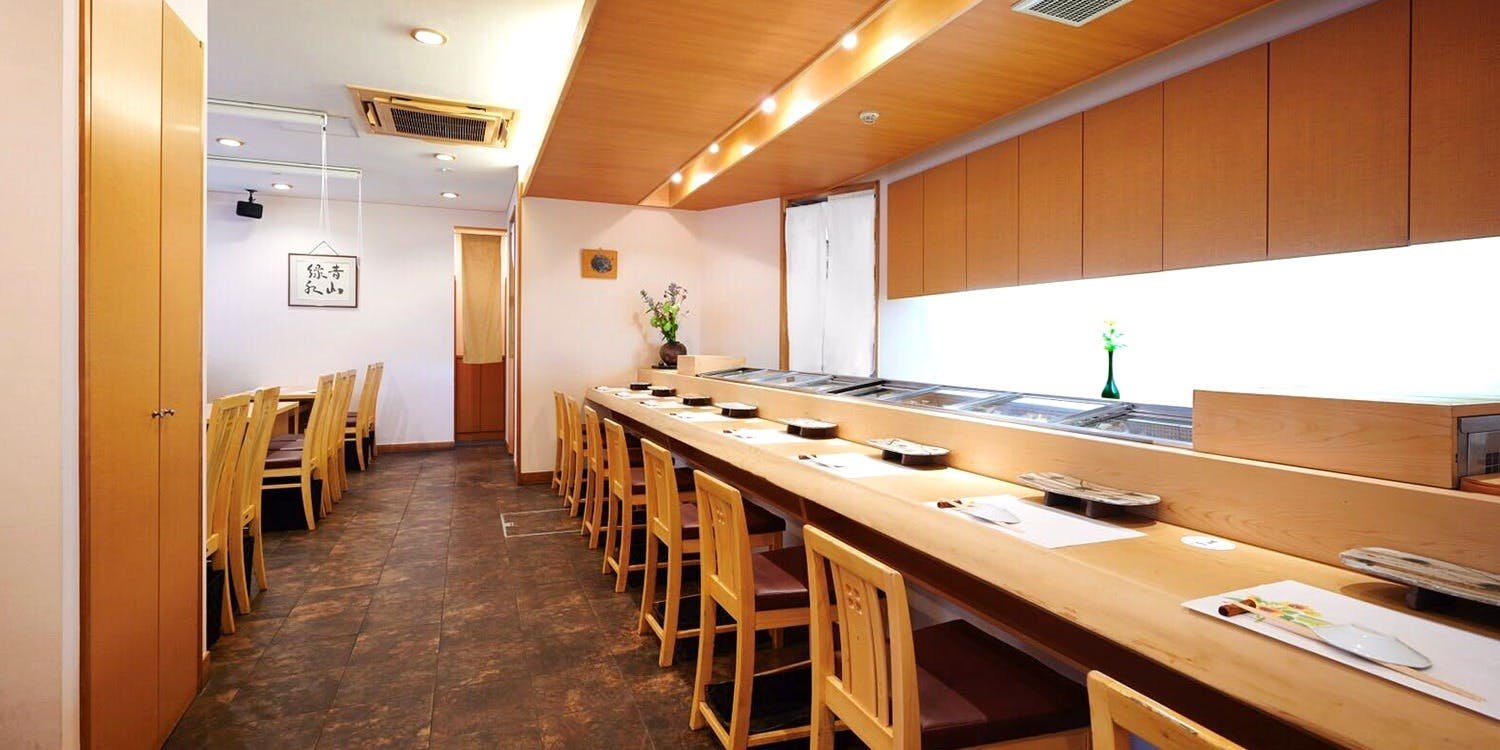
Presente Sugi fits that conversation with a format that reads Italian and innovative on paper, yet behaves closer to Japan’s multi-course seasonal tradition in practice. The point is not fusion for its own sake. In Japan, Italian cooking has long adapted to local produce, seafood, fermentation, and service rhythms; sharper restaurants now use pasta, broth, acidity, and heat as tools inside a longer seasonal composition. A Sakura address therefore makes sense. Chiba has agricultural and coastal proximity, and the room’s scale keeps the experience closer to a counter-led tasting than a metropolitan grand restaurant.
Italian technique filtered through kaiseki pacing
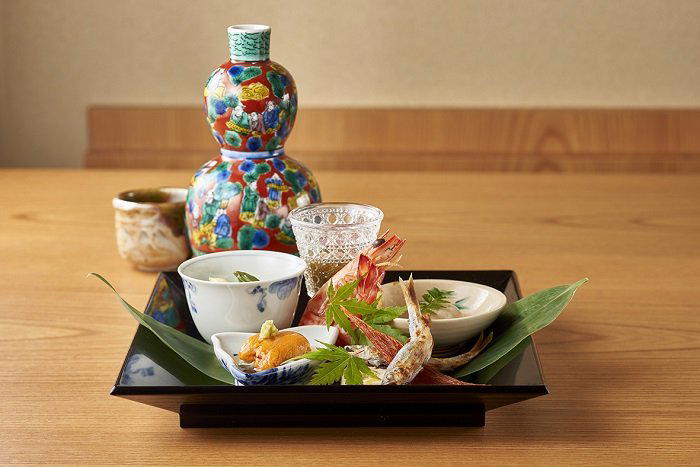
Japanese fine dining is often misunderstood abroad as category: sushi, tempura, kappo, kaiseki. The more useful distinction is rhythm. Kaiseki’s influence appears in how a meal controls appetite, temperature, portion, and contrast across courses. Restaurants outside formal kaiseki now use that structure to organize French, Italian, and modern Japanese ideas. Presente Sugi belongs to this smaller tier: listed as Italian and innovative, but interesting for the Japanese sequencing behind it.
The seven-seat scale matters because it changes economics and tempo. A restaurant this small cannot rely on volume, table turns, or broad casual appeal; it must justify itself through precision and repeat recognition. The Tabelog Award record is unusually strong for a non-Tokyo address: Silver in 2026, Gold in 2025 and 2024, Silver in 2023, 2022, and 2021, plus selection for Tabelog Italian EAST 100 in 2025 and 2021. La Liste’s 2026 score of 94 points adds another signal. In Japan’s rating culture, those markers place it among serious destination counters, not neighborhood special-occasion dining.
Chef Noritoshi Fujioka’s name belongs in the frame as credential, not the whole story. The broader movement is more compelling: regional Japanese restaurants using European technique without hotel-dining gloss or Tokyo-style maximalism. At this level, the questions are about control. Does the meal keep its line? Does the produce feel treated with Japanese economy rather than decorative excess? Does intimacy sharpen the experience rather than make it precious? Those are the standards for this category.
Why Sakura changes the reading of the meal
Sakura is not a conventional first stop on a Japan dining itinerary. That is why the setting matters. Tokyo luxury restaurants compete inside a dense status market, where access, counter lineage, and neighborhood prestige shape expectation before the first course. Sakura removes some of that noise. The meal must carry the journey on its own terms, and the house-restaurant context feels closer to a private salon than a city-stage production.
That does not make it casual. The recognition trail, small capacity, and price tier indicate a serious commitment of time and budget. Its appeal differs from chasing a famous urban counter: it is a regional expression of Japan’s high-end seasonal dining culture, where Italian technique gives the kitchen another vocabulary for acidity, fat, starch, and temperature. For travelers mapping food around Chiba rather than treating the prefecture as transit between Tokyo and Narita, it is a persuasive reason to look beyond the capital’s obvious dining corridors.
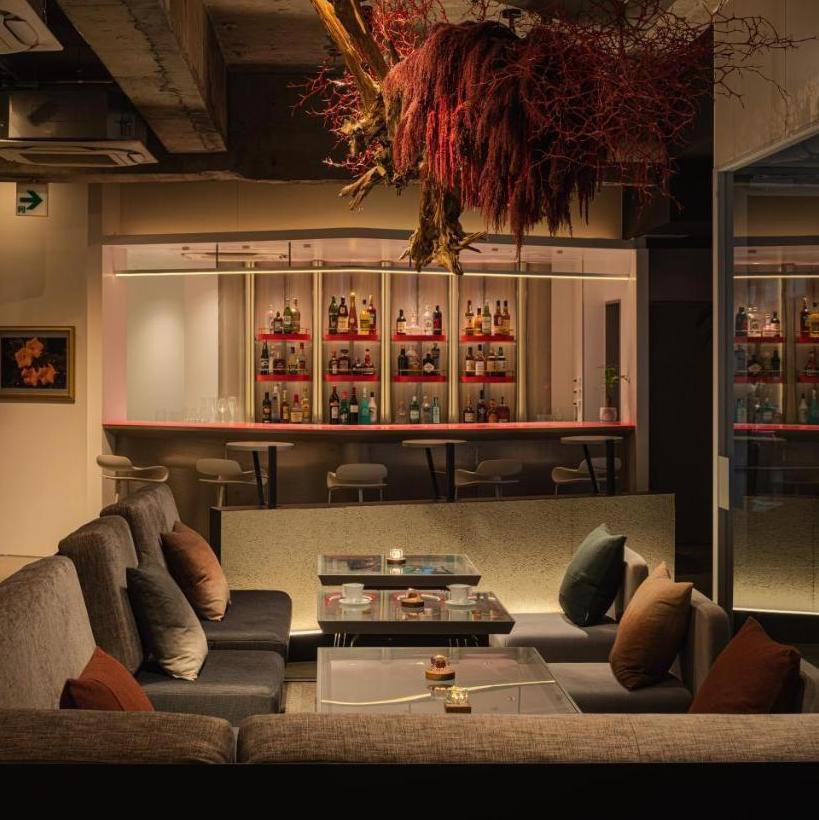
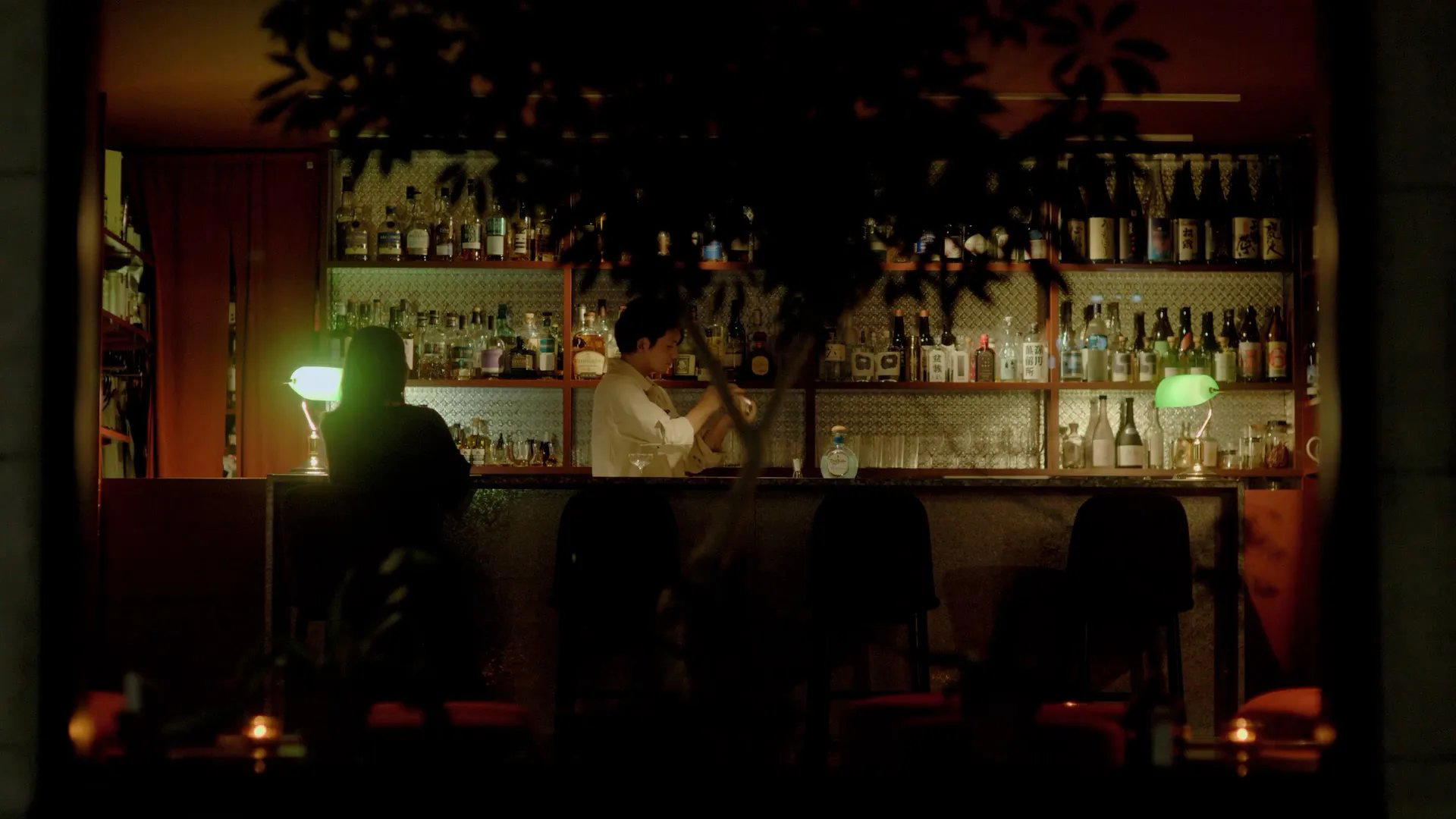
The drinks format reflects a Japanese fine-dining reality: sake, wine, and cocktails can coexist without forcing a single national identity. That flexibility is common in modern tasting rooms, especially where the food is neither orthodox washoku nor rigidly Western. The better model avoids gimmickry; pairings should support the meal’s seasonal arc rather than announce a concept too loudly.
Readers can place the restaurant inside our full Sakura restaurants guide, then balance the trip with our full Sakura hotels guide, our full Sakura bars guide, our full Sakura wineries guide, and our full Sakura experiences guide. For broader Japan planning, the contrast is instructive: -Grilled beef Sukiyaki- KAMAKURA TANUKIAN 鎌倉 たぬき庵 in Kamakura shows a focused beef tradition, while . 鮪と炭火焼き うお炭 秋葉原店 in Tokyo sits closer to urban seafood-and-grill dining. .cafe in Osaka, .know in Kumamoto, and (Shoku) Vietnam in Kawasaki point to Japan’s wider appetite for formats beyond old category lines.
The decision: destination counter, not casual detour
The case for Presente Sugi is strongest for diners who care about structure as much as flavor category. It is not the obvious choice for a spontaneous family meal, broad group dinner, or anyone seeking a large à la carte room. It is a small, high-recognition, high-commitment restaurant whose value lies in watching Japanese seasonal discipline work through an Italian-innovative lens. That makes it sharper for travelers who understand why a seven-seat room outside Tokyo can be as revealing as a famous capital address.
Awards signal seriousness, but do not guarantee every traveler wants this kind of meal. The format rewards patience, attention, and comfort with set progression. Those seeking informality may prefer elsewhere; those interested in Japan’s regional fine-dining evolution will find the proposition compelling. Sakura’s role is not to imitate Tokyo, but to show how dining ambition has spread into quieter locations where scale, locality, and discipline outweigh spectacle.
For comparisons across Japan, [Curry Senmon Ten] Maruyama Kyoju. in Sapporo, [ki:] in Kyoto, #肉といえば松田 奈良本店 in Kashihara, 1/3 HAMBURGER FACTORY in Kanazawa, 1000 in Yokohama, and 1000mヒュッテ 1000m Hut in Kutchan show how varied the country’s dining map becomes once it is not reduced to capital-city prestige. For a transpacific sake or rice-focused thread, Jōdo Saké Bar in Los Angeles and Onigiri Time in Pasadena offer a useful outside-Japan counterpoint.
Comparable Venues
Comparable venues nearby, for context on price, style, and recognition.
| Venue | Cuisine | Price | Awards | Notes |
|---|---|---|---|---|
| プレゼンテ スギ - Presente SugiThis venue — the venue you are viewing | Modern Local Italian | $$$$ | ||
| Cignale Enoteca | Italian-Japanese Fusion Omakase | $$$$ | Meguro | |
| Ristorante Hamasaki | Refined Italian | $$$$ | Shibuya | |
| Merachi | Modern Italian with Japanese Ingredients | $$$$ | Michelin Plate | Minato |
| Pellegrino | Parma Italian Fine Dining | $$$$ | Shibuya | |
| sio AOYAMA | Modern Italian with Japanese influences | $$$$ | Michelin Plate | Minato |


At a Glance
- Cozy
- Elegant
- Intimate
- Sophisticated
- Hidden Gem
- Special Occasion
- Date Night
- Open Kitchen
- Sake Program
- Local Sourcing
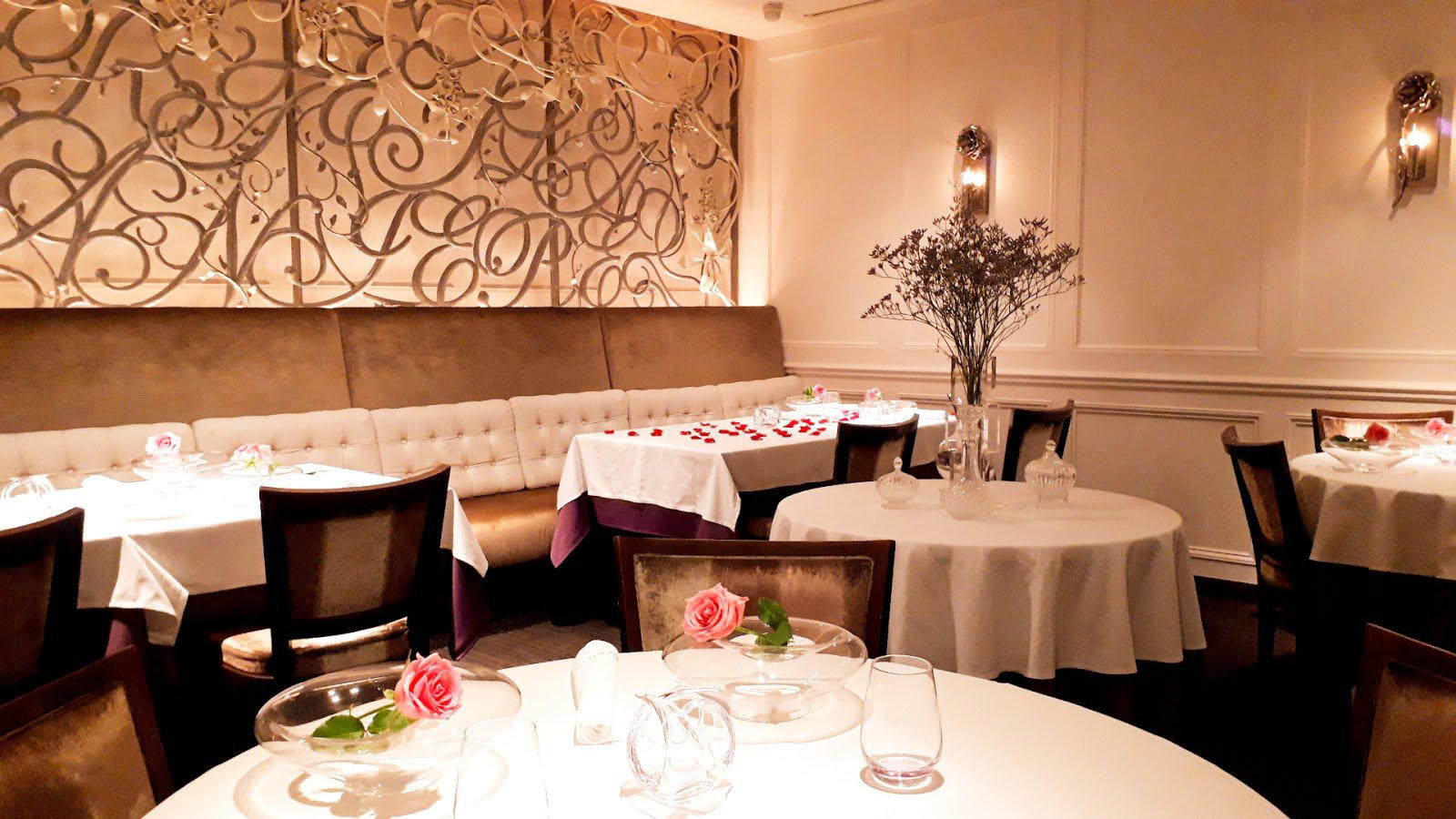
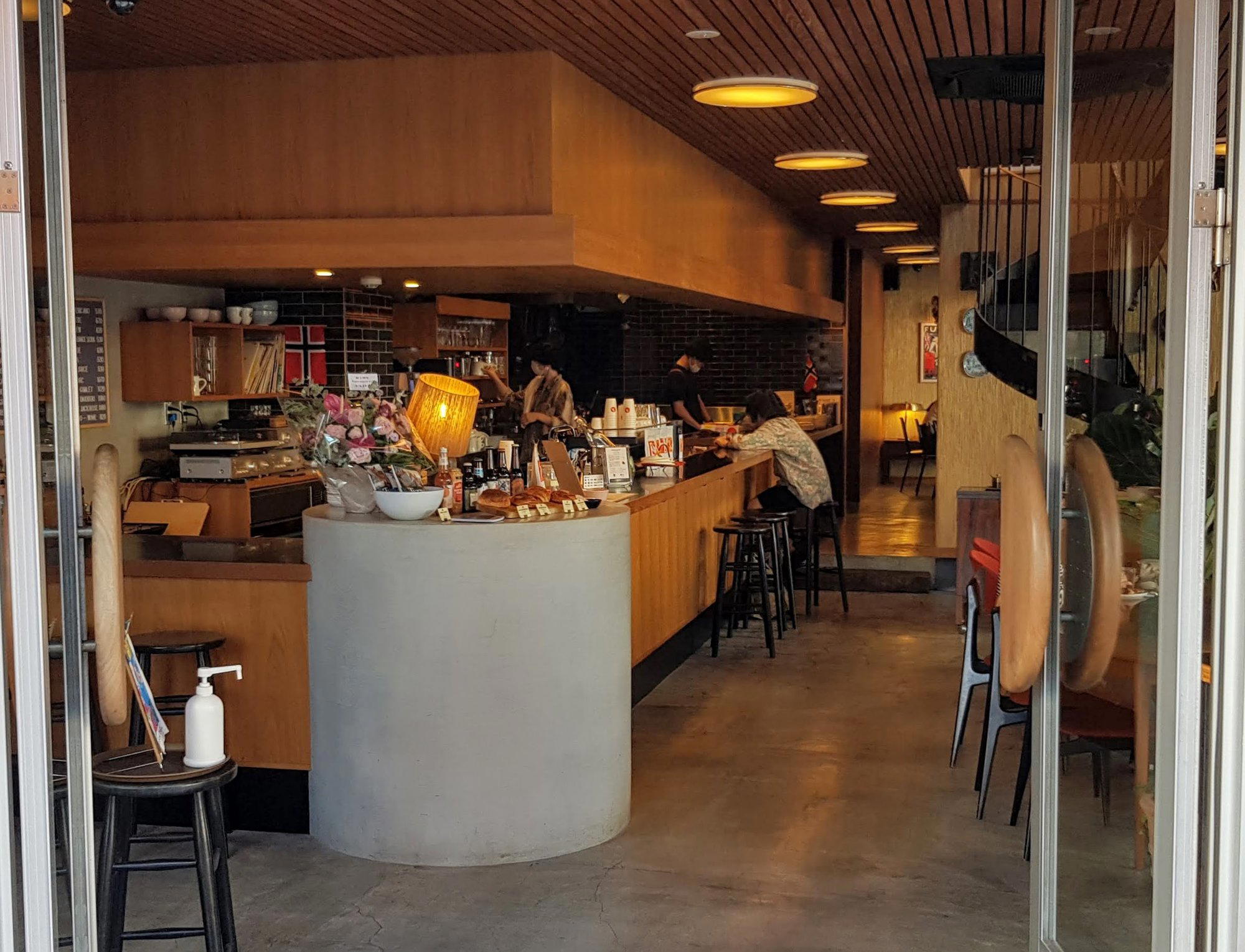
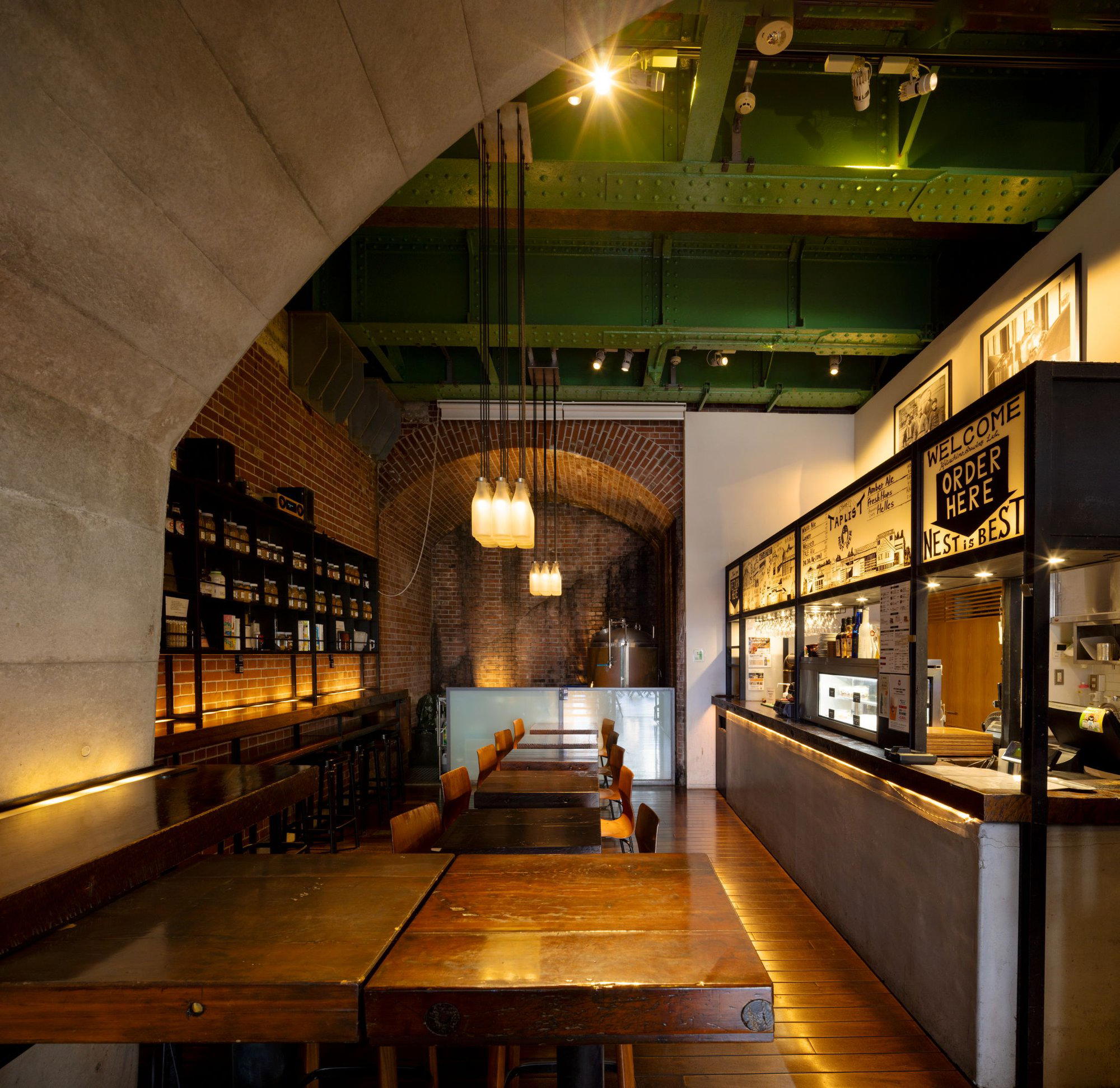
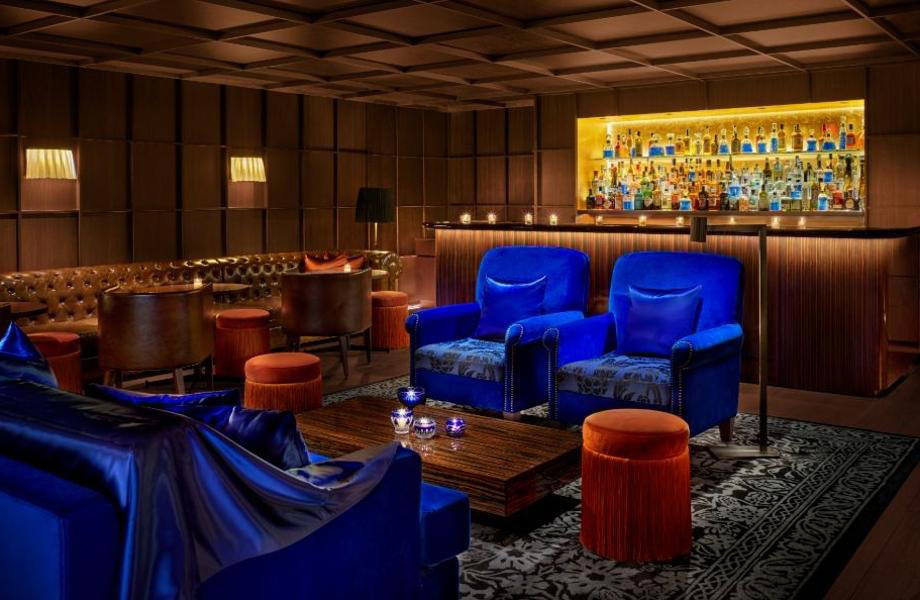
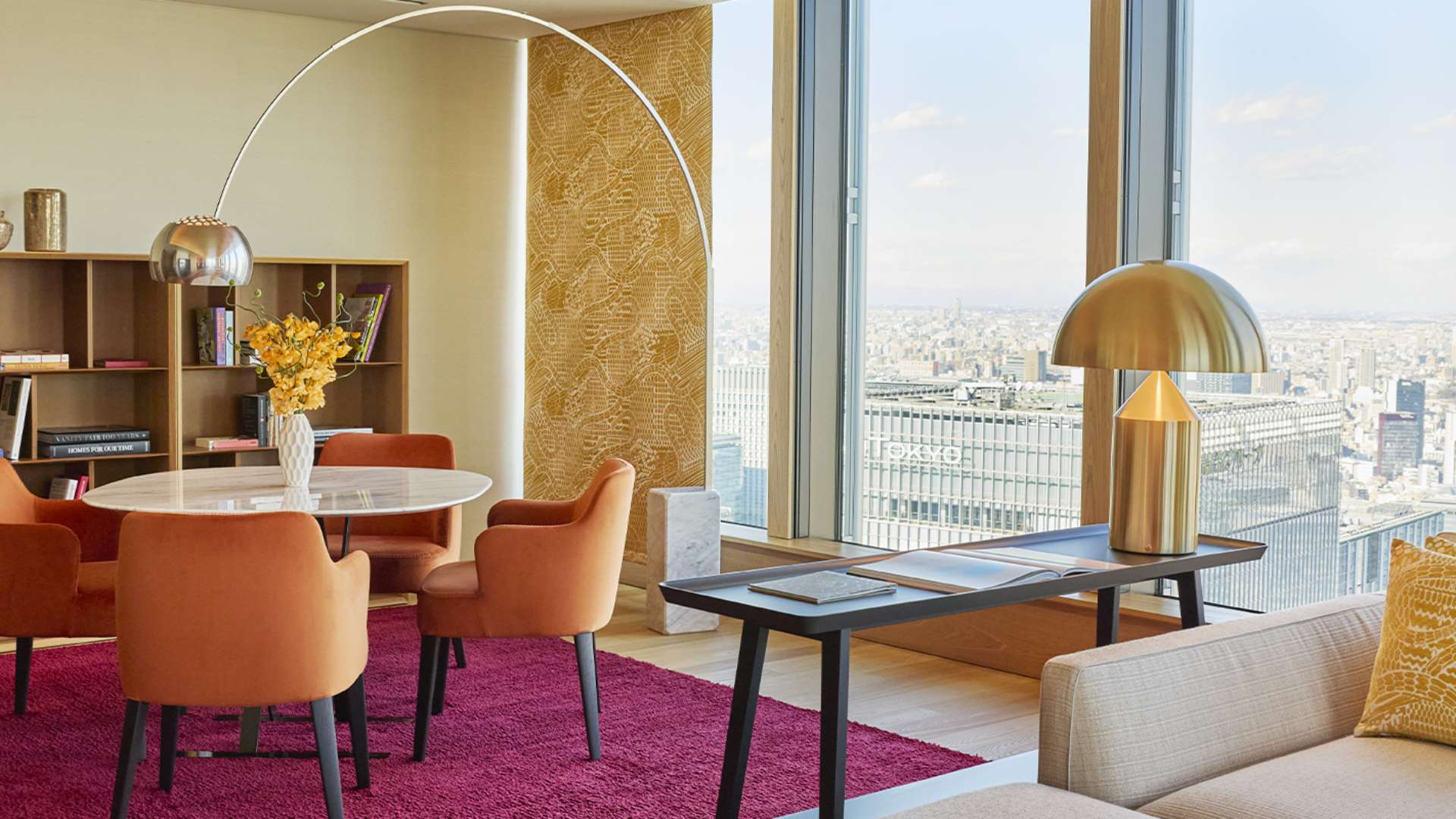
Warm and cozy space with handcrafted details, stylish and relaxing atmosphere.