
Michelin Plate
Our verdict
A Michelin Plate-recognised Italian-inflected contemporary restaurant in Kita-Aoyama, sio AOYAMA applies a cooking philosophy centred on precision temperature and flame control to pasta, risotto, and meat dishes prepared three ways.

Pearl is the En Primeur Club membership app — saves, bookings, and concierge access live there. Same editors, same standards.
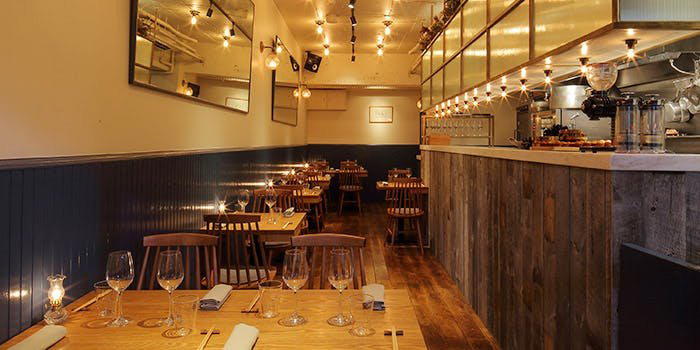
A Room Above Aoyama
Second-floor dining in Tokyo carries its own grammar. Street-level restaurants in Kita-Aoyama compete for passing attention; those one flight up tend to draw guests who already know where they are going. sio AOYAMA occupies that position at 3 Chome-4-3 in Minato City, a neighbourhood that clusters fashion flagships, architecture studios, and a particular tier of contemporary restaurant. The physical remove from the pavement is a quiet signal about the clientele the room is built for.
Contemporary Italian cooking in Tokyo has expanded well beyond its original transplant phase. The city now supports a range of Italian-rooted formats: high-volume trattoria-style rooms, omakase-inflected tasting counters, and mid-tier restaurants that apply Japanese precision to European technique. sio AOYAMA belongs to the last category, where the logic of careful temperature management and fire calibration, applied to pasta and risotto with the same attention a Japanese kitchen gives to dashi, produces a distinct register. The Michelin Plate in both 2024 and 2025 confirms that the approach is consistent enough to hold critical recognition year over year.
The Cooking Logic
Michelin's own language for sio AOYAMA is unusually specific. The phrase "Italian of points" describes a kitchen philosophy built on cooking every element to its precise thermal and textural endpoint: the right temperature, the right flame level, applied at the right moment. This is not the Italian-restaurant-in-Japan cliché of combining dashi with al dente pasta. It is a more procedural discipline, one where the simplicity of a pasta or risotto presentation is the result of removing anything that obscures the argument the cooking is making.
Meat cookery here runs across three distinct methods: iron plate grilling, oven-baking, and firewood grilling. The coexistence of all three in a single kitchen is a structural commitment, not a menu flourish. Each method yields a different surface texture and internal moisture profile; offering all three means the kitchen must be staffed and equipped to maintain quality across formats simultaneously.
The Michelin assessors also noted something less technical: a light touch in both cooking and guest relations that "accords with the mood of today's diners." That alignment with contemporary dining sensibility, where formality has relaxed but attention to craft has not, places sio AOYAMA in a cohort of Tokyo contemporary restaurants that have recalibrated how seriousness presents itself. Loudly formal service and heavy plating have given way to something quieter and more confident.
Aoyama's Contemporary Dining Tier
Kita-Aoyama sits within a broader Minato City dining cluster that spans everything from kaiseki rooms to imported European formats. The neighbourhood's contemporary restaurant tier, which sio AOYAMA occupies at the ¥¥¥ price point, sits below the ¥¥¥¥ bracket occupied by Tokyo's Michelin-starred European and Japanese rooms, including comparison addresses like L'Effervescence and HOMMAGE. That positioning makes sio AOYAMA accessible to a wider range of guests while still requiring meaningful engagement with the menu.
Within EP Club's Tokyo contemporary portfolio, the restaurant sits alongside nôl and JULIA as part of a set of mid-tier contemporary rooms that are doing technically serious work outside the star-chasing economy. hakunei, FUSOU, and HYÈNE each represent different angles on what contemporary means in this city, and sio AOYAMA's Italian inflection gives it a specific niche in that set.
For those building a broader Japan itinerary, the contemporary cooking conversation extends beyond Tokyo. HAJIME in Osaka and Gion Sasaki in Kyoto represent very different registers of the same national preoccupation with precision. akordu in Nara, Goh in Fukuoka, 1000 in Yokohama, and 6 in Okinawa extend the picture further. Internationally, the contemporary format that sio AOYAMA operates within has clear parallels at César in New York City and Jungsik in Seoul.
The Space Itself
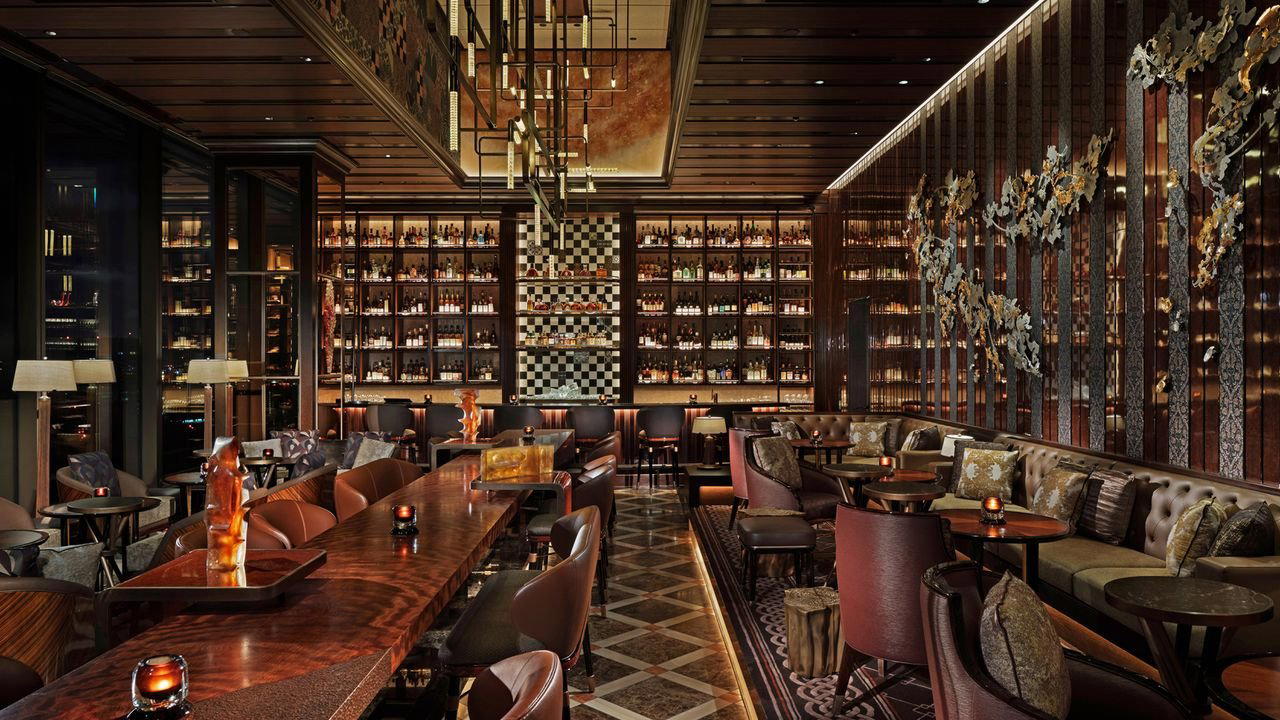
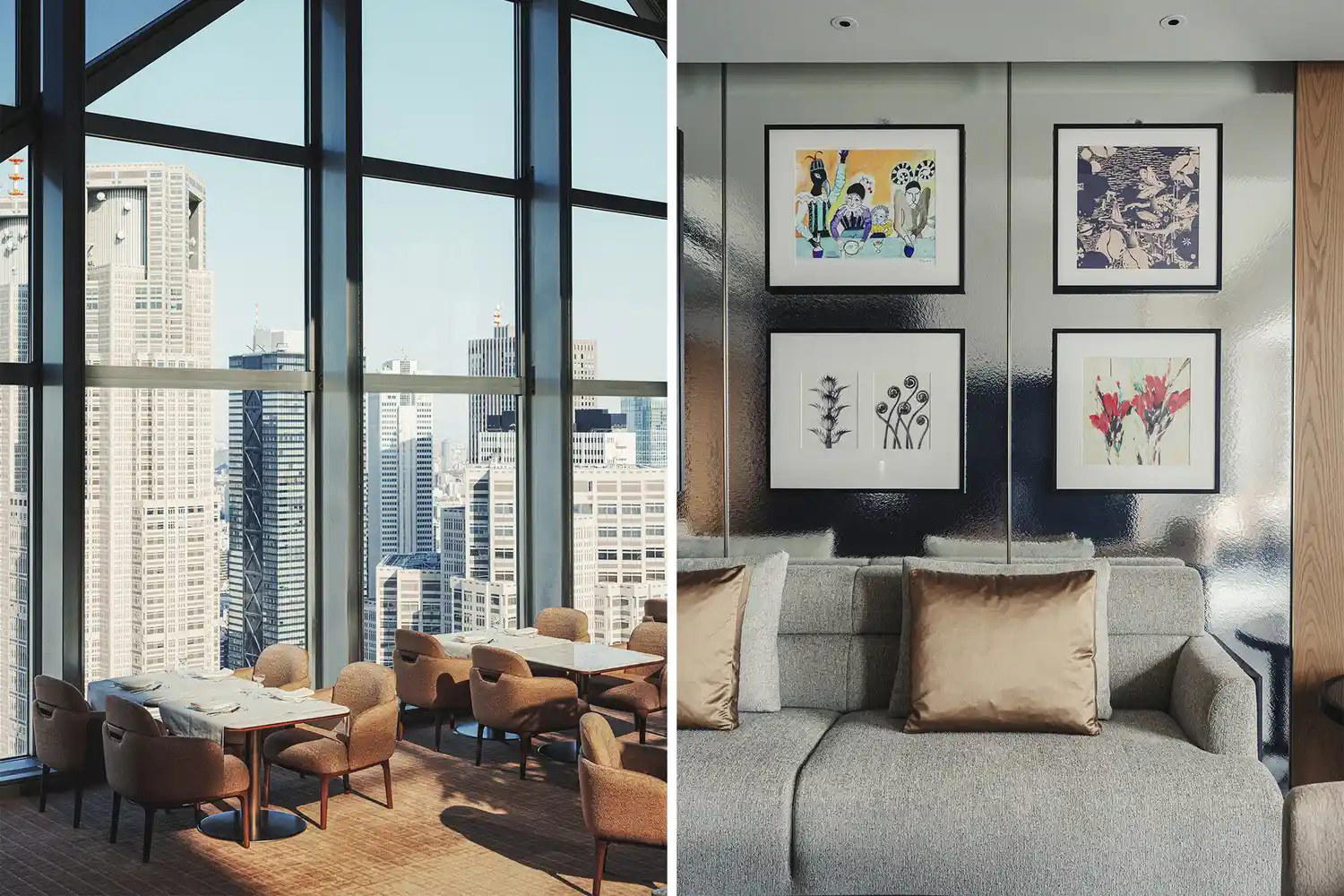
The editorial angle here is spatial, because in Aoyama the room is part of the argument. Second-floor dining in this neighbourhood implies a deliberate separation from the retail energy below. The address at 3 Chome-4-3 places the restaurant in the denser part of Kita-Aoyama, where buildings stack uses vertically and the street level is rarely the most interesting floor. The decision to occupy a second-floor room rather than a ground-floor frontage shapes who arrives and in what frame of mind. Guests climbing to an upper floor have already committed to the evening in a way that someone who steps off the pavement into a ground-level room has not.
For a restaurant in this neighbourhood, at this price point, with consistent Michelin Plate recognition, a 4.4 rating suggests a steady, returning audience rather than a venue that spikes on hype and then recedes.
Planning Your Visit
sio AOYAMA is located at 3 Chome-4-3 Kita-Aoyama, Minato City, Tokyo, on the second floor. Getting there: The Omotesando subway station, served by the Ginza, Chiyoda, and Hanzomon lines, is the most practical access point for the Kita-Aoyama address. Budget: The ¥¥¥ pricing tier places it below Tokyo's top-tier tasting menus while still requiring a meaningful per-head commitment. Booking: Timing: Aoyama's contemporary dining rooms tend to be busiest on Friday and Saturday evenings, so midweek visits generally allow more room.
For broader Tokyo planning, EP Club maintains full curated guides: our full Tokyo restaurants guide, our full Tokyo hotels guide, our full Tokyo bars guide, our full Tokyo wineries guide, and our full Tokyo experiences guide.
Frequently asked questions
Is sio AOYAMA more mid-range or high-end?
Pricing at sio AOYAMA is listed as ¥¥¥.
Cuisine and Awards Snapshot
| Venue | Cuisine | Price | Awards | Notes |
|---|---|---|---|---|
| sio AOYAMAThis venue (the venue you are viewing) | Modern Italian with Japanese influences | $150–200 | Michelin Plate | Not listed |
| Harutaka | Edo-Style Omakase Sushi | $200–300 | 3 Michelin Stars · World's 50 Best #76 | Sushi |
| RyuGin | Modern Kaiseki | $500+ | 3 Michelin Stars · World's 50 Best #41 | Kaiseki, Japanese |
| L'Effervescence | Modern French with Japanese Influences | $200–300 | 3 Michelin Stars · World's 50 Best #69 | French |
| HOMMAGE | Modern French with Japanese Influences | $150–200 | 2 Michelin Stars · World's 50 Best #78 | Innovtive French, French |
| MAZ | Innovative Peruvian-Japanese Fusion | $150–200 | 2 Michelin Stars · World's 50 Best #28 | Innovative |
Recognition history
Dated appearances from independent guides and award organizations, with the underlying list record or original source where available.
Michelin Plate
Michelin
Full recognition history (3 entries)
Michelin Plate
Michelin
Michelin Plate
Michelin
Continue exploring
More in Tokyo
Restaurants in Tokyo
All restaurants in Tokyo →


Bars in Tokyo
All bars in Tokyo →





Details
- Modern
- Elegant
- Sophisticated
- Minimalist
- Solo
- Special Occasion
- Open Kitchen
- Private Dining
- Sake Program
- A La Carte
- Wine
- Tea
- Sake
Current opening hours
- Monday
- Closed
- Tuesday
- 12–3 PM, 5–10:30 PM
- Wednesday
- 12–3 PM, 5–10:30 PM
- Thursday
- 12–3 PM, 5–10:30 PM
- Friday
- 12–3 PM, 5–10:30 PM
- Saturday
- 12–3 PM, 5–10:30 PM
- Sunday
- 12–3 PM, 5–10:30 PM
Hours can change for holidays and private events. Last verified .
Light touch in guest relations and ambience matching modern diners' moods, in an intimate 14-seat setting with table, counter, and semi-private options.