
Michelin Selected
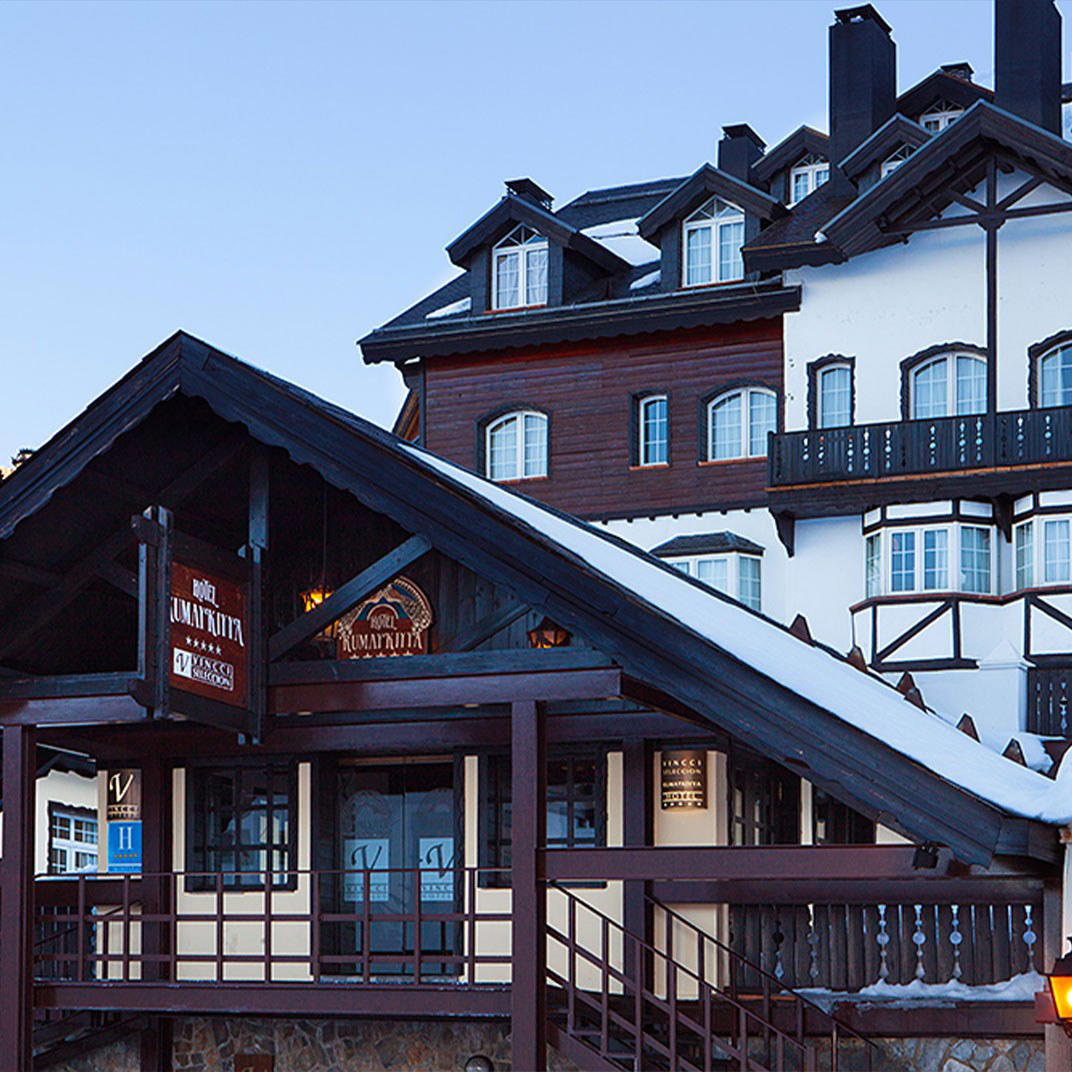
Carrying a 2025 Michelin Selected distinction, Vincci Selección Rumaykiyya sits at the Sierra Nevada ski station above Granada, placing guests within reach of both the slopes and the city's historic quarter. The property occupies a position in Granada's premium hotel tier that few addresses can match for altitude and access. For those who want the Alhambra by day and mountain air by night, the calculus is straightforward.

Pearl is the En Primeur Club membership app — saves, bookings, and concierge access live there. Same editors, same standards.
- Address
- Urbanización Sol y Nieve, Granada, Spain
- Phone
- +34 95 848 25 08
- Website
- vinccirumaykiyya.com
- Directions
- Get directions
Where the Sierra Nevada Meets Granada's Premium Hotel Tier
Granada's hotel market splits along a clear fault line. Properties in the city centre compete on proximity to the Alhambra and the Albaicín, trading historic fabric and architectural detail for the convenience of walking to monuments. A smaller cohort takes a different position entirely, placing guests above the city at altitude, where the Sierra Nevada's snow line is the selling point and Granada's skyline becomes the view rather than the setting. Vincci Selección Rumaykiyya belongs to that second group, occupying the Sol y Nieve urbanisation above Granada in a position that appeals to a specific traveller: one who wants mountain access in winter, cooler temperatures in summer, and a managed distance from the city's high-season crowds.
The 2025 Michelin Selected distinction places the property within a curated tier of Spanish hotels recognised for quality of experience rather than category alone. Michelin's hotel selection, now a serious benchmarking tool across Europe, does not award stars to hotels as it does to restaurants, but its Selected designation signals a level of consistency and guest experience that positions Rumaykiyya above standard chain-hotel territory. Within Granada's premium set, which includes addresses such as Hospes Palacio de los Patos and The Alhambra Palace Hotel, the Rumaykiyya occupies a distinct niche rather than competing head-to-head on the same terms.
Arriving Above the City
The approach to Sol y Nieve already signals a departure from Granada's dense urban core. The road climbs through pine forest, and by the time the property comes into view, the ambient noise of the city has dropped away entirely. Mountain resort hotels in southern Spain occupy an unusual position in European travel: they serve skiers from December through April, then pivot to hikers and heat-retreating city travellers through the warmer months, which means the property's rhythm and atmosphere shift considerably across the year. Guests arriving in January will find a different energy from those arriving in July, and that temporal dimension is worth factoring into any decision about when to book.
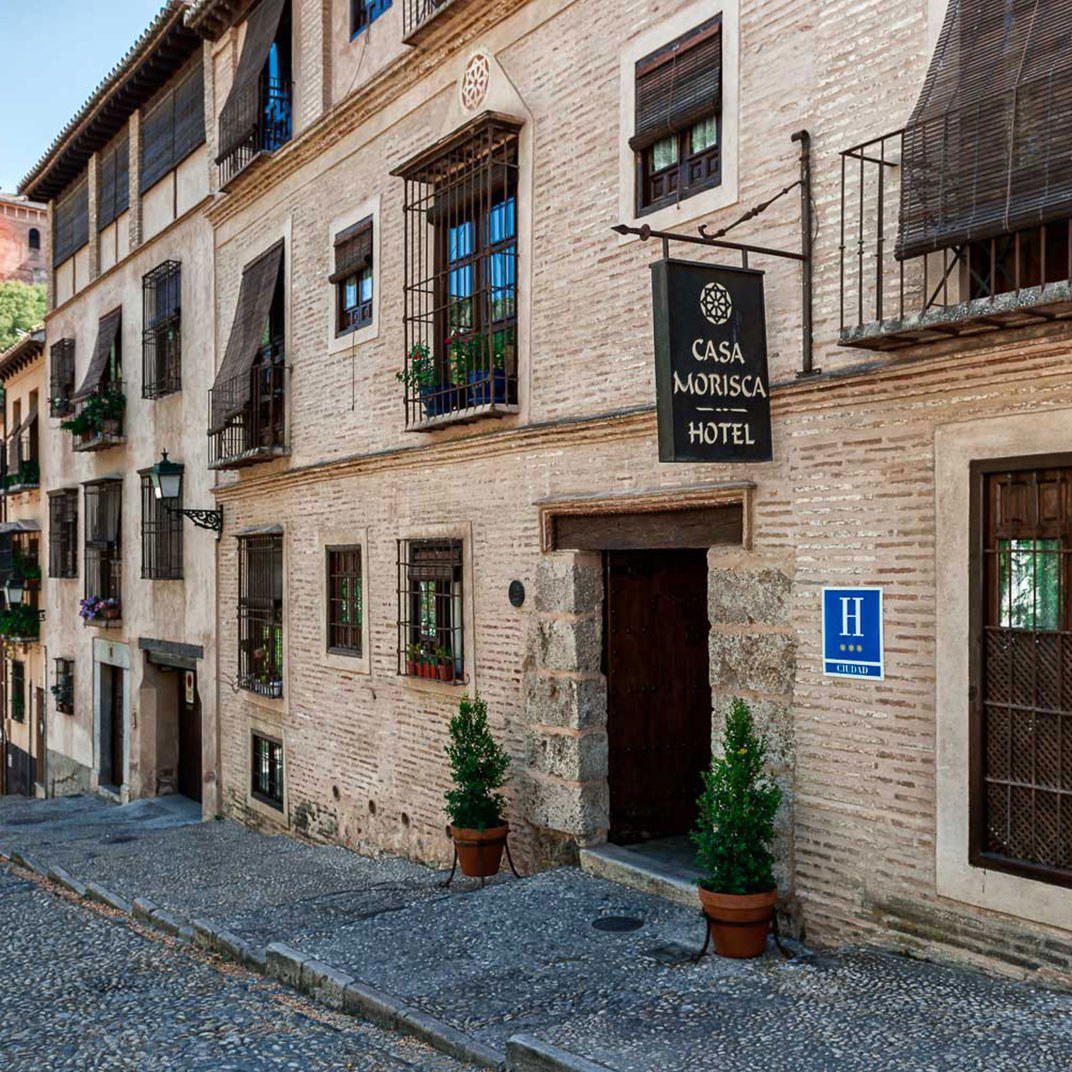
For those considering alternatives closer to Granada's centre, options such as Hotel Casa Morisca and Villa Oniria offer the opposing proposition: immersion in the Moorish quarter itself, with the Alhambra accessible on foot. The choice between altitude and adjacency is the defining decision for any Granada stay at the premium level.
Service in a Mountain Context
Mountain resort hotels carry distinct service expectations compared to urban luxury properties. Anticipatory service at altitude means understanding the practical pressures guests face: early ski-lift departures, equipment needs, the fatigue that comes with a full day on the slopes or trail, and the particular appetite for warmth and recovery that defines the post-activity evening. The Vincci Selección brand, operating across Spain and Portugal, positions its Selección tier as its design and experience-led category, which implies a service model oriented toward attentiveness rather than volume throughput.
In practice, what distinguishes a well-run mountain property from a merely adequate one is the degree to which staff anticipate logistical friction before it becomes the guest's problem: luggage handling from car to room given the terrain, reliable information about slope conditions or trail accessibility, and dining rhythm that accommodates both early departures and late returns. These details carry more weight in a resort context than in an urban hotel, where guests largely self-manage their itineraries. The Michelin Selected recognition suggests the property meets a threshold of consistency in this regard.
Spain's premium hotel cohort at this level extends well beyond Andalucía. Comparable Michelin-recognised properties operating in similarly specialised contexts include Abadía Retuerta LeDomaine in Teruel, which occupies a converted monastery in wine country, and Terra Dominicata in Escaladei, set against the Priorat landscape. Each represents the same broader shift in Spanish luxury hospitality toward context-specific, experience-driven properties rather than generic five-star provision.
Planning a Stay: Logistics and Timing
Access to Sol y Nieve from Granada city centre takes approximately 30 minutes by car via the A-395, a mountain road that closes or restricts access during heavy snowfall. Guests without their own vehicle can reach the urbanisation by local bus or taxi, though the schedule and journey time are worth confirming before arrival, particularly in winter when conditions can shift quickly. Ski passes for the Sierra Nevada resort are purchased separately from hotel accommodation and prices vary by season and duration.
The Sierra Nevada ski season typically runs from late November through April, though snow conditions vary year to year. Summer months bring the mountain's second season: hiking, cycling, and cooler temperatures that make the property an appealing retreat when Granada city is at peak summer heat. Booking windows at the Vincci Selección Rumaykiyya tend to compress around ski season peaks and public holiday periods, making early planning advisable for winter visits in particular.
Guests weighing this property against Granada's city-centre alternatives should factor in transport costs and time to the Alhambra, which does not appear on foot from this altitude. The monuments require advance booking regardless of where you stay in Granada, and Alhambra tickets sell out weeks ahead during high season. Pairing a mountain base with pre-booked city access is the functional approach. For reference, Seda Club Hotel, Palacio Gran Vía, a Royal Hideaway Hotel, and La Almunia del Valle each offer different positions within Granada's premium accommodation range and are worth comparing depending on your primary activity focus.
Spain's broader luxury hotel circuit provides useful benchmarks for travellers building a longer itinerary. Properties including Mandarin Oriental Ritz, Madrid, Mandarin Oriental Barcelona, and Marbella Club Hotel anchor a network that spans city, coast, and countryside. The Rumaykiyya's mountain position makes it a natural component of a southern Spain circuit rather than a standalone destination. For those extending further, Atrio Restaurante Hotel in Cáceres and Pepe Vieira Restaurant and Hotel in Poio represent the gastronomic-hotel hybrid that has become one of Spain's defining contributions to European luxury hospitality.
Beyond Spain, travellers who respond to the Rumaykiyya's combination of Michelin recognition and destination-specific positioning will find structural parallels in properties such as Cap Rocat in Cala Blava, La Residencia, A Belmond Hotel, Mallorca, Hotel Can Ferrereta in Santanyí, and Hotel Can Cera in Palma. Each occupies a niche defined more by context and positioning than by category or chain affiliation. See our full Granada restaurants and hotels guide for broader context on the city's premium hospitality scene.
Cuisine and Credentials
Comparable venues nearby, for context on price, style, and recognition.
| Venue | Cuisine | Price | Awards | Notes |
|---|---|---|---|---|
| Vincci Selección RumaykiyyaThis venue — the venue you are viewing | Authentic Alpine lodge with rustic charm and five-star refinement positioned as a luxury mountain sanctuary. | $300–500 | Michelin Selected | Not listed |
| Palacio Gran Vía, a Royal Hideaway Hotel | Historic landmark reborn as contemporary luxury boutique | Not listed | Mr & Mrs Smith Seal of Approval · World Luxury Hotel Awards WLHA Country Winner | Historic Old Town |
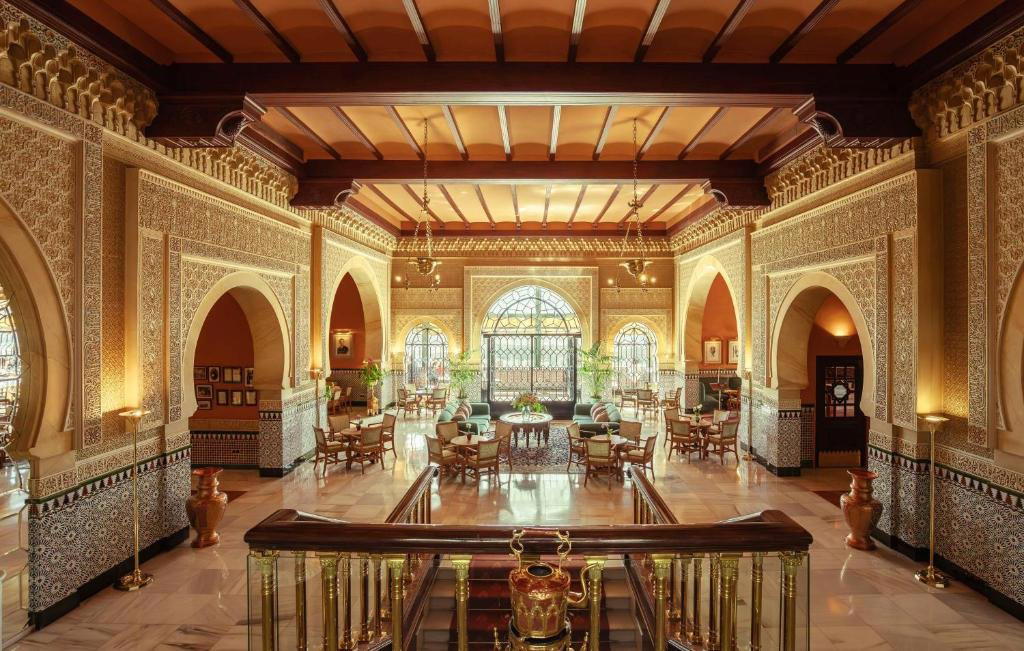
| The Alhambra Palace Hotel | Historic palace hotel blending 1910 Moorish architecture with contemporary luxury amenities, positioned as a heritage property celebrating Granada's cultural significance. | $300–500 | Star Wine List · Virtuoso Luxury Hotel Partner | Near Alhambra |
| Hospes Palacio de los Patos | Historic palace with contemporary extension | $100–200 | Michelin Selected · Virtuoso Luxury Hotel Partner | city center |
| Hotel Cortijo del Marqués | Restored 19th-century Andalusian manor blending history and luxury | $200–300 | 1 Michelin Key · Mr & Mrs Smith Seal of Approval | Albolote |
| Villa Oniria | Contemporary boutique hotel housed in a restored 19th-century Andalusian palace, blending historic architecture with modern luxury design. | $100–200 | Michelin Selected | city center |
Recognition history
Dated appearances from independent guides and award organizations, with the underlying list record or original source where available.
Michelin Selected
Michelin
Continue exploring
More in Granada
Hotels in Granada
Browse all →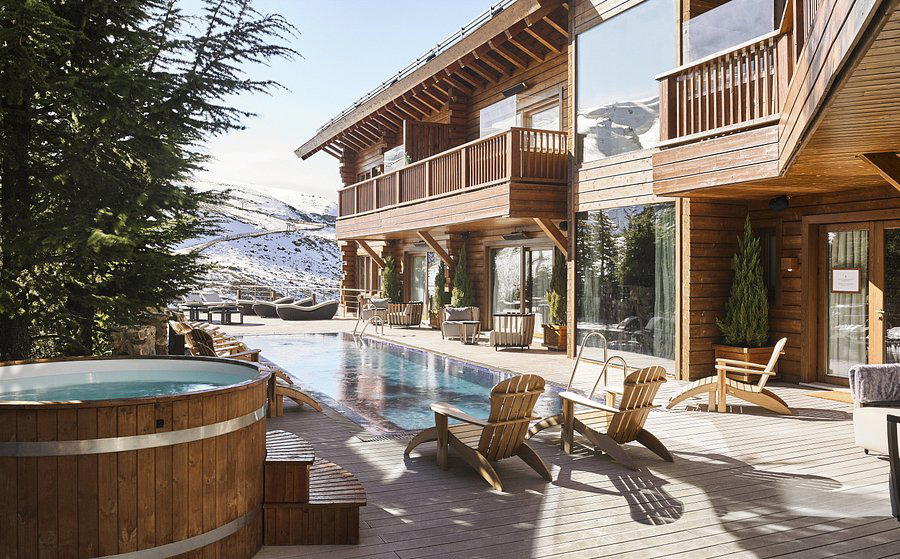
Bars in Granada
Browse all →
Restaurants in Granada
Browse all →
Wineries in Granada
Browse all →
Details
- Rustic
- Cozy
- Elegant
- Scenic
- Intimate
- Ornate
- Romantic Getaway
- Family Vacation
- Wellness Retreat
- Weekend Escape
- Ski In Ski Out
- Panoramic View
- Destination Spa
- Terrace
- Historic Building
- Wi Fi
- Spa
- Fitness Center
- Sauna
- Massage
- Restaurant
- Pool
- Mountain
Warm and refined mountain atmosphere with exposed wooden beams, stone fireplaces, and cozy lounges creating an intimate alpine retreat with modern luxury touches.