

Michelin Bib Gourmand · Macarfi 7.4 Food Rating
Our verdict
Le Bistró by El Conjuro occupies the porch of a Granada property shared with the El Retiro fine-dining restaurant, but operates with its own rustic identity and a Michelin Plate (2025) to its name. Chef Ricardo González Sotres applies Asturian technique to local Granadan ingredients, running the gamut from braised offal to fusion-inflected desserts. The wine list pours well by the glass, and the room keeps its prices firmly in the mid-range.

Pearl is the En Primeur Club membership app — saves, bookings, and concierge access live there. Same editors, same standards.
- Address
- Calle Martínez Campos, 8, Ronda, 18005 Granada, Spain
- Phone
- +34 617 46 00 12
- Hours
- Mon 1:30–4 PM, 8–11 PMTue–Wed ClosedThu–Sun 1:30–4 PM, 8–11 PM
- Website
- elconjurorestaurante.com
- Directions
- Get directions
- Booking
- Book on TheFork
The menu
What to order
- Cannelloni
- Scallop_appetizer
- Cheesecake
- Octopus_grill
- Tuna_tartare
Where the Porch Becomes the Point
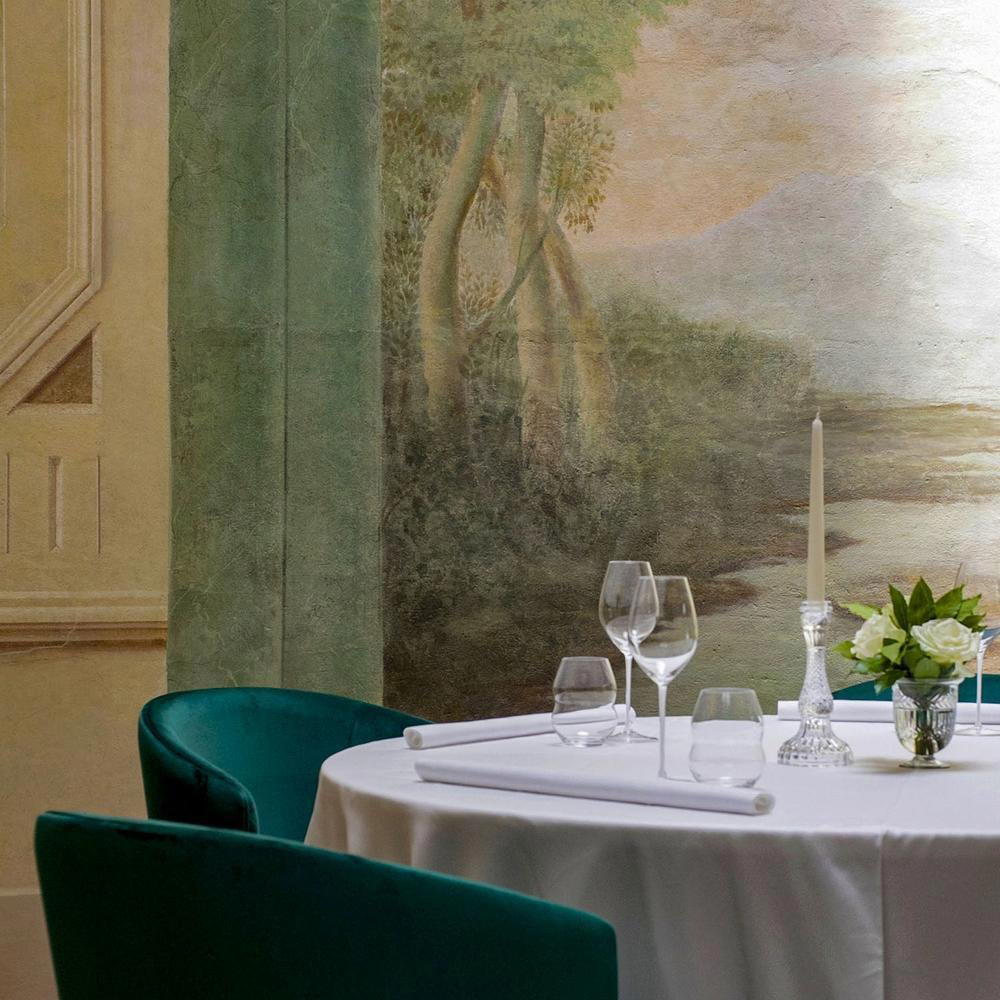
In Granada's mid-range dining tier, the question is rarely whether a kitchen can cook traditional Spanish food, but whether it can do something honest with it. Le Bistró by El Conjuro sits on the covered porch of a property on Calle Martínez Campos, a transitional address that places it physically between the street and the grander El Retiro fine-dining room that shares the same building. That adjacency matters: the bistro draws on the same culinary lineage as its neighbour but strips the formality back to exposed brickwork, mismatched textures, and a room that reads as rustic without performing it. The approach suits the food, which is less interested in theatrical presentation than in the depth of flavour you get from treating offal, legumes, and slow-cooked proteins as first-order ingredients rather than afterthoughts.
Asturian Cooking in an Andalusian City
Spain's regional cooking traditions rarely travel cleanly between autonomous communities, which makes the kitchen's focus on Asturian cuisine an editorial decision as much as a culinary one. Asturias produces some of the peninsula's most unapologetically rich food: fabada stew built on white beans and smoked pork fat, tripe cooked low and slow, pig's trotter and snout given time rather than technique to reveal themselves. These are dishes that require a kitchen confident enough to let the ingredient do the work, and a dining room confident enough to put them on the menu in a city where the tourist default runs toward tapas bars and Moorish-inflected pastries.
What Ricardo González Sotres does at Le Bistró — and he holds a Michelin Plate for 2025, the Guide's recognition of a kitchen cooking at a level worth noting — is apply that Asturian framework without fixing it in amber. Squid cooked in its own ink and slow-braised tripe are on the table not as heritage performance but as live cooking, adjusted by texture and balance rather than by tradition alone. The result sits in a specific niche within Granada's contemporary restaurant scene: substantive regional cooking at the mid-range price point, where the competition at venues like Atelier Casa de Comidas tends toward broader Contemporary Spanish territory rather than a single regional register.
The Fusion Thread, and What It Actually Means Here
Spain's relationship with the Americas runs deep enough to have reshaped its cuisine in ways that are still working themselves out. The braised pitu de caleya chicken dish with mole sauce is a direct reference to the indianos, the Spanish emigrants who crossed to Latin America and returned home with capital and, inevitably, flavour memory. Incorporating a mole into an Asturian chicken preparation is not a gesture toward contemporary fusion fashion, it is an acknowledgment that the cuisine itself has a hybrid history. That kind of specificity is harder to pull off than it sounds, and it is the point where Le Bistró separates itself from the general category of Spanish restaurants adding a global touch for effect.
The Granadan thread runs alongside: the torta real dessert with mandarin sorbet is drawn from Motril, the coastal town south of Granada with its own confectionery tradition. Motril's sweets have roots in the sugar-cane cultivation that once dominated the Costa Tropical, and the torta real, a dense almond-based pastry, carries that history. Serving it with a mandarin sorbet gives it acidity and lightness without dismantling what it is. This is the kind of local reference that takes investment in place rather than a quick scan of a regional cookbook.
How the Room Works Together
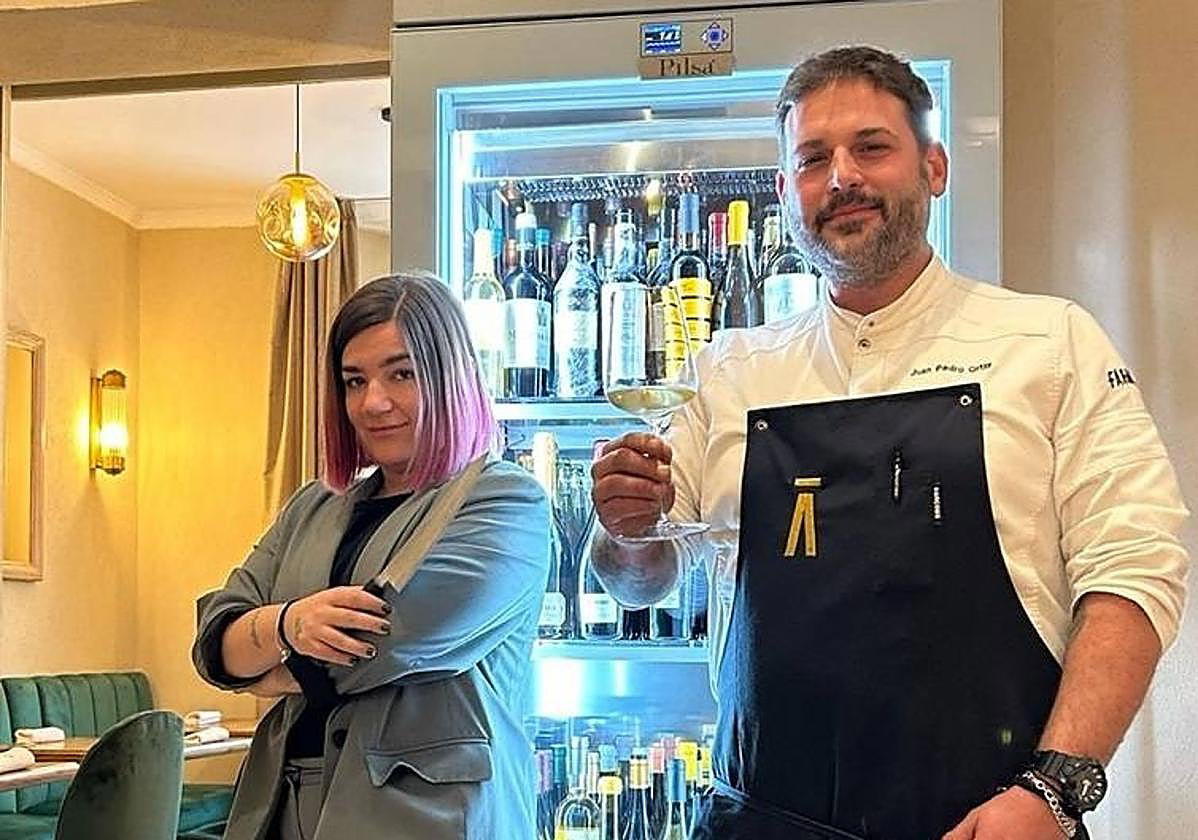
The editorial angle assigned to Le Bistró is about team dynamic, and that framing is appropriate here because the experience depends less on a single charismatic personality than on a floor that knows how to pace an offal-heavy menu for guests who may not have eaten tripe before. The wine list operates by the glass at a range deep enough to match the kitchen's tonal shifts, from the iron-rich weight of slow-cooked pork to the clean citrus cut of the mandarin sorbet, and the service has to bridge those transitions. The bistro has also run offal-themed dining days for several years, which signals front-of-house ownership of the menu's more challenging territory: you do not put on a dedicated offal day without a team that can narrate it without apology or oversell.
At the mid-range price point, wine-by-the-glass programmes often get underfunded. Le Bistró's selection runs to a standard that reflects genuine cellar thinking, and the pairing options across the menu are coherent rather than decorative. For context, Granada's wine geography sits within Andalusia but draws from across Spain; a kitchen with Asturian roots will naturally lean toward northern Spanish bottles, but the Granadan local influence creates room for the region's own production. The floor navigates that without making it feel like a geography lesson.
Le Bistró in Granada's Current Restaurant Field
Granada's restaurant scene at the €€ tier has expanded over the past decade in ways that reflect broader Spanish dining trends: more produce-focused menus, stronger regional identity, and a move away from the undifferentiated contemporary format that characterised mid-market expansion in the 2000s. Arriaga and Albidaya represent different expressions of that trend, farm-to-table commitment and contemporary Spanish respectively, while Bar FM and Bar Los Diamantes anchor the seafood and tapas ends of the spectrum. Le Bistró occupies the regional specialist position: a defined culinary geography, a kitchen with Michelin recognition, and a format accessible enough to draw a broad room without softening its edges.
Nationally, the Michelin Plate sits below the star tiers occupied by Arzak in San Sebastián, El Celler de Can Roca in Girona, or DiverXO in Madrid, but it is a meaningful signal at the bistro price point, it means the Guide found the cooking consistent and purposeful, not merely competent. Among internationally recognised Spanish kitchens pushing creative boundaries, from Aponiente in El Puerto de Santa María to Quique Dacosta in Dénia and Azurmendi in Larrabetzu, Le Bistró operates in a different register entirely, but with a clarity of purpose that holds up in the comparison. And for readers who track the global contemporary dining conversation at venues like César in New York or Jungsik in Seoul, Le Bistró is a reminder that regional specificity at an accessible price point is its own form of ambition.
Planning Your Visit
Le Bistró by El Conjuro sits at Calle Martínez Campos 8 in central Granada. The offal-themed days run periodically and are worth timing a visit around if your travel window allows, they represent the kitchen at its most focused. For the wider Granada context maps the current scene across price tiers, while, bars guide, wineries guide, and experiences guide cover the city's full hospitality range.
Frequently asked questions
What's the pricing like at Le Bistró by El Conjuro?
Pricing at Le Bistró by El Conjuro is listed as €€.
A Lean Comparison
Comparable options at a glance, pulled from our tracked venues.
| Venue | Cuisine | Price | Awards | Notes |
|---|---|---|---|---|
| Le Bistró by El ConjuroThis venue — the venue you are viewing | Modern Spanish Bistro | $50–100 | Michelin Bib Gourmand · Macarfi 7.4 Food Rating | Not listed |
| Atelier Casa de Comidas | Modern Andalusian Contemporary | $50–100 | Michelin Plate · Guía Repsol 1 Sol | Spanish, Contemporary |
| Bar FM | Premium Spanish Seafood & Fish | $50–100 | Michelin Plate · Macarfi 8.5 Food Rating | Seafood Small Plates |
| Bar Los Diamantes | Traditional Spanish Seafood Tapas | $10–20 | Not listed | Tapas Bar |
| Bodegas Castañeda | Traditional Spanish Tapas | $20–30 | Not listed | Tapas Bar |
| Cala | Modern Mediterranean Tasting Menu | $50–100 | Michelin Plate · Macarfi 7.9 Food Rating | Mexican, Modern Cuisine |
Recognition history
Dated appearances from independent guides and award organizations, with the underlying list record or original source where available.
Michelin Bib Gourmand
Michelin
Macarfi 7.4 Food Rating
Macarfi
Full recognition history (4 entries)
Michelin Plate
Michelin
Michelin Plate
Michelin
Continue exploring
More in Granada
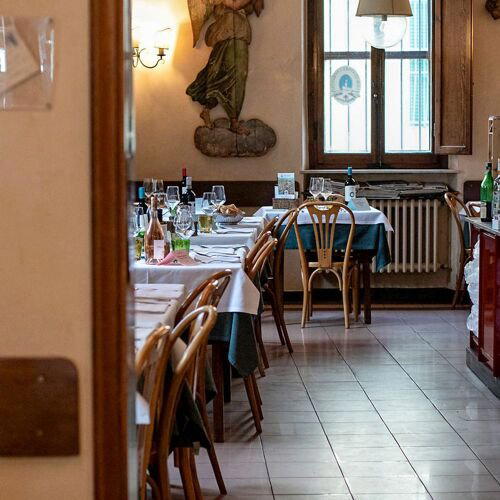
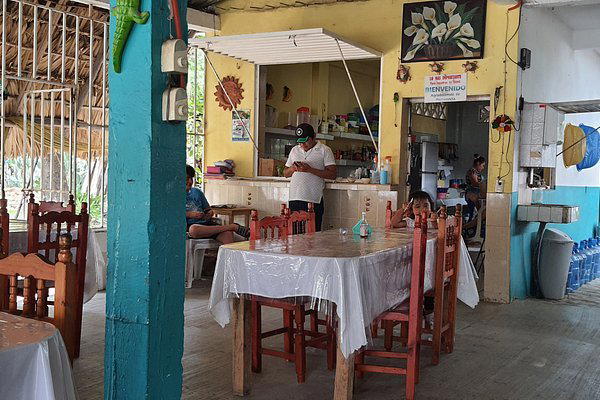
Restaurants in Granada
Browse all →
Bars in Granada
Browse all →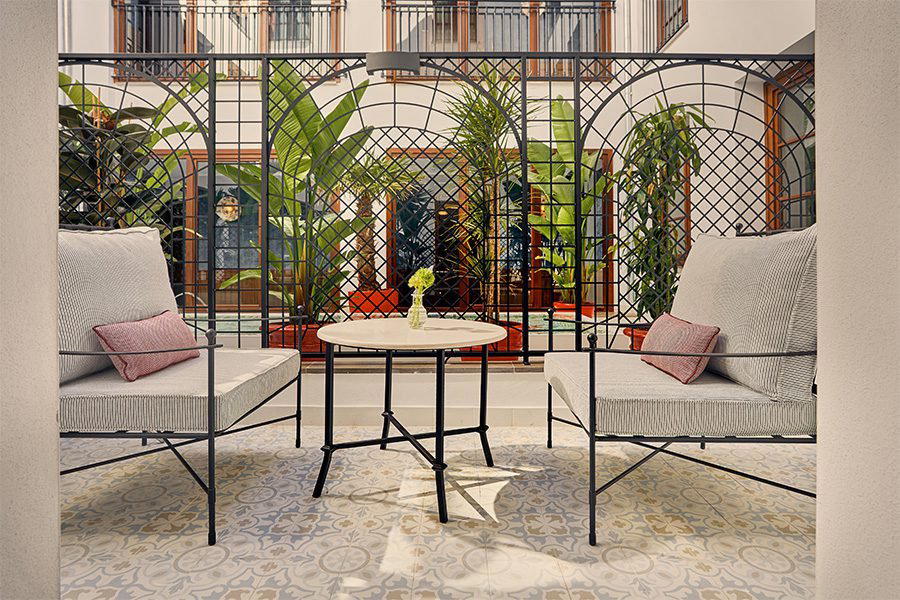
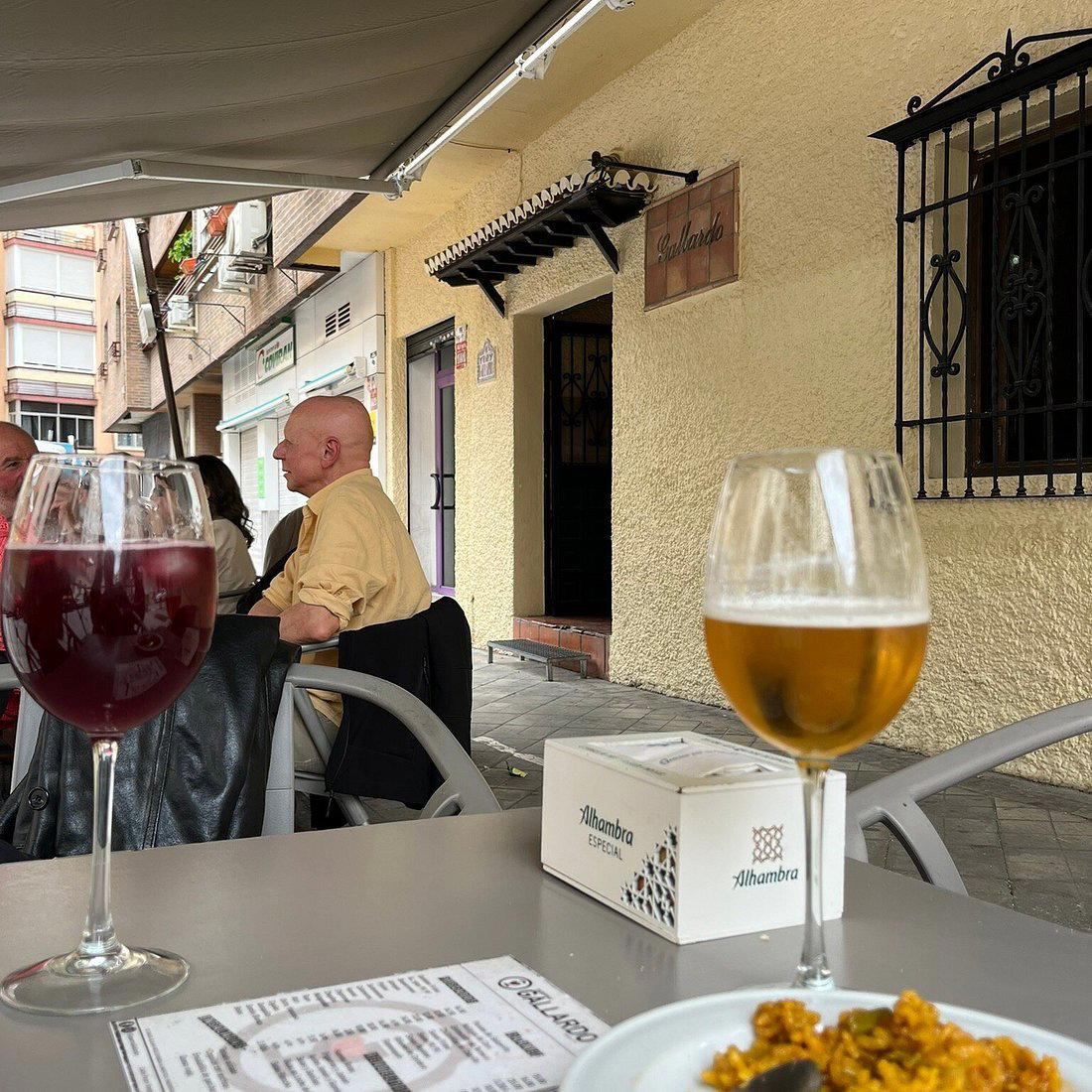
Hotels in Granada
Browse all →


Details
- Cozy
- Relaxed
- Intimate
- Elegant
- Date Night
- Special Occasion
- Terrace
- Extensive Wine List
- Tasting Menu
- A La Carte
- Small Plates
- Wine
- Vegetarian Friendly
Current opening hours
- Monday
- 1:30–4 PM, 8–11 PM
- Tuesday
- Closed
- Wednesday
- Closed
- Thursday
- 1:30–4 PM, 8–11 PM
- Friday
- 1:30–4 PM, 8–11 PM
- Saturday
- 1:30–4 PM, 8–11 PM
- Sunday
- 1:30–4 PM, 8–11 PM
Hours can change for holidays and private events. Last verified .
Warm, cozy, and inviting with a relaxed informal atmosphere, simple yet comfortable interior, and covered terrace seating.