



1 Michelin Star · Star Wine List · Macarfi 7.7 Food Rating
Our verdict
On the Cuesta de Gomérez, steps from the Alhambra, Faralá occupies the first floor above El Quejío Wine-Bar, where flamenco performances run at street level. Chef Cristina Jiménez works three tasting menus around Granada province ingredients — Segureño lamb, Riofrío caviar, Huétor peas — and holds both a Sol Repsol and a Michelin Plate. The dinner-and-show package makes it a practical anchor for an evening in the historic centre.

Pearl is the En Primeur Club membership app — saves, bookings, and concierge access live there. Same editors, same standards.
- Address
- Cta. de Gomérez, 11, Centro, 18009 Granada, Spain
- Phone
- +34 664 08 53 13
- Hours
- Mon–Tue ClosedWed–Sun 1:30–5 PM, 8–11:30 PM
- Website
- restaurantefarala.com
- Directions
- Get directions
- Booking
- Book on TheFork
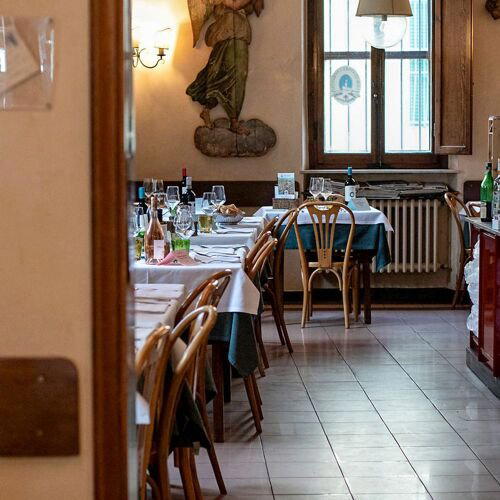
The menu
What to order
- Sacromonte omelette
- Falafel
- Lamb shank
Where the Alhambra Approach Meets a Dining Room With Serious Credentials
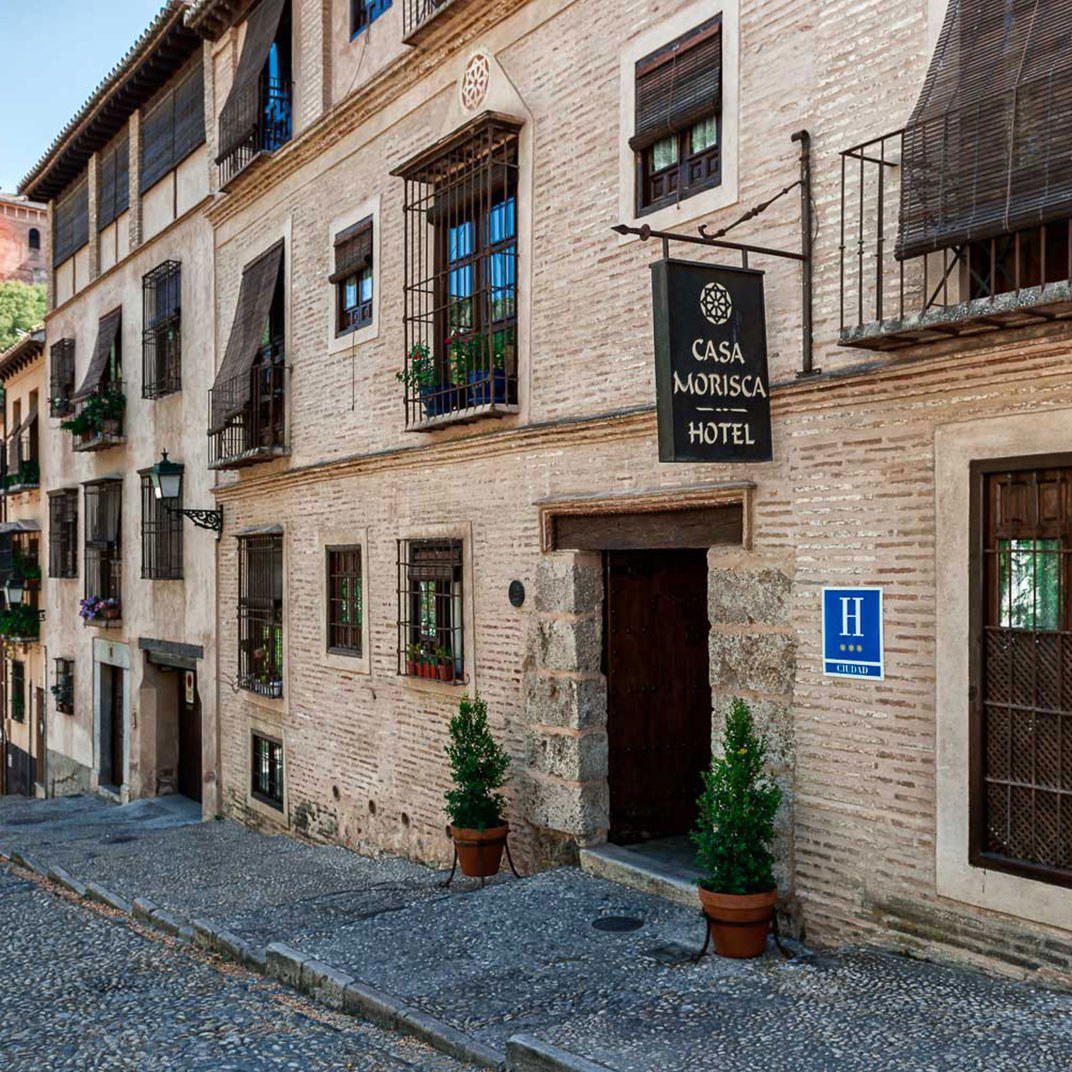
The Cuesta de Gomérez is the cobbled ascent that most visitors to Granada walk without a second thought, heads tilted toward the Alhambra above. The street has always been a commercial corridor — instrument workshops, souvenir shops, the occasional bar — but number 11 holds something that rewards a slower pace. Faralá occupies the first floor of a building whose ground level runs as El Quejío Wine-Bar, an informal space where live flamenco singing and dancing take place on a regular basis. The two floors share a name ethos: Faralá refers to the layered ruffles on a traditional flamenco dress, a detail that says something about how the restaurant positions itself between Granada's deep-rooted cultural identity and a contemporary dining format.
This kind of vertical split, fine dining upstairs, convivial bar below, is not uncommon in Spain's historic urban centres, but Faralá's execution of it is more deliberate than most. The architecture of an evening here is designed to flow between registers, and the optional dinner-and-show package formalises that movement into a single booking.
Planning the Visit: What the Booking Process Signals
Faralá holds a Sol Repsol and a Michelin Plate (recognised in both 2024 and 2025), which places it inside Granada's small tier of formally acknowledged fine dining. Granada is not a city with a dense concentration of credentialled restaurants at this level, the province's dining reputation has historically leaned on its free-tapa culture and traditional cooking rather than tasting-menu formats, so venues with sustained recognition from Michelin and Repsol occupy a narrow bracket. That status, combined with a first-floor location with a fixed seat count, means advance booking is the sensible default.
The practical question most visitors ask is whether a walk-in is realistic. For a Sol Repsol-recognised restaurant running structured tasting menus, the answer on most evenings is no. The format requires staffing ratios and kitchen timing that do not absorb unexpected covers easily. For anyone building an itinerary around a Granada stay, the correct approach is to book as early as logistics allow, particularly if the dinner-and-show combination is the goal, since coordinating a flamenco performance with a full tasting menu creates a fixed-capacity event on both floors simultaneously.
The address on the Cuesta de Gomérez places Faralá in the Centro district, within the historic fabric of the old town and within walking distance of the major accommodation clusters around the Albayzín and the cathedral quarter. For context on where to stay relative to this part of the city, the full Granada hotels guide maps the main neighbourhoods against dining and cultural infrastructure.
The Menu as a Structured Argument for Granada's Pantry
Spain's most decorated restaurants, El Celler de Can Roca in Girona, Arzak in San Sebastián, Azurmendi in Larrabetzu, tend to operate in regions with long-established culinary reputations built on specific local ingredients. Faralá's project is to make a comparable case for Granada province, and the three tasting menus it runs do this with some specificity. The Susurros del Sacromonte menu takes its name from the cave district above the city. La magia del Albayzín references the historic Moorish quarter. The Alborán menu gestures toward the southern coast and the sea.
Across all three, the ingredient list reads as a deliberate inventory of what Granada's landscape produces: Saladilla bread, a local flatbread tradition; peas from Huétor Tájar, a village in the province known for their quality; Segureño lamb, a breed native to the Segura mountain range that straddles Andalusia and Murcia; and organic caviar from Riofrío, a fish farm in the Sierra Nevada foothills that has been producing sturgeon caviar since the 1960s and now supplies some of Spain's most serious kitchens. The combination of mead and marigolds mentioned in the kitchen's approach signals an interest in older, pre-industrial flavour pairings that connects to the province's Moorish culinary inheritance.
Chef Cristina Jiménez's approach is grounded in updating traditional Granada recipes rather than departing from them entirely. At the Sol Repsol tier, that positioning distinguishes Faralá from purely avant-garde formats, the frame of reference is local cooking, reread through a contemporary technical lens. Diners at DiverXO in Madrid or Cocina Hermanos Torres in Barcelona are in a different conversation entirely; Faralá's ambition is more specifically rooted in place.
Faralá in Granada's Fine Dining Context
Granada's restaurant scene is weighted heavily toward informal eating. The city's free-tapa tradition means that bars like Bar Los Diamantes and the wine-and-tapa format operate as the default social eating mode. Restaurants working in a more structured register, like Arriaga, Atelier Casa de Comidas, and Albidaya, represent a smaller cohort. Within that cohort, Faralá's sustained Michelin Plate recognition across consecutive years and its Sol Repsol award position it at the upper end of what the city currently offers at the tasting-menu level.
The price band sits at €€€, which in Granada's context marks a clear step above the mid-range. For comparison, Atelier Casa de Comidas and Bar FM both operate in the €€ tier. Faralá's pricing reflects the tasting-menu format, the flamenco infrastructure running concurrently on the ground floor, and the ingredient quality that Riofrío caviar and Segureño lamb represent at procurement level.
For visitors building a broader itinerary across Andalusia, the province's positioning within Spain's culinary geography is worth understanding. The most decorated tables in the country sit in the Basque Country, Catalonia, and Madrid; Andalusia's fine dining has historically operated below that radar at the national level, with notable exceptions like Aponiente in El Puerto de Santa María. Faralá's consistent recognition is a signal that Granada is building a more legible fine dining identity, even if the city's dining culture remains primarily tapa-led. The full Granada restaurants guide maps that broader picture, and guides to bars, wineries, and experiences in Granada cover the city's other registers.
Frequently asked questions
Where is Faralá located?
Faralá is located at Cta. de Gomérez, 11, Centro, 18009 Granada, Spain, Granada.
What's Faralá known for in terms of accolades?
Faralá has received recognition including: Faralá, awarded a Sol Repsol, is a benchmark for fine dining in Granada. This restaurant combines an elegant and welcoming atmosphere with a menu designed by a chef who uses local ingredients and mode...; This unique establishment in the ol….
What's the must-try dish at Faralá?
Faralá's three tasting menus — Susurros del Sacromonte, La magia del Albayzin, and Alborán — are where chef Cristina Jiménez works through her updates to Granadan tradition, drawing on specific regional ingredients: Huétor peas, Segureño lamb, and the organic caviar from Riofrío. The menus function as a structured tour of the province's pantry rather than a conventional à la carte selection, so ordering one in full is the intended way to eat here.
What does dinner at Faralá typically cost?
Pricing at Faralá is listed as €€€.
Can I walk in to Faralá?
Faralá holds a Sol Repsol and has earned Michelin Plate recognition in both 2024 and 2025, which places it among Granada's small set of formally acknowledged fine dining rooms. Walk-in availability at that tier is limited, particularly given the first-floor dining room format. A reservation is advisable, especially if you want the full dinner-and-show package that pairs one of the tasting menus with the live flamenco programme running in El Quejío Wine-Bar at street level.
Cuisine Lens
| Venue | Cuisine | Price | Awards |
|---|---|---|---|
| FaraláThis venue — the venue you are viewing | Modern Andalusian Fine Dining | $50–100 | 1 Michelin Star · Star Wine List |
| Atelier Casa de Comidas | Modern Andalusian Contemporary | $50–100 | Michelin Plate · Guía Repsol 1 Sol |
| Bar FM | Premium Spanish Seafood & Fish | $50–100 | Michelin Plate · Macarfi 8.5 Food Rating |
| Bar Los Diamantes | Traditional Spanish Seafood Tapas | $10–20 | Not listed |
| Bodegas Castañeda | Traditional Spanish Tapas | $20–30 | Not listed |
| Cala | Modern Mediterranean Tasting Menu | $50–100 | Michelin Plate · Macarfi 7.9 Food Rating |
Recognition history
Dated appearances from independent guides and award organizations, with the underlying list record or original source where available.
Michelin 1 Star
Michelin
Star Wine List
Star Wine List
Guía Repsol 1 Sol
Guía Repsol
Macarfi 7.7 Food Rating
Macarfi
Full recognition history (6 entries)
Michelin Plate
Michelin
Michelin Plate
Michelin
Continue exploring
More in Granada
Restaurants in Granada
Browse all →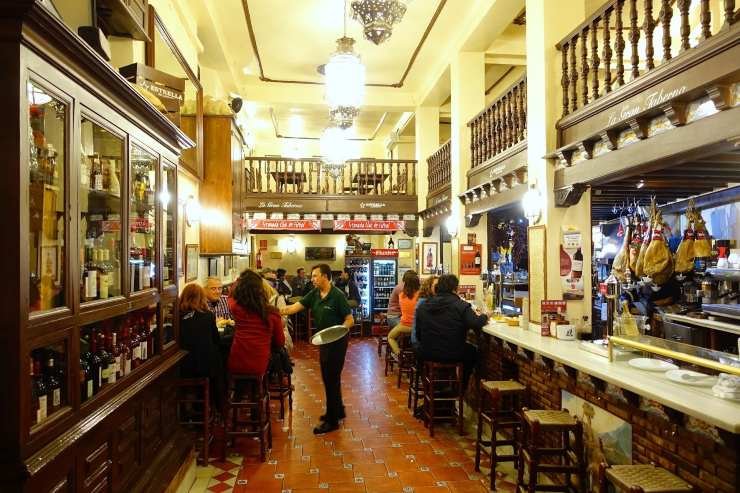
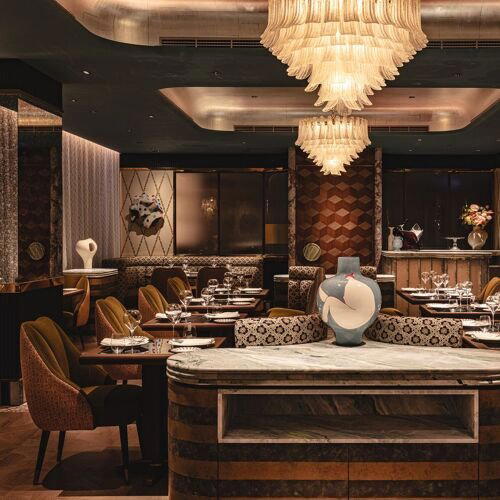
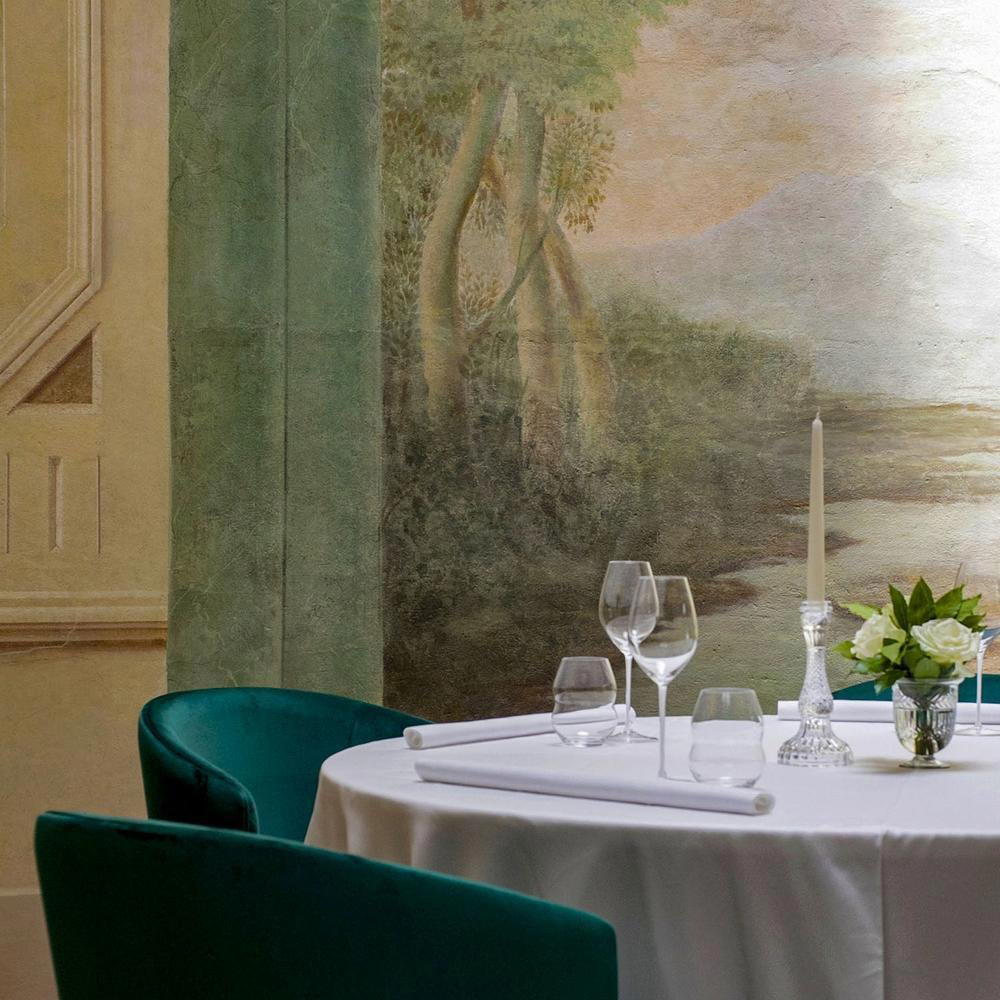
Bars in Granada
Browse all →
Hotels in Granada
Browse all →

Details
- Elegant
- Intimate
- Cozy
- Sophisticated
- Date Night
- Special Occasion
- Historic Building
- Extensive Wine List
- Local Sourcing
- Tasting Menu
- Wine Pairing
- Vegetarian Friendly
- Gluten Free Options
Current opening hours
- Monday
- Closed
- Tuesday
- Closed
- Wednesday
- 1:30–5 PM, 8–11:30 PM
- Thursday
- 1:30–5 PM, 8–11:30 PM
- Friday
- 1:30–5 PM, 8–11:30 PM
- Saturday
- 1:30–5 PM, 8–11:30 PM
- Sunday
- 1:30–5 PM, 8–11:30 PM
Hours can change for holidays and private events. Last verified .
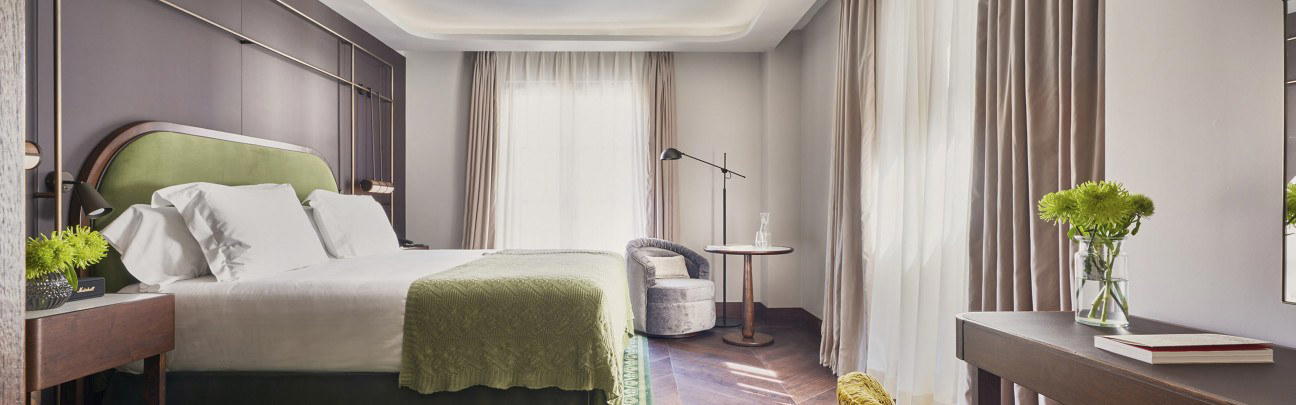
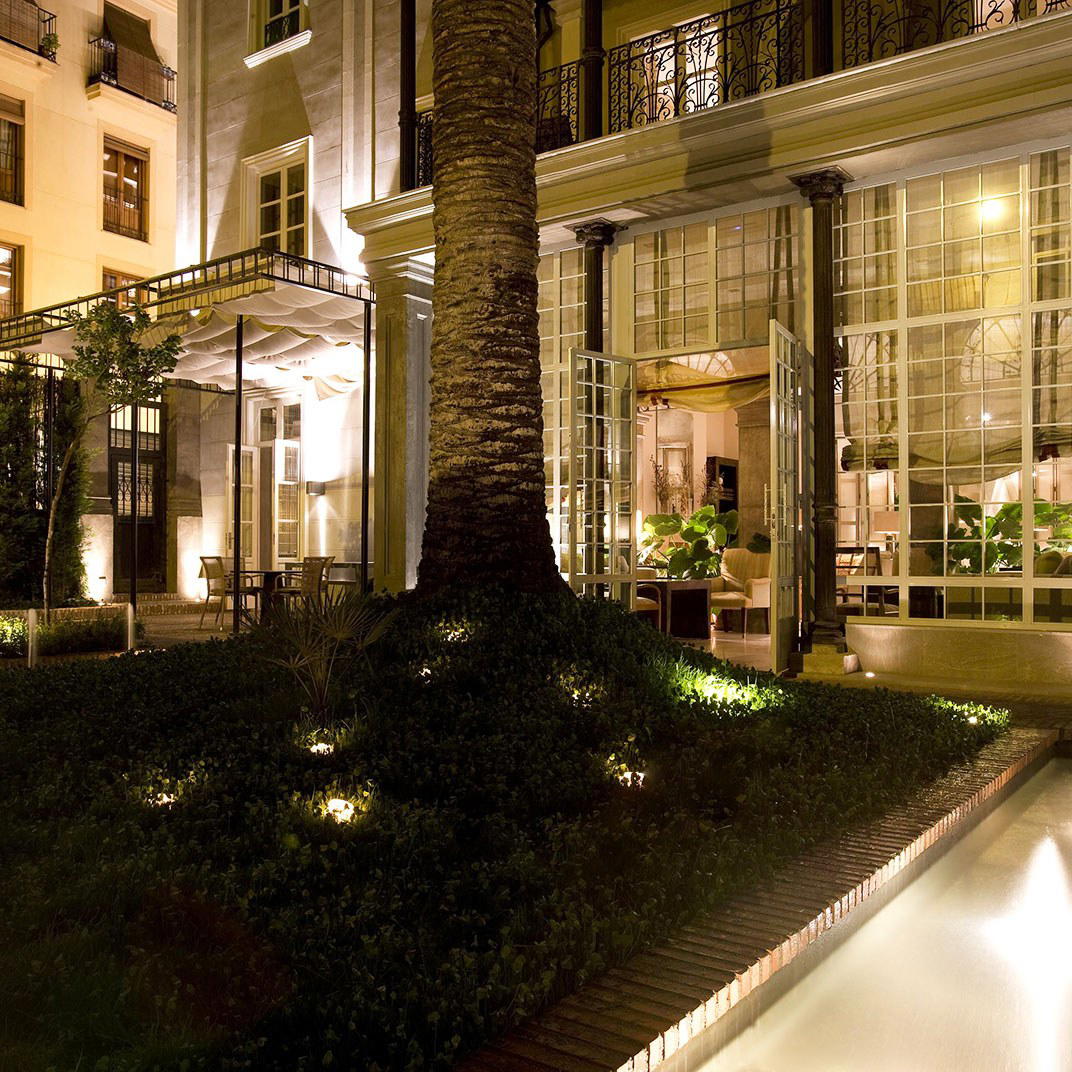
Warm, elegant atmosphere with modern minimalist decor, hushed and comfortable lighting.