

Positioned directly within the Alhambra complex since 1910, this Granada landmark places guests closer to the Nasrid palaces than any street-level alternative. With 100 rooms and suites commanding views across the city and the surrounding forest, and recognised by the Star Wine List in 2026, it occupies a specific tier in Spanish heritage hospitality that design-led newcomers in the Albaicín cannot replicate.
Pearl is the En Primeur Club membership app — saves, bookings, and concierge access live there. Same editors, same standards.
- Address
- Plaza Arquitecto García de Paredes 1., 18009, Spain
- Phone
- 34-958-221468
- Website
- hotelalhambrapalace.com
- Directions
- Get directions
 Saves & bookings on Pearl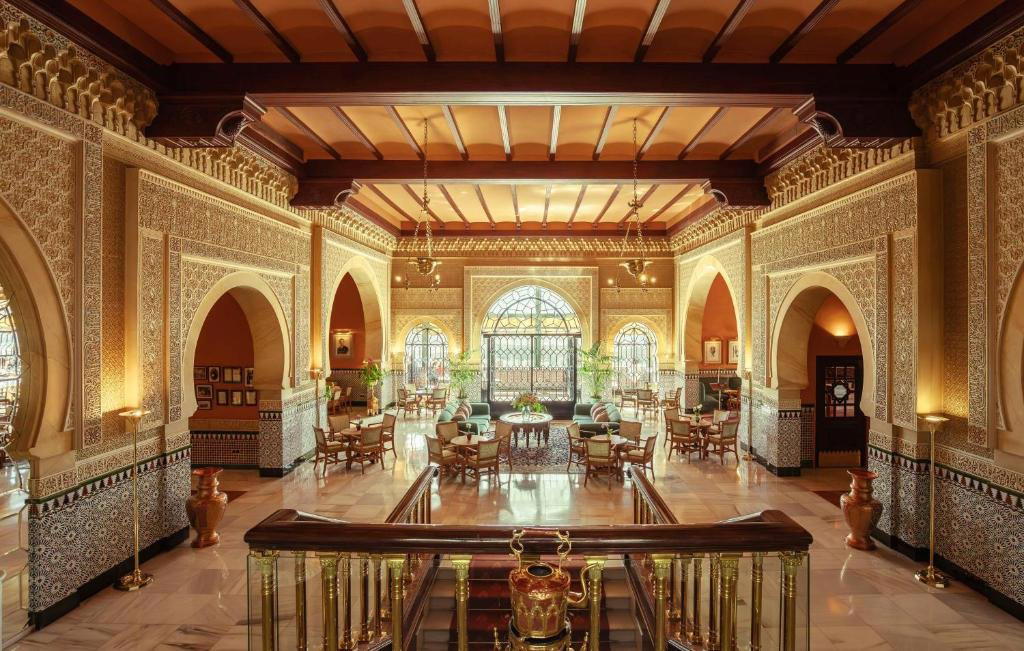
The Address That Cannot Be Reproduced
Granada's hotel offering splits cleanly between two categories: properties in the city below, which require a walk or taxi ride to reach the Alhambra, and The Alhambra Palace Hotel, which sits on the hill itself. The distinction matters more than it might initially appear. Arriving at dusk, when the light over the Vega plain turns amber and the towers of the Nasrid palaces emerge from the tree line fifty metres away, is a fundamentally different experience from reviewing the same scene from a lower terrace in the Realejo. Location here is not a selling point; it is the architecture of the stay.
Opened in 1910, the hotel predates the mass tourism infrastructure that would later grow around the monument. At that point in European hospitality, a handful of grand properties were constructed specifically to anchor wealthy travellers near monuments of cultural significance, on the assumption that proximity to a site of that magnitude was itself the amenity. The Alhambra Palace Hotel was built in that tradition, and the address at Plaza Arquitecto García de Paredes 1 has remained unchanged across more than a century of Spanish history.
A Building That Frames Its Surroundings
The hotel's design references Nasrid architecture directly, drawing from the same geometric and ornamental vocabulary as the palace complex it overlooks. Grand lobbies of this period and ambition were conceived as threshold experiences, places calibrated to signal that ordinary civic life had been left behind. The result, as more than one observer has noted over the decades, can feel cinematic in its scale and detail, a quality that tends to strike guests most forcefully in the first moments after arrival.
That visual coherence between building and monument is relatively rare in European heritage hospitality. Properties inspired by nearby landmarks often produce a diluted or frankly incongruous relationship with their subject. Here, because the hotel sits within the Alhambra's own forested hill rather than facing it from across a valley, the connection is spatial as well as stylistic. The forest of the Alhambra runs to the property's edge, and the 100 rooms and suites are oriented to take advantage of that position, with views ranging across the rooftops of Granada toward the Sierra Nevada.
Where This Property Sits in the Granada Market
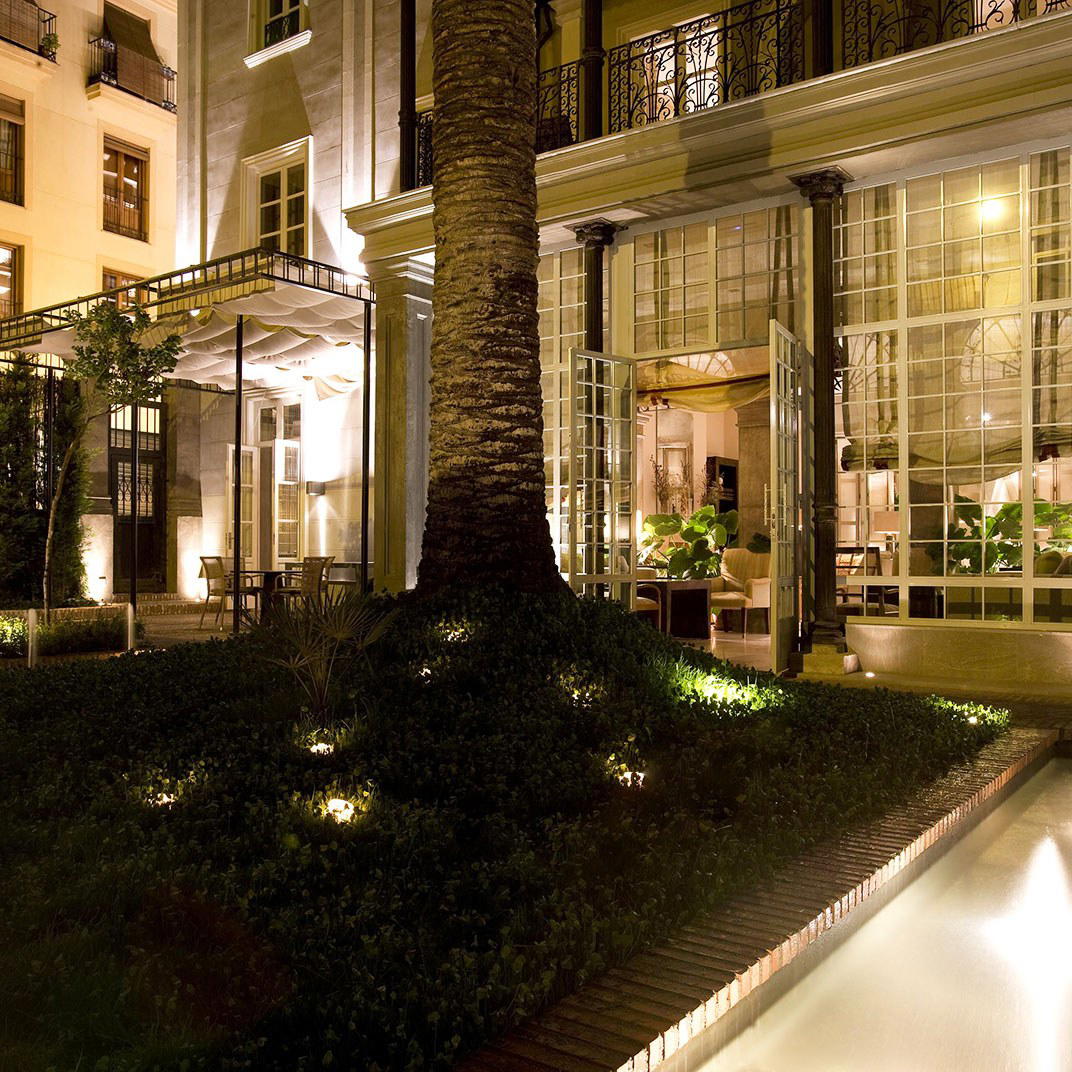
Granada has developed a competitive hotel tier in recent years. The Hospes Palacio de los Patos offers nineteenth-century palace architecture within a boutique format in the city centre, while Palacio Gran Vía, a Royal Hideaway Hotel brings a larger-footprint luxury product to the main commercial artery. The Seda Club Hotel represents a newer, design-driven entry. Each of these operates at street level, within the city's standard grid, and none commands the same relationship with the Alhambra complex.
It competes on the basis of an address that no other Granada property shares, and on a heritage continuum that stretches back to the hotel's founding as an institution of early luxury tourism. For travellers whose primary reason for visiting Granada is the Alhambra itself, the question of which hotel to book resolves differently once that distinction is understood.
Across Spain, this recognition tends to correlate with properties that have invested in cellar depth and regional specificity. For a fuller picture of what the Granada accommodation and dining scene offers beyond the hill, see our full Granada restaurants guide.
Planning a Stay
Alhambra itself operates on timed entry tickets that sell out weeks in advance during peak season, particularly from March through October. Guests staying at the hotel are not exempted from this ticketing system, but the proximity means that managing early-morning entry slots, which offer the site at its quietest, is logistically direct in a way that is genuinely difficult from a city-centre hotel. The forest walk between the property and the palace entrance is a matter of minutes rather than the uphill trek that faces visitors arriving from the Albaicín or the city below.
Hotel operates 100 rooms and suites across a building that was designed with generous proportions from its 1910 foundation. Room selection at this property is, more than at most Granada hotels, a question of orientation: the views across the city and toward the Sierra Nevada are the primary variable, and the suite categories are differentiated substantially by the extent and angle of those views.
The Broader Context of Spanish Heritage Hotels
Alhambra Palace Hotel belongs to a specific tradition in Spanish luxury hospitality, one that encompasses properties built during the late nineteenth and early twentieth centuries at or near sites of major cultural significance. The Parador network formalised a version of this model later, but privately operated properties like this one predate that institutionalisation and carry a different character, shaped by over a century of continuous operation rather than state-managed restoration.
Across Spain, the most compelling examples of this category tend to share certain qualities: a physical relationship with their reference monument that no later construction could replicate, an interior language that references rather than copies its historical subject, and a longevity that has given the property its own historical weight. Properties in this conversation include Mandarin Oriental Ritz, Madrid, Atrio Restaurante Hotel in Cáceres, and Abadía Retuerta LeDomaine, each of which occupies a specific historical and geographical position that later entrants to the market cannot acquire. For wine-destination properties with a different regional character, Terra Dominicata in Escaladei and Torre del Marqués Hotel Spa & Winery represent the estate-hotel model at a high level.
Elsewhere in Spain, travellers with similar priorities might consider Akelarre in San Sebastián for gastronomic positioning with coastal views, Cap Rocat in Cala Blava for a fortress-conversion property with comparable drama of address, or La Residencia, A Belmond Hotel, Mallorca for a Mallorcan village setting with long-established heritage credentials. The Marbella Club Hotel and Mas de Torrent Hotel & Spa extend this conversation into the Costa del Sol and Costa Brava respectively.
Recognition history
Dated appearances from independent guides and award organizations, with the underlying list record or original source where available.
Star Wine List
Star Wine List
Virtuoso Luxury Hotel Partner
Virtuoso
Continue exploring
More in Granada
Hotels in Granada
Browse all →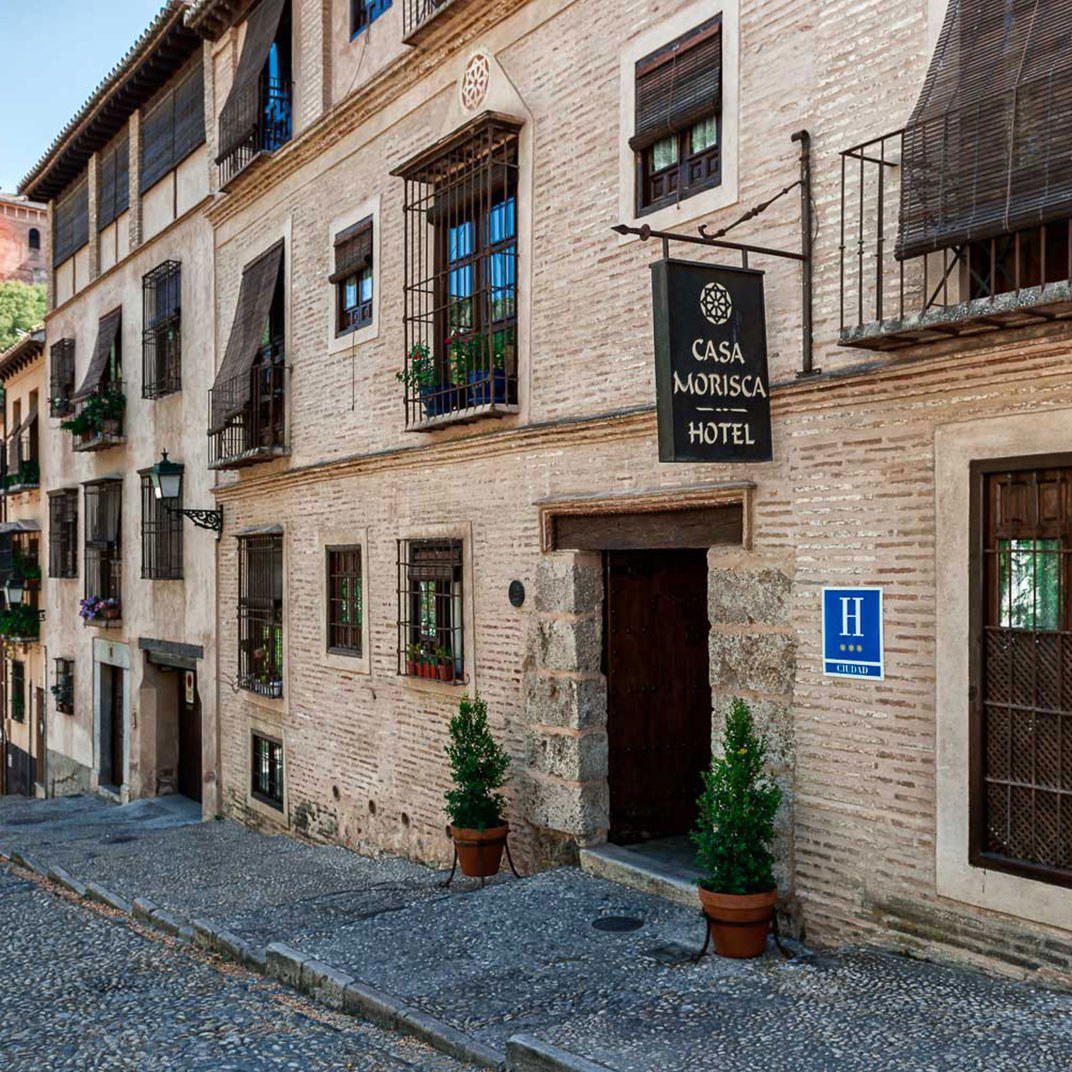
Bars in Granada
Browse all →
Restaurants in Granada
Browse all →

At a Glance
- Elegant
- Romantic
- Classic
- Sophisticated
- Well Known
- Romantic Getaway
- Honeymoon
- Anniversary
- Celebration
- Historic Building
- Panoramic View
- Terrace
- Garden
- Destination Spa
- Wi Fi
- Spa
- Room Service
- Concierge
- Valet Parking
- Restaurant
- Business Center
- Laundry Service
- 24 Hour Front Desk
- Mountain
- Garden
- Wi Fi
- Spa
- Room Service
- Concierge
- Valet Parking
- Restaurant
- Business Center
- Laundry Service
- 24 Hour Front Desk
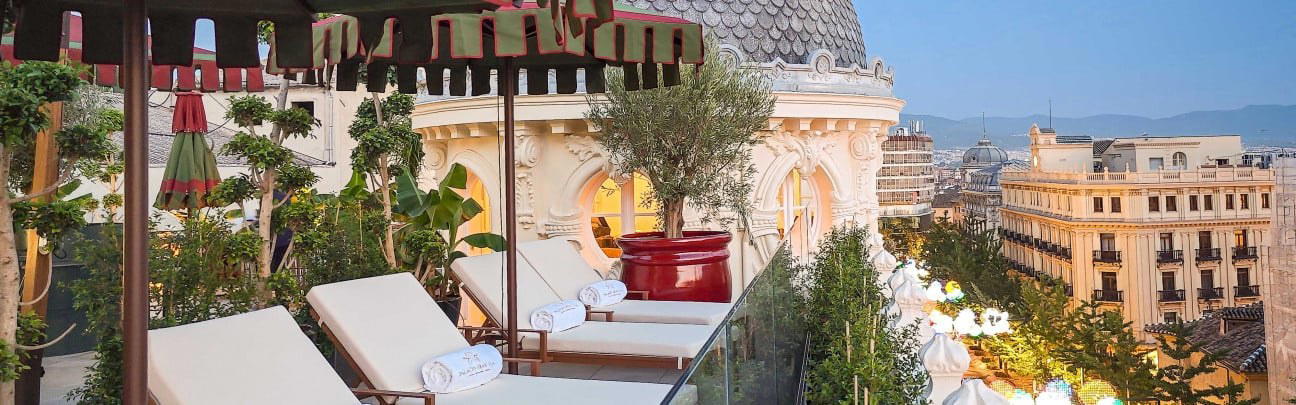
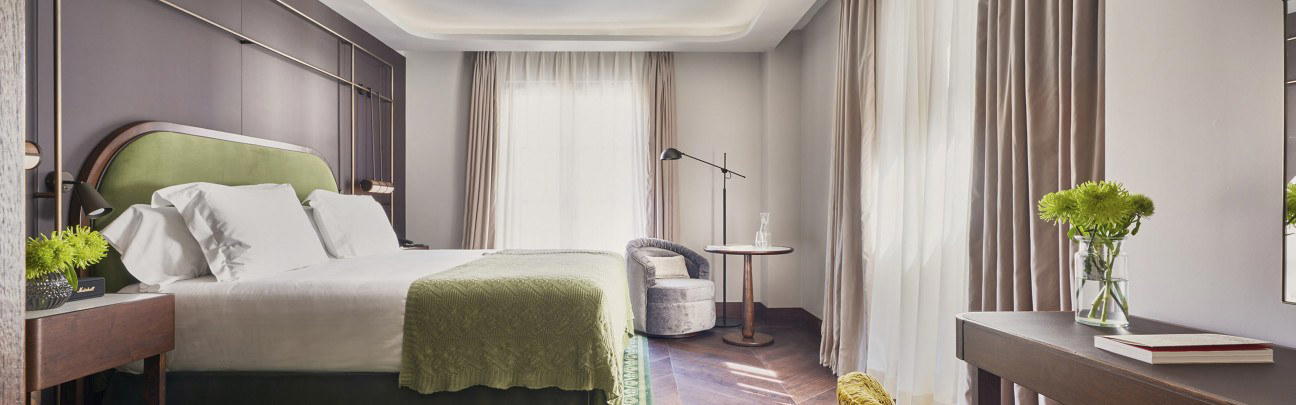
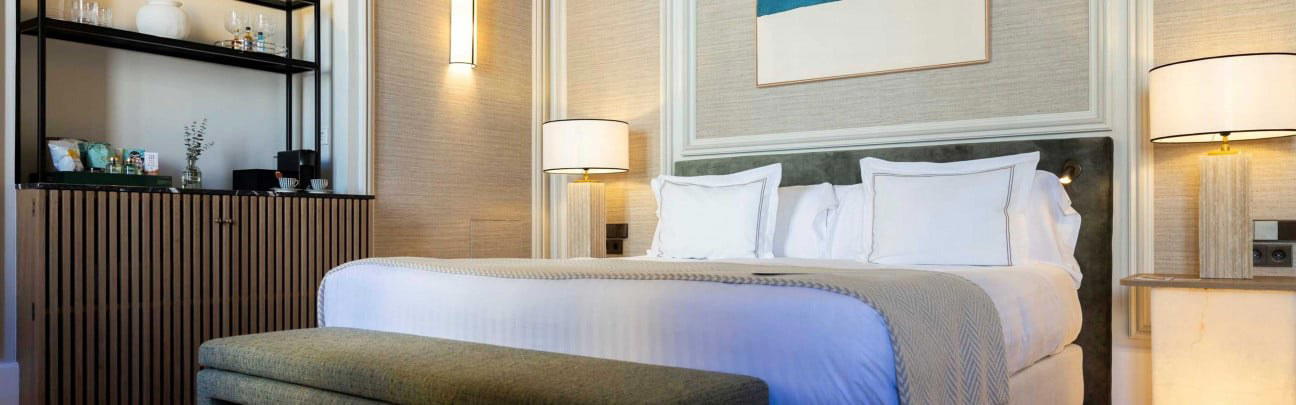
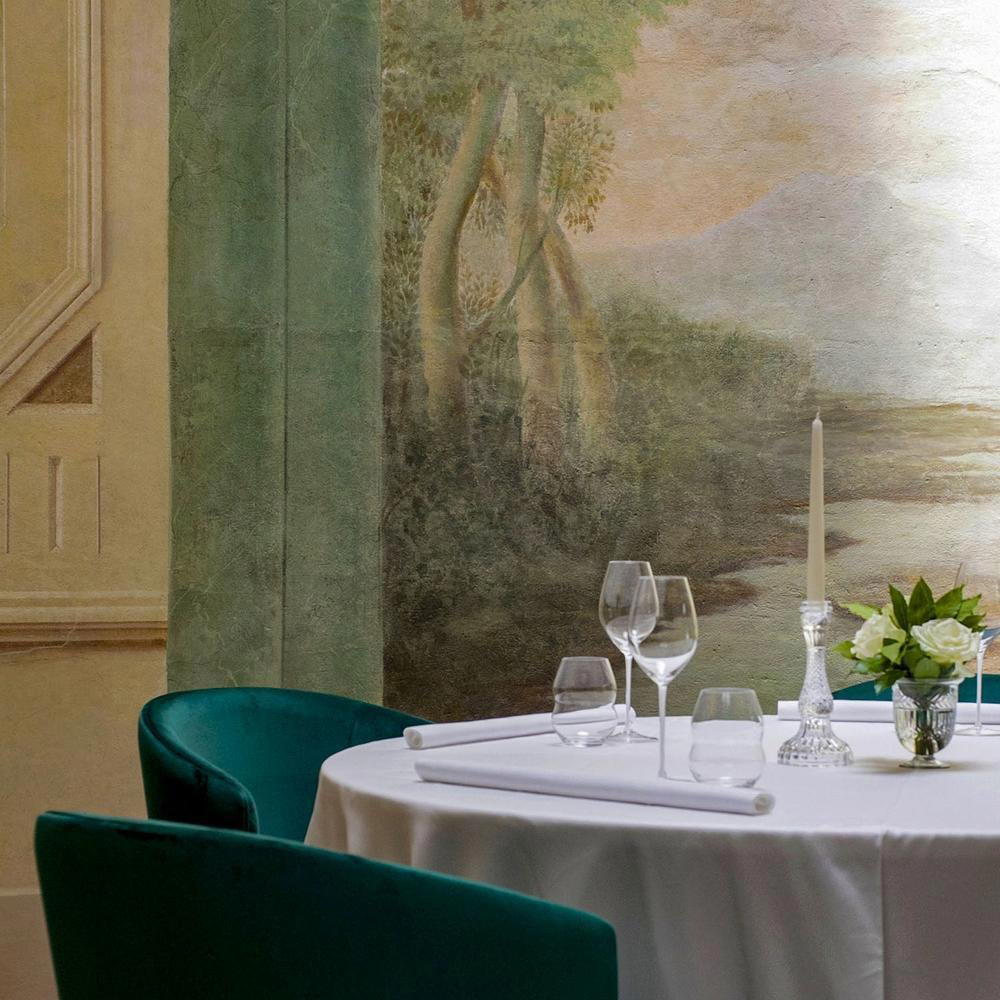
Luminescent rooms with hand-selected decorations in soft tones, ornate Neo-Nasrid lobby with muqarnas and plasterwork, terrace with natural light overlooking the city valley, creating an atmosphere of refined elegance and historical grandeur.
Know Before You Go
- Getting there
- Plaza Arquitecto García de Paredes 1., 18009, Spain