The Waterhouse at South Bund occupies a converted Japanese military headquarters on the quieter southern stretch of the Bund, where raw concrete, exposed steel, and original warehouse bones sit in deliberate tension with the surrounding Dongjadu fabric district. It belongs to Shanghai's small cohort of adaptive-reuse hotels that use architectural restraint as a positioning statement, placing it closer to design-led independents than to the polished international chains clustered near the northern waterfront.
Pearl is the En Primeur Club membership app — saves, bookings, and concierge access live there. Same editors, same standards.
- Address
- 1-3 Maojiayuan Rd, 董家渡 Huangpu, Shanghai, China, 200010
- Phone
- +86 21 6080 2988
- Directions
- Get directions
 Saves & bookings on Pearl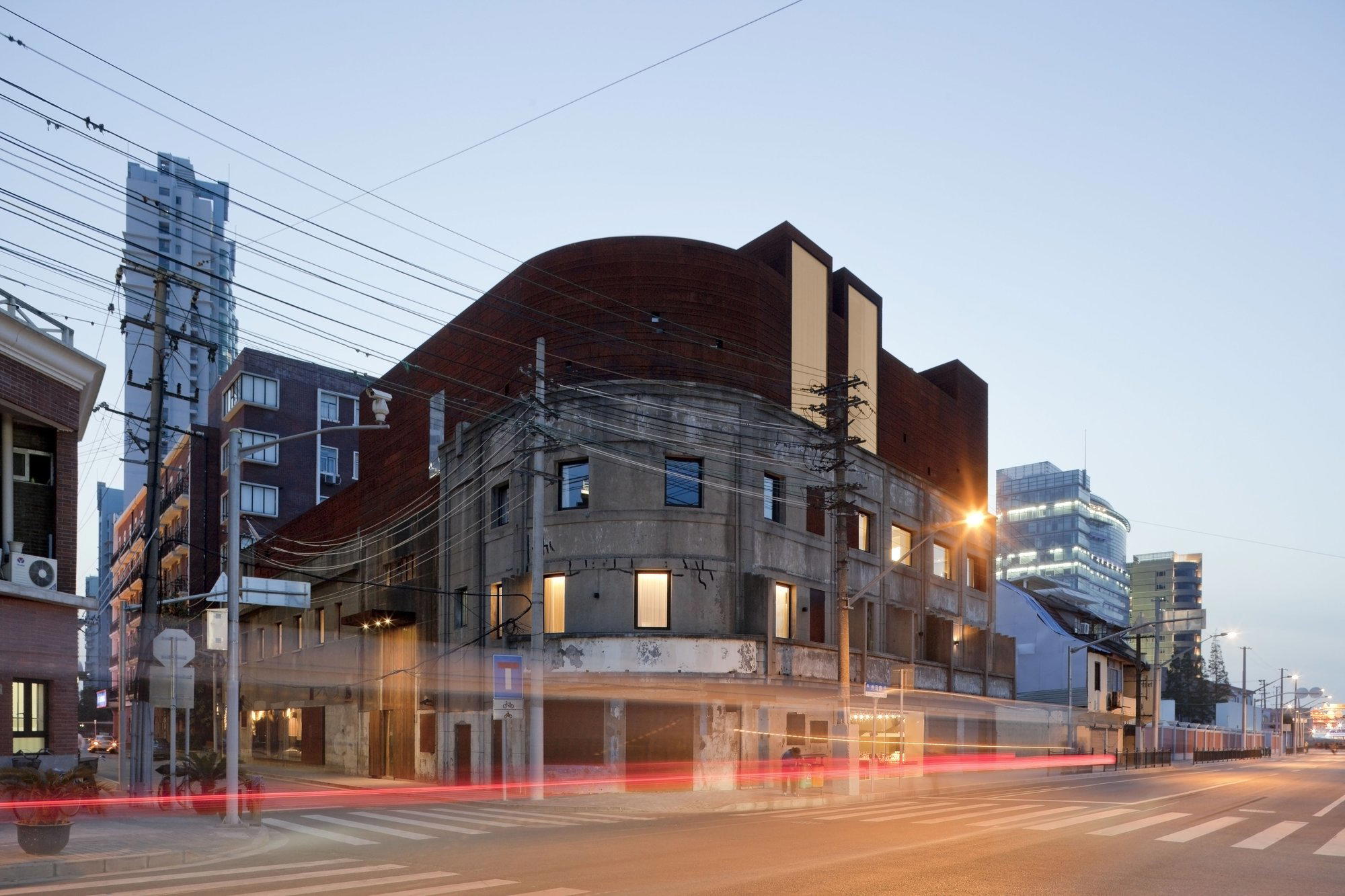
South Bund's Architectural Argument
Shanghai's hotel market splits, roughly, between the grand international operators anchored along the northern Bund and a smaller cohort of design-conscious independents that have taken root in the city's older industrial neighbourhoods. The Waterhouse at South Bund belongs firmly to the second group. The property occupies a converted 1930s warehouse building in the Dongjadu area of Huangpu, a district that spent decades as a fabric and textile wholesale zone before attracting the attention of architects and developers who saw value in its low-rise grain and proximity to the water. That context matters: the South Bund corridor operates at a different register from the Pudong skyline or the Xintiandi entertainment precinct, and the hotel's design logic is inseparable from the neighbourhood it inhabits.
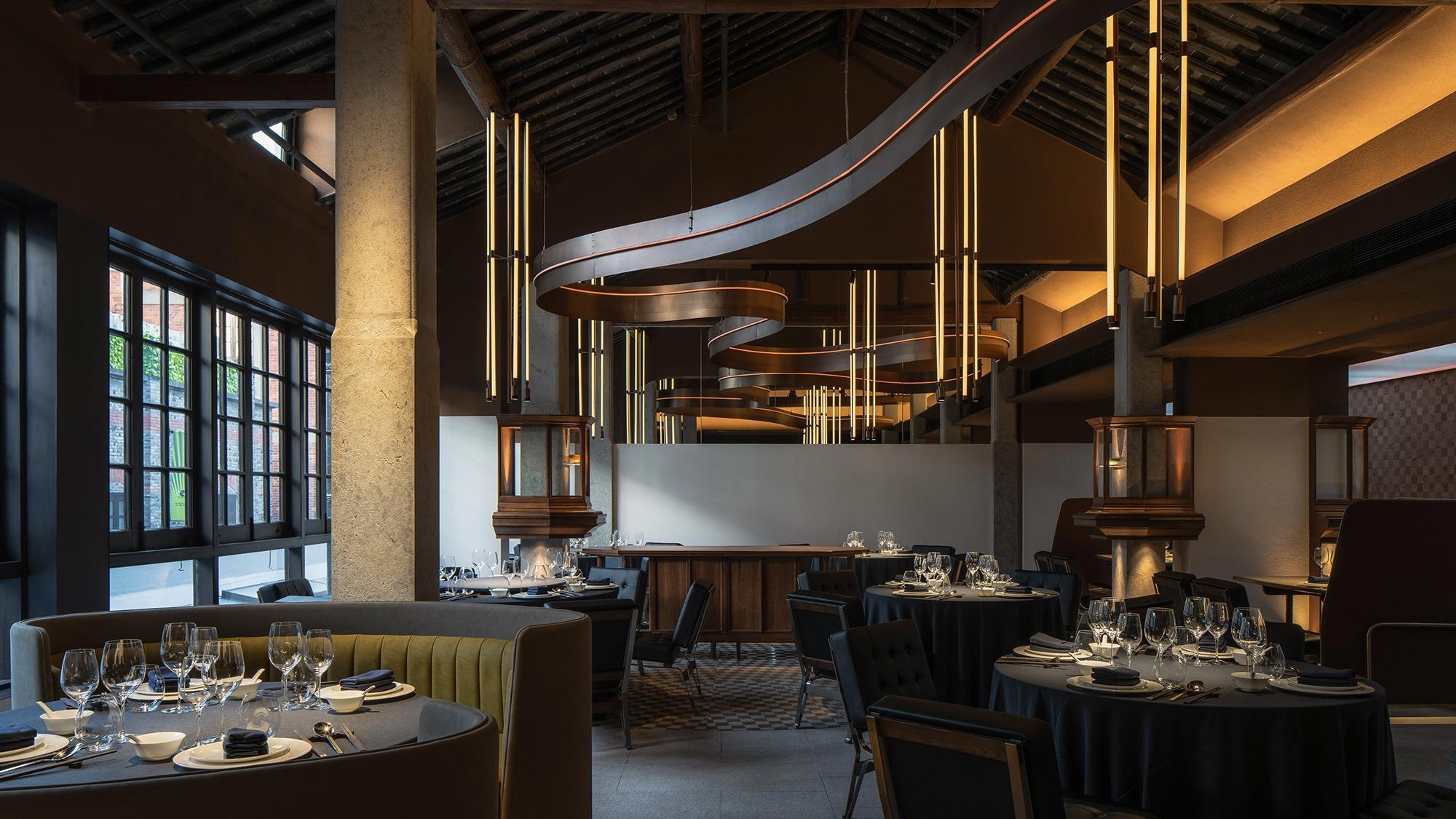
The building itself dates to the 1930s, and the renovation approach, led by Neri and Hu Design and Research Office, treated the original structure as something worth preserving in its deteriorated state rather than polishing into uniformity. Exposed concrete, raw steel beams, and weathered brick appear throughout the interior, not as decorative gestures but as the actual finish. Where new materials were introduced, glass, Corten steel, smooth plaster, the contrast with the existing fabric is made explicit rather than softened. This approach was relatively rare in Shanghai hospitality when the property opened in 2010 and remains a minority position in a market that tends to reward spectacle over restraint.
The Physical Container
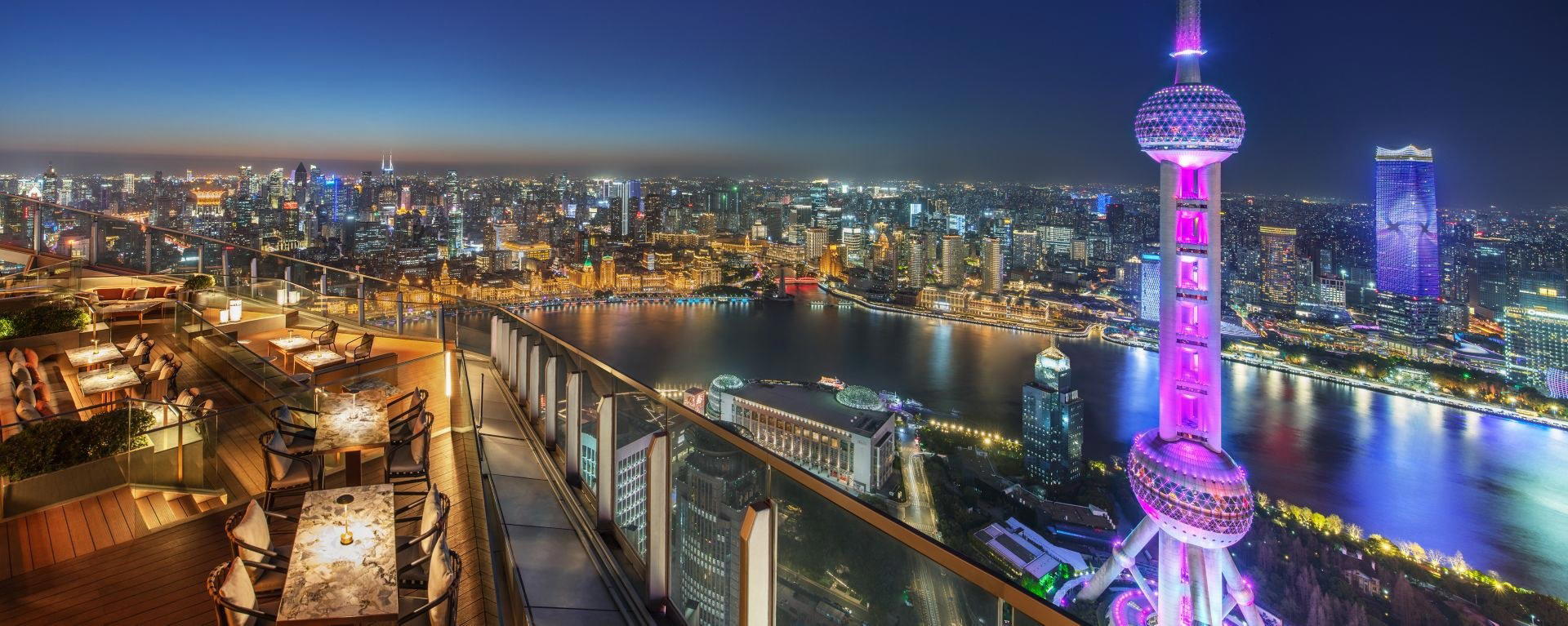
The hotel operates across four floors of the original warehouse structure, with a rooftop terrace that looks across the Huangpu River toward Pudong. The room count is deliberately limited, placing the property in the small-inventory tier of Shanghai accommodation alongside properties like Capella Shanghai, Jian Ye Li and Cachet Boutique Shanghai, rather than the large-footprint international brands. That limited scale affects the quality of service but also the nature of the communal spaces: the lobby, bar, and restaurant function as places where guests encounter each other rather than as anonymous transit zones.
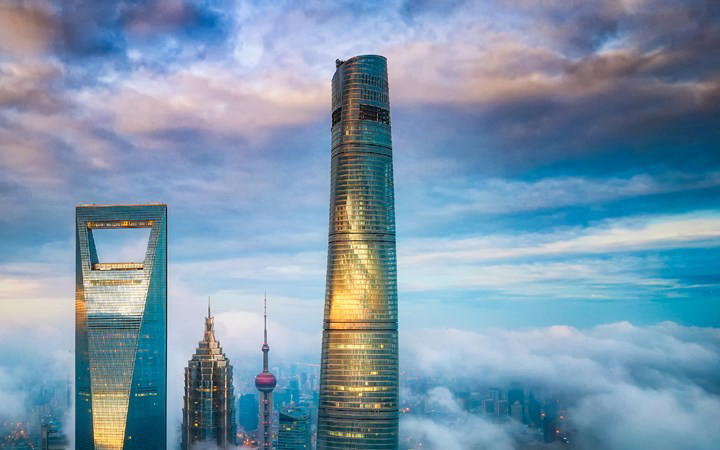
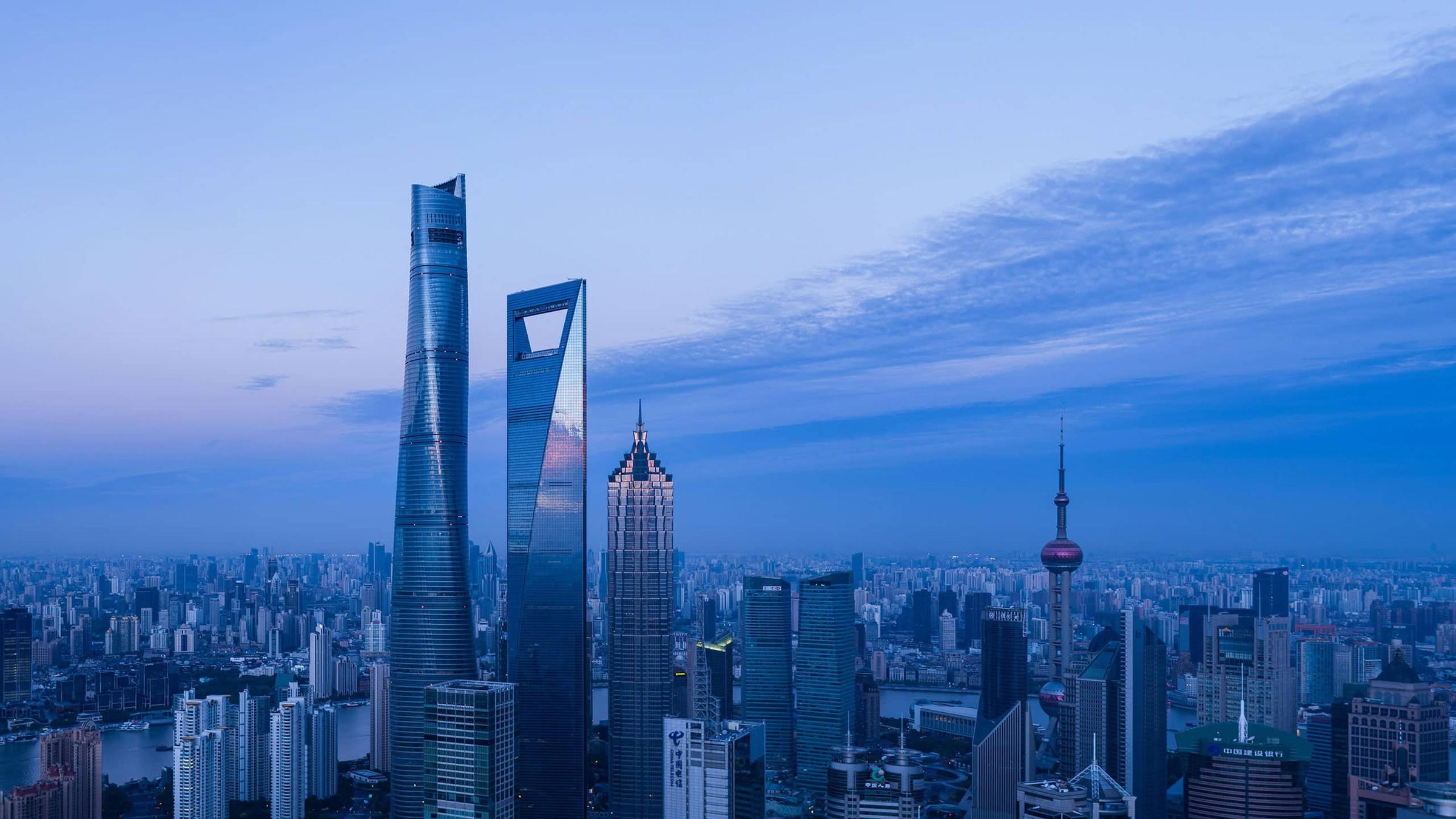
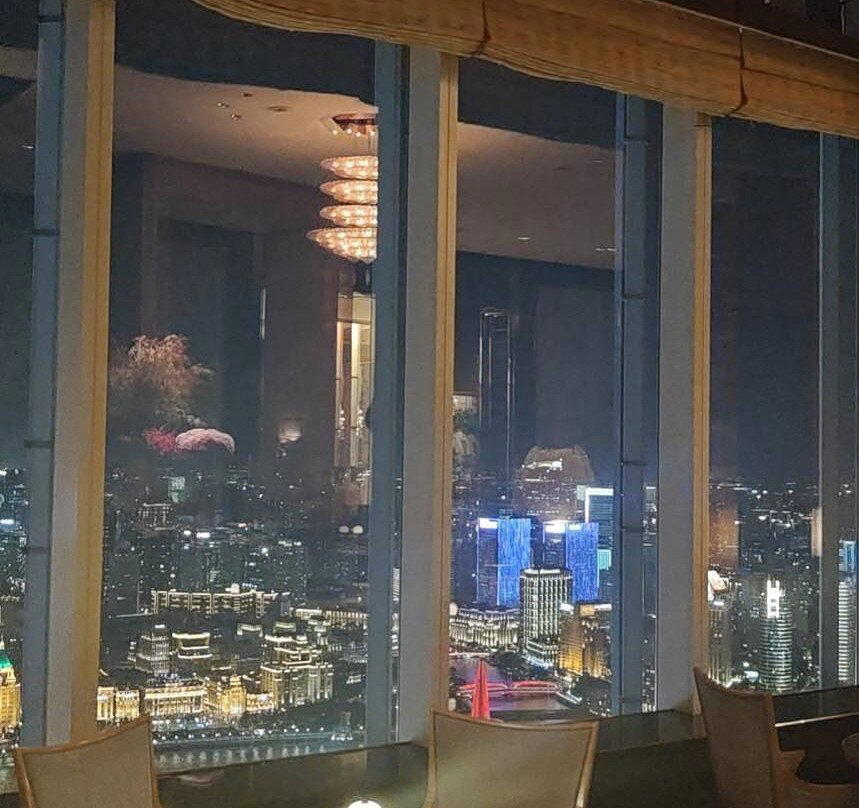
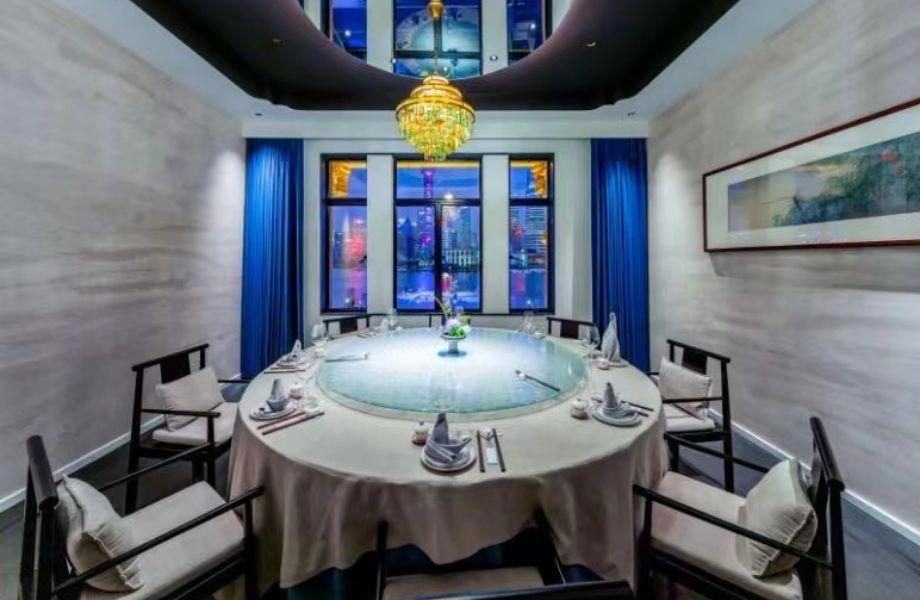
Room layouts vary considerably across the property, a function of working within an irregular historic structure rather than building to a standardised floor plate. Mezzanine levels, double-height volumes, and exposed structural elements appear throughout the accommodation, giving individual rooms a differentiated character that chain hotels with uniform key counts cannot replicate. The upper-floor rooms offer direct sightlines to the Huangpu and the Pudong towers beyond, a view that carries its own historical weight given the building's past use and the transformation of the waterfront since the early 1990s.
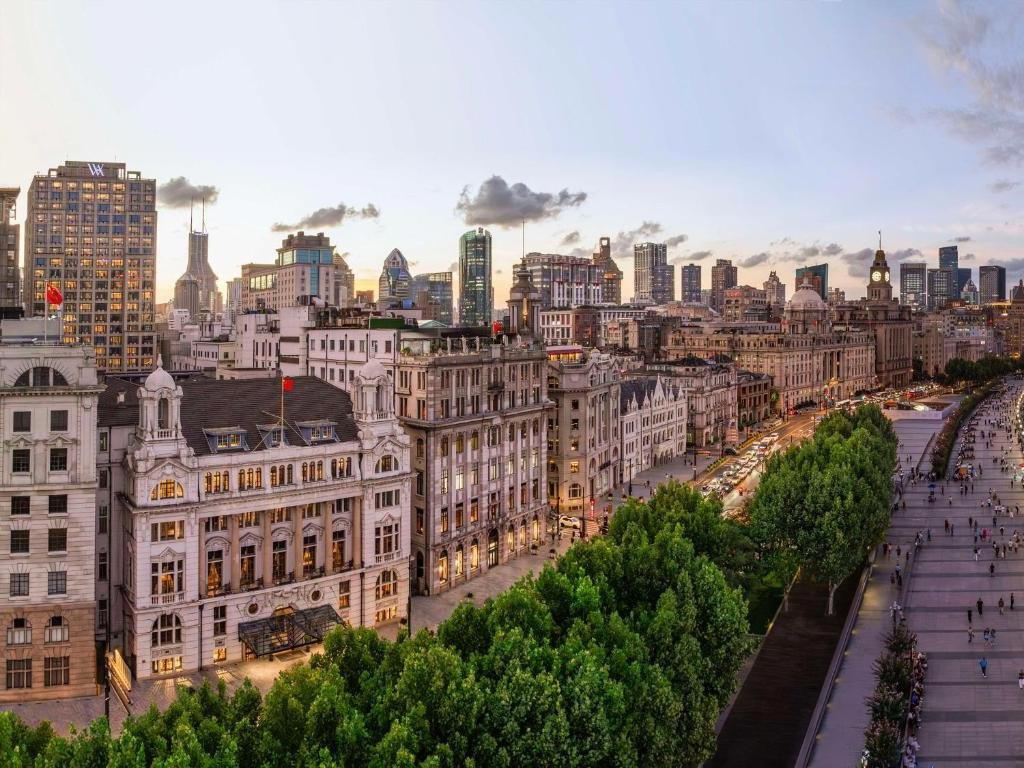
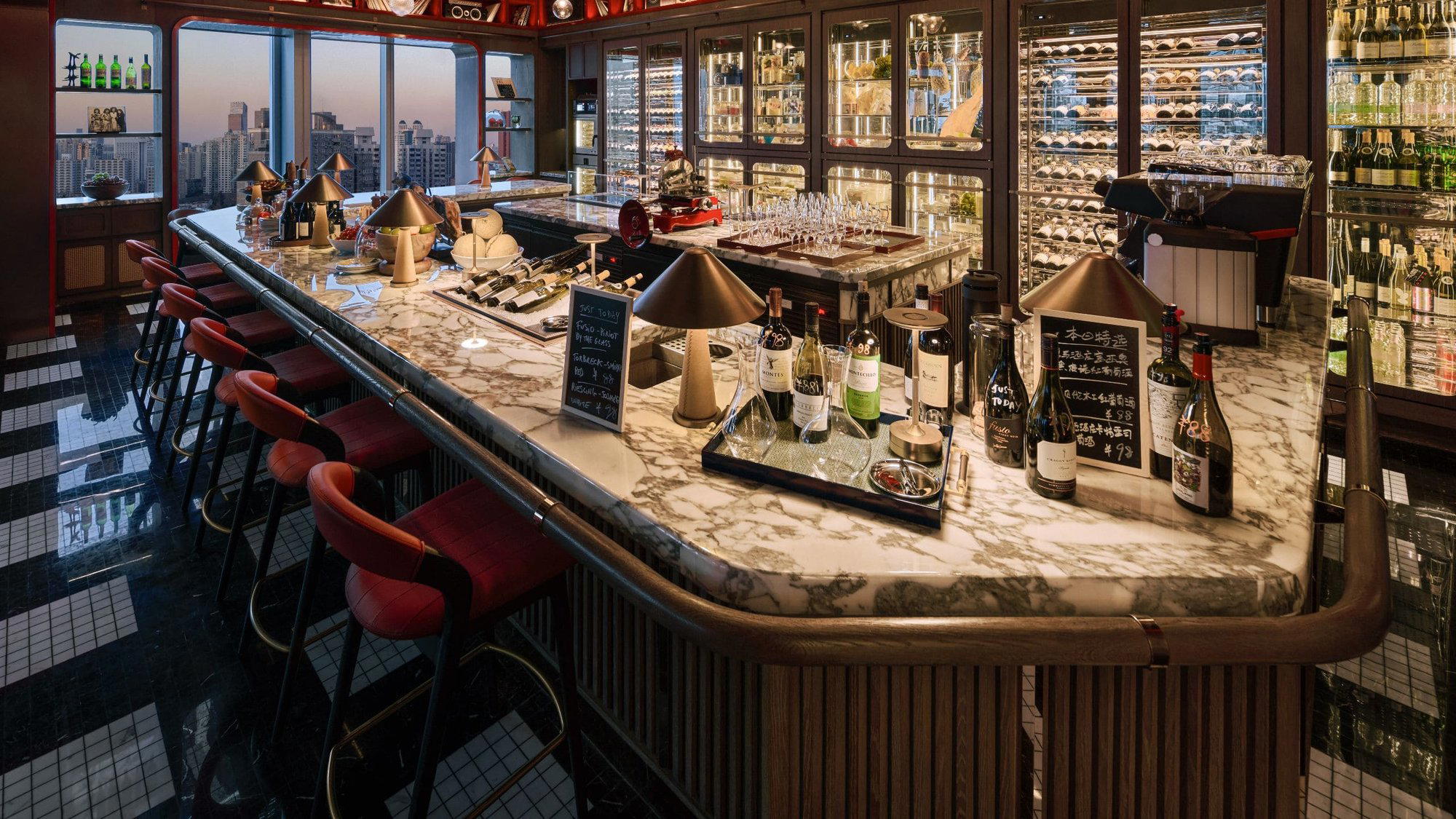
The rooftop is the property's most discussed space, functioning as both a bar and a vantage point. In a city where rooftop access in historic low-rise buildings is uncommon, the Waterhouse terrace offers a perspective that taller, newer hotels on the same river cannot replicate: a low angle across the Huangpu, with the industrial heritage of the South Bund visible in both directions. For guests comparing Shanghai properties, this spatial quality is a meaningful differentiator from options like Andaz Xintiandi, Shanghai or Bvlgari Hotel Shanghai, which operate from purpose-built or comprehensively renovated structures where the original building is largely invisible.
Placing the Property in the Shanghai Context
Shanghai's premium hotel sector has expanded considerably over the past fifteen years, with major international operators including Bellagio Shanghai, Amanyangyun, and Alila Shanghai adding inventory across multiple submarkets. Within that expanded field, design-led boutique properties that foreground architectural heritage occupy a specific and relatively narrow niche. The Waterhouse sits in that niche alongside a small number of converted properties that treat Shanghai's pre-war and mid-century building stock as an asset rather than an obstacle.
The South Bund location itself carries practical implications. The northern Bund, Xintiandi, and the Former French Concession account for the majority of high-density dining and nightlife activity, and the Waterhouse sits at a remove from those clusters. That distance is a trade-off rather than a flaw: guests who stay here are typically making a deliberate choice to engage with a quieter, more architecturally coherent part of the city. The Dongjadu area has seen incremental development over the past decade, with gallery spaces, small restaurants, and independent retail appearing alongside the residual fabric trade. It is not a fully formed destination neighbourhood in the way that the Former French Concession is, but it is a district with a legible identity and a distinct pace.
Artyzen NEW BUND 31 Shanghai operates in a comparable adaptive-reuse register on the northern waterfront, while further afield, properties like Amanfayun in Hangzhou and Amandayan in Lijiang represent similar commitments to site specificity over generic luxury.
Planning a Stay
The South Bund address is served by metro and taxi, with Xiaonanmen station on Line 9 within walking distance. The neighbourhood is best approached on foot once you arrive: Maojiayuan Road is a short street with limited vehicular traffic, and the immediate surroundings reward slow exploration. For dining beyond the hotel's own restaurant, the South Bund has a developing but still sparse independent scene; most guests travelling for food-focused itineraries will need to factor in movement to the Former French Concession or Huangpu's central dining corridors.
Travellers who have found the Waterhouse's design approach compelling and are assembling a broader China itinerary might consider how it pairs with architecturally considered properties in other cities: Mandarin Oriental Qianmen in Beijing occupies a similarly heritage-inflected block in the capital, and Andaz Shenzhen Bay in Shenzhen represents the newer-city end of the design-conscious hospitality spectrum. For those extending to Southeast Asia or beyond, the design ethos the Waterhouse represents has parallels in properties like 1 Hotel Haitang Bay, Sanya and, internationally, Aman Venice, where the building itself is the primary architectural argument for the stay.
In Context: Similar Options
Comparable venues nearby, for context on price, style, and recognition.
| Venue | Cuisine | Price | Awards | Notes |
|---|---|---|---|---|
| The Waterhouse at South BundThis venue — the venue you are viewing | Boutique design hotel in restored industrial warehouse | $$$$ | 5-Star | Not listed |
| Waldorf Astoria Shanghai Qiantan | Modern urban riverside retreat inspired by cruise ship elegance and Art Deco motifs of sail and peacock. | $$$$ | 5-Star | Qiantan |
| Artyzen NEW BUND 31 Shanghai | Modern luxury lifestyle hotel blending contemporary design with Shanghainese cultural elements and artistic sensibility. | $$$$ | 5-Star | Yangsi Xiang |
| Regent Shanghai Pudong | Art Deco-inspired luxury high-rise in the 21st Century Tower | $$$$ | 5-Star | Lu Jia Du |
| Regent Shanghai on The Bund | Luxury high-rise blending contemporary sophistication with Shanghai's cultural heritage | $$$$ | 5-Star | Hongkou |
| HUALUXE Shanghai Twelve At Hengshan | Urban luxury retreat fusing Chinese hospitality with contemporary design | $$$$ | 5-Star | Da Pu Qiao |
At a Glance
- Modern
- Elegant
- Sophisticated
- Industrial
- Minimalist
- Romantic Getaway
- Anniversary
- Business Trip
- Waterfront
- Historic Building
- Design Destination
- Panoramic View
- Wi Fi
- Restaurant
- Fitness Center
- Waterfront
- Skyline
- Wi Fi
- Restaurant
- Fitness Center
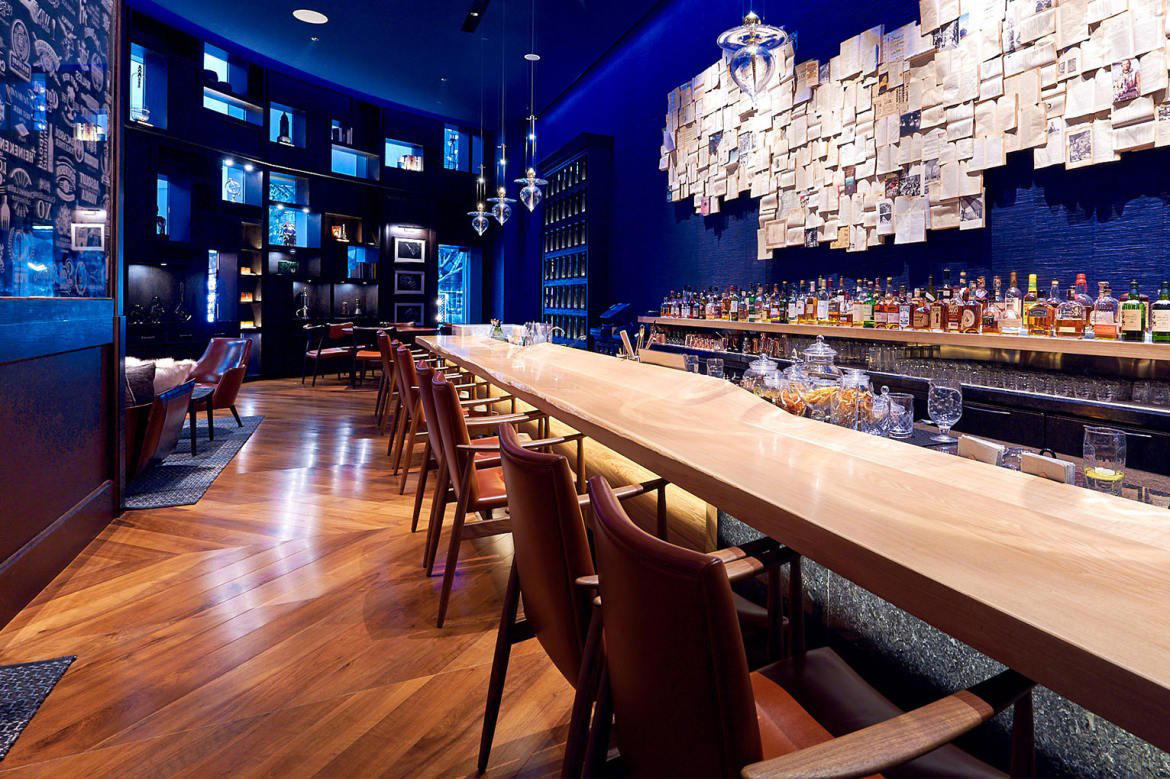
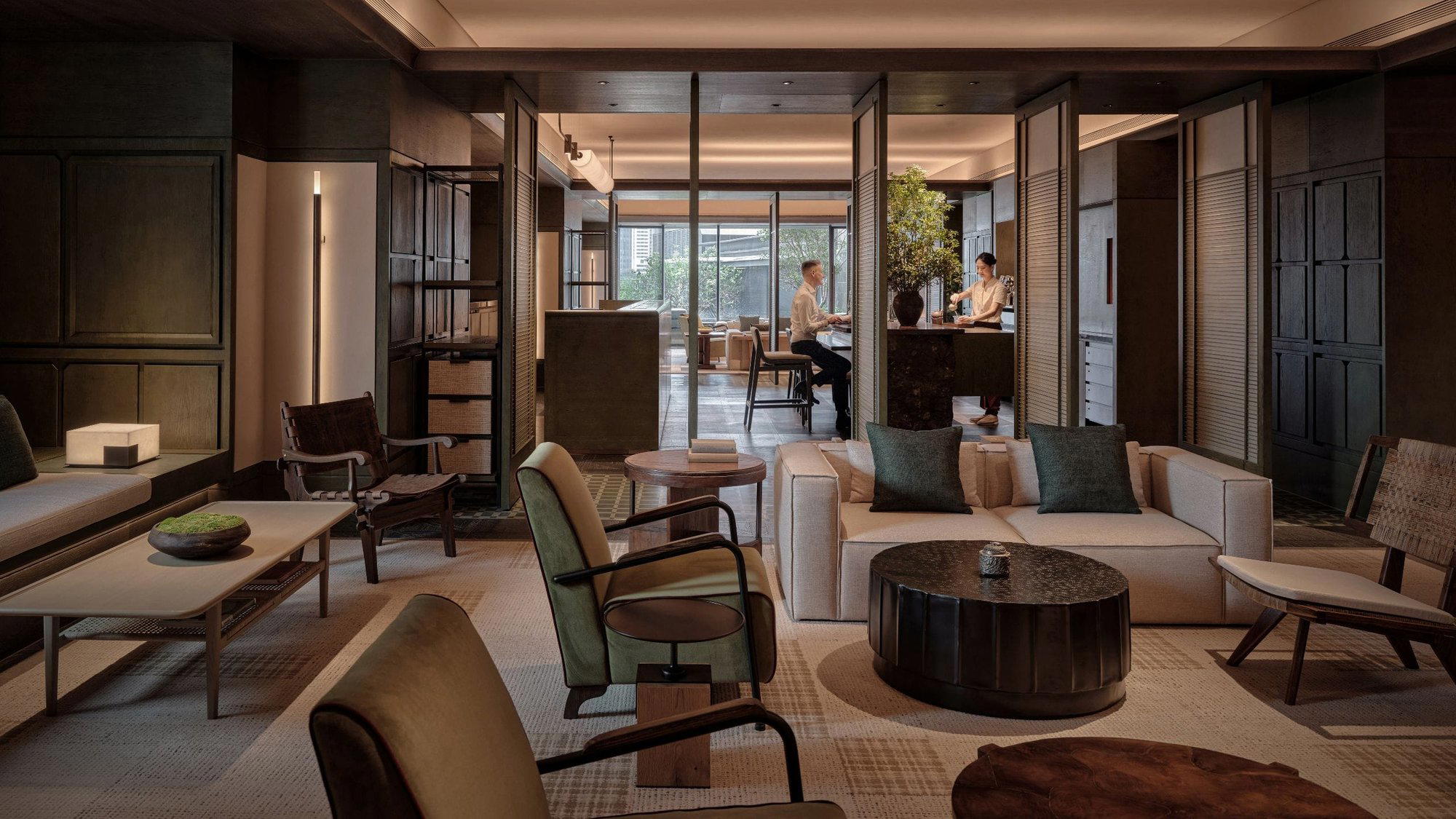
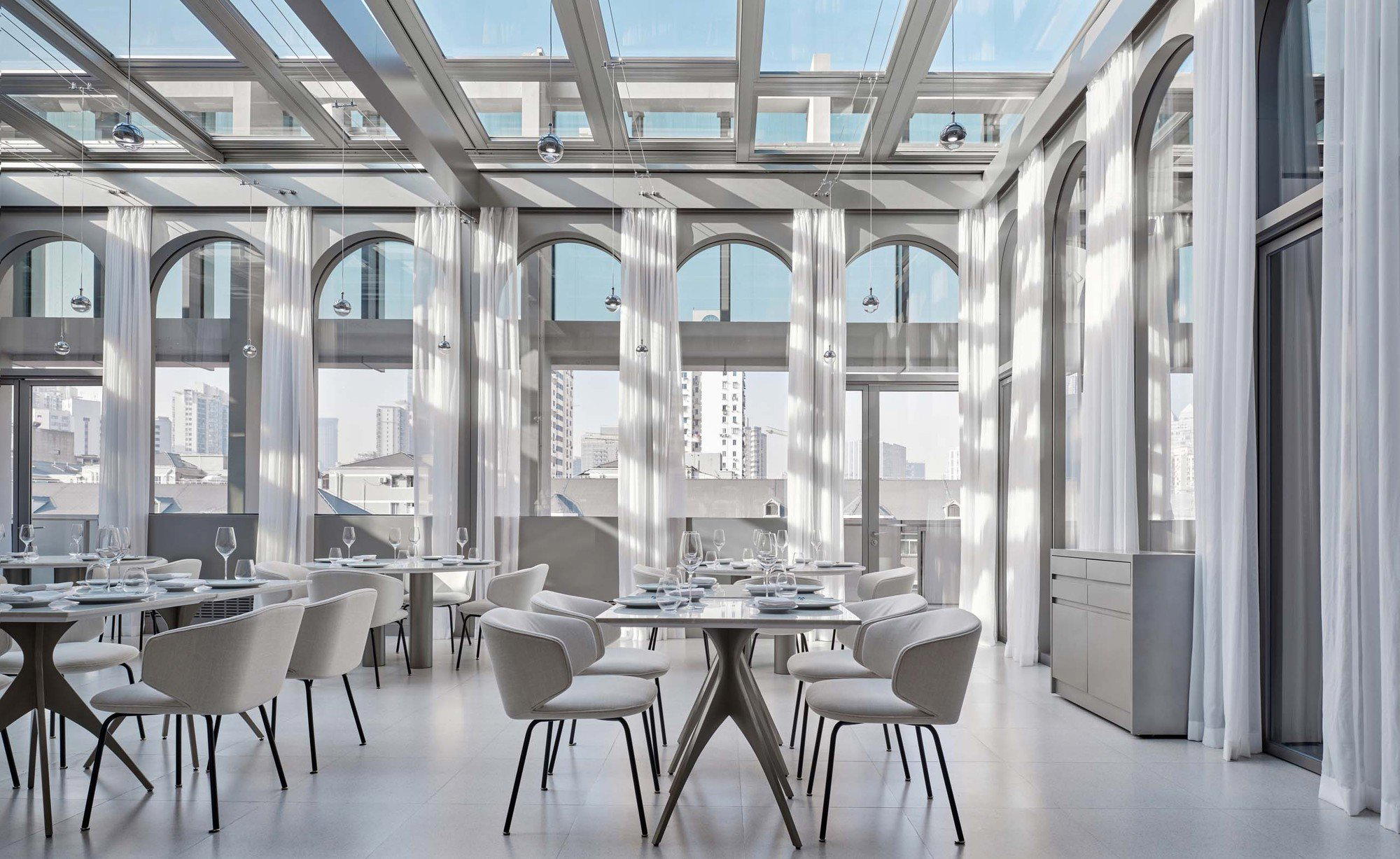
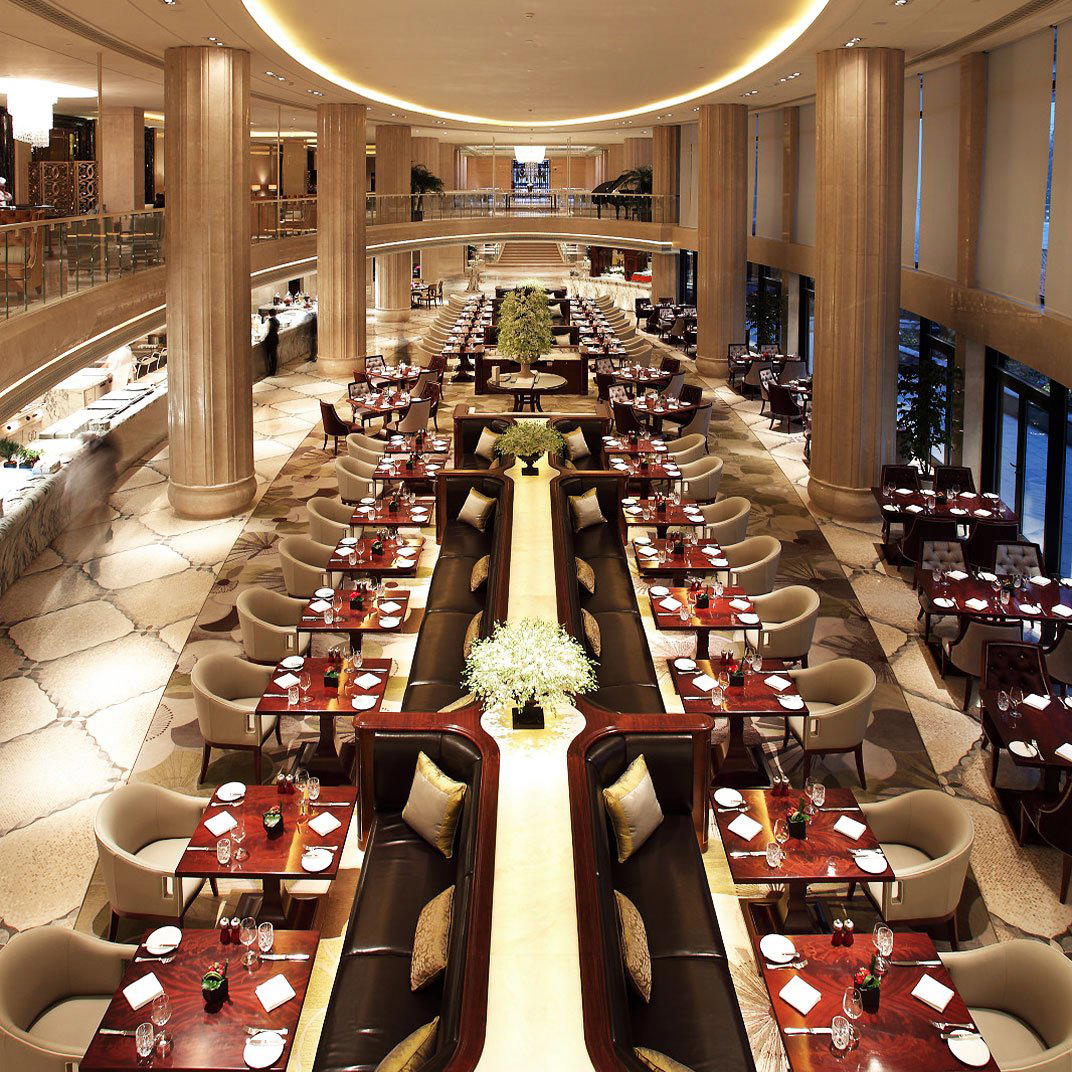
Contemporary industrial atmosphere with stark white and light wood interiors, concrete bathrooms, and visual connections between public and private spaces.