
Conde Nast Hot List Hotels
The second Shanghai property from the Waldorf Astoria brand trades Bund nostalgia for forward-looking architecture along Pudong's New Bund. Designed by Kohn Pedersen Fox within the Qiantan Media Port master plan, its 204 rooms and suites start from $325. The top-floor Fujianese restaurant Fu Cheng is the strongest reason to book.

Pearl is the En Primeur Club membership app, where members save venues, book tables and use the concierge.
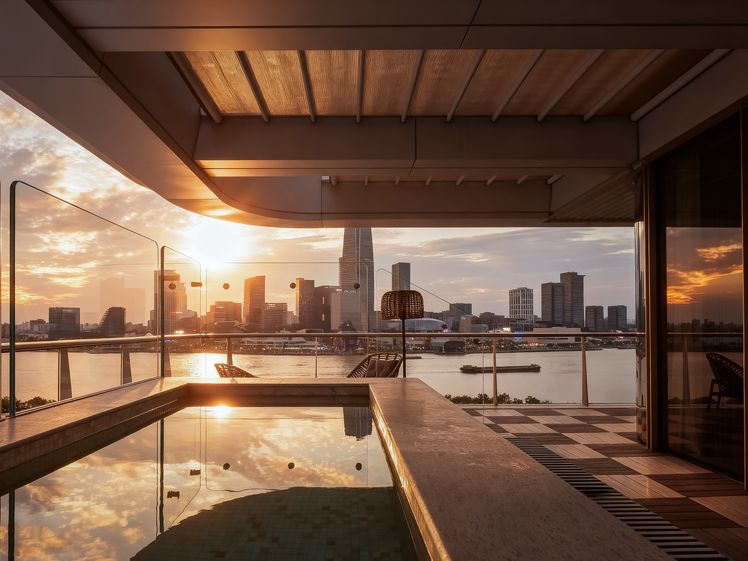
A Different Shanghai Calculation
When Waldorf Astoria opened its first Shanghai address on the Bund in 2010, the positioning was clear: heritage, nostalgia, and the gravitational pull of one of the world's most photographed waterfronts. Fifteen years later, the brand's second city entry makes a different bet. The Waldorf Astoria Shanghai Qiantan, designed by Kohn Pedersen Fox as a component of the Qiantan Media Port master plan, sits on Pudong's New Bund, a stretch that lacks the Bund's instant recognition but is quietly accumulating the kind of civic investment that tends to precede a district's broader moment. The hotel's own arrival is part of that pattern. For travellers comparing Shanghai's upper tier, the Bvlgari Hotel Shanghai, the Andaz Xintiandi, Shanghai, the Capella in Jian Ye Li, Qiantan represents something slightly apart: a major international brand investing in a neighbourhood that still has space to breathe.
Architecture as Positioning
The building reads from the riverfront as a sleek ocean liner: long horizontal lines, a pearlescent finish, and a profile that sits in dialogue with the water rather than competing with it. That nautical reference extends inward. Sail and peacock-inspired detailing threads through the public areas, alongside Art Deco gestures that acknowledge the city's 1930s design inheritance without leaning on it too heavily. The lobby contains a glass-walled conservatory, and two sweeping marble staircases, clad in vast quantities of ivory Italian marble, have already proven irresistible to the hotel's predominantly domestic clientele. These are not subtle gestures, but they are coherent ones: the building has a point of view.
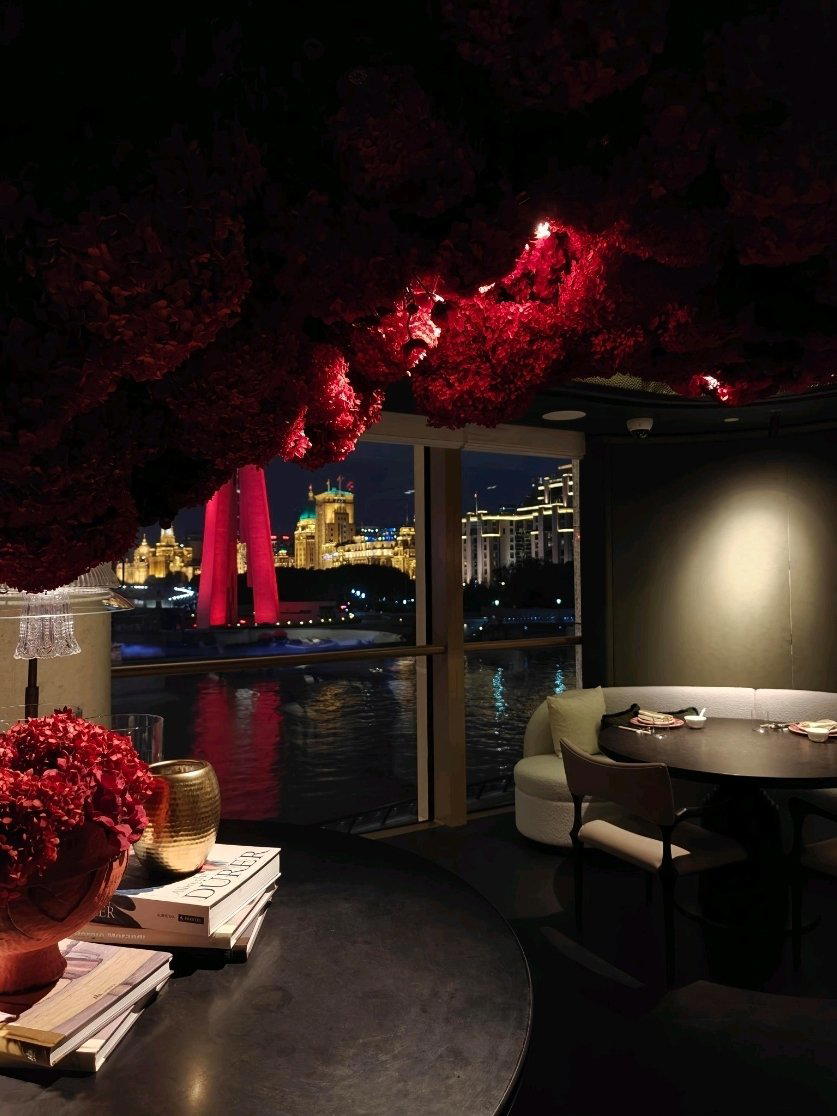
Rooms and suites across the 204-key property are generously proportioned by Shanghai hotel standards, with most balconies oriented toward the river and the original Pudong skyline. That view matters more than it might seem. From the New Bund, you read Shanghai's skyline as a single composition, Lujiazui's towers, the Oriental Pearl, the older Pudong waterfront, rather than standing inside it. It is, in that sense, a more contemplative position than a Lujiazui address, and for certain travellers, a more rewarding one.
Where to Eat: Fu Cheng and the Dining Floor
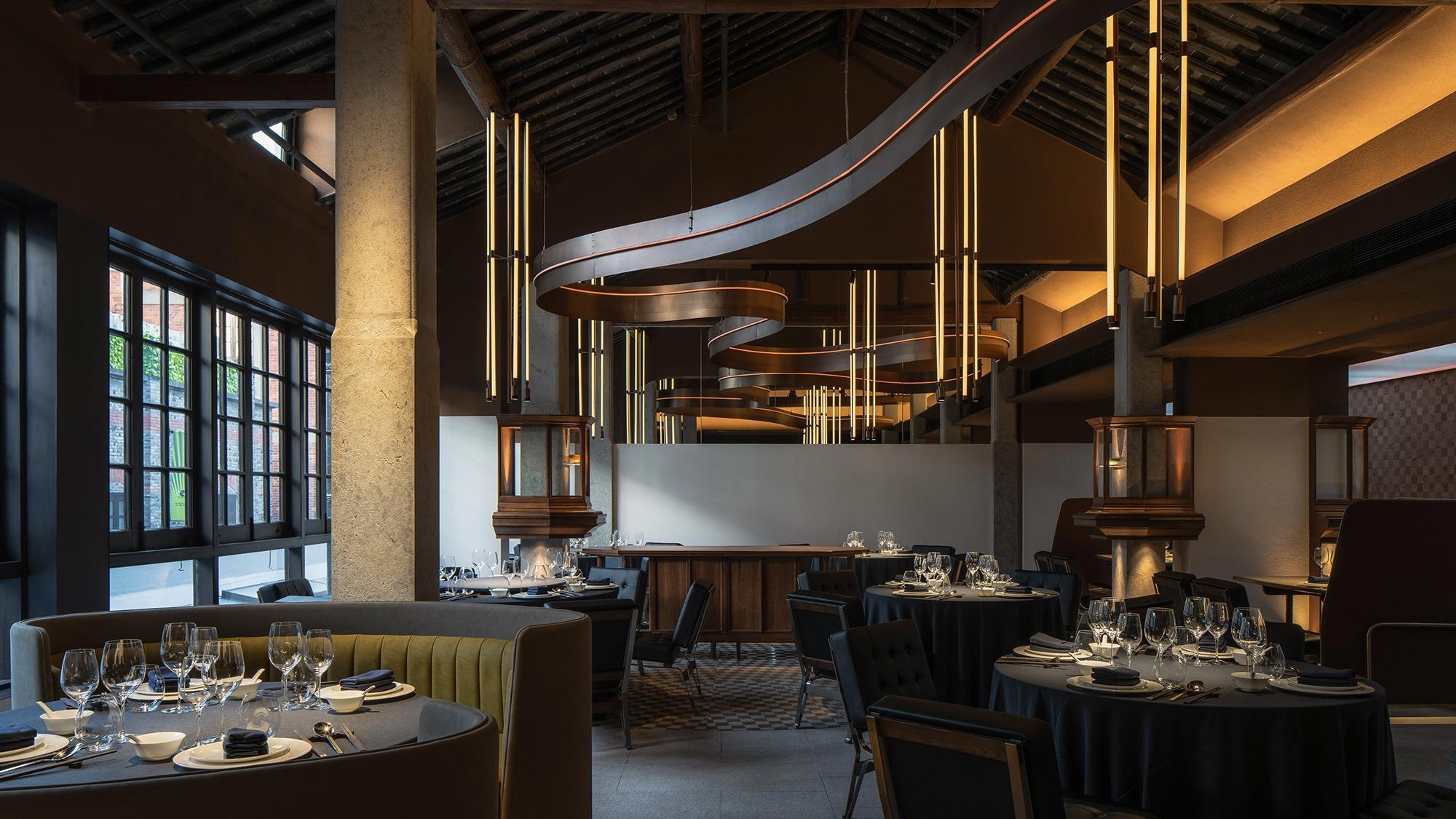
The top-floor restaurant Fu Cheng, led by chef Justin Yang, is the property's clearest editorial signal. Fujianese cuisine occupies a specific niche in China's regional dining hierarchy, lighter than Cantonese, more reliant on seafood and fermented ingredients, less immediately familiar to international visitors than Shanghainese or Sichuan cooking. Establishing a refined Fujianese address inside a flagship hotel is a deliberate positioning choice, and it places Fu Cheng in a conversation with the broader Shanghai trend of regional Chinese fine dining gaining ground in luxury hotel F&B programmes. The smoky, crabmeat-studded glutinous rice and the Buddha Jumps Over the Wall soup, that delicacy-filled, slow-cooked Fujianese staple found at serious Fujianese tables across China, are among the documented highlights. For anyone comparing Shanghai's hotel dining against the Bvlgari's Italian programme or the Capella's heritage Shanghainese approach, Fu Cheng offers the sharpest point of differentiation.
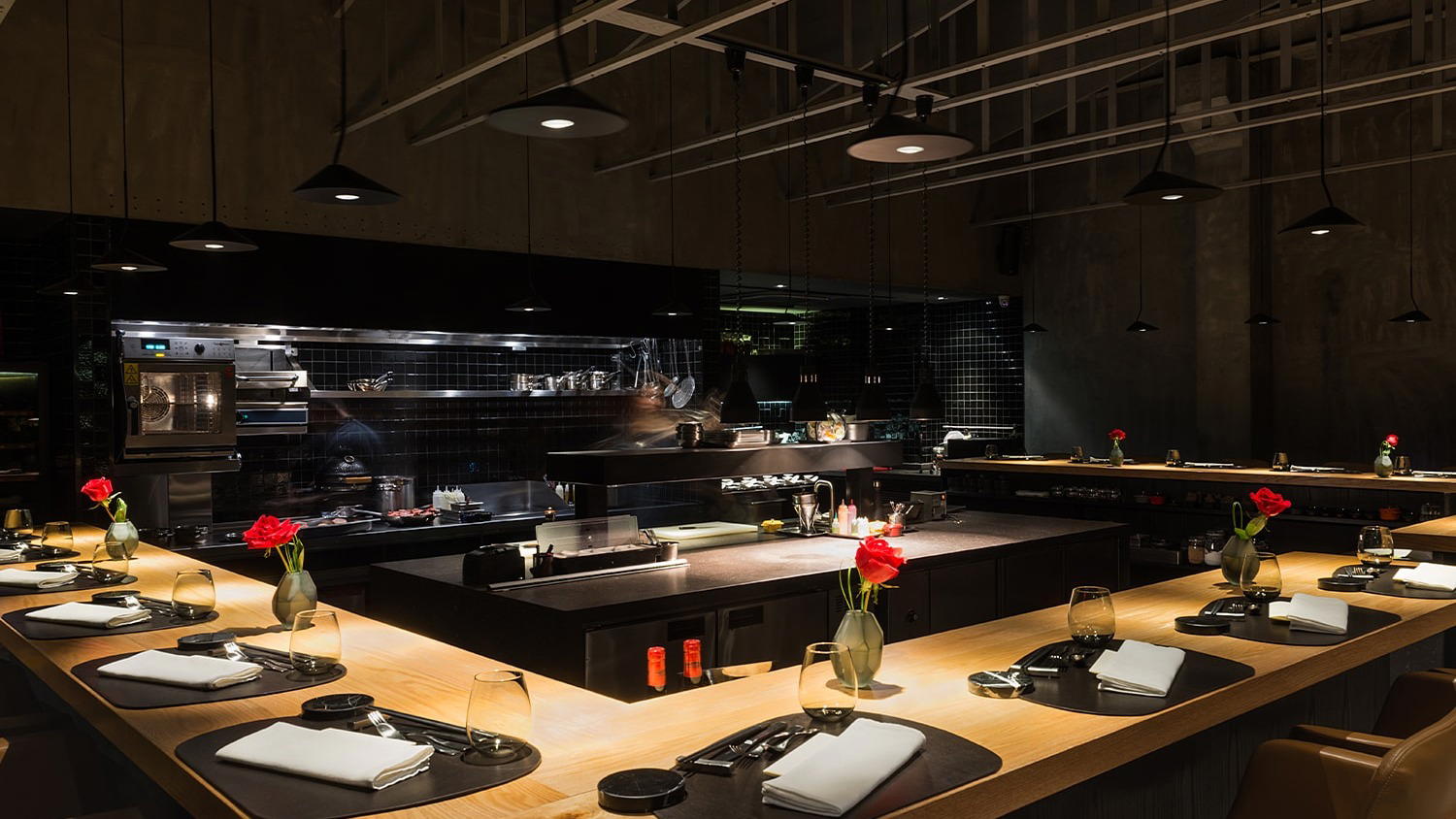
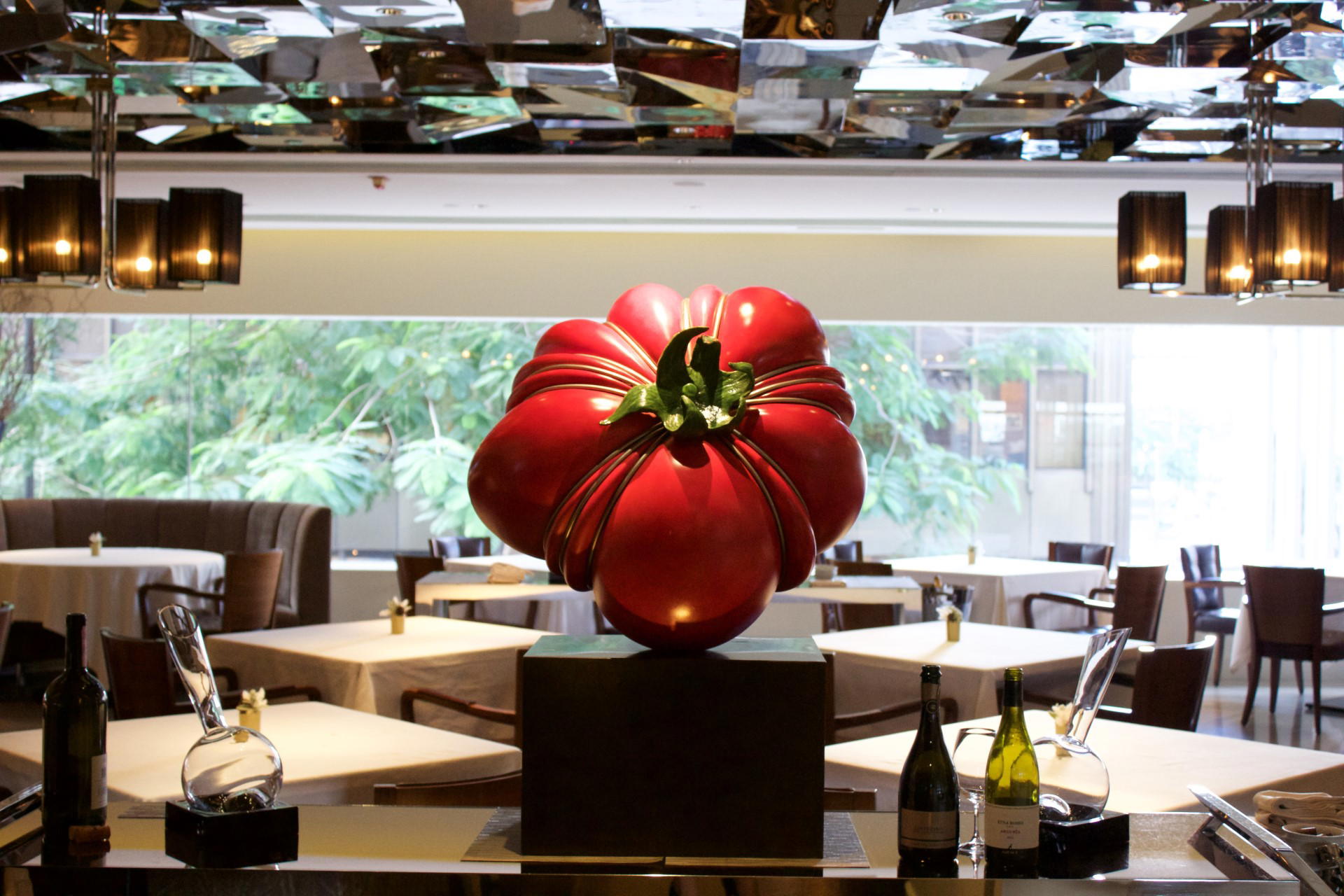
Downstairs, Arame runs a European-leaning brunch until 2 p.m. later than most Shanghai hotel brunch closings, which is a logistical detail worth noting for travellers who keep late mornings. Peacock Alley, the Waldorf brand's signature lounge format, operates here with seasonal teas and tiered pastries, drawing a see-and-be-seen crowd. The lounge concept travels well in Shanghai's club culture, where afternoon tea at a premium address is a social occasion as much as a hospitality product.
Qiantan's Position in the City
Qiantan is not yet the first name visitors associate with Shanghai luxury. That is partly the point. The district sits approximately fifteen minutes from the city centre, with parkland lining its riverfront, a considerably quieter setting than Lujiazui or the Bund corridor. The New Bund has been the subject of sustained municipal development investment, and the Qiantan Media Port master plan, within which this hotel sits, is among the more visible expressions of that commitment. Whether the area reaches the visibility of the Bund within the next decade is a reasonable question; what is already clear is that the infrastructure, green space, river access, planned commercial and cultural nodes, is more considered than much of Pudong's earlier development. For context, the Artyzen NEW BUND 31 Shanghai has similarly committed to this stretch, suggesting the neighbourhood's appeal is registering across multiple brands simultaneously.
For travellers who have visited Shanghai multiple times and found the Bund corridor's density more exhausting than exciting, the Qiantan address offers a different rhythm. The city centre is accessible; the hotel's immediate surroundings are not. That trade-off suits a particular kind of stay, longer, slower, less itinerary-driven, and the balcony-oriented rooms are designed around exactly that mode of occupation.
Responsible Luxury and the Master Plan Question
The editorial angle that keeps surfacing around master-planned hotel openings in China is whether the development model serves a community or constructs one from scratch. Qiantan's riverside parkland and the Media Port's civic infrastructure suggest a more integrated approach than the purely commercial tower clusters of early Lujiazui. New Bund development has incorporated public riverside promenades and green corridors that remain accessible outside the hotel's gates. A luxury hotel that sits inside a walkable, publicly accessible green zone is a different proposition from one that privatises its waterfront entirely, and that distinction is increasingly relevant to the traveller segment Waldorf Astoria Qiantan is targeting. Rooms from $325 position this within Shanghai's premium tier without reaching the ultra-luxury pricing of the Bvlgari or the Amanyangyun; the property is making a case for considered luxury that includes the neighbourhood in its value proposition.
Other Shanghai properties in that middle-premium band, the Alila Shanghai, the Cachet Boutique Shanghai, the Artyzen Habitat Hongqiao Shanghai, make their cases through design specificity or neighbourhood character. See our full Shanghai hotels and restaurants guide for broader context across price tiers and neighbourhoods.
Planning Your Stay
Rates start from $325 per night, placing Waldorf Astoria Qiantan within Shanghai's premium bracket, below the Bvlgari's pricing ceiling but above the city's mid-market international hotels. The property is at 18 Linyao Road, Pudong, fifteen minutes from the traditional city centre by car. The Bellagio Shanghai offers an alternative for travellers who prefer a more central Pudong address. For those travelling beyond Shanghai on the same itinerary, nearby hotel comparisons extend to properties like the Amanyangyun on Shanghai's outer reaches, or further into China with options like the Mandarin Oriental Qianmen in Beijing, The Hanyu Garden Reserve Suzhou, or Hangzhou Muh Shoou Xixi Hotel for regional day-trip destinations. Booking directly through the Waldorf Astoria (Hilton) reservations system is standard for this tier; no specific advance-booking window is documented, but demand from the domestic luxury segment has been noted as strong since opening.
Frequently Asked Questions
Budget and Context
Comparable venues nearby, for context on price, style, and recognition.
| Venue | Price | Awards | Notes |
|---|---|---|---|
| Waldorf Astoria Shanghai QiantanThis venue (the venue you are viewing) | Not listed | Conde Nast Hot List Hotels | Not listed |
| JW Marriott Hotel Shanghai at Tomorrow Square | $200–300 | Not listed | Huangpu, Contemporary luxury high-rise tower blending business-class functionality with upscale leisure amenities in a prime downtown location. |
| JW Marriott Marquis Hotel Shanghai Pudong | Not listed | Star Wine List · Forbes Recommended | Lao Bai Du, Luxury urban landmark hotel with dramatic central atrium and extensive meeting facilities |
| The Shanghai EDITION | Not listed | 1 Michelin Key · La Liste Top Hotels | Lan Ni Du, Urban luxury retreat in historic Art Deco building with postmodern tower. |
| HUALUXE Shanghai Twelve At Hengshan | $100–200 | Michelin Selected | Da Pu Qiao, Urban luxury retreat fusing Chinese hospitality with contemporary design |
| Habo Hotel Shanghai | $1–100 | Design Hotels Member | Huangpu, Historic reborn structure fusing Eastern and Western cultures |
Recognition history
Dated appearances from independent guides and award organizations, with the underlying list record or original source where available.
Conde Nast Hot List Hotels
Conde Nast
Continue exploring
More in Shanghai
Hotels in Shanghai
All hotels in Shanghai →
Bars in Shanghai
All bars in Shanghai →
Details
- Elegant
- Sophisticated
- Modern
- Ornate
- Quiet
- Romantic Getaway
- Business Trip
- Anniversary
- Rooftop Pool
- Panoramic View
- Waterfront
- Terrace
- Pool
- Wi Fi
- Fitness Center
- Room Service
- Concierge
- Valet Parking
- Waterfront
- Skyline
- Wheelchair Accessible
- Elevator
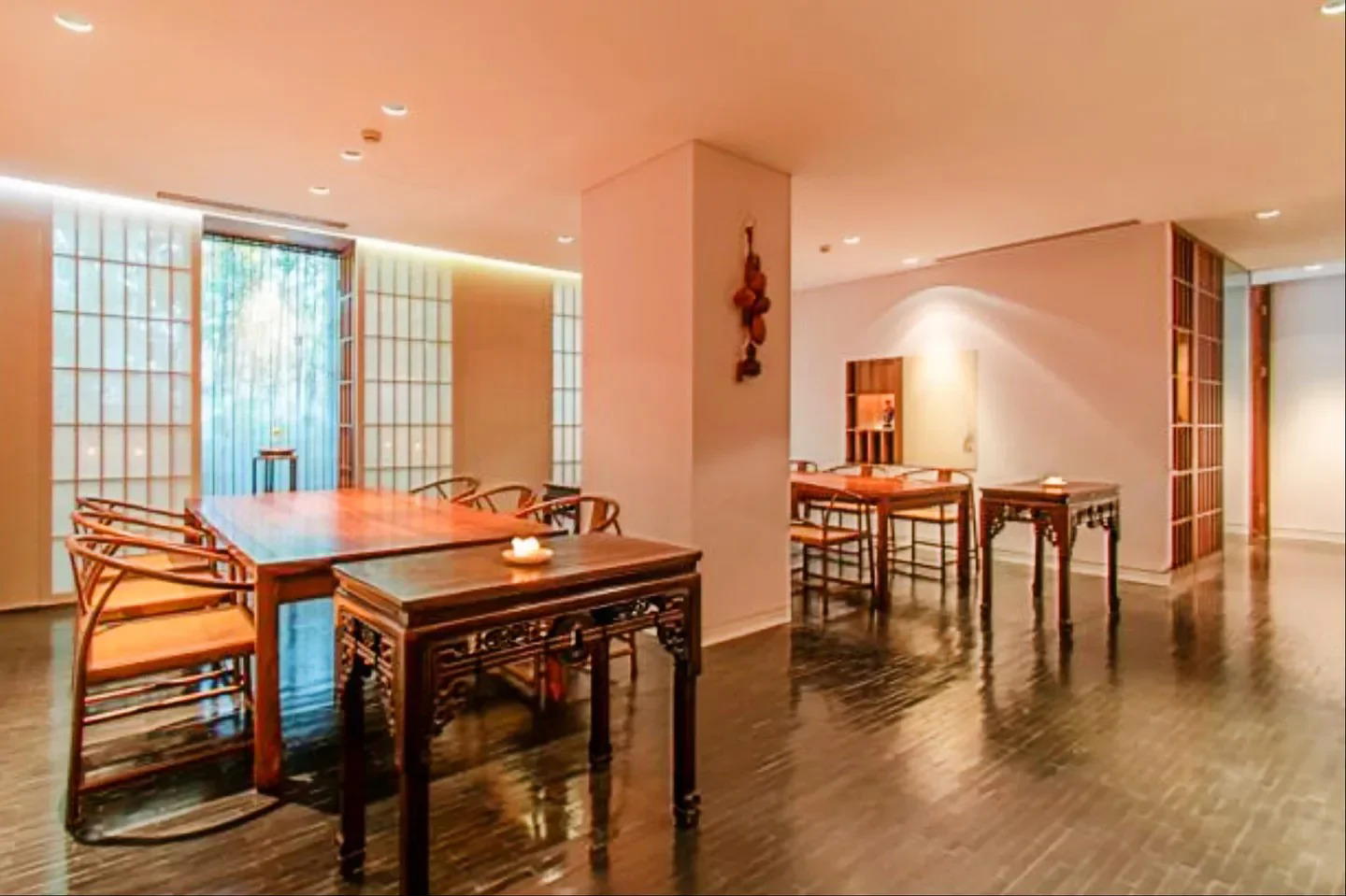
Tranquil and sophisticated oasis with natural light from floor-to-ceiling windows, marble mosaics, and plush carpets evoking timeless elegance.