


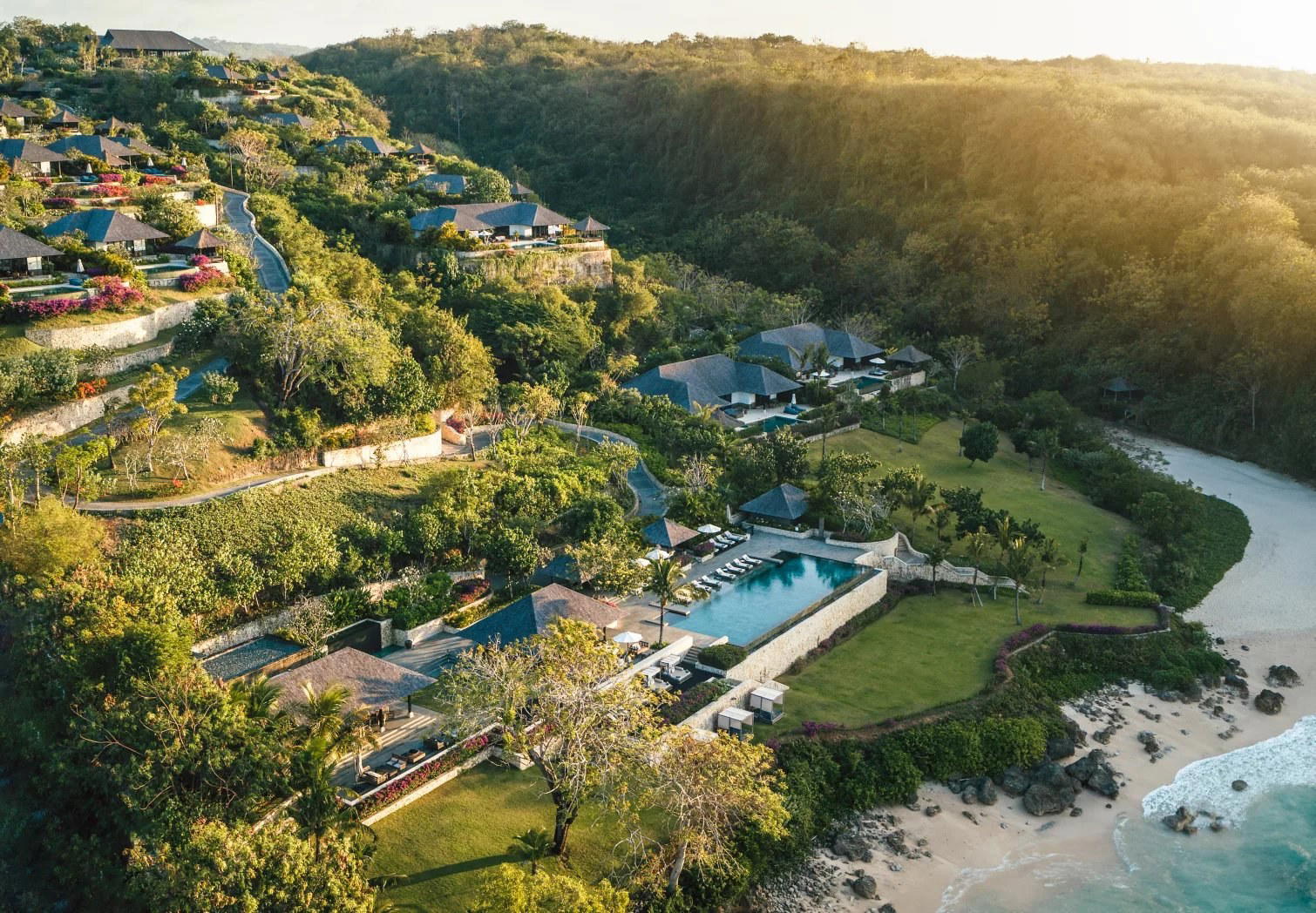
A 111-suite resort on Nusa Dua's Sawangan beachfront, The Mulia earned 93.5 points on the La Liste Top Hotels 2026 list and draws island-wide recognition for its restaurant program, particularly Soleil's Sunday brunch, which locals book out regularly. Butler service, private lagoon suites, and a spa with Asia Pacific's first ice room place it among the area's most-discussed properties.
Pearl is the En Primeur Club membership app — saves, bookings, and concierge access live there. Same editors, same standards.
- Address
- Kawasan Sawangan, Jl. Raya Nusa Dua Selatan Jl. Nusa Dua, Benoa, Kec. Kuta Sel., Kabupaten Badung, Bali 80362
- Phone
- +62 361 3017777
- Website
- themulia.com
- Directions
- Get directions
 Saves & bookings on Pearl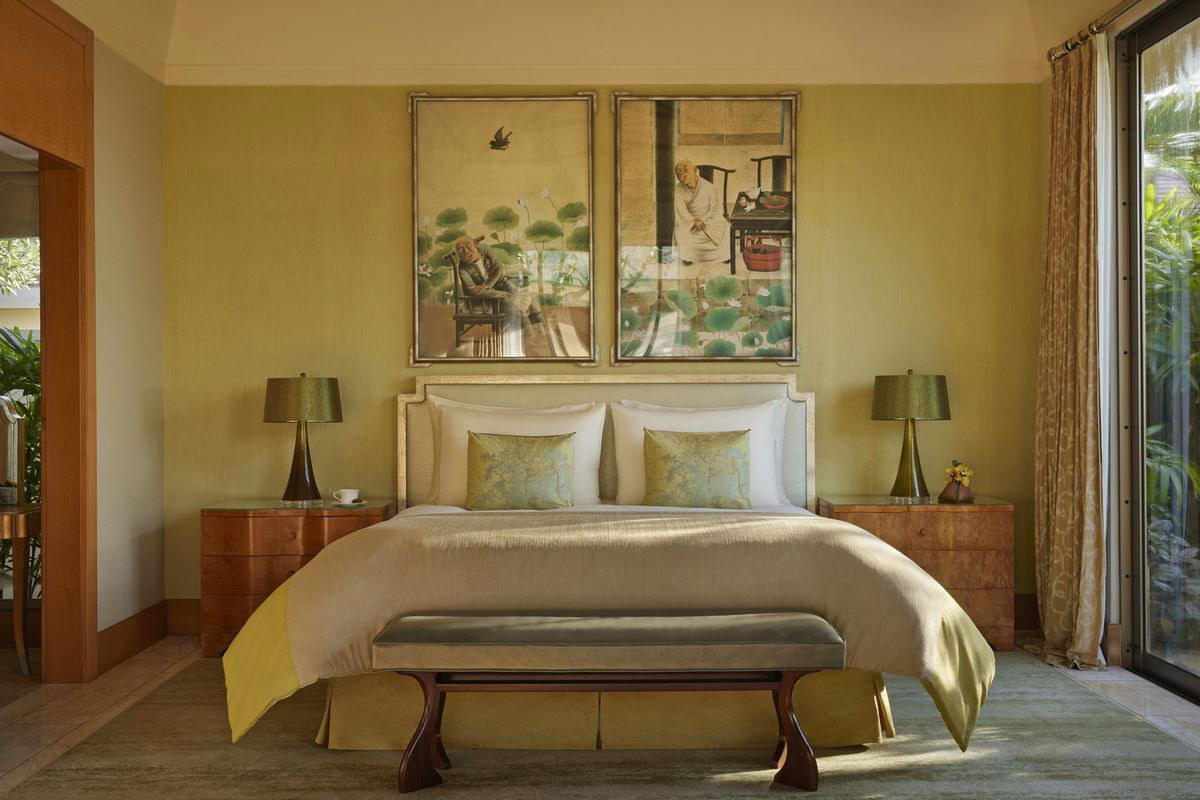
Where Nusa Dua's Resort Strip Sets Its Own Standard
Nusa Dua occupies a specific and deliberate position in Bali's hospitality map. The peninsula was developed as a contained luxury zone, shielded from the commercial density of Seminyak and the cultural intensity of Ubud, designed to offer international-grade resort infrastructure against one of the island's cleaner coastlines. Within that zone, the properties divide broadly into two tiers: large-format resorts with conference facilities and mass-market amenities, and a smaller cohort that competes on suite quality, food programming, and spa depth. The Mulia sits in that second group, scoring 93.5 points on the La Liste Leading Hotels 2026 list and drawing a guest profile that returns as much for the restaurants and wellness facilities as for the beach.
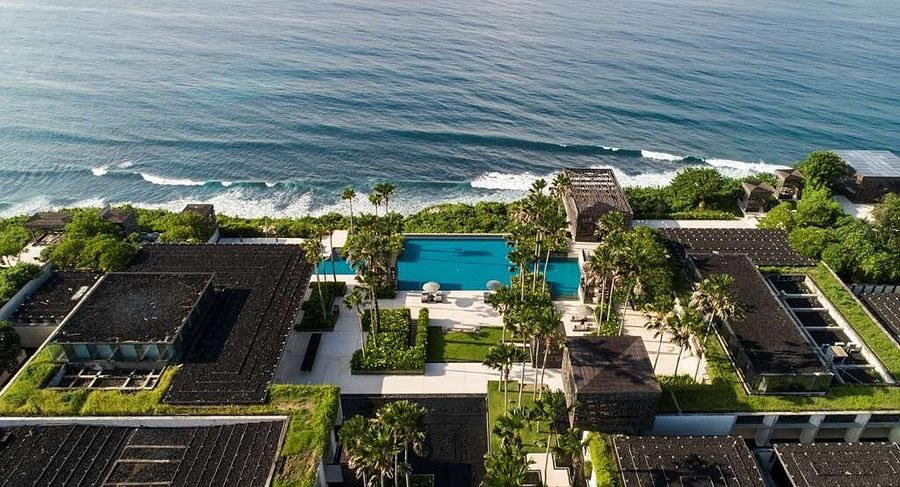
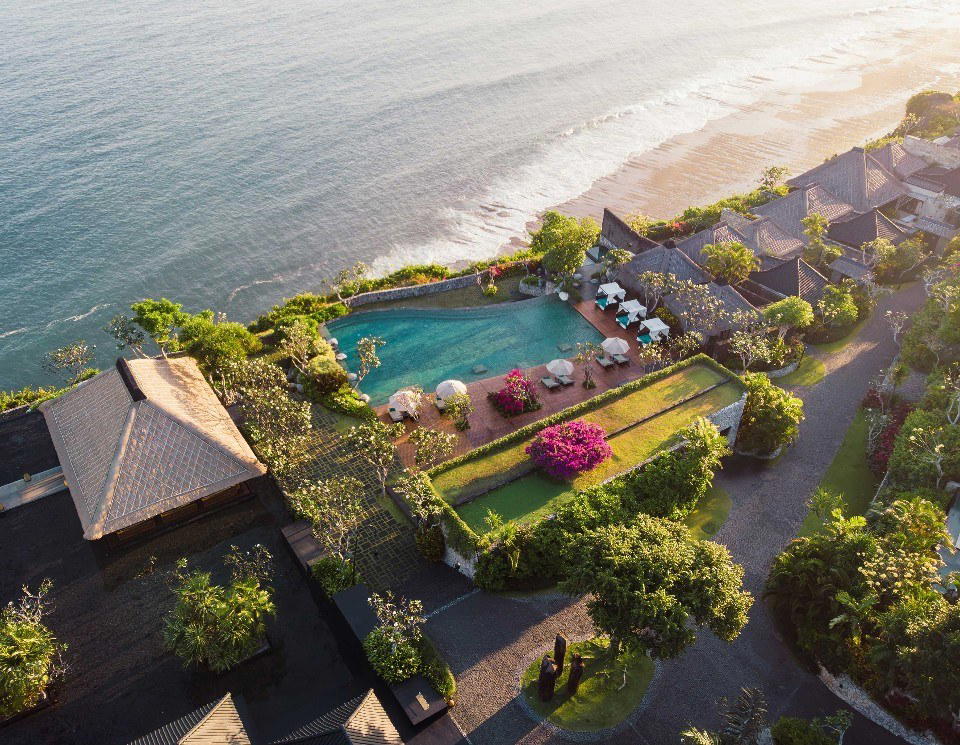
The approach from Jalan Raya Nusa Dua Selatan announces the property's scale immediately. The resort's architecture projects confidence rather than intimacy, unlike the low-key, design-led format favored by properties like THE BALÉ Nusa Dua or Aman Villas at Nusa Dua. The Mulia leans into grandeur: gold-accented interiors, Oriental art on the walls, and a suite count of 111 rooms that gives it a different rhythm from its more intimate neighbors. Where Mulia Villas (its sister property) offers a villa-style seclusion, The Mulia operates as a full resort ecosystem, one where the Oasis beachfront pool, the spa complex, and the restaurant lineup each carry their own editorial weight.
The Food Program: Local Credibility in a Resort Setting
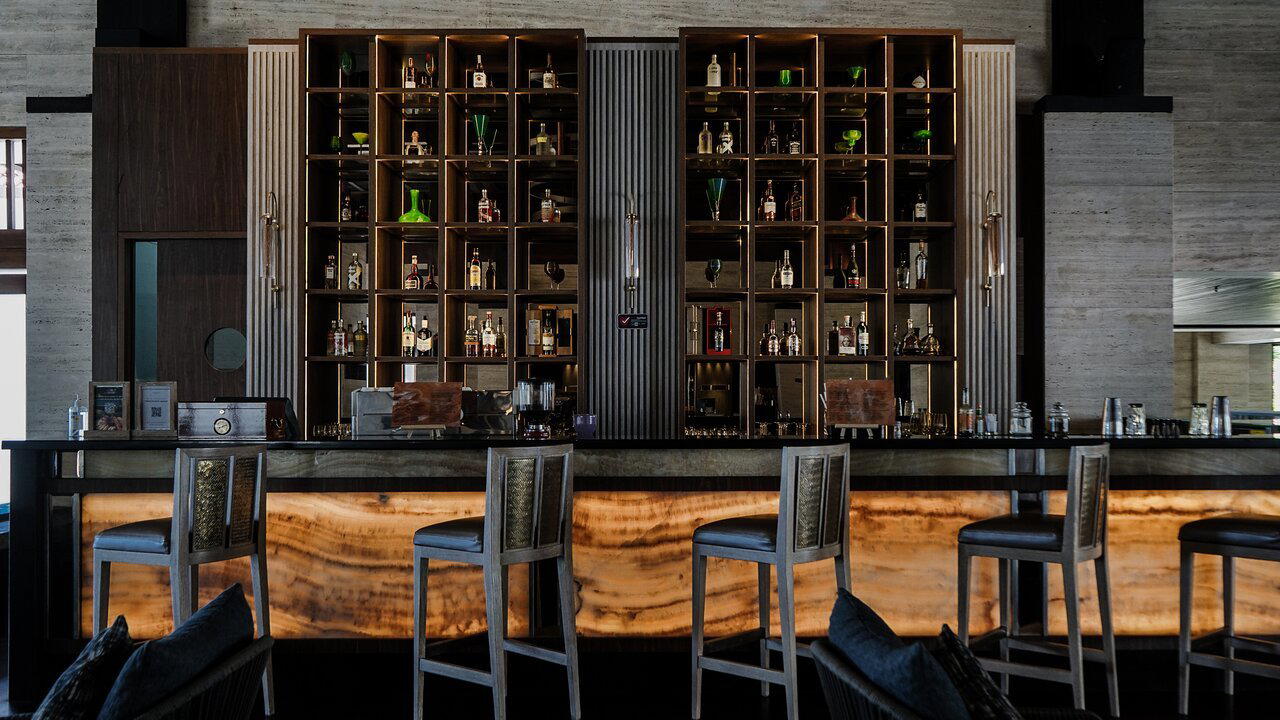
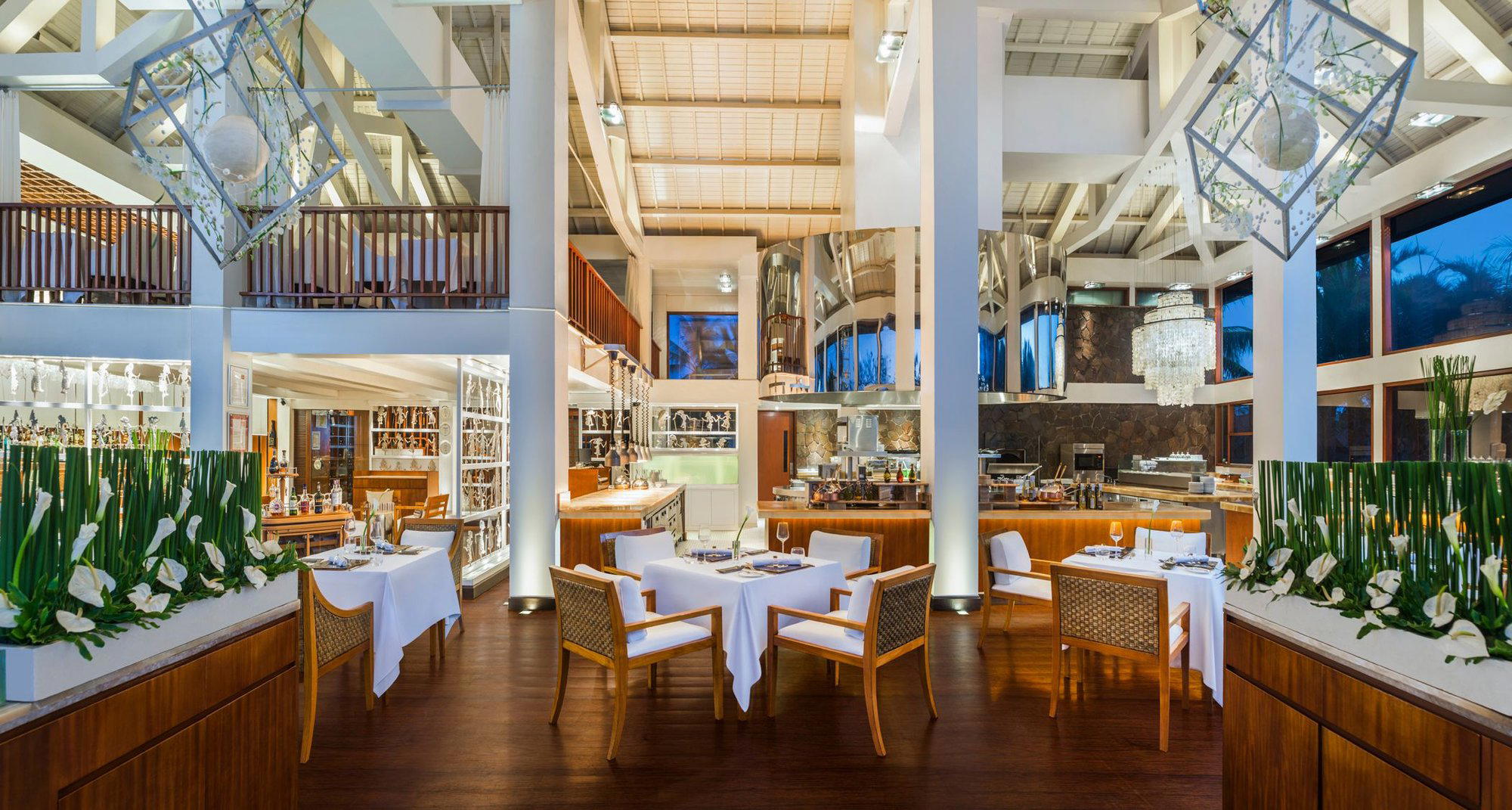
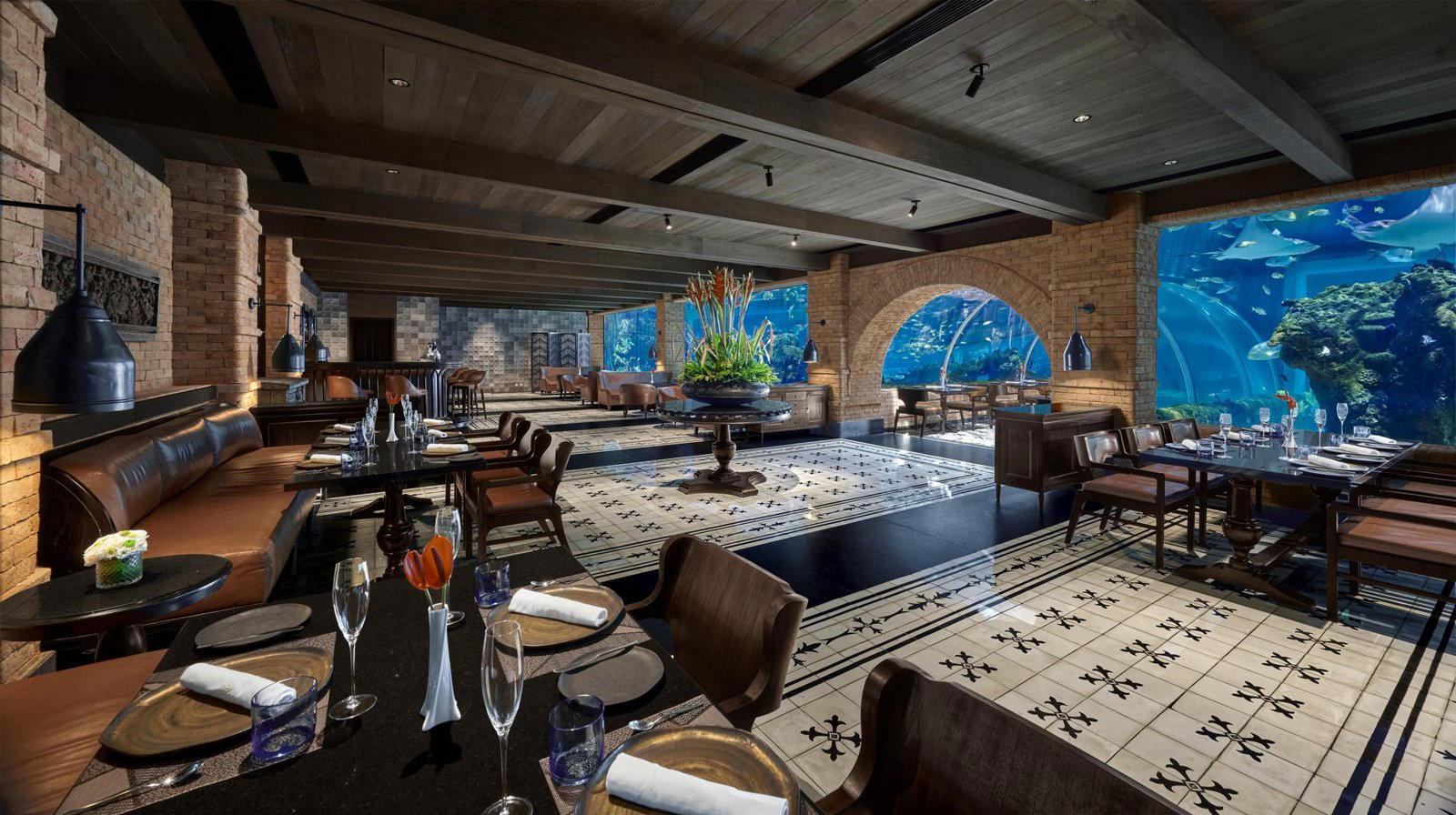
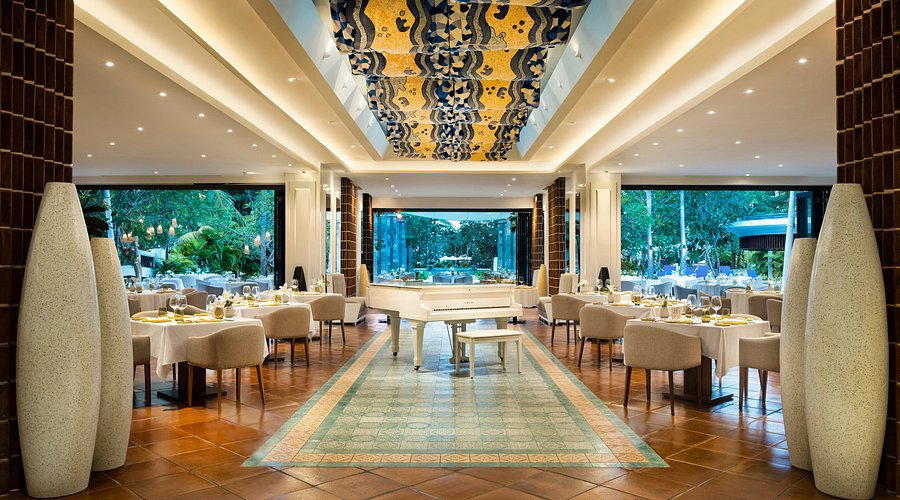
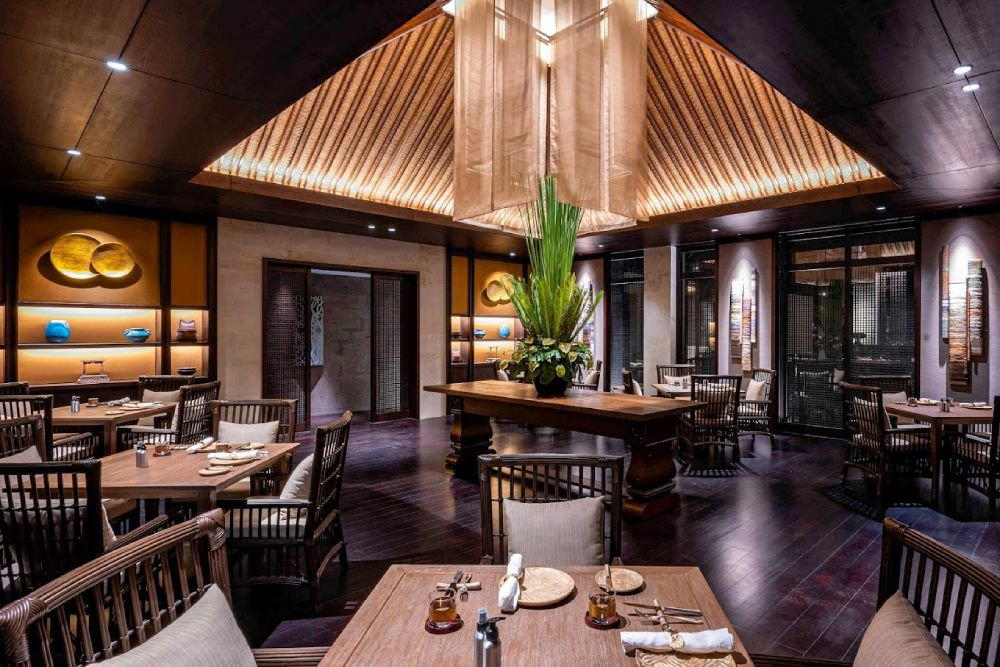
In Bali's resort dining scene, the gap between in-house restaurants that serve captive guests and those that draw independent bookings from locals is significant. Most large resorts fall firmly in the first category. The Mulia operates in both simultaneously, which is the more telling credential. Soleil's Sunday brunch draws strong local demand, with reservations often booked well ahead of time.
That kind of cross-market pull in Bali's dining scene is earned slowly. The island has a food culture that is both deeply rooted in its own traditions and increasingly sophisticated about international technique. Resorts that manage to serve both communities simultaneously tend to do so through sourcing discipline and kitchen consistency, not just through setting or format. Nusa Dua's position as Bali's established luxury corridor means that the pressure on resort food programs here is higher than in more casual coastal areas. Guests arriving from properties like The Ritz-Carlton, Bali, Conrad Bali, or Sofitel Bali Nusa Dua Beach Resort carry expectations shaped by those peer properties, and repeat visitors across the zone compare notes. The Mulia's food reputation, in that context, is not a small thing.
The Spa as Infrastructure, Not Afterthought
Bali's wellness economy is one of the deepest in Southeast Asia, spanning everything from village-level herbal treatments to hotel spas that operate as standalone destination draws. At The Mulia, the spa program occupies the latter category. The Wellness Suite at Mulia Spa includes a Finnish sauna, an aroma steam room, and a chromatherapy light therapy system. The detail that separates it within its regional competitive set is the ice room with a crystal ice fountain.
For guests exploring Bali's broader wellness geography, the contrast is instructive. Properties like Bambu Indah in Banjar Badung and Desa Seni Baturiti in Tabanan approach wellness through nature immersion and traditional practice. Batur Natural Hot Spring in Kintamani offers geothermal treatments rooted in local geography. The Mulia's spa operates at a different register entirely, technically appointed, climatically controlled, and built around contrast therapy principles that align it more closely with European spa methodology than with Balinese tradition. Which format suits a given guest depends entirely on what they are looking for; both are legitimate, and the distinction matters when planning a trip.
The Suites: Three Tiers, One Consistent Logic
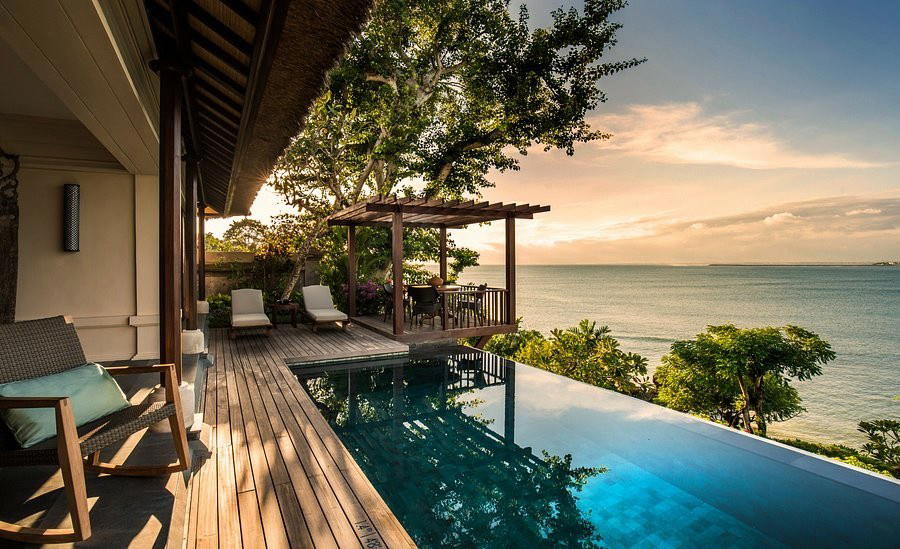
Luxury resort accommodation in Bali divides between villas with private pools and hotel-format suites with high-end finishing. The Mulia's 111 suites operate in the second category, organized across three tiers: Baron, Earl, and Marquess. The finishing logic runs consistently through all three: gold-accented interiors, beds dressed in up to 1,000-thread-count linen, Oriental art placements, and glass sliding doors opening to private patios. The majority of suites face the Indian Ocean; the remainder look toward the resort gardens. Two-bedroom configurations add a full living room and dining area to the above.
Bathrooms across the suite range feature marble double-sink vanities and high-tech toilet fixtures, the kind of detail that matters to guests comparing notes across Nusa Dua's upper tier. The suite format here differs meaningfully from the villa model at Samabe Bali Suites and Villas or the design-forward rooms at Hilton Bali Resort, and the choice between them reflects what a guest prioritizes: private outdoor space and seclusion versus a larger, more decorated interior with direct beach proximity.
Beyond the Compound: Location and Access
Nusa Dua's reputation as Bali's contained luxury zone has historically come with a trade-off: relative distance from the island's cultural and commercial centers. The Mandara toll road, which spans the Gulf of Benoa, has reduced that friction meaningfully, cutting travel time between Nusa Dua and central Bali for guests who hire a taxi or private car. This matters for guests who want to combine resort-based rest with day trips to Ubud, Seminyak, or the temple circuit.
The property's immediate surroundings carry their own cultural weight. Geger Temple is close by, and Uluwatu Temple, positioned on the southern cliffs, sits within reasonable excursion range. For guests interested in Bali beyond the resort envelope, those two sites alone frame a different reading of the island. Further afield, the approaches vary: Mandapa, a Ritz-Carlton Reserve in Ubud offers a river-valley immersion that sits at the opposite end of the island's experiential spectrum from Nusa Dua's beachfront formality. Nihi Sumba in Sumba represents a further departure for travelers extending their Indonesia trip into less-visited territory. Hotel Komune and Beach Club Bali in Gianyar targets a surf-oriented demographic that shares little overlap with The Mulia's profile.
For guests arriving in Bali at a different price point or aesthetic register, Potato Head Suites and Studios in Seminyak and Desa Potato Head in Denpasar represent the design-culture end of the island's accommodation spectrum, creative, community-oriented, and deliberately anti-resort in format. The Mulia is none of those things, and it does not try to be.
Family Programming and Water Access
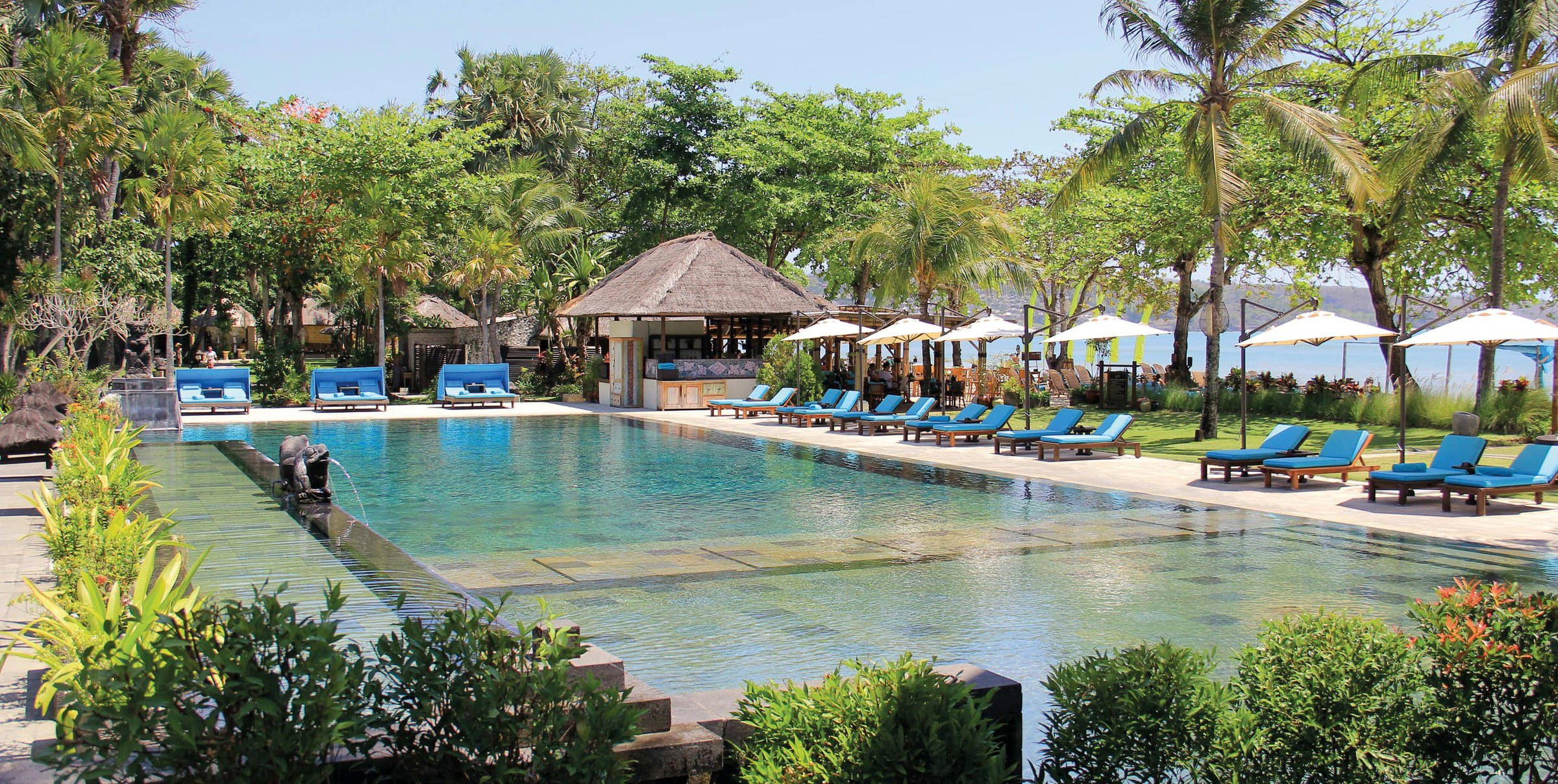
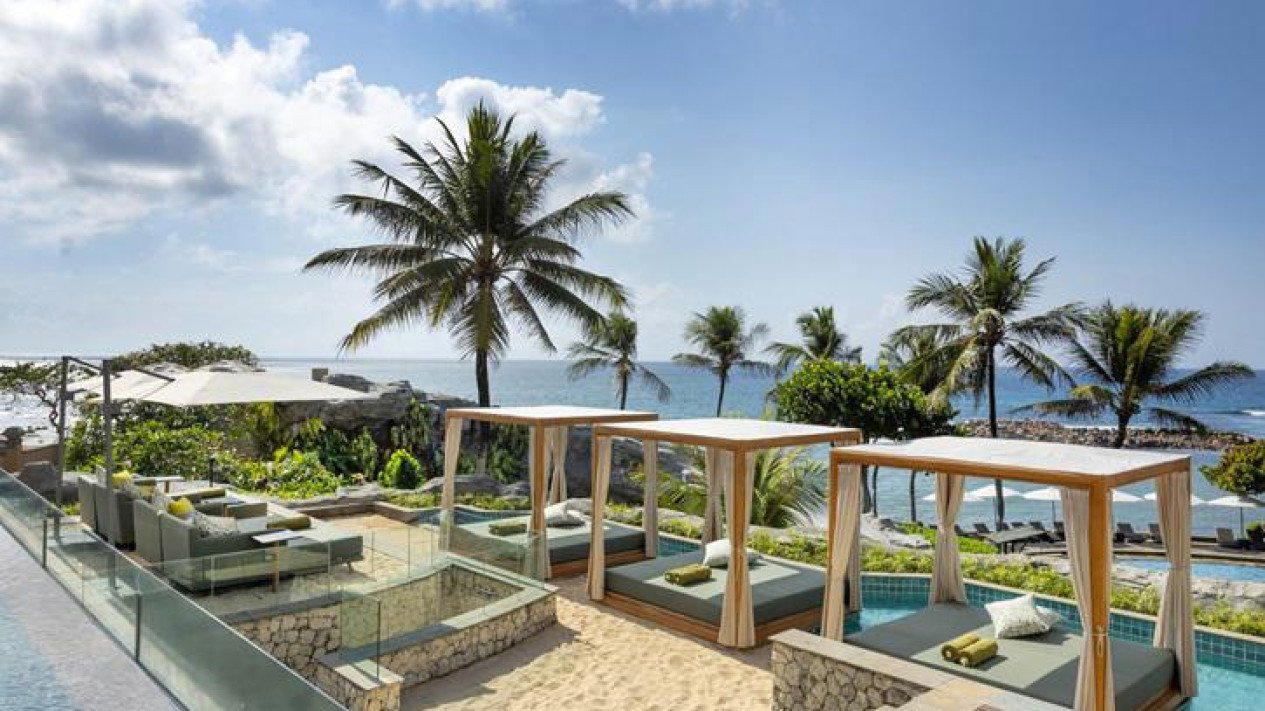
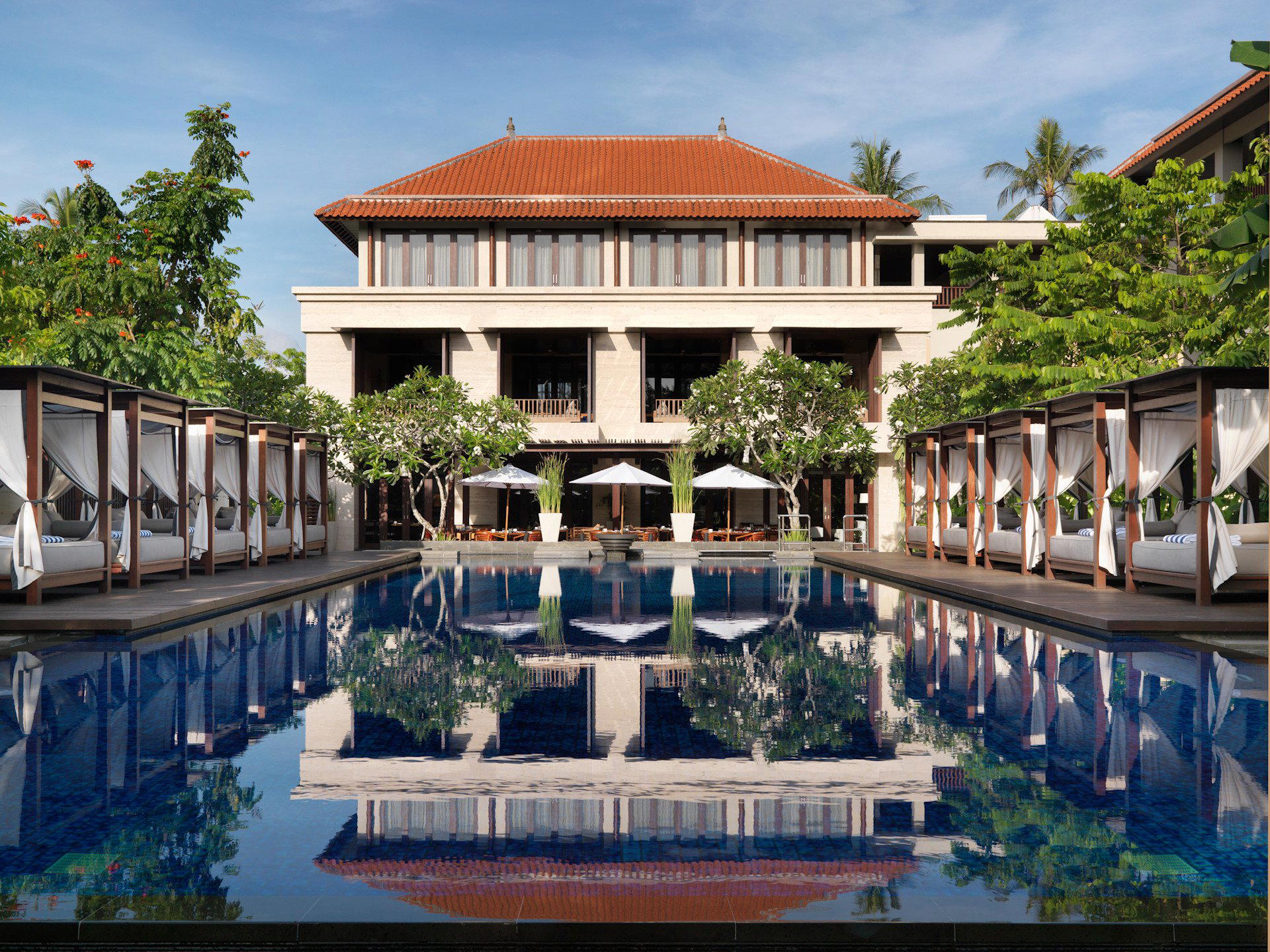
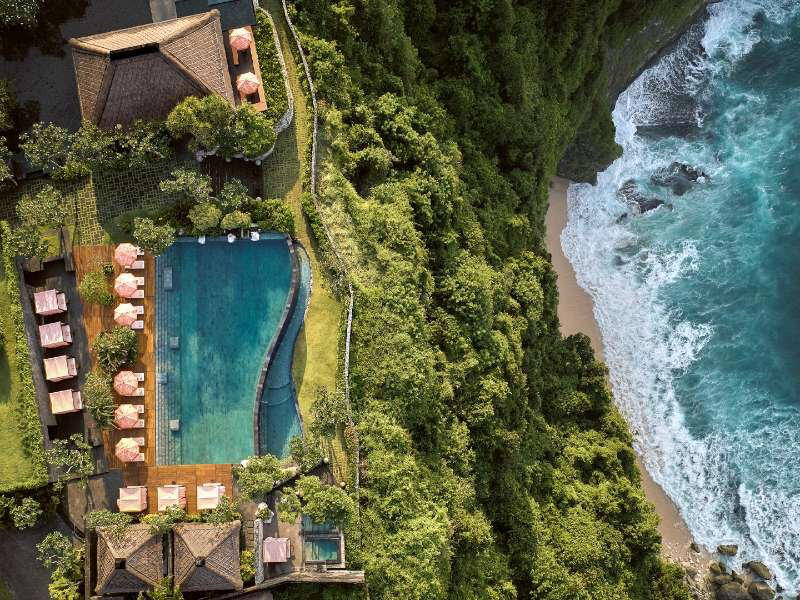
The resort's family offering runs alongside its luxury positioning rather than compromising it. Stand-up paddleboarding excursions, an open-air games space, and a splash pool with waterslides extend the property's usable surface for guests traveling with children. Canoeing is also available for guests who want structured water activity without committing to open-ocean sports. The Oasis beachfront pool provides the alternative: a calmer, more adult-oriented space suited to lap swimming or extended cabana time on Nusa Dua's white sand beach, which the resort accesses directly. Butler service operates across the suite categories, providing the kind of logistical support that makes the multi-generational format more manageable than it sounds on paper.
Planning Your Stay
The Mulia sits on Kawasan Sawangan, Jalan Raya Nusa Dua Selatan, in the Benoa district of South Kuta. Access from Ngurah Rai International Airport via the Mandara toll road is the standard route. Guests comparing properties at this level in the corridor should weigh suite category carefully: ocean-facing rooms command the clearest case for price, while garden-facing suites offer a quieter option at a different position within the property. For an international comparison of what similar La Liste recognition looks like in a different context, properties like Aman New York, The Fifth Avenue Hotel in New York City, and Aman Venice illustrate how the 93.5-point La Liste benchmark translates across different hospitality formats globally. Alila Villas Uluwatu and Villa Waru Nusa Lembongan round out the Bali picture for guests wanting to contrast cliff-leading or island-adjacent settings against Nusa Dua's beachfront formality.
Category Peers
Comparable venues nearby, for context on price, style, and recognition.
| Venue | Cuisine | Price | Awards | Notes |
|---|---|---|---|---|
| The Mulia - Nusa Dua, BaliThis venue — the venue you are viewing | All-suite luxury beachfront resort with traditional Balinese architectural influences and modern ornate interiors. | $$$$ | 5-Star | Not listed |
| Hilton Bali Resort | Luxury beachfront resort with tropical gardens and cliffside location | $$$$ | 5-Star | Nusa Dua |
| Sofitel Bali Nusa Dua Beach Resort | Luxurious beachfront resort blending French elegance with Balinese heritage | $$$$ | 5-Star | Nusa Dua |
| The Ritz-Carlton, Bali | Luxury beachfront resort with private villas and pool-access suites amid tropical gardens. | $$$$ | 5-Star | Nusa Dua |
| Samabe Bali Suites & Villas | luxurious cliffside resort blending contemporary and traditional Balinese elements | $$$$ | 5-Star | Nusa Dua |
| Aman Villas at Nusa Dua | Balinese luxury villas with private pools and gardens | $$$$ | 5-Star | Nusa Dua |
Recognition history
Dated appearances from independent guides and award organizations, with the underlying list record or original source where available.
Forbes 5-Star
Forbes
La Liste Top Hotels
La Liste
Travel + Leisure 100 Favorite Hotels in the World #14 · No. 14
Travel + Leisure · 2026 Travel + Leisure 100 Favorite Hotels in the World
Forbes 5-Star
Forbes
Travel + Leisure 100 Favorite Hotels in the World #24
Travel + Leisure
At a Glance
- Elegant
- Sophisticated
- Ornate
- Romantic
- Scenic
- Honeymoon
- Romantic Getaway
- Family Vacation
- Beachfront
- Infinity Pool
- Private Villa
- Butler Service
- Panoramic View
- Pool
- Spa
- Fitness Center
- Room Service
- Concierge
- Kids Club
- Beach Access
- Wi Fi
- Waterfront
- Garden
- Pool
- Spa
- Fitness Center
- Room Service
- Concierge
- Kids Club
- Beach Access
- Wi Fi
Serene and luxurious with natural light from expansive ocean-view balconies, plush interiors, and a tranquil atmosphere praised for pristine cleanliness and attentive service.