
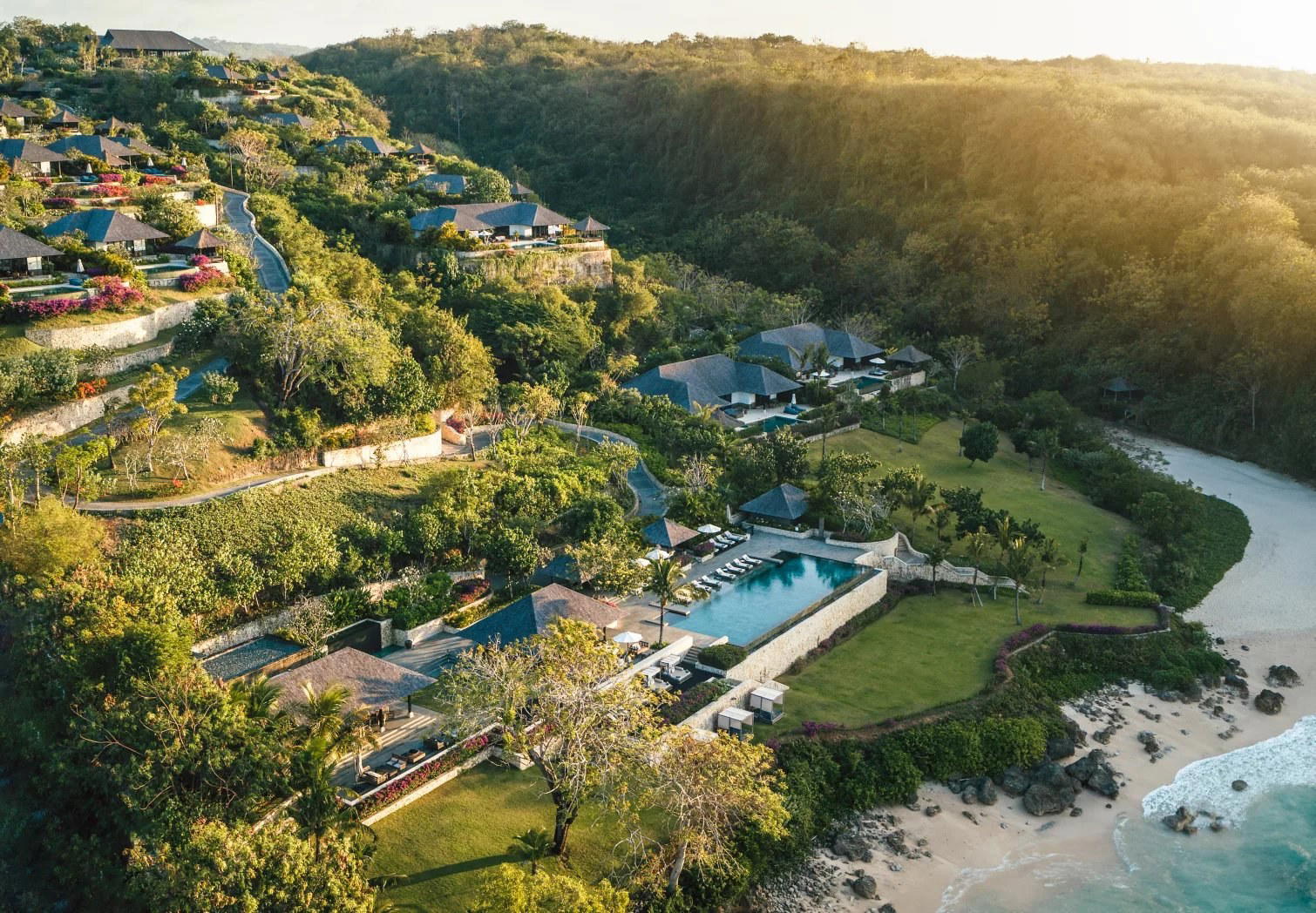
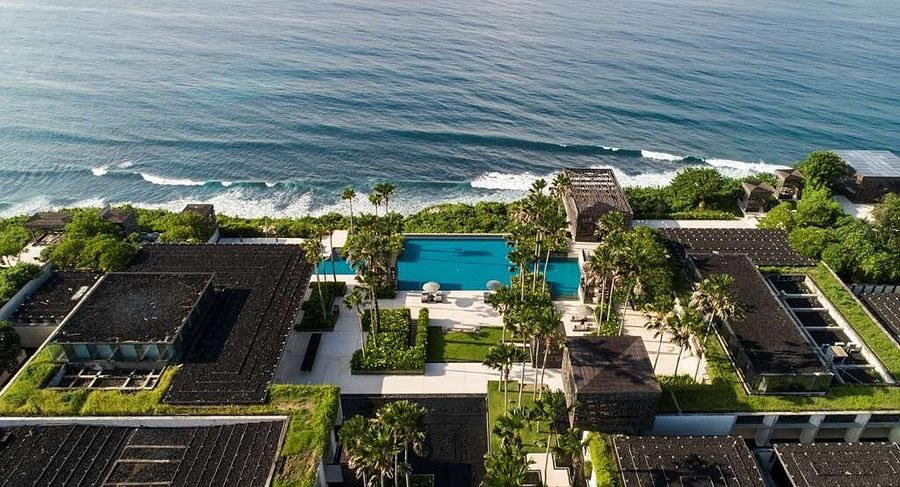
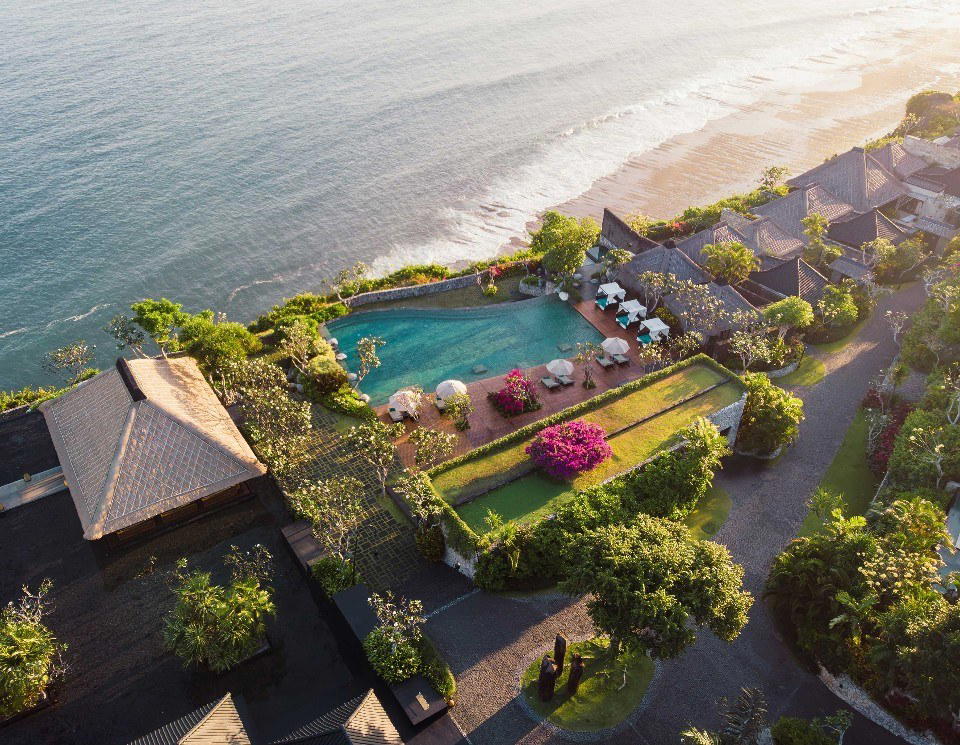
Spread across nearly 75 acres in the hills of Nusa Dua, Mulia Villas operates at the scale and seriousness of a full destination retreat. Private villas with hydrotherapy pools, more than 100 specialist chefs across nine dining outlets, six shared pools, and seven included daily activities make it one of the more comprehensively programmed luxury properties on Bali's southern peninsula.
Pearl is the En Primeur Club membership app — saves, bookings, and concierge access live there. Same editors, same standards.
- Address
- Kawasan Sawangan, Jl. Raya Nusa Dua Selatan Jl. Nusa Dua, Benoa, Kec. Kuta Sel., Kabupaten Badung, Bali 80362
- Phone
- +62 361 8467777
- Website
- themulia.com
- Directions
- Get directions
 Saves & bookings on Pearl
Where Nusa Dua's Resort Scale Meets Villa Privacy
Nusa Dua's southern peninsula has long attracted large-format luxury resorts, and the properties here compete less on neighbourhood character than on the depth and discipline of their on-site offering. Within that competitive set, which includes The Ritz-Carlton, Bali, Conrad Bali, and Sofitel Bali Nusa Dua Beach Resort, Mulia Villas occupies a specific position: an all-villa property attached to the broader Mulia resort complex, offering private-garden living at a scale most villa resorts in Indonesia do not attempt. The property's footprint means the property reads less like a hotel with villa suites appended and more like a discrete compound with its own programming logic.
The distinction matters for how guests experience the place. Villa guests at Mulia operate within a layered system: access to the restaurants and bars that serve the wider The Mulia complex sits alongside the villa-exclusive Living Room restaurant, which functions as the property's most intimate dining address. That separation of dining access by guest tier is a deliberate design choice, one that increasingly defines how large-format Bali luxury resorts manage the gap between guests seeking resort amenities and those seeking seclusion.
The Wellness Architecture
Across Bali's luxury resort segment, wellness programming has moved from an amenity list to a structural commitment, with properties now differentiated by how coherently their fitness, spa, and activity offerings connect into a daily rhythm rather than sitting as optional add-ons. Mulia Villas addresses this through inclusion rather than upselling: activities are built into the room rate, which shifts the psychological framing of the stay from resort holiday to structured retreat.
The fitness infrastructure supports that framing. The on-site gym operates with a staff of trainers alongside yoga and Pilates instructors, positioning it closer to a dedicated wellness facility than the equipment-room-with-a-view that many resort gyms amount to. For guests who arrive with a training routine they want to maintain or a wellness goal they want to pursue, this kind of staffed programming is the relevant differentiator, not pool count or room size.
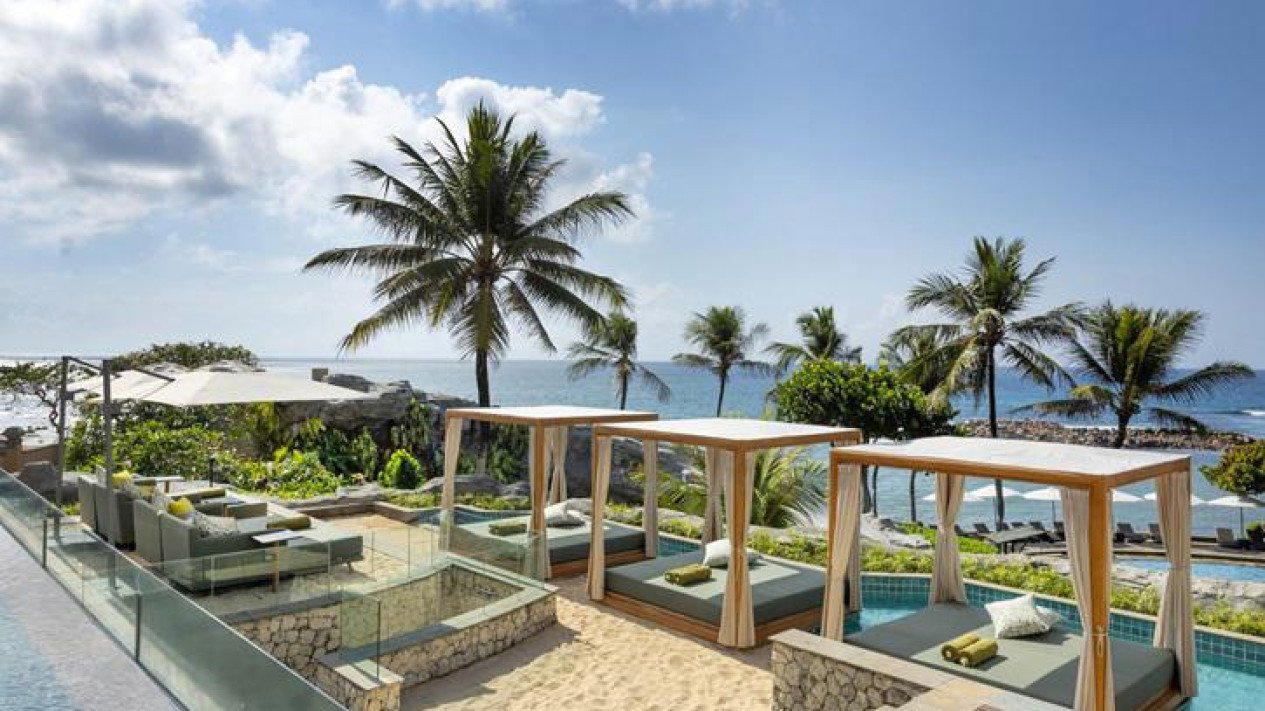
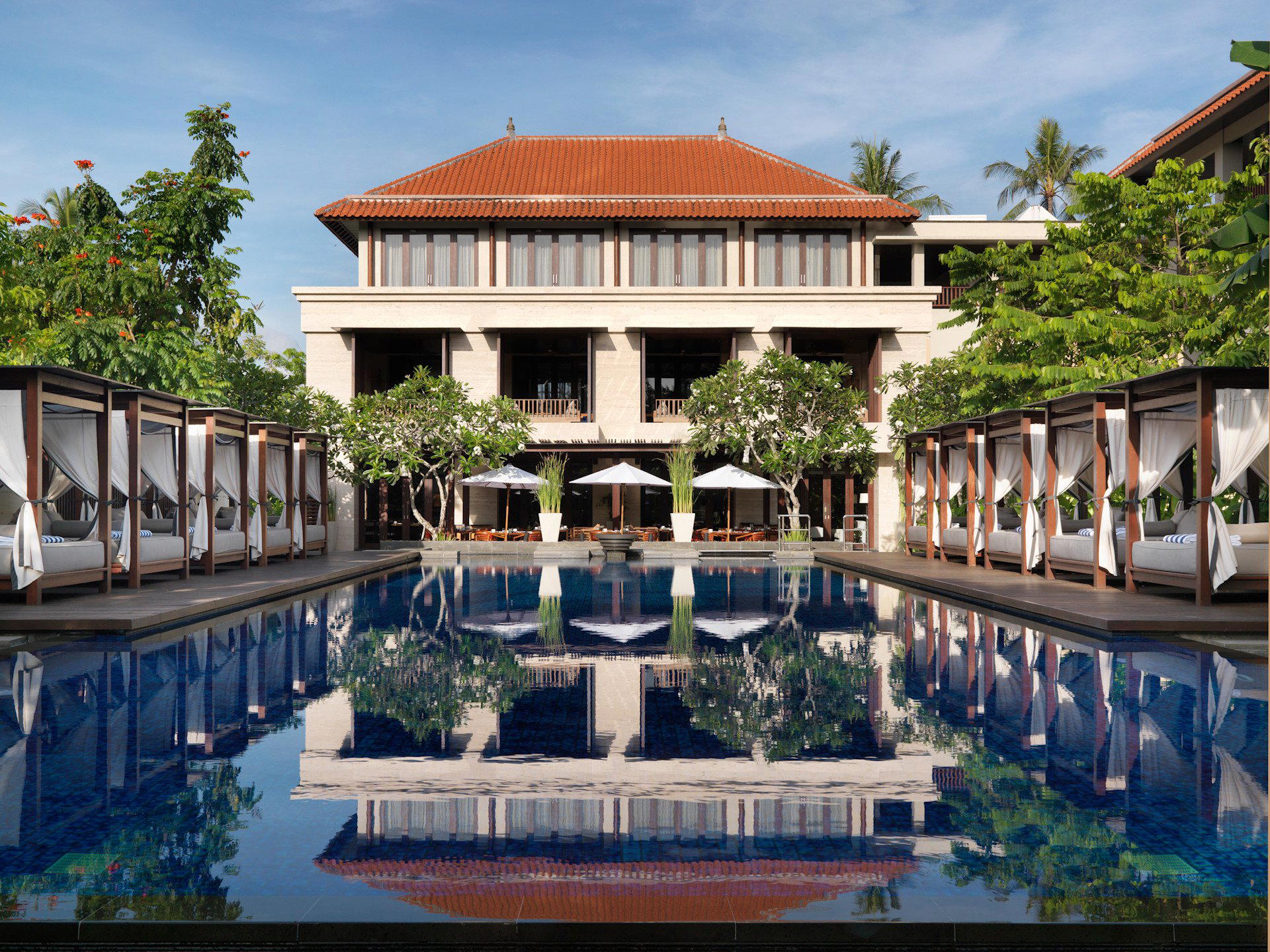
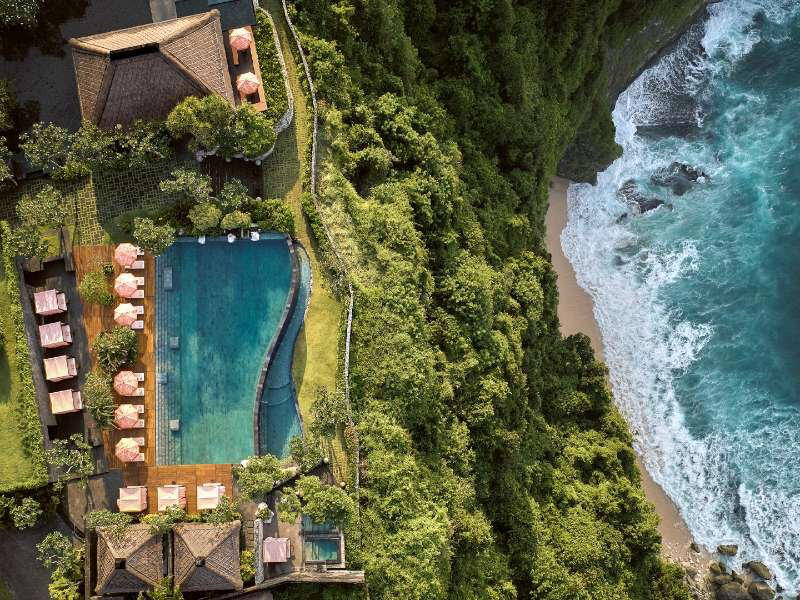
Six pools across the property, including the private hydrotherapy pool within each villa's garden, give guests genuine choice about how they take their leisure. The distinction between hydrotherapy access at a villa level versus a shared spa facility is not trivial: it means water therapy sessions happen on the guest's schedule, without booking windows or shared spaces. This model of bringing the treatment infrastructure directly into the accommodation unit is something smaller boutique properties in Bali, like Bambu Indah in Banjar Badung or Desa Seni Baturiti in Tabanan, pursue through a different design vocabulary; at Mulia Villas, it arrives at larger scale and higher specification.
Guests less oriented toward fitness but drawn to restorative programming will find the complimentary high tea a different kind of daily anchor. Served in the Living Room or The Lounge, it offers a daily tea service, which is a small but meaningful curatorial decision. In a resort environment, the presence of a daily ritual with cultural specificity tends to do more for the sense of place than a generic amenity package would.
The Villas and What They Contain
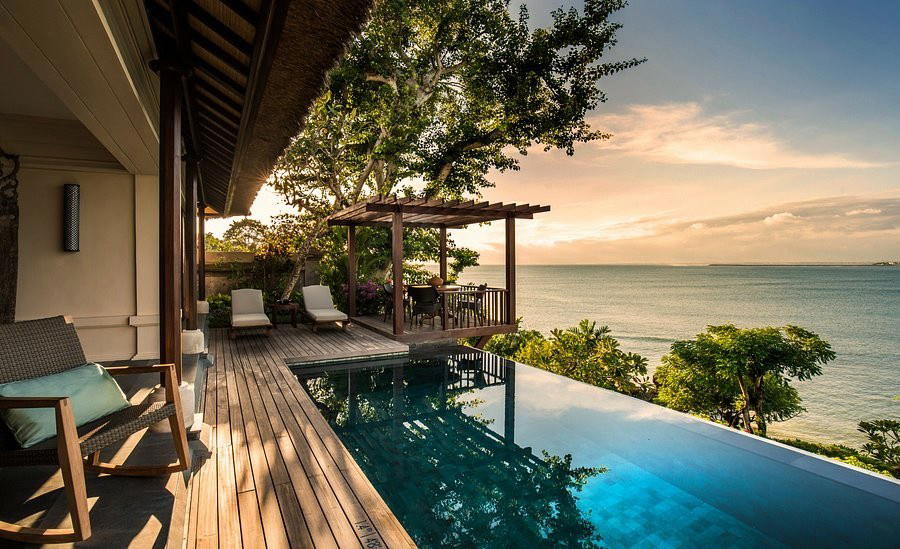
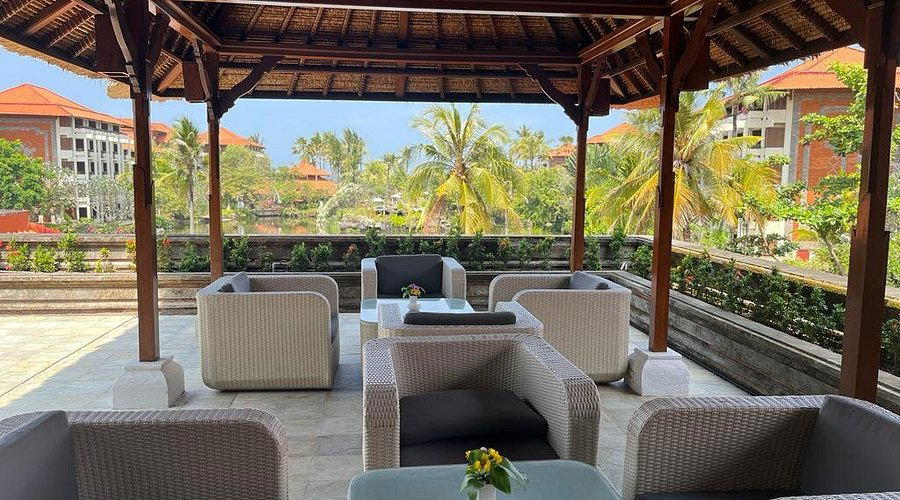
The villa range runs from a single bedroom up to the six-bedroom Mulia Mansion, each unit set within its own garden with the hydrotherapy pool and a separate Balinese-style pavilion. The pavilion structure, common in higher-end Balinese villa architecture, creates a physical distinction between indoor air-conditioned living and an outdoor space designed for habitation rather than just transition. At Mulia Villas, every door opens to the exterior, which means the interface between inside and outside is more continuous than the term 'indoor-outdoor living' usually delivers in practice.
The design registers as classically luxurious with Balinese detailing rather than the more austere contemporary direction taken by properties like Aman Villas at Nusa Dua or THE BALÉ Nusa Dua. Bathrooms include indoor and outdoor shower options plus a Jacuzzi tub, which places them in a tier of bathroom specification that competes with comparable Nusa Dua addresses. The result is comfortable without being minimalist, detailed without being cluttered.
Dining Across Nine Outlets
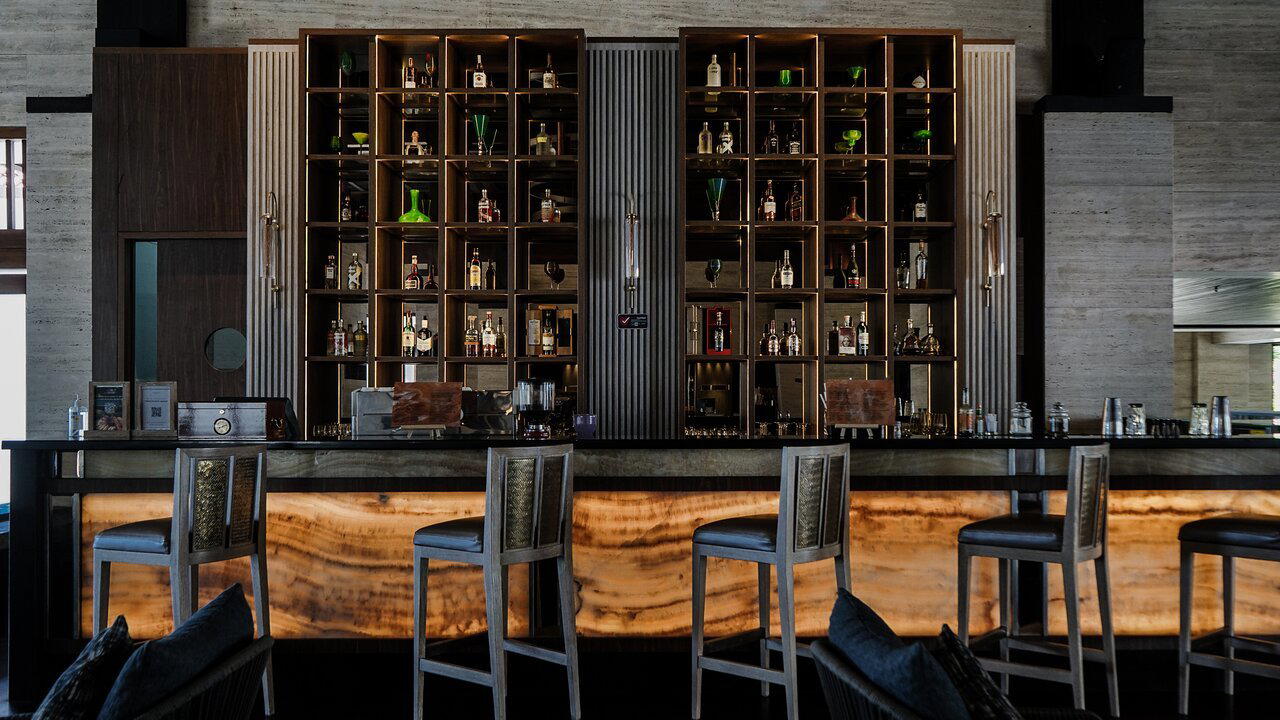
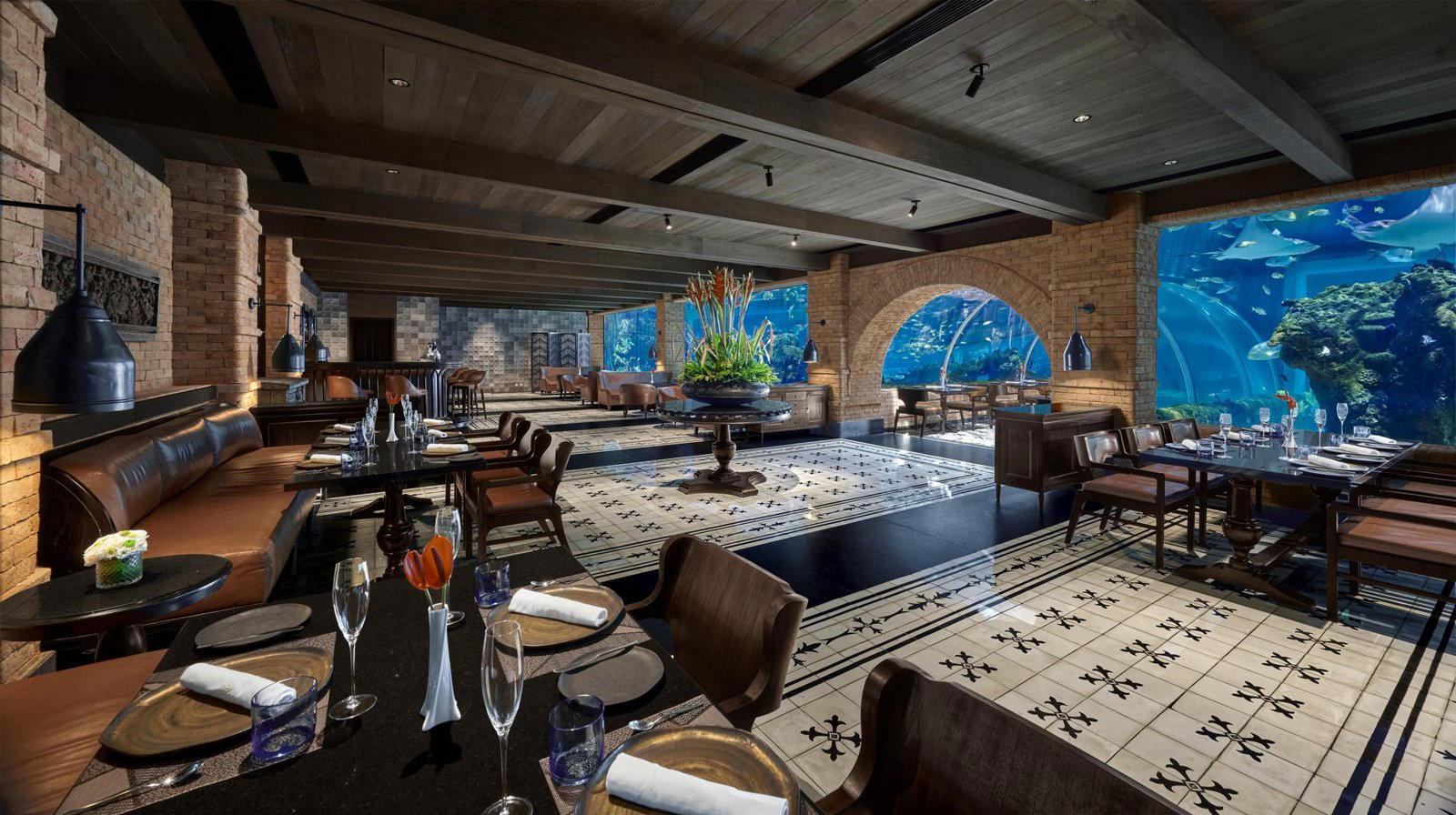
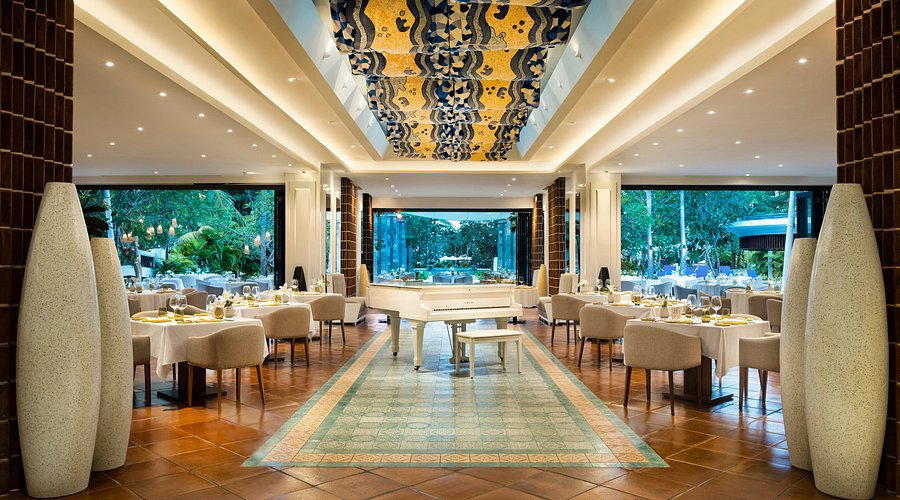
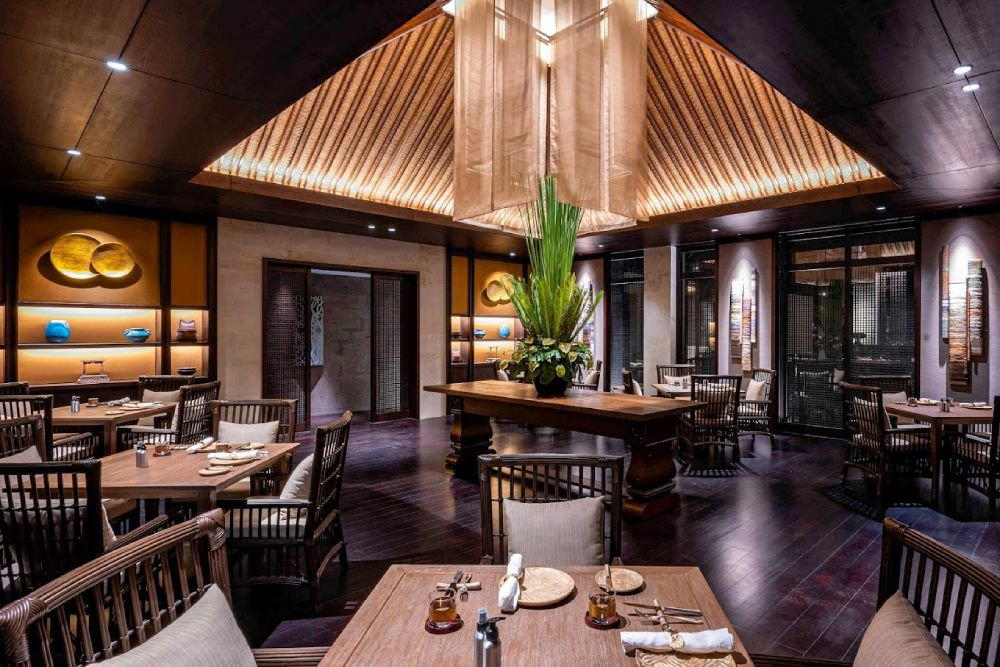
Culinary operation at Mulia Villas reflects a model that major resort complexes in Southeast Asia have developed over the past two decades: staffing a kitchen team large enough to genuinely specialise rather than offer pan-Asian generalism. More than 100 chefs across the complex represent cuisines from Korea, Japan, China, France, Thailand, Vietnam, and America. For properties that take this approach seriously, the result is a dining programme that can meaningfully compete with standalone restaurants in those cuisines rather than offering resort approximations.
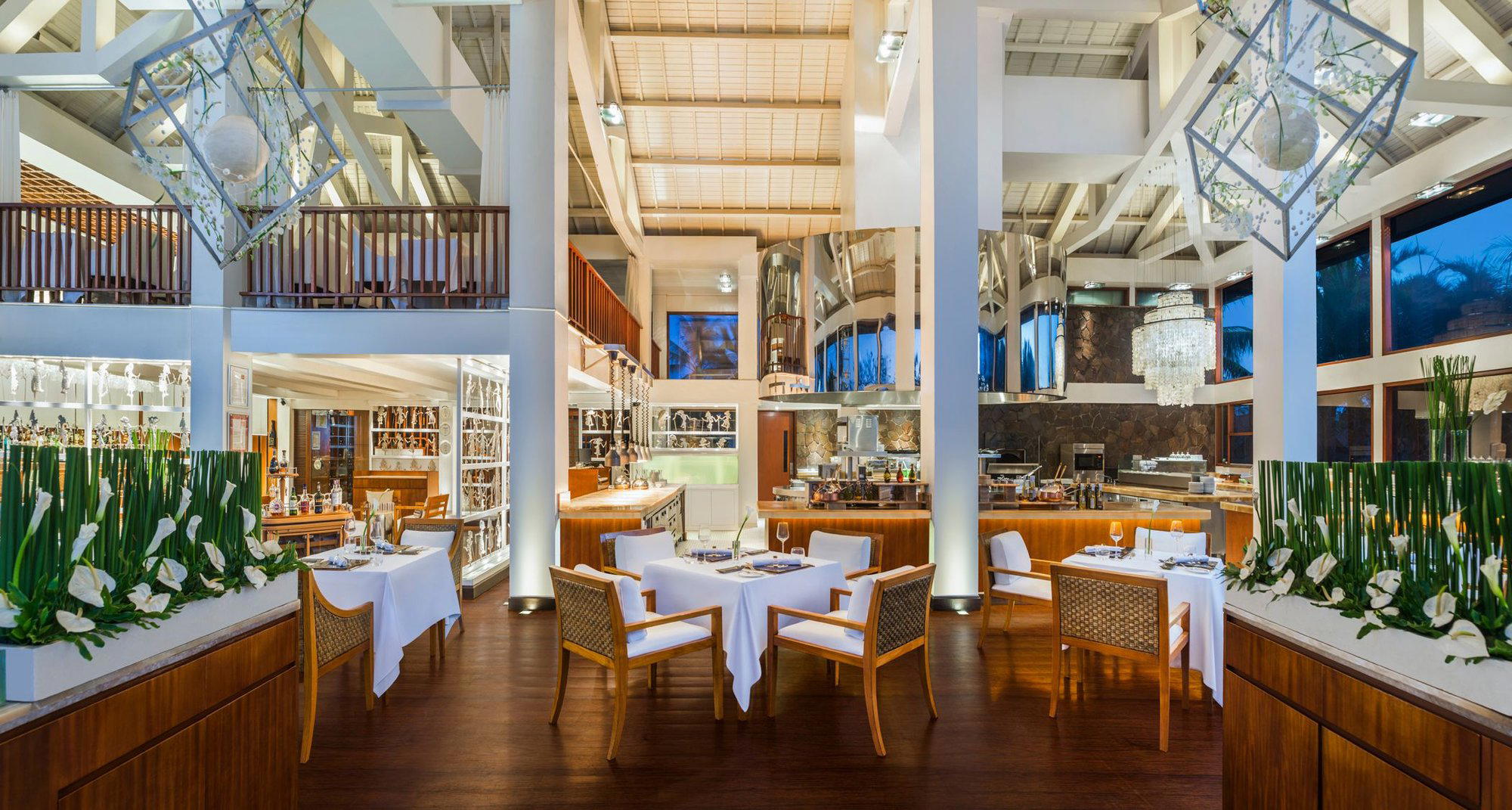
Villa guests have access to all nine outlets, which covers a range of formats and formalities. The Living Room, available exclusively to villa guests, represents the property's most private dining format, which matters for guests whose preference is to avoid shared dining rooms entirely. For families or groups occupying the larger villas, the combination of private-pool dining, Living Room access, and the wider complex gives enough variation to sustain a week-long stay without repetition.
Nearby Geger Beach, reached by a five-minute buggy ride or on foot, adds an off-property option that the setting naturally provides. The beach is known for its white sand peninsula and the absence of motorised water sports, which keeps the environment notably quieter than the more developed stretches of Nusa Dua coastline. That tranquility aligns with the retreat orientation of the property rather than working against it.
Where It Sits in the Wider Bali Market
Bali's luxury accommodation offer has broadened considerably, ranging from large-format Nusa Dua resort complexes to design-forward boutique properties like Hotel Komune and Beach Club Bali in Gianyar, cultural retreats like Mandapa, a Ritz-Carlton Reserve in Ubud, and the more remote proposition of Nihi Sumba in Sumba. Mulia Villas competes within the Nusa Dua subset, where the comparable set also includes Samabe Bali Suites & Villas and Hilton Bali Resort.
Within that subset, Mulia Villas claims a specific position through scale of land, depth of dining infrastructure, and the inclusion of wellness programming in the base rate. It is a property designed for guests who want the privacy of a villa stay without giving up the range of facilities that a full resort complex provides, and whose retreat priorities run toward structured physical programming rather than solitude alone. For context beyond Nusa Dua, see our full Nusa Dua restaurants guide, or explore alternatives at Alila Villas Uluwatu in Uluwatu and Potato Head Suites & Studios in Seminyak.
For a different scale of private-villa luxury in Indonesia, Villa Waru Nusa Lembongan in Lembongan Kawan and Batur Natural Hot Spring in Kintamani represent contrasting approaches to the retreat format.
Planning Your Stay
Mulia Villas is located at Kawasan Sawangan on Jalan Raya Nusa Dua Selatan in Benoa, Badung Regency. The Nusa Dua area is a direct drive from Ngurah Rai International Airport, and the enclosed resort zone makes the address direct to reach by pre-arranged transfer. Guests at the Villas are granted access to the full Mulia complex alongside the villa-exclusive facilities.
Credentials Lens
Comparable venues nearby, for context on price, style, and recognition.
| Venue | Cuisine | Price | Awards | Notes |
|---|---|---|---|---|
| Mulia Villas - Nusa Dua, BaliThis venue — the venue you are viewing | Luxury private pool villas harmonizing modern elegance with Balinese charm in terraced design inspired by rice paddies. | $$$$ | 5-Star | Not listed |
| THE BALÉ Nusa Dua | Modernist Balinese pavilions with private gardens and pools | $$$$ | 5-Star | Nusa Dua |
| Sofitel Bali Nusa Dua Beach Resort | Luxurious beachfront resort blending French elegance with Balinese heritage | $$$$ | 5-Star | Nusa Dua |
| Samabe Bali Suites & Villas | luxurious cliffside resort blending contemporary and traditional Balinese elements | $$$$ | 5-Star | Nusa Dua |
| Kimpton Naranta Bali | barefoot luxury lifestyle sanctuary blending Balinese heritage with modern design | $$$$ | 5-Star | Nusa Dua |
| The Apurva Kempinski Bali | Contemporary Javanese palace inspired by Majapahit Kingdom and Balinese temples | $$$$ | 5-Star | Nusa Dua |
Recognition history
Dated appearances from independent guides and award organizations, with the underlying list record or original source where available.
Forbes 4-Star
Forbes
Forbes 4-Star
Forbes
At a Glance
- Romantic
- Elegant
- Sophisticated
- Ornate
- Quiet
- Honeymoon
- Romantic Getaway
- Family Vacation
- Wellness Retreat
- Anniversary
- Beachfront
- Infinity Pool
- Private Villa
- Butler Service
- Pool
- Spa
- Fitness Center
- Room Service
- Concierge
- Tennis Court
- Kids Club
- Beach Access
- Waterfront
- Garden
- Pool
- Spa
- Fitness Center
- Room Service
- Concierge
- Tennis Court
- Kids Club
- Beach Access
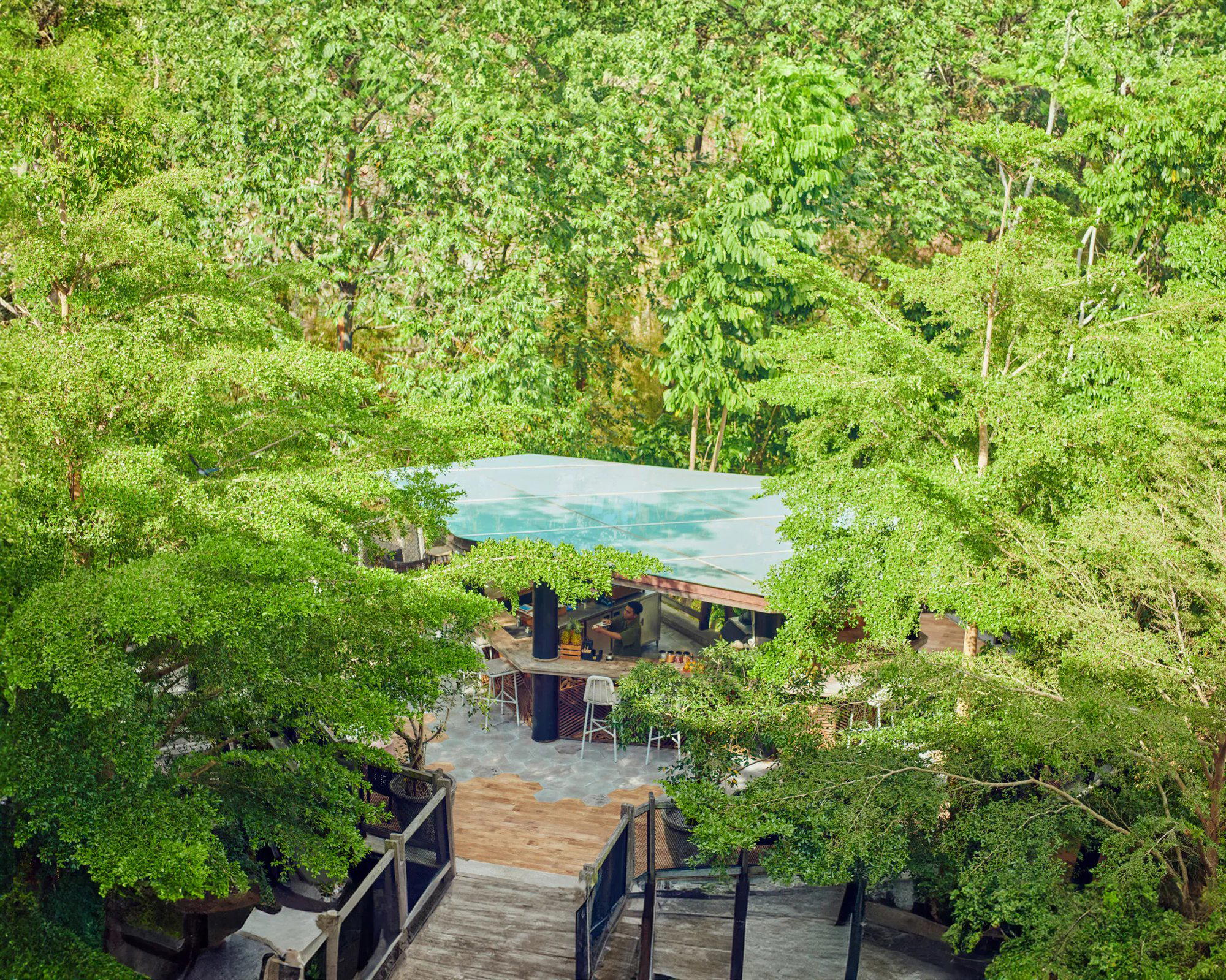
Tranquil and serene with harmonious indoor-outdoor spaces immersed in lush tropical gardens and natural beauty.