
Aman Villas at Nusa Dua sits within one of Bali's most composed resort enclaves, operating under Aman Resorts, a group whose properties consistently occupy the quieter, lower-volume end of the luxury spectrum. The address places guests in the Nusa Dua peninsula's established resort corridor, separated from Seminyak's noise and Ubud's terrain, with Aman's characteristic restraint setting the tone from arrival.
Pearl is the En Primeur Club membership app — saves, bookings, and concierge access live there. Same editors, same standards.
- Address
- Jl. Nusa Dua, Benoa, Kec. Kuta Sel., Kabupaten Badung, Bali 80363
- Phone
- +62 361 8468585
- Website
- aman.com
- Directions
- Get directions
 Saves & bookings on Pearl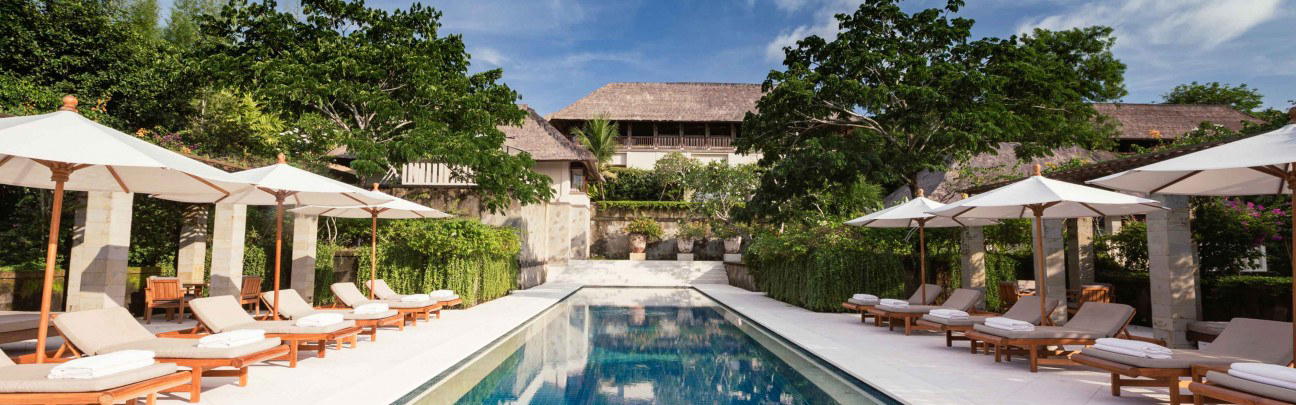
Aman in Nusa Dua: What the Address Signals
The Nusa Dua peninsula has long functioned as Bali's controlled luxury zone, a planned enclave where international hotel groups operate behind manicured perimeters, away from the traffic and commercial density of Kuta and Seminyak. Within that corridor, the properties sort themselves into tiers defined less by square footage and more by operating philosophy. At one end sit the large-footprint international brands: Hilton Bali Resort, Sofitel Bali Nusa Dua Beach Resort, and The Ritz-Carlton, Bali, each running full-scale conference facilities and multi-restaurant programmes calibrated to high occupancy. At the other end, properties like THE BALÉ Nusa Dua and Aman Villas operate on a smaller, more deliberate scale, where the absence of scale is itself the offering.
Aman Resorts, as a group, has built its identity around low key counts and high spatial ratios, fewer guests, more ground, less programming. That model is consistent across the portfolio, from Aman Venice to Aman New York. The Nusa Dua property sits within that same logic: a villa format in a peninsula that could easily have supported a larger footprint, operating instead at a register closer to sanctuary than resort.
The Nusa Dua Setting
Approaching the Nusa Dua enclave from Ngurah Rai International Airport, the transition is abrupt, the commercial sprawl of southern Bali gives way to the peninsula's wider roads, groomed verges, and gated property entrances within a short drive. The enclave was developed with a specific brief: controlled, international-standard luxury insulated from the informal economy that defines much of Bali's tourism zones. That brief has held. What guests find on arrival is a version of Bali edited for calm, ocean-facing, garden-heavy, and largely free of the vendor pressure that defines Kuta or the beach clubs of Seminyak.
For guests whose interest in Bali extends beyond the peninsula, the positioning is deliberate. Ubud's rice terraces and temple architecture sit roughly an hour north by road. Alila Villas Uluwatu to the southwest occupies clifftop terrain that reads differently from Nusa Dua's flatter, beachside character. The peninsula is not a base for exploration in the way Ubud properties like Mandapa, a Ritz-Carlton Reserve, position themselves, it is, instead, a destination that asks guests to settle rather than range. Aman's villa format suits that ask.
Dining in the Aman Register
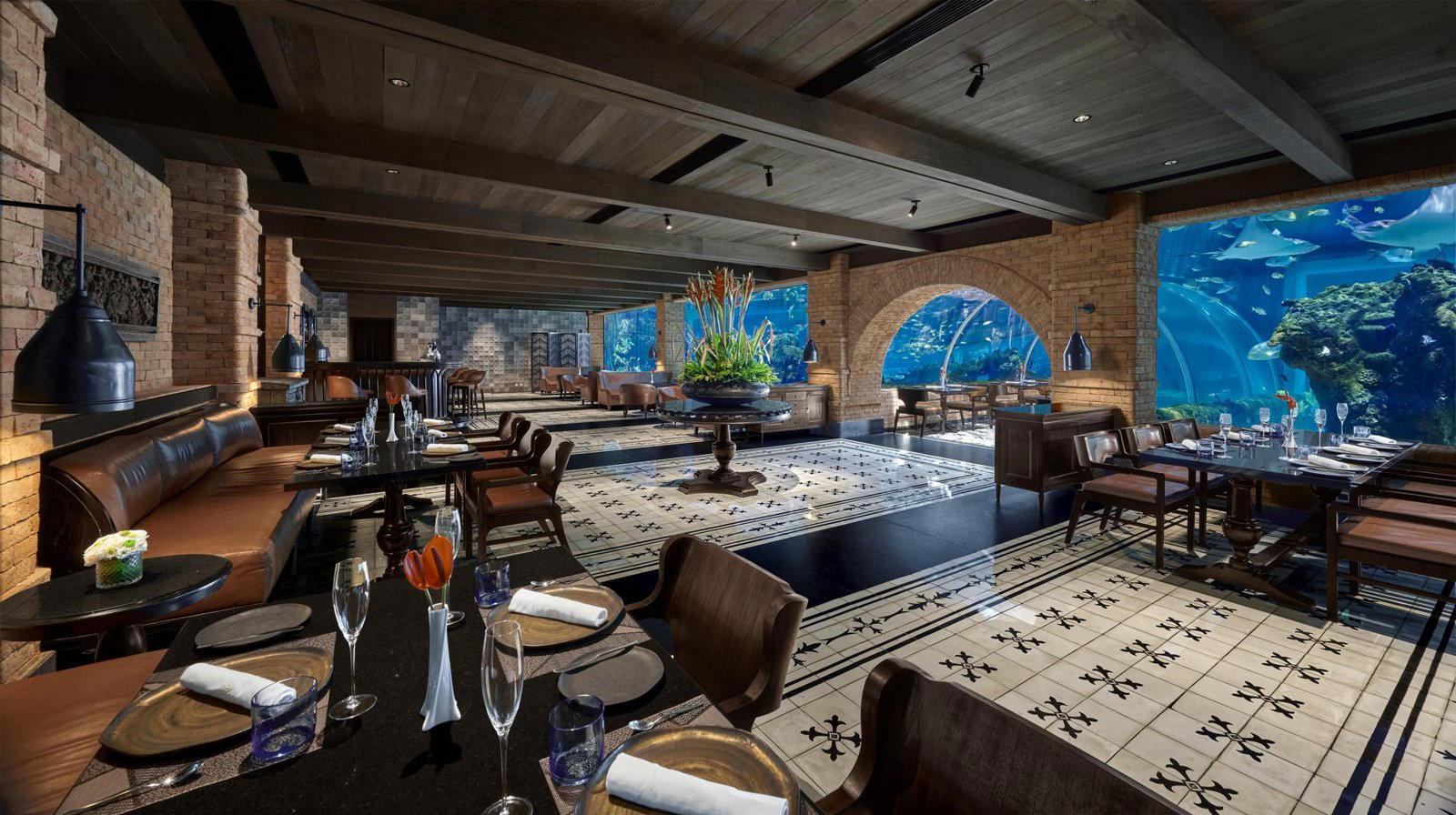
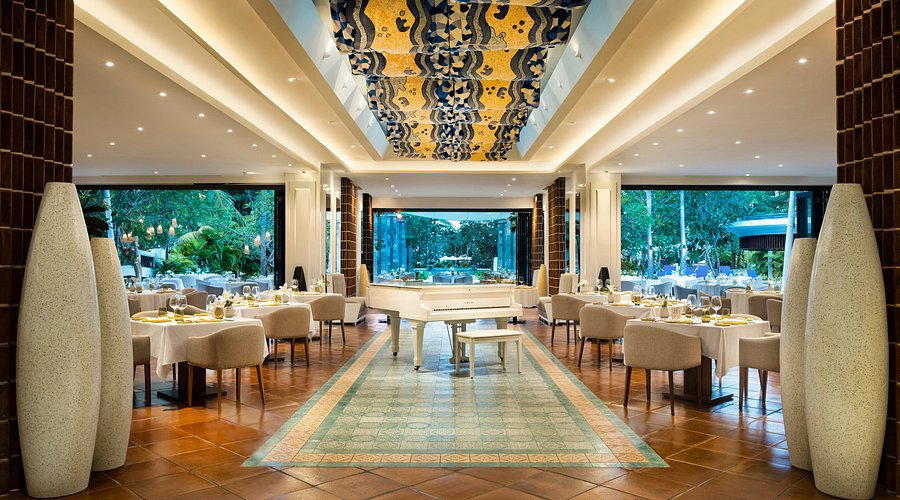
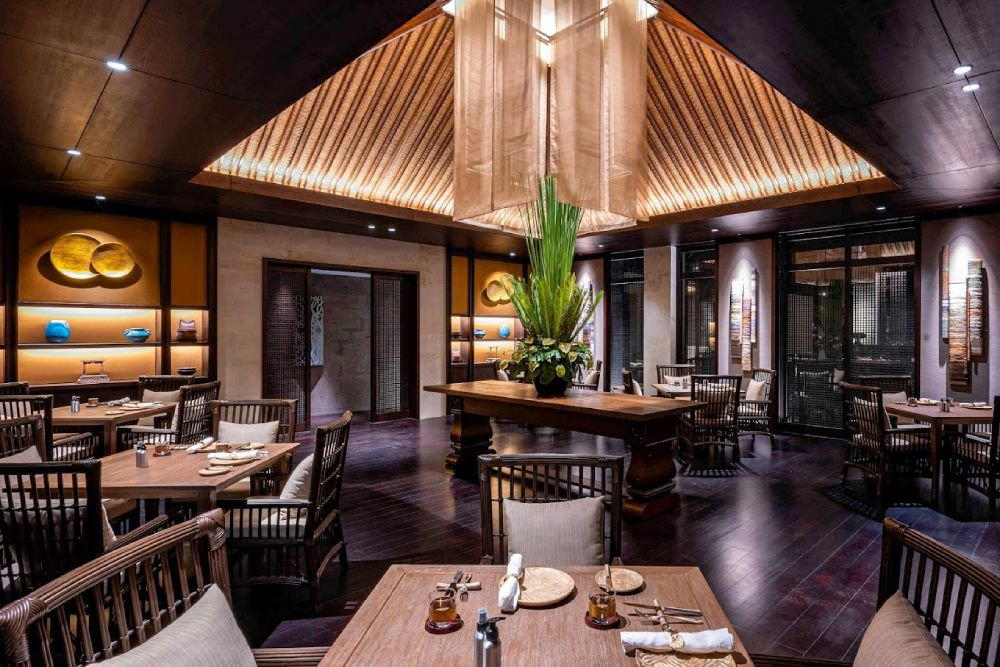
Across the Aman portfolio, food and beverage programming tends to follow a consistent editorial: low-intervention menus, local ingredient sourcing where the supply chain allows, and a preference for quiet dining environments over theatrical chef-counter formats. Its dining rooms tend to be architectural rather than performance-driven. This places Aman properties in a specific niche within the hotel dining conversation, one where the room itself carries more of the experience than the menu's headline dishes.
In the Nusa Dua context, that approach contrasts with the multi-outlet programmes at properties like Conrad Bali or Mulia Villas, where several distinct restaurant concepts operate under one roof. Aman's dining offer at Nusa Dua follows the group's general orientation: fewer outlets, more emphasis on setting and pace than on the breadth of a menu. Guests who arrive expecting a dining programme with the ambition of a standalone restaurant are likely to find the offer considered but restrained, which, for the property's target guest, is the point.
Elsewhere in Bali, the design-led hotel food scene has moved toward stronger culinary identities, Potato Head Suites & Studios in Seminyak and Desa Potato Head have built food and beverage programmes that function as destinations in their own right, drawing non-resident visitors. Aman does not operate on that model. The dining offer at Nusa Dua is guest-facing rather than outward-facing, which keeps the environment consistent with the group's positioning but limits its appeal as a standalone culinary draw.
How Aman Villas Sits in Its comparable set
The villa hotel category in Nusa Dua has become more competitive over the past decade. Properties like Samabe Bali Suites & Villas have moved into the all-inclusive villa format, competing on value completeness rather than restraint. The Mulia competes on scale and architectural spectacle. Aman's differentiation sits elsewhere: in the brand's accumulated reputation, in the spatial generosity of the villa format, and in the quiet that comes from operating below the threshold of mass hospitality.
For travellers comparing the peninsula's options against Bali's broader luxury offer, the Aman at Nusa Dua occupies a specific position. It is not the island's most dramatically sited property, that argument would go to cliff-edge addresses in Uluwatu or jungle-margin properties in Ubud. It is not especially food-forward. What it offers is Aman's particular model of quiet luxury applied to one of Bali's most established resort addresses: a combination that has sustained the group's reputation across more than three decades of operation.
For context on the wider Indonesian luxury property scene, Nihi Sumba in East Nusa Tenggara operates on a different island entirely, with a surf-focused, remoteness-as-product model that represents one direction Indonesian luxury has taken. Properties like Bambu Indah and Desa Seni Baturiti represent a different trajectory, artisan-focused, smaller-scale, with cultural programming as the organizing principle. Aman sits outside both of those categories, operating at a price point and brand recognition level that its comparable set is more accurately the global Aman network than any regional competitor.
Planning a Stay
Nusa Dua's peak season runs from July through August and across the December holiday period, when occupancy across the peninsula compresses and rates at villa properties rise sharply. The shoulder months, April through June and September through October, offer lower ambient noise across the enclave and generally softer booking conditions. Arrivals into Ngurah Rai International Airport connect directly to the peninsula, making logistics from the airport simpler than for properties in Ubud or on the Bukit. For guests extending into other parts of Bali, Hotel Komune in Gianyar and Batur Natural Hot Spring in Kintamani offer distinct contrasts in terrain and atmosphere for multi-stop itineraries.
Price Lens
Comparable venues nearby, for context on price, style, and recognition.
| Venue | Price | Awards | Notes |
|---|---|---|---|
| Aman Villas at Nusa DuaThis venue — the venue you are viewing | $$$$ | 5-Star | Not listed |
| Kimpton Naranta Bali | $$$$ | 5-Star | Nusa Dua, barefoot luxury lifestyle sanctuary blending Balinese heritage with modern design |
| Sofitel Bali Nusa Dua Beach Resort | $$$$ | 5-Star | Nusa Dua, Luxurious beachfront resort blending French elegance with Balinese heritage |
| VOUK Hotel & Suites Bali 5 star Hotel | $$$$ | 5-Star | Nusa Dua, Contemporary Balinese resort with serene tropical gardens and sheltered pool areas |
| The St. Regis Bali Resort | $$$$ | 5-Star | Nusa Dua, Luxury beachfront resort blending Balinese tradition with contemporary elegance |
| The Laguna, a Luxury Collection Resort & Spa, Nusa Dua, Bali | $$$$ | 5-Star | Nusa Dua, Balinese oasis with modern luxury |
Recognition history
Dated appearances from independent guides and award organizations, with the underlying list record or original source where available.
Mr & Mrs Smith Smith Seal of Approval
Mr & Mrs Smith
Michelin Selected
Michelin
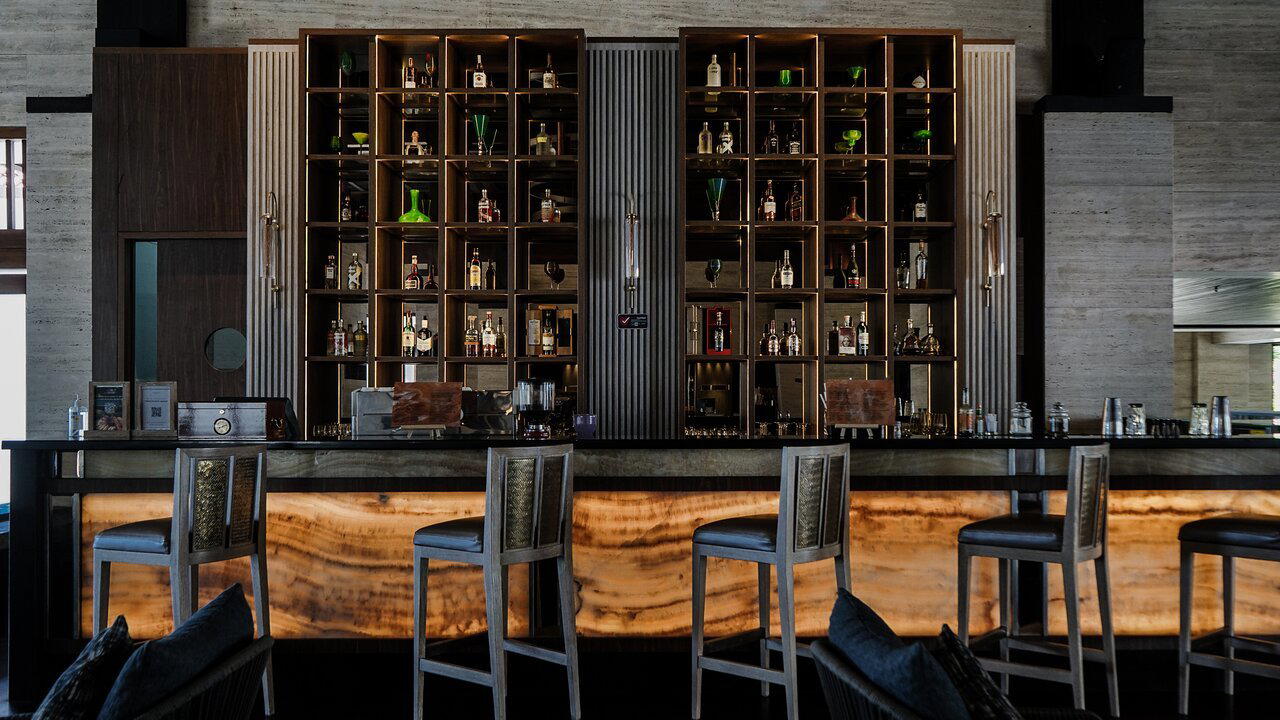
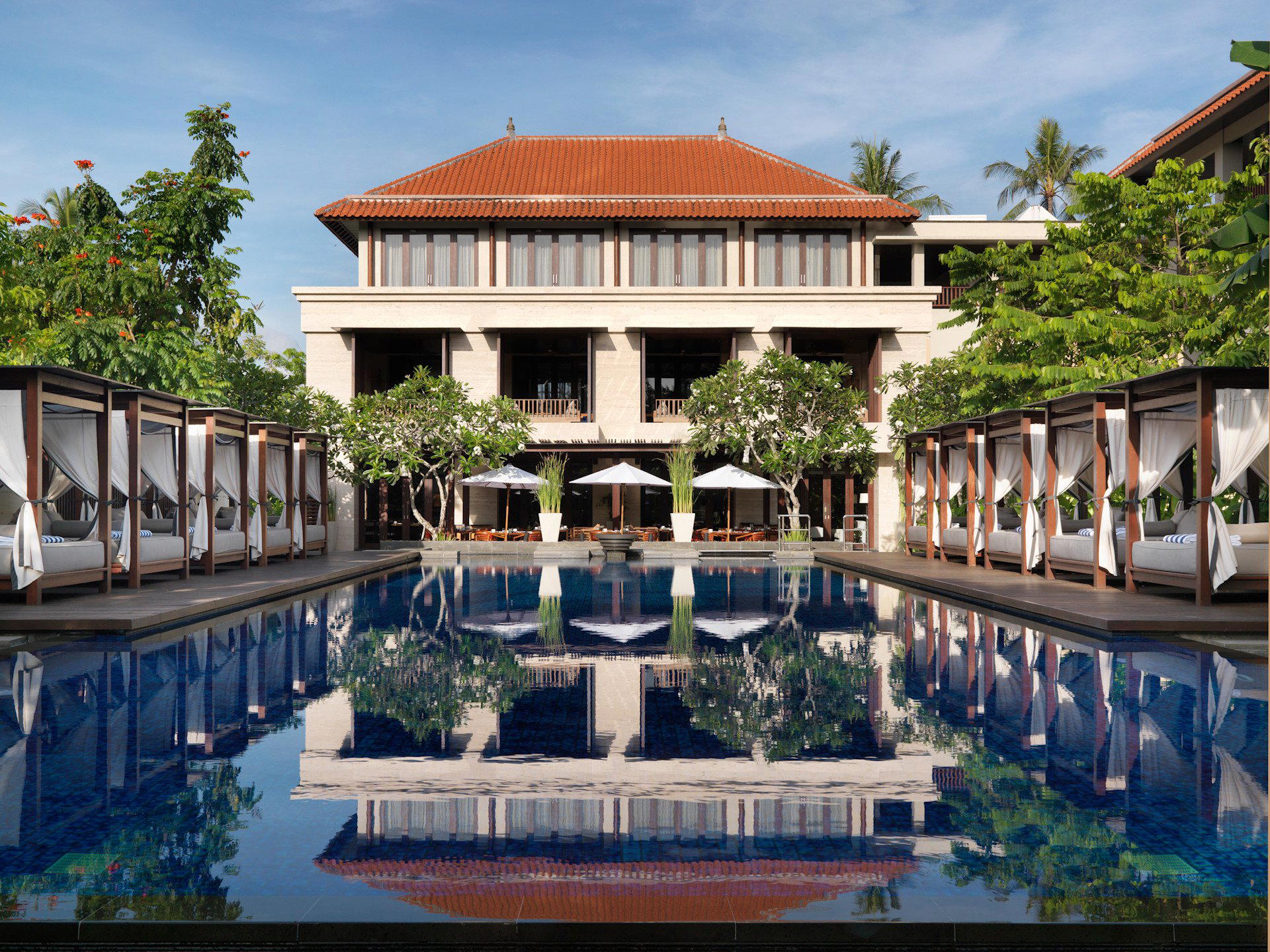
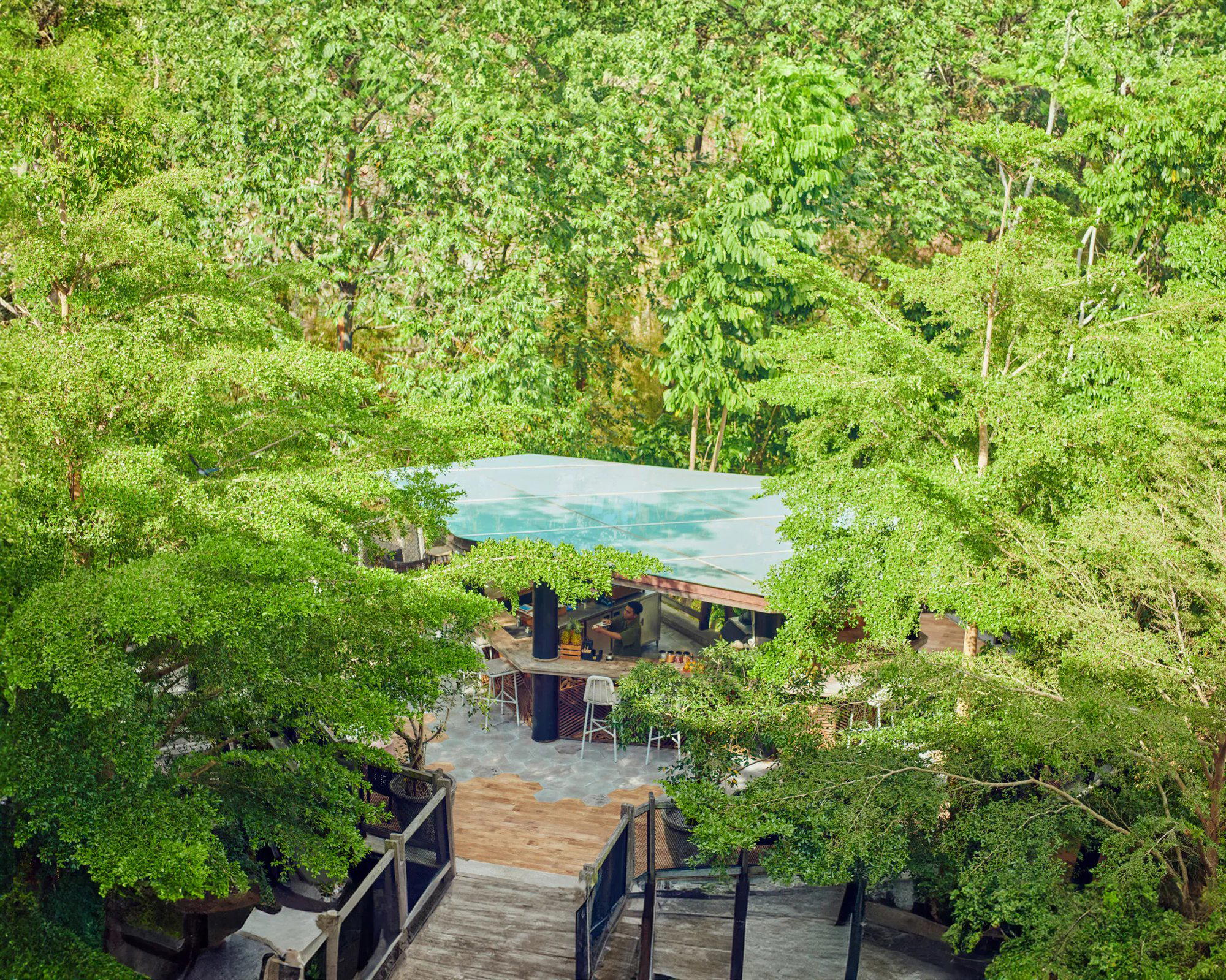
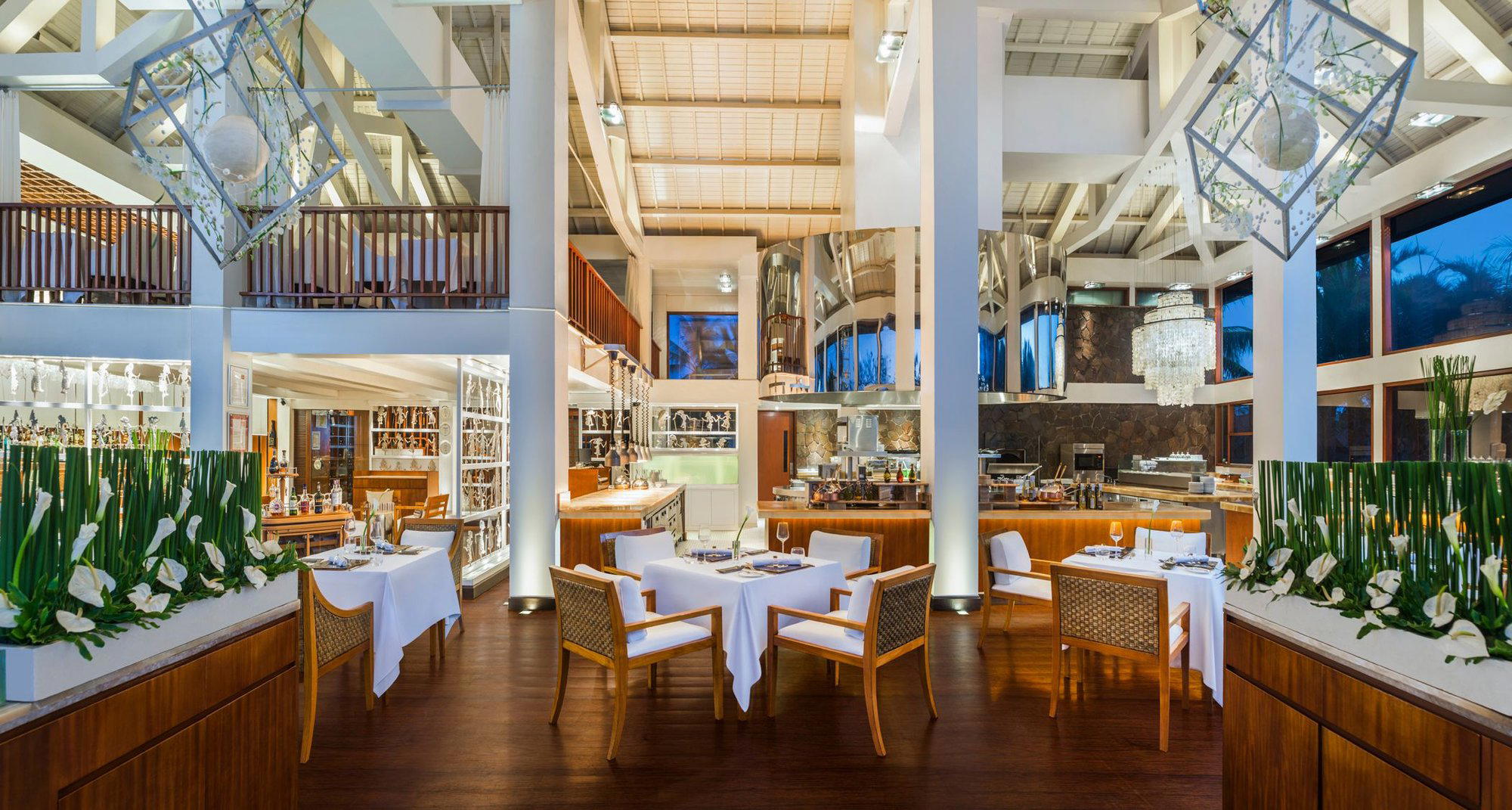
At a Glance
- Quiet
- Elegant
- Intimate
- Sophisticated
- Ornate
- Honeymoon
- Romantic Getaway
- Family Vacation
- Wellness Retreat
- Anniversary
- Group Retreat
- Beachfront
- Private Villa
- Infinity Pool
- Butler Service
- Panoramic View
- Private Dining
- Wi Fi
- Pool
- Spa
- Fitness Center
- Room Service
- Concierge
- Valet Parking
- Beach Access
- Golf Course
- Garden
- Waterfront
- Wi Fi
- Pool
- Spa
- Fitness Center
- Room Service
- Concierge
- Valet Parking
- Beach Access
- Golf Course
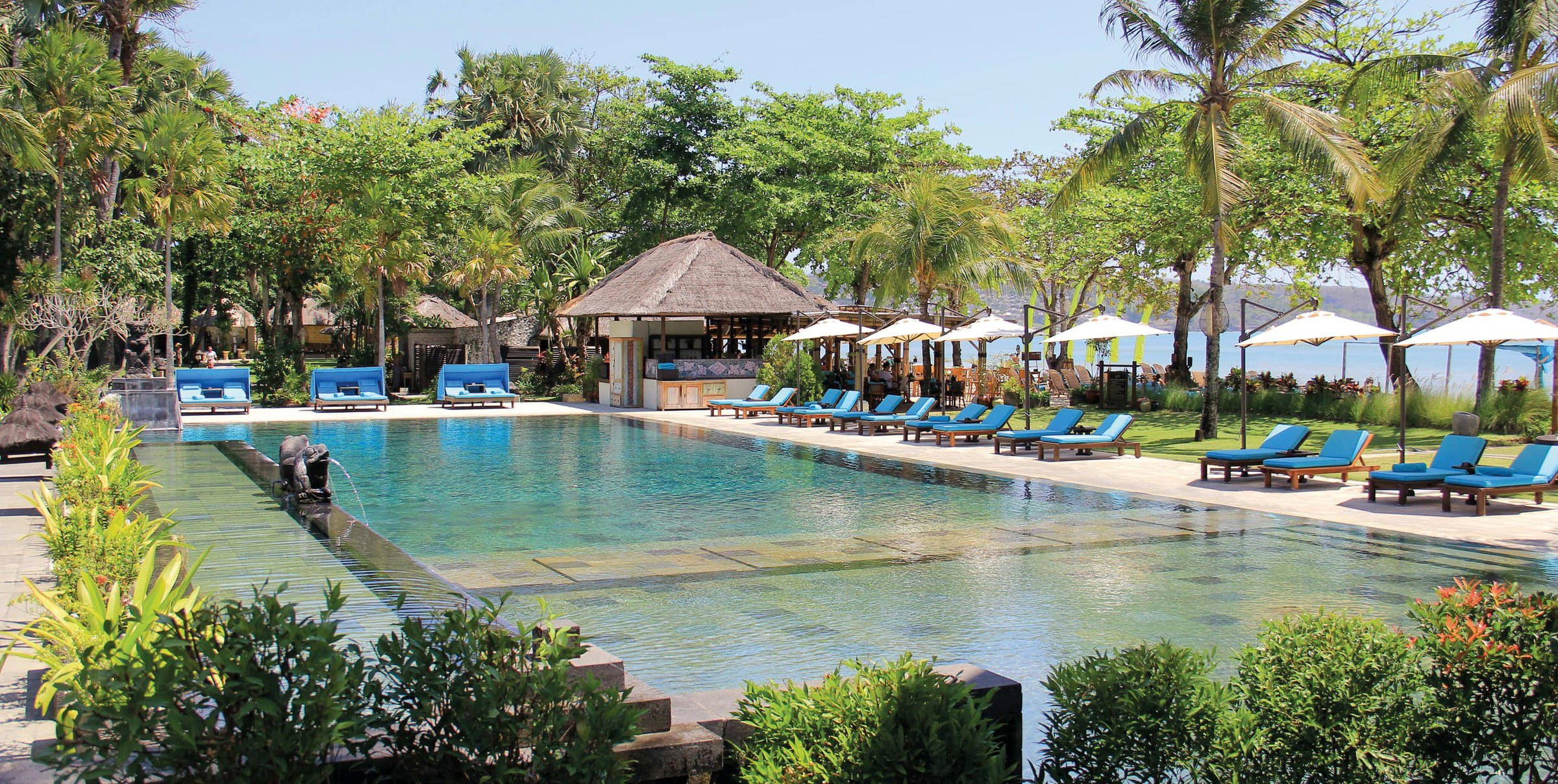
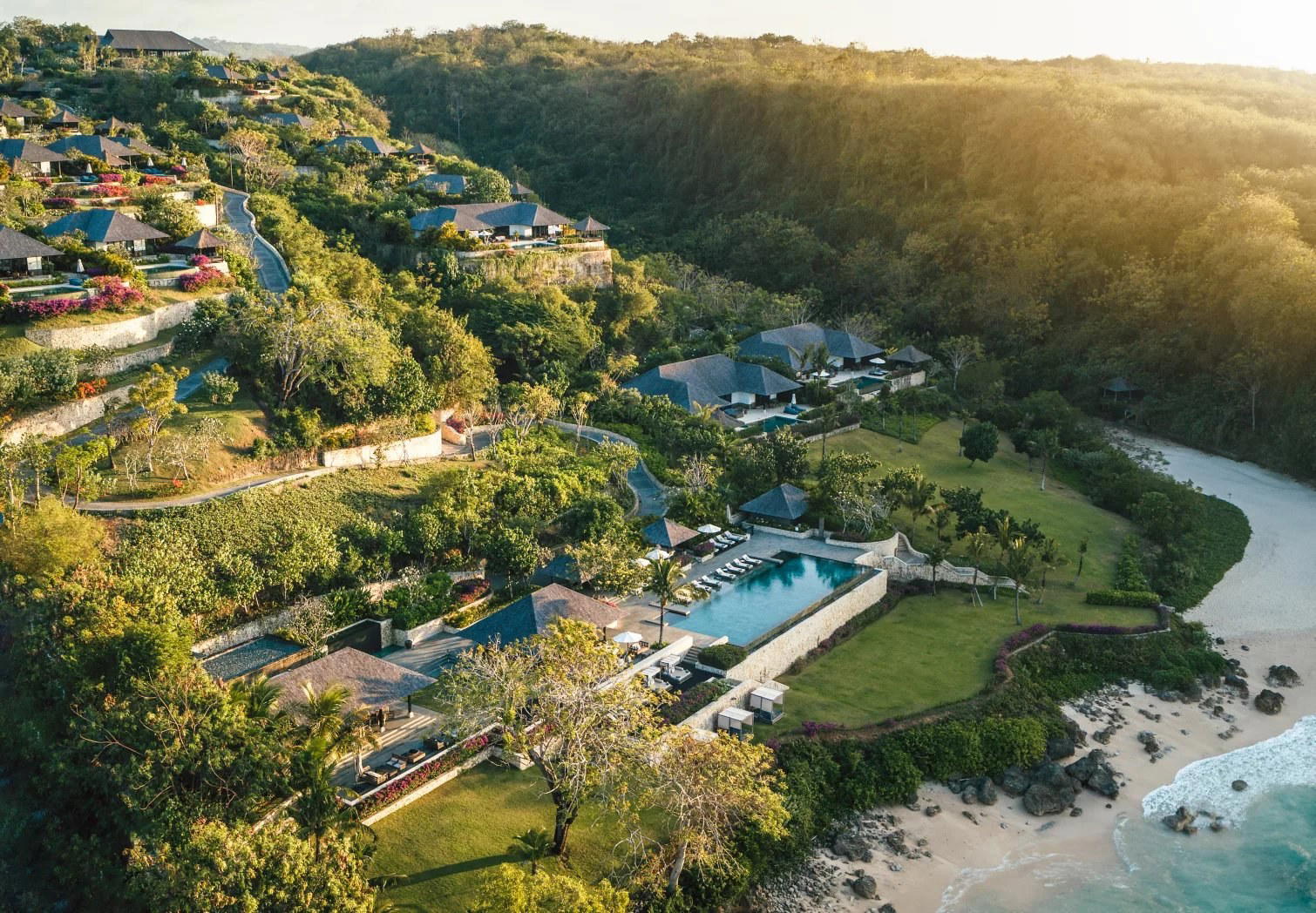
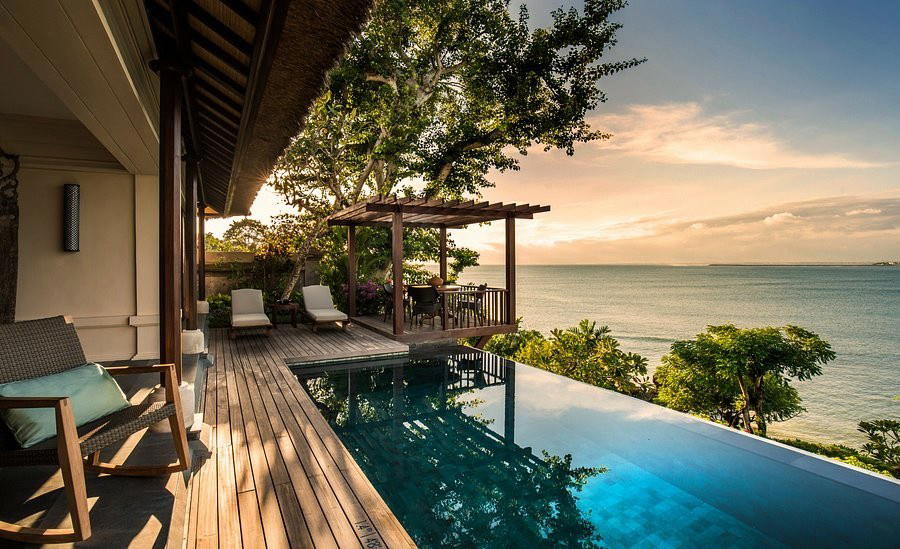
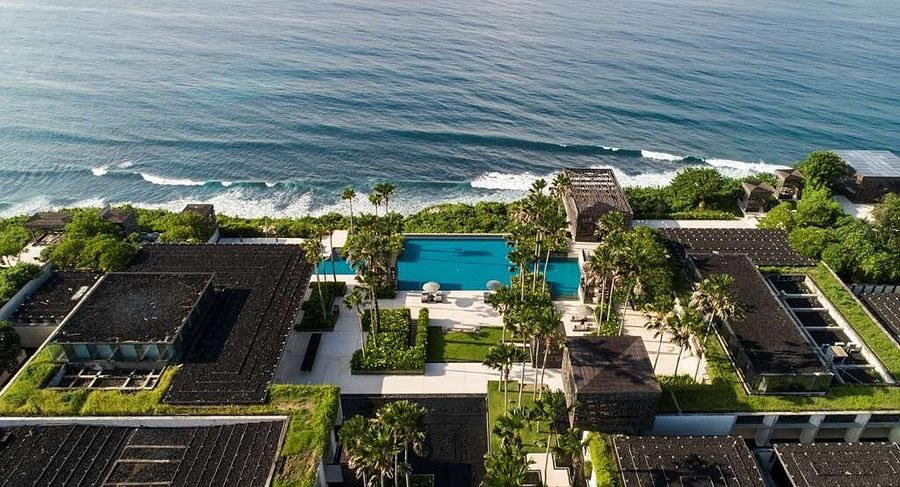
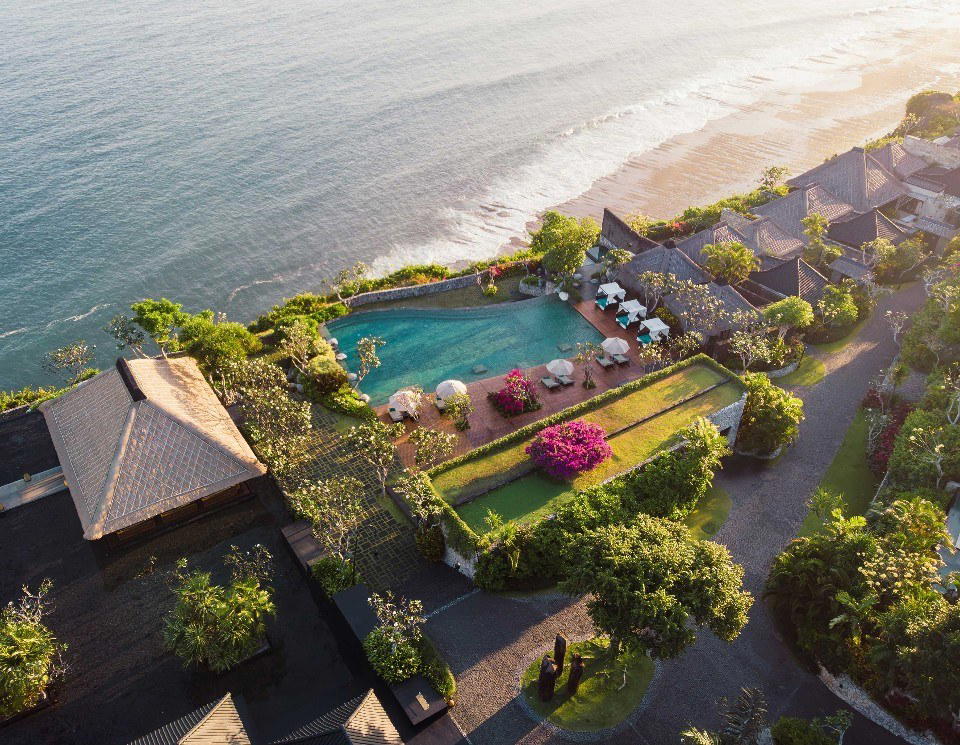
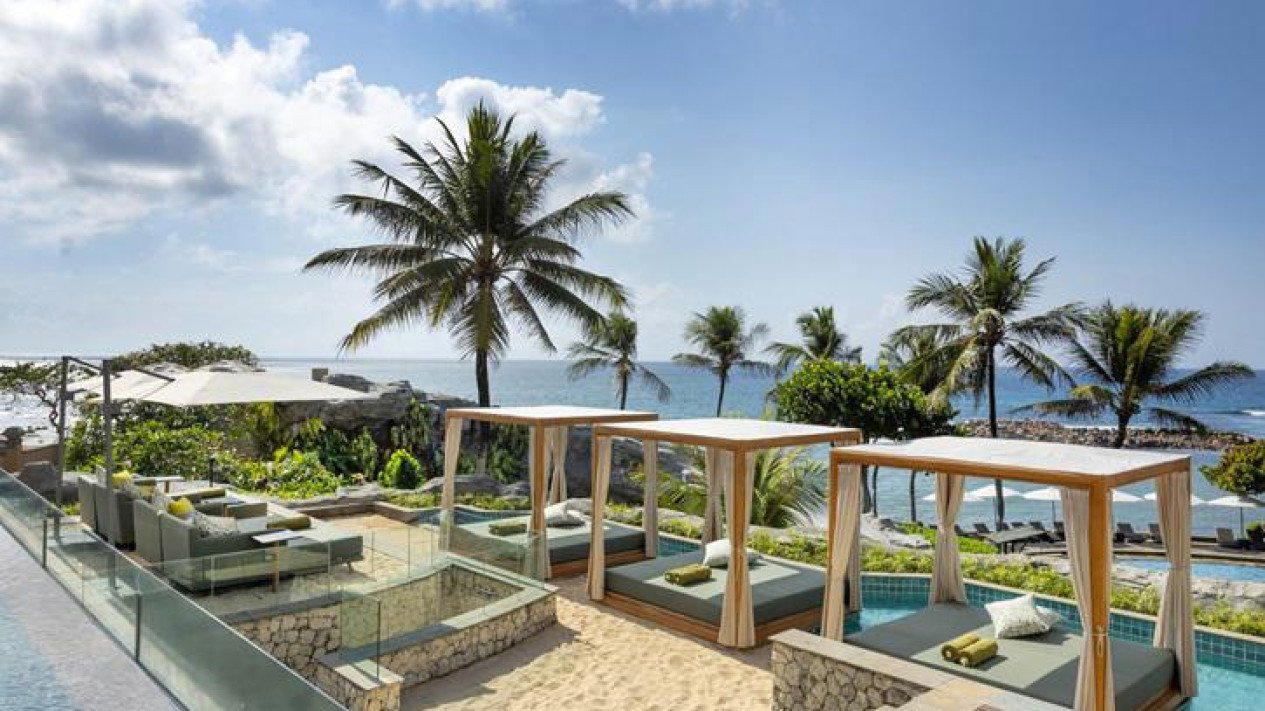
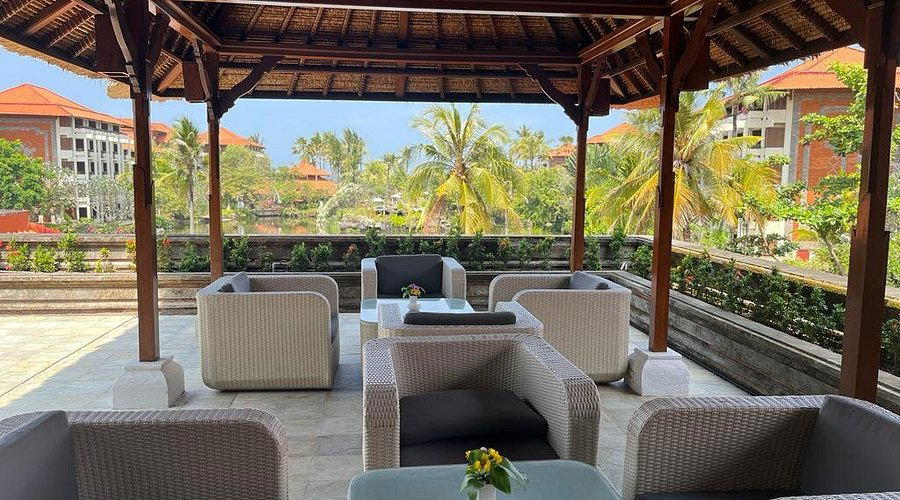
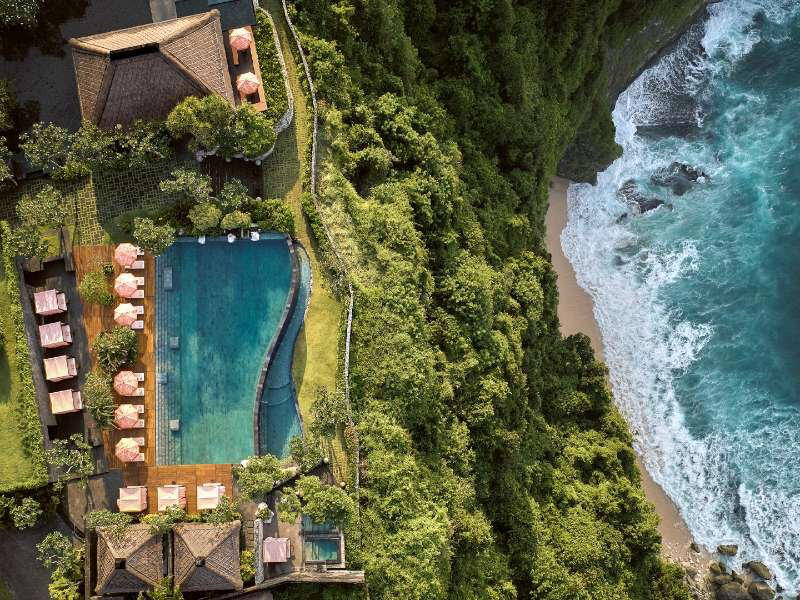
Serene and tranquil with lush tropical gardens, open-air pavilions, and Balinese elegance.