


Michelin Selected · Small Luxury Hotels of the World Member · Esquire Best New Hotels
Positioned steps from Piazza del Popolo on Via di Ripetta, ROMEO Roma occupies a distinct tier among Rome's contemporary design hotels, where the architectural influence of Zaha Hadid sets the visual register before guests reach the front desk. The property draws travelers who want modern architecture and art-forward interiors without leaving Rome's historic centre, placing it in a different competitive set from the palazzo-restoration hotels that dominate the city's upper bracket.

Pearl is the En Primeur Club membership app, where members save venues, book tables and use the concierge.
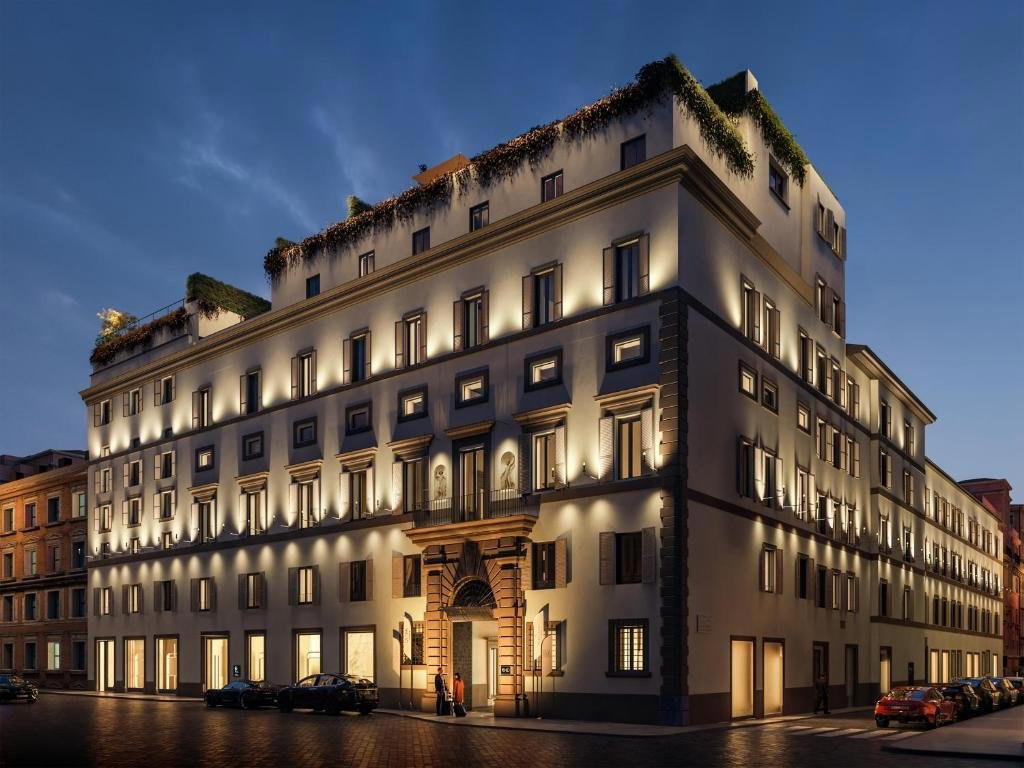
Where Zaha Hadid Meets the Eternal City
Via di Ripetta runs north from the centro storico toward the Piazza del Popolo, a stretch that feels caught between Rome's baroque bones and a quieter, more contemporary northern quarter. ROMEO Roma sits on this corridor, and its presence registers before you cross the threshold: the late Zaha Hadid's architectural vocabulary, all fluid geometry and deliberate contrast, is applied to a restored 16th-century palazzo, producing a tension between historical fabric and radical intervention that Rome rarely tolerates and even more rarely pulls off. The result belongs to a small category of Italian luxury hotels where the building itself is the argument, not merely the setting.
Rome's five-star hotel market has stratified noticeably over the past decade. At one end sit the grand-address properties: the Hassler Roma at the top of the Spanish Steps, the Hotel Eden with its rooftop terrace and classical pedigree, and the Bulgari Hotel Roma, which brought a jewellery-house aesthetic to a Prati palazzo. At the other end, design-forward independents such as Hotel Vilòn and JK Place Roma operate on intimacy and curation. ROMEO Roma occupies a distinct third position: five-star infrastructure and international scale, but with an architectural identity so specific it resists easy categorisation alongside either camp.
Architecture as Cultural Statement
The Hadid commission was not decorative. In a city where planning authorities guard the streetscape with institutional rigour, introducing a signature contemporary interior into a Renaissance shell required a particular kind of conviction. The effect inside is one of layered time rather than erasure: original structural elements coexist with the curvilinear forms Hadid's practice became known for globally before her death in 2016. For guests with even a passing interest in design history, this layering is the primary draw, and it places ROMEO Roma in conversation with a handful of Italian properties where architectural ambition drives the editorial case. Aman Venice, working with a 16th-century palazzo on the Grand Canal, makes a comparable argument through restraint; ROMEO Roma makes it through assertiveness.
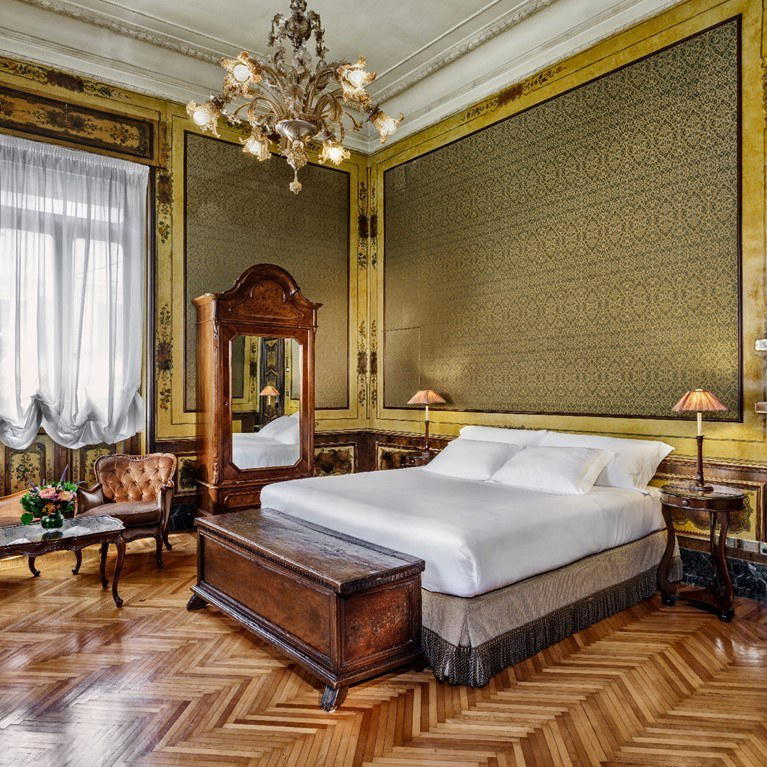
The private art collection woven through the property reinforces this position. Ancient, modern, and contemporary works appear across shared spaces, functioning less as hotel decoration and more as a curatorial programme. This approach has precedents in Italian hospitality: Castello di Reschio in Lisciano Niccone and Four Seasons Hotel Firenze both integrate significant art holdings into their guest experience, though each from a very different ownership context. At ROMEO Roma, the collection spans enough chronological range that a guest encounter with a contemporary piece in one corridor and a classical fragment in another is not an accident of installation but a deliberate editorial choice about Rome's own layered identity.
Dining in the Alain Ducasse Framework
Restaurant partnership with Alain Ducasse places ROMEO Roma's food offer inside one of the most recognisable frameworks in European fine dining. Ducasse-affiliated restaurants operate across a global footprint from Monaco to Tokyo, and each carries the expectation of rigorous classical technique applied to local ingredient logic. In Rome, that context is demanding: the city's dining tradition is among the most codified in Italy, with a civic pride in carbonara, cacio e pepe, and offal preparations that resists external intervention. How a Ducasse kitchen navigates Roman ingredients and expectations, without either ignoring them or sentimentalising them, is the interesting question the restaurant poses. Properties that have managed this tension well, anchoring international culinary frameworks to specific Italian food cultures, include Casa Maria Luigia in Modena, where the Bottura connection functions as a regional amplifier rather than an override.
For guests primarily motivated by food, the Ducasse affiliation is a credible signal. For guests who want to eat Roman trattoria food in the evenings, it is worth noting that the Ripetta neighbourhood and the streets radiating from Piazza del Popolo offer accessible alternatives at a very different price register, and the hotel's location makes both options genuinely walkable.
Location: The Ripetta Advantage
Piazza del Popolo anchors the northern end of this stretch, and its significance to Roman urban history is hard to overstate. For centuries it functioned as the main northern entrance to the city, where travellers arriving via the Via Flaminia first encountered Rome. The twin baroque churches of Santa Maria in Montesanto and Santa Maria dei Miracoli frame the piazza's southern exit onto the Corso. Positioning a hotel within a short walk of this space gives guests access to a part of Rome that moves at a different rhythm from the area around the Colosseum or the Vatican: less tour-group density, more neighbourhood texture, and the long promenade of the Villa Borghese above.
Practically, the Ripetta address also means proximity to the Ara Pacis, Augustus's altar of peace, housed in Richard Meier's contentious 2006 pavilion, which makes another explicit connection between ancient Rome and contemporary architectural intervention, one that rhymes with ROMEO Roma's own programme. The area rewards walking, and guests who build time into their itinerary for the streets between the hotel and the Campo Marzio will find a more textured experience than the major monument circuit alone provides. For the broader Rome hotel picture, including properties across different neighbourhoods and price tiers, our full Rome guide covers the options in depth.
The Spa and Wellness Offer
The Sisley Paris spa partnership situates ROMEO Roma's wellness offer within a French luxury skincare framework that operates across a number of five-star European hotels. The choice signals a guest profile that expects branded treatment protocols and product continuity rather than a locally-rooted wellness tradition. Properties like Borgo Egnazia in Savelletri di Fasano, which draws on Apulian thermal traditions, or Il Pellicano in Porto Ercole, where the spa experience is inseparable from the coastal setting, take a different approach. Both are valid, but they serve different expectations. Guests who value the reassurance of a known international brand in the treatment room will find the Sisley affiliation meaningful.
Planning a Stay
ROMEO Roma sits on Via di Ripetta 246, in the Flaminio-Ripetta district between Piazza del Popolo and the Pantheon axis. The hotel operates at the five-star tier, and the combination of Hadid architecture, Ducasse dining, and Sisley spa positions it toward the upper bracket of Rome's luxury market. Guests booking around major Roman event calendars, particularly the spring and autumn seasons when the city draws international visitors for fashion weeks, art events, and the generally temperate weather, should plan ahead, as this address category books several weeks to months in advance. For comparison, other design-conscious properties in the city, including Portrait Roma, Maalot Roma, and Hotel Locarno, operate across different scales and price points but share the same booking pressure in peak periods. Guests travelling to Italy more broadly may want to consider how ROMEO Roma fits into a wider itinerary that could include Portrait Milano in Milan, Borgo Santandrea on the Amalfi Coast, JK Place Capri, or Rosewood Castiglion Del Bosco in Montalcino. For travellers pairing Italy with international destinations, Aman New York, The Fifth Avenue Hotel, Amangiri in Canyon Point, Passalacqua in Moltrasio, and Corte della Maestà in Civita di Bagnoregio are worth reviewing alongside. Il San Pietro di Positano rounds out the southern Italy options for those extending a Roman stay into the Campanian coast.
Pricing, Compared
Comparable venues nearby, for context on price, style, and recognition.
| Venue | Price | Awards | Notes |
|---|---|---|---|
| ROMEO RomaThis venue (the venue you are viewing) | Not listed | Michelin Selected · Small Luxury Hotels of the World Member | Not listed |
| Palazzo Dama | $750–1,000 | Michelin Selected · Mr & Mrs Smith Seal of Approval | Campo Marzio, Historic palazzo with modern luxury renovations |
| Anantara Palazzo Naiadi | $300–500 | 1 Michelin Key · La Liste Top Hotels | Castro Pretorio, Historic palatial luxury blending 19th-century neoclassical architecture with contemporary five-star amenities and wellness experiences. |
| Hotel d'Inghilterra - Starhotels Collezione | Not listed | Michelin Selected · Virtuoso Luxury Hotel Partner | Campo Marzio, Historic palazzo with modern renovations preserving original elegance |
| Aleph Rome Hotel, Curio Collection by Hilton | Not listed | Michelin Selected · World Luxury Hotel Awards WLHA Country Winner | Trevi, Historic 1930s palazzo transformed into modern luxury design hotel |
| rhinoceros | $300–500 | Michelin Selected · Mr & Mrs Smith Seal of Approval | Velabro, Historic palazzo with contemporary design apartments |
Recognition history
Dated appearances from independent guides and award organizations, with the underlying list record or original source where available.
Michelin Selected
Michelin
Esquire Best New Hotels
Esquire
Small Luxury Hotels of the World Member
Small Luxury Hotels of the World
Continue exploring
More in Rome
Hotels in Rome
All hotels in Rome →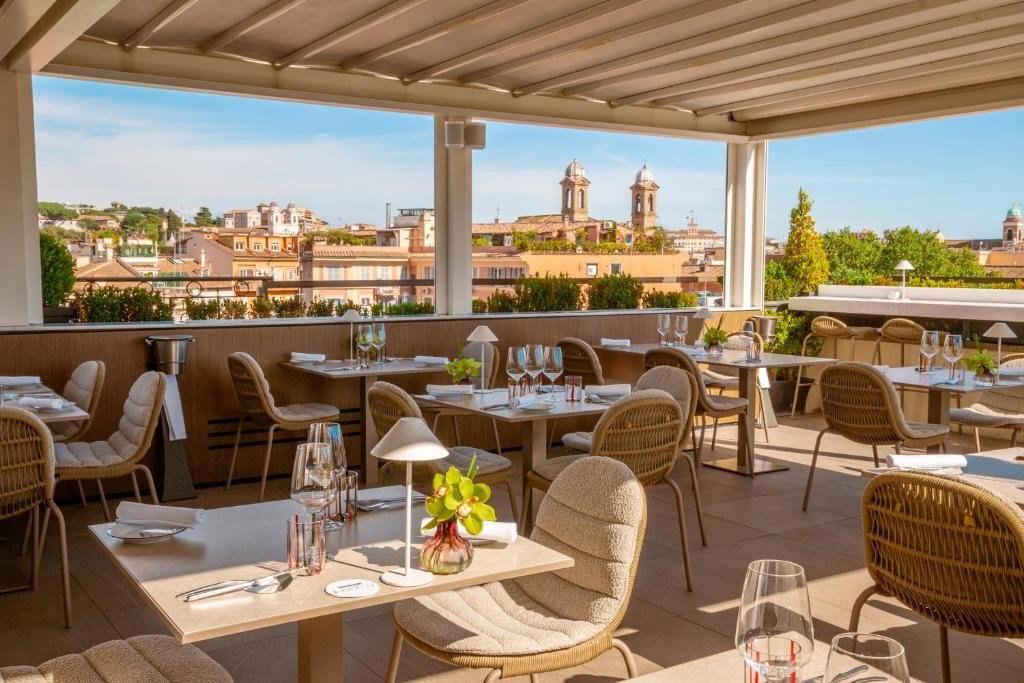
Bars in Rome
All bars in Rome →
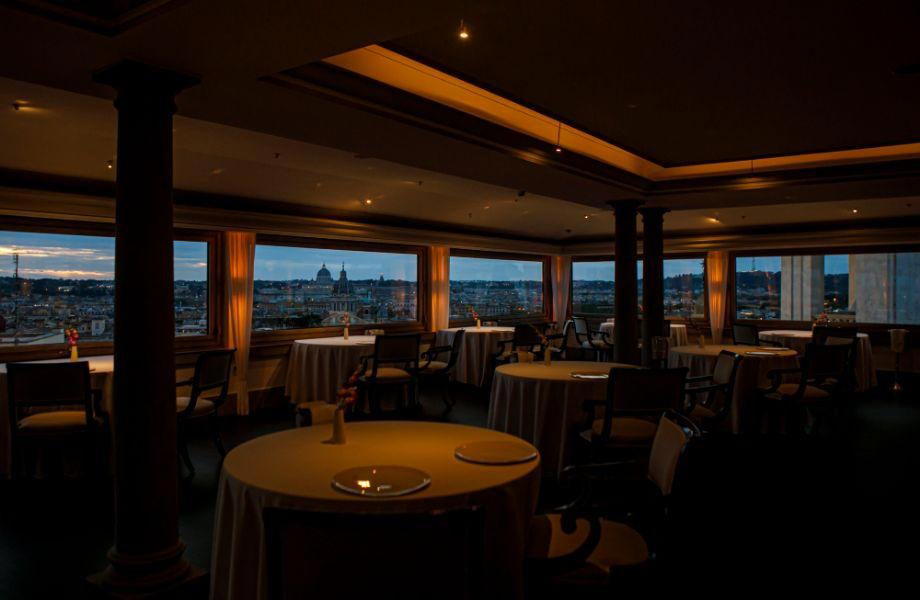
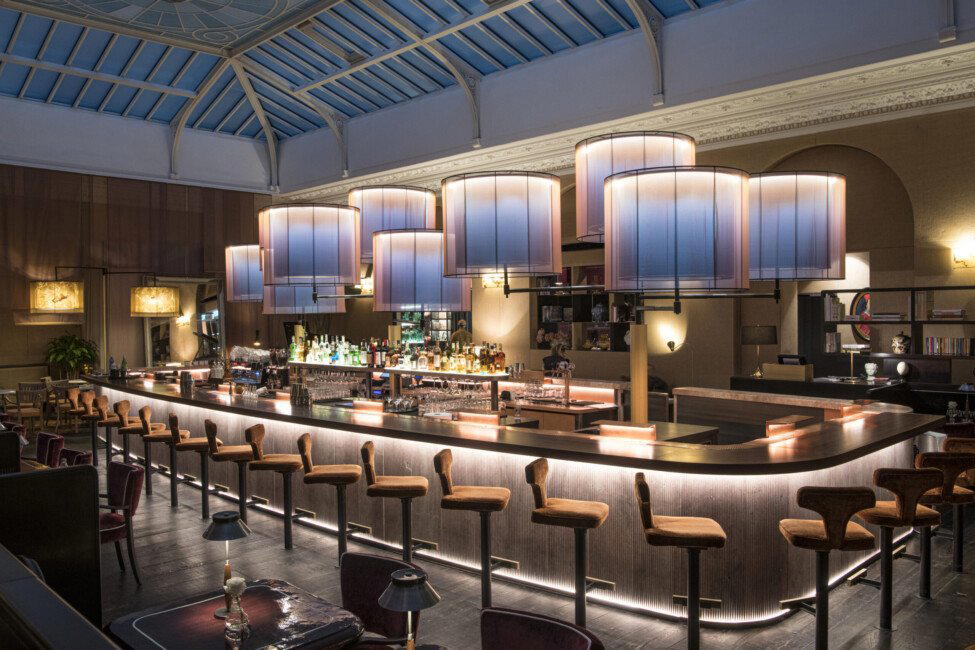
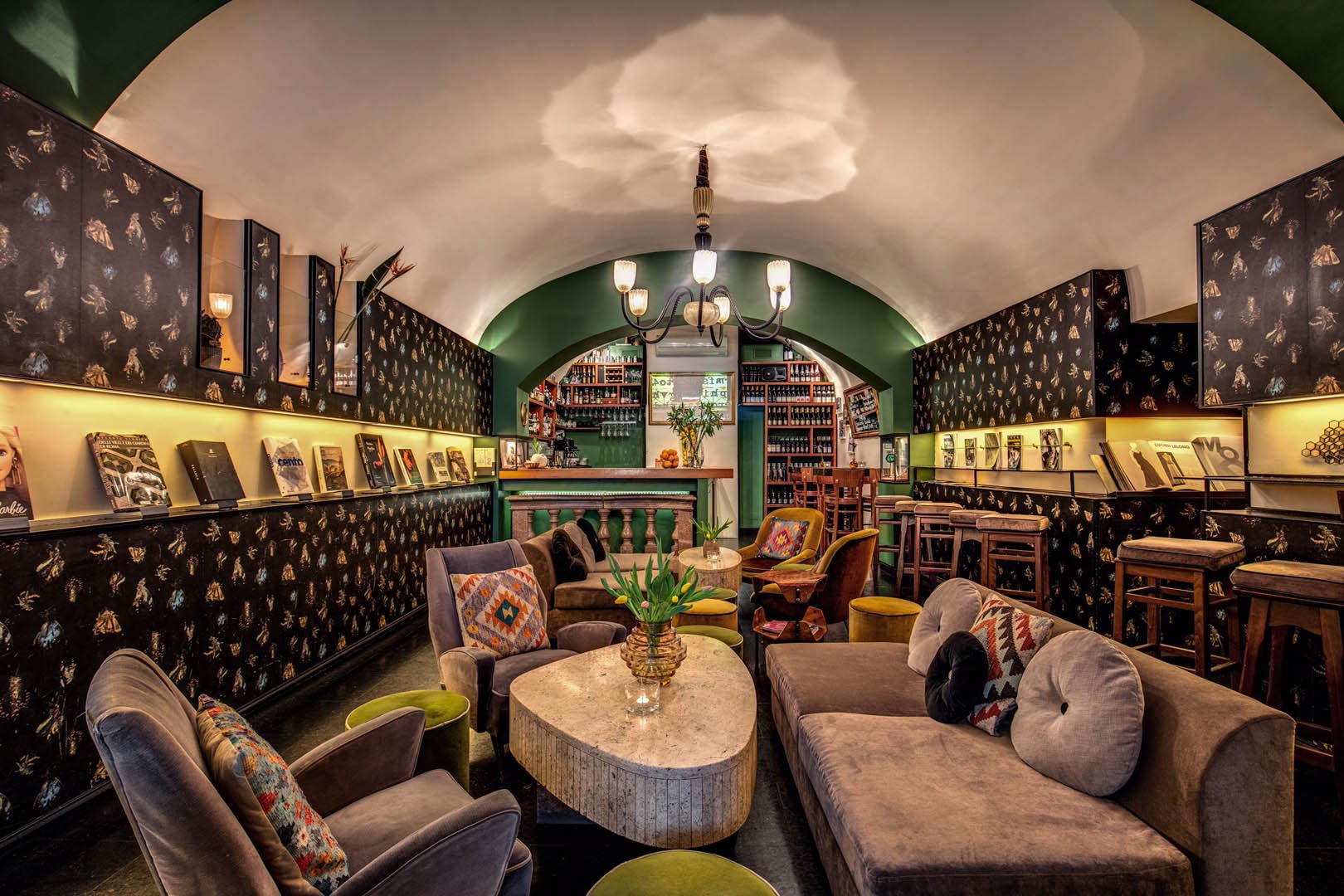
Restaurants in Rome
All restaurants in Rome →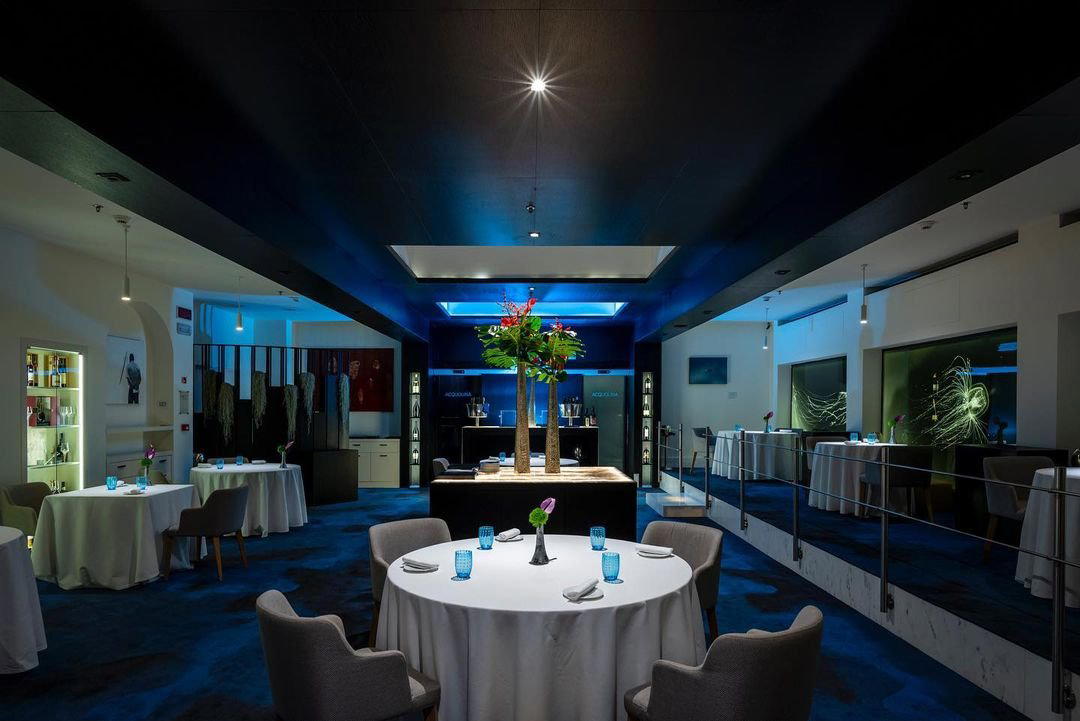

Details
- Modern
- Elegant
- Sophisticated
- Romantic
- Ornate
- Romantic Getaway
- Honeymoon
- Anniversary
- Historic Building
- Rooftop Pool
- Panoramic View
- Terrace
- Wi Fi
- Pool
- Spa
- Fitness Center
- Room Service
- Concierge
- Restaurant
- Street Scene
- Elevator
- Step Free Entrance
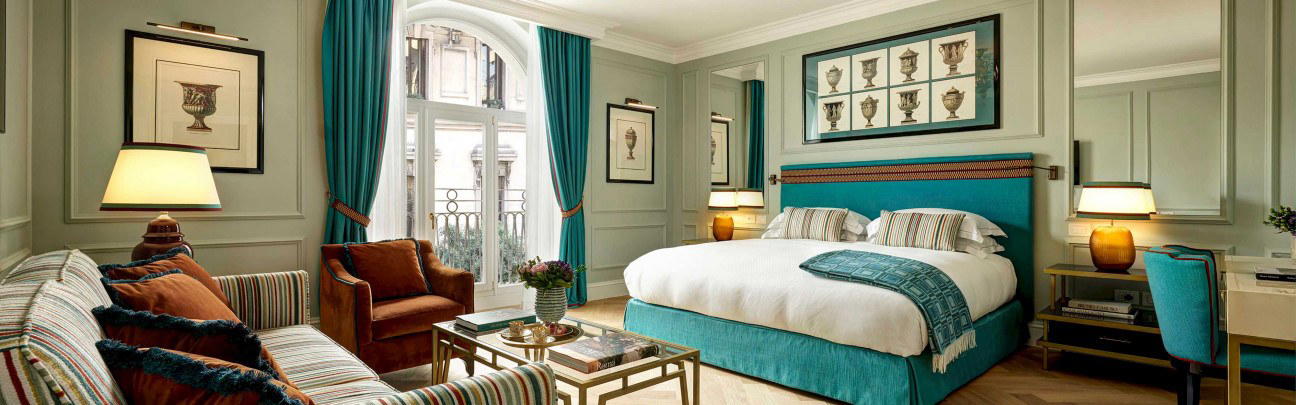
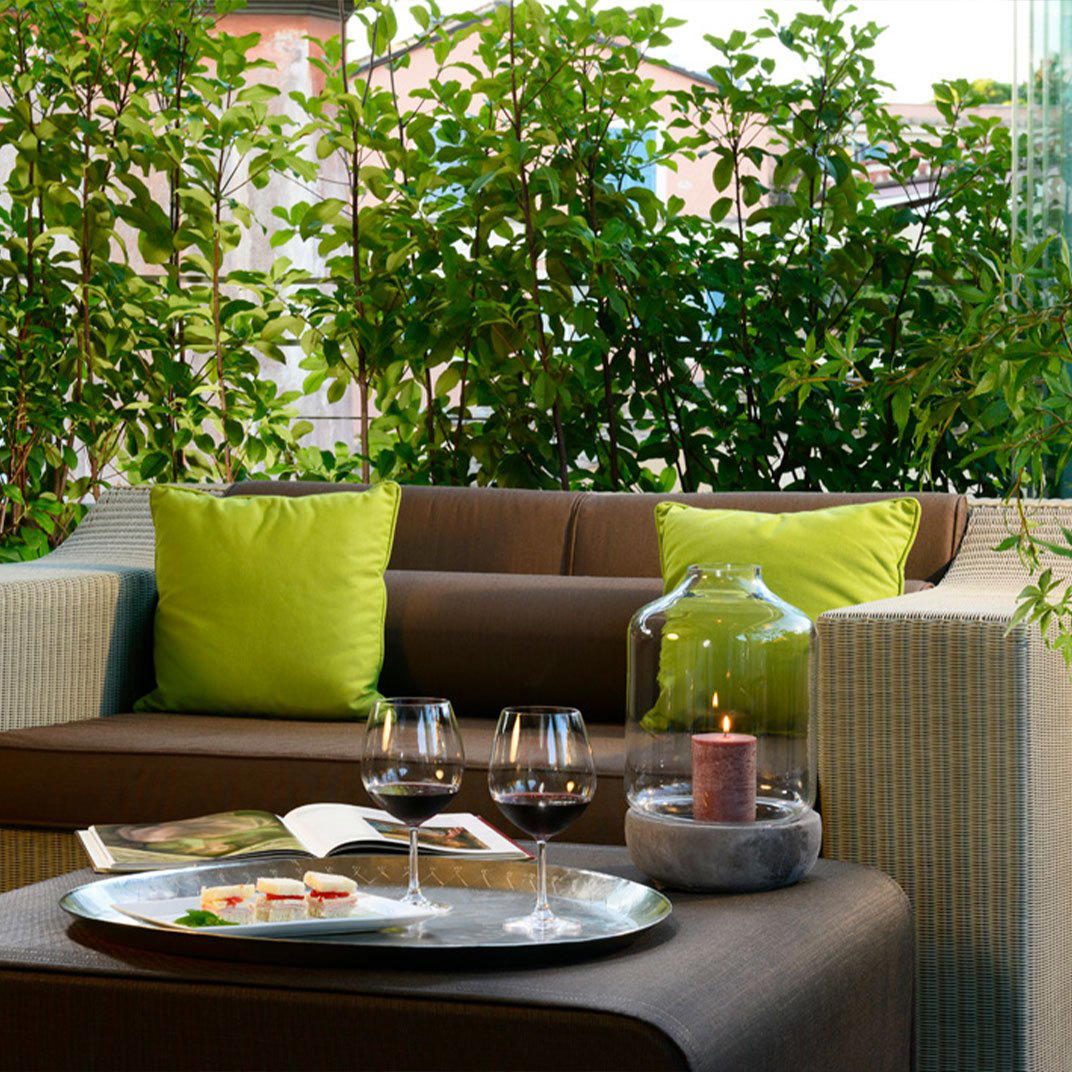
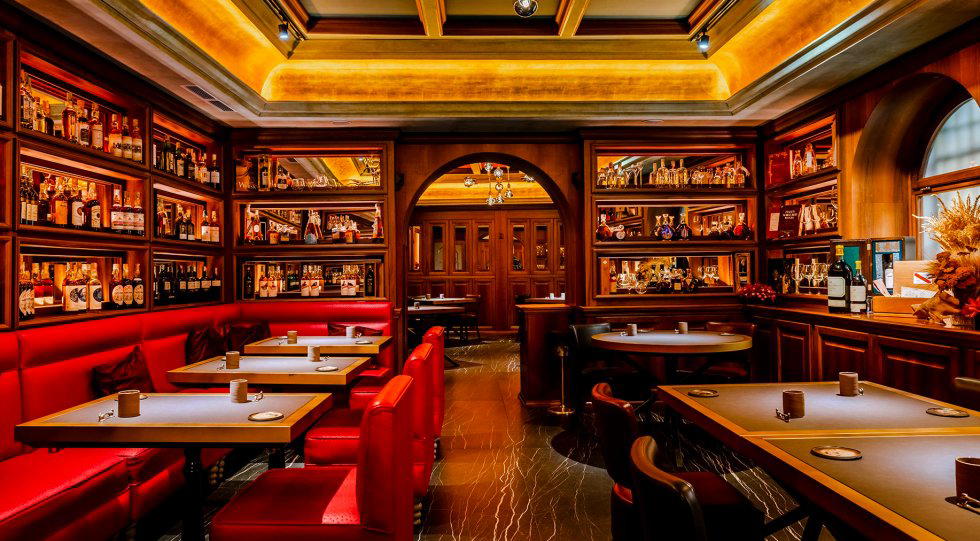
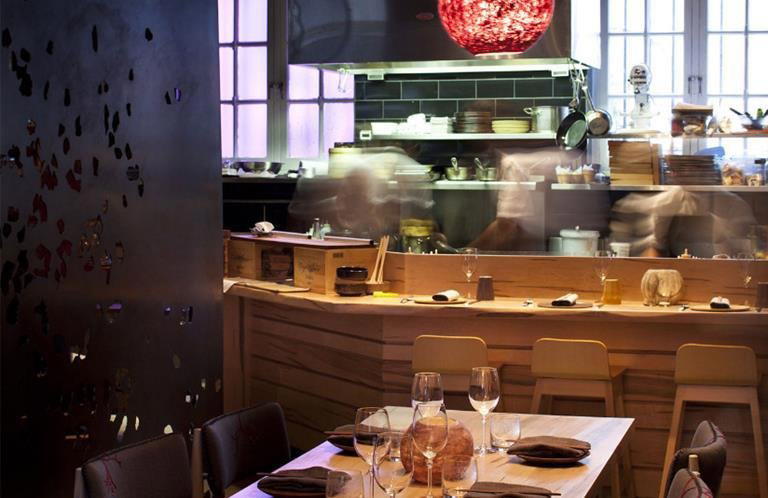
Lively yet calm with innovative use of space, curated artworks, soft lighting, and fluid architectural lines creating an elegant, artistic atmosphere.