Set within a meticulously restored 1930s Bauhaus building in Zikhron Ya'akov, Elma Arts Complex is one of Israel's most architecturally singular hotel experiences, where a curated arts program occupies the same space as guest rooms and event halls. The property sits on the Carmel ridge with views across the Mediterranean coastal plain, positioning it well outside the Tel Aviv luxury circuit and closer to Hadera's quieter northern approach to the country.
Pearl is the En Primeur Club membership app — saves, bookings, and concierge access live there. Same editors, same standards.
- Address
- Ya'ir St 1, Zikhron Ya'akov, 3094260, Israel
- Phone
- +972 4 630 0111
- Website
- gordoniahotels.com
- Directions
- Get directions
 Saves & bookings on Pearl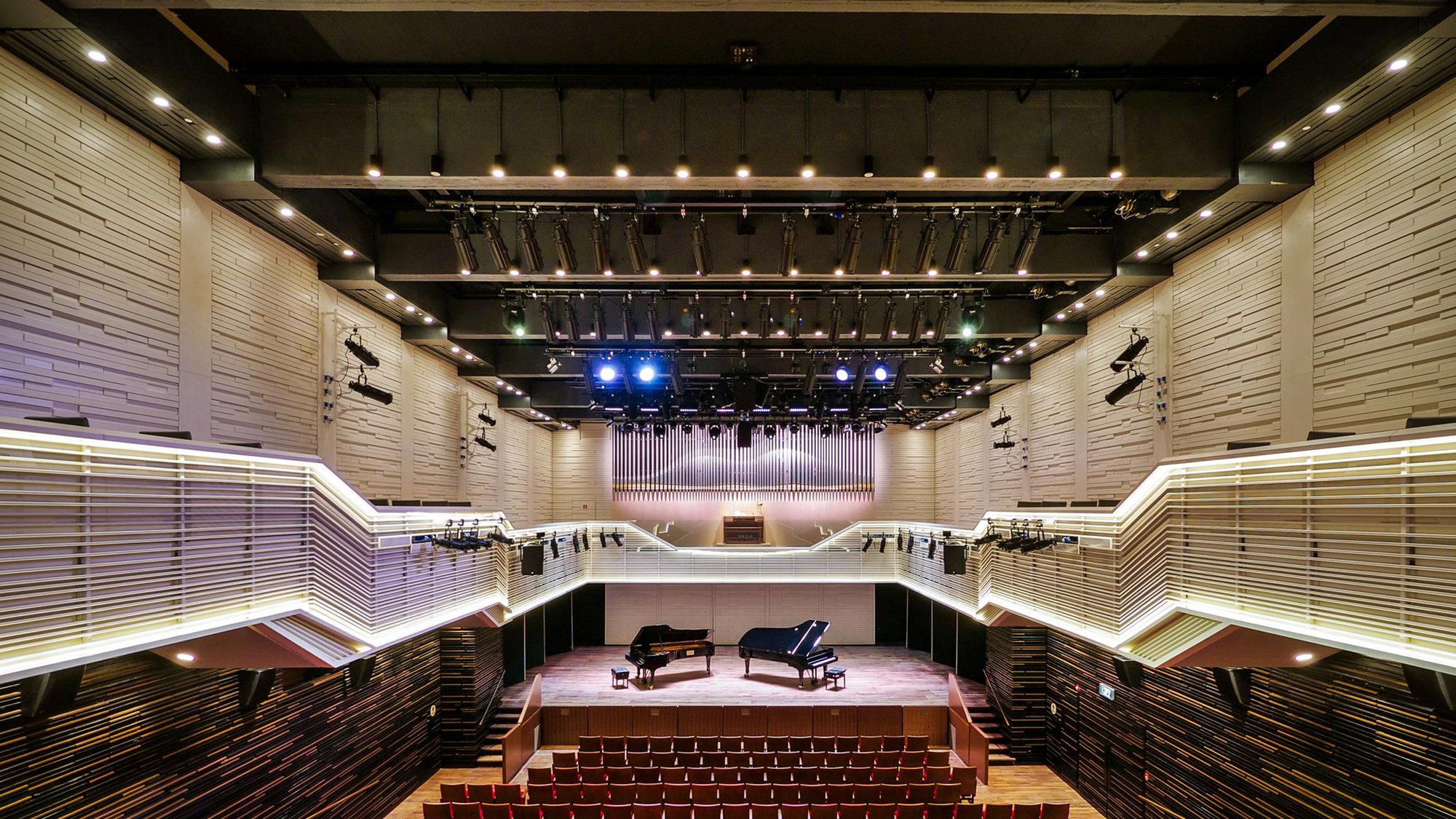
Architecture as the Organizing Idea
Israel's premium hotel market has, over the past decade, split into two recognizable streams: large urban business hotels operating under international flags in Tel Aviv and Jerusalem, and a smaller cohort of design-led or heritage-conversion properties that use architecture and cultural programming as their primary differentiator. Elma Arts Complex Luxury Hotel sits in Zikhron Ya'akov and is a design-led hotel with 95 rooms. The building that houses it was constructed in the 1930s as a sanatorium on the Carmel ridge above Zikhron Ya'akov, and its Bauhaus bones, clean horizontal lines, functional massing, ribbon windows oriented toward the coastal plain, were preserved and extended rather than buried under contemporary renovation clichés. The address on Ya'ir Street in Zikhron Ya'akov places it within its wider tourism orbit and makes it a practical base for exploring the northern coast.
Bauhaus heritage in Israel carries particular weight. The White City of Tel Aviv is one cited example, but the movement's influence extended northward along the coast, and Zikhron Ya'akov's hilltop position gave its modernist buildings an unusual relationship with natural light and panoramic sightlines that flatland construction rarely achieves. Elma's restoration made those qualities legible again: the long facades read as horizontal anchors against the ridge, and the interiors channel the original logic of light and circulation rather than filling space with decorative objects. Properties that treat historic architecture as a backdrop for conventional luxury tend to produce rooms that feel costumed. The more interesting conversion projects treat the building's logic as the guest experience itself.
The Arts Complex Model
What separates Elma from direct heritage hotel conversions is the degree to which the arts programming occupies the physical structure alongside hospitality functions. Concert halls, gallery spaces, and performance venues are not adjacent amenities; they share the building's circulation, which means guests move through active cultural programming as part of daily hotel life rather than stepping outside to reach a separate venue. This model is relatively rare in the broader Middle East luxury context, where cultural facilities tend to be bolted onto resort properties as leisure options rather than integrated into the architectural logic. The comparison set here is less the David Citadel Hotel in Jerusalem or the conventional coastal resorts, and more the internationally operating properties that use cultural institutions as a core identity signal, the kind of positioning seen at places like Castello di Reschio in Lisciano Niccone or HOTEL THE MITSUI KYOTO in Kyoto, where the building's pre-hospitality history gives the guest experience its organizing logic.
Israel has a handful of properties attempting something similar. The Efendi Hotel in Acre uses Ottoman-era architecture as its identity anchor, while Beresheet Hotel in Beersheba and its counterpart Beresheet in Mizpe Ramon use landscape as the primary design argument. Elma's distinction is that it turns cultural programming density into the differentiator rather than landscape or archaeological heritage, a different proposition that attracts a different traveler profile.
Position on the Northern Coast
Zikhron Ya'akov sits on a spur of the Carmel range roughly midway between Tel Aviv and Haifa, which gives it an independence from both cities that can read either as inconvenience or as deliberate remove depending on what a guest wants. The town itself has a documented history as one of the earliest Zionist agricultural settlements, and its wine production heritage, the Carmel Winery was established here in the late nineteenth century, adds a layer of regional culinary context that guests willing to explore the surrounding area can draw on. The coastal plain below the ridge is visible from the hotel's western-facing elevations, and on clear days the Mediterranean is in the sightline. This is not an urban hotel that happens to have cultural programming; the geography reinforces the idea that Elma requires a deliberate trip rather than a casual drop-in.
For travelers comparing it against the Tel Aviv luxury market anchored by properties like the Brown TLV Urban Hotel, Elma occupies a different category entirely. The decision to stay here is a decision to prioritize setting, architecture, and programming depth over urban proximity. The same logic applies internationally when travelers choose Amangiri in Canyon Point over a city-based Aman property: the remove is part of the offer. For further context on how destination properties operate at the design-led end of global luxury, properties like Six Senses Shaharut in Shaharut demonstrate how Israel's own market has developed an appetite for architecture-forward hospitality in non-urban locations.
Planning a Stay
The hotel's address at Ya'ir Street 1, Zikhron Ya'akov, places it accessible by car from Tel Aviv in under an hour and from Haifa in roughly thirty minutes, making it viable as either a base for exploring the northern coast or as a standalone retreat. Because Given the arts programming component, timing a visit to coincide with a specific concert or exhibition season is worth investigating in advance.
The property's position in Zikhron Ya'akov also means access to the town's wine trail and market street, which provides a practical supplement to on-site dining and activity. Visitors who want to understand the broader premium hotel landscape in Israel before committing may find it useful to compare Elma against Jerusalem-based options like the David Citadel Hotel or internationally against design-led properties such as Hotel Esencia in Tulum and La Réserve Paris, both of which operate in the smaller-footprint, design-coherent segment that Elma most closely resembles in global terms.
A Quick Peer Check
Comparable venues nearby, for context on price, style, and recognition.
| Venue | Cuisine | Price | Awards | Notes |
|---|---|---|---|---|
| Elma Arts Complex Luxury Hotel - אלמא מלון ומרכז אמנויותThis venue — the venue you are viewing | Contemporary boutique resort combining cultural institution with luxury hospitality, designed as an integrated art complex with performance and exhibition spaces. | $$$$ | Not listed | Not listed |
| The Norman Tel Aviv | Historic pre-Bauhaus residences restored with modern luxury amenities | $$$$ | Not listed | Newe Sha'anan |
| Red Sea Hotel | historic boutique in low stone buildings | Not listed | Not listed | Old City |
| Alegra Boutique Hotel | Luxury boutique hotel blending classical Arab architecture with contemporary design, featuring Jerusalem stone and modern furnishings in a historic neighborhood setting. | $$$$ | 4-Star | Ein Kerem |
| Hotel Montefiore | Restored historic Eclectic mansion blending intimacy of a guesthouse with luxury hotel service | $$$$ | 3-Star | Newe Ẕedeq |
| The Efendi Hotel | Restored Ottoman palaces blending history and luxury | $$$$ | 5-Star | Old City |
Continue exploring
More in Hadera
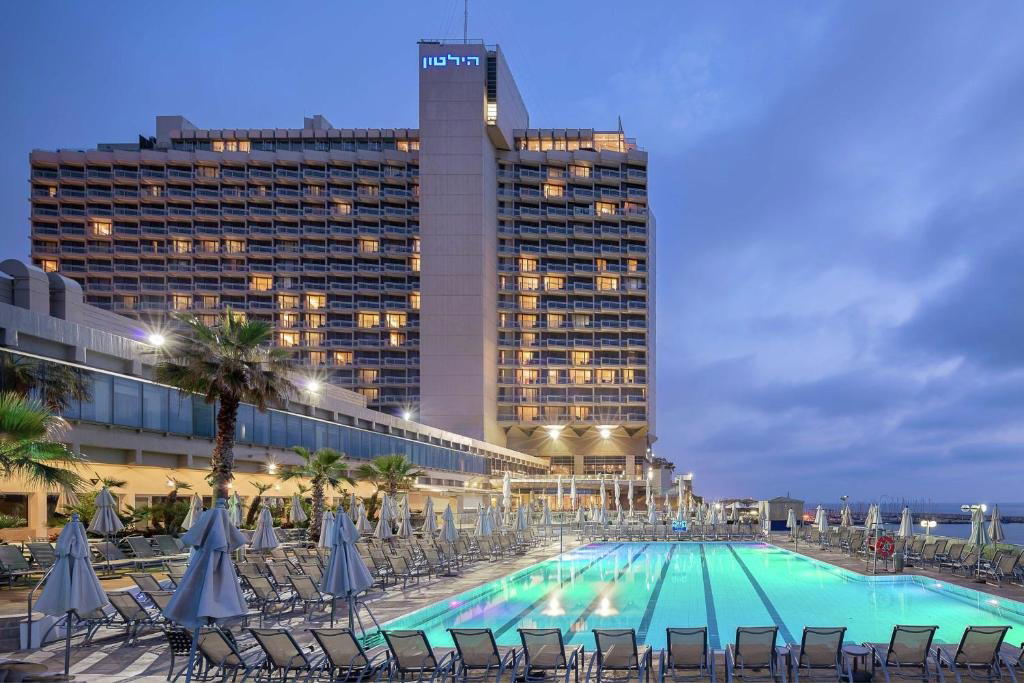
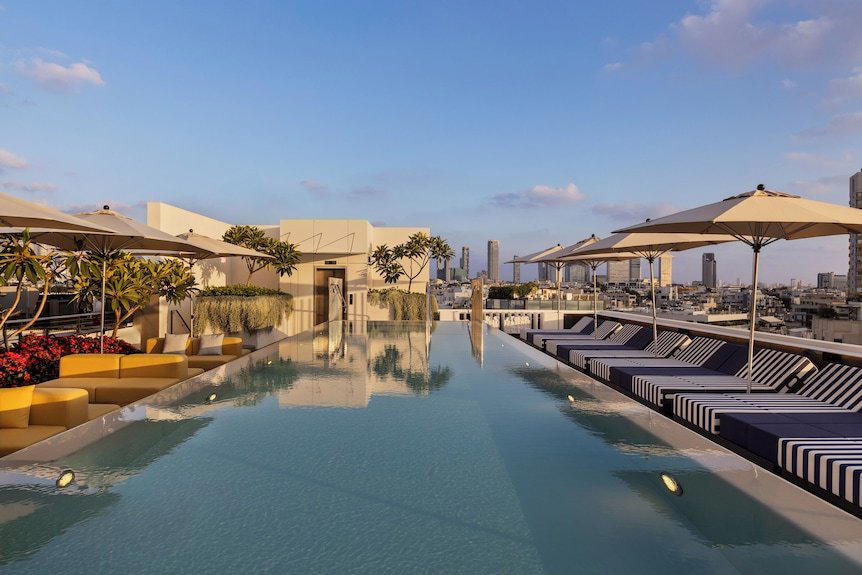
Hotels in Hadera
Browse all →
Bars in Hadera
Browse all →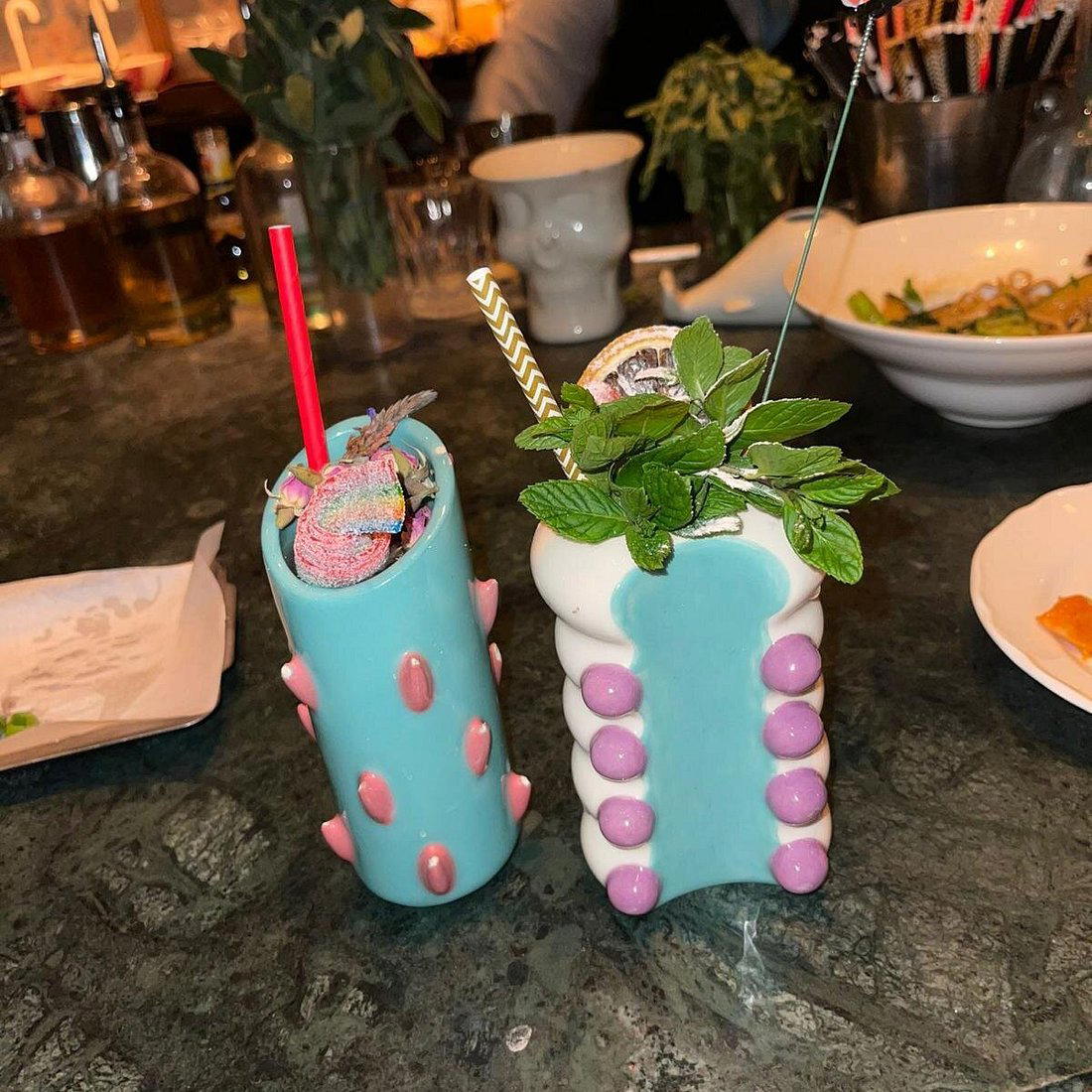
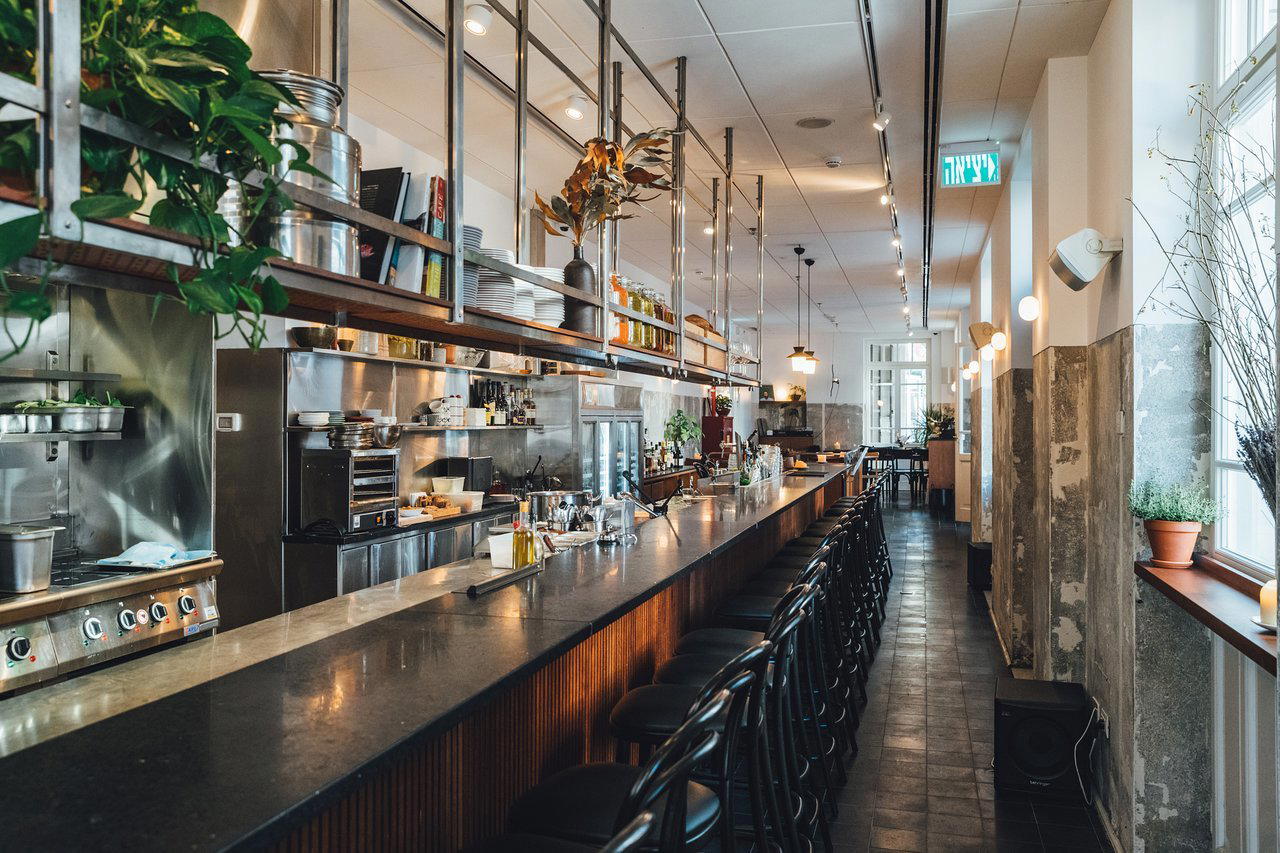
Restaurants in Hadera
Browse all →

At a Glance
- Romantic
- Scenic
- Sophisticated
- Elegant
- Romantic Getaway
- Wellness Retreat
- Anniversary
- Weekend Escape
- Waterfront
- Panoramic View
- Destination Spa
- Garden
- Terrace
- Design Destination
- Historic Building
- Wi Fi
- Pool
- Spa
- Fitness Center
- Restaurant
- Room Service
- Concierge
- Garden
- Sauna
- Waterfront
- Garden
- Wi Fi
- Pool
- Spa
- Fitness Center
- Restaurant
- Room Service
- Concierge
- Garden
- Sauna
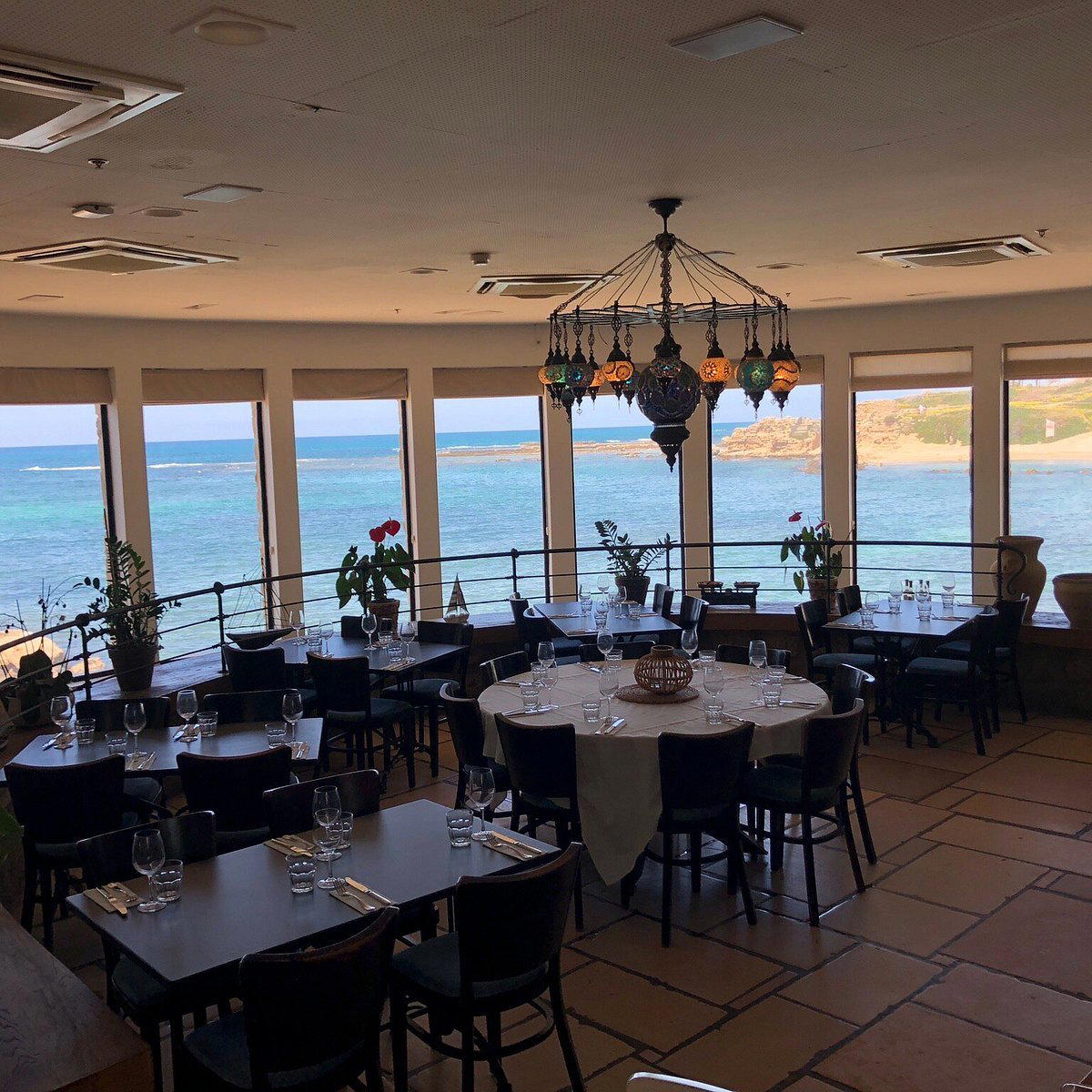
Modern, art-filled spaces with Mediterranean coastal views, starlit terraces, and curated cultural programming creating an inspiring and serene atmosphere.